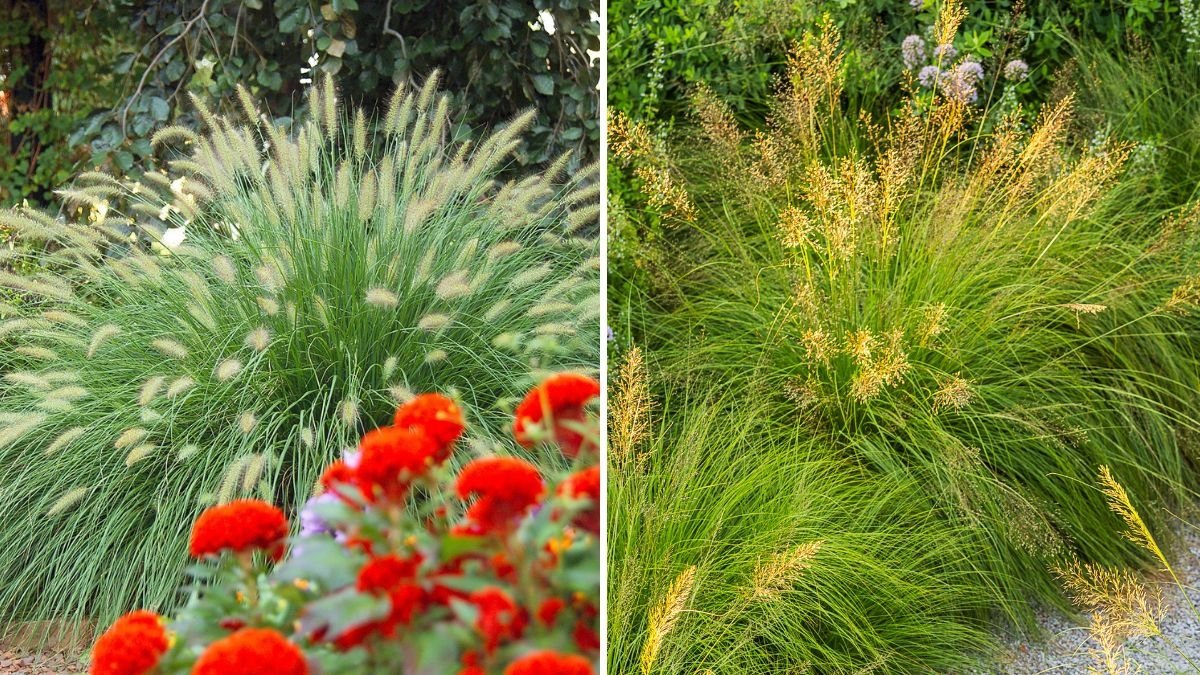
When autumn arrives, most gardeners think of chrysanthemums, asters, and pumpkins as the hallmarks of seasonal beauty. But one of the most versatile and underappreciated stars of the fall garden is ornamental grasses. Their waving plumes, graceful blades, and ever-changing colors provide unparalleled texture and movement, especially when paired with fall-blooming perennials and seasonal containers.
Whether you’re designing borders, refreshing containers, or creating focal points in the landscape, ornamental grasses offer dynamic interest that lasts well beyond the fall season. In this guide, we’ll explore how to use ornamental grasses for maximum texture in fall gardens, from choosing the right varieties to combining them with other plants and maintaining them for long-lasting appeal.
Why Ornamental Grasses Shine in Fall
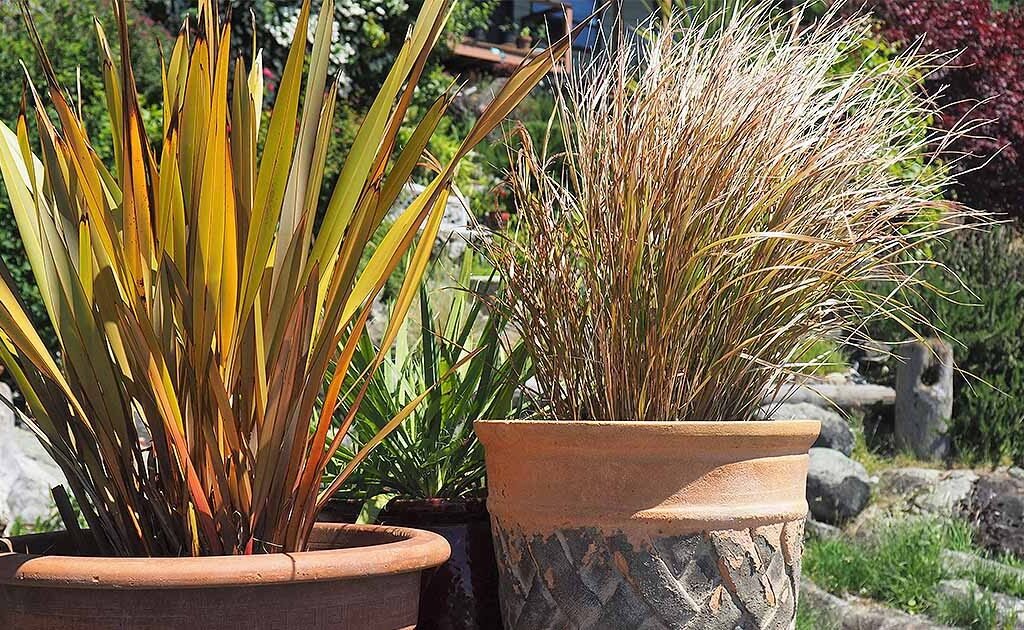
Fall is when ornamental grasses come into their own. While they add beauty in spring and summer, it’s in the cooler months that they truly stand out:
- Seasonal plumes – Many grasses produce feathery seed heads in late summer and fall, catching the light beautifully.
- Movement and sound – Their graceful swaying in autumn breezes adds a soothing, dynamic element.
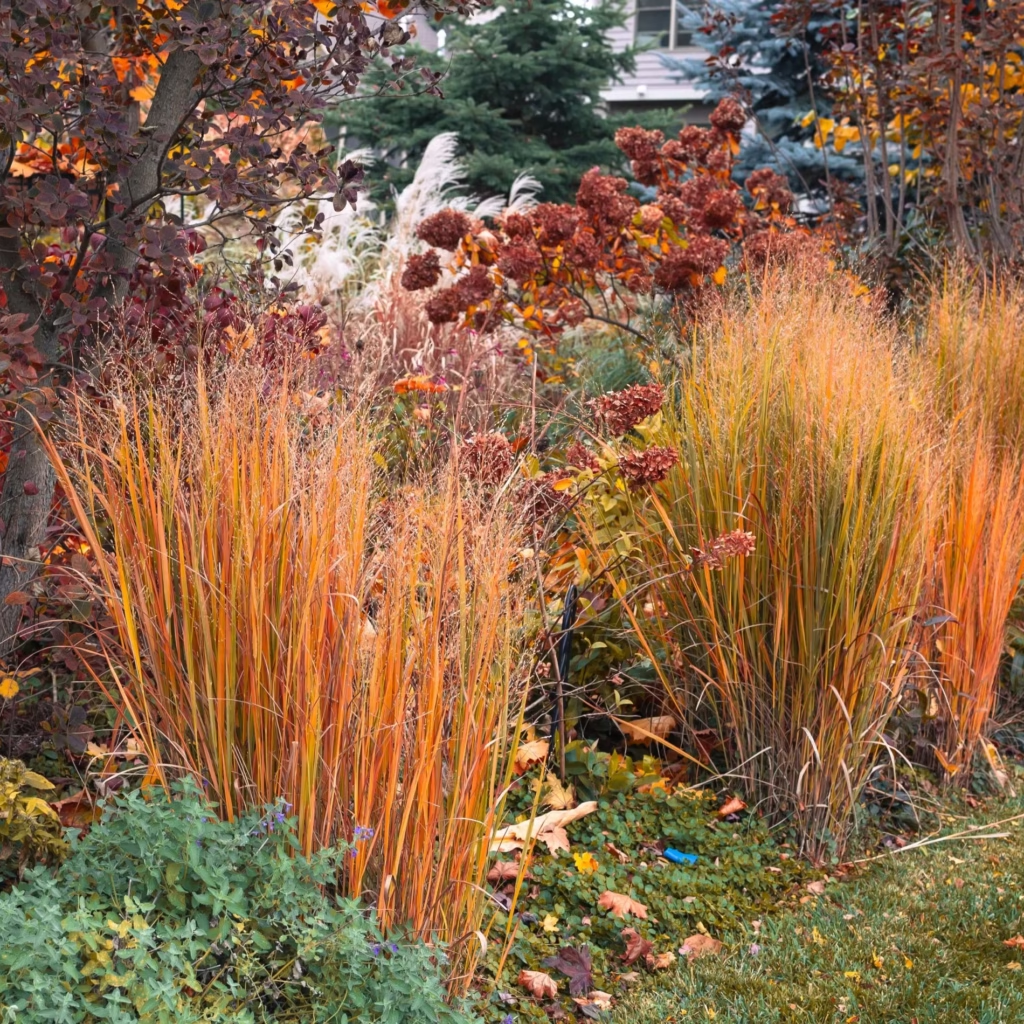
- Color transformation – Grasses often shift shades in fall, displaying golden, copper, red, or bronze tones.
- Low maintenance – They thrive with minimal care, resisting pests and drought.
- Winter interest – Even after frost, dried grasses maintain shape and structure, making them valuable year-round.
In short, ornamental grasses bridge the gap between summer’s lushness and winter’s dormancy, ensuring your garden retains texture and beauty.

Choosing Ornamental Grasses for Fall Texture
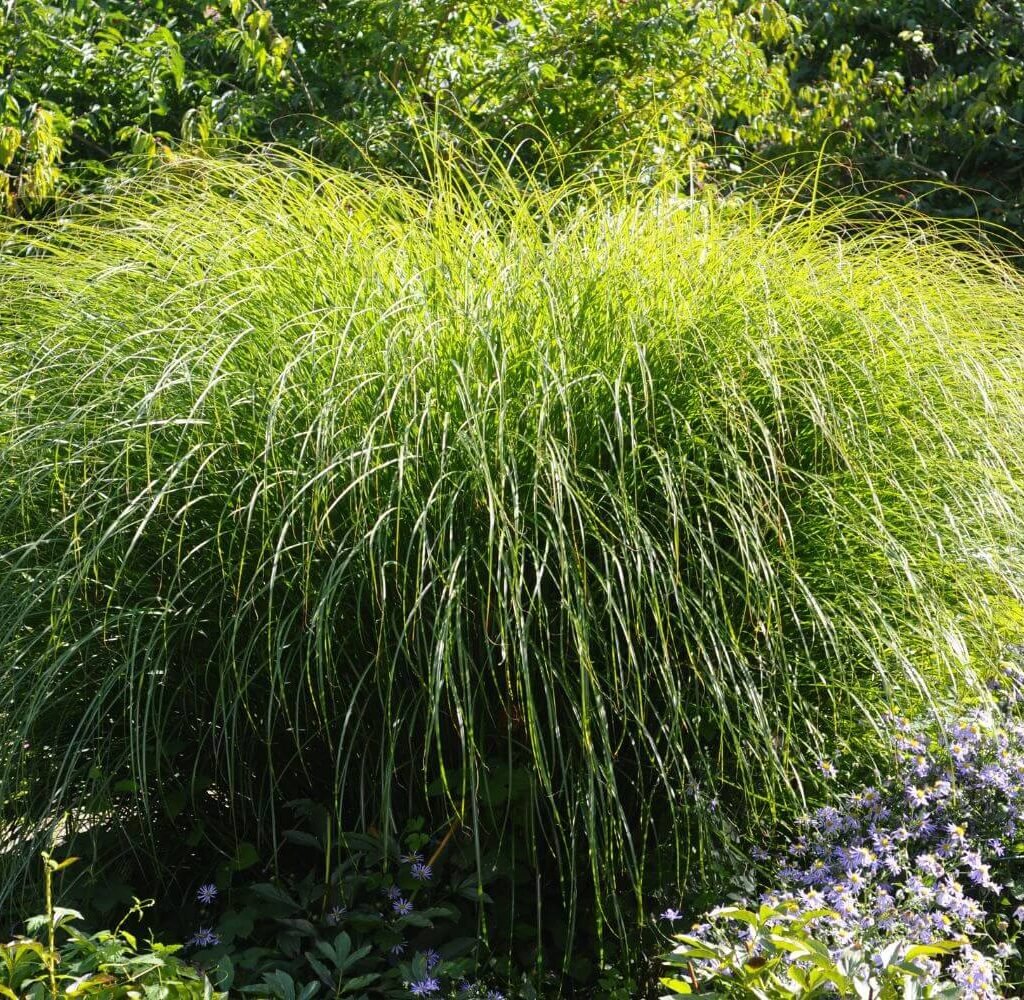
Not all ornamental grasses perform equally in the fall garden. For maximum impact, select varieties known for their late-season color, plumes, or structural interest. Here are some excellent options:
1. Miscanthus (Maiden Grass)
- Tall, arching grasses with silvery or reddish plumes that glow in autumn sunlight.
- Varieties like Miscanthus sinensis ‘Morning Light’ bring elegance to borders.
- Height: 4–7 feet; best for dramatic backdrops.
2. Pennisetum (Fountain Grass)
- Compact and mounded, with bottlebrush plumes that sway in the breeze.
- Purple fountain grass (Pennisetum setaceum ‘Rubrum’) is particularly striking with burgundy foliage and fluffy flowers.
- Ideal for containers or mid-border accents.
3. Panicum (Switchgrass)
- Upright form with airy, cloud-like seed heads in late summer.
- Foliage turns golden or reddish in autumn, adding vibrant contrast.
- Great for naturalistic plantings or prairie-style gardens.
4. Calamagrostis (Feather Reed Grass)
- Known for its upright habit and tall, feathery plumes.
- Calamagrostis acutiflora ‘Karl Foerster’ is a classic for vertical structure.
- Works beautifully in modern, minimalist landscapes.
5. Muhlenbergia (Muhly Grass)
- Famous for its cotton-candy-like clouds of pink or purple flowers in fall.
- Adds dramatic softness and color to sunny spots.
- Perfect as a focal point in mixed borders.
6. Carex (Sedges)
- Semi-evergreen with fine texture.
- Smaller, shade-tolerant species that pair well with fall containers.
- Provide subtle texture where taller grasses may overwhelm.
How to Design With Ornamental Grasses
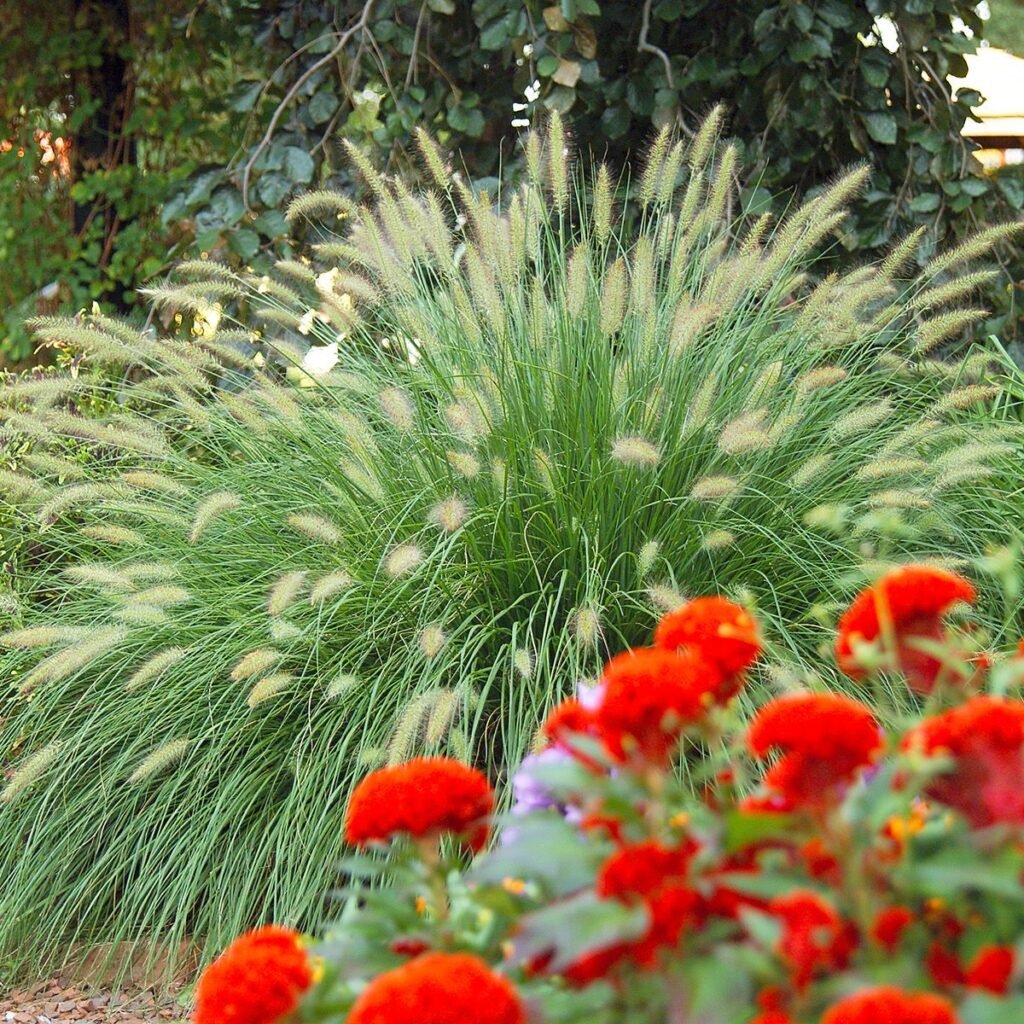
The key to using grasses effectively in fall gardens lies in placement and combinations. Here are strategies to maximize their impact:
1. Create Seasonal Contrast
Pair bold grasses with fall flowers like chrysanthemums, asters, or rudbeckia. The feathery plumes contrast beautifully with solid flower forms.
2. Layer for Texture
Use grasses of varying heights—tall miscanthus in the back, medium-sized fountain grass in the middle, and compact carex in the front. This layered approach creates depth.

3. Soften Hardscapes
Grasses are perfect for softening patios, fences, or garden edges. Their flowing blades provide a natural counterbalance to rigid structures.
4. Design for Movement
Position grasses where they’ll catch breezes—near pathways, patios, or seating areas. Their swaying adds a dynamic, almost musical quality to the garden.
5. Use as Focal Points
Bold species like muhly grass or purple fountain grass can stand alone in a container or bed as a statement piece.
6. Combine With Foliage Plants
Pair with fall foliage plants like heucheras, coleus, or ornamental kale for eye-catching color and texture combinations.

Using Ornamental Grasses in Containers
Containers are one of the easiest ways to showcase ornamental grasses in the fall garden. Their verticality and texture make them ideal for mixed arrangements.
- Thriller role – Use tall grasses like feather reed grass as the “thriller” in the center of large pots.
- Filler role – Medium grasses like fountain grass serve as fillers alongside mums or pansies.
- Spiller role – Trailing sedges or dwarf grasses spill gracefully over pot edges.
Design tip: Combine ornamental grasses with seasonal accents like small pumpkins, gourds, or trailing ivy for festive fall displays.
Maintenance Tips for Fall Grasses
One of the reasons ornamental grasses are beloved is their easy care. Still, a few seasonal practices will keep them looking their best:
- Watering – Most grasses tolerate drought but appreciate occasional watering in dry fall weather.
- Fertilization – Fertilize lightly in spring; avoid heavy feeding in fall to prevent weak late growth.
- Cutting back – Do not cut back in fall. Leave grasses standing through winter for visual interest and wildlife shelter. Cut them back in late winter or early spring before new growth.
- Division – Every 3–4 years, divide clumping grasses in spring to rejuvenate growth and prevent overcrowding.
- Winter care – Tall grasses may flop under snow. Tie them loosely with twine to maintain structure.
Pairing Grasses With Fall Bloomers
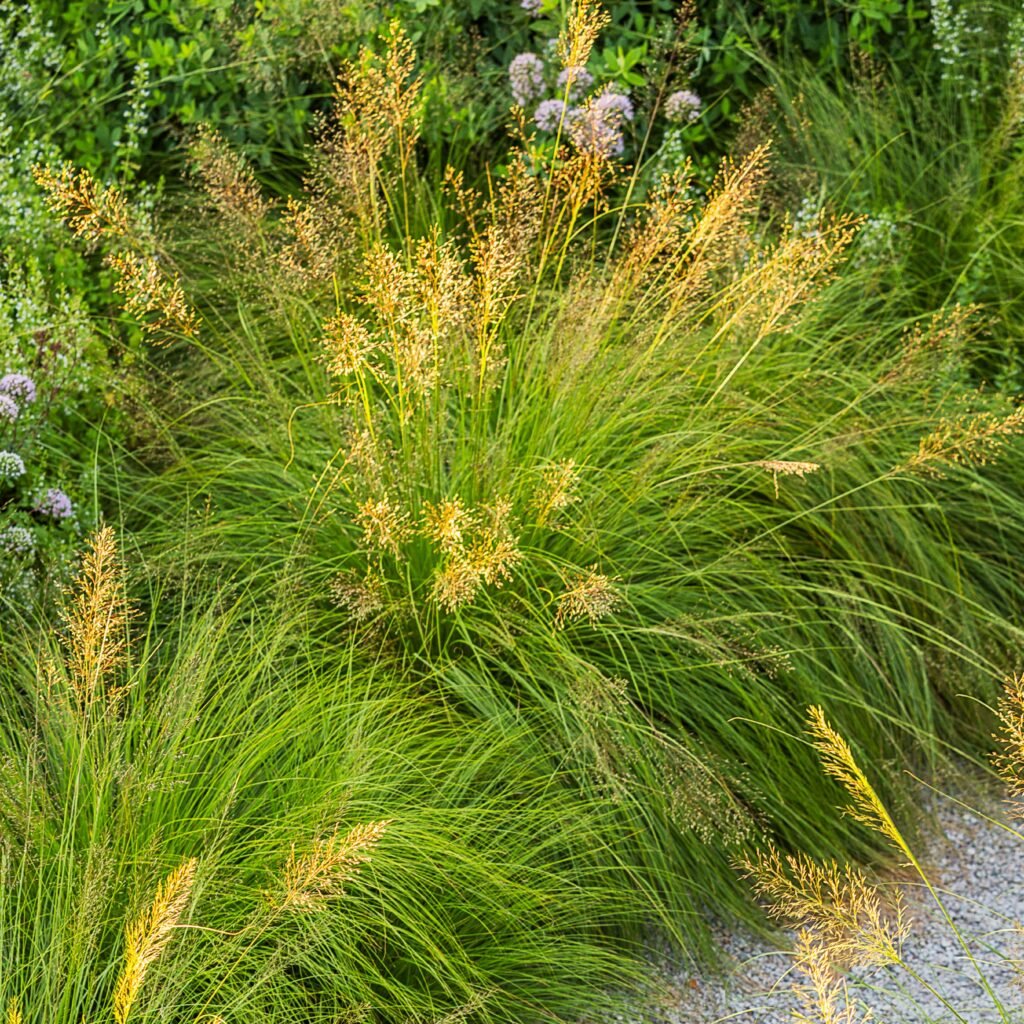
For maximum seasonal drama, pair grasses with other fall plants:

- With asters: The airy plumes of switchgrass complement the daisy-like flowers of asters.
- With rudbeckia: Bold yellow coneflowers pop against burgundy fountain grass.
- With mums: The dense blooms of chrysanthemums contrast with the wispy texture of miscanthus.
- With sedums: Sedum ‘Autumn Joy’ and feather reed grass create a sculptural, long-lasting combination.
- With ornamental kale: The structural rosettes of kale balance the vertical lines of grasses in containers.
Ornamental Grasses for Different Garden Styles
- Modern gardens: Opt for upright species like feather reed grass in clean, architectural plantings.
- Cottage gardens: Choose flowing varieties like fountain grass or miscanthus for a romantic look.
- Prairie gardens: Combine switchgrass and little bluestem with native wildflowers.
- Mediterranean gardens: Use drought-tolerant grasses like stipa (Mexican feather grass) with lavender and sage.
Conclusion
Ornamental grasses are more than just background plants; they’re powerful tools for adding texture, movement, and seasonal drama, particularly in fall. Their plumes catch the light, their colors shift with the season, and their presence carries a garden gracefully into winter.
By choosing the right varieties and pairing them thoughtfully with fall flowers and foliage, you can create gardens and containers that feel vibrant, layered, and alive even as the days grow shorter. Low-maintenance yet high-impact, ornamental grasses are the unsung heroes of fall texture—once you start using them, you’ll wonder how your autumn displays ever did without them.

Leave A Comment