Watering may seem like the simplest task in flower gardening, but timing can make or break your garden’s success. You may have the most nutrient-rich soil, the perfect flowers for your region, and ideal sunlight—but if you water at the wrong time, your plants can still suffer from wilting, disease, or nutrient deficiency.
So, what is the best time of day to water flowers, and why does it matter so much? This article dives deep into the science of watering timing, the effects on plant health, and the strategies that lead to a flourishing flower garden.
Why Watering Time Matters More Than You Think
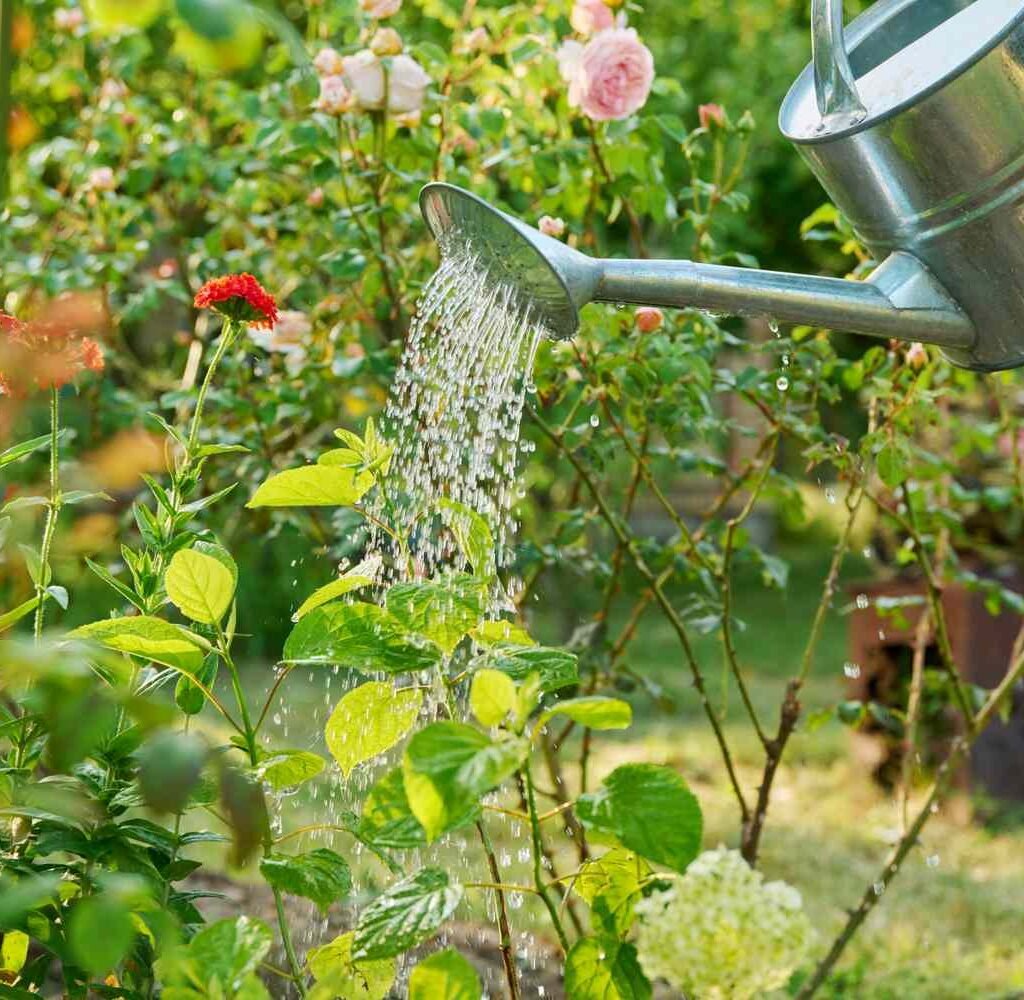
Watering flowers isn’t just about quenching their thirst. The time of day you water directly affects:
- Moisture absorption
- Disease prevention
- Evaporation rates
- Root development
- Overall plant stress
Choosing the right time to water means maximizing benefits while minimizing risks like fungal diseases, water waste, or sunscald.
The Golden Rule: Water Flowers in the Early Morning
Best Time: 5:00 AM – 9:00 AM
The early morning is universally regarded by horticulturists and professional gardeners as the ideal time to water flowers. Here’s why:
1. Optimal Absorption
Cooler morning temperatures allow water to soak deeply into the soil before the heat of the day evaporates it. This ensures roots get the maximum benefit from every drop.

2. Prepares Plants for the Day
Watering in the morning primes the plant’s hydration levels, helping it manage stress during hot, sunny afternoons. Hydrated plants maintain turgor pressure, which keeps stems strong and flowers perky.
3. Reduces Fungal Growth
By watering early, the foliage has plenty of time to dry during the day. Damp leaves overnight create the perfect environment for fungal diseases such as powdery mildew, botrytis, and downy mildew.
4. Minimizes Evaporation
Morning watering reduces the amount of water lost to evaporation, making your watering efforts more efficient and eco-friendly.
What Happens If You Water at the Wrong Time?
Midday (10:00 AM – 4:00 PM)
Watering during the hottest part of the day is not recommended, though it’s not as dangerous as once thought.
Common Myths:
- “Watering at noon will scorch leaves.”
- “Droplets act like magnifying glasses and burn foliage.”
These myths have been largely debunked. However, midday watering still isn’t ideal because:
- Water evaporates quickly, meaning less reaches the roots.
- Soil can become hot, leading to root stress.
- It’s an inefficient use of resources, especially in arid climates.
Evening or Night (After 6:00 PM)
Evening watering is better than no watering, but it carries risks:

Downsides:
- Moisture lingers on leaves and soil surface overnight.
- Increases the risk of fungal infections and root rot.
- Cooler temperatures reduce evaporation, but also reduce plant activity, meaning less water uptake.
That said, if morning watering isn’t possible, early evening watering (before sunset, around 5:00–6:00 PM) is acceptable, as long as foliage dries before nightfall.
Factors That Affect Watering Time
Although morning is generally best, certain factors may influence when and how you should water your flowers.
1. Climate and Weather Conditions
- In dry, hot regions, early morning watering is essential to prevent moisture loss.
- In humid environments, morning watering helps prevent prolonged dampness.
- During rainy seasons, watering may be reduced or skipped entirely.
2. Type of Flowers
Different flowers have varying water needs and sensitivities.
- Shallow-rooted annuals (like petunias or impatiens) need more frequent morning watering.
- Drought-tolerant perennials (like lavender or coneflowers) can handle less frequent watering.
- Moisture-loving flowers (like hydrangeas or fuchsias) benefit from consistent early morning watering.
3. Soil Type
- Clay soil retains moisture longer—morning watering every few days may be enough.
- Sandy soil drains quickly—morning watering may be needed daily during summer.
4. Container vs. Ground Beds
- Potted flowers dry out faster and should be checked daily.
- Ground-planted flowers have deeper root access but still benefit most from morning watering.
Best Watering Techniques for Flowers
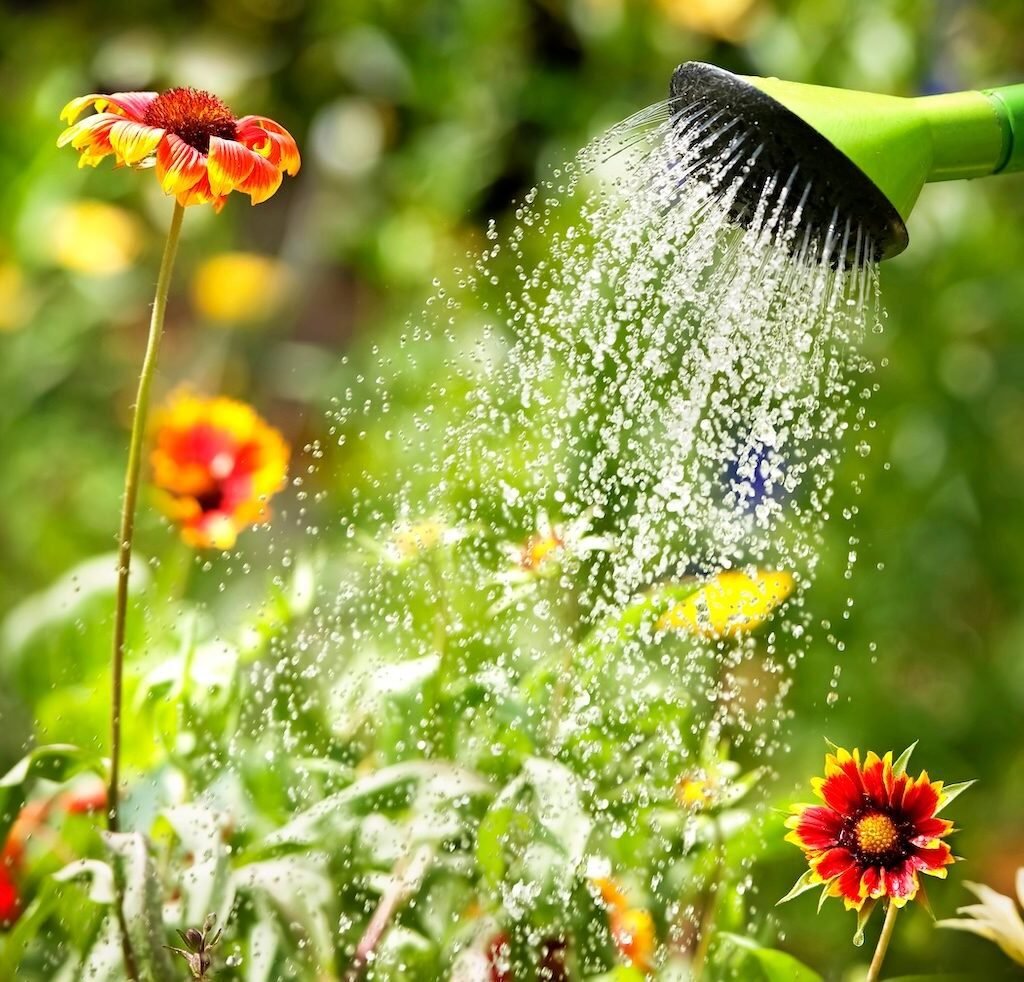
No matter the time, your watering technique is just as important as your timing.
Water at the Base, Not Overhead
Soaking the base of the plant ensures water reaches the roots and prevents fungal disease on leaves and blooms.
Deep, Infrequent Watering
Encourages deeper root systems, making plants more drought-resistant. Avoid shallow, frequent watering which leads to weak roots.

Use Mulch
Mulching helps retain moisture and regulate soil temperature. Organic mulches like bark, straw, or compost are ideal.
Use Soaker Hoses or Drip Irrigation
These systems deliver water slowly and directly to the root zone, perfect for early morning watering schedules and water conservation.
Watering Flowers by Season: What Changes?
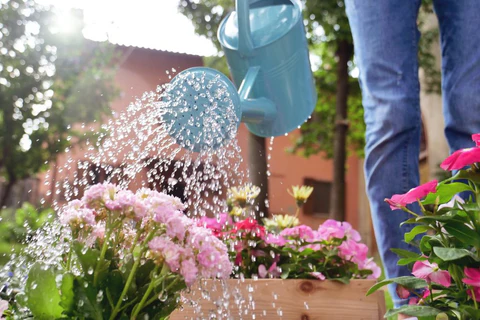
Spring
- Soil retains more moisture from winter.
- Begin morning watering as temperatures rise and new growth appears.
Summer
- Most demanding season.
- Daily or every-other-day morning watering may be necessary for heat-sensitive flowers.
- Mulch heavily to reduce evaporation.
Fall
- Cooler nights mean less frequent watering.
- Transition back to watering every few days in the morning.
Winter
- For regions with mild winters, watering is reduced drastically.
- Only water if there’s been no rainfall and plants show signs of stress.
Common Flower Watering Mistakes to Avoid
- Watering on a Schedule Instead of Observing the Soil
- Always check soil moisture before watering.
- Use your finger or a moisture meter.
- Using Cold Water from the Hose
- Cold water can shock plant roots.
- If possible, use water at ambient temperature.
- Watering Too Quickly
- Water slowly to allow moisture to seep deep into the root zone.
- Fast watering can cause runoff and uneven distribution.
- Ignoring Wind Conditions
- Windy mornings increase evaporation.
- You may need to adjust watering volume slightly.
The Role of Light in Watering Time
Plants are most active when the sun is rising. This is when:
- Stomata (tiny pores on leaves) open to regulate water and gas exchange.
- Photosynthesis begins in full swing.
By watering in the early morning, you provide the moisture needed right when the plant begins its daily functions. Evening watering, on the other hand, provides water during the plant’s resting phase, when uptake slows down.
Conclusion: Timing is Everything in Flower Gardening
Watering your flowers at the right time is one of the simplest and most effective ways to boost plant health, encourage vibrant blooms, and prevent disease. While there are many variables—plant type, soil, season, climate—the clear winner across most situations is early morning watering.
To recap:

- Best time: Early morning (5:00–9:00 AM)
- Worst time: Late evening or midday
- Factors to consider: Plant type, soil, weather, containers vs. beds
- Watering techniques: Base watering, deep soaking, use of mulch and drip irrigation
By understanding when and how to water your flowers, you’re not just maintaining them—you’re optimizing their entire growing environment. In gardening, timing is not just about the calendar; it’s about syncing with the natural rhythms of your plants.

Leave A Comment