Weeding is one of the oldest and most common gardening and farming tasks—and yet, it remains one of the most misunderstood. Most people know they need to pull weeds, but few realize how crucial timing is to its long-term effectiveness. When done right and at the proper time, pulling weeds can drastically reduce their recurrence, limit seed spread, and help maintain healthy soil and crops. But when done at the wrong time, it can actually encourage more growth or simply become an endless, frustrating cycle.
This article explores the science and strategy behind the best time to pull weeds—how timing impacts root systems, seed dispersion, and regrowth—and provides evidence-backed methods for achieving lasting results without chemicals.
Understanding Weeds and Their Life Cycles
Before determining the best time to remove weeds, it’s important to understand their life cycles. There are three major types of weeds:
1. Annual Weeds
- Complete their life cycle in a single season (e.g., crabgrass, chickweed)
- Rely on seed production for reproduction
- Key control strategy: Pull before they flower or go to seed
2. Biennial Weeds
- Take two years to complete their life cycle (e.g., bull thistle)
- Form a rosette in the first year and flower in the second
- Key control strategy: Remove in the first year before flower stalks develop
3. Perennial Weeds
- Come back year after year from the same root system (e.g., dandelions, bindweed, creeping charlie)
- Can regrow from root fragments, making them harder to eliminate
- Key control strategy: Pull when roots are most vulnerable
Understanding these patterns helps determine not just how, but when to weed.
The Best Times to Pull Weeds – Season by Season
Spring: Prime Time for Prevention
Spring is one of the most effective seasons to attack weeds—especially annuals and young perennials.
Why spring?
- Moist soil from spring rains makes it easier to pull weeds, roots and all.
- Weeds are young and haven’t yet developed deep root systems.
- Pre-flowering stage ensures you remove them before they go to seed.
Ideal conditions:
- A day or two after rain or early morning dew when the ground is moist
- When the weather is cool, preventing immediate regrowth
Pro Tip: If you’re using mulch, apply it after pulling weeds in spring. It will suppress new growth.
Summer: Stay Consistent, But Be Cautious
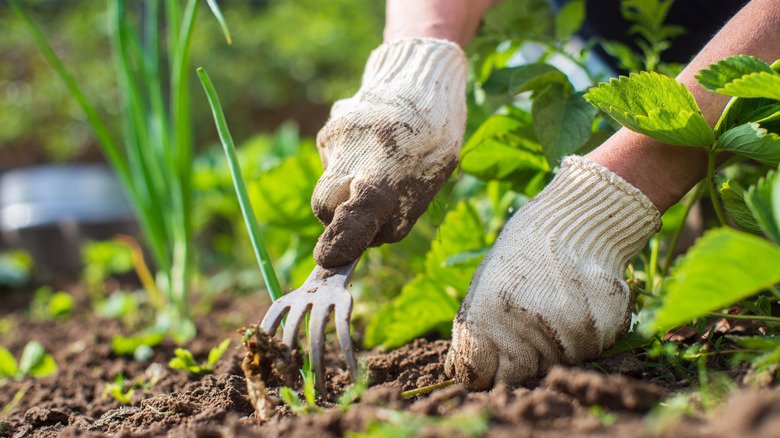
Weeds grow rapidly in summer due to warm temperatures and increased sunlight.
Key considerations:
- Soil dries out, making weed-pulling more difficult.
- Annual weeds may already be seeding, so timing is critical.
- Perennial weeds like bindweed or quackgrass are in full growth mode.
Best time to pull:
- Early morning or late evening, when it’s cooler
- After light watering or a rainstorm, to loosen soil
- Pull weeds before they set seed, or use scissors to snip off seed heads if pulling isn’t possible
Caution:
- Pulling deep-rooted weeds from dry, hard soil can break roots, leading to regrowth.
- Use a weeding fork or digging tool to remove the full root system.
Fall: Strategic Weeding for Next Season
Fall weeding is often overlooked, but it plays a vital role in long-term weed control.
Why fall matters:
- Weeds prepare for winter dormancy, storing energy in their roots.
- Disturbing them now can prevent strong regrowth in spring.
- Seedlings that germinated in late summer can be pulled before they establish.
Focus on:
- Perennial weeds: Fall is your last chance to weaken their root systems before winter.
- Young biennials: Remove first-year rosettes before they overwinter and bolt in spring.
Pro Tip: After fall weeding, apply mulch or plant a cover crop to suppress overwintering weeds.
Winter: Observation and Planning
While active weeding is generally not feasible in winter (especially in cold climates), this season still plays a role.
What you can do:
- Plan crop rotation and mulching strategies
- Spot and map areas with chronic weed issues
- Sterilize tools to prevent disease and weed seed spread
Bonus Tip: In mild climates, some weeding is possible on warm winter days when the ground isn’t frozen.
Timing Based on Weed Type
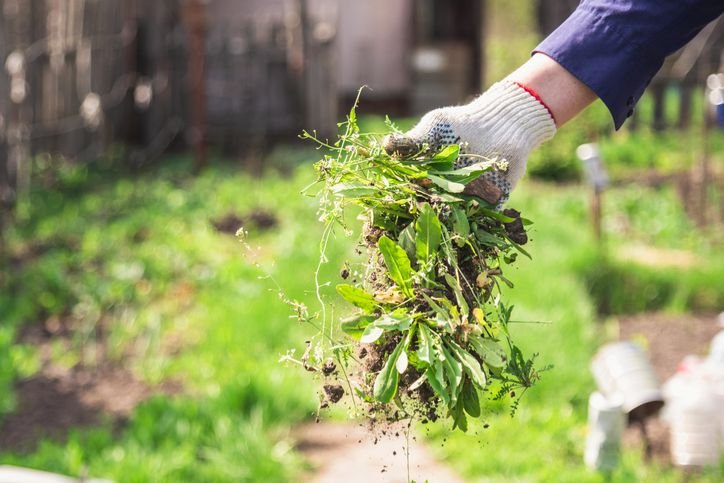
Beyond seasonal timing, weed type also plays a role in determining when to pull.

Flowering Weeds
- Pull before flowers bloom to prevent seed production.
- Once seeds drop, pulling becomes less effective.
Seed-Head Weeds
- If a weed has gone to seed, carefully cut off the seed head before pulling to avoid scattering.
Tap-rooted Weeds (e.g., dandelions)
- Best pulled when soil is moist and before flowering
- Use a narrow weeding tool to avoid snapping the root
Spreading Rhizome Weeds (e.g., Bermuda grass, creeping charlie)
- Pull early and often—repetition weakens the root system
- Avoid disturbing them in dry conditions, which encourages fragmentation and spread
Weather and Soil Conditions: Timing Enhancers
Even within a season, daily weather and soil moisture dramatically affect weeding success.
Ideal conditions:
- Moist soil: Makes pulling easier and more complete
- Cloudy or overcast days: Less plant stress, reduced regrowth
- Cool temperatures: Slows weed recovery and regrowth
Avoid:
- Dry, compact soil: Leads to root breakage
- Windy days: May spread seeds unintentionally
- Midday heat: Causes wilting, making it harder to grip and remove weeds
Tools That Improve Timing Efficiency
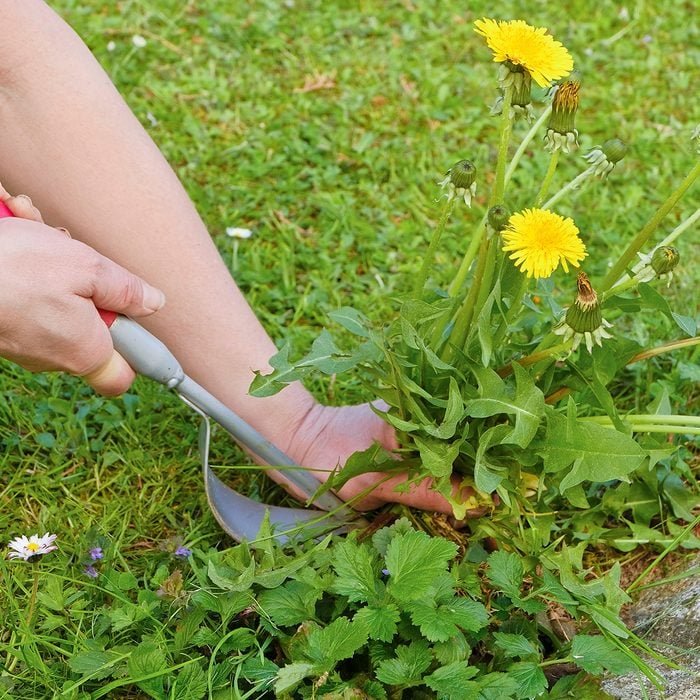
Using the right tool at the right time can improve efficiency and reduce strain:
- Hand weeder: Best for tap-root weeds in moist soil
- Hori-hori knife: Excellent for digging out deep roots
- Hoe or stirrup hoe: Great for surface-level weeding, especially in spring and fall
- Flame weeder: Effective during dry summer periods (non-flammable areas only)
Tips for Long-Term Weed Control
- Mulch immediately after weeding to prevent new growth.
- Pull a little every week rather than letting weeds get out of control.
- Never let weeds flower—even one seed can create thousands of offspring.
- Keep tools clean to avoid spreading seeds between areas.
- Maintain healthy soil: Fertile, well-mulched soil reduces weed pressure naturally.
Conclusion: Timing is the Secret Weapon
Pulling weeds may seem like a simple task, but doing it at the right time transforms it from a short-term fix to a long-term solution. By understanding plant life cycles, soil conditions, and seasonal patterns, you can maximize your weeding efforts and reduce the overall time and energy spent battling weeds.
Whether you’re managing a home garden, community plot, or a small farm, the secret to lasting results isn’t just how you weed—but when.


Leave A Comment