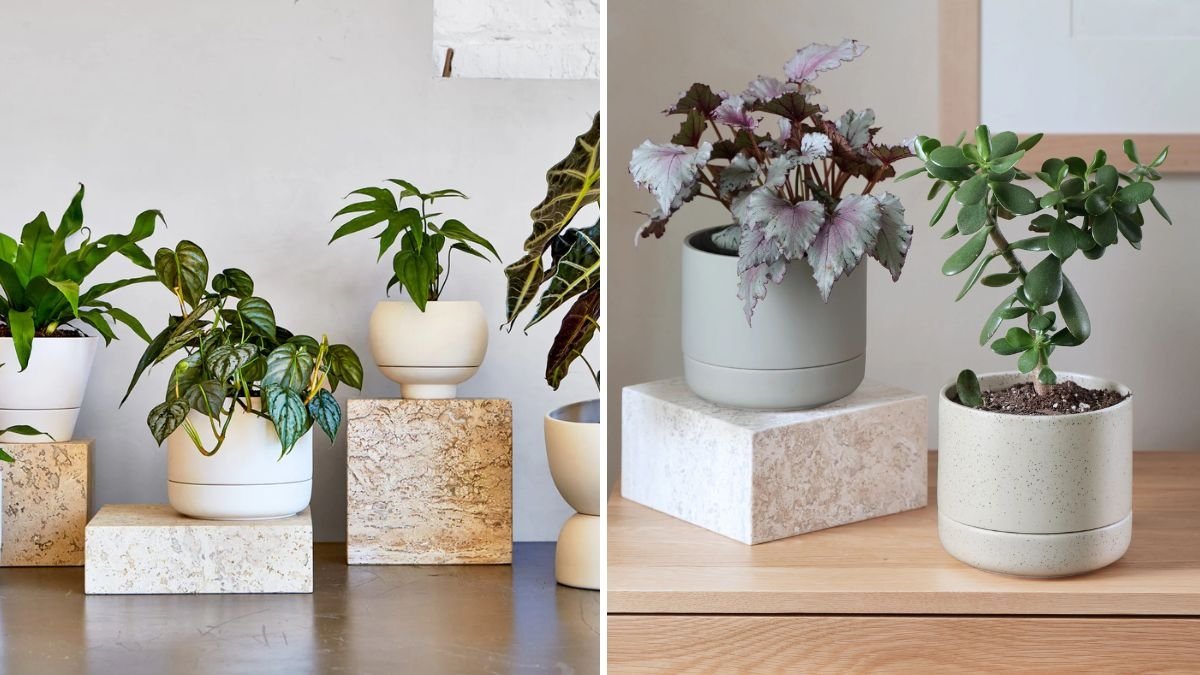
Ceramic pots are among the most popular choices for indoor plants because of their elegant look, durability, and ability to keep soil cool. However, they can be tricky when it comes to watering. Many plant lovers unknowingly overwater or underwater their plants in ceramic pots, leading to root rot or dehydration. The key to thriving greenery lies in understanding the unique nature of ceramic containers and mastering the right watering techniques.
In this comprehensive guide, we’ll explore how to water plants in ceramic pots correctly, what to avoid, and the best practices to ensure your indoor plants stay lush, healthy, and vibrant year-round.
1. Understanding Ceramic Pots: Why They’re Different
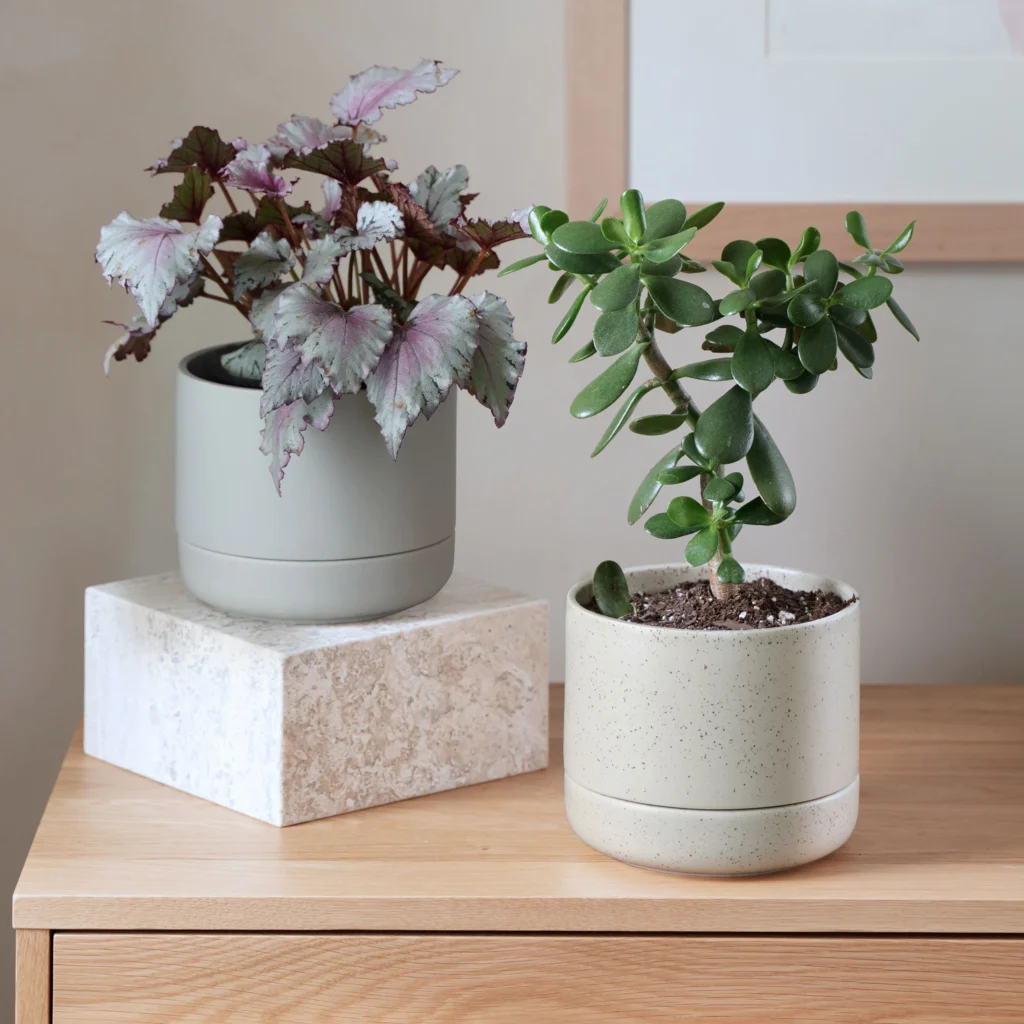
Before diving into watering techniques, it’s essential to know what makes ceramic pots unique.
- Porosity: Unglazed ceramic pots are porous, meaning they allow air and moisture to pass through their walls. This promotes aeration and prevents root rot but also means water evaporates faster.
- Glazed Pots: Glazed ceramic pots are coated with a shiny layer that makes them non-porous. While they hold moisture longer, they also limit airflow to the roots, increasing the risk of waterlogging.
- Weight and Drainage: Ceramic pots are heavier than plastic ones, providing stability for larger plants. However, drainage holes are essential — without them, excess water can’t escape, suffocating the roots.
Understanding these differences helps you tailor your watering habits to suit your specific pot type.
2. The Science of Watering Plants in Ceramic Pots
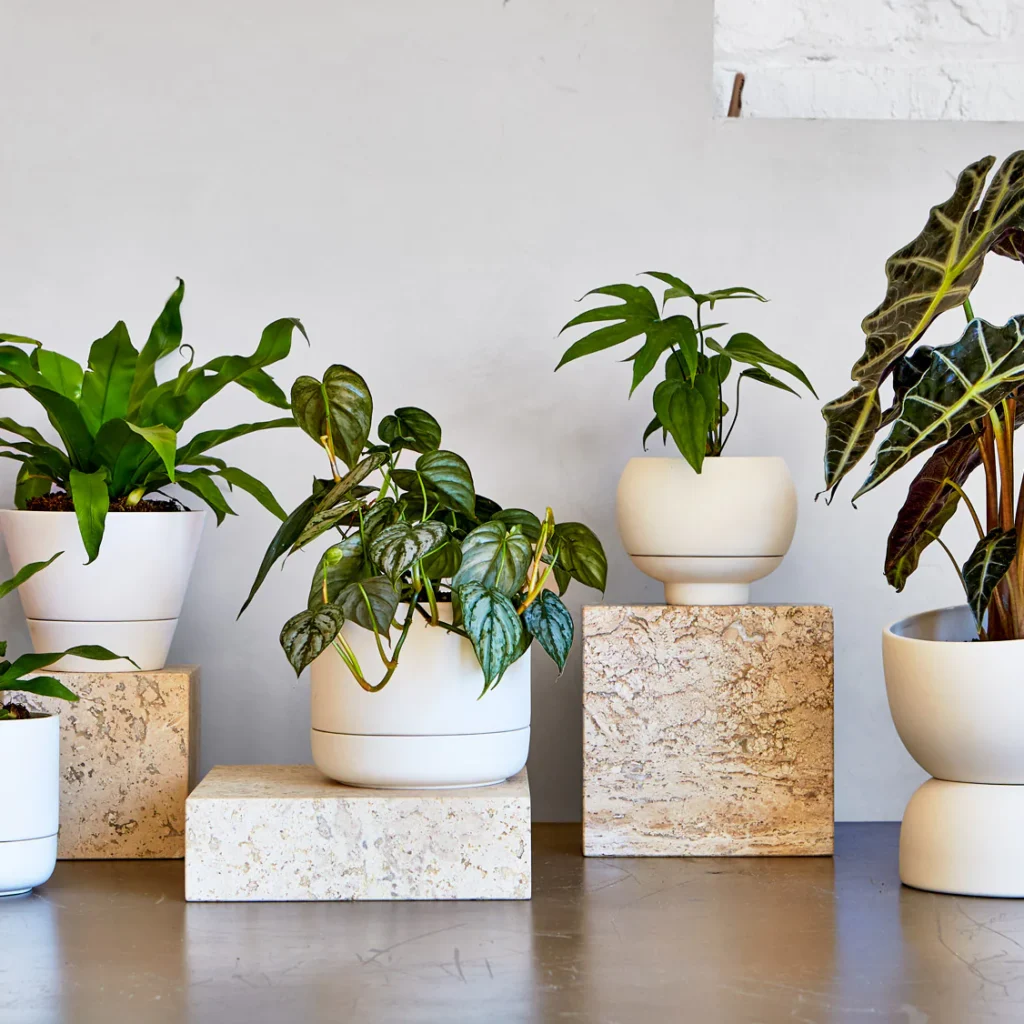
Every watering decision should consider three main factors: the pot type, the plant species, and the environment.
- Pot Type: Unglazed pots require more frequent watering since moisture escapes faster. Glazed pots retain water longer, so they need less frequent watering.
- Plant Species: Succulents, cacti, and snake plants need less water, while ferns, peace lilies, and pothos prefer consistently moist soil.
- Environment: Humidity, temperature, and sunlight all influence soil moisture. Warm, dry air accelerates evaporation, while cooler or more humid conditions slow it down.
The best way to balance these elements is to observe your plant and the soil closely rather than following a strict schedule.
3. The Right Watering Techniques for Ceramic Pots
Here’s how to water plants effectively in ceramic pots to keep them thriving:
a. Check the Soil Before Watering
Never water on autopilot. Instead, insert your finger about 1–2 inches into the soil. If it feels dry, it’s time to water. If it’s still moist, wait a few more days.
Alternatively, you can use a moisture meter for more precision. This is especially useful for plants in deep ceramic pots where the surface may feel dry while the roots are still wet.
b. Water Slowly and Evenly
When watering, pour slowly around the base of the plant rather than dumping all the water at once. This ensures even absorption and prevents soil compaction.
Allow the water to seep down to the roots gradually, making sure it reaches the lower layers. If your pot has a drainage hole, water until you see it trickling out of the bottom — this ensures the entire root zone is moistened.
c. Use Room-Temperature Water
Cold water can shock plant roots, especially during cooler months. Always use room-temperature water to avoid stressing your plants.

d. Avoid Letting Water Sit in the Saucer
If your ceramic pot has a saucer, empty it after watering. Standing water can lead to root rot and attract pests like fungus gnats.
e. Consider Bottom Watering for Sensitive Plants
For delicate plants like African violets or those prone to leaf rot, try bottom watering.
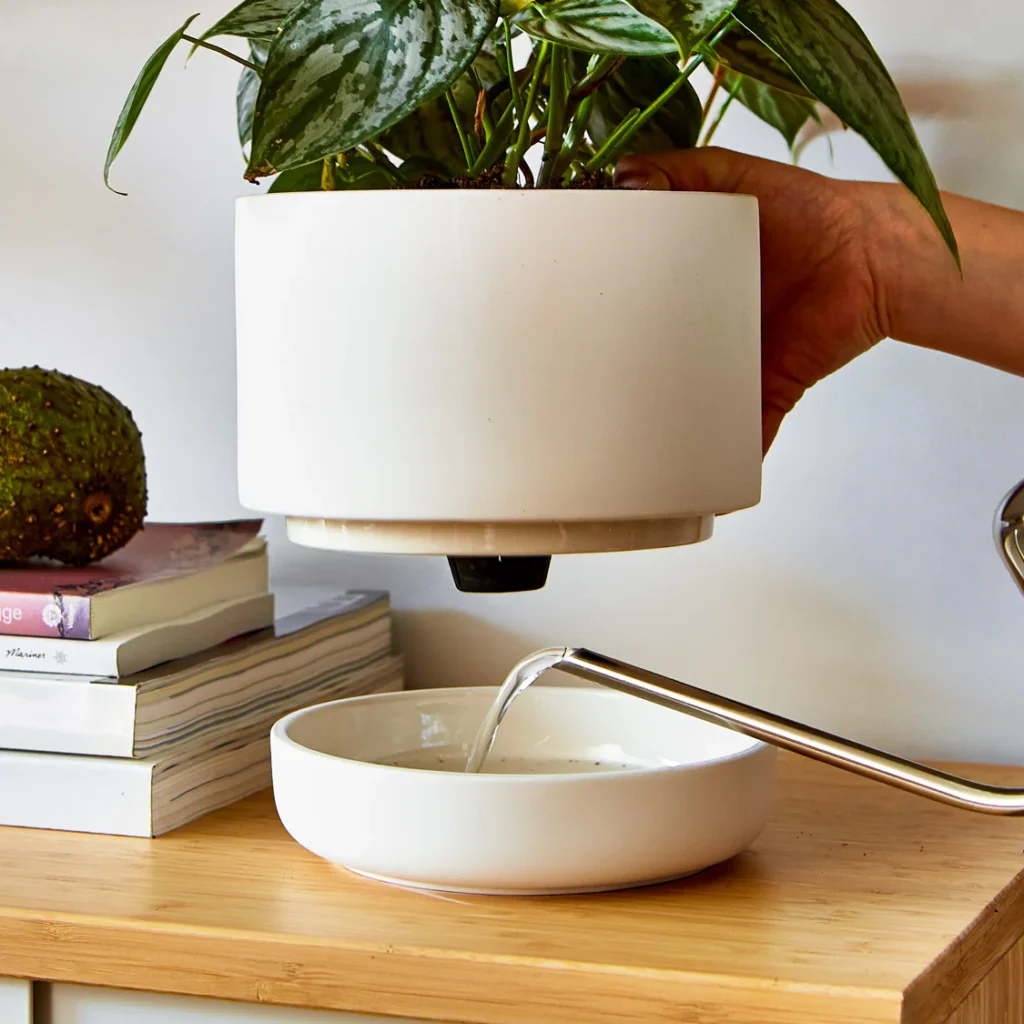
Fill a shallow tray with water and place the ceramic pot (with drainage holes) on it for 15–30 minutes. The soil will absorb moisture through the drainage hole, hydrating the plant evenly without wetting the foliage.
4. Adjusting Watering Based on Season
Your plant’s watering needs vary throughout the year:
- Spring and Summer: Plants grow actively, requiring more frequent watering. Check the soil every few days.
- Autumn and Winter: Growth slows down, and evaporation decreases. Water less often — typically every 10–14 days, depending on indoor humidity.
If you use heating indoors during winter, the air can become dry, so monitor your plants closely. You might need to increase humidity instead of watering more.
5. How to Prevent Overwatering and Root Rot
Overwatering is the most common mistake with ceramic pots, especially glazed ones. Here’s how to prevent it:
- Always use pots with drainage holes. If your ceramic pot doesn’t have one, consider drilling a small hole or using it as a decorative outer pot with a plastic liner inside.
- Let the topsoil dry out between waterings for most indoor plants.
- Elevate your pot slightly with pot feet or risers to improve airflow beneath it.
- Use a well-draining potting mix, such as one containing perlite, pumice, or orchid bark, to prevent soggy soil.
If you suspect root rot, remove the plant from the pot, trim any mushy roots, and repot in fresh, dry soil.

6. The Role of Potting Mix in Water Retention
The type of potting mix you use plays a major role in how water behaves inside a ceramic pot.
- For moisture-loving plants (like peace lilies, ferns, or calatheas): Use a mix rich in organic matter such as peat moss, compost, or coco coir to retain water.
- For succulents and cacti: Use a gritty mix with sand, perlite, and pumice to encourage fast drainage.
- For general houseplants: A balanced mix with peat moss, perlite, and a bit of compost works well.
Avoid compacted or dense soil that restricts airflow — this can cause stagnant moisture and lead to fungal growth.
7. Tips for Maintaining Ideal Humidity
Ceramic pots help maintain steady moisture levels, but indoor air can still dry out your plants, especially in air-conditioned or heated rooms.
To maintain ideal humidity:
- Group plants together to create a microclimate of shared humidity.
- Use a humidifier or mist your plants occasionally (avoid misting fuzzy-leaf plants).
- Place pots on a pebble tray filled with water, ensuring the pot sits above the waterline.
This balance between humidity and proper watering ensures your plants thrive without becoming waterlogged.
8. Common Mistakes to Avoid
Many plant owners make small yet costly mistakes when watering ceramic pots. Avoid these pitfalls:
- Watering on a fixed schedule rather than checking soil moisture.
- Using pots without drainage holes.
- Leaving water in saucers.
- Using compact soil mixes that trap moisture.
- Ignoring seasonal changes in plant water needs.
Remember, consistency and observation are key to healthy indoor plants.
9. Eco-Friendly Watering Tips
If you want to make your indoor gardening more sustainable, here are a few ideas:
- Reuse aquarium or rice rinse water (as long as it’s unsalted and chemical-free).
- Collect rainwater — it’s naturally soft and free of chlorine.
- Use watering cans with narrow spouts to control flow and avoid splashing.
10. Conclusion: The Art of Perfect Watering
Caring for plants in ceramic pots is both an art and a science. The combination of moisture control, proper drainage, and attentive observation ensures your plants not only survive but flourish beautifully.
By understanding your pot type, checking soil moisture regularly, and adapting to seasonal needs, you can prevent overwatering, encourage healthy root growth, and keep your indoor plants looking their absolute best.
So, the next time you reach for your watering can, remember — it’s not just about giving water. It’s about giving just the right amount, in the right way, to create a thriving little ecosystem inside your ceramic pot.

Leave A Comment