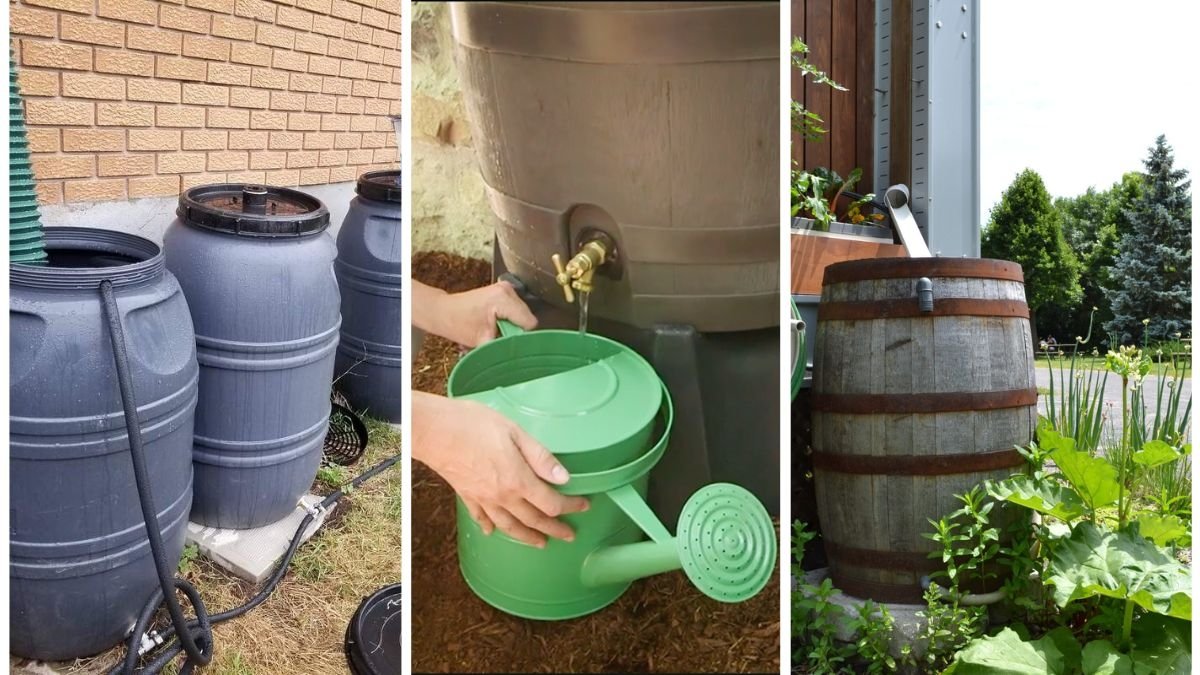
Water is one of the most valuable resources in gardening, yet it’s often taken for granted. Between rising utility costs, unpredictable rainfall, and growing awareness of sustainability, many gardeners are turning to rain barrels as a smart, eco-friendly way to conserve water. Collecting rainwater isn’t new — it’s an age-old practice — but using it correctly can make a big difference in both your garden’s health and your water bill.
This article explores the right way to use rain barrels for watering, from setup and safety to efficient irrigation methods and long-term maintenance.
Why Use Rain Barrels?
Before diving into the “how,” let’s understand the “why.” Rain barrels aren’t just about saving money. They play an essential role in water conservation and soil health.
Key Benefits:
- Reduces Water Bills: Rainwater is free and lowers reliance on municipal water.
- Eco-Friendly: Less stormwater runoff means reduced pollution and erosion.
- Better for Plants: Rainwater is naturally soft and chemical-free, unlike tap water that may contain chlorine, fluoride, or salts.
- Emergency Backup: In times of water restrictions or drought, collected rainwater ensures your garden stays hydrated.
With these benefits in mind, let’s look at how to properly use rain barrels.
1. Choosing the Right Rain Barrel
Not all rain barrels are created equal. The right choice depends on your garden’s size, roof setup, and climate.
Features to Look For:
- Capacity: Common sizes range from 50–100 gallons. Larger gardens may need multiple barrels connected.
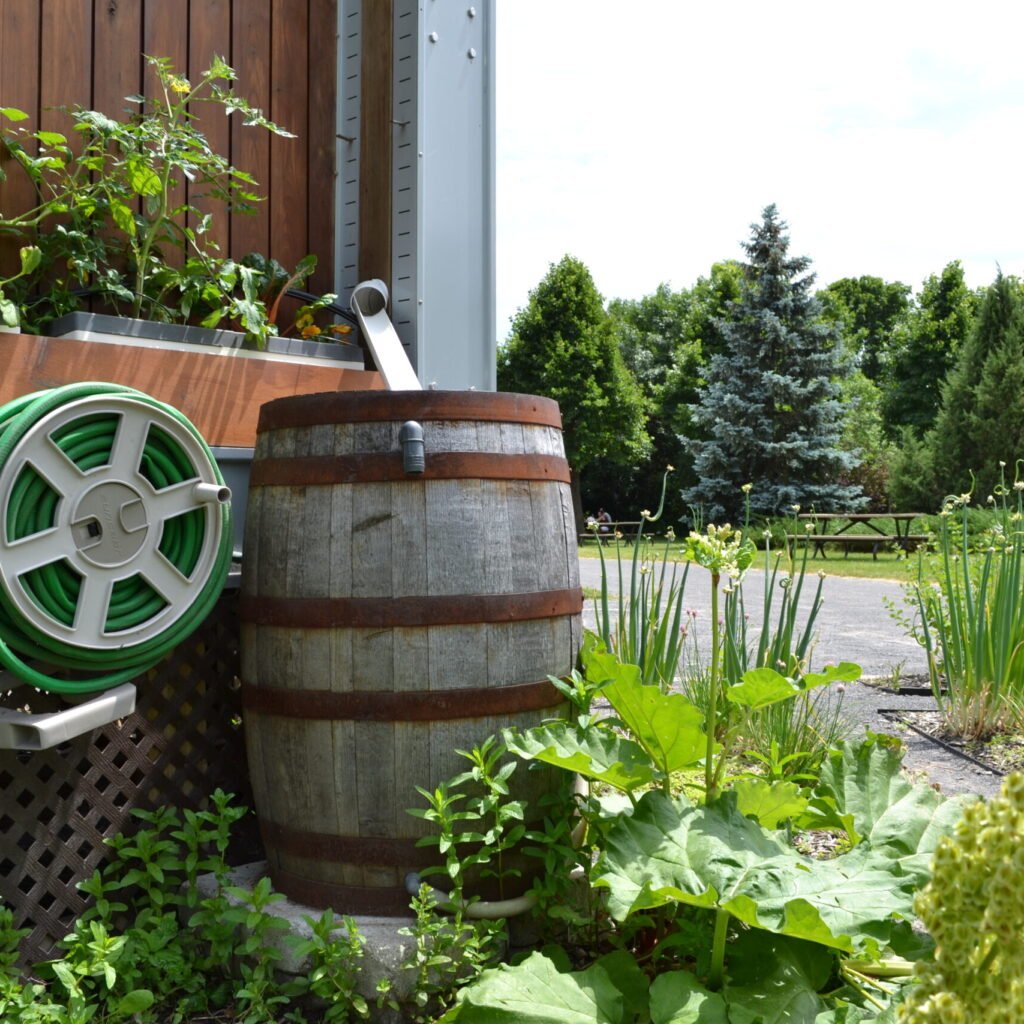
- Material: UV-resistant plastic is durable and lightweight, while wood barrels add charm but require more maintenance.
- Overflow System: Prevents water from spilling over during heavy rains.
- Spigot Placement: Ideally located near the bottom for easy hose attachment.
- Screened Lid: Keeps out leaves, debris, and mosquitoes.
Pro Tip:
If possible, choose a rain barrel with a linking kit so you can connect multiple barrels for greater capacity.
2. Proper Placement and Setup
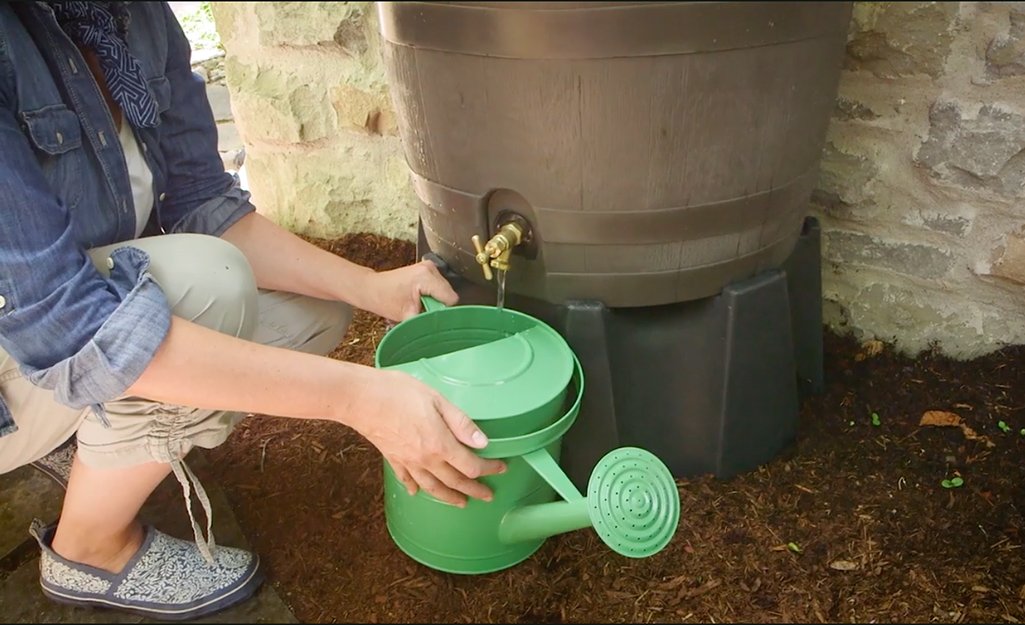
Where you place your rain barrel makes all the difference in how effectively it collects and distributes water.
Best Practices:
- Locate Beneath a Downspout: Direct a gutter downspout into the barrel for maximum catchment.
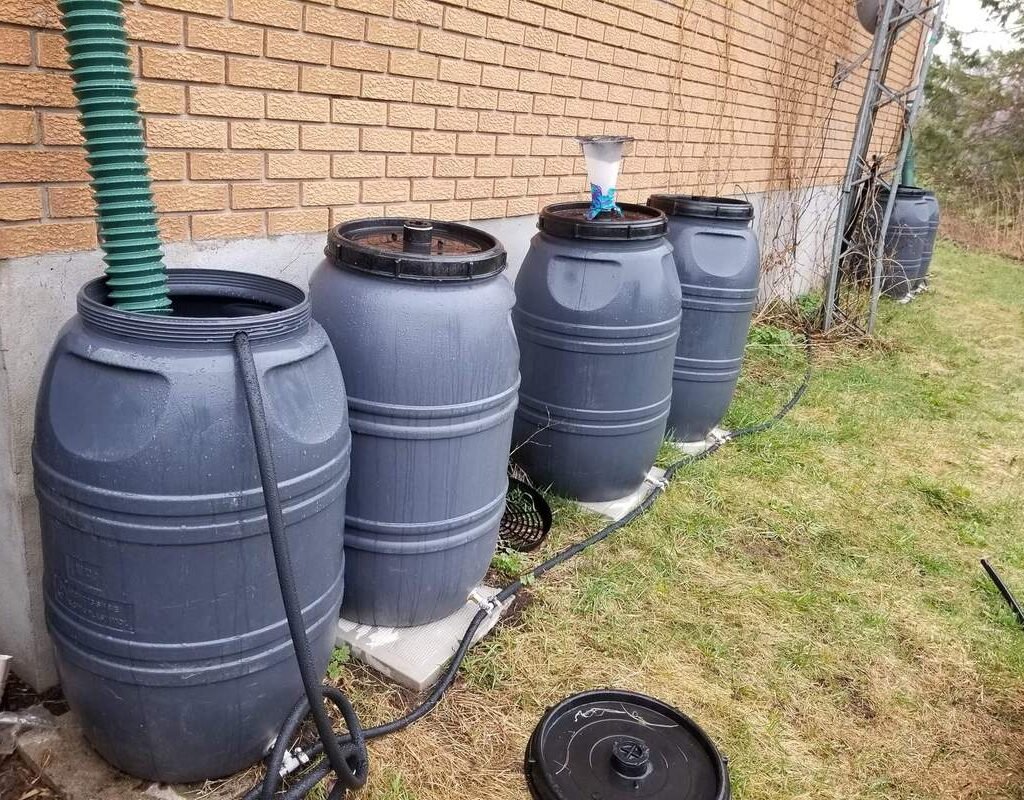
- Elevate the Barrel: Place it on cinder blocks or a sturdy stand to improve water pressure and make filling watering cans easier.
- Ensure Level Ground: A full barrel is heavy (up to 400+ pounds), so it must sit on stable ground.
- Install Overflow Hose: Direct excess water away from your home’s foundation.
A well-placed rain barrel can capture hundreds of gallons of water in a single storm, depending on your roof size.
3. Using Rain Barrel Water Safely
Rainwater is generally safe for plants, but proper handling ensures it remains clean and effective.
Do’s:
- Water Edible Plants at the Soil Level: Use rainwater for fruits, vegetables, and herbs by applying it directly to the soil, not the leaves, to reduce risk of contamination.
- Use Quickly: Stagnant water can breed algae and mosquitoes. Aim to use your rainwater within 7–10 days.
- Keep it Covered: Always use a tight-fitting screen lid to keep pests and debris out.
Don’ts:
- Avoid drinking rain barrel water unless it’s properly filtered and treated.
- Don’t collect rainwater from roofs treated with toxic chemicals (like some older tar or copper-based materials).
4. Efficient Watering Methods with Rain Barrels
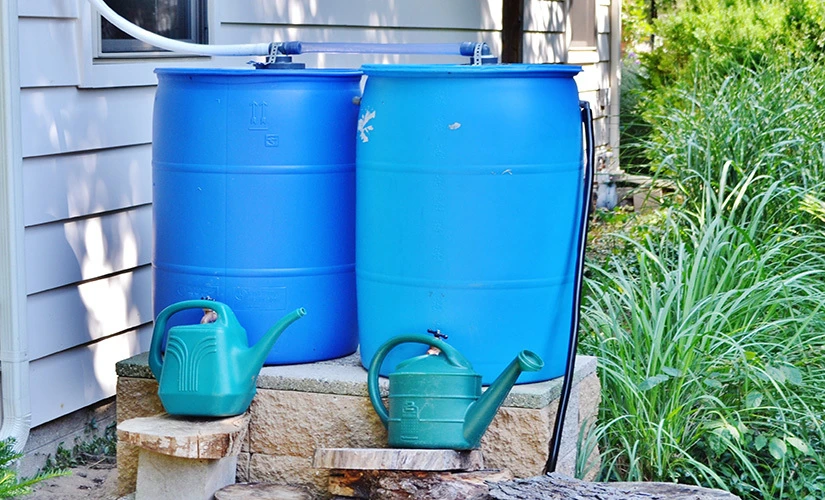
Simply dipping a watering can is fine for small gardens, but there are smarter ways to integrate rain barrel water into your irrigation system.
Options:
- Soaker Hoses: Attach a soaker hose to the spigot and let it slowly seep water directly into the soil. Best for vegetable rows and flower beds.
- Drip Irrigation Systems: With a pressure regulator or pump, rain barrels can power drip irrigation lines, saving water and time.
- Gravity-Fed Systems: By elevating the barrel, gravity creates enough pressure to fill cans or power short hose runs.
- Manual Watering: Use the spigot to fill buckets or cans for hand-watering delicate plants.
Pro Tip:
For maximum efficiency, water early in the morning or evening to reduce evaporation.
5. Seasonal Care and Maintenance
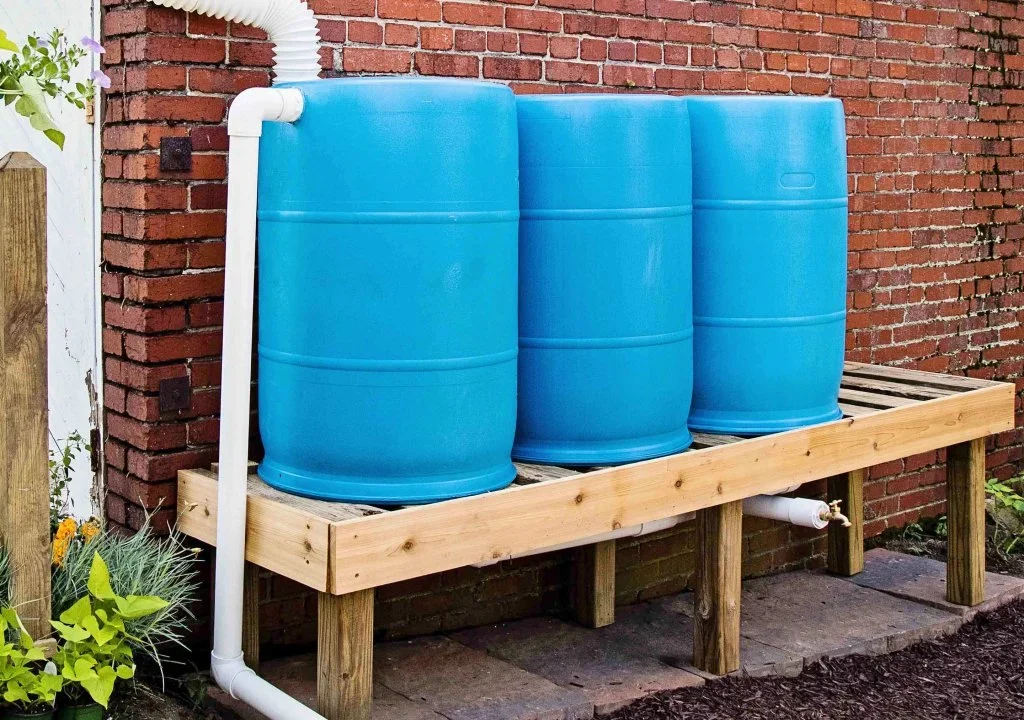
Rain barrels require periodic upkeep to keep water clean and the system functional.
Regular Maintenance:
- Clean Filters and Screens: Remove leaves, pollen, and debris monthly.
- Check for Leaks: Inspect spigots, hoses, and seals.
- Scrub the Interior: Every few months, empty the barrel and scrub with a mild vinegar solution to prevent algae.
- Prevent Mosquito Breeding: Use mosquito dunks (Bti tablets) if needed — they are safe for plants and pets.
Winter Care (in cold climates):
- Drain barrels completely before freezing temperatures.
- Disconnect from downspouts and store upside down to prevent cracking.
- Reconnect in spring once the danger of freezing passes.
6. Maximizing Rain Barrel Efficiency
To get the most out of your rain barrel system, consider these strategies:
- Install Multiple Barrels: Chain them together to increase storage.
- Use Rainwater First: Prioritize barrel water before turning to tap water.
- Combine with Mulching: Rainwater plus mulched soil extends moisture retention.
- Track Rainfall: Know when your barrel is likely to fill by monitoring local rainfall averages.
Even a single 1,000-square-foot roof can yield over 600 gallons of water from just one inch of rainfall — enough to sustain most backyard gardens for weeks.
7. Common Mistakes to Avoid
New users often make simple mistakes that reduce efficiency or compromise safety.

- Placing the barrel directly on soil → causes shifting and tipping. Always use a stand.
- Ignoring overflow control → leads to flooding around foundations.
- Using non-food-safe containers → can leach harmful chemicals into water.
- Letting water stagnate for weeks → encourages algae and mosquito breeding.
Avoiding these errors keeps your system clean, safe, and productive.
8. Integrating Rain Barrels into Sustainable Gardening
Rain barrels are most effective when combined with other eco-friendly practices:
- Compost Tea: Use collected rainwater to brew nutrient-rich compost tea.
- Raised Beds with Drip Irrigation: Pairing rain barrels with raised beds creates a water-efficient growing system.
- Native Plants: Combine rainwater use with drought-tolerant species for maximum water conservation.
- Rain Gardens: Direct overflow into rain gardens to reduce runoff while beautifying your yard.
This integration not only conserves water but also builds healthier soil and reduces your garden’s ecological footprint.
Conclusion
Using rain barrels the right way isn’t just about collecting water — it’s about building a sustainable water cycle in your garden. From choosing the right barrel and setting it up properly, to maintaining it and using efficient irrigation methods, each step ensures that your plants benefit from fresh, chemical-free rainwater.
By adopting rain barrels, you’re not only saving money and reducing reliance on municipal systems but also contributing to a healthier environment. Every drop collected and reused is a step toward smarter gardening and more resilient soil.

So the next time it rains, let your roof do the work — and your rain barrel keep your garden thriving.

Leave A Comment