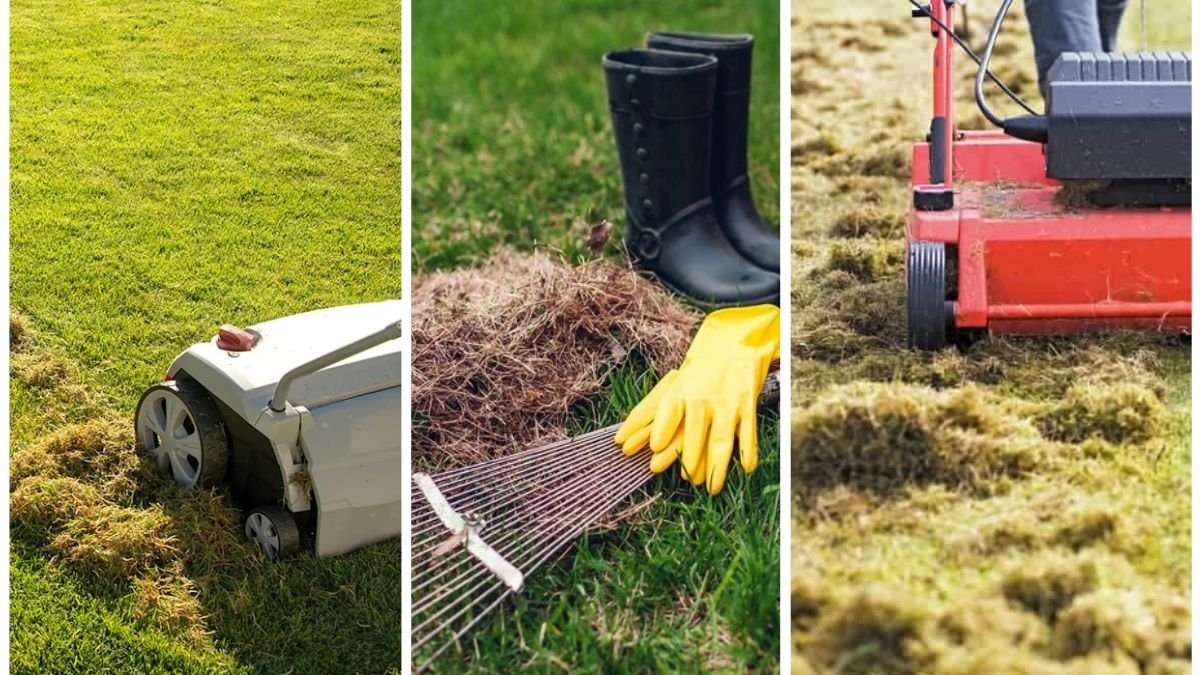
A healthy, vibrant lawn doesn’t just happen on its own. It requires consistent care and a clear understanding of what goes on beneath the blades of grass. One of the most debated lawn care practices is dethatching—the process of removing thatch, a layer of dead grass, roots, and organic material that builds up between the soil and the living turf. While some homeowners swear by dethatching, others dismiss it as unnecessary or even harmful if done incorrectly. So, what’s the real truth about dethatching your lawn? Let’s dig deeper.
What Is Thatch and Why Does It Matter?
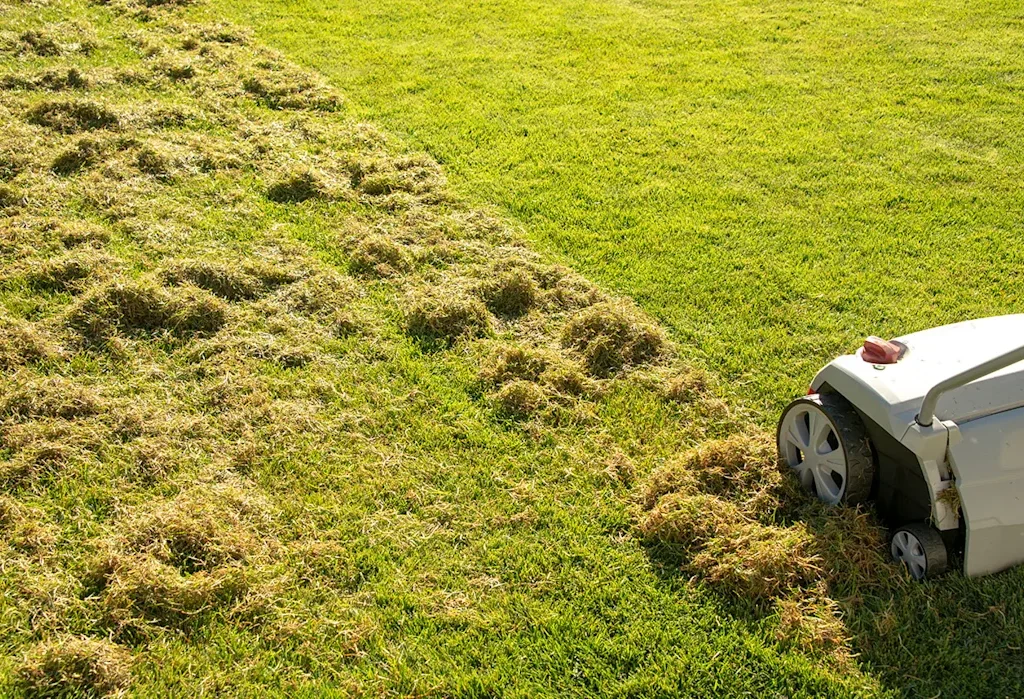
Thatch is a naturally occurring layer of organic matter composed of dead stems, roots, rhizomes, and stolons that accumulates between the soil surface and green vegetation. A thin layer of thatch (less than ½ inch) is actually beneficial. It acts as insulation, keeping soil temperatures steady, retaining moisture, and protecting against foot traffic.
However, when thatch becomes thicker than ½ to 1 inch, problems begin to arise:
- Water, fertilizer, and air can’t penetrate to the roots effectively.
- Roots may grow within the thatch layer instead of the soil, making grass more vulnerable to drought and heat stress.
- Pests and diseases thrive in thick thatch, worsening lawn health.
- Grass may appear spongy underfoot and turn brown despite adequate care.
This is where dethatching comes in.
When Should You Dethatch Your Lawn?
Timing is everything. Dethatching at the wrong time can stress your lawn rather than help it recover. The best time depends on your grass type:

- Cool-season grasses (like Kentucky bluegrass, ryegrass, and fescues): Early fall or early spring when temperatures are moderate and grass is actively growing.
- Warm-season grasses (like Bermuda, Zoysia, St. Augustine, and centipede grass): Late spring to early summer during peak growth periods.
Avoid dethatching during extreme heat, drought, or dormant phases, as this can cause significant damage to your lawn.
How to Know If Your Lawn Needs Dethatching
Not every lawn needs dethatching. Here’s how to tell:
- Measure the thatch layer – Use a spade or garden knife to cut a small wedge of turf. If the thatch layer measures more than ½ inch, it may need attention.
- Look for warning signs – Spongy feel, brown patches, poor water absorption, or shallow root growth are red flags.
- Water runoff issues – If water sits on top of the soil or runs off instead of soaking in, excessive thatch could be the culprit.
Methods of Dethatching
There are several ways to dethatch, depending on the severity of buildup and lawn size.
1. Manual Dethatching (Raking)
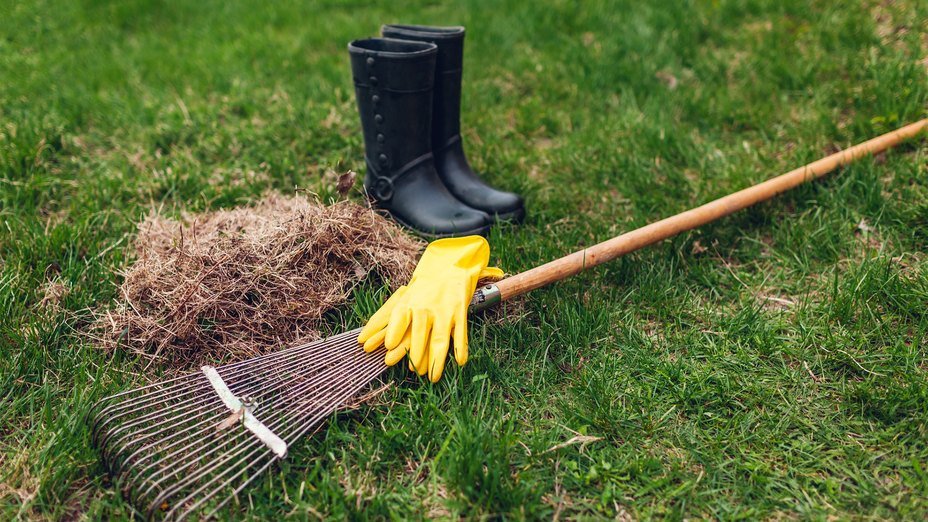
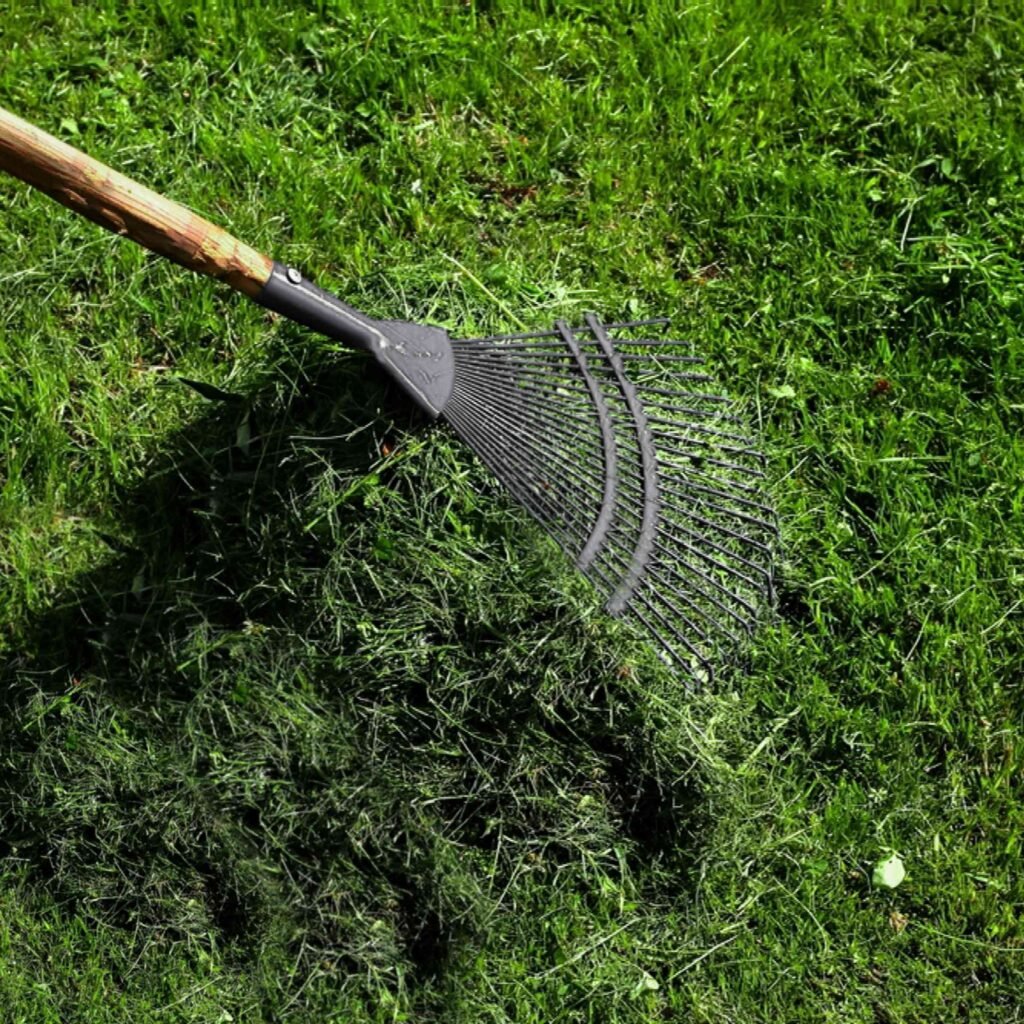
For small lawns or light thatch, a dethatching rake works well. These rakes have sharp tines designed to cut through thatch and pull it up. While labor-intensive, it’s effective for spot treatment or smaller yards.
2. Power Raking
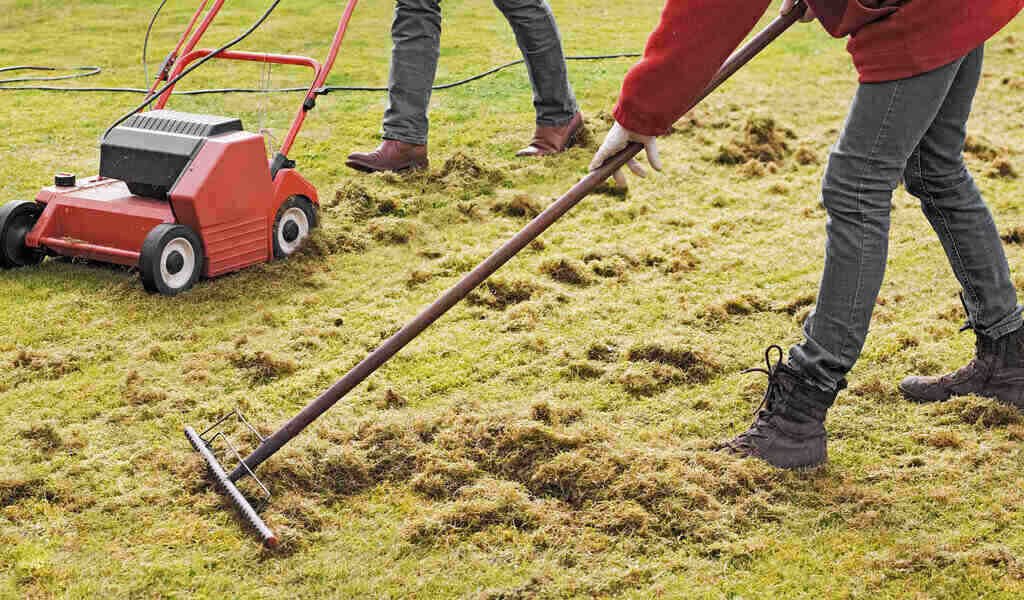
A power rake is a machine with rotating blades that pull up thatch from the soil surface. This method is suitable for moderate thatch levels but may be too harsh on delicate grass varieties.

3. Verticutting (Vertical Mowing)
A verticutter uses vertical blades to slice into the thatch and soil, loosening compacted thatch layers. It’s more aggressive than power raking and recommended for severe cases of thatch buildup.
4. Core Aeration
Though not technically dethatching, core aeration helps reduce thatch by pulling plugs of soil and thatch from the lawn. This improves air and water movement, promoting microbial activity that naturally breaks down thatch.
Steps to Dethatch Your Lawn
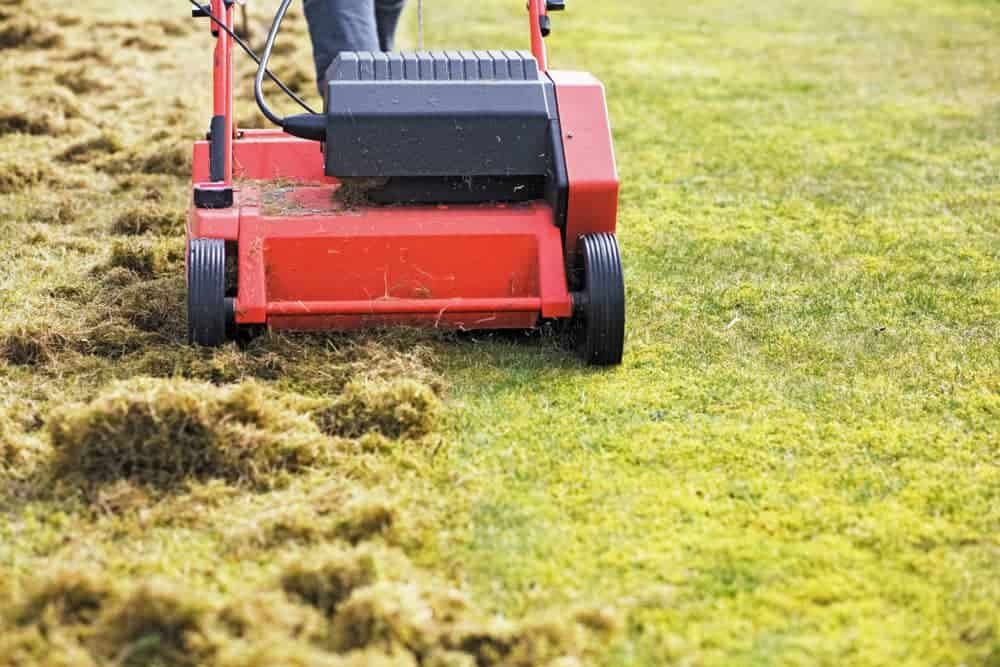
If you decide dethatching is necessary, here’s a step-by-step guide:
- Prepare Your Lawn – Mow the grass to about half its normal height. This makes dethatching easier and more effective.
- Choose the Right Tool – Select a dethatching rake, power rake, or hire professional equipment depending on your lawn size and thatch thickness.
- Dethatch Carefully – Work systematically, moving across the lawn in parallel passes to ensure even coverage.
- Remove Debris – Rake up and collect loosened thatch. Leaving it behind can smother the grass.
- Overseed if Necessary – Dethatching can leave bare spots. Overseeding ensures thicker regrowth.
- Fertilize and Water – Apply a balanced fertilizer and water deeply to help the lawn recover quickly.
Myths and Misconceptions About Dethatching
Like many lawn care practices, dethatching is surrounded by myths. Let’s clear them up.
Myth 1: Thatch is just grass clippings.

- False. Grass clippings decompose quickly and do not contribute significantly to thatch buildup. The real culprits are dense stems, stolons, and roots.
Myth 2: Dethatching should be done every year.
- Not true. Most lawns don’t require annual dethatching. Only dethatch when the layer exceeds ½ inch.
Myth 3: Dethatching ruins your lawn.
- Incorrect. While dethatching stresses the grass temporarily, if done at the right time and followed by proper aftercare, it leads to a healthier, stronger lawn.
Myth 4: Aeration and dethatching are the same.
- They’re different. Aeration relieves compaction and promotes air/water movement, while dethatching removes the thick organic layer. Often, both practices complement each other.
Preventing Thatch Buildup in the Future
Dethatching shouldn’t become a recurring headache if you maintain your lawn properly. Here are ways to prevent excessive thatch:
- Avoid over-fertilizing with nitrogen. Too much fertilizer encourages shallow, rapid growth that contributes to thatch.
- Mow correctly – keep blades sharp and avoid cutting more than one-third of the grass height at once.
- Water deeply and infrequently – this encourages deeper root growth rather than surface rooting.
- Aerate regularly – once every 1–2 years to encourage microbial activity and reduce compaction.
- Encourage soil microbes – Apply compost or soil amendments to promote organisms that naturally decompose organic matter.
Professional vs. DIY Dethatching
For small lawns with light thatch, DIY dethatching with a rake is manageable. However, for large yards or severe buildup, hiring a lawn care professional may be worth it. They have specialized equipment and expertise to dethatch without causing excessive damage.

The Benefits of Proper Dethatching
When done correctly, dethatching yields long-term benefits, including:
- Improved air, water, and nutrient flow.
- Stronger, deeper root systems.
- Reduced pest and disease problems.
- A greener, thicker, and more resilient lawn.
Final Thoughts
The truth about dethatching your lawn lies in understanding its purpose, timing, and execution. While not every lawn requires dethatching, neglecting thick layers of thatch can choke your grass and compromise its health. By assessing your lawn’s condition, choosing the right method, and following up with proper care, you can transform a struggling yard into a lush, thriving landscape.
Remember, dethatching is not a quick fix but part of a broader lawn care strategy. When paired with good mowing, watering, aeration, and fertilization habits, it ensures your lawn stays healthy, vibrant, and ready to withstand the challenges of each season.

Leave A Comment