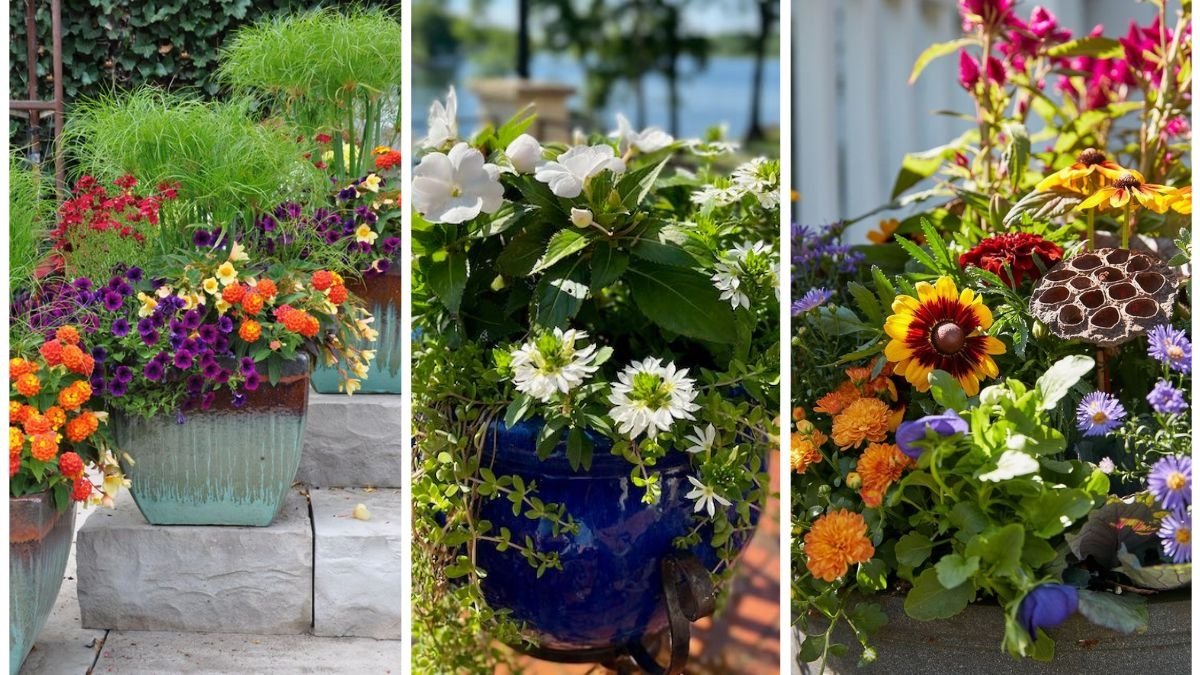
Container gardening is more than just growing plants in pots—it’s an art form. The right combination of plants, containers, and arrangements can transform patios, balconies, entryways, or even indoor corners into vibrant, eye-catching displays. Unlike traditional gardens, container displays offer flexibility—you can change themes, colors, and styles with the seasons or whenever creativity strikes.
But arranging a stunning container display takes more than simply putting a few plants into soil. It requires thoughtful planning, design principles, and care to keep everything thriving. In this guide, we’ll share practical and creative tips for arranging beautiful container displays that will not only enhance your space but also showcase your personality.
Why Container Displays Matter
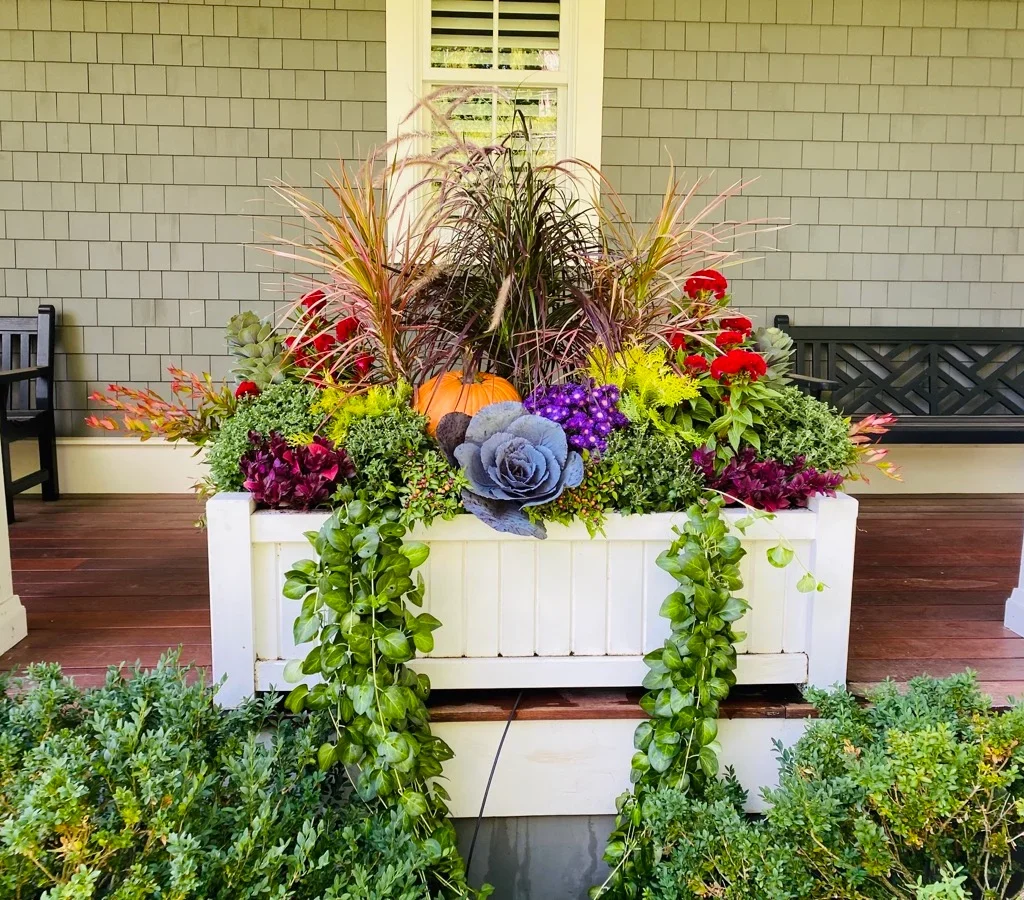
Container displays bring several benefits beyond aesthetics:
- Space Maximization: Perfect for balconies, patios, and small yards.
- Flexibility: Easily moved, rearranged, or redesigned with new plants.
- Seasonal Appeal: Quick updates for spring blooms, summer vibrance, autumn hues, or winter greenery.
- Personal Expression: Reflects creativity through choice of plants, colors, and decorative pots.
1. Start with the Right Container
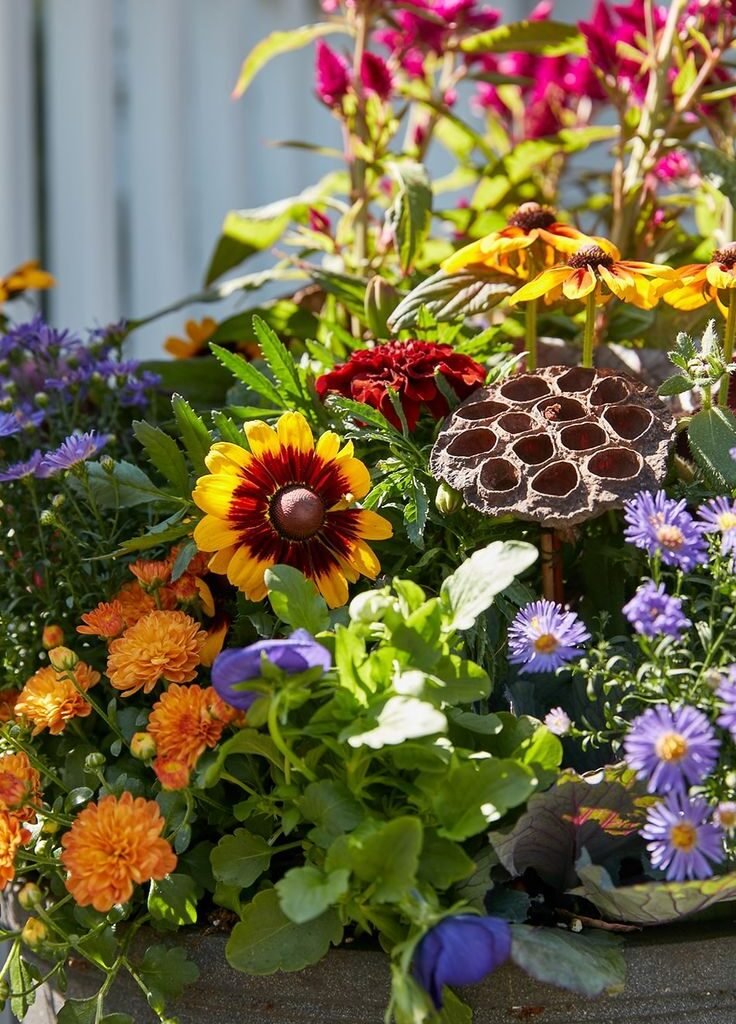
The container sets the stage for your display. Its size, material, and color influence the overall look.
Key Tips:
- Size: Larger containers retain moisture longer and provide more root space. Use them for big focal plants like small trees or ornamental grasses. Smaller containers are best for herbs, succulents, or accent flowers.
- Material:
- Terracotta: Classic look, good breathability, but dries quickly.
- Ceramic or Glazed Pots: Stylish, available in many colors, retain moisture well.
- Plastic or Fiberglass: Lightweight and durable, great for balconies.
- Wooden Boxes: Rustic and charming, but line them to prevent rotting.
- Color & Style: Choose containers that complement your home’s architecture and your plant palette. Neutral colors highlight plants, while bold pots can serve as statement pieces.
2. Follow the “Thriller, Filler, Spiller” Rule
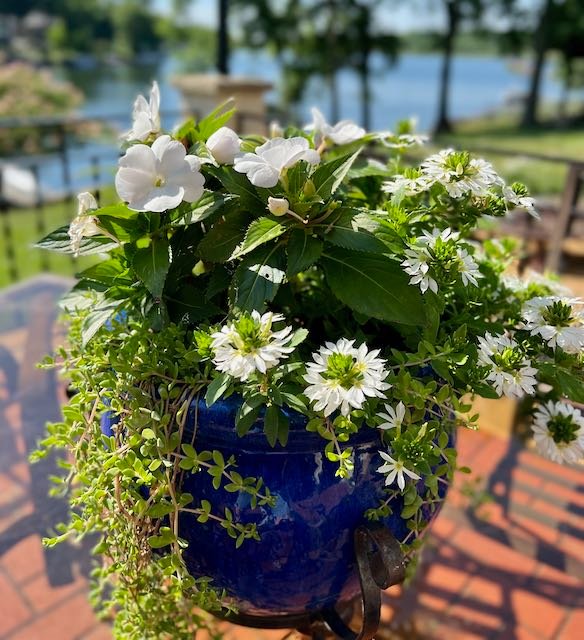
One of the most popular design formulas for container displays is the “thriller, filler, spiller” technique.
- Thriller (Focal Plant): A tall, dramatic plant that creates vertical interest. Examples: canna lilies, ornamental grasses, dwarf trees.
- Filler (Mid-Height Plants): Medium-sized plants that fill gaps and provide color or texture. Examples: petunias, coleus, marigolds.
- Spiller (Trailing Plants): Cascading plants that soften edges and add flow. Examples: ivy, sweet potato vine, trailing lobelia.
This simple formula creates balance and ensures your display looks full and visually dynamic.
3. Play with Color Combinations
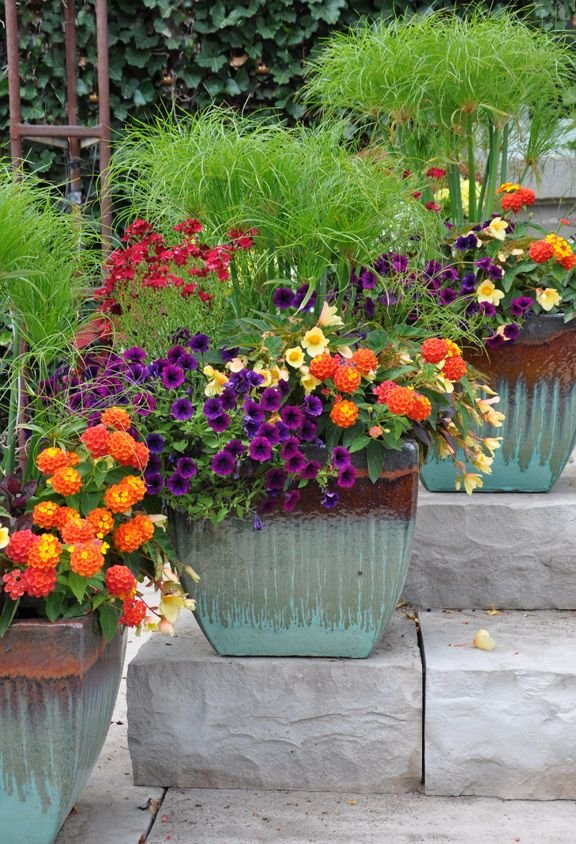
Color can make or break a container display. Thoughtful palettes add harmony and mood to your garden.
Strategies:
- Monochromatic Scheme: Use variations of one color (light pink, deep rose, and burgundy petunias) for a sophisticated, calming effect.
- Complementary Colors: Pair opposite colors on the color wheel (purple and yellow, red and green) for high contrast and vibrancy.
- Analogous Colors: Choose colors next to each other (orange, yellow, red) for a warm, energetic look.
- Seasonal Themes:
- Spring → pastel tones.
- Summer → bold, tropical hues.
- Autumn → oranges, golds, and burgundy.
- Winter → greens, whites, and silvers.
Tip: Include foliage with interesting colors (silver dusty miller, purple coleus, or variegated ivy) to enhance your palette.
4. Mix Textures and Shapes
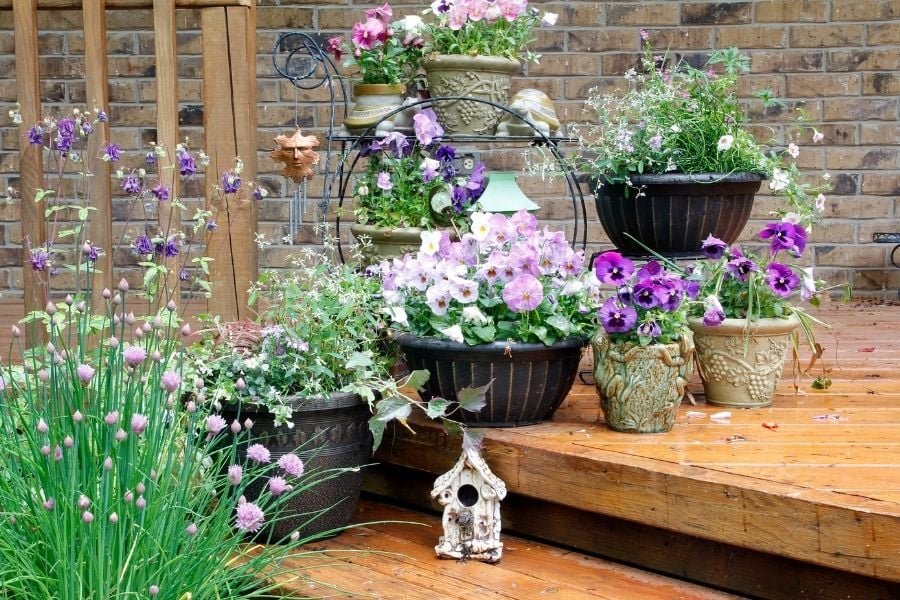
A visually stunning container display balances different leaf textures, shapes, and plant habits.
- Leaf Texture: Pair broad-leaved plants (hostas) with fine-textured plants (ferns or grasses).
- Plant Shapes: Combine upright forms (ornamental millet) with mounding plants (marigolds) and cascading varieties (trailing petunias).
- Flower Forms: Mix trumpet-shaped blooms with daisy-like flowers or clusters for added interest.
Texture and shape variety prevent monotony and create a layered, three-dimensional effect.
5. Choose the Right Plants for the Right Conditions
No matter how well you design your display, it won’t thrive without considering the growing environment.
- Sun-Loving Plants: Petunias, geraniums, marigolds, basil, rosemary.
- Shade-Loving Plants: Begonias, impatiens, ferns, hostas, coleus.
- Drought-Tolerant Plants: Succulents, lavender, ornamental grasses.
Tip: Group plants with similar water and sunlight needs in the same container to avoid uneven growth or stress.
6. Layer Heights for Visual Impact
Arrange plants so that each one is visible and contributes to the overall design.
- Tallest plants (thrillers) go in the center or back of the container, depending on whether it’s viewed from all sides or one side.
- Medium plants fill in around them.
- Trailing plants spill over the edges, framing the arrangement.
This layering creates balance and ensures your container looks full and lush.
7. Add Seasonal Interest
To keep your displays attractive year-round, plan seasonal updates.
- Spring: Daffodils, tulips, pansies.
- Summer: Geraniums, petunias, zinnias.
- Autumn: Chrysanthemums, ornamental kale, asters.
- Winter: Evergreen branches, holly, and decorative elements like pinecones.
Using a mix of annuals and perennials ensures a fresh look across the seasons.
8. Incorporate Edible Plants
Who says container displays must be purely ornamental? Mixing in vegetables and herbs adds function without sacrificing beauty.
- Pair basil with marigolds for fragrance and pest control.
- Use rainbow chard for its colorful stems.
- Grow strawberries in hanging baskets for edible spills.
- Add ornamental peppers for bold color and texture.
Edible plants bring both aesthetic appeal and fresh harvests to your display.
9. Pay Attention to Proportion and Balance
The container, plants, and surrounding space should feel balanced.
- Container to Plant Ratio: The tallest plant should generally be about 1.5 times the height of the container.
- Symmetry vs. Asymmetry:
- Symmetrical arrangements suit formal settings.
- Asymmetrical, flowing designs work for casual or rustic spaces.
- Repetition: Repeating certain plants or colors ties the display together.
10. Enhance Displays with Decorative Elements
Containers don’t need to stand alone—small touches can elevate the entire look.
- Use decorative gravel, moss, or bark mulch as a top layer to hide soil.
- Add garden ornaments, such as miniature statues or lanterns.
- Incorporate trellises or supports for climbing plants.
- Arrange multiple containers at different heights using stands or steps for depth.
These details turn a simple pot of flowers into a curated design.
11. Maintain for Long-Lasting Beauty
Even the most stunning container display requires regular care to stay beautiful.
- Watering: Containers dry faster than garden beds; check soil daily in summer.
- Feeding: Fertilize every 2–3 weeks with liquid fertilizer to replace nutrients lost during watering.
- Pruning & Deadheading: Remove faded flowers and yellowing leaves to encourage new growth.
- Repotting: Refresh soil and trim roots annually for perennials.
- Pest Management: Watch for common pests like aphids and treat naturally with neem oil or insecticidal soap.
Conclusion
Arranging beautiful container displays is all about blending creativity with practicality. By selecting the right containers, following design principles like the “thriller, filler, spiller” method, playing with colors and textures, and paying attention to plant needs, you can create displays that are both stunning and sustainable.
Whether your goal is to brighten up a balcony, add elegance to an entryway, or create a lush focal point in your garden, container displays provide endless possibilities. With thoughtful planning and regular care, these living artworks can reflect your personality, enhance your space, and bring joy season after season.
So, grab your pots, pick your plants, and start designing your very own masterpiece!

Leave A Comment