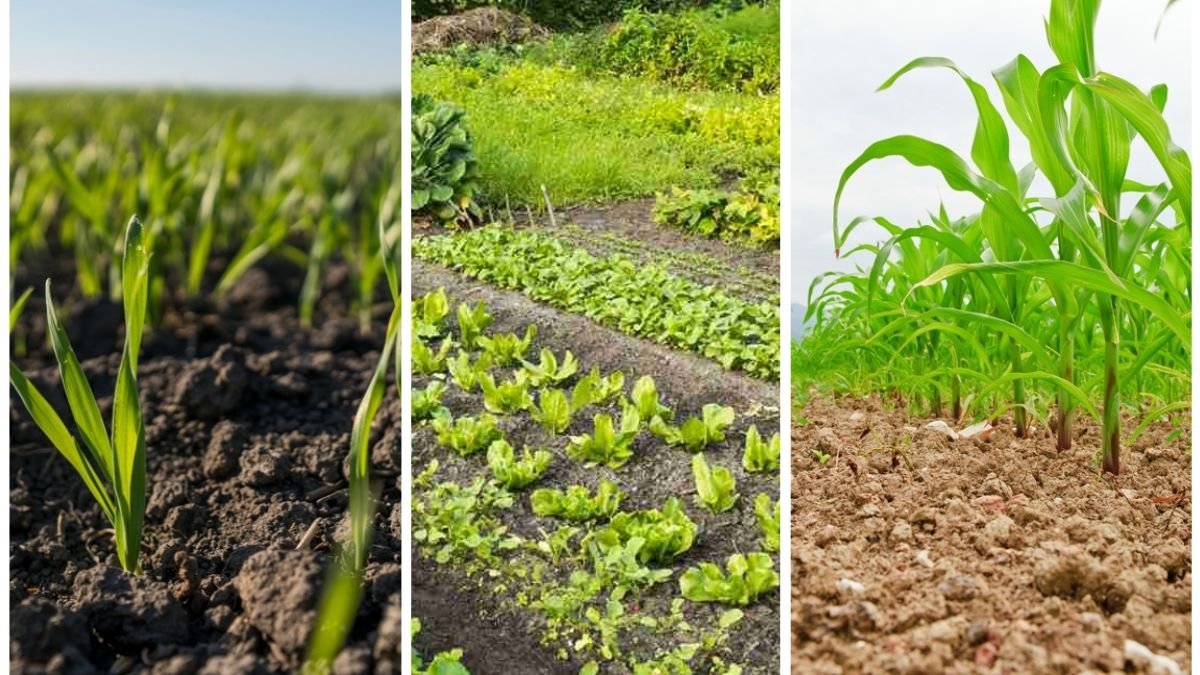
Soil is the living foundation of every successful garden and farm. Beneath the surface lies a bustling ecosystem of microbes, minerals, fungi, and organic matter — all of which play vital roles in plant growth. But when the same crop is grown in the same spot year after year, that natural balance begins to break down. Nutrients are stripped unevenly, pests become entrenched, and soil structure weakens.
Crop rotation — the practice of planting different types of crops in the same area in sequential seasons — is one of the oldest and most effective ways to maintain and even improve soil health. It’s a simple concept with powerful benefits, and it remains just as important today as it was in traditional agriculture centuries ago.
In this article, we’ll explore how and why rotating crops improves soil health, and how you can apply this practice to gardens of any size.
1. Balances and Replenishes Soil Nutrients
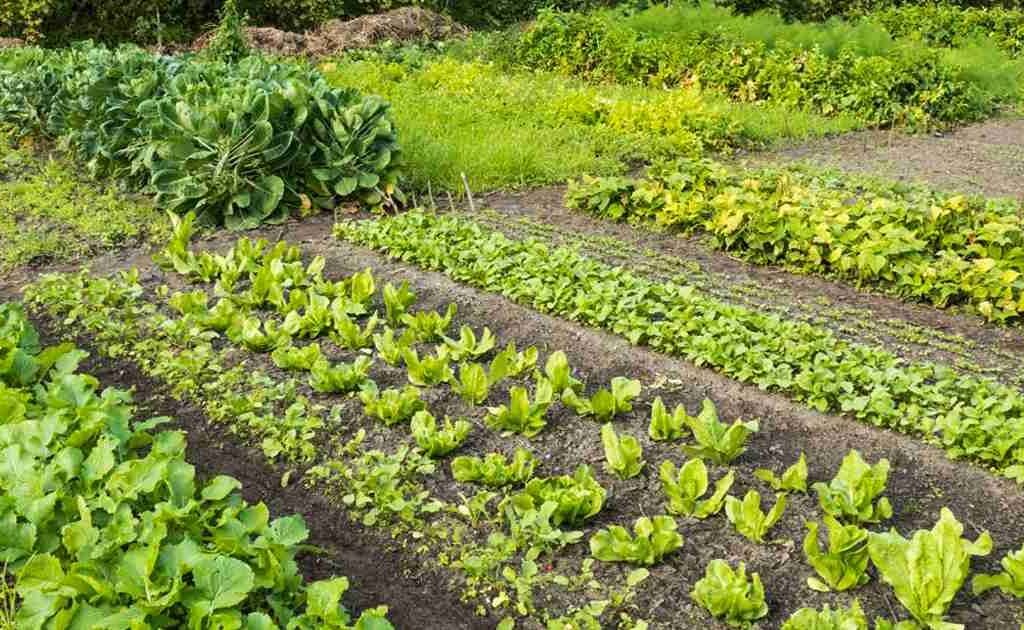
Every plant species has different nutrient demands. When you grow the same crop repeatedly, it continuously draws the same nutrients from the soil, leading to imbalances and deficiencies. Crop rotation prevents this by alternating crops with different nutrient needs.
How It Works:
- Heavy Feeders: Crops like tomatoes, corn, and cabbage consume large amounts of nitrogen and phosphorus.
- Light Feeders: Crops such as carrots, onions, and beets need fewer nutrients.
- Soil Builders: Legumes (beans, peas, clover) fix atmospheric nitrogen into the soil, replenishing what other crops remove.
For example, following a nitrogen-hungry crop like corn with a nitrogen-fixing legume enriches the soil naturally, reducing the need for synthetic fertilizers. Over time, this rotation builds a more nutrient-balanced soil that can sustain healthier plants.
2. Reduces Pest and Disease Build-Up
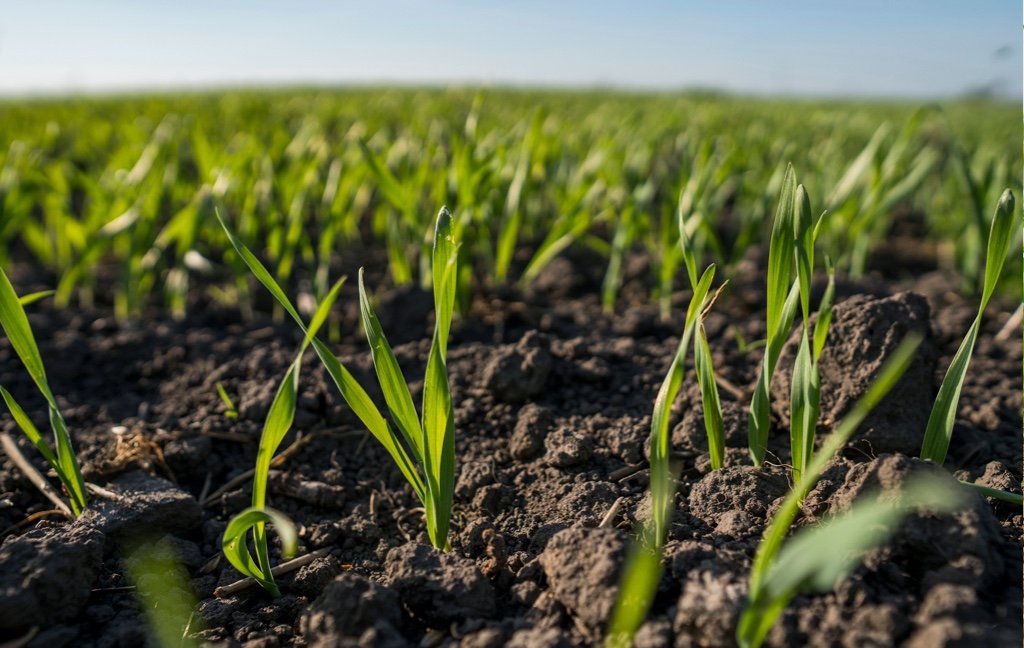
Many soil-borne pests and diseases specialize in specific plant families. When their favorite host plants return to the same spot each year, their populations multiply and become harder to control. Crop rotation interrupts this cycle.
Example:
- Root maggots thrive in brassicas (cabbage, broccoli). Rotating with non-brassicas like carrots or beans deprives them of a host.
- Nematodes that attack tomatoes decline if the next crop is unrelated, such as lettuce or corn.
By changing crops annually, you “confuse” pests and pathogens, making it difficult for them to establish permanent colonies. This reduces reliance on pesticides and promotes a healthier, more resilient soil ecosystem.
3. Improves Soil Structure and Organic Matter
Different crops have different root structures — and that’s great news for your soil. Rotating crops with varied root depths and types improves soil structure, aeration, and organic matter content.
Root Diversity Benefits:
- Deep-Rooted Crops (e.g., sunflowers, alfalfa): Break up compacted layers, improving drainage and root penetration for future plants.
- Fibrous-Rooted Crops (e.g., grasses, wheat): Create a dense network that binds soil particles and prevents erosion.
- Shallow-Rooted Crops (e.g., lettuce, spinach): Utilize topsoil nutrients without disturbing deeper layers.
As old roots decompose, they add organic matter, which enhances moisture retention and microbial activity. A rotation plan that alternates root types builds a healthier soil structure year after year.
4. Enhances Soil Microbial Life
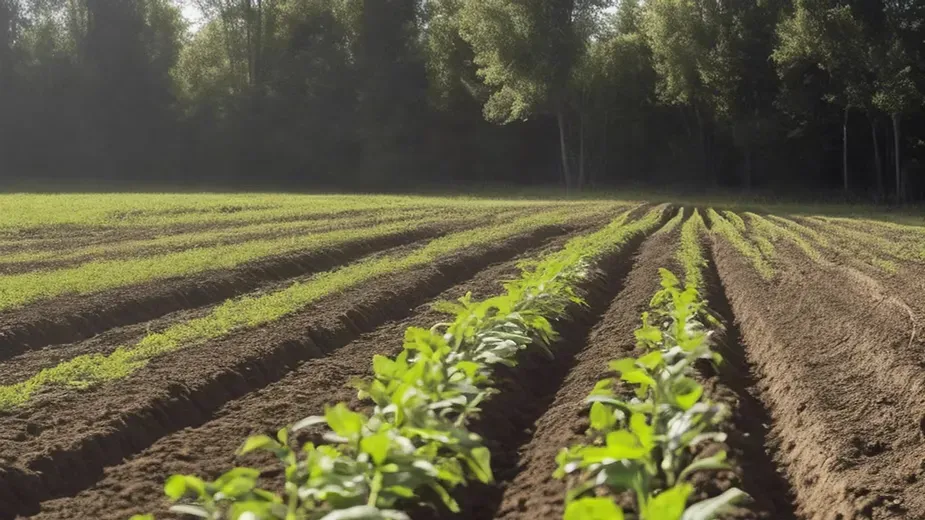
Healthy soil isn’t just a mix of minerals — it’s alive with billions of bacteria, fungi, and other microorganisms. These organisms help break down organic matter, fix nitrogen, and make nutrients available to plants. But monocropping (planting the same crop repeatedly) favors only certain microbes and reduces diversity.
Crop rotation keeps the soil microbiome dynamic. Each plant releases unique root exudates (natural chemicals) that feed different microbial populations. By changing crops, you support a broader range of beneficial organisms, leading to improved nutrient cycling and disease suppression.
Microbial Benefits of Rotation:
- Increased biodiversity improves soil resilience.
- Mycorrhizal fungi thrive with diverse plant hosts.
- Beneficial bacteria populations rebound, outcompeting harmful pathogens.
The result is soil that’s biologically active and more capable of supporting robust plant growth.
5. Boosts Soil Fertility Naturally
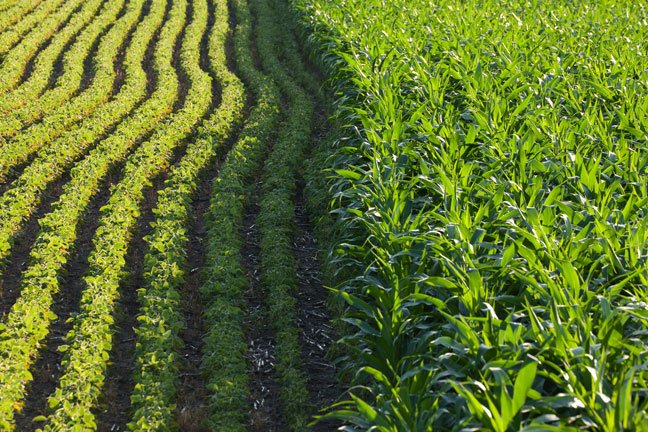
Synthetic fertilizers may provide short-term nutrition, but they can’t replace the natural fertility that builds over time with proper rotation. Rotating nitrogen-fixing crops with heavy feeders is particularly effective in maintaining soil fertility.
Example Rotation Sequence:
- Legumes (beans, peas): Fix nitrogen into the soil.
- Leafy Crops (lettuce, spinach): Benefit from nitrogen boost.
- Fruiting Crops (tomatoes, peppers): Use phosphorus and potassium for flower and fruit production.
- Root Crops (carrots, beets): Utilize deeper soil nutrients.
This cycle minimizes fertilizer needs and reduces nutrient leaching. Over time, it builds a naturally fertile soil environment where plants thrive with minimal external inputs.
6. Prevents Soil Erosion and Degradation
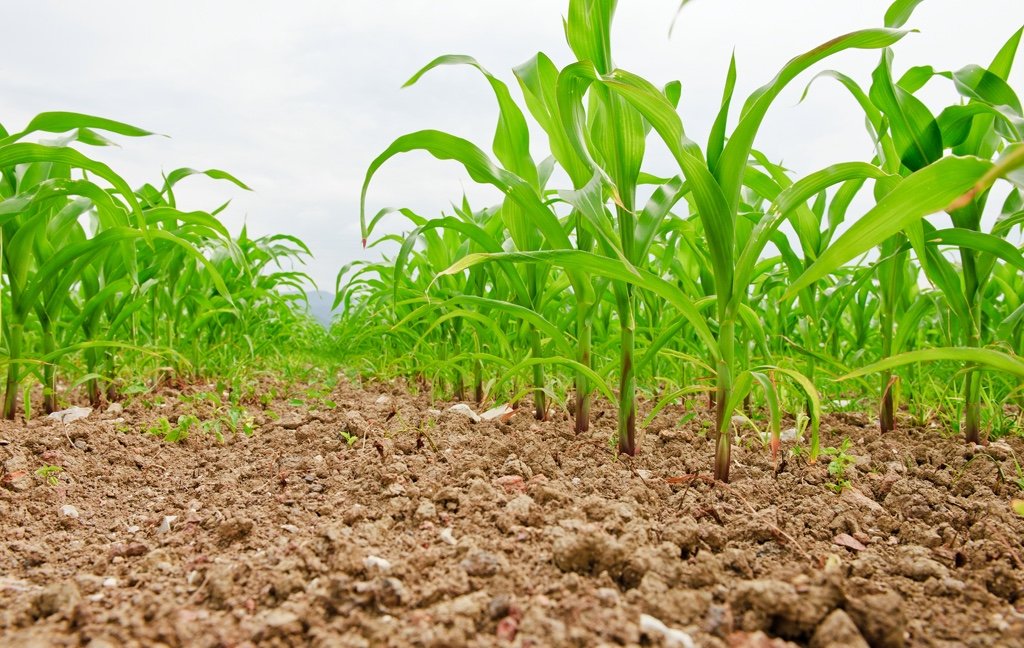
Monocropping often leaves soil vulnerable to erosion and degradation, especially when the same root types or growth patterns are used year after year. Crop rotation, especially when combined with cover cropping, stabilizes soil structure and protects against erosion.
- Crops with dense root systems hold soil in place.
- Deep-rooted species pull up nutrients from lower layers.
- Rotating crops prevents depletion of surface organic matter.
This protective effect ensures that your soil remains rich, stable, and capable of supporting crops season after season.
7. Improves Water Retention and Soil Moisture Balance
Crop diversity doesn’t just improve fertility — it also enhances the soil’s ability to retain moisture. Crops with different root systems and canopy covers help regulate how water infiltrates and is stored in the soil.
- Deep roots draw water from deeper layers, reducing surface evaporation.
- Ground-covering plants shade soil, reducing moisture loss.
- Organic matter from decomposed roots increases water-holding capacity.
Healthy, moisture-rich soil reduces the need for frequent watering and creates a more resilient garden, especially in dry seasons.

8. Encourages Sustainable and Regenerative Gardening
Perhaps the most significant advantage of crop rotation is its role in sustainable gardening. Instead of relying heavily on chemical fertilizers and pesticides, crop rotation leverages natural processes to maintain soil health.
It reduces input costs, minimizes environmental impact, and creates a regenerative system that improves with each passing season. Over time, gardeners and farmers who practice rotation often see:
- Higher yields
- Fewer pest outbreaks
- Better soil structure and fertility
- Improved long-term productivity
This makes crop rotation one of the simplest yet most powerful tools in regenerative agriculture.
How to Plan a Simple Crop Rotation
You don’t need a large farm to practice rotation — even a small garden can benefit. Follow these steps to design an effective plan:
- Group Crops by Family: Avoid planting the same family in the same spot. Common groups include:
- Nightshades: Tomatoes, peppers, eggplant, potatoes
- Brassicas: Cabbage, broccoli, kale
- Legumes: Beans, peas
- Umbellifers: Carrots, celery, parsley
- Cucurbits: Cucumbers, squash, pumpkins
- Follow Nutrient Demand: Alternate heavy feeders, light feeders, and soil builders.
- Include Cover Crops: Use clover, rye, or buckwheat between rotations to add organic matter and protect soil.
- Keep Records: Track what you plant each year so you don’t repeat the same crop too soon.
With thoughtful planning, even a 3- or 4-year rotation cycle can dramatically improve soil quality.
Conclusion
Rotating crops is more than an old farming tradition — it’s a science-backed strategy for building and maintaining healthy soil. By balancing nutrient use, reducing pests and diseases, improving structure, and supporting beneficial microbes, crop rotation transforms the ground beneath your feet into a vibrant, living ecosystem.

The result? Stronger plants, higher yields, and a garden that gets healthier every season. Whether you’re managing a backyard vegetable patch or a large-scale farm, crop rotation is one of the most powerful tools you can use — not just to grow better plants, but to nurture the very soil that sustains them.

Leave A Comment