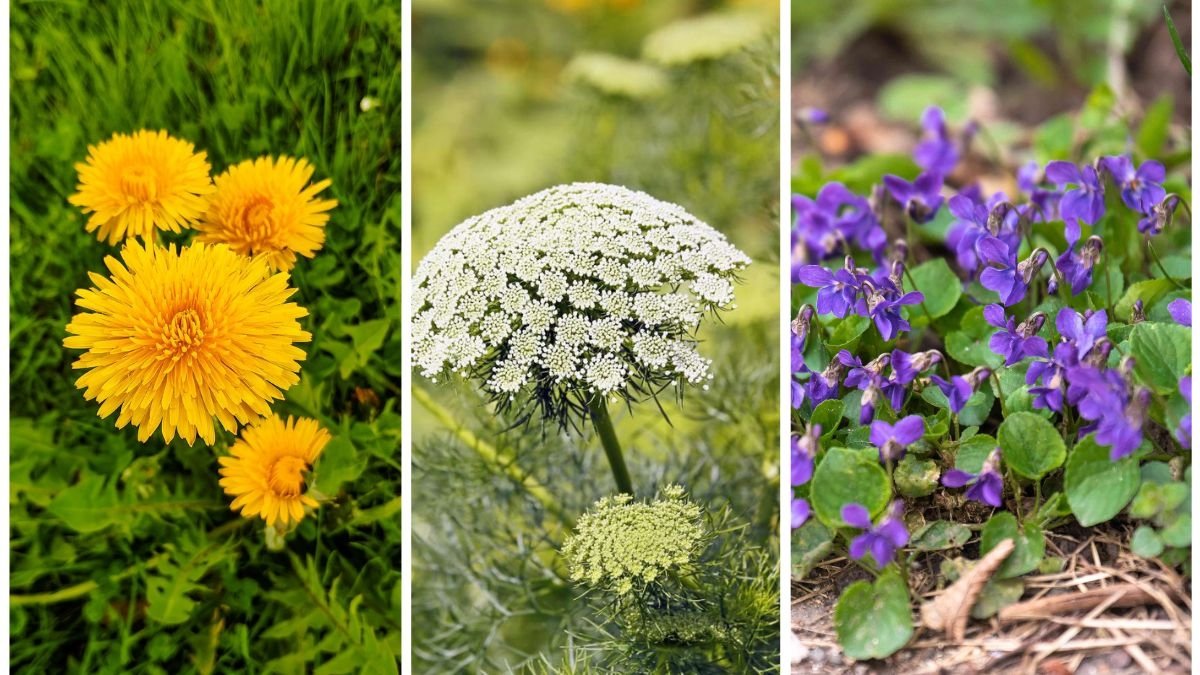
For many gardeners, weeds are simply an annoying part of maintaining a lawn or flower bed. You may pull a few here and there, mow them down, or ignore them altogether when time is short. But one golden rule of weed management stands above all others: never let weeds flower. Once weeds reach their flowering stage, they move quickly into seed production, setting the stage for years of frustration in your garden.
In this article, we’ll explore in depth why weeds should never be allowed to flower, what happens when they do, and how you can manage them effectively before they spread. By understanding their biology and reproductive strategies, you’ll see how a little proactive effort now can save countless hours of weeding in the future.
Understanding the Weed Life Cycle
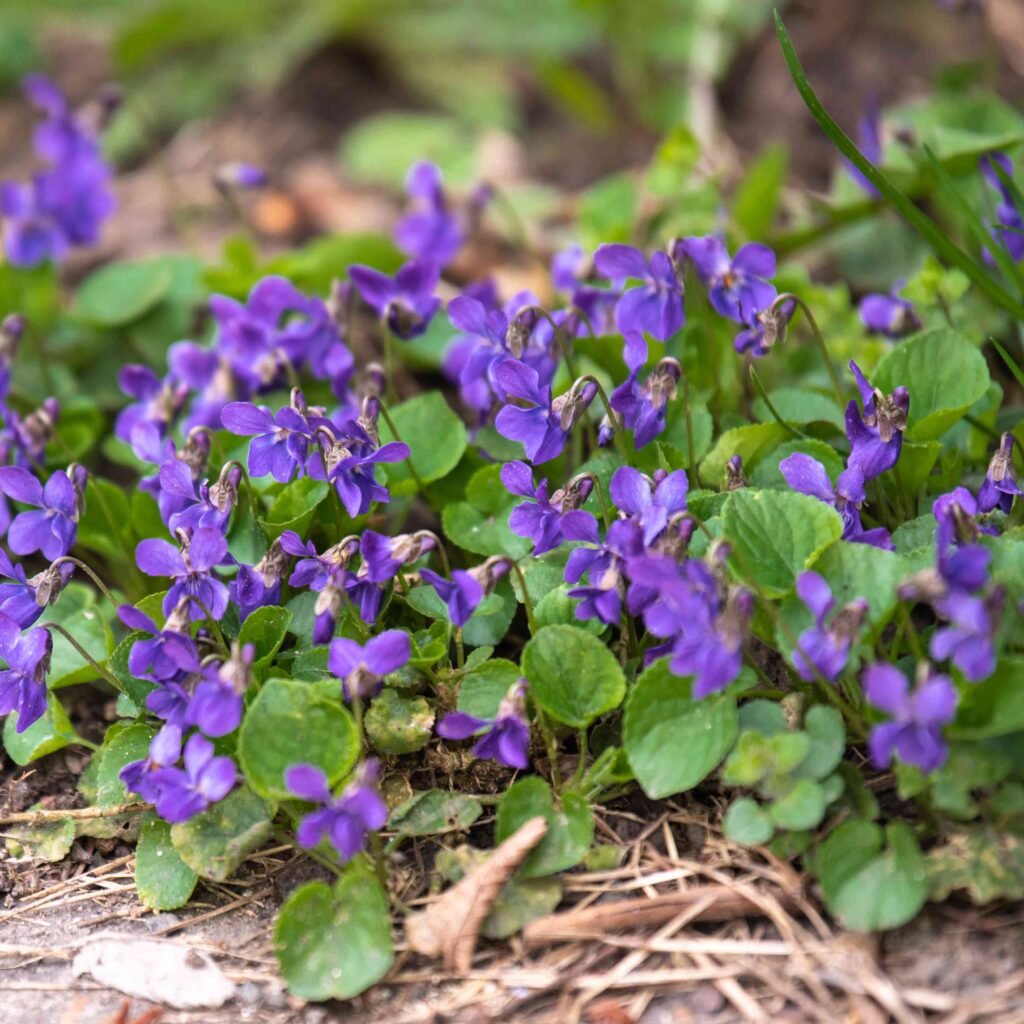
To appreciate why weeds should never flower, it helps to understand their life cycle.
- Germination – Weed seeds sprout when conditions are right: warmth, moisture, and light.
- Vegetative Growth – The plant develops leaves, roots, and stems, competing with your crops or ornamental plants for resources.
- Flowering – The plant shifts its energy to reproduction. Flowers appear, attracting pollinators or preparing to self-pollinate.
- Seed Production – Fertilized flowers produce seeds, often in staggering numbers.
- Dispersal – Seeds spread through wind, animals, water, or even on your shoes.
The critical stage here is flowering. Once a weed flowers, it is dangerously close to completing its reproductive cycle—and undoing all your hard work.
The Hidden Danger: Seed Production
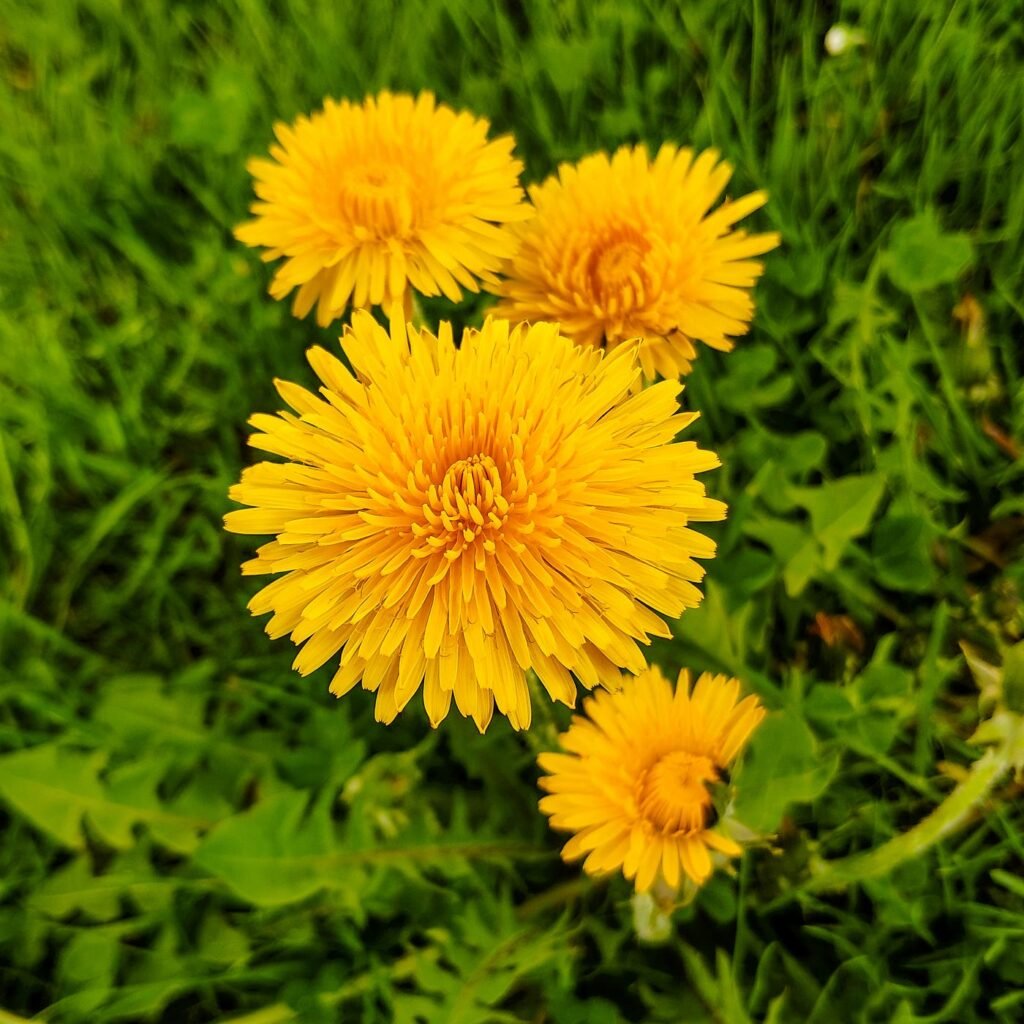
Most weeds are evolutionary experts at survival. They produce an enormous quantity of seeds, ensuring their species’ persistence even under harsh conditions.
- Dandelions – Each plant can produce up to 15,000 seeds per season, many carried far by the wind.
- Pigweed (Amaranthus) – A single plant can produce more than 100,000 seeds.
- Crabgrass – Each plant yields 150,000 seeds that can survive in the soil for years.
Allowing even one weed to flower and set seed can add tens of thousands of new weeds to your soil seed bank. And because many weed seeds remain viable for 5–40 years, you’re essentially planting problems for decades to come.
Why You Should Never Let Weeds Flower
1. Exponential Growth of Weeds
Weeds multiply rapidly once allowed to flower. A single flowering season can turn a small patch into an uncontrollable infestation. Gardeners often notice this in late summer when neglected weeds suddenly dominate garden beds.
2. Seed Bank Build-Up
The “seed bank” refers to dormant weed seeds in the soil. Every time you allow weeds to flower, you increase this bank. Even if you remove weeds later, the seeds they’ve left behind will germinate in future years, making long-term control more difficult.
3. Increased Competition for Resources
Flowering weeds often grow more aggressively, drawing energy from the soil, water, and sunlight that should be feeding your desired plants. This stunts your garden’s growth and reduces yields in vegetable plots.
4. Pest and Disease Havens
Weed flowers can attract pests that then move on to your crops. They may also host fungal spores or insect eggs that harm healthy plants. By allowing weeds to flower, you’re creating a breeding ground for future infestations.

5. Rapid Spread Through Multiple Methods
Weeds don’t rely only on seeds. Some weeds like creeping Charlie or bindweed also spread through rhizomes and stolons. When allowed to flower, these plants double their threat—expanding underground while spreading seed above ground.
Common Weeds That Should Never Be Allowed to Flower
- Dandelions – Famous for their fluffy seed heads that spread effortlessly on the wind.
- Chickweed – Produces seeds multiple times in a single season.
- Pigweed / Amaranth – Can overwhelm vegetable gardens with its prolific seeding.
- Crabgrass – Infests lawns if seed heads are not cut before ripening.
- Thistles – Tough perennials with wind-borne seeds that spread quickly.
Each of these weeds becomes dramatically harder to control once flowers appear.
Effective Strategies to Prevent Weeds from Flowering
Stopping weeds before flowering requires consistency and the right techniques. Here’s how to do it effectively:
1. Regular Monitoring
- Walk your garden weekly and pull weeds while they’re small.
- Young seedlings are far easier to remove than mature flowering weeds.
2. Mulching
- Apply 2–4 inches of organic mulch (wood chips, straw, shredded leaves) to garden beds.
- Mulch blocks sunlight, preventing weed seeds from germinating.
3. Timely Mowing or Cutting
- For lawns and large areas, mow regularly to keep weeds from flowering.
- Cutting weeds before flowers appear interrupts the reproductive cycle.
4. Hand Pulling and Hoeing
- For small gardens, hand-pull weeds after rain when soil is moist.
- A sharp hoe can slice seedlings just below the soil surface.
5. Use of Weed Barriers
- Landscape fabric, cardboard, or newspaper under mulch provides a double barrier.
- Particularly useful in perennial beds or pathways.
6. Proper Lawn and Garden Care
- Dense, healthy grass and well-spaced crops naturally suppress weed growth.
- Overseeding lawns in fall creates thicker turf that blocks out weeds.
Special Considerations for Perennial Weeds
Some perennial weeds—like bindweed, quackgrass, and Canada thistle—pose extra challenges because they reproduce through roots as well as seeds. For these:
- Never let them flower, as seed dispersal adds to the problem.
- Dig deeply to remove as much of the root system as possible.
- Smother or solarize infested areas using black plastic to kill roots.
Even if you cannot fully eradicate them in one season, preventing flowering stops their spread while you work on long-term solutions.

The Cost of Ignoring Flowering Weeds
If weeds are allowed to flower, the long-term consequences can be significant:
- Higher Maintenance – More weeding time in future seasons.
- Lower Yields – Vegetable crops lose water and nutrients to aggressive weeds.
- Poor Aesthetics – Flowering weeds make lawns and gardens look unkempt.
- Soil Seed Bank Explosion – Every flowering season adds years of future weeding labor.
In short, letting weeds flower is a short-term convenience but a long-term burden.
Practical Weed Prevention Calendar
To keep weeds from ever reaching the flowering stage, here’s a seasonal approach:
- Spring – Mulch beds, pull early sprouts, and hoe seedlings.
- Summer – Monitor weekly, mow lawns regularly, and spot-pull weeds before flowering.
- Fall – Overseed lawns and refresh mulch to reduce winter germination.
- Winter – Plan crop rotation and soil solarization strategies for the coming year.
Final Thoughts
Weeds are nature’s opportunists, thriving wherever they find space, sunlight, and water. But the key to keeping them under control isn’t endless pulling—it’s stopping them before they reproduce. Never letting weeds flower is the single most effective way to prevent decades of recurring problems.
By staying vigilant, applying mulch, maintaining healthy soil, and removing weeds before flowers appear, you’re not just keeping your garden tidy—you’re building long-term resilience against invasions.

So next time you see a weed beginning to bloom, don’t wait. Act immediately. Because every flower you stop today is thousands of weeds you’ll never have to battle tomorrow.

Leave A Comment