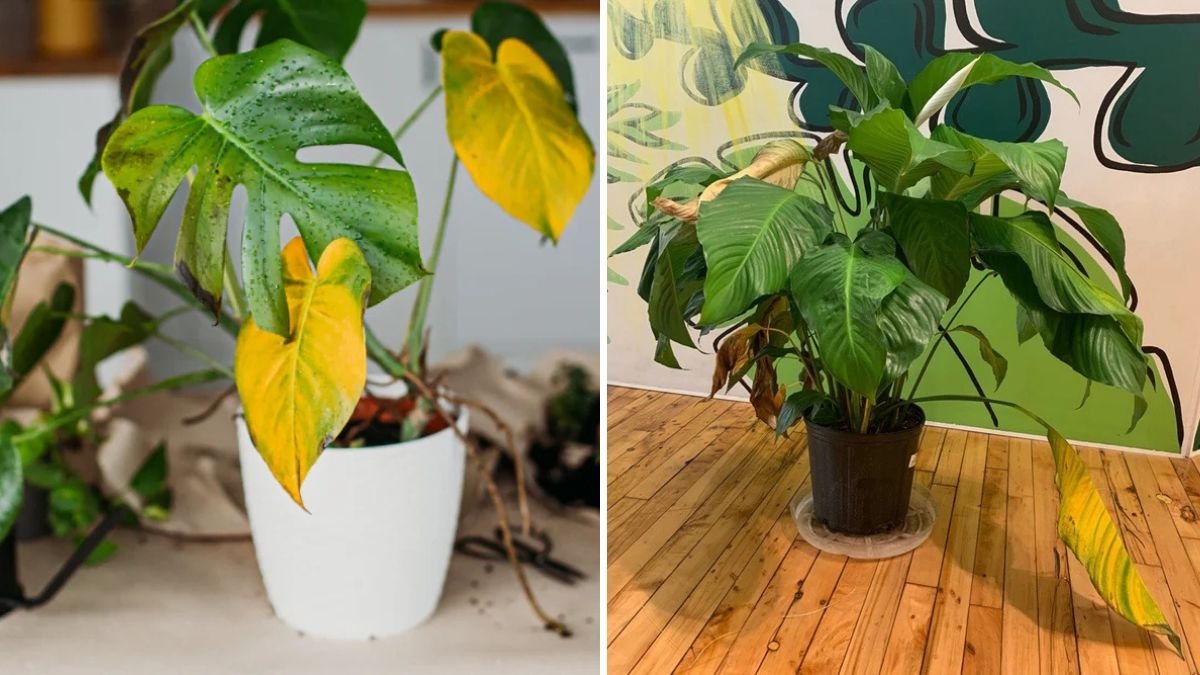
Indoor plants bring life, color, and energy into our homes, but when their leaves start turning pale or yellowish, it can be a clear warning that something is wrong. Pale leaves are more than a cosmetic issue—they signal underlying problems in plant health, ranging from nutrient deficiencies to improper lighting. Understanding the causes and implementing corrective measures can restore your plants’ vitality and ensure they thrive.
This article explores the common reasons indoor plant leaves turn pale, how to identify the underlying cause, and actionable solutions to bring back healthy, vibrant foliage.
1. Understanding the Causes of Pale Leaves
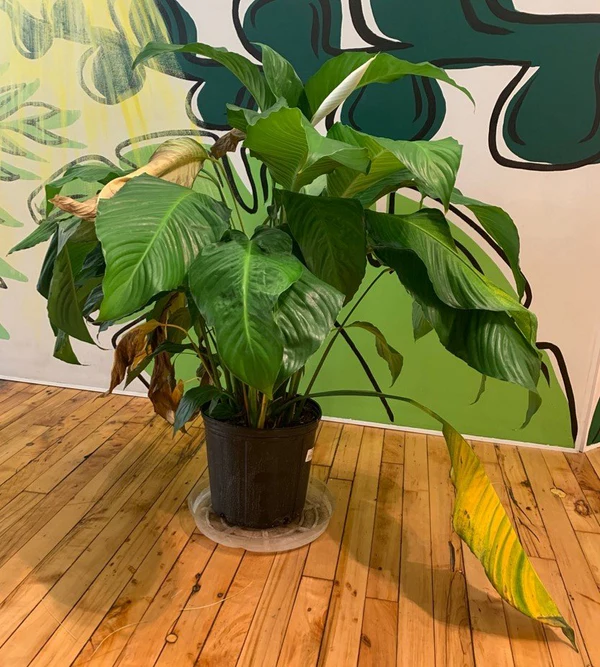
Leaf discoloration in indoor plants is often a sign of stress. Pale or yellow leaves indicate that plants are not producing enough chlorophyll, the pigment responsible for photosynthesis and the deep green color of leaves. Several factors can reduce chlorophyll production:
- Nutrient deficiencies
- Improper lighting
- Overwatering or underwatering
- Pests or diseases
- Environmental stress, including temperature and humidity fluctuations
Pinpointing the exact cause is crucial for restoring healthy green foliage.
2. Nutrient Deficiencies
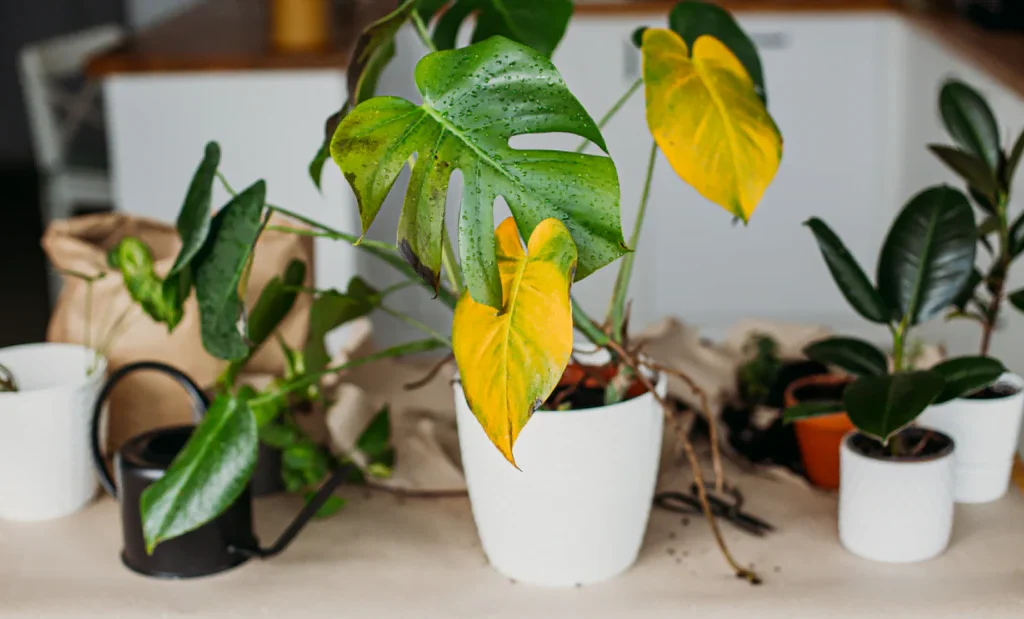
Plants require essential nutrients for growth and chlorophyll production. A lack of specific nutrients can lead to pale leaves.
a. Nitrogen Deficiency
Nitrogen is vital for leaf growth and deep green color. A deficiency typically causes older leaves to turn pale or yellow while new growth may remain green.
Fix:
- Apply a balanced nitrogen-rich fertilizer.
- Use organic options like compost or worm castings.
b. Iron Deficiency
Iron is essential for chlorophyll synthesis. A lack of iron often leads to interveinal chlorosis, where leaves turn pale but veins remain green.
Fix:
- Use chelated iron supplements or foliar sprays.
- Ensure the soil pH is not too high, as alkaline soil can prevent iron absorption.
c. Magnesium Deficiency
Magnesium is a core component of chlorophyll. Deficiency can cause yellowing or pale leaves, often beginning with older leaves.
Fix:
- Apply Epsom salts (magnesium sulfate) diluted in water.
- Use a fertilizer containing magnesium.
d. Potassium and Other Trace Elements
Other micronutrients like manganese, zinc, and sulfur are also essential. Lack of these can cause general pale or mottled leaf appearance.
Fix:
- Use a complete, balanced indoor plant fertilizer with trace elements.
3. Improper Lighting
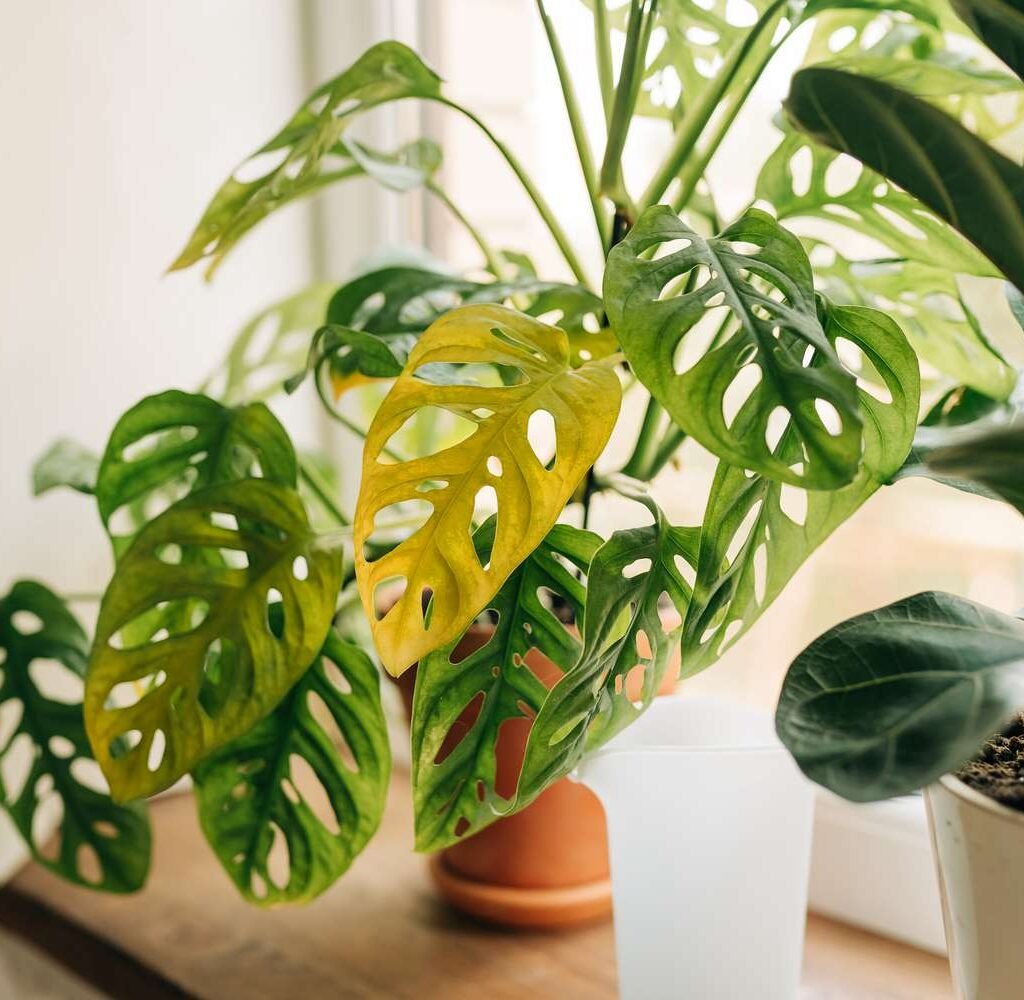
Light is essential for photosynthesis. Plants deprived of sufficient light cannot produce enough chlorophyll, resulting in pale or yellow leaves.
Signs of Light Deficiency:
- Leaves pale but soft and droopy.
- Growth is slow or leggy (elongated stems).
- New leaves are smaller than usual.
Fix:
- Move plants closer to natural light sources (windows, balconies).
- Rotate plants periodically to ensure even exposure.
- Supplement with grow lights if natural light is insufficient.
Conversely, too much direct light can bleach leaves, turning them pale or scorched. Adjust placement to provide bright, indirect light for most indoor plants.
4. Watering Issues
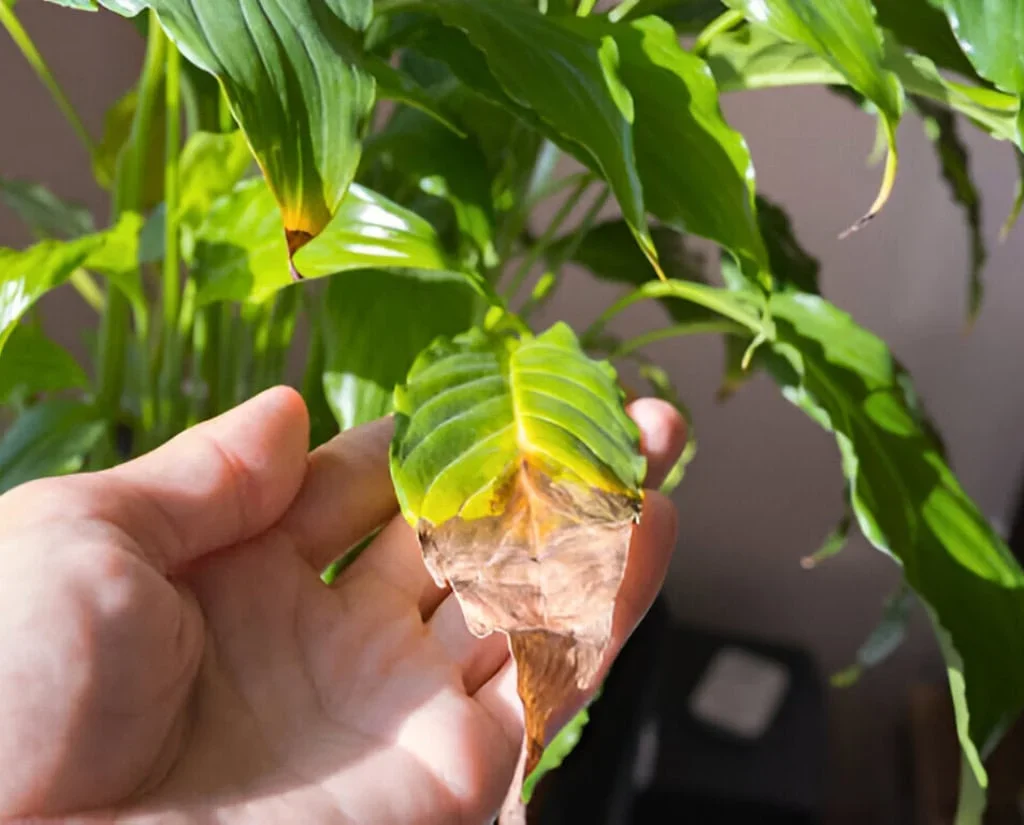
Both overwatering and underwatering can lead to pale leaves. Proper water management is key.
a. Overwatering
Excess water saturates soil, suffocates roots, and prevents nutrient uptake. This often results in pale, soft leaves and potential root rot.
Fix:
- Ensure pots have drainage holes.
- Water only when the top 1–2 inches of soil are dry.
- Repot plants in well-draining soil if root rot is detected.
b. Underwatering
Dry soil limits nutrient absorption and causes leaves to lose their green vibrancy.
Fix:

- Water plants thoroughly until water drains from the bottom.
- Maintain a consistent watering schedule suitable for each plant species.
5. Pests and Diseases
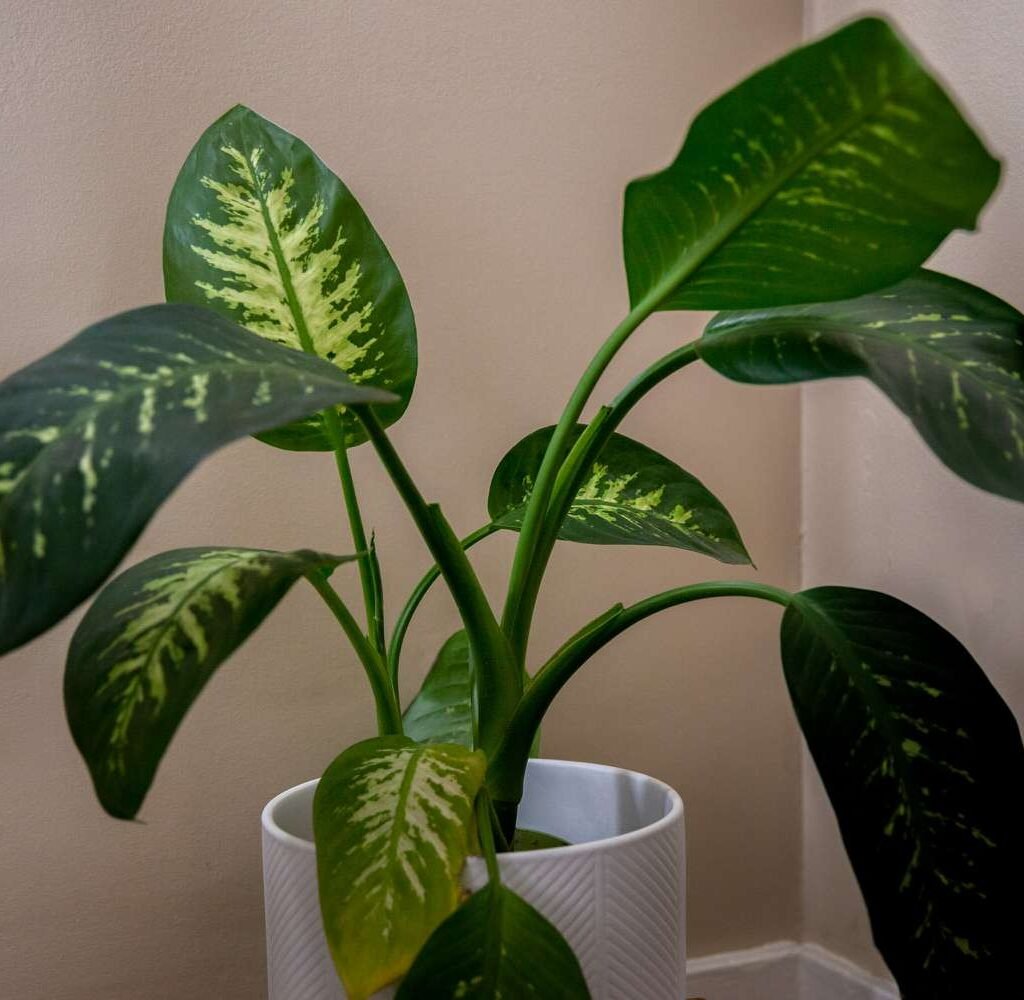
Pale leaves can indicate infestation or infection:
a. Common Pests
- Spider mites: Tiny webs and stippling on leaves.
- Aphids: Clustered on stems or undersides of leaves.
- Mealybugs: White, cotton-like clusters.
Fix:
- Wipe leaves with soapy water or neem oil.
- Use insecticidal sprays for severe infestations.
b. Fungal and Bacterial Infections
Overwatering or poor ventilation can cause fungal growth, leading to pale or discolored leaves.
Fix:
- Remove affected leaves.
- Improve air circulation and reduce humidity.
- Use a mild fungicide if necessary.
6. Environmental Stress
Indoor plants are sensitive to changes in temperature, humidity, and airflow:
- Temperature fluctuations: Sudden drafts from windows or heaters can stress plants, leading to pale leaves.
- Low humidity: Many tropical plants lose leaf color in dry, heated environments.
- Poor airflow: Stagnant air fosters fungal growth and reduces nutrient uptake.
Fix:
- Keep plants away from vents, heaters, or drafty windows.
- Use a humidifier for tropical plants.
- Provide adequate air circulation by spacing plants apart.
7. Correcting Pale Leaves
Once the cause is identified, implement targeted corrective measures:
Step 1: Diagnose
- Check soil moisture, light conditions, temperature, and humidity.
- Inspect for pests and diseases.
- Consider recent changes in fertilization or potting.
Step 2: Adjust Watering
- Water appropriately for the species.
- Ensure proper drainage to prevent root suffocation.
Step 3: Optimize Light
- Increase natural or artificial light.
- Avoid direct sunlight for shade-loving plants.
Step 4: Fertilize Correctly
- Apply a balanced indoor plant fertilizer.
- Address specific deficiencies with targeted nutrients.
Step 5: Remove Damaged Leaves
- Prune pale, yellow, or damaged leaves to redirect energy to healthy growth.
Step 6: Treat Pests or Disease
- Apply natural or chemical treatments as required.
- Isolate affected plants to prevent spreading.
8. Preventive Measures for Vibrant Green Leaves
Maintaining healthy indoor plants and preventing pale leaves involves proactive care:
- Regular Soil Testing: Use soil pH and nutrient tests to monitor plant health.
- Consistent Watering: Avoid sudden changes in soil moisture.
- Balanced Fertilization: Apply fertilizers seasonally according to plant needs.
- Proper Lighting: Rotate plants and supplement with grow lights if necessary.
- Air Quality: Ensure good ventilation to reduce stress and fungal growth.
- Routine Inspections: Regularly check leaves, stems, and soil for early signs of problems.
By incorporating these preventive steps, plants remain robust and visually vibrant year-round.
9. Psychological and Aesthetic Benefits of Healthy Green Leaves
Healthy, green foliage offers more than aesthetics:
- Enhances indoor air quality and oxygen levels.
- Improves mental well-being, reducing stress and increasing productivity.
- Creates a visually appealing environment, boosting mood and relaxation.
Pale leaves not only indicate stress in plants but also diminish these benefits. Maintaining lush greenery restores both beauty and functional advantages.
10. Conclusion
Pale leaves in indoor plants are a warning signal that requires immediate attention. Causes range from nutrient deficiencies, improper lighting, and watering issues to pests, diseases, and environmental stress. By understanding these factors and applying targeted corrective measures—optimizing light, adjusting water, fertilizing correctly, and treating pests—plant owners can restore healthy green foliage.
Proactive care, preventive maintenance, and careful observation are key to keeping indoor plants vibrant, resilient, and visually stunning. Healthy leaves reflect a well-cared-for plant, creating a thriving indoor environment that benefits both the plants and the people who enjoy them.

Leave A Comment