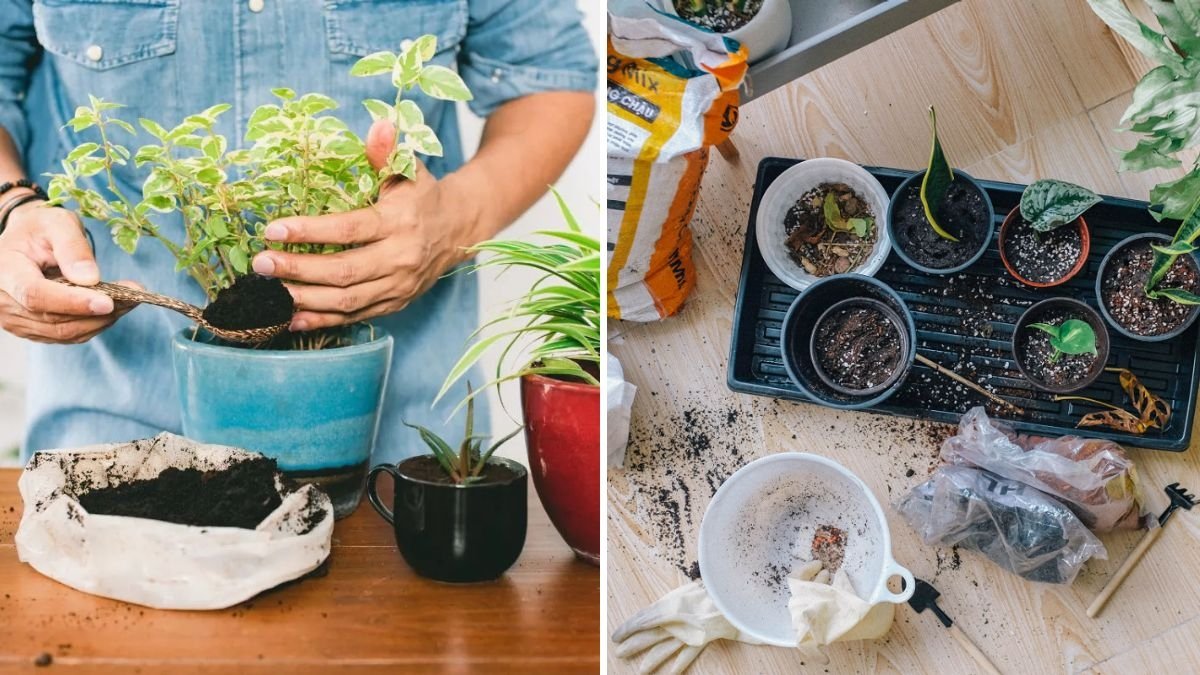
Indoor plants are more than just decorative elements—they are living organisms that rely on us for their care. While sunlight, water, and good air circulation are often emphasized, one critical aspect of plant care is frequently overlooked: fertilization. Fertilizer is to plants what a balanced diet is to humans. Without it, plants may survive, but they will rarely thrive. If you’ve ever wondered why your houseplants seem to grow slowly, have pale leaves, or fail to flower, the answer may lie in nutrition.
In this article, we’ll explore why indoor plants need fertilizer, what nutrients they require, how to choose the right type, and the correct way to use it for healthy, flourishing growth.
Why Fertilizer Matters for Indoor Plants
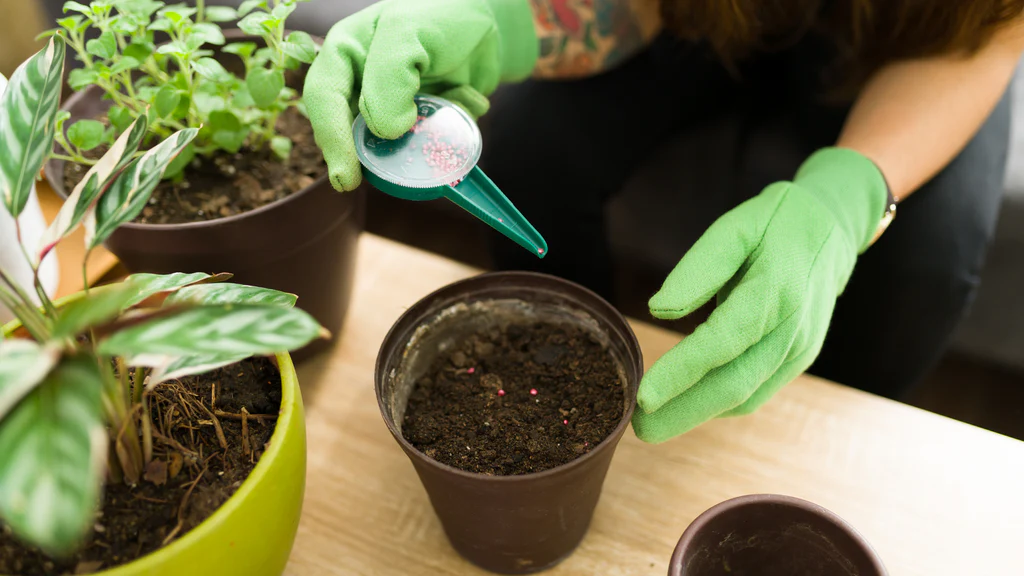
Unlike outdoor plants, which benefit from natural cycles like decaying leaves, rain, and microorganisms enriching the soil, indoor plants live in a confined potting mix. Over time, watering flushes out nutrients, leaving the soil depleted. Unless we replenish those nutrients, plants can suffer from deficiencies that affect their growth and overall health.
Here’s why fertilizer is essential for indoor plants:
- Replaces Lost Nutrients
Every time you water, small amounts of essential nutrients like nitrogen, phosphorus, and potassium leach out. Fertilizer restores these nutrients, ensuring plants stay well-fed. - Boosts Growth
Fertilizers provide the fuel plants need for new leaf, stem, and root growth. A properly fertilized plant grows faster, fuller, and healthier. - Encourages Flowering and Fruiting
Some indoor plants, like orchids, African violets, or citrus trees, need extra phosphorus and potassium to bloom and fruit successfully. - Strengthens Plant Resilience
Well-fed plants are better equipped to resist pests, diseases, and environmental stress like low light or dry indoor air.
Without fertilizer, even a plant with sufficient light and water may become weak, pale, and less vibrant over time.
The Essential Nutrients for Indoor Plants
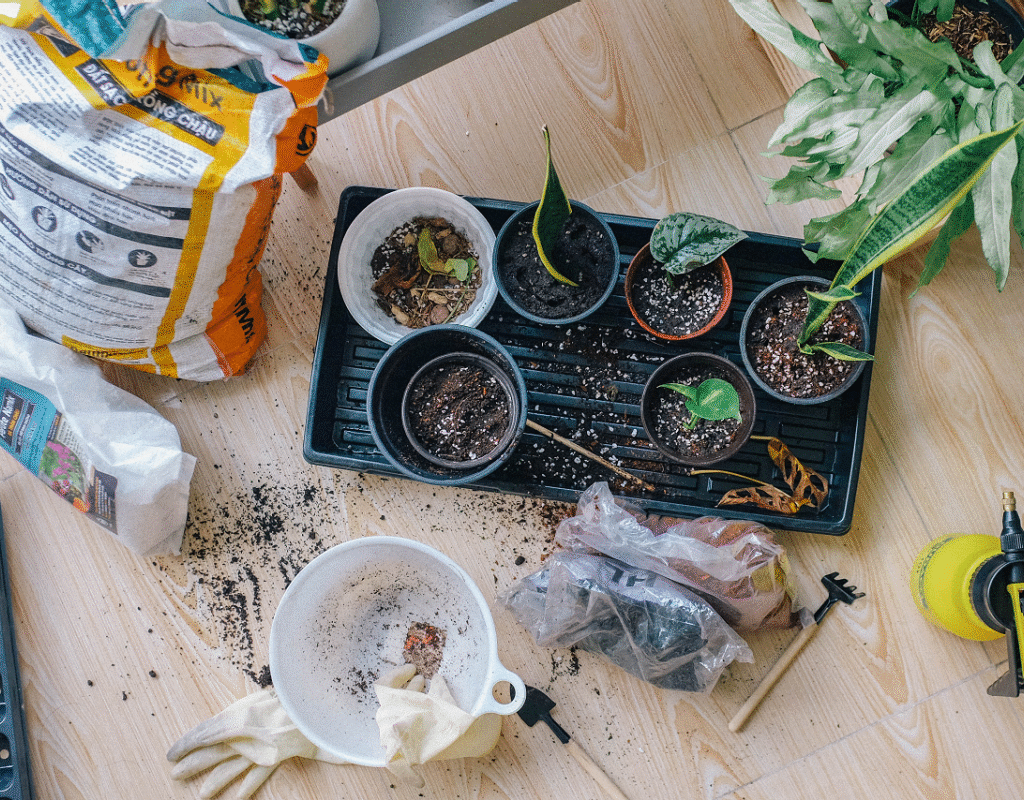
Fertilizers contain different nutrients, often grouped into three main categories:
1. Macronutrients (Primary Nutrients)
These are needed in large amounts:
- Nitrogen (N): Promotes lush, green leaf growth. Essential for foliage plants like pothos or monstera.
- Phosphorus (P): Encourages root development and flower/fruit production. Crucial for flowering plants.
- Potassium (K): Helps overall plant health, disease resistance, and strong stems.
2. Secondary Nutrients
Needed in moderate amounts:
- Calcium: Strengthens cell walls, preventing leaf tip burn.
- Magnesium: A key component of chlorophyll, supporting photosynthesis.
- Sulfur: Helps in protein and enzyme development.
3. Micronutrients
Needed in tiny amounts but still vital:
- Iron, zinc, manganese, copper, boron, molybdenum, and chlorine.
A deficiency in any of these can lead to yellowing leaves, stunted growth, or poor flowering.
Think of it this way: macronutrients are the main course, secondary nutrients are the side dishes, and micronutrients are the seasonings—together, they create a balanced “meal” for your plant.

Choosing the Right Fertilizer for Indoor Plants
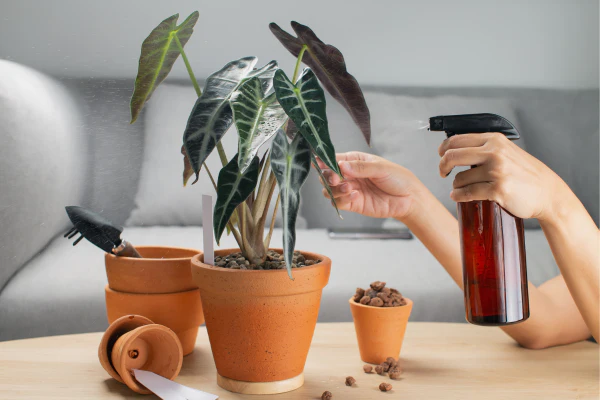
Not all fertilizers are created equal. Choosing the right one depends on your plant type and growth goals. Here are the main options:
1. Balanced Fertilizers
- Ratio: 10-10-10 or 20-20-20 (N-P-K)
- Great for general use and maintaining healthy growth in most indoor plants.
2. Specialized Fertilizers
- Foliage Plants (e.g., snake plant, monstera): High nitrogen formulas.
- Flowering Plants (e.g., orchids, African violets): Higher phosphorus content.
- Succulents and Cacti: Lower nitrogen to prevent overly lush, weak growth.
3. Organic vs. Synthetic Fertilizers
- Organic fertilizers (like worm castings, fish emulsion, or seaweed extract) release nutrients slowly and improve soil health. They are gentler but may smell and act slower.
- Synthetic fertilizers deliver nutrients quickly and predictably but can build up salts in the soil if overused.
4. Form Types
- Liquid fertilizers: Easy to dilute and apply during watering. Ideal for frequent, gentle feeding.
- Slow-release pellets: Convenient, releasing nutrients over several months.
- Granules or spikes: Easy but less customizable than liquid options.
How to Fertilize Indoor Plants Correctly
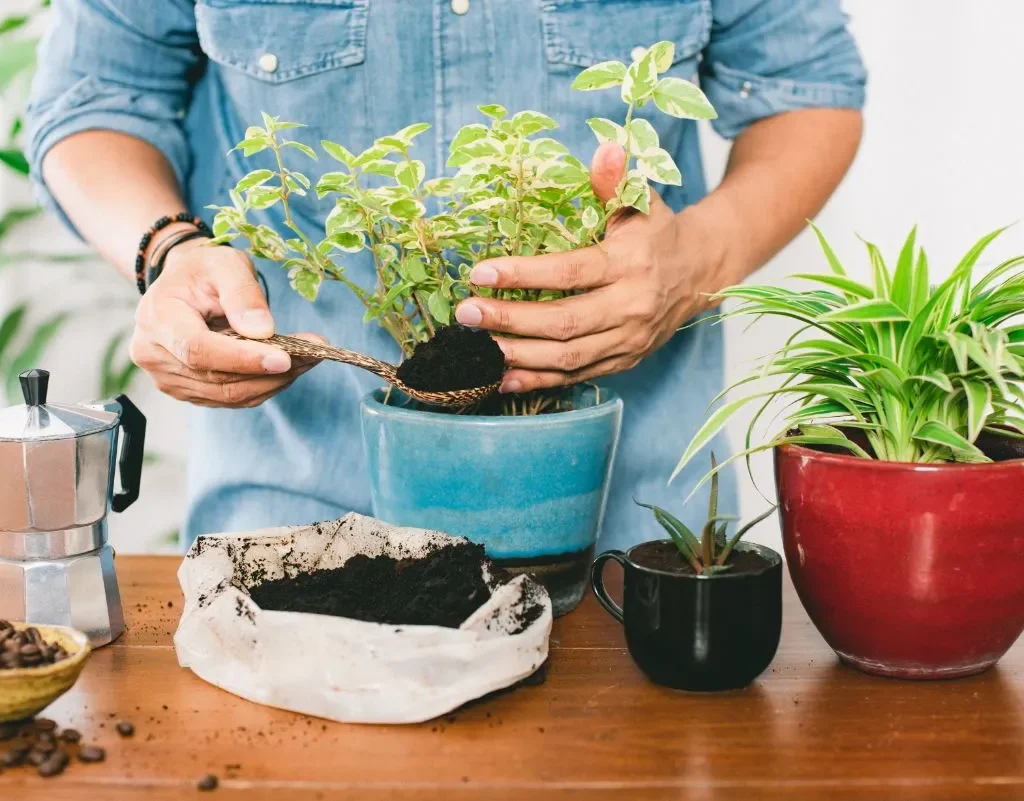
Applying fertilizer the wrong way can do more harm than good. Here’s a step-by-step guide:
1. Follow the Seasons
- Spring and Summer: Plants are in their active growing phase. Fertilize every 2–4 weeks.
- Fall and Winter: Growth slows down. Fertilize less often, or stop completely, unless growing under strong artificial lights.
2. Dilute, Don’t Overdo
More fertilizer doesn’t mean more growth—it can actually burn roots. Always start with half the recommended dose, especially for delicate plants.
3. Water Before Fertilizing
Applying fertilizer to dry soil can shock roots. Always water lightly first, then add fertilizer solution.
4. Watch for Signs of Overfertilization
- Brown leaf tips
- White crust on the soil surface
- Sudden leaf drop
If this happens, flush the soil with plain water to wash away excess salts.

5. Tailor Fertilizer to Plant Needs
- Orchids: Use a bloom booster with more phosphorus during flowering season.
- Fiddle Leaf Fig: A balanced fertilizer with slightly higher nitrogen.
- Succulents: Fertilize lightly, only during the growing season.
Common Fertilizing Mistakes to Avoid

- Overfertilizing: Causes salt buildup and root burn.
- Fertilizing in Dormancy: Wastes fertilizer and stresses plants.
- Using Garden Fertilizer Indoors: These are often too strong and not formulated for container plants.
- Ignoring pH Balance: Some fertilizers alter soil pH, affecting nutrient absorption.
- Forgetting Micronutrients: A plant can look unhealthy even if it has plenty of nitrogen, phosphorus, and potassium but lacks iron or magnesium.
Natural Fertilizer Alternatives
If you prefer a more eco-friendly or DIY approach, here are some natural fertilizer options:
- Banana peel water: Provides potassium for blooming plants.
- Coffee grounds: Add nitrogen, but use sparingly to avoid acidity.
- Eggshells: Supply calcium when crushed and mixed into the soil.
- Compost tea: Offers a nutrient-rich liquid boost.
These methods are less precise than commercial fertilizers but work well for supplementing nutrition.
Signs Your Indoor Plants Need Fertilizer
Not sure when to fertilize? Look for these signals:
- Pale or yellowing leaves
- Slow or stunted growth
- Smaller new leaves than older ones
- Lack of flowers or buds
- Soil that looks exhausted (compact and lifeless)
These symptoms indicate your plant is hungry for nutrients.
Conclusion
Fertilizer is not just an optional extra—it’s a lifeline for your indoor plants. While water and light are essential, nutrients fuel every aspect of growth, from vibrant leaves to strong roots and beautiful flowers. By understanding what your plants need, choosing the right fertilizer, and applying it correctly, you can ensure your houseplants thrive year-round.

Remember: fertilizing is about balance. Too little, and your plants starve; too much, and they suffer. But with the right knowledge and care, you’ll unlock your indoor garden’s full potential, turning it into a lush, green sanctuary.

Leave A Comment