The Right Time to Repot Houseplants (and How to Do It)

The Right Time to Repot Houseplants (and How to Do It)

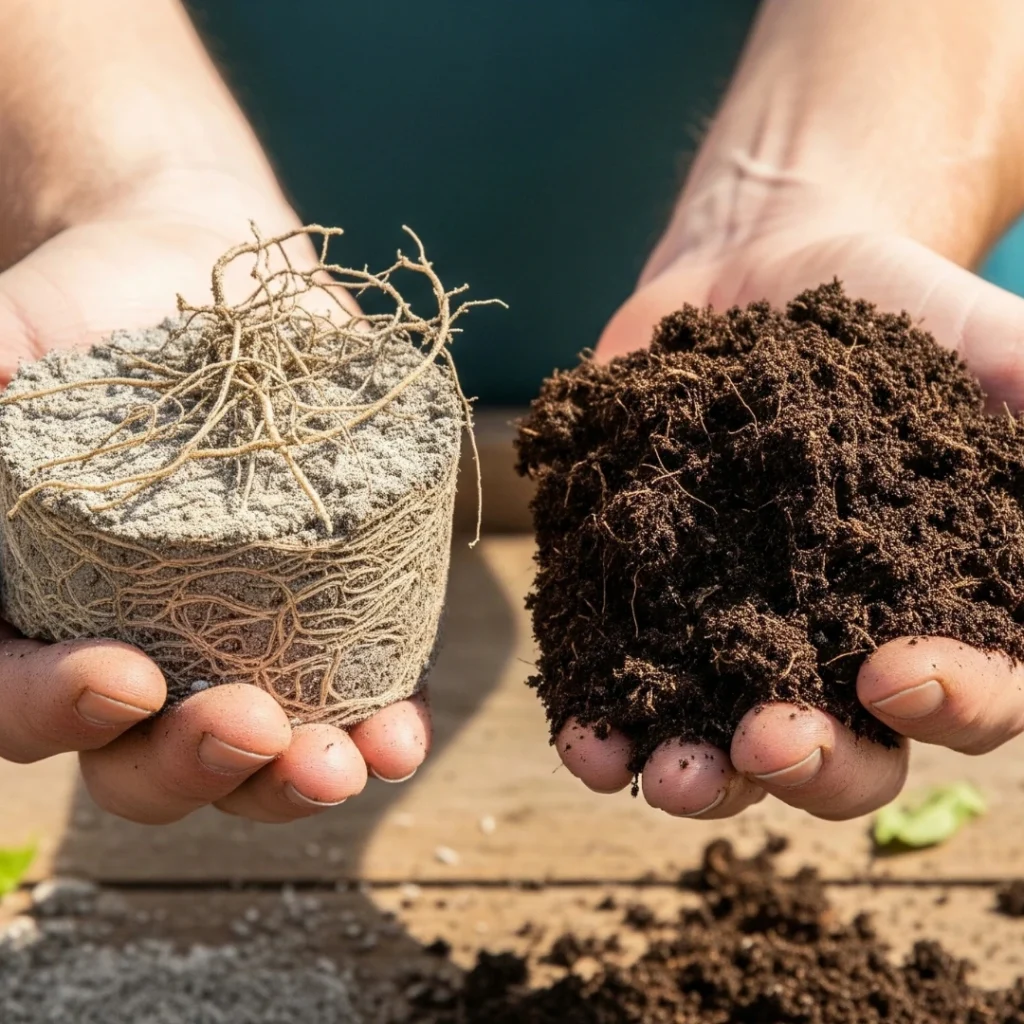
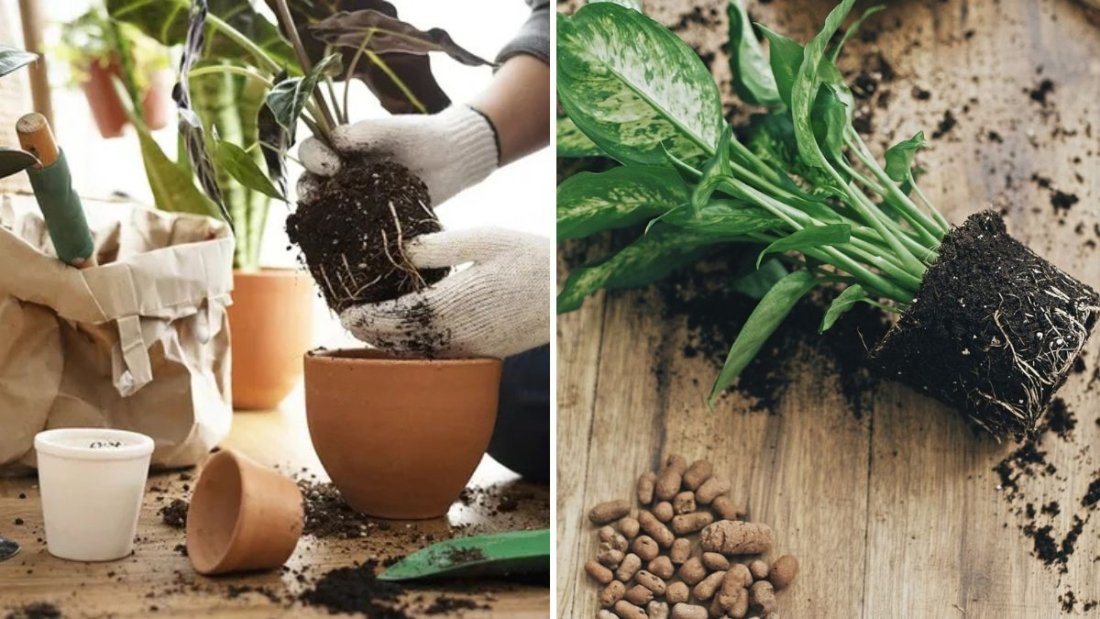
Houseplants bring beauty, life, and freshness into our homes, but like every living thing, they have changing needs as they grow. One of the most important—and often overlooked—aspects of plant care is knowing when and how to repot them. Repotting gives plants more room to expand, renews the soil, and prevents problems like root rot or stunted growth.

But timing is everything. Repotting at the wrong time or without proper preparation can stress your plant, sometimes even causing it to decline. So, how do you know when the time is right? And once you decide to repot, how can you do it smoothly?

This guide will take you through the signs your plant needs a new home, the best seasons for repotting, and a step-by-step method to repot houseplants without stress.


Why Repotting Is Essential
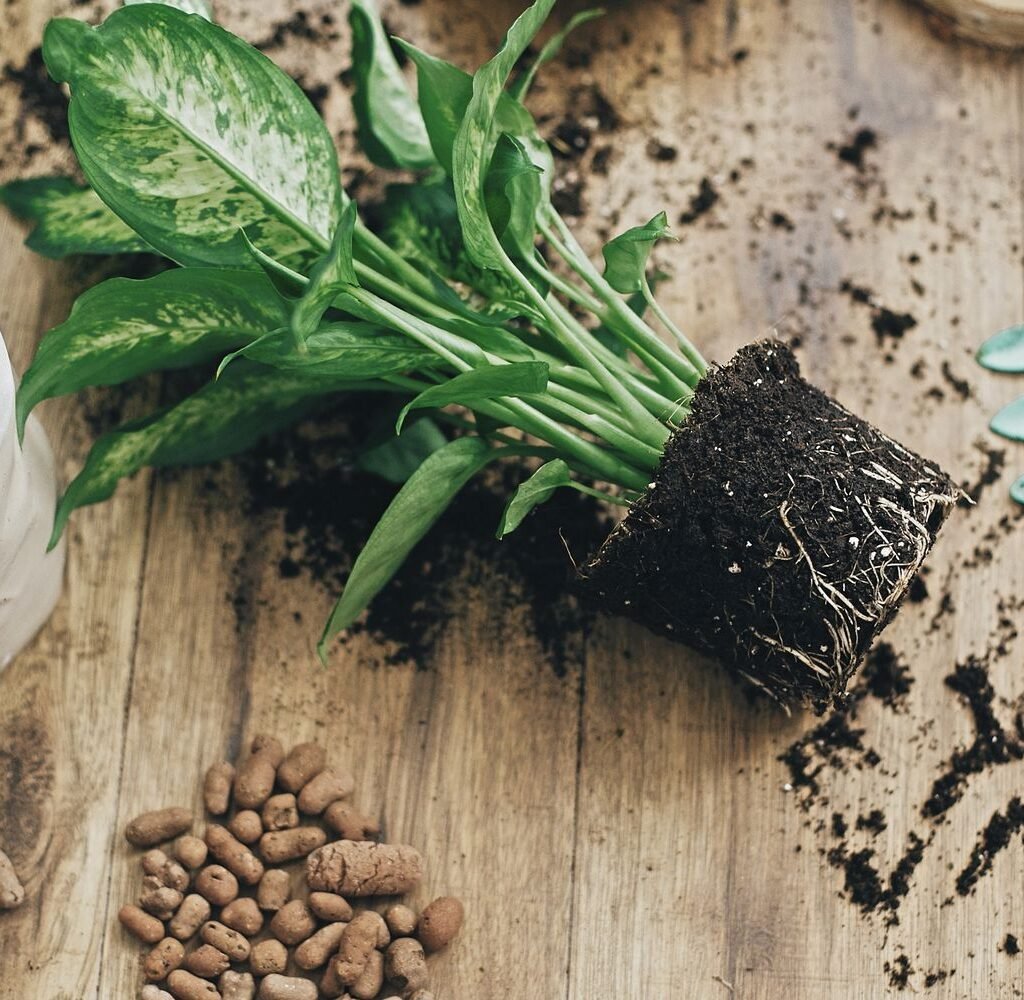
Repotting is more than just moving a plant to a bigger pot. It serves several important purposes:

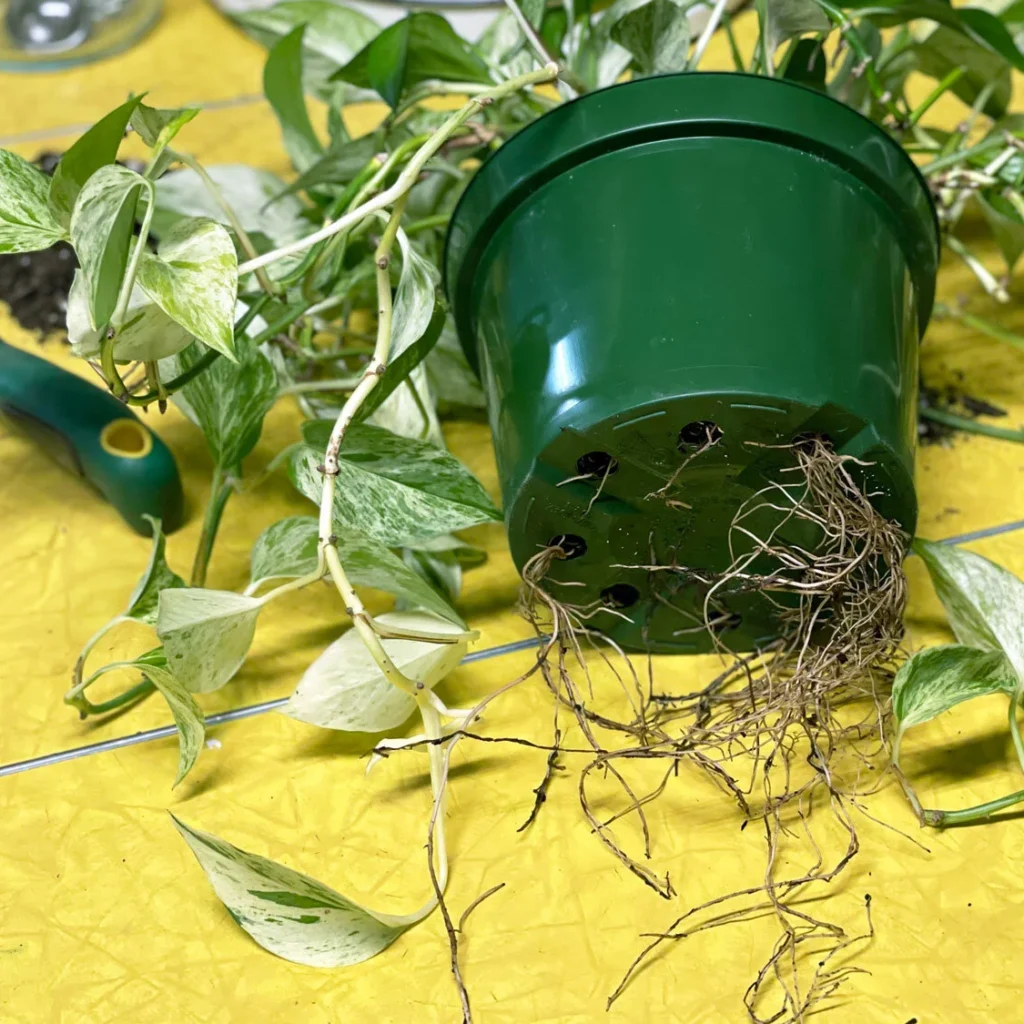
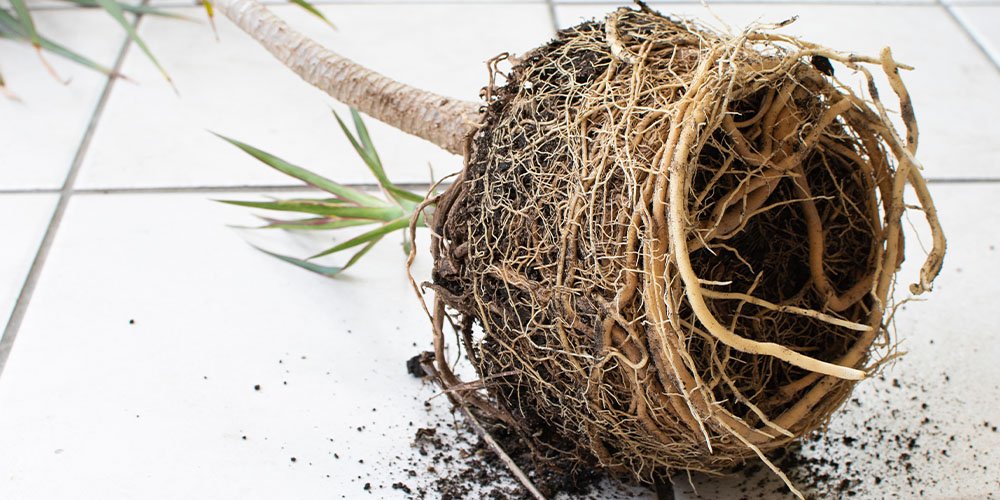
  • Prevents root-bound stress: When roots circle around themselves inside a pot, they suffocate and limit water absorption.
  • Refreshes nutrients: Over time, soil depletes and compacts, leaving fewer nutrients for the plant.
  • Improves drainage and aeration: Fresh soil prevents waterlogging and encourages healthy root growth.
  • Boosts growth: With more room and nutrients, the plant can expand, flower, or produce new leaves.

Without repotting, even a well-cared-for plant may eventually stall in growth, weaken, or become more susceptible to pests and diseases.


How to Know It’s the Right Time to Repot
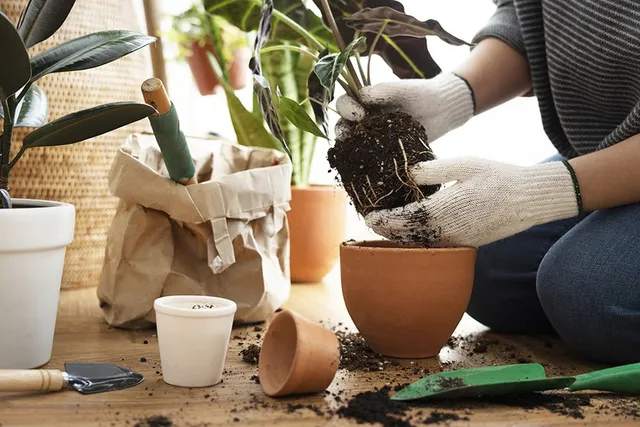
Here are the most common signs your houseplant is ready for a bigger home:

1. Roots Are Escaping

  • Roots growing out of the drainage holes or poking above the soil surface mean the plant is root-bound.

2. Soil Dries Too Quickly

  • If you water thoroughly but the soil dries out in a day or two, the roots may have taken up all the space, leaving little soil to hold moisture.

3. Slowed or Stunted Growth

  • A plant that stops producing new leaves during its active season often signals root restrictions.

4. Pot Feels Top-Heavy

  • When the plant becomes too large for its pot, it tips over easily.

5. Salt or Mineral Buildup

  • White crusts on the soil surface or pot edges mean the soil has become compacted or overly saturated with fertilizer residues.

6. It’s Been 1–2 Years

  • As a rule of thumb, most houseplants benefit from fresh soil every 12–24 months, even if they haven’t visibly outgrown their pots.

The Best Time of Year to Repot
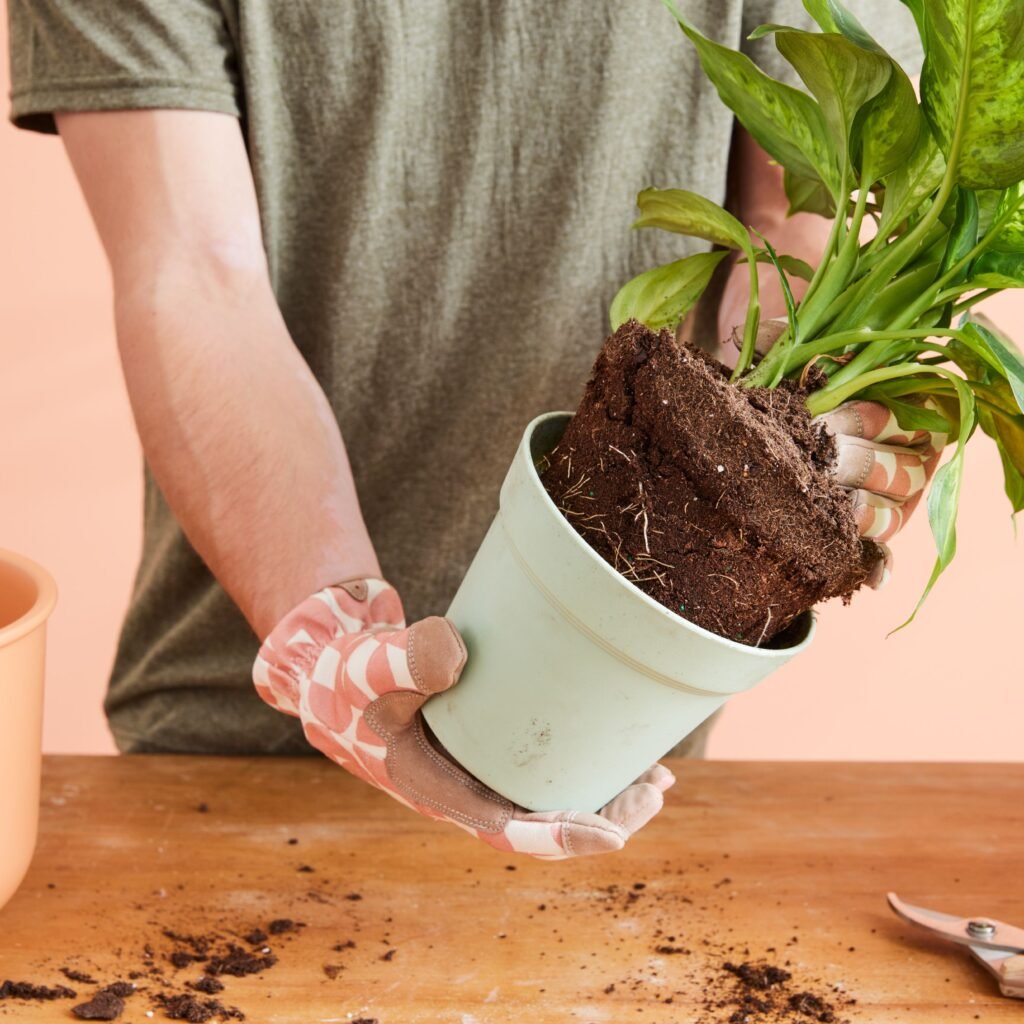
Timing is critical. Plants, like humans, have cycles of activity and rest. Choosing the right season helps them recover faster and grow stronger.

Best Seasons to Repot

  • Spring and early summer: Ideal for most houseplants. This is their active growth phase, so they bounce back quickly.
  • Early fall: Suitable for some plants, especially if they’ve had a vigorous summer.

Times to Avoid Repotting

  • Winter: Most plants are dormant, focusing energy on survival rather than growth. Repotting then may cause unnecessary stress.
  • During blooming: Repotting a plant in flower can cause blooms to drop prematurely since energy gets diverted to recovery.
  • When stressed: If a plant is battling pests, diseases, or underwatering/overwatering issues, fix those problems first before repotting.

Preparing for Repotting
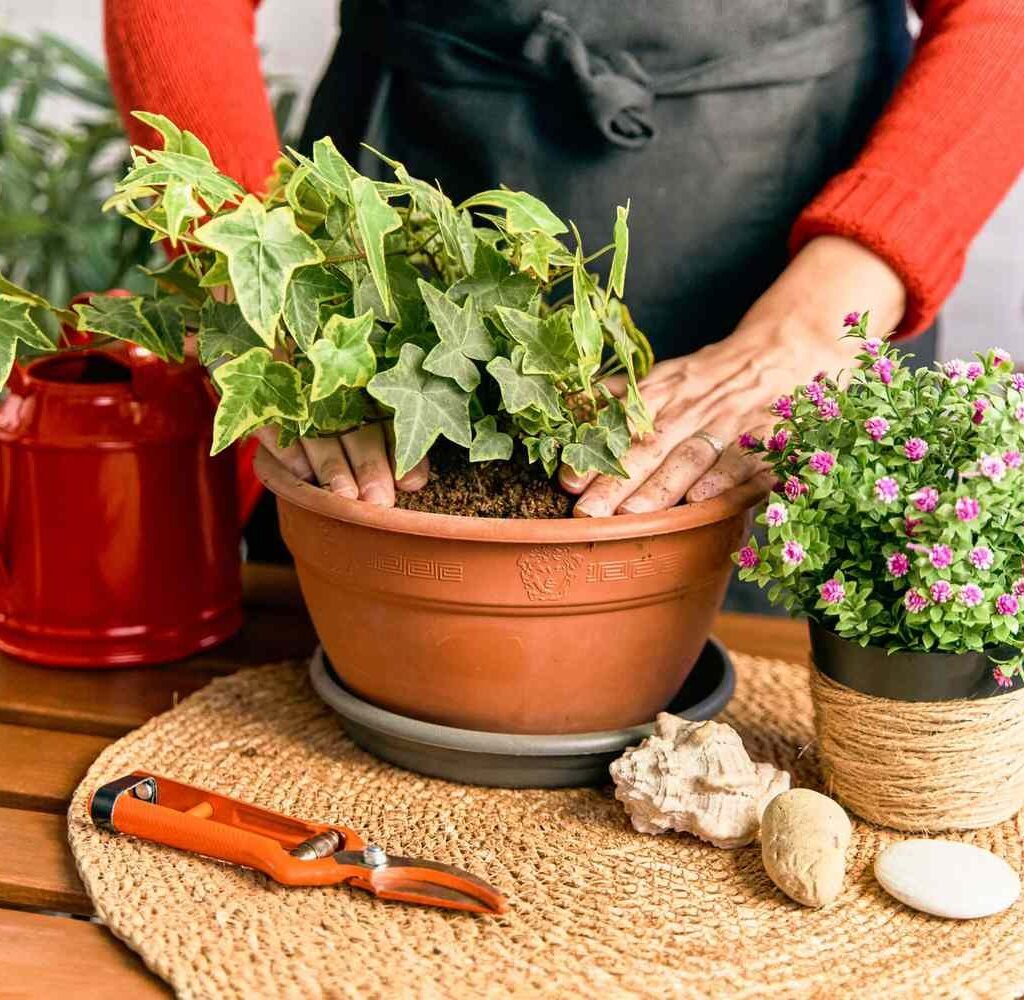
To repot successfully, preparation is key.

Choose the Right Pot

  • Size: Select a pot that is 1–2 inches larger in diameter than the current one. Too large a jump can cause soil to stay wet longer, increasing the risk of root rot.
  • Material: Terracotta pots are breathable and ideal for plants that dislike soggy soil, while plastic pots hold moisture better for water-loving plants.
  • Drainage: Always ensure there are drainage holes. Without them, water can pool and rot the roots.

Prepare the Soil Mix

Different plants need different soil types:

  • Cacti and succulents: Fast-draining sandy soil.
  • Orchids: Bark-based, airy mix.
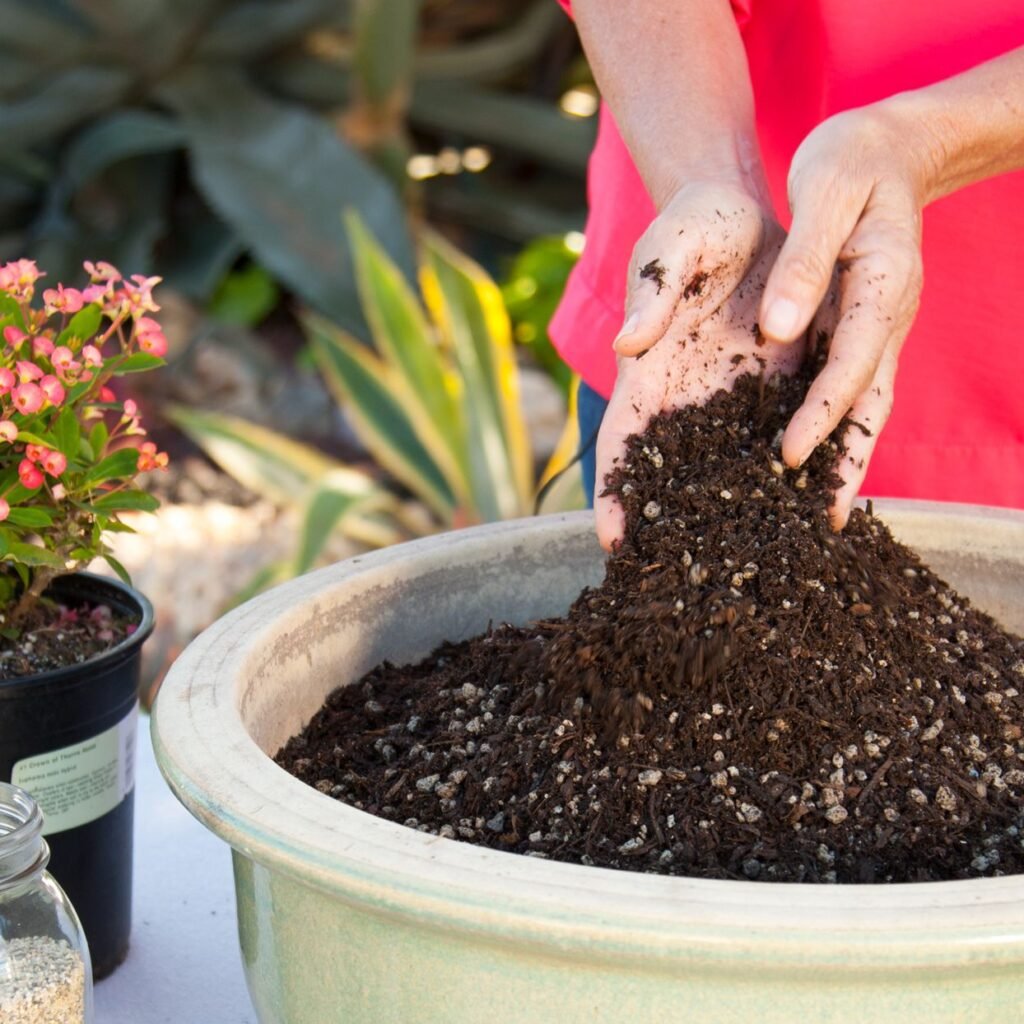
  • General houseplants: A peat-free potting mix with perlite or vermiculite for aeration.

Water Before Repotting

Water your plant a day in advance. Slightly moist soil helps roots slide out easily while reducing breakage.

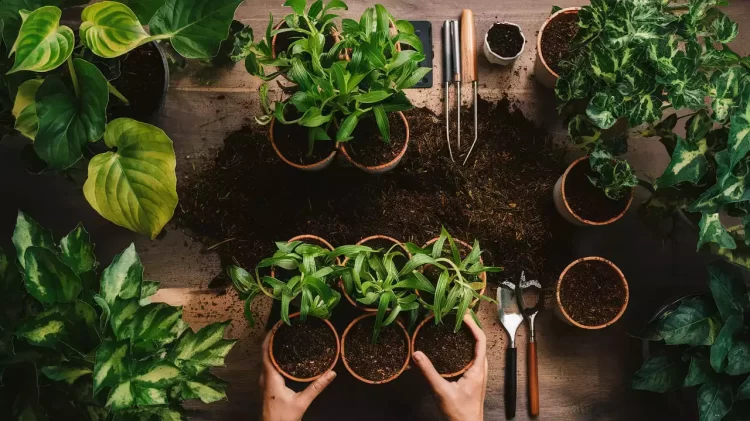
Gather Your Tools

Keep everything ready:

  • New pot and soil mix.
  • Trowel or spoon.
  • Pruners or scissors (sterilized).
  • Gloves (optional).
  • A tarp or newspaper to keep things tidy.

Step-by-Step Guide to Repotting Houseplants
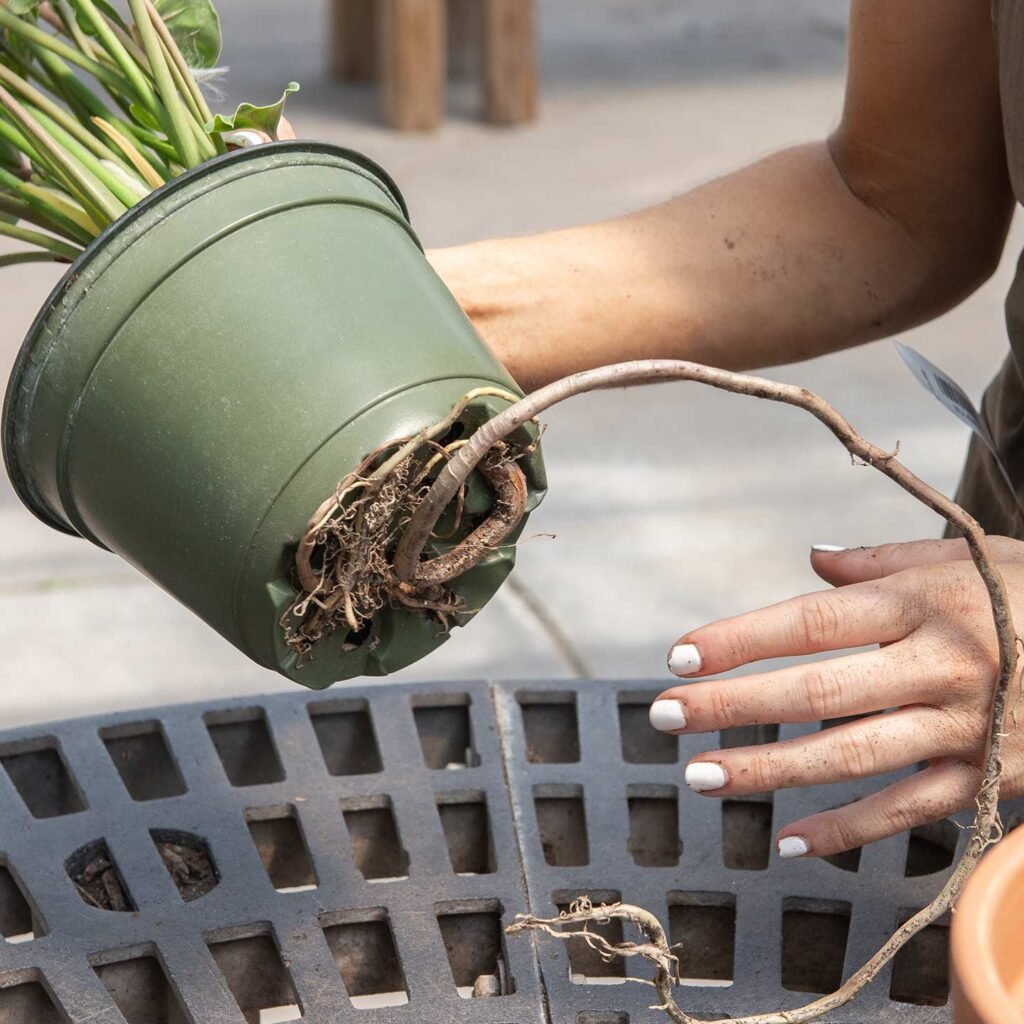
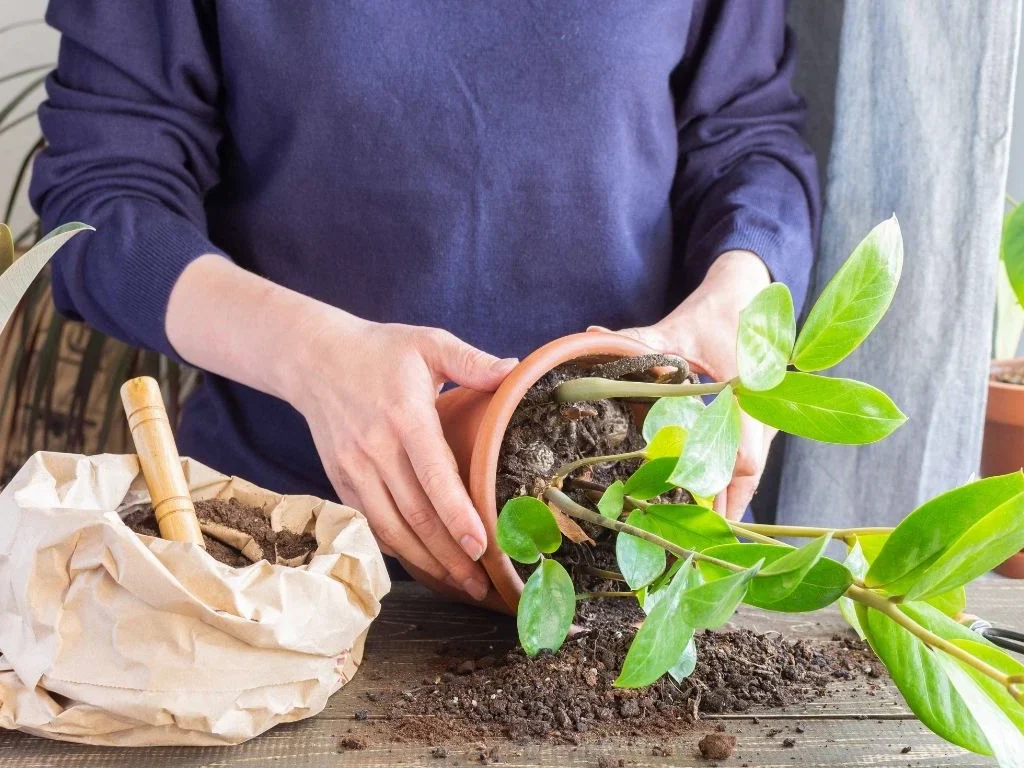
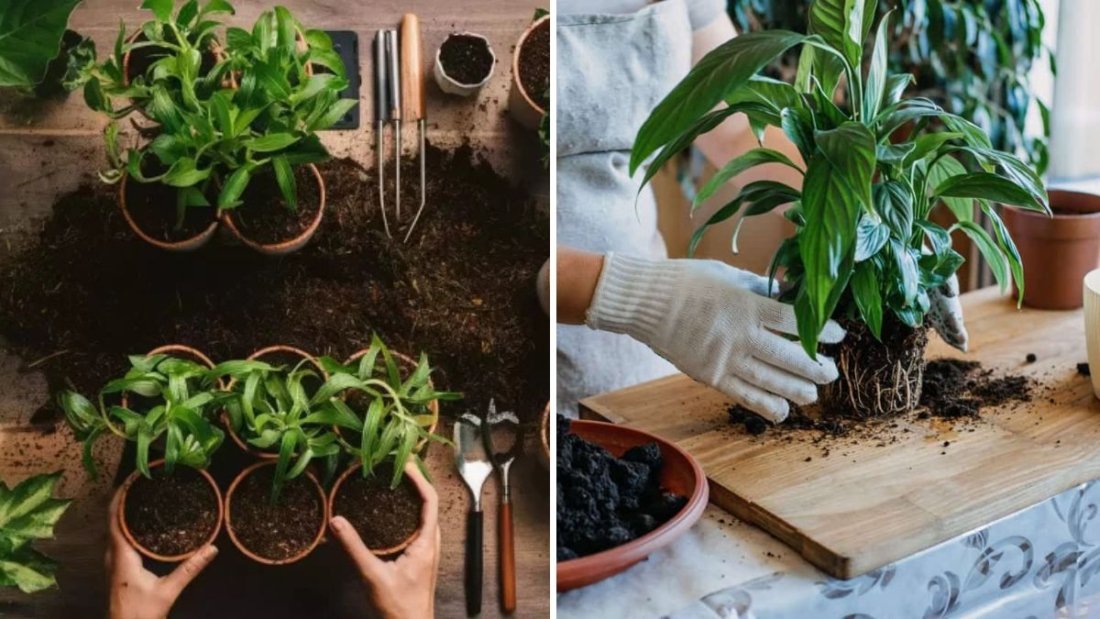
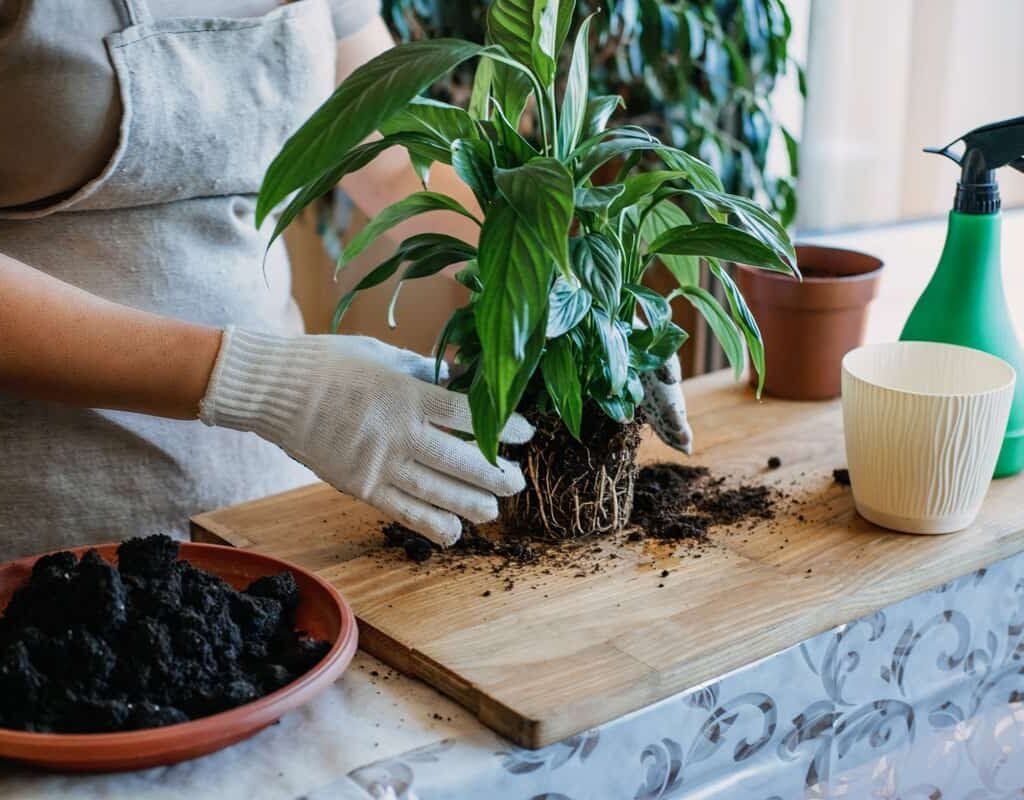
Step 1: Remove the Plant from Its Old Pot

  • Gently tilt the pot and support the base of the plant.
  • Tap the sides or bottom to loosen the soil.
  • If roots are stuck, run a butter knife or spatula along the edges to free them.

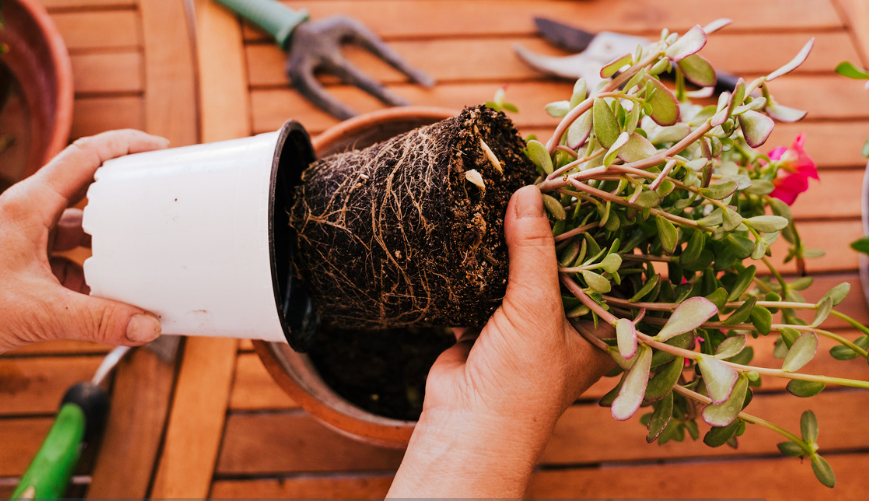
Step 2: Inspect and Trim the Roots

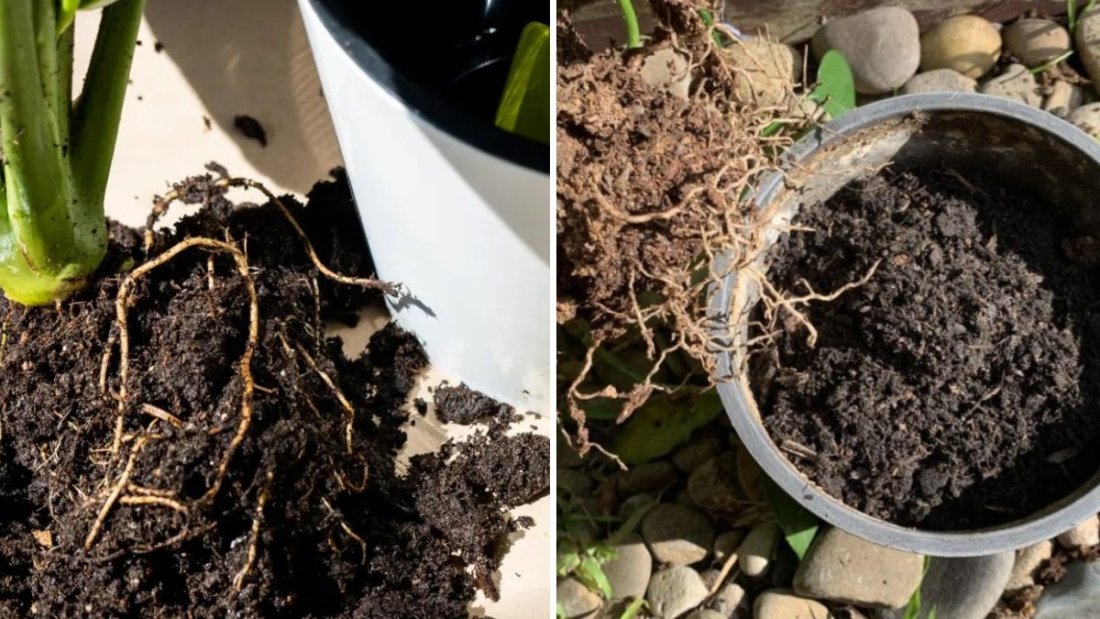
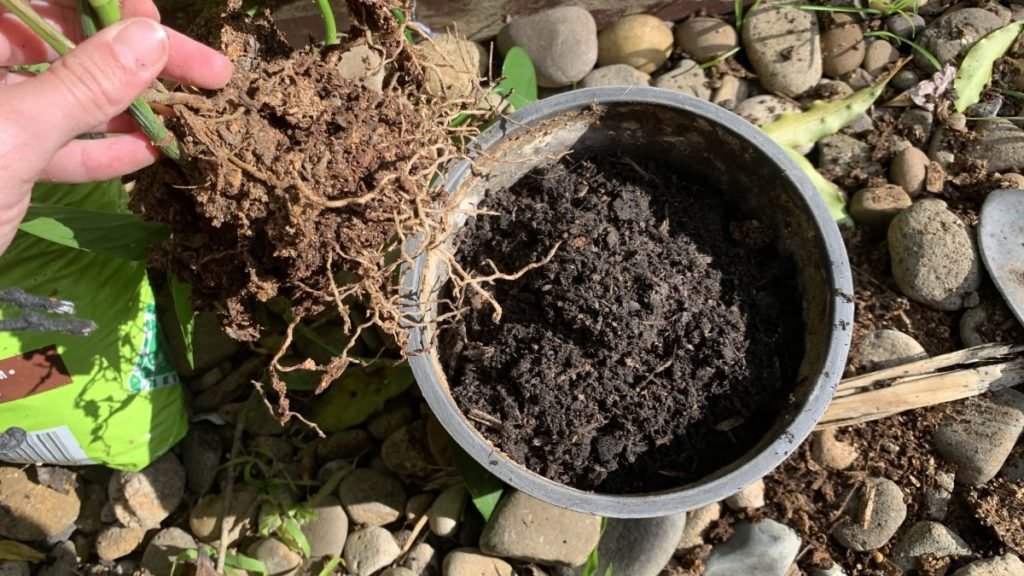
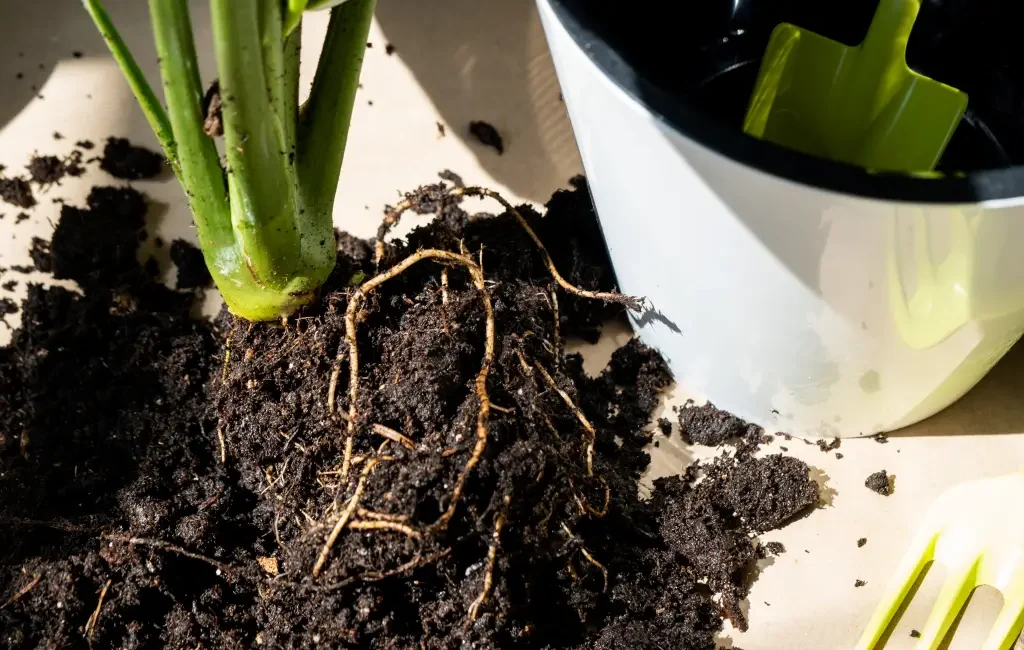
  • Healthy roots: White or light tan, firm, and flexible.
  • Unhealthy roots: Brown, black, mushy, or foul-smelling. Trim these with sterilized scissors.
  • If roots are tightly circling the pot, gently tease them apart to encourage outward growth.

Step 3: Prepare the New Pot

  • Add a layer of fresh soil at the bottom.
  • Position the plant so the root ball sits about an inch below the rim (to allow watering space).

Step 4: Fill Around the Roots

  • Add soil around the plant, gently pressing down to remove air pockets.
  • Don’t pack too tightly—roots need oxygen.

Step 5: Water Thoroughly

  • Water until excess drains out the bottom. This helps settle the soil around the roots.

How to Reduce Transplant Shock

Even with careful handling, plants may wilt or slow down after repotting. Here’s how to ease the transition:

  1. Keep out of direct sun for 1–2 weeks: Bright, indirect light reduces stress.
  2. Avoid fertilizing immediately: Wait 4–6 weeks before feeding to prevent overwhelming the roots.
  3. Maintain consistent watering: Stick to the plant’s usual schedule. Don’t overcompensate with extra water.
  4. Monitor humidity: Tropical plants benefit from stable humidity levels during recovery.
  5. Be patient: Growth may pause briefly. This is normal as the plant focuses on re-establishing roots.

Special Repotting Tips for Popular Houseplants

Succulents and Cacti

  • Use a gritty, well-draining mix.
  • Let the soil dry completely before the first watering after repotting.

Orchids

  • Use bark chips instead of regular soil.
  • Trim away old or dead roots carefully before repotting.

Large Houseplants (like fiddle leaf figs or monstera)

  • Consider repotting in the same pot but replacing the top 2–3 inches of soil if the plant is too heavy to handle.
  • Provide stakes for support if the plant droops after repotting.

Common Repotting Mistakes to Avoid

  • Choosing a pot that’s too big: This leads to soggy soil and root rot.
  • Burying the stem too deep: Can cause rot at the base.
  • Skipping drainage holes: Always ensure proper drainage.
  • Fertilizing right away: Newly repotted roots are sensitive.
  • Neglecting aftercare: Repotting is stressful—monitor the plant closely in the weeks that follow.

Aftercare for a Thriving Plant

Once your plant is in its new home, the job isn’t finished. Ongoing care is essential for success:

  • Lighting: Place the plant in a stable environment with indirect sunlight. Gradually reintroduce bright conditions if needed.
  • Watering: Stick to your plant’s normal routine, avoiding extremes.
  • Feeding: Resume fertilization only after the plant has adjusted—usually 4–6 weeks.
  • Observation: Watch for drooping, yellowing, or slow recovery. These are usually temporary, but persistent problems may indicate overwatering, poor soil, or incorrect light.

Conclusion

Repotting is one of the most beneficial yet often misunderstood parts of plant care. Knowing the right time to repot—when roots outgrow their container, soil becomes depleted, or the plant stalls in growth—makes all the difference in keeping your houseplants healthy. Pairing the right timing with careful preparation and proper aftercare ensures your plant doesn’t just survive repotting but thrives in its new home.

Think of repotting not as a stressful chore but as a chance to refresh and rejuvenate your plant. Done thoughtfully, it’s like giving your green companion a fresh start—and the reward is lusher growth, healthier roots, and a longer lifespan.
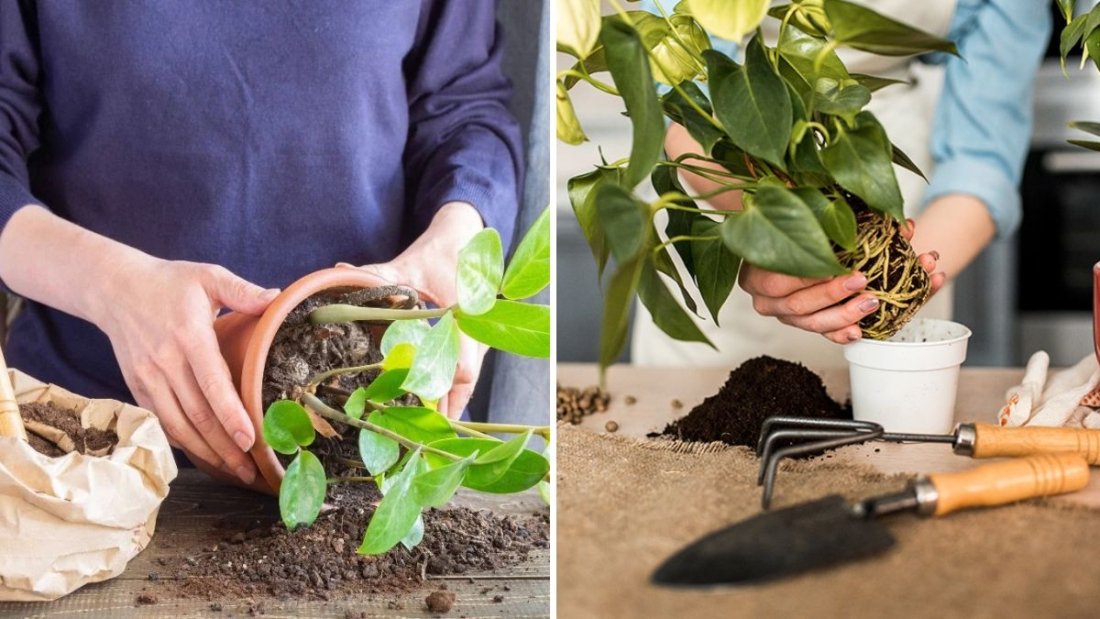
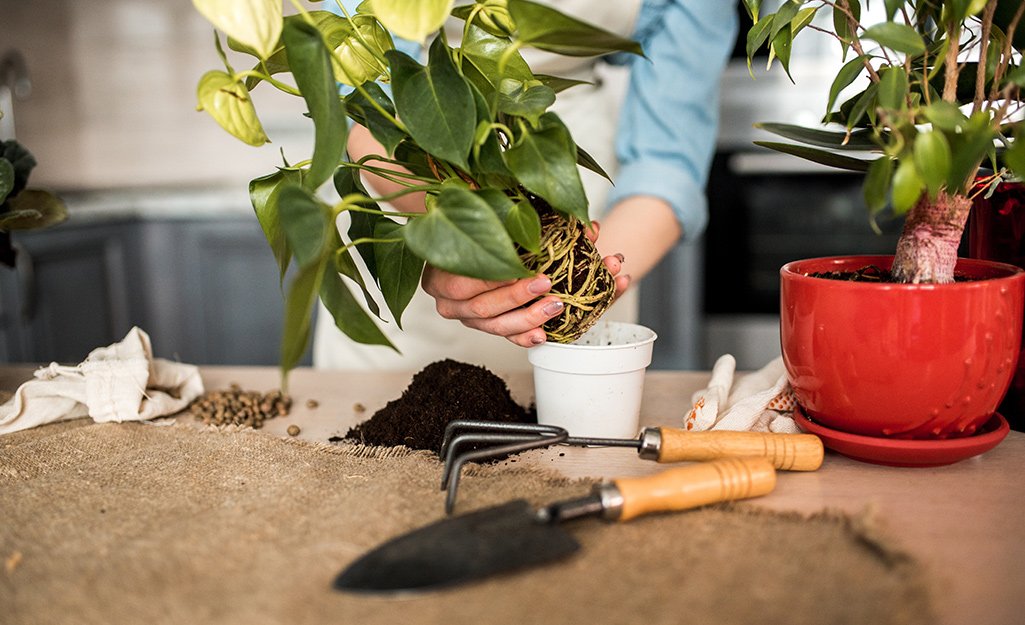
How to Repot a Plant Without Stressing It Out

How to Repot a Plant Without Stressing It Out

Repotting is a natural part of plant care, much like giving your leafy friend a bigger home as it grows. Yet, for many plant lovers—especially beginners—the idea of repotting feels intimidating. Concerns about damaging roots, transplant shock, or even losing the plant altogether often create unnecessary worry. The good news is that with the right approach, you can repot your plants safely while minimizing stress.

This guide will walk you step by step through why repotting matters, how to prepare, and the best techniques to reduce transplant shock, so your plants thrive in their new home.


Why Repotting Is Important

Plants grow continuously, and over time, their roots expand until the pot can no longer accommodate them. Without intervention, the plant becomes “root-bound”—where roots circle around the container, strangling themselves and limiting access to water and nutrients.

Signs it’s time to repot:

  • Roots growing out of the drainage holes.
  • Soil drying out much faster than usual.
  • Stunted growth or yellowing leaves despite proper care.
  • The plant feels “top-heavy” and tips easily.
  • Soil looks compacted, crusty, or depleted.

Repotting not only gives plants more room to grow but also refreshes the soil, improves aeration, and prevents disease. Done correctly, it sets your plant up for stronger, healthier growth.


Choosing the Right Time to Repot

Timing is crucial for stress-free repotting. Plants, like people, have active and resting phases. Repotting during a dormant period can shock the plant, while doing it at peak growth ensures faster recovery.

Best times to repot:

  • Spring and early summer: Most plants are actively growing, making this the ideal window.
  • After blooming: For flowering plants, wait until the blooming cycle ends.
  • Every 1–2 years: As a general rule for most houseplants.

Avoid repotting:

  • In the middle of winter (growth is slow).
  • When the plant is flowering (energy is directed toward blooms).
  • If the plant is already stressed by pests, disease, or poor conditions.

Preparing to Repot: Reducing Plant Stress

Preparation is half the battle in successful repotting. A little planning goes a long way.

1. Select the Right Pot

  • Size matters: Choose a pot 1–2 inches larger in diameter than the current one. Too big a jump can overwhelm the roots with excess soil, leading to root rot.
  • Material: Terracotta pots allow better airflow, while plastic pots retain more moisture. Choose based on your plant’s water needs.
  • Drainage holes: Always ensure proper drainage to prevent soggy roots.

2. Prepare Fresh Soil Mix

Use a high-quality potting mix suited to your plant’s needs:

  • Cacti and succulents → sandy, well-draining mix.
  • Orchids → bark-based, airy medium.
  • Houseplants → peat-free, balanced soil with perlite for drainage.

3. Water the Plant Ahead of Time

Water your plant a day before repotting. Moist soil holds together better, reducing root breakage. At the same time, it keeps roots hydrated during the transition.

4. Gather Your Tools

You’ll need:

  • New pot and fresh soil.
  • Gloves (optional).
  • A trowel or spoon.
  • Scissors or pruners (sterilized).
  • Newspaper or tarp to keep the area clean.

Step-by-Step Guide to Repotting Without Stress

Step 1: Loosen and Remove the Plant

  • Gently tilt the pot and tap the sides to loosen the soil.
  • Support the base of the plant and carefully slide it out.
  • If roots are stuck, run a knife or spatula along the pot’s edge to release it.
  • Avoid yanking—it can tear delicate roots and stems.

Step 2: Examine the Roots

Check for signs of health:

  • Healthy roots: White, firm, and pliable.
  • Unhealthy roots: Brown, mushy, or foul-smelling (signs of rot).

Prune away dead or damaged roots with sterilized scissors. If the plant is root-bound, gently tease apart the circling roots to encourage outward growth.

Step 3: Add Soil to the New Pot

  • Place a thin layer of fresh soil at the bottom.
  • Position the plant in the center, ensuring it sits at the same depth as before (never bury the stem).

Step 4: Backfill with Soil

  • Add soil around the roots gradually, pressing lightly to eliminate air pockets.
  • Leave about an inch of space below the rim for watering.
  • Be gentle—don’t compact the soil too much, as roots need air.

Step 5: Water Thoroughly

After repotting, give your plant a good soak until water drains from the bottom. This helps settle the soil around the roots.


How to Minimize Transplant Shock

Even with care, plants can go through a recovery phase after repotting. Signs of transplant shock include drooping, yellowing, or slowed growth. Here’s how to ease the transition:

  1. Give it time: Minor wilting is normal for a few days. Avoid fertilizing immediately—wait 4–6 weeks before feeding.
  2. Provide the right environment: Keep the plant in indirect light (not harsh sun) until it settles.
  3. Maintain consistent watering: Don’t overwater in an attempt to “help.” Stick to the plant’s usual watering routine.
  4. Avoid pruning leaves: Let the plant use its energy to recover. Only remove yellow or dead leaves.
  5. Use root stimulants (optional): Some gardeners add diluted seaweed extract or rooting hormones to encourage faster recovery.

Special Tips for Different Types of Plants

For Succulents and Cacti

  • Handle gently to avoid breaking fleshy leaves.
  • Use a gritty soil mix and let them dry for a day after repotting before watering.

For Large Houseplants

  • Repot in stages if the plant is huge—sometimes just refreshing the top few inches of soil helps.
  • Support stems with stakes if the plant droops post-repotting.

For Orchids

  • Remove all old bark medium before repotting.
  • Place roots loosely in fresh orchid bark for maximum air circulation.

Common Repotting Mistakes to Avoid

  • Choosing a pot that’s too big: This traps moisture and risks root rot.
  • Burying the plant too deep: Leads to stem rot.
  • Skipping drainage holes: Causes waterlogging.
  • Fertilizing immediately: Roots are delicate post-repotting; wait a month before feeding.
  • Neglecting aftercare: Repotting is not the end—monitor your plant closely for the next few weeks.

Aftercare: Helping Your Plant Thrive in Its New Home

Repotting is only successful when the plant adapts well to its environment afterward. Follow these care tips:

  • Light: Provide gentle, indirect light for 1–2 weeks. Gradually transition to brighter conditions if the plant prefers it.
  • Humidity: For tropical plants, keep humidity levels stable to reduce stress.
  • Observation: Watch for signs of stress like yellowing leaves. Often, this is temporary, but persistent issues may mean the plant is overwatered or sitting in too much direct light.
  • Patience: Growth may pause for a while. Don’t worry—once roots adjust, new leaves and shoots will appear.

Conclusion

Repotting doesn’t have to be stressful—for you or your plant. By choosing the right time, preparing carefully, and handling roots with patience, you can give your plant a smooth transition into its new home. Remember, plants are more resilient than we think. With fresh soil, the right-sized pot, and attentive aftercare, your plant will not only survive but thrive after repotting.

So, the next time you notice roots peeking out of the pot or sluggish growth, don’t panic. With these techniques, you’ll repot like a pro—and your leafy companion will thank you with lush, vibrant growth.

How Often Should You Change Potting Soil? Experts Weigh In

How Often Should You Change Potting Soil? Experts Weigh In

Potting soil is the lifeline of potted plants. It provides the structure, nutrients, and moisture balance that roots need to grow. Unlike outdoor garden soil, which continuously benefits from natural cycles of decomposition and renewal, potting soil in containers has limits. Over time, it loses nutrients, becomes compacted, and can harbor pests or diseases.

This raises an important question for every plant parent: How often should you change potting soil? The answer depends on the type of plant, the size of the container, and how well you maintain your soil. Let’s explore what the experts say, the signs your potting soil needs replacing, and practical tips to keep your indoor jungle thriving.


Why Potting Soil Needs Changing

At first, fresh potting soil feels light, airy, and rich with nutrients. But as plants grow, their roots deplete the available nutrition and change the soil’s structure. Here are the main reasons soil replacement is necessary:

  1. Nutrient Depletion
    Potting soil doesn’t regenerate nutrients naturally like outdoor soil. Plants absorb available minerals quickly, and fertilizers can only replenish so much before the structure and balance break down.
  2. Soil Compaction
    Over time, the light and fluffy texture of potting soil collapses. Compacted soil reduces air pockets, suffocating roots and restricting water movement.
  3. Salt and Mineral Buildup
    Fertilizers and tap water often leave behind salts and minerals. These accumulate in the soil, making it harder for roots to take in water and nutrients.
  4. Pest and Disease Accumulation
    Old soil can harbor fungus gnats, root rot pathogens, and other harmful microorganisms. Fresh soil minimizes these risks.
  5. Decline in Drainage
    As organic matter breaks down, soil loses its ability to drain efficiently, leaving roots vulnerable to rot.

Expert Recommendations: How Often to Change Potting Soil

While there isn’t a one-size-fits-all answer, most experts agree on these general timelines:

  • Every 12–18 months for most houseplants
    Many common indoor plants (like pothos, philodendrons, or peace lilies) benefit from fresh soil about once a year.
  • Every 6–12 months for heavy feeders
    Plants like tomatoes, peppers, or flowering annuals need more frequent soil replacement since they deplete nutrients faster.
  • Every 2–3 years for slow-growing plants
    Succulents, cacti, or snake plants can thrive in the same soil longer, as they don’t consume nutrients quickly and prefer drier conditions.
  • After signs of disease or pests
    If your plant suffers from root rot, fungal growth, or persistent pests like fungus gnats, it’s best to replace the soil immediately, regardless of the timeline.

Signs It’s Time to Change Your Potting Soil

Even if you’re not sure how long it’s been since you repotted, your plants will often give you clues:

  • Slow or stunted growth despite proper care
  • Yellowing leaves that don’t improve with fertilizer
  • Water pooling on the surface instead of soaking in
  • Soil pulling away from the pot’s edges
  • White crust (salt buildup) on the surface of soil or pot
  • Foul smell indicating root rot
  • Visible pests like fungus gnats or moldy patches

If you notice two or more of these signs, it’s time for a soil refresh.


Full Replacement vs. Refreshing Soil

You don’t always have to throw out all the old soil. Depending on the condition, there are two main approaches:

1. Full Replacement

  • Best for: Plants with root rot, severe pest infestations, or soil that’s completely compacted.
  • How to do it: Remove the plant carefully, shake off old soil, prune damaged roots, and repot with 100% fresh soil.

2. Partial Refresh

  • Best for: Healthy plants that just need a nutrient and texture boost.
  • How to do it: Remove the top 2–3 inches of soil and replace with fresh potting mix. This restores nutrients and improves aeration without disturbing roots.

How to Change Potting Soil Without Stressing Plants

Repotting can shock plants if done incorrectly. Follow these steps for a smooth transition:

  1. Choose the right time – Repot during active growth (spring or early summer) when plants recover faster. Avoid repotting during dormancy.
  2. Gently remove the plant – Loosen the soil around the edges and lift carefully to avoid breaking roots.
  3. Inspect the roots – Trim off dead, mushy, or circling roots to encourage healthy regrowth.
  4. Select fresh, high-quality soil – Match the soil type to your plant (cactus mix for succulents, rich loam for tropical plants).
  5. Pick the right pot size – Choose a pot 1–2 inches larger than the root ball. Oversized pots hold too much water and can cause root rot.
  6. Water lightly – After repotting, water enough to settle the soil but avoid overwatering.

How to Extend the Life of Potting Soil

Want to avoid changing soil too often? With proper maintenance, you can keep potting soil healthier for longer:

  • Fertilize regularly – Use balanced liquid fertilizer every 4–6 weeks during the growing season.
  • Leach salts – Once every few months, water thoroughly until excess flows out the drainage holes, flushing salts away.
  • Aerate the soil – Use a chopstick or small stick to gently poke holes in compacted areas to restore airflow.
  • Add organic matter – Mix in worm castings or compost every few months to replenish nutrients.
  • Rotate plants – If possible, rotate annuals and perennials to avoid depleting the same soil year after year.

What to Do With Old Potting Soil

You don’t always have to throw old potting soil in the trash. Here are eco-friendly ways to reuse it:

  • Compost it – Mix with kitchen scraps and yard waste to create rich compost for future gardening.
  • Solarize it – Spread old soil in the sun for several weeks to kill pests before reusing.
  • Mix with fresh soil – Blend old soil with 50% fresh potting mix for non-sensitive plants.
  • Use in outdoor landscaping – Old potting soil can be added to flower beds, raised beds, or around shrubs.

Expert Insights

Plant experts agree that the key is balance:

  • Too frequent repotting can stress plants unnecessarily.
  • Too infrequent soil changes lead to poor growth, root health issues, and weak plants.

Dr. Leonard Perry, Horticulture Professor Emeritus at the University of Vermont, explains:

“Potting soil is not forever. It’s meant to provide a temporary environment. For best results, refresh or replace it every year or two, depending on your plant’s needs.”


Final Thoughts

Changing potting soil is one of the most overlooked aspects of houseplant care—but it can make the difference between struggling plants and a thriving indoor oasis.

As a rule of thumb:

  • Refresh the top layer annually.
  • Replace soil completely every 1–2 years for most plants.
  • Repot sooner if you notice pests, compaction, or nutrient deficiencies.

Treat potting soil like food for your plants: fresh, balanced, and renewed regularly. By giving your plants the right foundation, you’ll enjoy stronger roots, lush foliage, and longer-lasting beauty.

Why Soil Compaction Hurts Plants—and How to Prevent It

Why Soil Compaction Hurts Plants—and How to Prevent It

Healthy soil is the foundation of a thriving garden. It’s more than just “dirt”—it’s a living ecosystem filled with minerals, organic matter, water, air, and billions of microorganisms that work together to sustain plant life. When soil becomes compacted, however, its structure collapses, creating a hostile environment for roots, microbes, and beneficial organisms. The result? Stunted growth, yellowing leaves, weak harvests, and even plant death.

Understanding why soil compaction is harmful—and how to prevent it—is essential for gardeners, farmers, and anyone who wants flourishing plants. Let’s dive into what causes compaction, how it impacts plant health, and practical steps you can take to fix and avoid it.


What Is Soil Compaction?

Soil compaction occurs when soil particles are pressed tightly together, reducing the amount of air and pore space between them. Normally, healthy soil contains about:

  • 50% solids (minerals and organic matter)
  • 25% water
  • 25% air

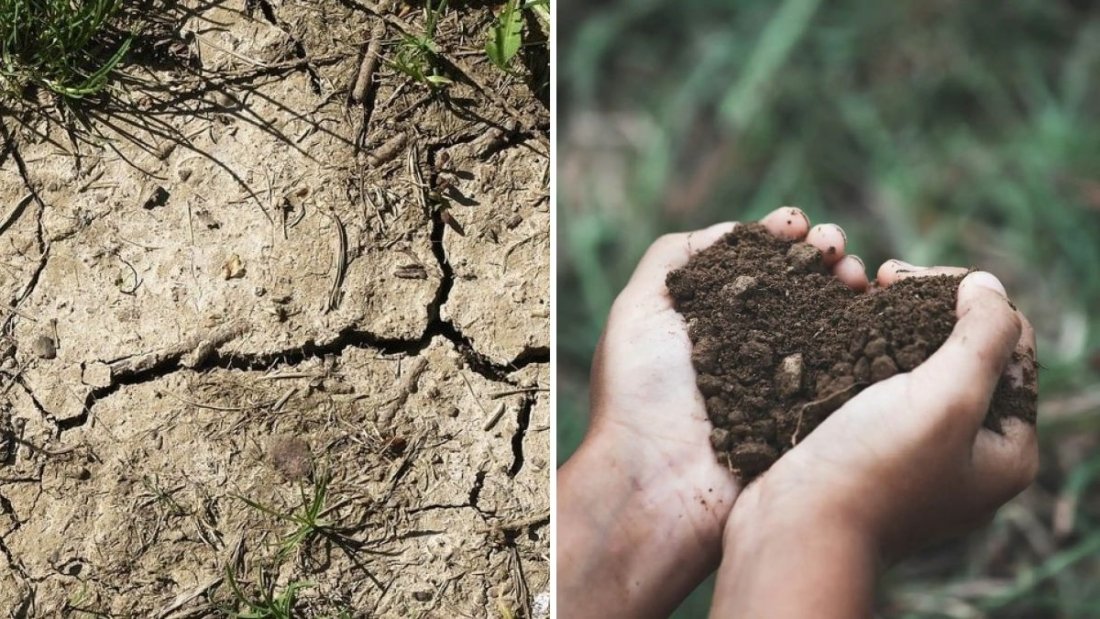
In compacted soil, those vital air pockets shrink dramatically, and water has a harder time penetrating. Instead of loose, crumbly soil that allows roots to spread freely, compacted soil is dense, heavy, and resistant.

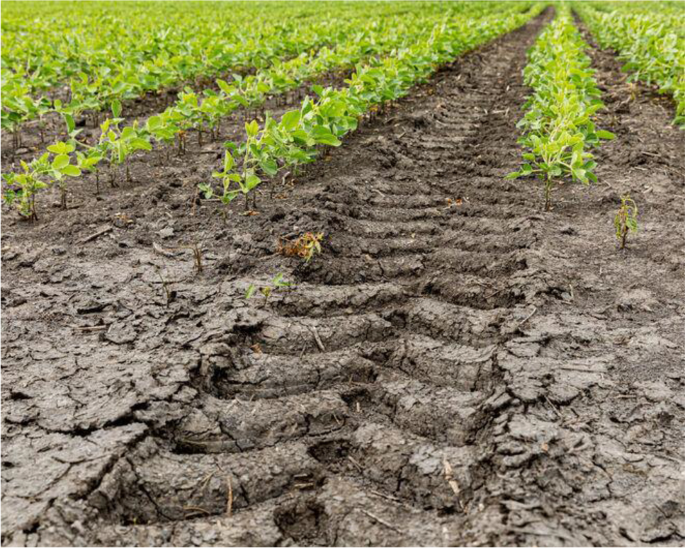
This problem happens more often than many gardeners realize—especially in lawns, raised beds, or garden areas where people and pets frequently walk, or where machinery is used.


Why Soil Compaction Hurts Plants

Soil compaction doesn’t just make digging harder—it disrupts nearly every aspect of plant health. Here’s why it’s such a big deal:

1. Restricted Root Growth

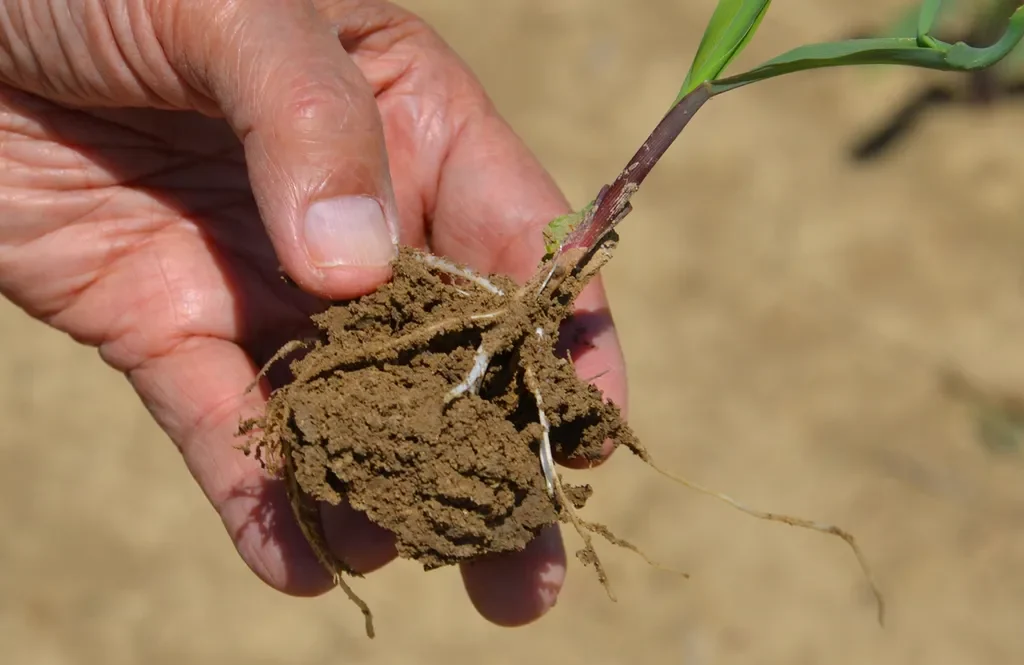
Roots need space to expand. In compacted soil, they struggle to push through the dense structure. Instead of spreading wide and deep, roots become shallow, weak, and limited in size. Shallow roots mean less access to nutrients and water.

2. Poor Water Infiltration and Drainage

Healthy soil absorbs rainfall or irrigation evenly, storing it for plant roots. Compacted soil acts like a sealed surface: water pools on top, runs off, or collects in low spots, leading to soggy conditions and root rot. At the same time, deeper roots may remain thirsty.

3. Reduced Oxygen Availability

Roots breathe. They need oxygen for cellular respiration. Compacted soil eliminates air spaces, depriving roots of oxygen. This suffocates roots and stresses plants, making them more vulnerable to pests and diseases.

4. Decline in Soil Life

Soil organisms—earthworms, fungi, and microbes—thrive in loose soil with ample pore spaces. Compaction drives them away, further reducing soil fertility and long-term health.

5. Nutrient Lock-Up

When soil becomes dense, nutrients can’t move freely through water channels. Even if you fertilize, plants may not be able to absorb what they need. This often leads to yellowing leaves and nutrient deficiencies.


Signs of Soil Compaction in Your Garden

How do you know if soil compaction is a problem? Look for these telltale signs:

  • Water puddles on the surface after rainfall or watering.
  • Grass or plants with shallow, weak roots that pull up easily.
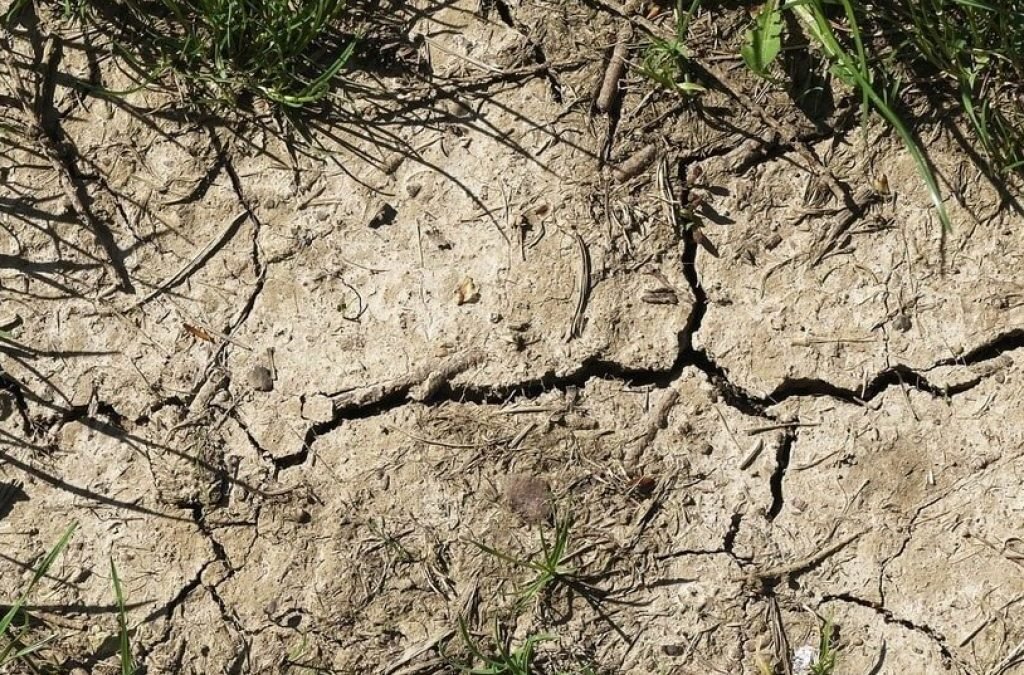
  • Hard, crusty soil that’s tough to dig into with a shovel.
  • Patchy plant growth—some areas struggle while others thrive.
  • Yellowing leaves despite regular fertilization and watering.
  • Few earthworms when you dig into the soil (a sign of poor soil health).

What Causes Soil Compaction?

Several everyday gardening practices unintentionally lead to compacted soil:

  1. Heavy Foot Traffic – Walking repeatedly over the same areas, especially when the soil is wet, compresses soil particles.
  2. Machinery and Tools – Lawn mowers, wheelbarrows, and garden equipment add extra weight and pressure.
  3. Rainfall and Irrigation – Heavy rain or frequent watering can compact soil over time, especially clay soils prone to crusting.
  4. Tilling and Overworking Soil – While tilling can loosen soil temporarily, repeated tilling breaks down soil structure and accelerates compaction.
  5. Lack of Organic Matter – Organic matter creates a sponge-like structure in soil. Without it, soils easily become dense and hard.

How to Fix Soil Compaction

If your soil is already compacted, don’t worry—you can restore it. Here are proven methods to loosen and improve compacted soil:

1. Aeration

For lawns, aeration is the most effective fix. Core aerators remove small plugs of soil, creating channels that allow air, water, and nutrients to penetrate deeper. This also gives roots more space to grow.

2. Add Organic Matter

Incorporate compost, leaf mold, or well-rotted manure into the soil. Organic matter improves structure, increases pore spaces, and encourages earthworms and microbes to thrive. Over time, this naturally loosens soil.

3. Mulching

A layer of organic mulch (wood chips, straw, shredded leaves) protects the soil surface, prevents crusting, and encourages earthworms to tunnel through the soil, reducing compaction naturally.

4. Plant Deep-Rooted Cover Crops

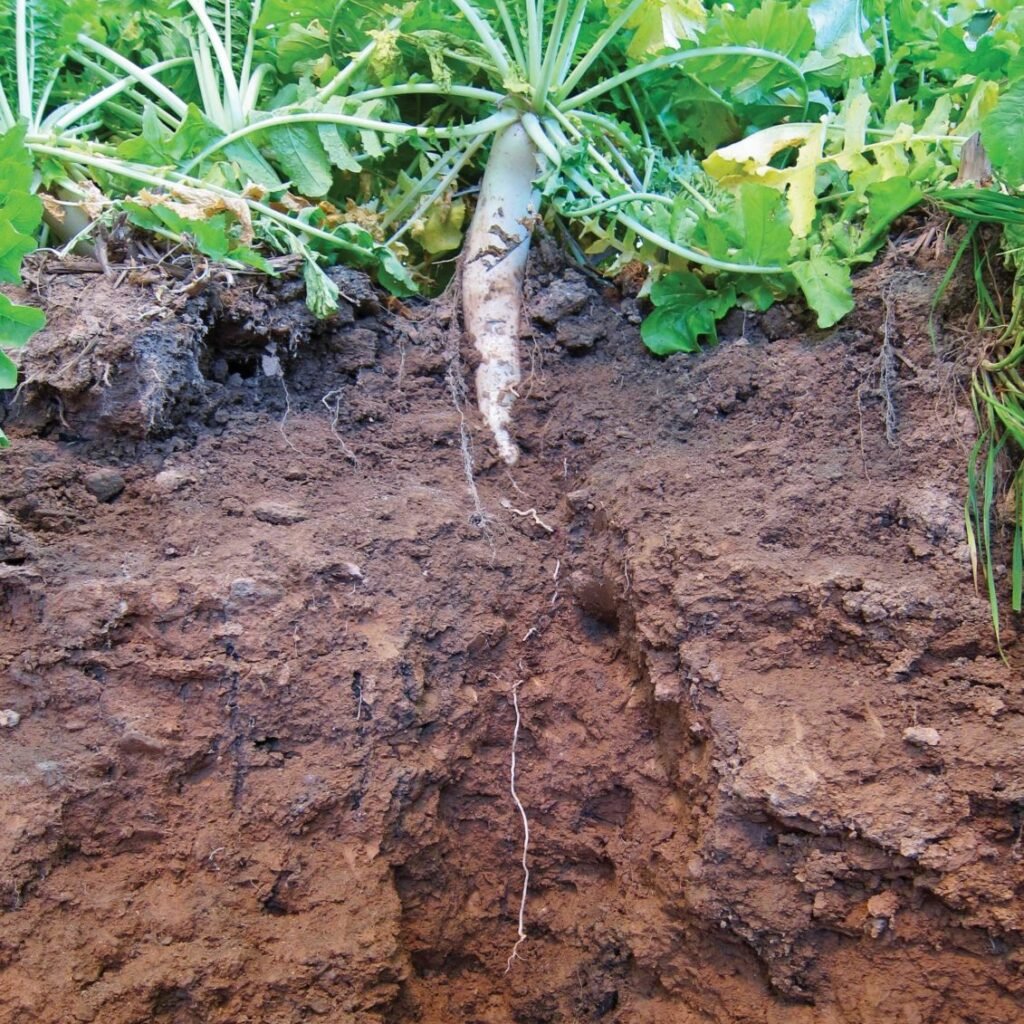
Cover crops like clover, daikon radish, or ryegrass are nature’s soil looseners. Their deep roots break through compacted layers, improving soil structure without machinery.

5. Double Digging (For Garden Beds)

In smaller garden beds, manually loosen soil by double digging—removing the topsoil, loosening the subsoil with a fork, then returning the topsoil. This method creates deep, fluffy soil but requires effort.

6. Avoid Overwatering

Compaction often comes hand in hand with soggy soil. Water only when necessary, and make sure you’re using well-draining soil mixes for potted plants.


How to Prevent Soil Compaction

Prevention is easier (and less labor-intensive) than repair. Follow these strategies to keep your soil healthy and airy:

1. Limit Foot Traffic

Designate walkways or stepping stones in garden areas to avoid compacting planting zones. Encourage kids and pets to stay off sensitive beds.

2. Avoid Working Wet Soil

Wet soil compacts much faster than dry soil. Test by squeezing a handful—if it forms a muddy ball, wait until it dries before digging or walking on it.

3. Rotate Crops and Use Cover Crops

In vegetable gardens, rotating crops and adding cover crops improves soil structure naturally while preventing depletion.

4. Add Organic Matter Regularly

Treat your soil to yearly doses of compost or mulch. It not only prevents compaction but also improves fertility, drainage, and microbial activity.

5. Use Raised Beds or Containers

If your garden has heavy clay prone to compaction, raised beds or large containers with custom soil mixes give plants a healthier environment from the start.


The Long-Term Payoff of Healthy Soil

Preventing soil compaction isn’t just about making gardening easier—it’s about giving your plants the best chance to thrive. Looser, well-structured soil:

  • Supports stronger, deeper root systems.
  • Increases drought resistance and water efficiency.
  • Boosts nutrient absorption for healthier plants.
  • Encourages beneficial soil life and natural fertility.
  • Improves yields, whether you’re growing vegetables, flowers, or houseplants.

In other words, taking the time to care for your soil pays off season after season.


Final Thoughts

Soil compaction is a silent enemy in gardens and landscapes, often overlooked until plants start struggling. But once you understand how it forms—and why it’s so damaging—you can take simple steps to fix and prevent it.

Think of your soil as a living system. Protect it with mulch, feed it with organic matter, avoid unnecessary pressure, and let nature’s organisms do their work. With loose, airy soil beneath them, your plants will reward you with stronger roots, lusher growth, and vibrant harvests.

Healthy plants start with healthy soil—and preventing compaction is one of the most important gifts you can give your garden.

How to Fix Soggy Soil and Save Your Plants

How to Fix Soggy Soil and Save Your Plants

Few things are more worrying for a plant parent than discovering soggy soil. You might notice yellowing leaves, a foul smell, or even mushrooms sprouting from the pot—and suddenly realize your plants are drowning instead of thriving. Overly wet soil is one of the leading causes of indoor plant decline, often resulting in the dreaded root rot.

The good news? Soggy soil doesn’t have to be a death sentence. With the right steps, you can restore balance, revive struggling plants, and prevent future problems. In this guide, we’ll explore the causes of soggy soil, how to identify early warning signs, step-by-step fixes, and long-term prevention strategies to keep your plants healthy.


Why Soggy Soil Is Dangerous

Healthy soil should hold water while also allowing excess moisture to drain away. When the balance tips toward constant wetness, problems arise:

  • Lack of oxygen: Roots suffocate in waterlogged conditions.
  • Root rot: Fungal infections thrive in wet environments, destroying roots.
  • Nutrient imbalance: Excess water washes away vital minerals.
  • Pest attraction: Fungus gnats and mold love damp soil.

Essentially, soggy soil weakens plants from the ground up, making them more vulnerable to disease and stress.


Common Causes of Soggy Soil

Understanding the root cause helps you fix the problem effectively. Here are the most frequent culprits:

  1. Overwatering
    Giving water too frequently or in large amounts saturates the soil beyond what roots can handle.
  2. Poor Drainage
    Pots without drainage holes or compacted soil prevent excess water from escaping.
  3. Wrong Potting Mix
    Heavy garden soil or mixes with too much clay retain more water than houseplants need.
  4. Environmental Factors
    Low light, cool temperatures, and high humidity slow down evaporation, keeping soil wet longer.
  5. Oversized Pots
    Large pots hold more soil than roots can absorb water from, leaving the soil damp for too long.

How to Spot Soggy Soil Early

Catching soggy soil before it leads to severe root rot is key. Look for these warning signs:

  • Soil feels constantly wet, even days after watering.
  • Mushy, yellowing leaves or sudden leaf drop.
  • A musty, sour odor coming from the soil.
  • Mold or fungus growing on the soil surface.
  • Stunted growth despite regular watering.

If your plant displays one or more of these, it’s time for immediate action.


Step-by-Step Guide to Fixing Soggy Soil

Step 1: Stop Watering Immediately

The first thing to do is pause watering. Give the plant time to use up the excess moisture already present.

Step 2: Improve Airflow Around the Plant

Move the plant to a brighter, warmer spot with good airflow. This encourages evaporation and helps dry the soil faster.

Step 3: Absorb Excess Moisture

If the soil is extremely wet, you can:

  • Blot with paper towels: Place them on the soil surface to wick away water.
  • Tilt the pot: Let excess water drain out through the holes.

Step 4: Check Drainage Holes

Ensure the pot has functioning drainage holes. If not, repot into one that does. Without drainage, soggy soil will keep recurring.

Step 5: Loosen the Soil

Compact soil holds water longer. Gently poke holes with a chopstick or skewer to improve aeration and speed drying.

Step 6: Repot If Necessary

If soil remains soggy for too long or root rot has begun:

  1. Remove the plant carefully from the pot.
  2. Trim away brown, mushy roots with sterilized scissors.
  3. Repot in fresh, well-draining potting mix (see recipes below).
  4. Choose a pot with proper drainage.

Step 7: Resume Care Slowly

After repotting or fixing soil, water sparingly until you see signs of new, healthy growth.


DIY Soil Mixes to Prevent Sogginess

The right soil mix is crucial to avoiding waterlogging. Here are some effective blends:

General Houseplant Mix

  • 2 parts coco coir or peat moss
  • 1 part perlite or pumice
  • 1 part compost

Succulent & Cactus Mix

  • 2 parts coarse sand
  • 1 part potting soil
  • 1 part perlite

Moisture-Loving Plants (Ferns, Calatheas)

  • 2 parts peat moss or coco coir
  • 1 part perlite
  • 1 part composted bark

Long-Term Prevention Strategies

Once you’ve saved your plant, prevention ensures the problem doesn’t return.

  1. Water Smartly
    • Use the finger test (check 1–2 inches deep) before watering.
    • Lift pots—if they feel heavy, skip watering.
    • Consider bottom-watering for controlled hydration.
  2. Choose the Right Pots
    • Always use containers with drainage holes.
    • Add a saucer to catch excess water but empty it after watering.
  3. Adjust to Seasons
    • Plants need more water in summer and less in winter.
    • Slow growth in cooler months means soil dries out more slowly.
  4. Increase Airflow
    • Use fans or open windows to reduce humidity and encourage drying.
  5. Regular Repotting
    • Refresh soil every 1–2 years to maintain structure and drainage.

Plants Most Sensitive to Soggy Soil

Some plants tolerate wet soil better than others. Here’s a quick comparison:

  • Highly Sensitive (avoid soggy soil at all costs): Succulents, cacti, snake plants, ZZ plants.
  • Moderately Sensitive: Pothos, philodendrons, peace lilies.
  • Moisture Lovers (tolerate damp soil but not waterlogging): Ferns, calatheas, spider plants.

Knowing your plant’s preferences helps you tailor watering practices.


What to Do If Root Rot Has Started

If soggy soil has already caused root rot:

  1. Remove plant from pot.
  2. Trim damaged roots (soft, brown, or black).
  3. Disinfect tools before and after trimming.
  4. Repot in fresh, dry soil with better drainage.
  5. Treat with fungicide if rot is advanced.

With prompt action, many plants can recover.


Final Thoughts

Soggy soil is one of the most common—and most preventable—plant care problems. Left unchecked, it leads to root rot and plant death, but with quick intervention, you can reverse the damage and restore your plant’s health.

By understanding the causes, learning to recognize the signs, and applying both immediate fixes and long-term prevention strategies, you’ll save your plants and prevent future stress.

Remember: healthy soil is the foundation of healthy plants. Keep it balanced—moist but never waterlogged—and your indoor jungle will thrive.

How to Bottom-Water Plants for Stronger Roots

How to Bottom-Water Plants for Stronger Roots

When it comes to watering houseplants, most people instinctively reach for a watering can and pour water over the soil surface. While this is the most common method, it isn’t always the most effective. Many indoor gardeners are now discovering the benefits of bottom-watering, a technique that encourages deeper hydration and healthier root growth.

Bottom-watering is more than just a trendy method; it’s a science-backed practice that helps plants grow stronger, reduces the risk of disease, and prevents many common watering mistakes. In this detailed guide, we’ll explore what bottom-watering is, how to do it correctly, why it works, and when it’s most beneficial for your houseplants.


What Is Bottom-Watering?

Bottom-watering is a method where plants absorb water from the bottom of the pot rather than being watered from above. Instead of pouring water over the soil, you place the pot in a tray or container filled with water and let the soil draw moisture upward through the drainage holes.

This technique mimics natural processes where plant roots grow downward in search of water, encouraging them to become stronger and more resilient.


Why Bottom-Watering Works

The secret to bottom-watering lies in capillary action—the process by which water moves upward through soil particles. This allows water to distribute evenly throughout the potting mix, unlike top-watering, which can sometimes leave the bottom soil dry.

Key Benefits of Bottom-Watering

  1. Promotes deeper root growth
    Since water comes from the base, roots naturally grow downward to access it, creating a stronger root system.
  2. Prevents overwatering at the top
    Top-watering can sometimes leave the upper layers soggy while the bottom stays dry. Bottom-watering ensures even distribution.
  3. Reduces fungus and pests
    Drying the topsoil helps deter fungus gnats and mold, which thrive in constantly damp soil surfaces.
  4. Encourages even nutrient absorption
    Fertilizer salts often collect at the top when watering from above. Bottom-watering helps pull nutrients evenly through the soil.
  5. Less mess indoors
    No spilled water on leaves, soil splashes, or overflowing pots—perfect for tidy plant care.

When to Use Bottom-Watering

Not every plant or situation requires bottom-watering, but it is especially useful in these cases:

  • Plants prone to root rot: Bottom-watering helps control moisture more precisely.
  • Moisture-loving plants: African violets, peperomias, and ferns thrive with this method.
  • Plants in compact soil: It rehydrates soil that repels water from the surface.
  • Seedlings and young plants: Gentle hydration without disturbing delicate stems or leaves.

However, for plants that prefer very dry soil, such as succulents or cacti, bottom-watering should be used sparingly.


Step-by-Step Guide: How to Bottom-Water Plants

Bottom-watering is simple, but following the right steps ensures maximum benefits.

Materials You’ll Need

  • A pot with drainage holes
  • A tray, basin, or sink large enough to hold water and the pot
  • Clean, room-temperature water

Step 1: Check if the Plant Needs Water

Before bottom-watering, test the soil. Stick your finger an inch deep—if it feels dry, your plant is ready. You can also lift the pot; a light pot often means the soil is dry.

Step 2: Fill the Tray with Water

Pour 1–2 inches of water into a shallow container. The level should cover the pot’s drainage holes but not submerge the entire pot.

Step 3: Place the Pot in the Water

Set the plant pot in the tray and let it sit. The soil will begin absorbing water through the drainage holes.

Step 4: Wait 10–30 Minutes

Depending on pot size and soil dryness, allow the plant to soak until the top of the soil feels slightly damp.

Step 5: Remove and Drain

Once hydrated, take the pot out of the tray and let excess water drain away. Never leave the plant sitting in water for hours, as this can suffocate roots.

Step 6: Repeat as Needed

Use bottom-watering when the soil dries out. For most houseplants, this is once a week in summer and less in winter.


Bottom-Watering vs. Top-Watering

Both methods have their place in plant care.

AspectBottom-WateringTop-Watering
Root HealthEncourages deeper rootsMay encourage shallow roots
Water DistributionEven throughout soilSometimes uneven
Pest PreventionDeters fungus gnatsMoist soil surface attracts pests
Nutrient ManagementEven distributionFertilizer salts may accumulate on top
ConvenienceRequires tray or basinQuick with a watering can

Pro Tip: Alternate Methods

For best results, alternate between bottom-watering and top-watering. Occasional top-watering flushes out excess salts and ensures complete hydration.


Common Mistakes to Avoid

Even with bottom-watering, mistakes can happen. Here’s what to watch out for:

  1. Leaving plants in water too long
    Roots need oxygen; soaking for hours can cause suffocation.
  2. Skipping top-watering entirely
    Over time, salts build up in the soil. Occasional top-watering helps flush them out.
  3. Using cold water
    Chilled water shocks roots—always use room-temperature water.
  4. Bottom-watering cacti and succulents too often
    These plants prefer drier soil; use bottom-watering sparingly.
  5. Ignoring pot size
    Large pots may need more soaking time, while small ones hydrate quickly.

Best Plants for Bottom-Watering

While most houseplants benefit, some are particularly suited to this method:

  • African violets (sensitive to water on leaves)
  • Ferns (prefer consistent moisture)
  • Peperomias
  • Calatheas and prayer plants
  • Seedlings and young herbs

On the other hand, plants like succulents, cacti, and snake plants should only be bottom-watered occasionally.


Pro Tips for Successful Bottom-Watering

  • Use a clear tray: Makes it easy to see when soil stops absorbing water.
  • Add fertilizer to the water: Dissolved liquid fertilizer can be absorbed evenly through bottom-watering.
  • Set reminders: Track plant needs individually—don’t assume they all dry out at the same pace.
  • Group by size: Place pots of similar size together in trays to avoid over- or under-soaking.

The Science Behind Stronger Roots

Roots naturally grow toward moisture. When water is supplied from below, plants direct root growth downward, creating a deeper and stronger root system. This not only improves water absorption but also stabilizes the plant. Over time, these stronger roots make plants more resilient to stress, less prone to disease, and better equipped to absorb nutrients.


Final Thoughts

Bottom-watering is a simple yet powerful technique that supports stronger roots, healthier growth, and fewer common plant problems. While it shouldn’t completely replace top-watering, incorporating it into your routine can transform the way your plants grow.

By understanding when to use it, how to do it correctly, and which plants benefit most, you’ll provide your houseplants with a more natural, balanced way to drink. With bottom-watering, your plants won’t just survive—they’ll thrive.

5 Mistakes You’re Making When Watering Indoor Plants

5 Mistakes You’re Making When Watering Indoor Plants

Watering is one of the most basic tasks in plant care—yet it’s also one of the trickiest. Many indoor plant problems, from yellowing leaves to sudden drooping, can often be traced back to how, when, and how much we water. While watering may seem straightforward, small mistakes can create big issues for your houseplants.

In this article, we’ll explore the five most common watering mistakes plant owners make, why they harm plants, and how you can fix them. By the end, you’ll have a clear understanding of how to keep your indoor plants properly hydrated and thriving.


Why Watering Matters More Than You Think

Indoor plants rely on you for everything, including water. Unlike outdoor plants that benefit from rain, natural drainage, and an ecosystem that helps balance moisture, houseplants live in controlled environments. This means watering is their lifeline.

Getting it right is essential because:

  • Too much water can suffocate roots, leading to root rot.
  • Too little water can dry out roots, stopping them from absorbing nutrients.
  • Inconsistent watering stresses plants and weakens their growth.

Understanding your plants’ needs and correcting common mistakes can make the difference between a thriving indoor jungle and struggling greenery.


Mistake #1: Overwatering

Perhaps the most common—and most deadly—mistake is giving your plants too much water. Many plant owners think watering frequently equals better care, but plants actually need air as much as water. When soil stays soggy, roots are deprived of oxygen and start to rot.

Signs of Overwatering

  • Yellowing or wilting leaves (often mistaken for underwatering)
  • Mushy, brown roots when repotted
  • Mold or fungus on the soil surface
  • A sour or swampy smell from the pot

How to Fix It

  • Check soil moisture first: Use the “finger test.” Stick your finger 1–2 inches into the soil—if it feels moist, wait before watering again.
  • Use pots with drainage holes: Never let water sit at the bottom.
  • Empty saucers after watering: Standing water encourages root rot.
  • Adjust to plant needs: Succulents need far less water than tropical plants.

Mistake #2: Underwatering

On the other hand, neglecting watering or giving too little can also harm your plants. Busy schedules or fear of overwatering often lead people to underwater, leaving plants dehydrated.

Signs of Underwatering

  • Crispy, brown leaf edges
  • Soil pulling away from the sides of the pot
  • Wilting that improves quickly after watering
  • Stunted or slow growth

How to Fix It

  • Create a watering schedule: Note how often each plant dries out and adjust accordingly.
  • Water deeply: Instead of frequent light watering, soak the soil thoroughly until water drains out the bottom.
  • Rehydrate dry soil: If soil is so dry that water runs straight through, soak the pot in a tray of water for 20–30 minutes.
  • Group plants by needs: Keep thirsty plants (like ferns) separate from drought-tolerant ones (like succulents).

Mistake #3: Watering on a Strict Schedule

It’s tempting to water every plant once a week on the same day, but this one-size-fits-all approach is a big mistake. Different plants, pot sizes, and environmental conditions affect how quickly soil dries out.

Why It’s a Problem

  • A small pot dries faster than a large one.
  • A sunny window speeds up evaporation, while a shady corner keeps soil wet longer.
  • Seasonal changes affect needs—plants drink more in summer, less in winter.

How to Fix It

  • Check before watering: Always test soil moisture before grabbing the watering can.
  • Understand plant types: Research individual needs—succulents prefer drier soil, while calatheas love consistently moist conditions.
  • Adjust seasonally: Water less in cooler months when plants are semi-dormant.
  • Observe your plant: Leaves, soil texture, and weight of the pot all indicate water needs.

Mistake #4: Using the Wrong Type of Water

Not all water is created equal. Tap water often contains chlorine, fluoride, or salts that can build up in the soil and damage sensitive plants over time.

Signs of Water Quality Issues

  • White crust on the soil surface (salt buildup)
  • Brown leaf tips, especially on calatheas or spider plants
  • Stunted growth despite proper care

How to Fix It

  • Use filtered or distilled water: This avoids chemicals found in tap water.
  • Collect rainwater: Nature’s best choice for plants.
  • Let tap water sit overnight: Chlorine evaporates after 24 hours, making it safer.
  • Flush soil occasionally: Pour lots of water through the pot to wash out salt buildup.

Mistake #5: Poor Watering Technique

Even if you water the right amount at the right time, how you water also matters. Pouring water incorrectly can leave roots thirsty or promote disease.

Common Technique Mistakes

  • Only wetting the top layer of soil, leaving roots dry.
  • Splashing water on leaves, which encourages fungal diseases.
  • Using cold water, which shocks roots.

How to Fix It

  • Water evenly: Pour slowly and around the entire surface so all roots get moisture.
  • Bottom watering: Place the pot in a tray of water for 15–20 minutes so roots absorb what they need.
  • Avoid the leaves: Direct water into the soil, not on foliage.
  • Use room-temperature water: Comfortable for roots and prevents stress.

Bonus Mistake: Ignoring Drainage

Even with perfect watering habits, poor drainage can doom your plants. If pots lack drainage holes, water accumulates at the bottom, drowning roots.

Solution

Always choose pots with drainage holes, or add a layer of coarse gravel or pumice at the bottom if using decorative containers.


Pro Tips for Better Watering Habits

  • Lift the pot: A light pot usually means the soil is dry.
  • Use a moisture meter: Helpful for beginners unsure about soil moisture.
  • Tailor care to each plant: Ferns, succulents, orchids, and tropicals all have unique needs.
  • Consider humidity: Some plants (like ferns) prefer misting or pebble trays in addition to watering.

Final Thoughts

Watering is the most fundamental part of indoor plant care, but it’s also the area where most plant parents go wrong. Overwatering, underwatering, sticking to rigid schedules, using poor-quality water, and applying the wrong technique are the five most common mistakes—and they can all be easily fixed with awareness and small habit changes.

By observing your plants, checking soil moisture, and tailoring watering practices to individual needs, you’ll prevent root rot, dehydration, and other common issues. Ultimately, learning how to water properly will reward you with lush, vibrant houseplants that bring life and beauty into your home.