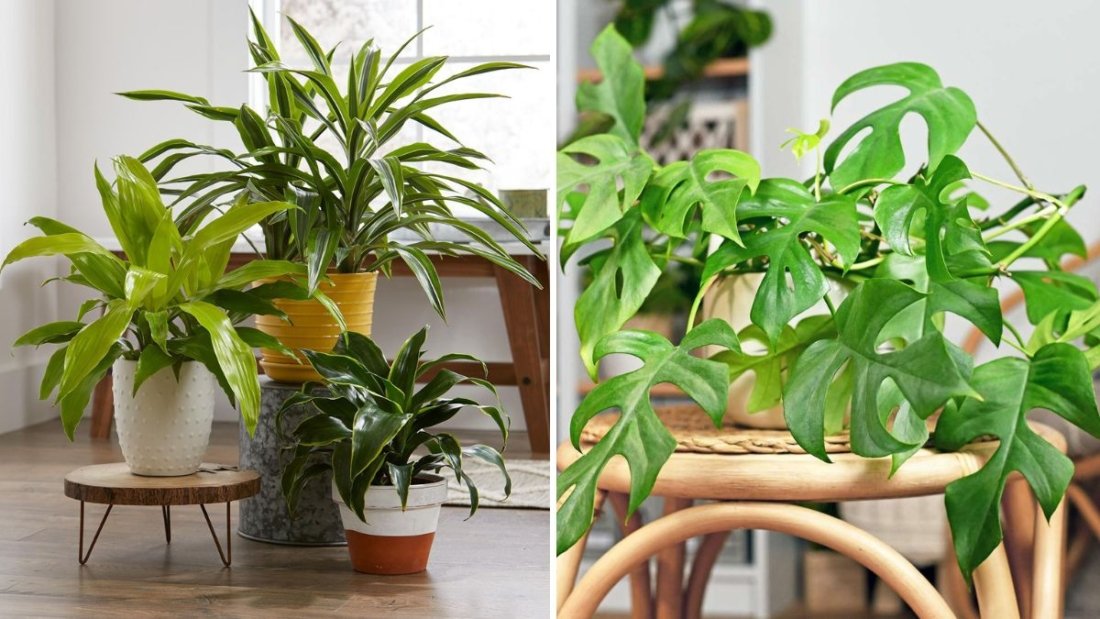
How to Keep Indoor Plants Thriving Through Every Season

How to Keep Indoor Plants Thriving Through Every Season

Indoor plants bring life, beauty, and fresh air into our homes, but keeping them healthy all year round can be a challenge. Every season presents unique conditions—from the dry heat of winter to the intense sunlight of summer—that directly affect how plants grow. To ensure your plants thrive, you need to adapt their care to seasonal changes. This guide explores how to keep indoor plants flourishing throughout the year, with practical tips for each season.


Why Seasonal Plant Care Matters
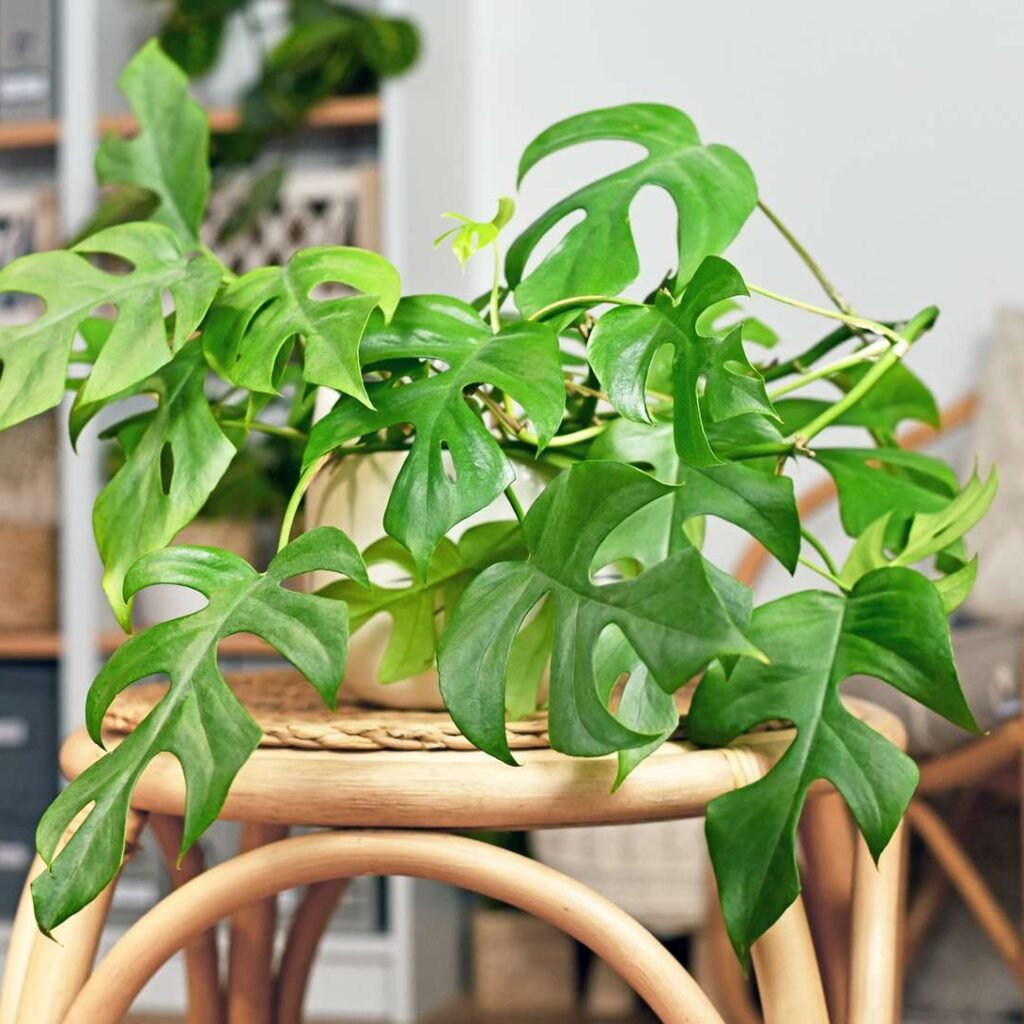
Plants in nature naturally adapt to changing seasons—adjusting growth rates, water intake, and dormancy patterns. However, indoor plants rely entirely on us to replicate these conditions. Neglecting seasonal shifts can lead to common problems like yellowing leaves, stunted growth, or even plant death. By understanding how temperature, humidity, light, and watering needs change with the seasons, you can maintain healthy, vibrant plants year-round.


Spring: The Season of Growth and Renewal
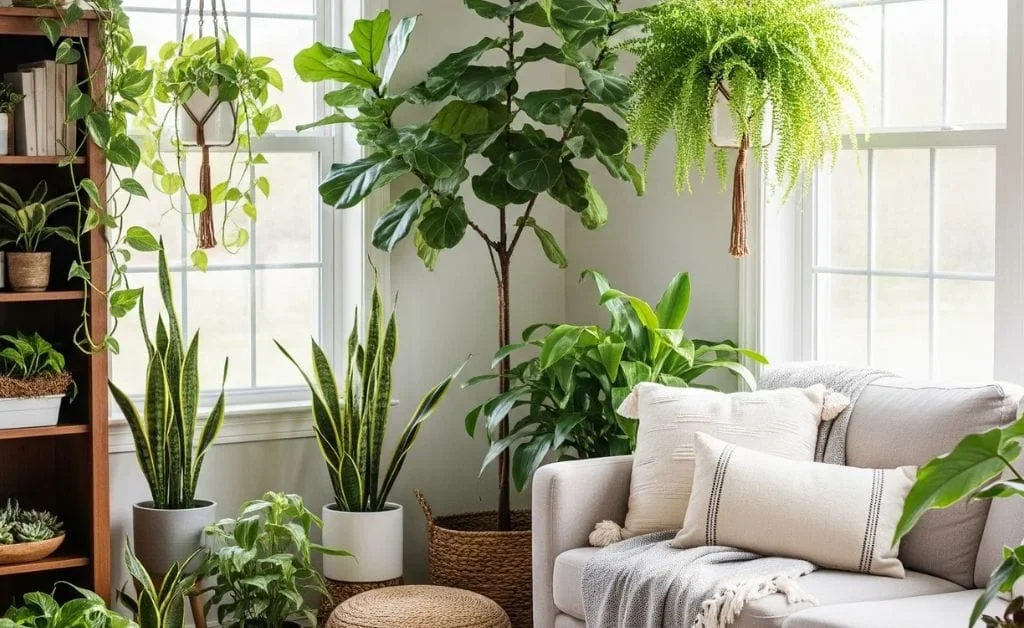
Spring marks the beginning of active growth for most plants. Days get longer, light intensity increases, and temperatures rise, creating ideal conditions for new leaves, stems, and flowers.

Tips for Spring Care

  1. Repot When Necessary
    • As roots expand during spring, plants may outgrow their containers. Repot root-bound plants into slightly larger pots with fresh, nutrient-rich soil.
  2. Increase Watering Gradually
    • Plants use more water as growth accelerates. Slowly increase watering frequency but avoid waterlogging, which causes root rot.
  3. Start Fertilizing
    • Use a balanced liquid fertilizer every 2–4 weeks to provide essential nutrients. For flowering plants, choose a bloom-boosting fertilizer higher in phosphorus.
  4. Pruning and Cleaning
    • Trim away dead or yellowing leaves to encourage new growth. Wipe leaves to remove dust, which improves photosynthesis.
  5. Check for Pests
    • Warmer weather awakens common pests like aphids and spider mites. Inspect plants regularly and treat infestations early with insecticidal soap or neem oil.

Best Plants for Spring Growth: Pothos, Spider Plant, Peace Lily, Orchids.


Summer: The Season of Sunlight and Energy
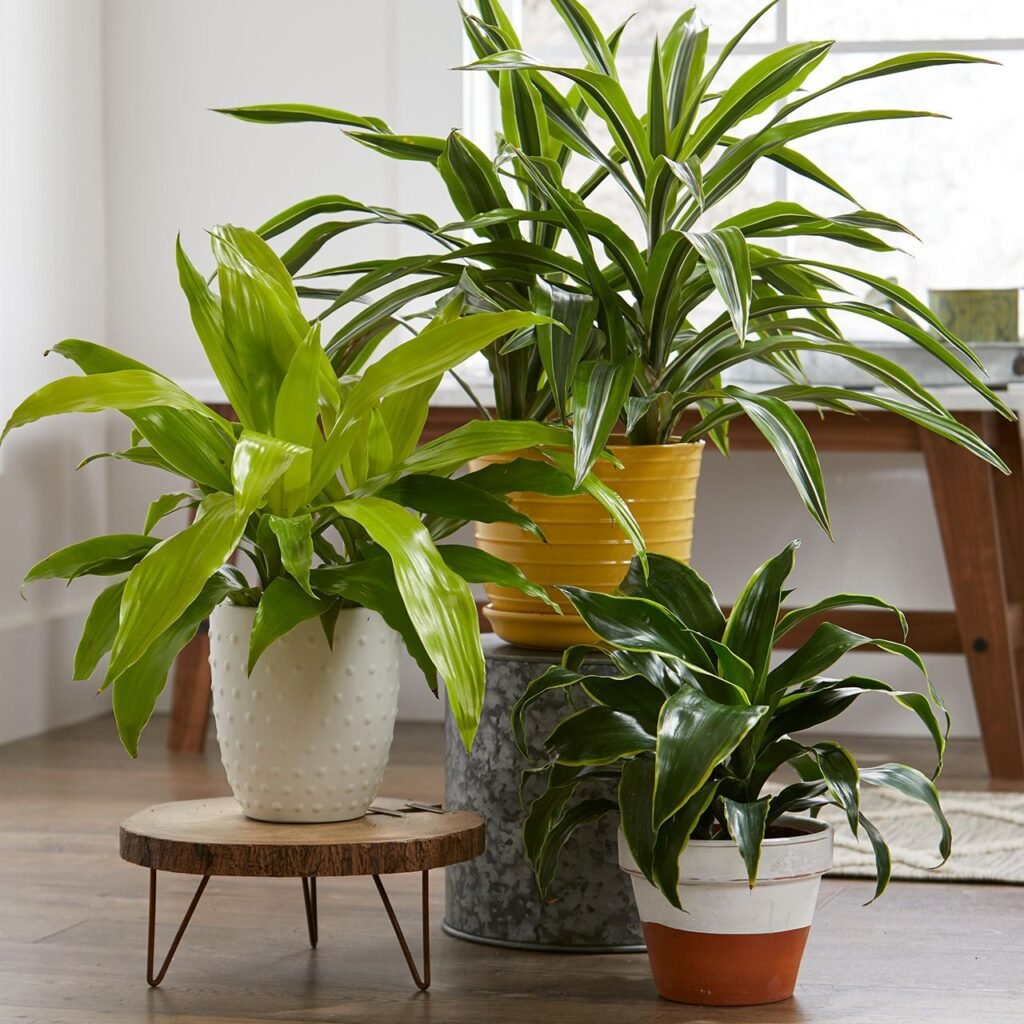
Summer provides abundant light and warmth, making it the peak growing season for most indoor plants. However, intense sun and heat can also stress plants.

Tips for Summer Care

  1. Adjust Light Exposure
    • Move plants away from direct midday sunlight, which can scorch leaves. Use sheer curtains to diffuse light while still allowing brightness.
  2. Maintain Humidity
    • Air conditioners often dry out indoor air. Increase humidity by misting plants, grouping them together, or using a humidifier.
  3. Watering Needs Increase
    • Plants dry out faster in summer heat. Water thoroughly when the top inch of soil feels dry. Early morning or evening watering prevents evaporation loss.
  4. Fertilize Regularly
    • Continue feeding every 2–3 weeks, but avoid overfertilizing, which can burn roots. Slow-release fertilizers can be useful in summer.
  5. Outdoor Transition
    • Some indoor plants, like ferns or succulents, enjoy being placed outdoors in shaded patios or balconies. Acclimate them gradually to avoid shock.

Warning: Never leave indoor plants under intense midday sun for long; it may lead to leaf burn.

Best Plants for Summer Growth: Aloe Vera, Snake Plant, Monstera, Succulents.


Autumn: The Season of Transition
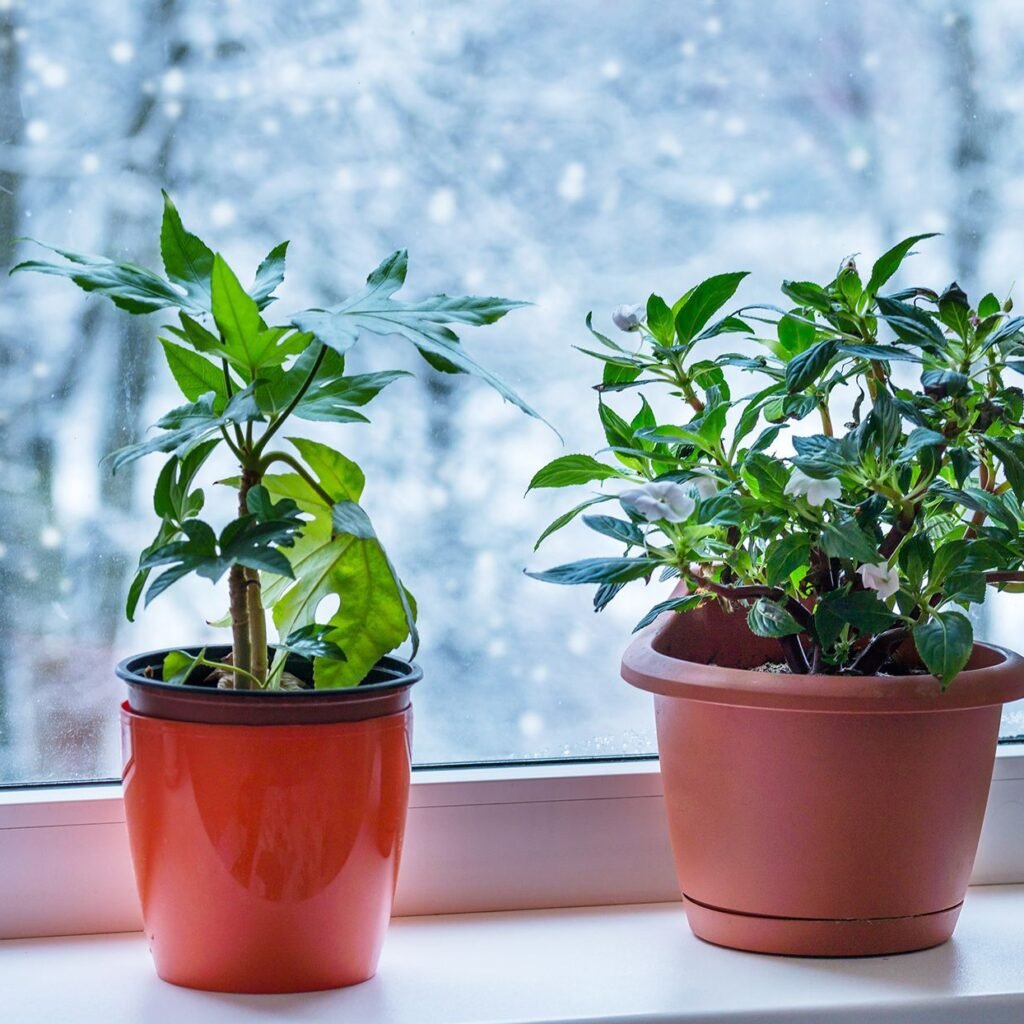
Autumn signals a slowdown in plant growth as days shorten and temperatures cool. Plants begin preparing for dormancy, so care routines must shift accordingly.

Tips for Autumn Care

  1. Reduce Watering
    • As growth slows, plants use less water. Overwatering during autumn is a common mistake. Water only when soil feels dry 1–2 inches below the surface.
  2. Cut Back Fertilizer
    • Stop heavy feeding. Fertilize only once a month, if at all, to avoid forcing unnatural growth during the transition to dormancy.
  3. Maximize Available Light
    • Shorter days mean less natural sunlight. Move plants closer to windows and rotate them regularly so all sides receive equal light.
  4. Pruning and Maintenance
    • Remove spent flowers and weak stems. This helps plants conserve energy for the coming dormant period.
  5. Prepare for Winter
    • Check pots and trays for drainage. Clean and disinfect tools and containers to prevent winter pest problems.

Best Plants for Autumn Beauty: Chrysanthemums, African Violet, Rubber Plant.


Winter: The Season of Rest and Survival
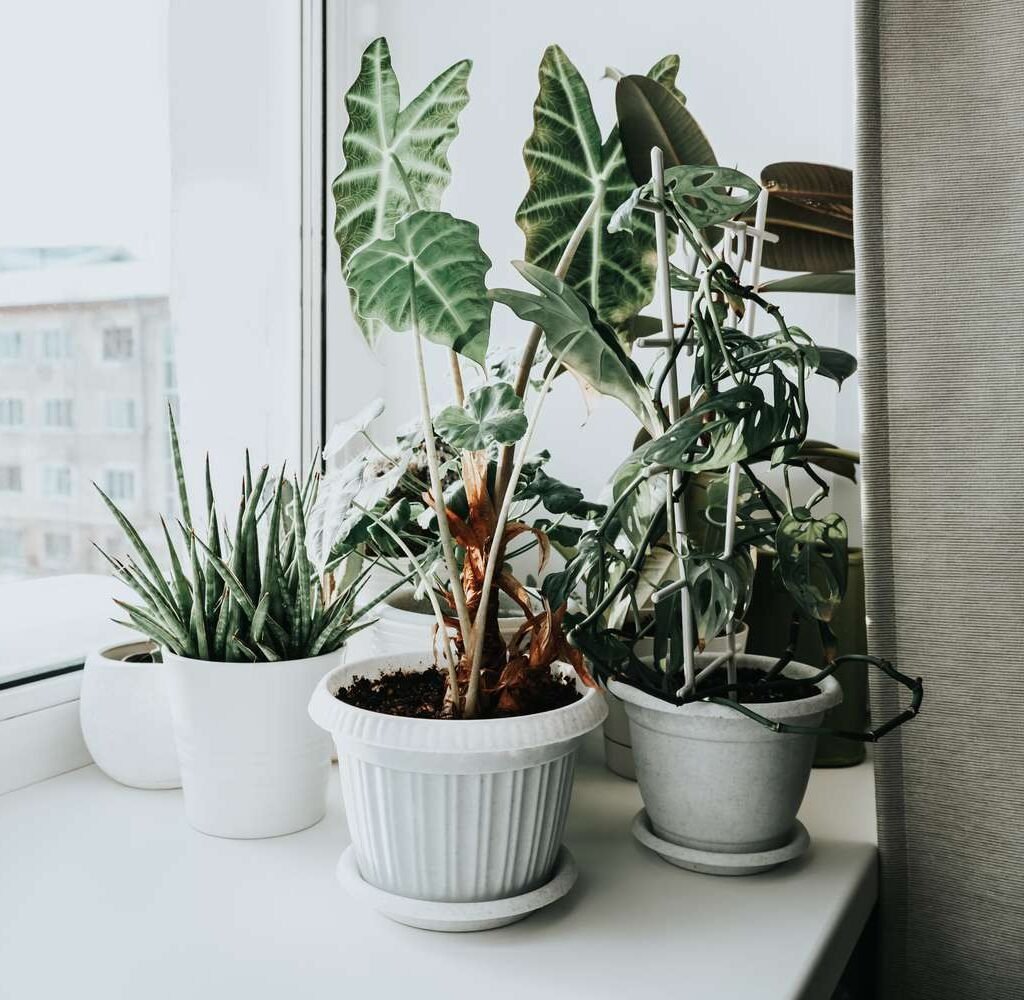
Winter is often the hardest season for indoor plants. Reduced light, dry air from heaters, and cooler temperatures stress plants, slowing their growth or sending them into dormancy.

Tips for Winter Care

  1. Maximize Light Access
    • Place plants near south- or west-facing windows to capture maximum light. Consider grow lights for sun-loving species.
  2. Water Less, But Carefully
    • Overwatering is the biggest winter mistake. Roots take longer to absorb moisture in cold conditions. Water sparingly, only when soil is dry.
  3. Increase Humidity
    • Indoor heating creates dry air, causing leaf tips to brown. Use pebble trays, humidifiers, or group plants together to maintain moisture.
  4. Maintain Stable Temperatures
    • Avoid placing plants near heaters, radiators, or drafty windows. Most houseplants prefer stable temperatures between 60–75°F (15–24°C).
  5. Pause Fertilization
    • Plants rest during winter, so feeding is unnecessary. Resume fertilization only when new growth appears in spring.
  6. Monitor for Pests
    • Dry conditions can still encourage pests like spider mites. Inspect leaves regularly.

Best Plants for Winter Hardiness: ZZ Plant, Snake Plant, Cast-Iron Plant, Cactus.


General Year-Round Tips for Thriving Plants

While seasonal care is essential, some universal practices ensure indoor plants stay strong every month.

  1. Know Your Plant’s Needs
    • Each plant has unique requirements for light, water, and soil. Researching specific care instructions prevents common mistakes.
  2. Use Proper Potting Mix
    • A well-draining soil mix is vital for preventing root rot. Add perlite, sand, or orchid bark depending on plant type.
  3. Choose the Right Container
    • Pots must have drainage holes. Decorative outer pots can be used if inner containers allow water to escape.
  4. Clean Leaves Regularly
    • Dust accumulation blocks sunlight. Wipe leaves gently with a damp cloth every few weeks.
  5. Rotate Plants
    • Rotating plants ensures even growth by exposing all sides to light.
  6. Observe and Respond
    • Healthy plants “communicate” through leaf color, shape, and texture. Yellow leaves may signal overwatering, while brown tips often indicate low humidity.

Conclusion

Keeping indoor plants thriving through every season requires flexibility and attentiveness. Just as people adjust wardrobes and routines with changing weather, plants also need seasonal adaptations. In spring and summer, focus on growth by providing more light, water, and nutrients. As autumn arrives, reduce feeding and prepare for winter’s challenges. During the cold months, prioritize light and humidity while cutting back on water and fertilizer.

By learning to read seasonal cues and adapting your plant care, you create a thriving indoor garden that not only survives but flourishes all year. A home filled with healthy plants offers more than beauty—it provides cleaner air, reduced stress, and a deeper connection with nature, no matter the season.
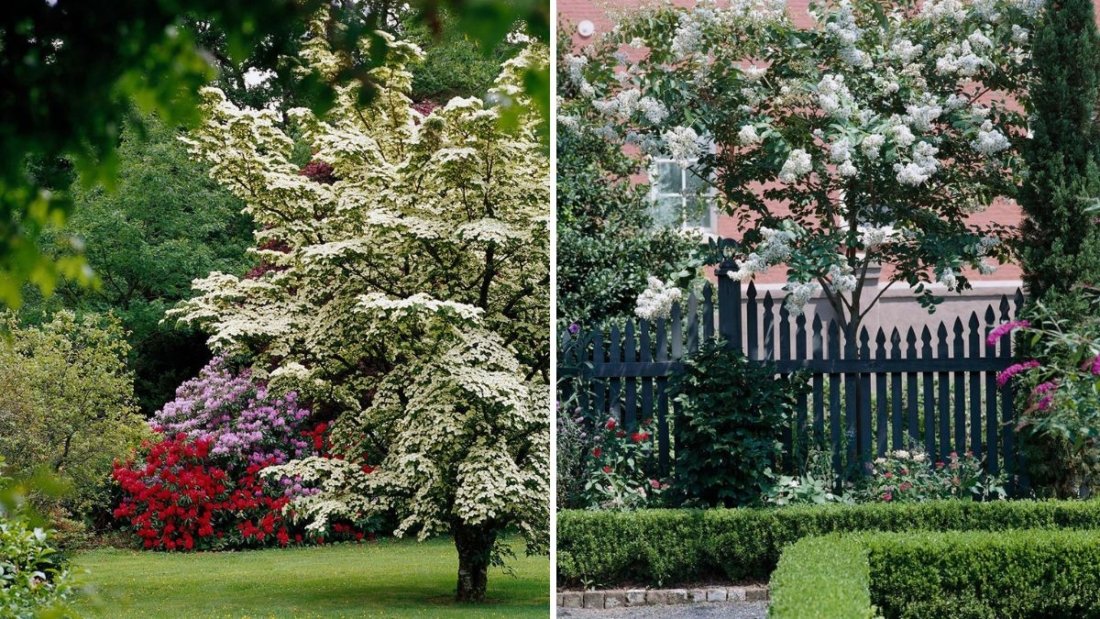
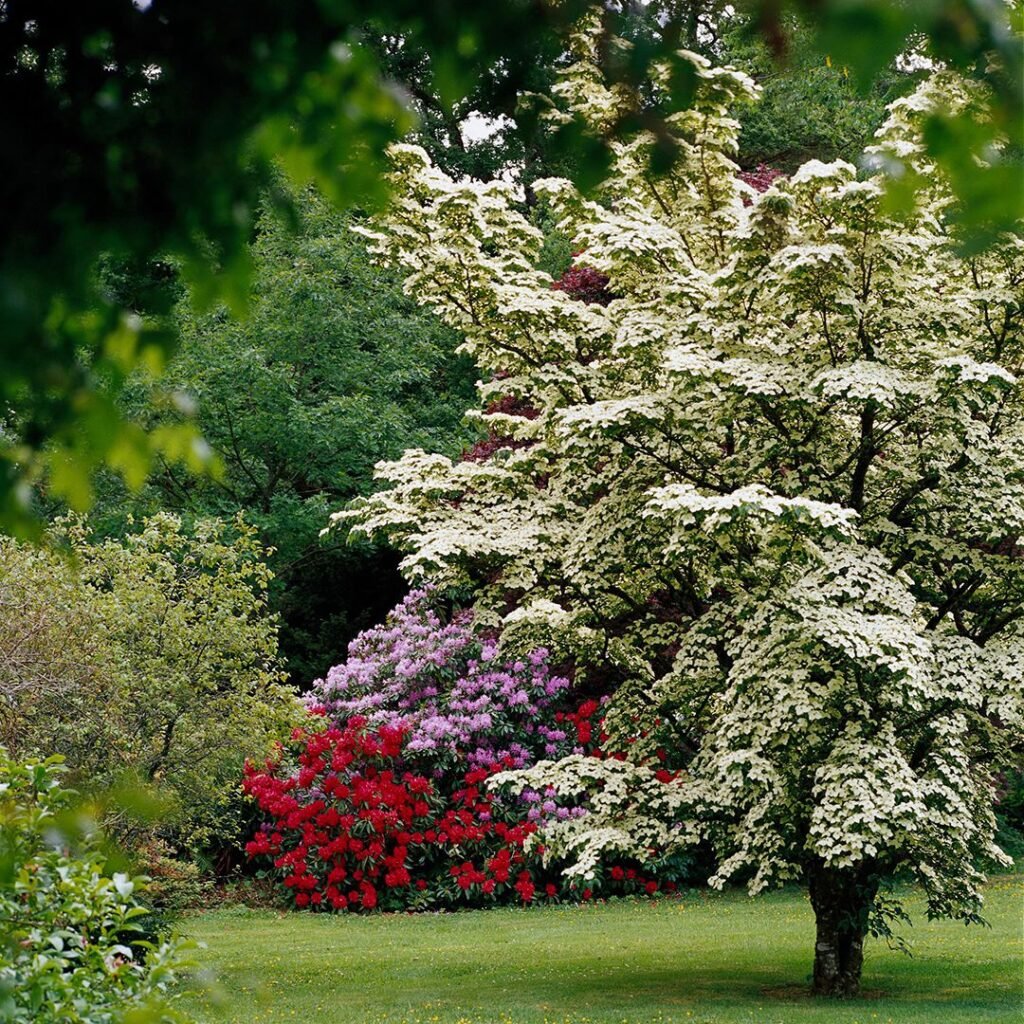
5 Small Trees Perfect for Patios and Courtyards

5 Small Trees Perfect for Patios and Courtyards

Creating a lush, inviting patio or courtyard requires thoughtful plant selection. While large trees can overwhelm these intimate spaces, small trees provide the perfect balance of shade, beauty, and structure without dominating the area. They enhance ambiance, create privacy, and can even produce flowers or fruit, making outdoor spaces more enjoyable and functional.

Small trees are particularly suited for urban gardens, terraces, and compact landscapes. They typically grow under 20 feet tall, have limited root spread, and can be pruned or container-grown to suit the environment. Choosing the right tree ensures your courtyard remains aesthetically pleasing year-round.

In this article, we explore five small trees ideal for patios and courtyards, detailing their features, growing requirements, and why they are perfect choices for these spaces.


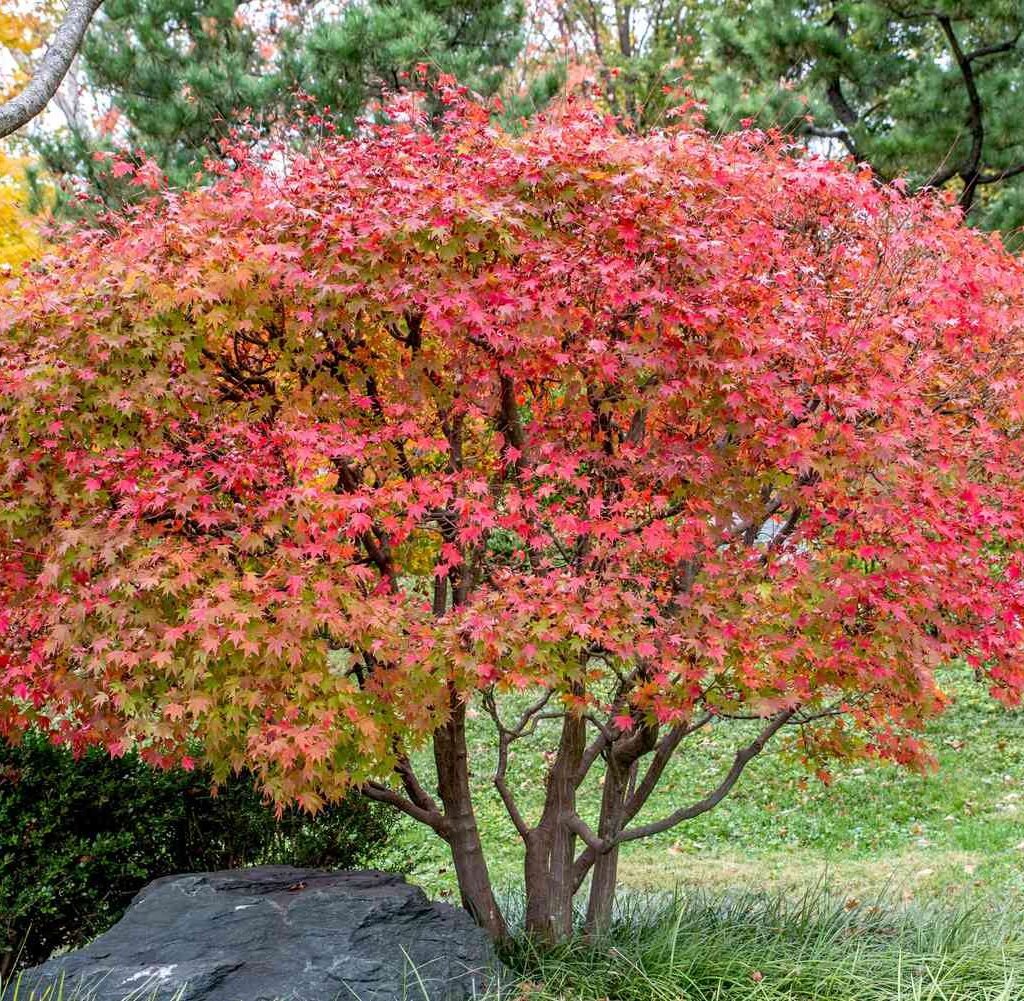
1. Japanese Maple (Acer palmatum) – Elegance in Every Season

The Japanese Maple is a classic choice for courtyards due to its stunning foliage, graceful form, and manageable size.

Why It Stands Out:

  • Leaf Color: Offers striking seasonal color, from deep reds and purples in spring to fiery oranges in autumn.
  • Size: Typically 10–20 feet tall, making it perfect for small spaces.
  • Form: Compact and often multi-stemmed, creating a natural focal point.

Best Growing Conditions:

  • Prefers partial shade; too much sun can scorch leaves.
  • Well-drained, slightly acidic soil.
  • Regular watering, especially in containers.
  • USDA Zones: 5–8.

Design Tip:

Plant Japanese Maples near a seating area or fountain to highlight their delicate beauty. Container planting allows flexibility and adds visual interest at different heights.


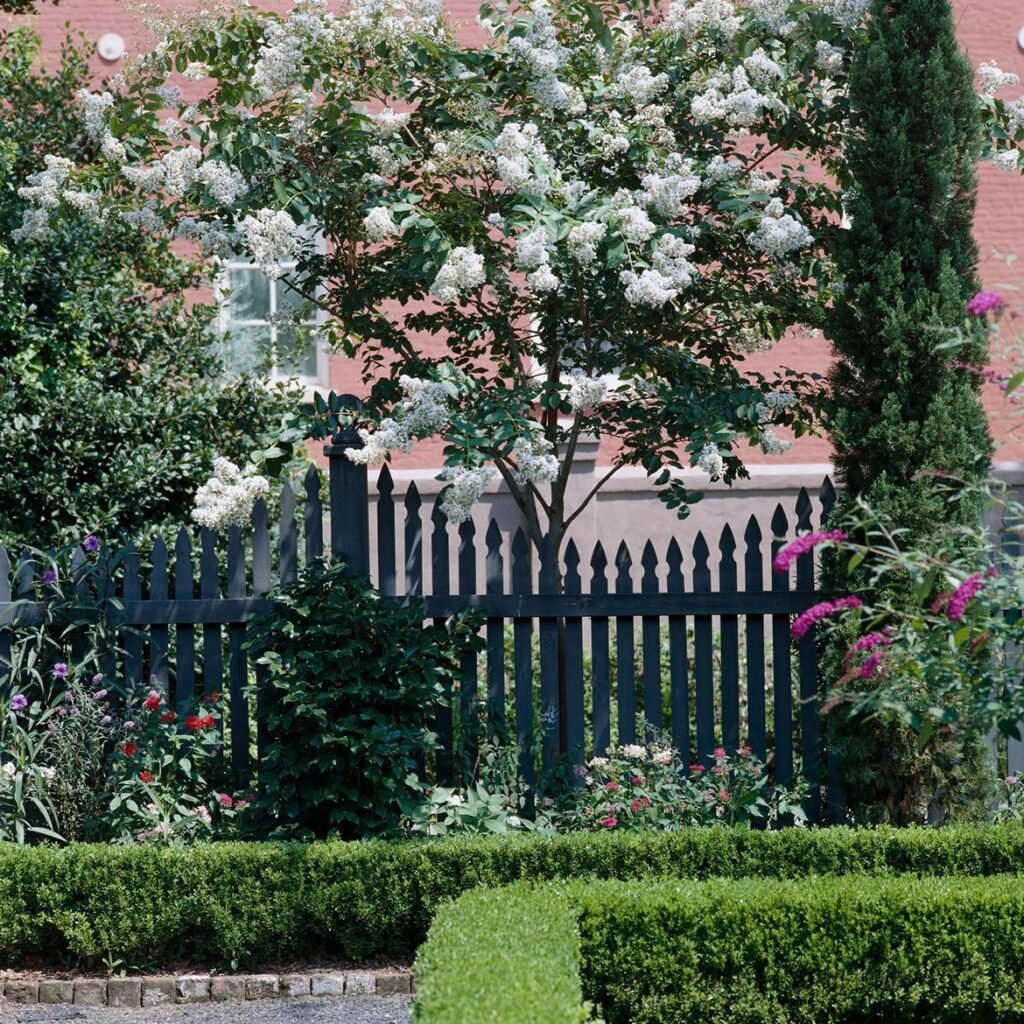
2. Crape Myrtle (Lagerstroemia indica) – Summer Blooms and Winter Interest

Crape Myrtles are renowned for their colorful summer flowers, attractive bark, and autumn foliage. They are ideal small trees for courtyards seeking year-round appeal.

Why It Stands Out:

  • Long Blooming Season: Produces vibrant pink, purple, red, or white flowers from summer to fall.
  • Winter Beauty: Smooth, peeling bark provides interest after leaves fall.
  • Size: Small varieties reach 10–15 feet, suitable for compact patios.

Best Growing Conditions:

  • Full sun to ensure abundant flowering.
  • Well-drained soil; drought-tolerant once established.
  • USDA Zones: 7–9.

Design Tip:

Plant near a wall or pathway to draw the eye to the colorful blooms and sculptural bark. Regular pruning maintains a neat, tree-like shape suitable for confined spaces.


3. Dwarf Magnolia (Magnolia grandiflora ‘Little Gem’) – Evergreen Beauty

Dwarf Magnolia, especially the ‘Little Gem’ variety, is perfect for patios because of its compact size, evergreen foliage, and fragrant flowers.

Why It Stands Out:

  • Evergreen Foliage: Provides year-round privacy and greenery.
  • Fragrant Flowers: Large, white, lemon-scented blooms in late spring to summer.
  • Size: Grows 10–15 feet tall, manageable for courtyard settings.

Best Growing Conditions:

  • Full sun to partial shade.
  • Well-drained soil, slightly acidic preferred.
  • Minimal pruning required; maintain shape as needed.
  • USDA Zones: 7–9.

Design Tip:

Plant in a corner or container to frame seating areas. The fragrant flowers enhance the sensory experience of your courtyard.


4. Olive Tree (Olea europaea) – Mediterranean Charm

Olive trees bring a timeless Mediterranean aesthetic, combining silvery foliage with small fruits and a sculptural trunk. They are exceptionally well-suited for container growth on patios.

Why It Stands Out:

  • Evergreen and Drought-Tolerant: Retains leaves year-round and withstands dry conditions.
  • Compact Size: Many varieties remain 10–15 feet tall when pruned.
  • Edible Fruit: Produces olives, adding culinary value.

Best Growing Conditions:

  • Full sun for best growth and fruiting.
  • Well-drained, sandy soil.
  • Water regularly until established; drought-tolerant thereafter.
  • USDA Zones: 8–11; container trees can be moved indoors in colder climates.

Design Tip:

Plant in large pots to control size and add rustic charm. Grouping multiple small olive trees creates an inviting Mediterranean courtyard feel.


5. Serviceberry (Amelanchier spp.) – Multi-Season Interest

Serviceberry is a versatile small tree known for its seasonal beauty and wildlife benefits. It provides flowers, fruit, and brilliant fall foliage.

Why It Stands Out:

  • Spring Flowers: Delicate white blossoms attract pollinators.
  • Summer Fruit: Small, edible berries for birds and humans.
  • Fall Color: Leaves turn shades of orange, red, and yellow.
  • Size: Reaches 15–20 feet, ideal for courtyards and patios.

Best Growing Conditions:

  • Prefers full sun to partial shade.
  • Moist, well-drained soil.
  • Minimal pruning needed; remove dead or crossing branches.
  • USDA Zones: 4–9.

Design Tip:

Plant near seating or walkways to enjoy flowers, berries, and fall colors. Its multi-season interest ensures your courtyard remains engaging year-round.


Tips for Selecting Small Trees for Patios and Courtyards

When choosing trees for confined outdoor spaces, consider the following:

  1. Size at Maturity: Ensure the tree will not outgrow the space or interfere with structures.
  2. Root Behavior: Select trees with non-invasive roots to prevent damage to paving and foundations.
  3. Maintenance Needs: Opt for species with manageable pruning and minimal leaf drop if desired.
  4. Seasonal Interest: Choose trees that provide color, texture, flowers, or fruit to enhance year-round appeal.
  5. Container Suitability: Some trees thrive in pots, which allows flexibility and mobility.

Design Ideas for Courtyards

  • Centerpiece Tree: Plant a single small tree like Japanese Maple or Dwarf Magnolia in the center to create a focal point.
  • Container Planting: Use Olive Trees or Crape Myrtles in large pots for patios with limited soil.
  • Mixed Plantings: Combine Serviceberry and Crape Myrtle to enjoy flowers in spring and summer, berries in summer, and foliage in fall.
  • Shade and Privacy: Evergreen Dwarf Magnolia or Olive Trees provide screening and shade without overwhelming small courtyards.

Benefits of Small Trees in Patios and Courtyards

  • Aesthetic Appeal: Adds structure, color, and texture to confined spaces.
  • Functional Shade: Provides cooling shade and comfort for outdoor seating.
  • Wildlife Support: Flowering and fruiting trees attract birds and pollinators.
  • Low Maintenance: Properly selected small trees are easy to manage and prune.
  • Versatility: Suitable for containers, corner plantings, or as centerpieces.

Final Thoughts

Small trees are essential for creating vibrant, inviting patios and courtyards. By choosing species like Japanese Maple, Crape Myrtle, Dwarf Magnolia, Olive Tree, or Serviceberry, you can enjoy year-round beauty, fragrance, and even edible fruit without overwhelming your outdoor space.

These trees combine elegance, practicality, and ecological benefits, making them ideal companions for modern urban landscapes. Proper selection, placement, and care ensure that your patio or courtyard remains a tranquil retreat and a visually striking environment throughout the year.

Small trees prove that big beauty doesn’t require a lot of space—they bring life, color, and character to even the most compact gardens.

How To Mulch Trees for Maximum Protection

How To Mulch Trees for Maximum Protection

Mulching is one of the simplest and most effective ways to protect trees, conserve soil moisture, improve health, and enhance landscape aesthetics. Yet, despite its apparent simplicity, improper mulching can do more harm than good. Applying mulch correctly is a crucial horticultural skill for anyone who wants trees to thrive.

In this article, we’ll explore why mulching is important, the benefits it provides, the best materials to use, proper application techniques, common mistakes to avoid, and seasonal considerations for maximum protection.


Why Mulching Matters

Mulch is a protective layer placed around the base of trees. Its primary purpose is to create an environment that supports root growth and overall tree health. Trees face a variety of environmental challenges, such as:

  • Fluctuating temperatures
  • Soil erosion
  • Water stress
  • Weed competition
  • Pests and disease

Mulching addresses all of these challenges. For young trees, it is especially important because their roots are still developing, and their bark is more vulnerable to environmental stresses. Even mature trees benefit from mulch, which enhances soil structure and provides long-term protection.


Benefits of Mulching

Mulching offers numerous advantages:

1. Moisture Retention

A thick layer of mulch helps soil retain moisture, reducing the frequency of watering. During hot summers or dry autumns, mulch acts as a sponge, keeping roots hydrated and reducing stress on the tree.

2. Temperature Regulation

Mulch insulates soil, keeping roots cooler in summer and warmer in winter. This buffering effect helps prevent root damage from sudden temperature fluctuations.

3. Weed Suppression

By blocking sunlight, mulch reduces weed growth around the tree base. This means less competition for nutrients and water, allowing the tree to thrive.

4. Soil Improvement

Organic mulches decompose over time, adding valuable nutrients and improving soil structure. This encourages healthy root development and increases microbial activity.

5. Protection Against Mechanical Damage

Mulch acts as a barrier against lawnmowers and string trimmers, preventing injuries to tree trunks that can invite pests and disease.


Choosing the Right Mulch

Selecting the right type of mulch is critical for achieving maximum protection. Mulches are broadly categorized into organic and inorganic options.

1. Organic Mulches

These decompose over time, enriching the soil:

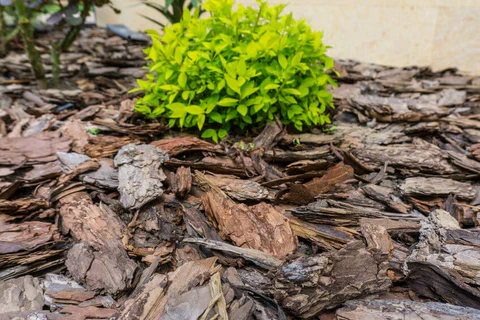
  • Wood Chips/Bark: Long-lasting, attractive, and excellent for moisture retention.
  • Compost: Provides nutrients but breaks down quickly; best used with other mulch types.
  • Shredded Leaves: Readily available and nutrient-rich.
  • Straw or Pine Needles: Light, quick to apply, and effective for moisture retention.

Pros: Improves soil, supports beneficial microorganisms, and looks natural.
Cons: Requires replenishment over time as it decomposes.

2. Inorganic Mulches

These do not decompose:

  • Gravel or Stones: Provide good drainage and long-lasting coverage.
  • Rubber Mulch: Resistant to decomposition and weeds but does not improve soil.

Pros: Long-lasting, low maintenance.
Cons: Does not add nutrients and can heat soil excessively in summer.

Tip: For most home gardens, organic mulch is recommended for overall tree health and soil enrichment.


How to Apply Mulch Properly

Proper application is critical to avoid problems like root rot or trunk disease. Follow these steps for maximum protection:

1. Prepare the Area

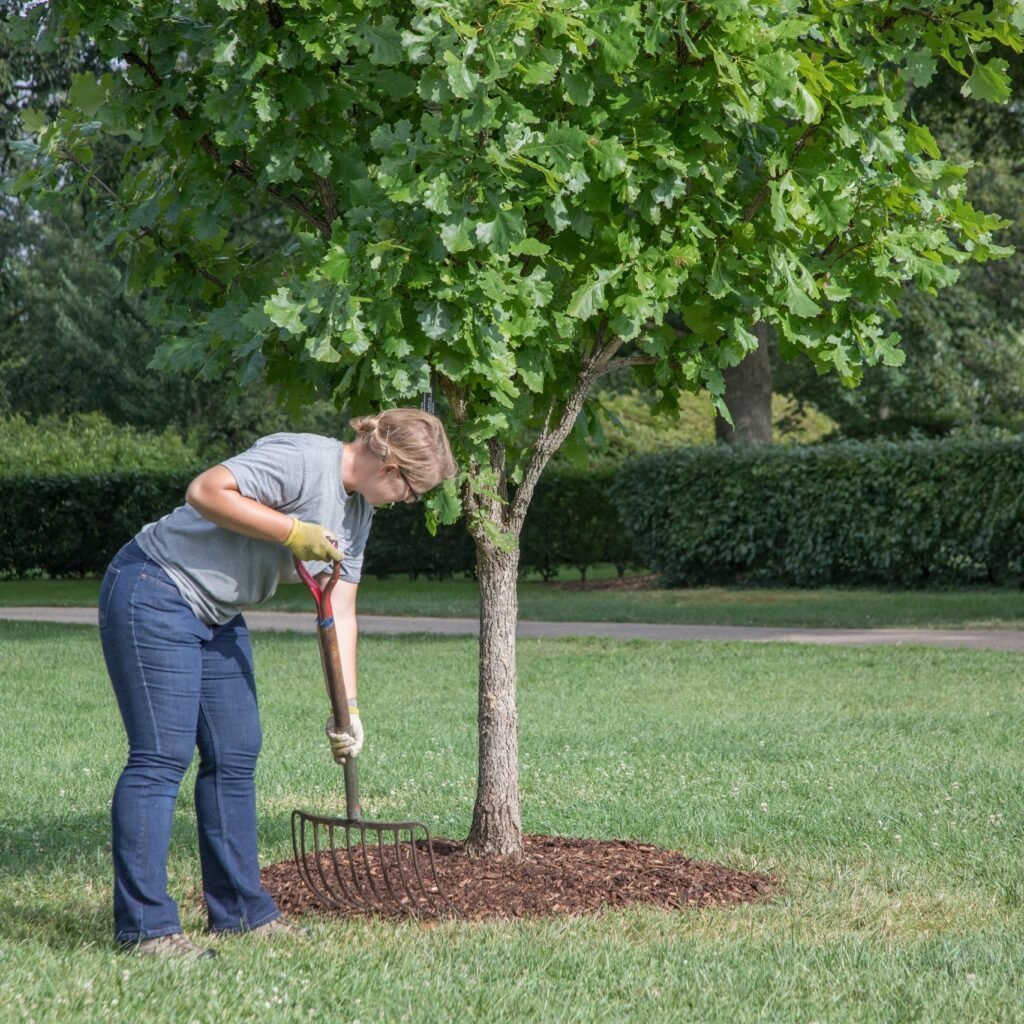
  • Remove grass, weeds, and debris from around the tree base.
  • Loosen compacted soil to encourage root expansion.

2. Apply the Mulch Layer

  • Thickness: 2–4 inches is ideal. Too thin offers little benefit; too thick can suffocate roots.
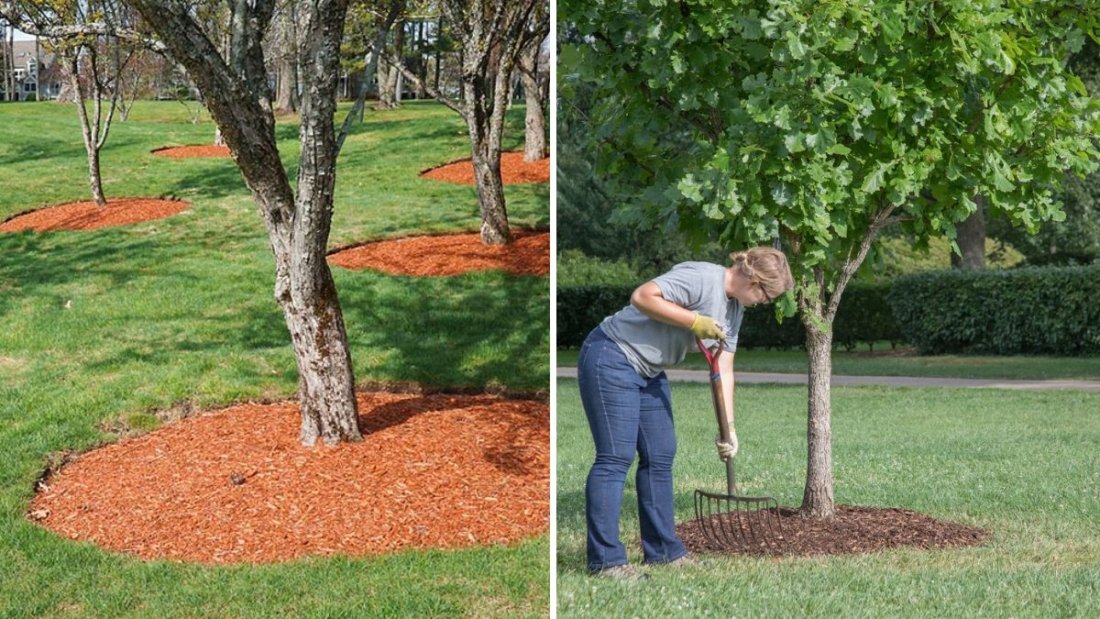
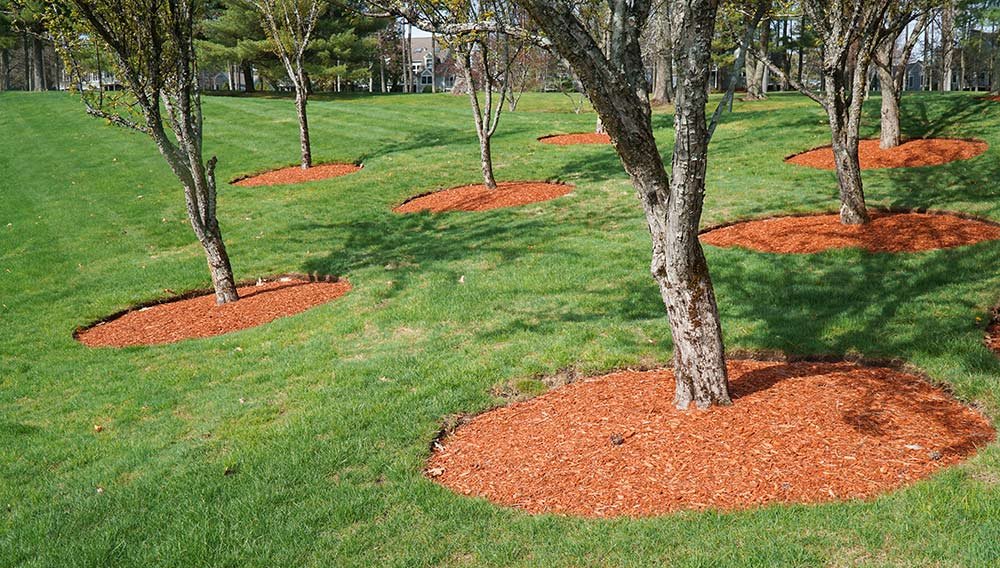
  • Radius: Extend mulch 3–4 feet from the trunk or beyond the tree’s drip line if possible. This ensures that roots benefit fully.

3. Keep Mulch Away from the Trunk

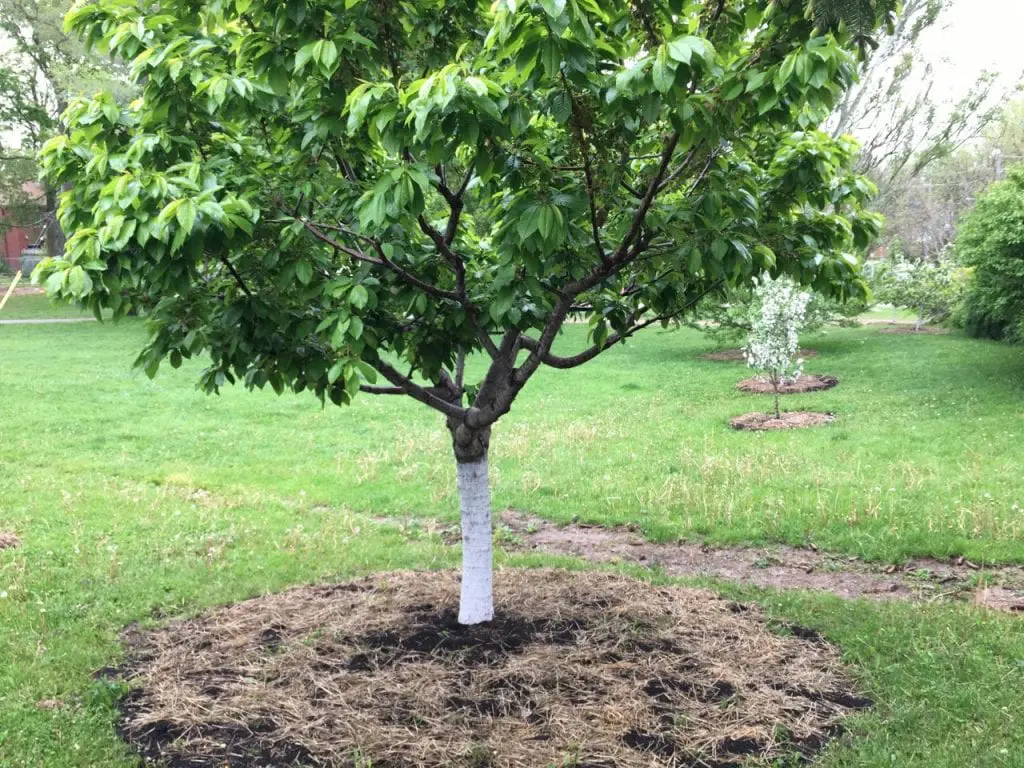
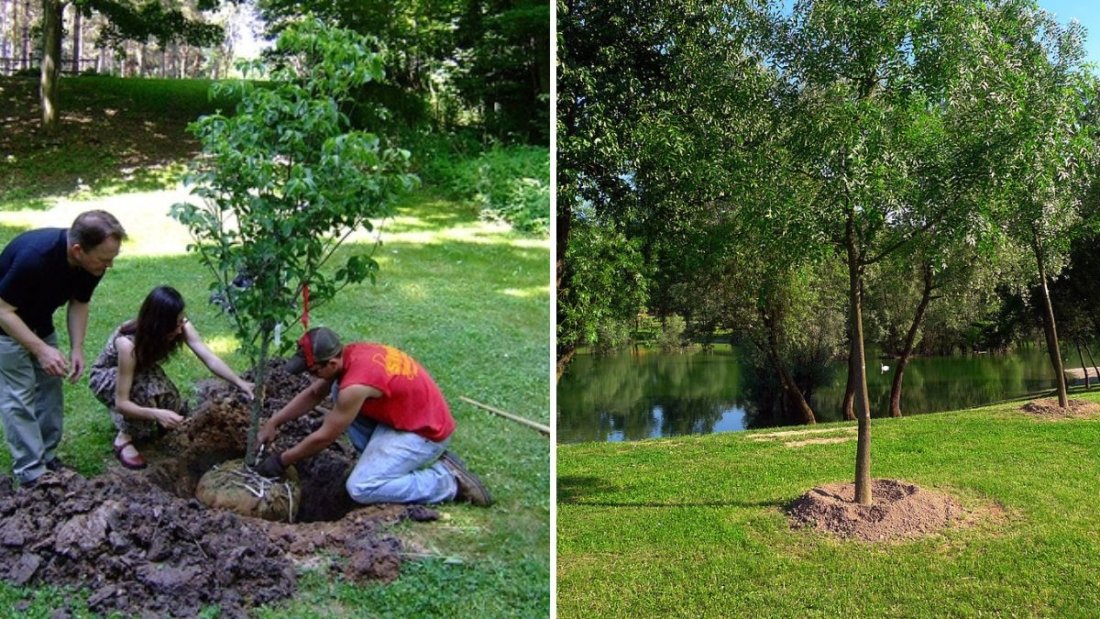
  • Avoid piling mulch directly against the trunk. Leave a 2–3 inch gap around the base.
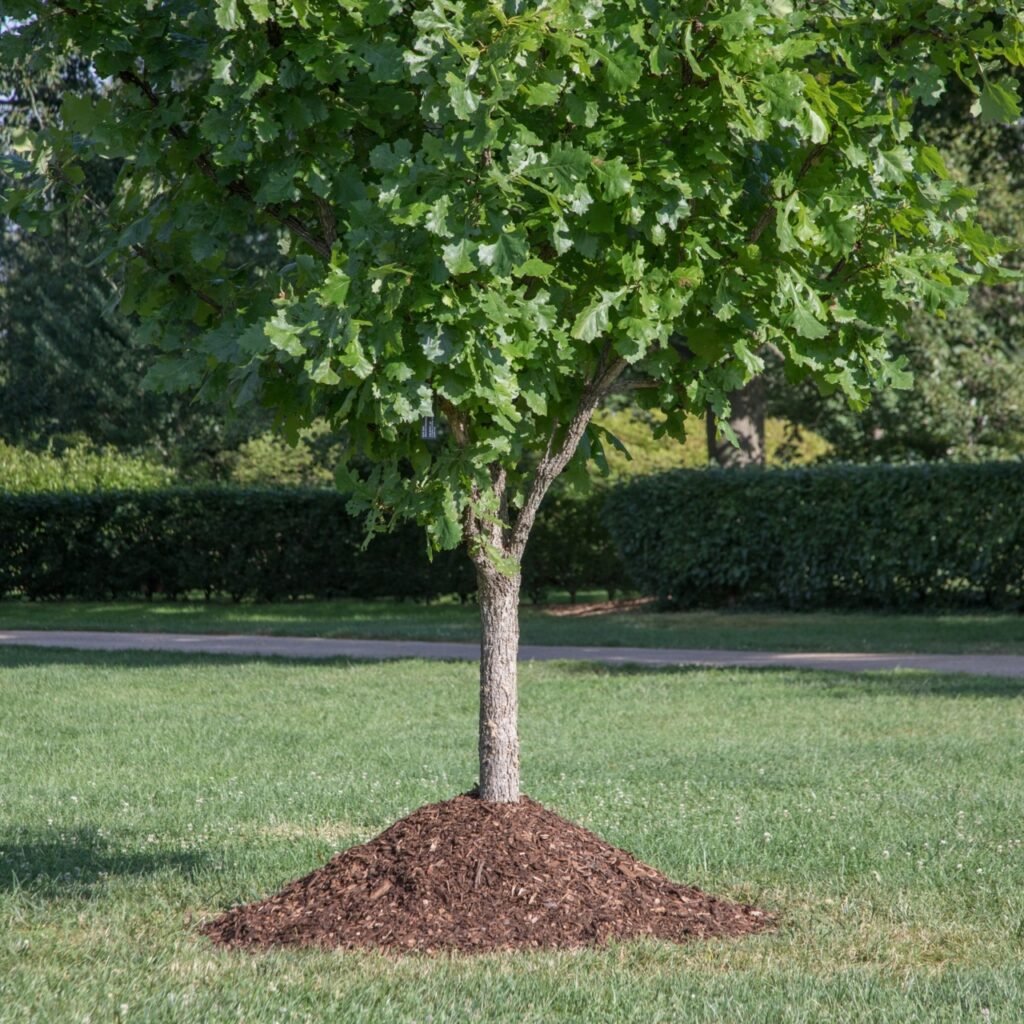
  • Why: Mulch touching the trunk can trap moisture, leading to bark decay, fungal infection, or pest infestation—a condition often called “volcano mulching.”

4. Shape the Mulch

  • Create a gentle, sloping mound or saucer shape, with the highest point at the edge of the mulch ring.
  • This directs water toward the roots while preventing accumulation against the trunk.

5. Replenish as Needed

  • Organic mulches decompose over time; add a fresh layer once or twice a year to maintain optimal thickness.

Seasonal Considerations

Mulching is beneficial year-round, but timing matters for maximum protection:

Spring

  • Replenish mulch after winter damage to protect roots and retain soil moisture as temperatures rise.

Summer

  • Mulch helps conserve water, reduce stress from heat, and suppress weeds.
  • Ensure mulch does not overheat soil by keeping it loose and not excessively thick.

Autumn

  • Mulch protects roots from freezing temperatures and frost heaving.
  • Fall is the ideal time for young trees, as it helps insulate roots before winter dormancy.

Winter

  • A thick mulch layer acts as a blanket, keeping soil temperatures stable and reducing freeze-thaw stress on roots.
  • Avoid adding fresh mulch directly against the trunk during heavy snow or frost periods.

Common Mulching Mistakes to Avoid

Even well-intentioned gardeners can make errors that harm trees. Avoid these pitfalls:

  1. Volcano Mulching: Piling mulch against the trunk can cause rot and attract pests.
  2. Excessive Thickness: Mulch deeper than 4 inches can suffocate roots and promote fungal diseases.
  3. Using Non-Biodegradable Materials Incorrectly: Plastic sheets may trap water and prevent oxygen from reaching roots.
  4. Neglecting Replenishment: Mulch decomposes; failing to replenish it reduces its benefits.
  5. Applying Mulch on Slopes Without Containment: Heavy rains can wash mulch away, exposing roots.

Additional Tips for Maximum Tree Protection

  • Young Trees: Mulch is especially important for newly planted trees to reduce stress and improve survival rates.
  • Avoid Fertilizing at the Same Time: Mulch provides nutrients; avoid overfertilization, which can burn roots.
  • Combine Mulching with Watering: Mulch retains moisture, but young trees may still need supplemental watering during dry periods.
  • Use Mulch Rings: For landscape trees, creating a defined mulch ring provides a neat appearance and uniform protection.

Long-Term Benefits

Proper mulching protects trees immediately and contributes to long-term health:

  • Promotes deep root development
  • Reduces stress from environmental fluctuations
  • Enhances soil fertility and microbial activity
  • Prevents mechanical damage from garden equipment
  • Improves aesthetic appeal and landscape value

Mulching is a small investment of time that provides years of protection and growth benefits.


Final Thoughts

Mulching is more than a cosmetic enhancement—it is a vital horticultural practice that supports tree health, conserves water, protects roots from temperature extremes, suppresses weeds, and improves soil quality. When applied correctly, mulch acts as a protective blanket, ensuring that trees—especially young ones—establish strong roots and survive challenging conditions.

Remember these key points for maximum protection:

  • Choose the right mulch material.
  • Apply a proper thickness and radius.
  • Keep mulch away from the trunk.
  • Replenish regularly and monitor the tree’s needs.

By following the right mulching techniques, you create a foundation for healthy, resilient trees that thrive for decades. Mulch wisely, and your trees will thank you with strong growth, abundant foliage, and enduring beauty.

The Right Way to Prune for Strong Growth

The Right Way to Prune for Strong Growth

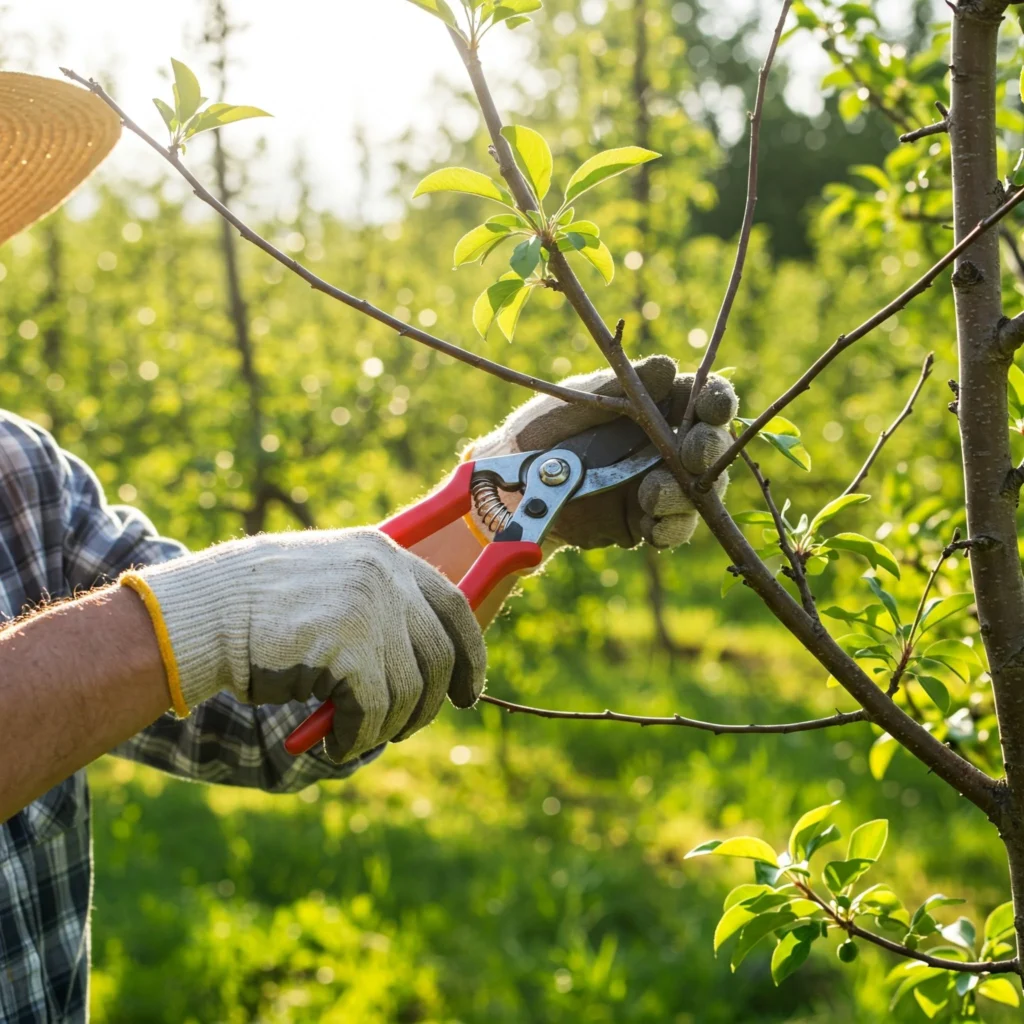
Pruning is one of the most essential yet often misunderstood aspects of plant care. Done correctly, it can improve the health, structure, and aesthetics of trees, shrubs, and other plants. Done incorrectly, it can weaken plants, reduce flowering or fruiting, and even lead to long-term damage.

Pruning is more than just cutting branches—it is a careful balance of science, timing, and technique. Understanding the right way to prune is key to promoting strong growth, maximizing yields, and ensuring the longevity of your plants. In this article, we’ll explore why pruning matters, the principles of proper pruning, seasonal considerations, techniques, and common mistakes to avoid.


Why Pruning Matters

Pruning plays a critical role in plant health and development. Its benefits include:

  1. Encouraging Strong Structure: Proper pruning promotes a sturdy framework, reducing the risk of branch breakage under wind, snow, or heavy fruit loads.
  2. Improving Air Circulation: Thinning dense branches reduces humidity within the canopy, preventing fungal diseases and promoting healthier foliage.
  3. Stimulating Growth: Cutting back selected branches encourages the plant to redirect energy into new shoots, flowers, or fruit.
  4. Enhancing Aesthetic Appeal: Pruning shapes plants into attractive forms, maintains size control, and creates visual balance in the landscape.
  5. Increasing Sunlight Penetration: Removing overcrowded branches allows light to reach inner foliage, supporting photosynthesis and overall vigor.

Pruning is essentially a form of strategic “training” for your plants. When done correctly, it encourages growth in the desired direction while eliminating weak, damaged, or diseased wood.


The Principles of Proper Pruning

Successful pruning requires an understanding of several foundational principles:

1. Know the Plant Type

Different plants respond differently to pruning:

  • Deciduous Trees: Often pruned in late winter while dormant.
  • Flowering Shrubs: Timing depends on when the plant blooms—spring-flowering shrubs should be pruned after flowering, while summer-flowering shrubs are pruned in late winter or early spring.
  • Fruit Trees: Require annual pruning to maximize yields and maintain structural integrity.

Understanding your plant’s growth habits and bloom cycle is essential to avoid cutting off flowers or fruiting wood.

2. Prune with Purpose

Every cut should have a reason:

  • Remove dead, diseased, or damaged wood.
  • Thin crowded areas to improve air circulation.
  • Shape the plant for aesthetic or structural reasons.
  • Control size or redirect growth.

Avoid pruning haphazardly—it can stress plants and create weak growth.

3. Make Clean Cuts

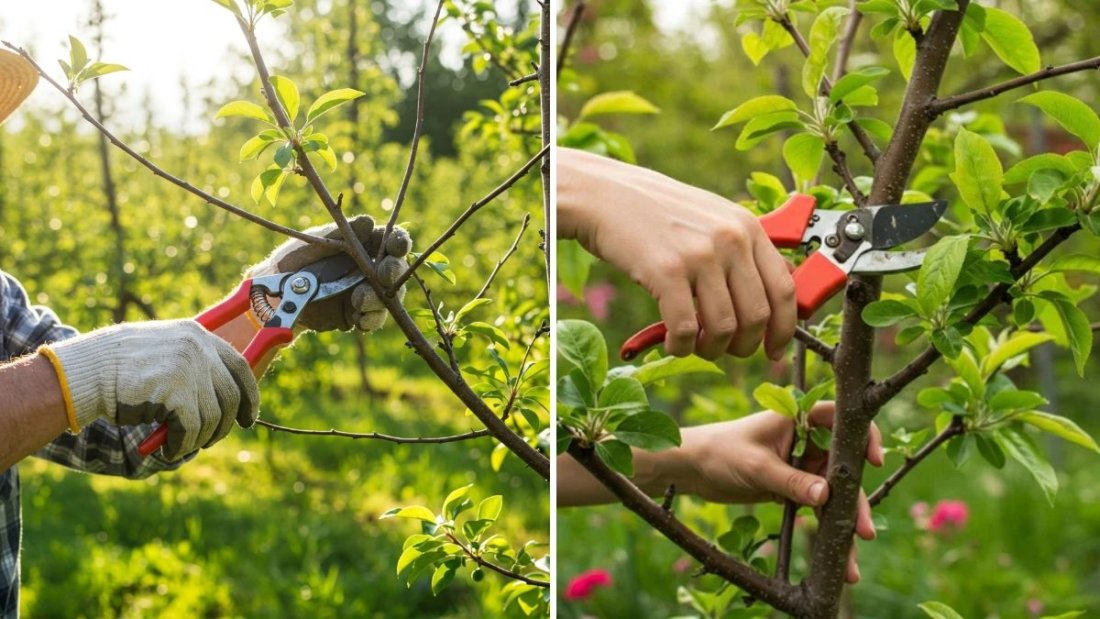
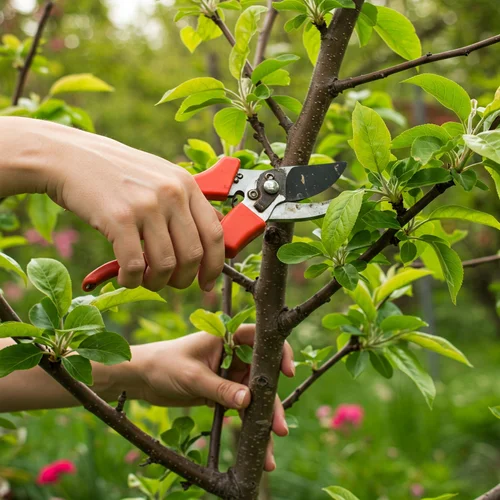
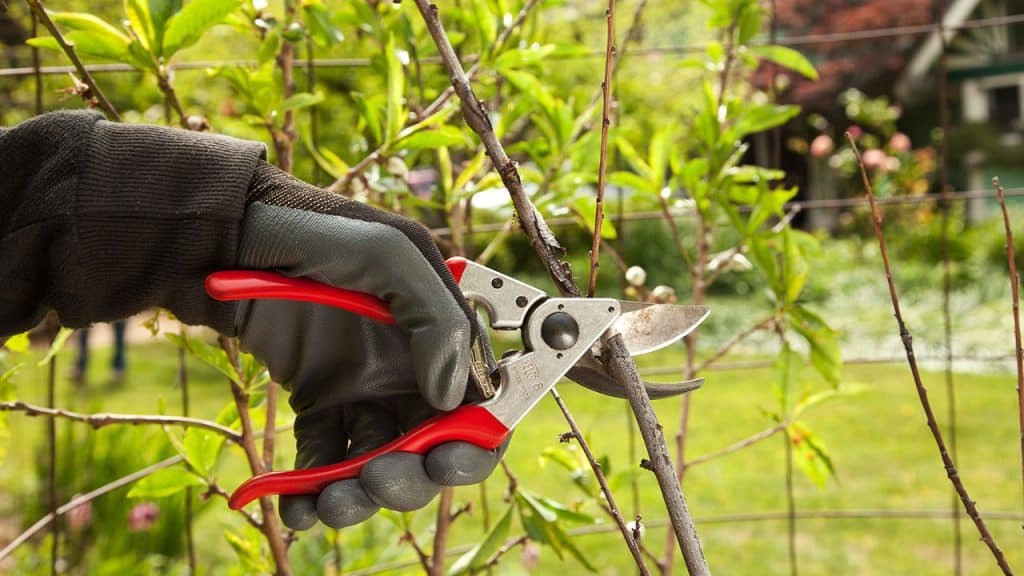
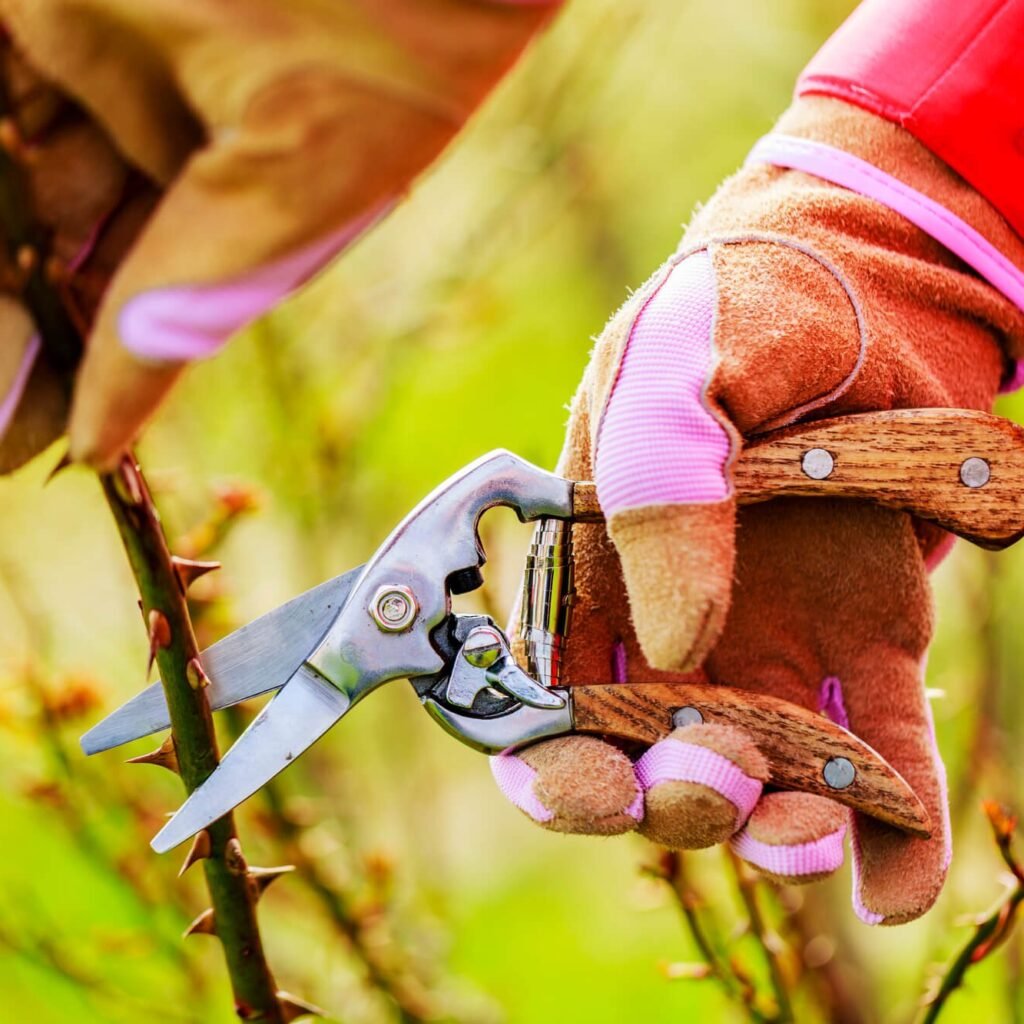
Use sharp, clean tools to make smooth cuts. Ragged or torn cuts can invite disease and pest infestations.

  • Hand Pruners: Ideal for small branches up to ¾ inch in diameter.
  • Loppers: Suitable for branches 1–2 inches thick.
  • Pruning Saws: Required for branches larger than 2 inches.

Cut just above a bud, branch junction, or collar at a slight angle to promote proper healing.

4. Remove No More Than Necessary

A general rule of thumb: remove no more than 25–30% of a plant’s foliage in one season. Over-pruning can stress plants, reduce food production, and inhibit flowering or fruiting.
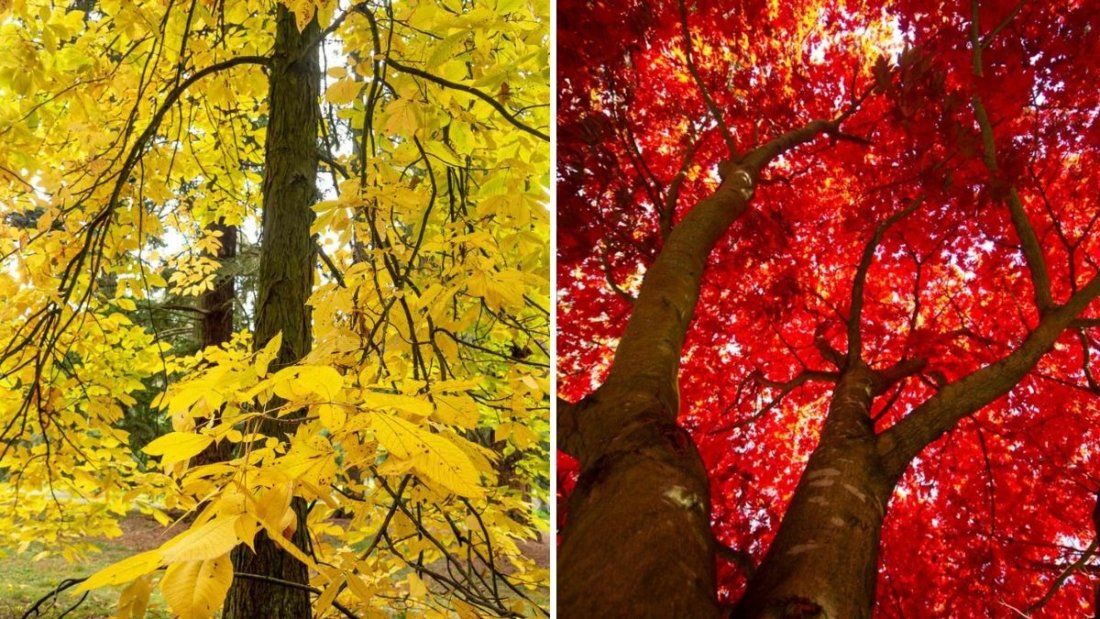
5. Consider Natural Growth Patterns

Observe the plant’s natural form and respect it. Pruning against its natural growth habit can lead to weak structure or unsightly shapes. For example, central leaders in trees should be maintained to promote vertical strength, while shrubs can be lightly thinned to encourage a full, rounded appearance.


Seasonal Considerations for Pruning

Timing is critical for successful pruning:

1. Winter Dormant Pruning

  • Best for deciduous trees and many shrubs.
  • Plants are dormant, making it easier to see structure and remove problem branches.
  • Reduces sap loss and risk of disease.

2. Spring Pruning

  • Focus on shaping and removing winter damage.
  • Avoid pruning spring-flowering plants before bloom; wait until after flowering.

3. Summer Pruning

  • Light pruning can help control growth and shape plants.
  • Encourages fruiting in certain species like apples and pears.
  • Avoid heavy pruning in hot weather, as it can stress plants.

4. Fall Pruning

  • Generally discouraged for tender plants, as new growth may not harden before frost.
  • Can be used for clean-up or removing dead/diseased wood.

Essential Pruning Techniques

Proper technique is just as important as timing. Here are the key pruning methods:

1. Thinning

  • Removes entire branches at their base.
  • Opens up dense canopies to improve light and air circulation.
  • Ideal for trees and shrubs with crowded branches.

2. Heading

  • Cuts a branch back to a bud or lateral branch.
  • Encourages bushier growth and more lateral shoots.
  • Often used on shrubs and young trees to promote fullness.

3. Pinching

  • Involves removing the tips of new growth by hand.
  • Stimulates lateral growth, resulting in compact, fuller plants.
  • Commonly used on herbaceous perennials and annuals.

4. Renewal Pruning

  • Targets older, less productive branches, cutting them back to the ground.
  • Promotes vigorous new shoots and rejuvenates the plant.
  • Suitable for flowering shrubs like hydrangeas or for fruit bushes.

5. Structural Pruning

  • Focuses on forming a strong framework in young trees.
  • Encourages proper branching angles and a central leader.
  • Helps prevent future breakage and structural problems.

Tools and Safety

Having the right tools and using them safely is essential:

  • Hand Pruners: Sharp, bypass pruners for small branches.
  • Loppers: For medium branches.
  • Pruning Saws: For large branches or deadwood.
  • Gloves and Eye Protection: Protect against cuts and flying debris.
  • Disinfectant: Clean tools between cuts to prevent disease spread.

Sharp, well-maintained tools ensure clean cuts that heal quickly, reducing stress on the plant.


Common Mistakes to Avoid

Even experienced gardeners sometimes make pruning mistakes. Avoid these pitfalls:

  1. Over-Pruning: Removing too much foliage reduces energy reserves and weakens the plant.
  2. Cutting Too Close or Too Far from Buds: Can cause dieback or leave stubs that rot.
  3. Ignoring Dead or Diseased Wood: Failing to remove these branches increases the risk of pest infestations and disease.
  4. Pruning at the Wrong Time: Can remove flower buds or stimulate vulnerable new growth.
  5. Improper Tool Use: Dull or dirty tools can cause ragged cuts and spread disease.

Benefits of Pruning for Strong Growth

When done correctly, pruning ensures that your plants:

  • Develop stronger, more resilient structures.
  • Produce more flowers and fruit.
  • Have better airflow, reducing disease pressure.
  • Maintain an attractive, well-maintained appearance.

In essence, pruning is an investment in the long-term health and performance of your garden.


Final Thoughts

Pruning is more than a chore—it is an essential horticultural practice that shapes the future of your plants. By understanding plant types, observing natural growth patterns, applying correct techniques, and pruning at the right time, you can promote strong, healthy growth that lasts for years.

Remember, the right way to prune balances science with observation. Careful cuts, strategic thinning, and respect for the plant’s natural structure will ensure your trees and shrubs grow strong, beautiful, and productive. Every snip is an opportunity to strengthen your garden and enhance its beauty.

Prune wisely, and your garden will reward you with vigor, resilience, and a thriving display for every season.
5 Shrubs That Provide Winter Interest

5 Shrubs That Provide Winter Interest

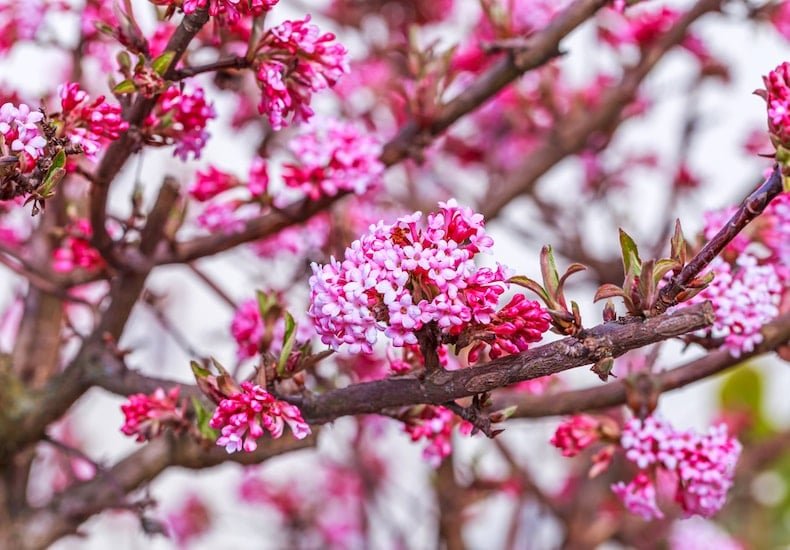
When winter arrives, many gardens fall into dormancy. Leaves have dropped, flowers have faded, and bare branches dominate the landscape. But a well-planned garden doesn’t have to look dull during the cold months. By selecting shrubs that shine in winter, you can bring structure, color, texture, and even fragrance to your outdoor space.

Shrubs with winter interest don’t just survive the season—they thrive in it, offering vibrant stems, evergreen foliage, unusual textures, and sometimes even blossoms when most plants are asleep. These features add depth and life to gardens, creating visual appeal when it is needed most.

In this article, we’ll explore five shrubs that provide exceptional winter interest, discussing their unique qualities, growing needs, and why they deserve a spot in your garden.


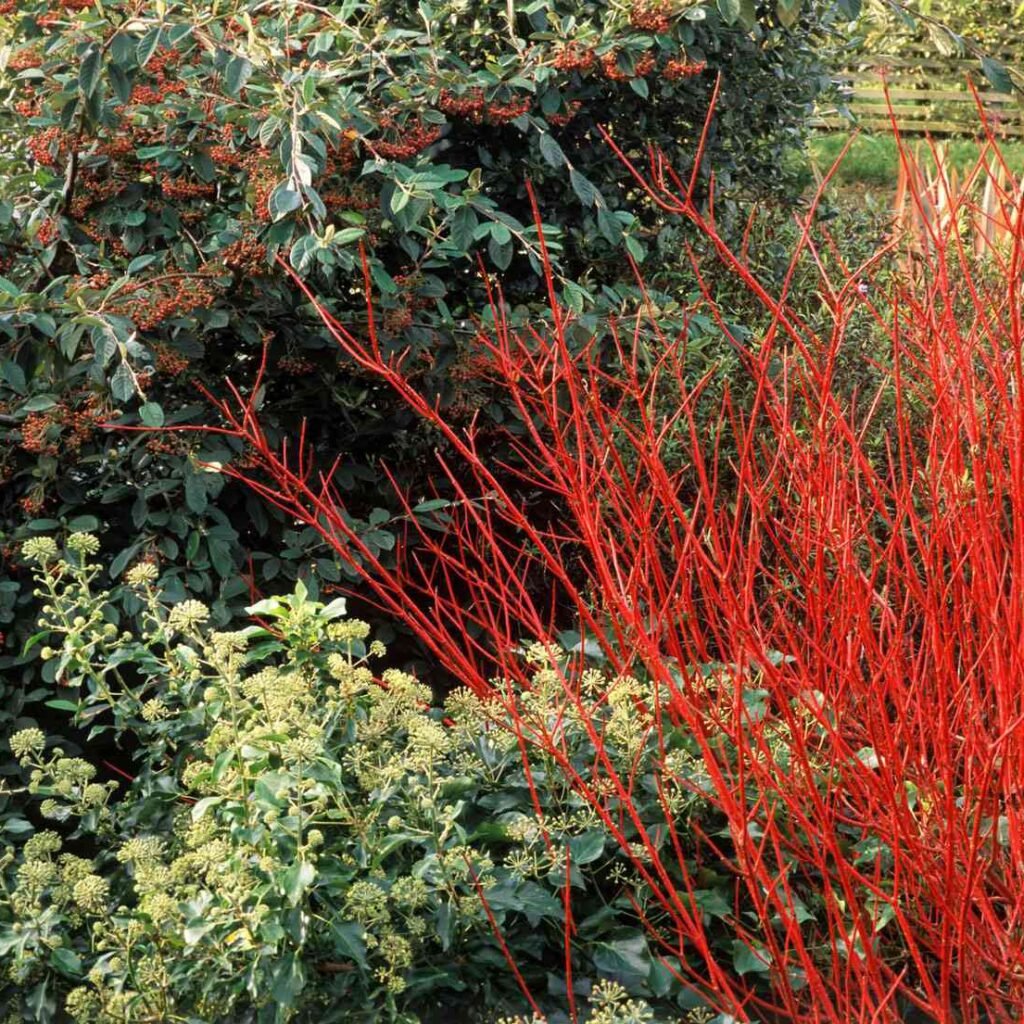
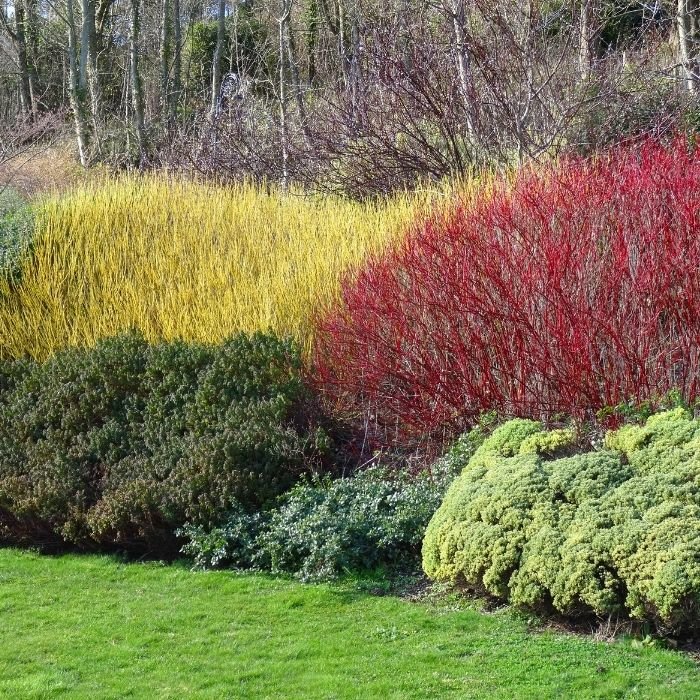
1. Red Twig Dogwood (Cornus sericea) – A Burst of Color in the Snow

If you’ve ever seen fiery red branches glowing against a snowy backdrop, chances are you were looking at a Red Twig Dogwood. This deciduous shrub is unremarkable during summer, with green leaves and small white flowers, but in winter, its vibrant red stems steal the show.

Why It Stands Out:

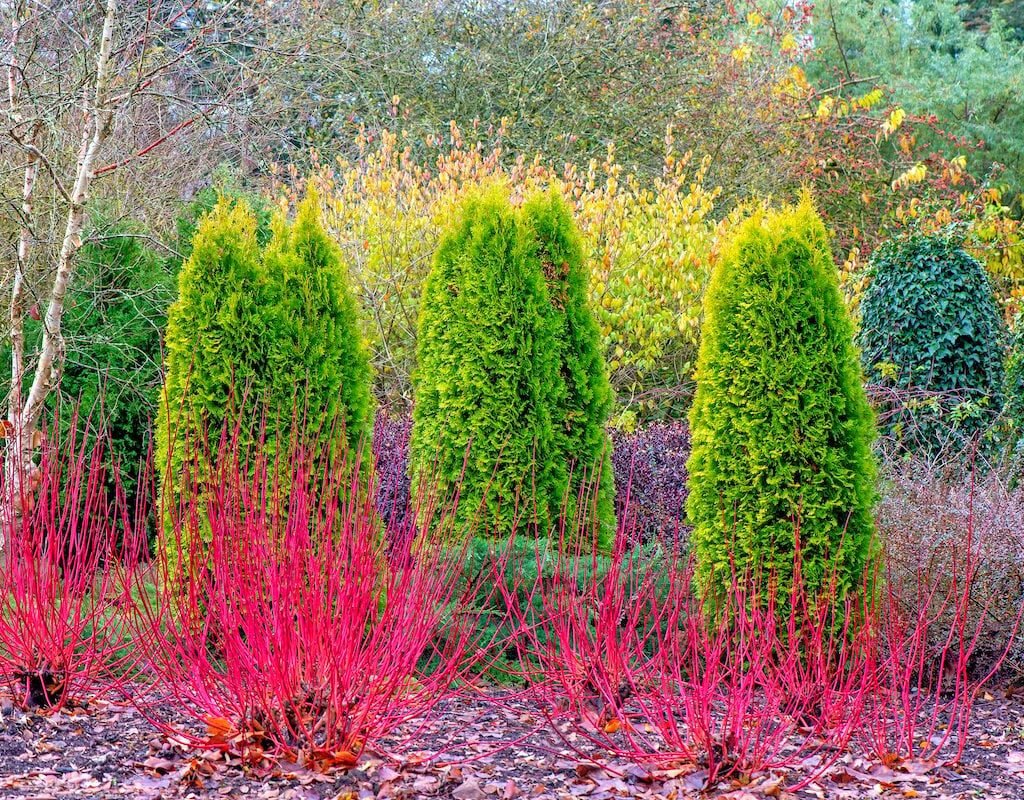
  • Brilliant Stem Color: The bare stems transform into a vivid red or burgundy that pops dramatically against white snow or evergreen backdrops.
  • Seasonal Interest: Red Twig Dogwood also produces clusters of white flowers in spring and attractive berries that feed birds in summer.
  • Low Maintenance: Hardy and adaptable, it requires little care once established.

Best Growing Conditions:

  • Prefers moist, well-drained soils but tolerates clay and wet conditions.
  • Grows well in full sun to partial shade.
  • USDA Zones: 2–8.

Why Gardeners Love It:

Pruning encourages new stem growth, which is the brightest in color. Many gardeners plant Red Twig Dogwoods in groups for maximum visual impact.


2. Winterberry Holly (Ilex verticillata) – A Festive Splash of Red

Winterberry Holly is a deciduous holly that loses its leaves in autumn but leaves behind a dazzling display of bright red berries. These berries persist throughout the winter, providing color and food for wildlife when resources are scarce.

Why It Stands Out:

  • Striking Berries: The clusters of red berries look like ornaments against bare branches.
  • Wildlife Benefits: Birds love the berries, making this shrub both decorative and ecological.
  • Seasonal Symbolism: Its festive look makes it a natural decoration for holiday gardens.

Best Growing Conditions:

  • Thrives in moist, acidic soils.
  • Requires full sun to partial shade.
  • USDA Zones: 3–9.

Special Note:

Winterberry is dioecious, meaning you’ll need both male and female plants nearby for berry production.

Why Gardeners Love It:

Winterberry adds cheer to otherwise bare landscapes and provides natural beauty throughout the coldest months. It is also excellent for cut arrangements.


3. Witch Hazel (Hamamelis spp.) – Fragrant Winter Blooms

Witch Hazel is one of the rare shrubs that actually blooms in winter. Its spidery, ribbon-like flowers—ranging from yellow and orange to red—appear from late fall into early spring, depending on the species.

Why It Stands Out:

  • Winter Flowers: Few shrubs bloom in winter, and Witch Hazel’s vibrant flowers are a welcome sight.
  • Fragrance: Many varieties emit a sweet, spicy fragrance that perfumes the crisp air.
  • Medicinal and Historical Value: Witch Hazel extracts have long been used in herbal remedies.

Best Growing Conditions:

  • Prefers well-drained, loamy soil.
  • Grows well in full sun to partial shade.
  • USDA Zones: 3–9 (depending on variety).

Why Gardeners Love It:

The unusual flowers add charm, while the fragrance elevates the garden experience during a season often associated with stillness. Its yellow blooms look especially striking against snow.


4. Mahonia (Mahonia aquifolium) – Evergreen with Golden Blooms

Mahonia, also called Oregon Grape, is a hardy evergreen shrub with holly-like leaves. Its leathery, glossy foliage stays green year-round, often developing purplish tints in cold weather. In winter, clusters of cheerful yellow flowers emerge, followed by bluish-black berries.

Why It Stands Out:

  • Evergreen Foliage: Provides year-round greenery and texture.
  • Winter Flowers: Bright yellow blooms appear as early as late winter, attracting pollinators like bees.
  • Wildlife Value: The berries feed birds, while dense foliage provides shelter.

Best Growing Conditions:

  • Prefers well-drained but moist soil.
  • Thrives in part to full shade, making it perfect for shaded winter gardens.
  • USDA Zones: 5–9.

Why Gardeners Love It:

Mahonia is a versatile shrub that brightens dark corners of the garden. Its spiky leaves add texture, and the combination of evergreen foliage, yellow flowers, and berries ensures year-round appeal.


5. Camellia (Camellia japonica and Camellia sasanqua) – The Winter Rose

Camellias are evergreen shrubs beloved for their stunning winter and early spring blooms. With large, rose-like flowers in shades of red, pink, and white, they provide color when few other plants are in bloom.

Why It Stands Out:

  • Spectacular Flowers: Glossy evergreen leaves provide a perfect backdrop for showy blooms.
  • Winter Charm: Depending on the variety, blooms appear from fall through early spring.
  • Variety of Cultivars: Thousands of cultivars exist, offering different colors, forms, and blooming times.

Best Growing Conditions:

  • Thrive in slightly acidic, well-drained soils rich in organic matter.
  • Prefer partial shade, especially in warmer climates.
  • USDA Zones: 7–9 (some hardy varieties for Zone 6).

Why Gardeners Love It:

Camellias bring elegance and sophistication to winter gardens. Their flowers are so striking that they are often called the “Queens of Winter.”


Design Tips: Using Winter Shrubs in the Garden

To maximize the visual and ecological value of winter shrubs, consider these design ideas:

  1. Combine Colors and Textures: Plant Red Twig Dogwoods near evergreens to create contrast between red stems and green foliage.
  2. Layer for Structure: Use taller shrubs like Witch Hazel in the background and smaller ones like Winterberry or Mahonia in the foreground.
  3. Wildlife-Friendly Design: Incorporate berry-bearing shrubs such as Winterberry and Mahonia to provide food and shelter for birds during winter.
  4. Highlight with Snow: Position colorful shrubs where they can be seen from windows, so you can enjoy their beauty indoors on snowy days.
  5. Extend Bloom Seasons: Mix shrubs that bloom in different months (e.g., Witch Hazel in late fall, Camellia in mid-winter) to enjoy continuous color.

The Benefits of Winter-Interest Shrubs

Planting shrubs that shine in winter goes beyond aesthetics:

  • Year-Round Beauty: Keeps your garden alive and engaging, even in the dullest months.
  • Wildlife Support: Provides food and shelter when natural resources are scarce.
  • Reduced Seasonal Gaps: Prevents the garden from looking bare between fall and spring.
  • Low Maintenance: Many winter shrubs are hardy and require little care once established.

Final Thoughts

A garden should be beautiful in every season—not just spring and summer. By choosing shrubs with winter interest, you can transform cold, gray months into a season filled with color, structure, and life.

From the fiery stems of Red Twig Dogwood to the festive berries of Winterberry Holly, the fragrant blooms of Witch Hazel, the evergreen resilience of Mahonia, and the elegant flowers of Camellias, these five shrubs prove that winter is far from dull.

Planting them not only adds year-round charm to your garden but also supports wildlife and brings joy to your own seasonal experience. With thoughtful planning, your garden can become a vibrant winter landscape that stands out when everything else fades.

How To Protect Young Trees in Autumn

How To Protect Young Trees in Autumn

Autumn is a season of transition. For trees, it is the time to prepare for the cold, harsh months of winter ahead. Mature trees often have well-established root systems, thick bark, and the resilience to withstand weather fluctuations, but young trees are far more vulnerable. With their delicate bark, shallow roots, and limited energy reserves, they need extra care during fall to ensure they survive winter and thrive in spring.

Protecting young trees in autumn is not just about preventing immediate damage—it’s about giving them the foundation to grow into healthy, long-lived specimens. In this article, we’ll explore in detail why protection is necessary, the threats young trees face, and effective strategies to safeguard them during this critical season.

Why Protect Young Trees in Autumn?

Young trees are like children—they need more attention and support than adults. Autumn poses unique challenges: fluctuating temperatures, early frosts, hungry wildlife, and the threat of dehydration before winter dormancy. Unlike older trees, young ones haven’t yet developed thick bark, deep roots, or enough stored nutrients to withstand these stresses.

Failing to provide proper autumn care can lead to:

  • Frost cracks in bark.
  • Dehydrated roots from dry soil.
  • Winter dieback of branches.
  • Damage from animals seeking food.
  • Reduced spring growth or even death of the tree.

By acting in autumn, gardeners and homeowners can shield their young trees from these dangers and set them up for long-term success.


Common Threats to Young Trees in Autumn

Before diving into protective methods, let’s look at the main risks that make autumn such a critical season for tree care.

1. Temperature Fluctuations

Autumn days can be warm, but nights are often cold. Rapid shifts in temperature can cause frost cracks—vertical splits in tree bark. These cracks may not kill the tree immediately, but they weaken it, leaving it vulnerable to disease and pests.

2. Early Frosts

Sudden frost can damage young branches and buds, particularly in late-planted or shallow-rooted trees that haven’t had time to acclimate.

3. Animal Damage

Deer, rabbits, and rodents pose significant threats in fall and winter. They may rub against young bark (deer) or chew it (rabbits and mice), potentially girdling the tree and cutting off its nutrient supply.

4. Soil Dryness

Many people assume trees don’t need water in fall, but young roots still actively take in moisture until the ground freezes. Dry autumn soil can leave trees weak and unable to survive the winter.

5. Harsh Winds

Seasonal storms and autumn winds can uproot poorly anchored trees or snap fragile branches.

Understanding these challenges helps us apply the right protective measures.


How to Protect Young Trees in Autumn

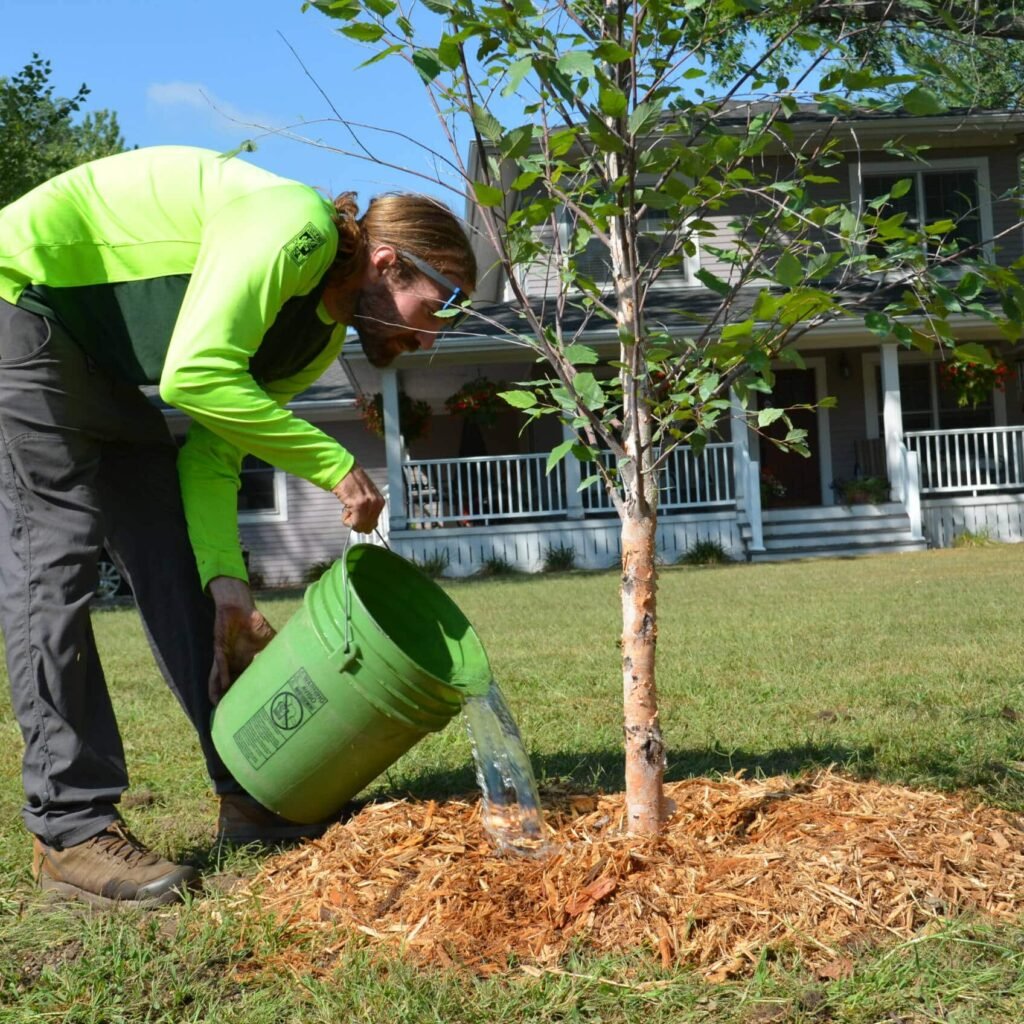
1. Water Deeply Before the Ground Freezes

Water is one of the most overlooked needs of young trees in autumn. While leaves may be falling, roots remain active until soil temperatures drop below 40°F (4°C).

  • How to Do It: Give young trees a slow, deep watering once a week throughout autumn, especially during dry spells. A soaker hose or drip irrigation system is best.
  • Timing: The most important watering should happen before the ground freezes—often called “winterizing” the tree.
  • Why It Works: Moist soil insulates roots better than dry soil and ensures trees have enough stored energy for winter dormancy.

2. Mulch to Protect Roots

Mulching is one of the simplest yet most effective ways to protect young trees.

  • What to Use: Organic materials like shredded bark, straw, wood chips, or compost.
  • How to Apply: Spread a 2–4 inch layer around the base of the tree, keeping mulch 2–3 inches away from the trunk to prevent rot.
  • Benefits:
    • Insulates soil against temperature swings.
    • Retains moisture.
    • Suppresses weed competition.
    • Protects roots from freeze-thaw cycles.

Think of mulch as a warm blanket for your tree’s roots.


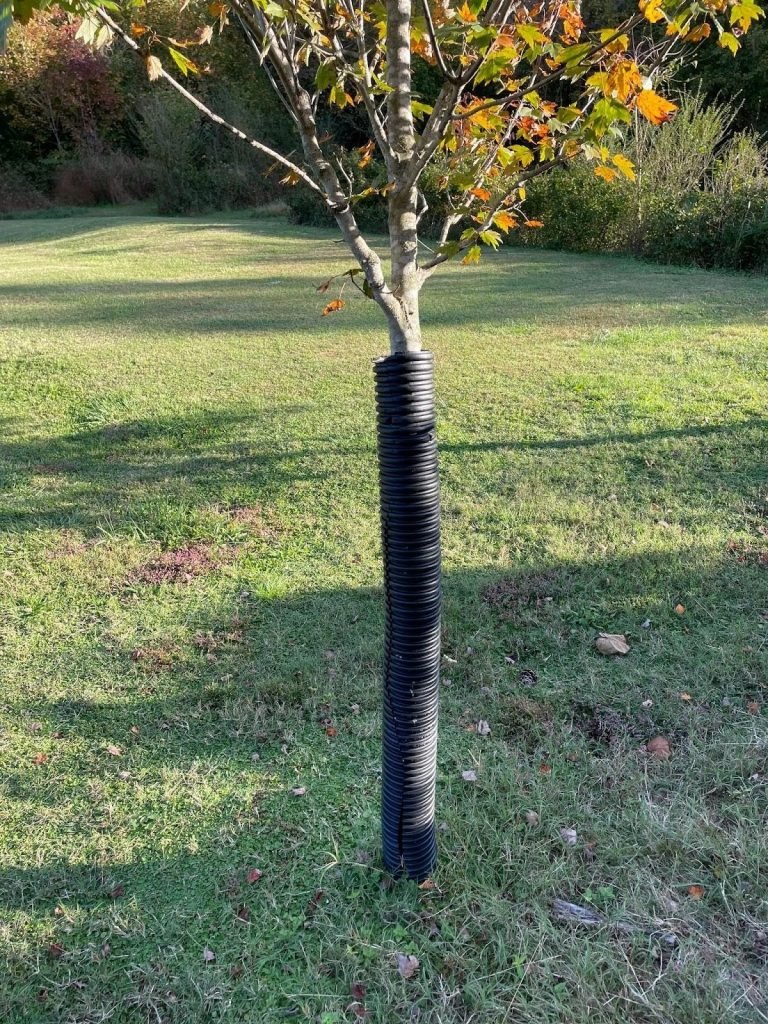
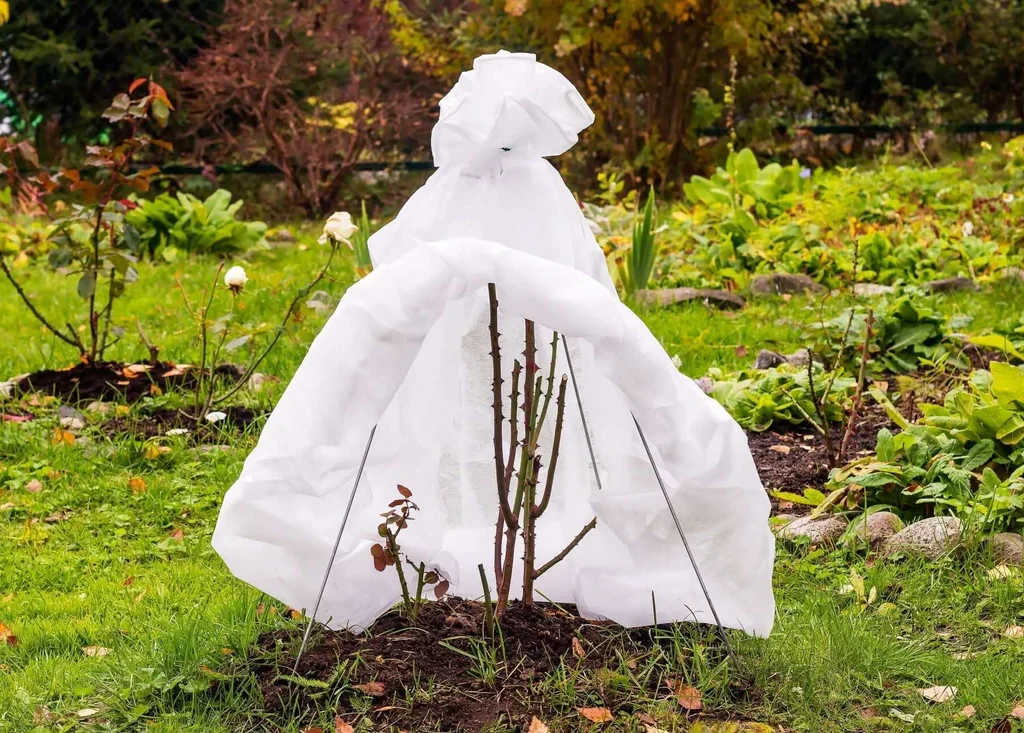
3. Wrap the Trunk to Prevent Damage

Young trees often have thin, smooth bark that is prone to sunscald, frost cracks, and animal chewing. Trunk wrapping offers an easy solution.

  • Materials: Use tree guards, plastic spirals, or paper tree wrap.
  • Method: Start just above the soil line and wrap upward to the lowest branches. Remove the wrap in spring to avoid trapping moisture.
  • Benefits:
    • Prevents bark splitting from sudden temperature changes.
    • Shields against gnawing animals.
    • Reduces damage from deer rubbing their antlers.

4. Prune Wisely—But Not Too Much

Pruning helps strengthen a young tree by removing weak or damaged branches. However, heavy pruning in autumn should be avoided.

  • What to Do: Only prune dead, broken, or diseased branches. Save major shaping for late winter or early spring when the tree is fully dormant.
  • Why: Over-pruning in fall stimulates new growth, which won’t have time to harden before frost, leaving the tree vulnerable.

5. Stake if Necessary

If a young tree has been recently planted or is in a windy area, staking can prevent it from toppling over during autumn storms.

  • How to Do It: Use two stakes and soft ties, leaving enough slack for the tree to move slightly—this movement helps strengthen the trunk.
  • Duration: Remove stakes after one year unless the tree is still unstable.

6. Protect Against Wildlife

Animals are one of the biggest threats to young trees in autumn.

  • Deer Protection: Use tall tree guards or install fencing around the tree. Deer repellents (sprays with garlic, hot pepper, or predator scent) can also help.
  • Rodent and Rabbit Protection: Hardware cloth or wire mesh wrapped around the base prevents gnawing. Ensure the barrier is buried a few inches into the soil to stop rodents from digging under.

7. Fertilize Cautiously

Autumn fertilization can be beneficial if the soil is poor, but it must be done correctly.

  • What to Use: A slow-release, low-nitrogen fertilizer works best.
  • Why: Too much nitrogen in fall encourages leafy growth instead of root development, which weakens the tree before winter.
  • Tip: Conduct a soil test before fertilizing to determine actual nutrient needs.

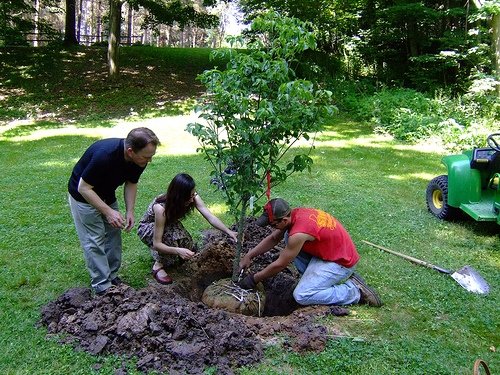
8. Choose the Right Planting Time

If you are planting new trees in autumn, timing is critical. Plant at least 6 weeks before the first hard frost to allow roots to establish. Water and mulch immediately to give them the best start.


Additional Tips for Success

  • Clean Up Fallen Leaves: Diseases and pests can overwinter in fallen foliage. Clearing leaves away from young trees helps prevent spring infestations.
  • Monitor Weather: Early frosts may require extra watering or protective coverings, especially for very young or sensitive species.
  • Use Burlap Screens: In windy or exposed areas, setting up burlap screens around young trees can reduce wind damage and desiccation.
  • Check Regularly: Walk around your trees weekly to look for signs of animal activity, soil dryness, or damage.

The Long-Term Rewards

By investing a little effort in autumn, you ensure that your young trees:

  • Survive winter stress.
  • Develop stronger root systems.
  • Produce vigorous new growth in spring.
  • Remain healthy and resilient for decades to come.

Caring for young trees in autumn is an act of patience and foresight. Every watering, mulch layer, and protective wrap contributes to a living legacy that can grow into shade for your children, beauty for your garden, and habitat for countless creatures.


Final Thoughts

Young trees are particularly vulnerable in autumn, but with careful protection, they can transition safely into dormancy and emerge stronger in spring. From watering deeply and mulching roots to shielding bark and warding off wildlife, every measure plays a role in safeguarding these future giants.

Protecting young trees in autumn is not just seasonal maintenance—it is a long-term investment in the health of your landscape and the environment. By giving them the care they need now, you’re helping create strong, resilient trees that will stand tall for generations.

5 Trees With the Most Beautiful Fall Colors

5 Trees With the Most Beautiful Fall Colors

Autumn is one of the most magical seasons in nature’s calendar. As the temperatures drop and daylight hours shorten, trees put on a spectacular show of fiery reds, golden yellows, and glowing oranges. This transformation, caused by chemical changes in the leaves, turns ordinary landscapes into breathtaking works of art. While many plants contribute to the season’s charm, certain trees are especially admired for their vibrant fall displays.

In this article, we’ll explore five trees with the most beautiful fall colors, looking into their characteristics, the science behind their colors, where they thrive, and why they are beloved by gardeners, landscapers, and nature enthusiasts alike.


1. Sugar Maple (Acer saccharum) – The Quintessential Fall Icon

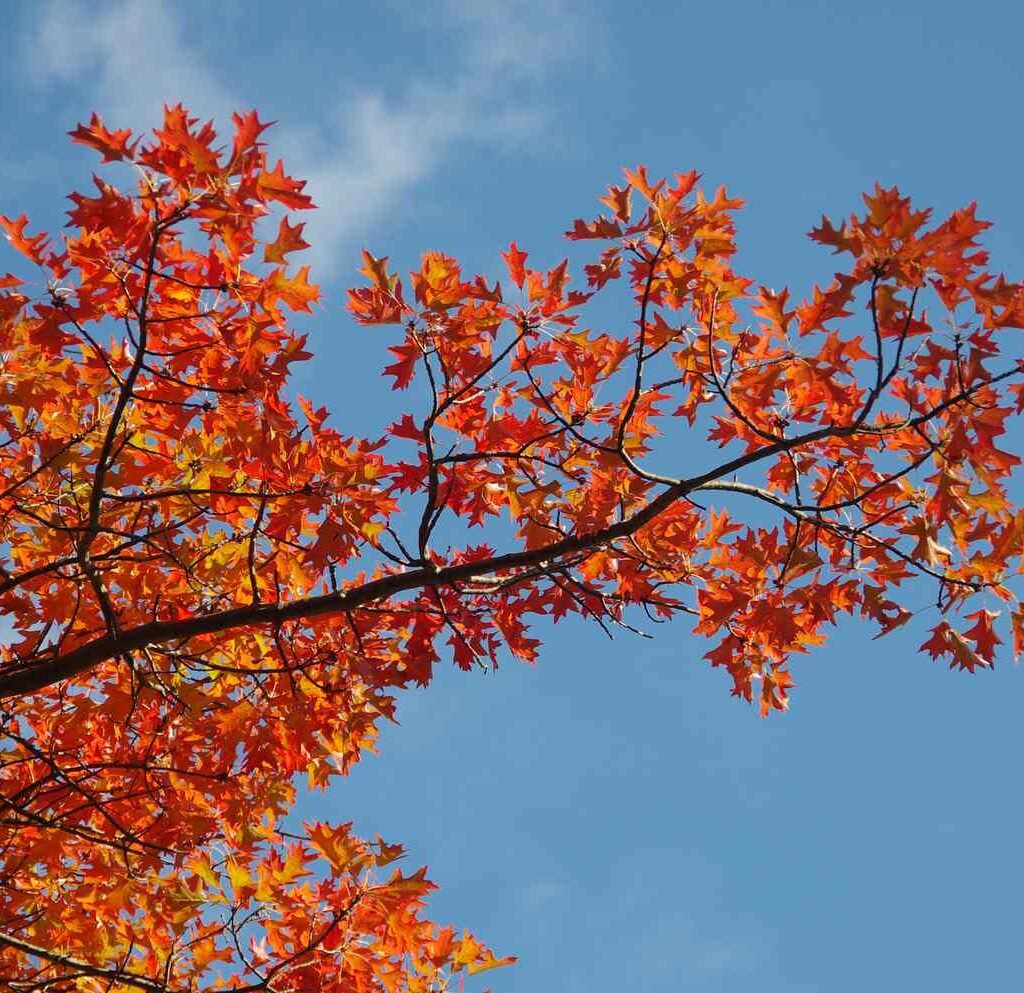
The Sugar Maple is perhaps the most iconic fall tree in North America. Renowned for its brilliant color palette, this tree paints entire forests in a mix of fiery red, glowing orange, and sunshine yellow.

Why It Stands Out:

  • Spectacular Colors: Sugar Maples produce some of the brightest fall foliage thanks to their high sugar content. This sugar helps produce anthocyanins—the pigments responsible for the red and purple hues.
  • Large Size: With heights reaching 60–75 feet, these towering trees make a dramatic impact in forests, parks, and residential areas.
  • Cultural Significance: Beyond its fall beauty, the Sugar Maple is also the source of maple syrup, adding both ecological and economic value.

Best Growing Conditions:

Sugar Maples thrive in well-drained, slightly acidic soil and full sun to partial shade. They are most commonly found in the northeastern United States and parts of Canada, where autumn is synonymous with maple-drenched landscapes.

Why Gardeners Love It:

If you want a classic fall display in your yard, planting a Sugar Maple guarantees you a seasonal masterpiece. Their long lifespan—sometimes exceeding 200 years—makes them a legacy tree for generations.


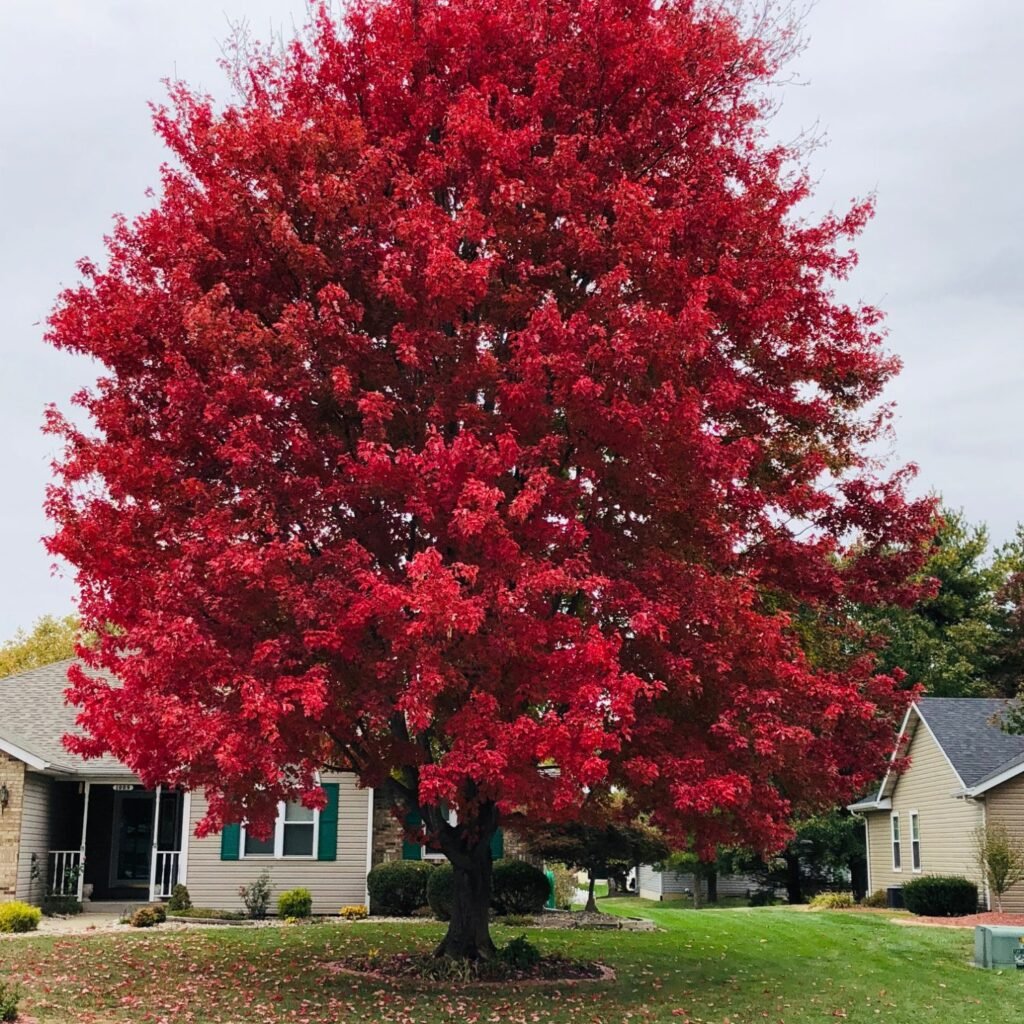
2. Red Maple (Acer rubrum) – A Burst of Fiery Scarlet

True to its name, the Red Maple is famous for its brilliant red hues. While it may display yellow and orange as well, it is the vivid crimson that steals the spotlight each fall.

Why It Stands Out:

  • Early Color Changer: Red Maples are often among the first trees to change color in the fall, signaling the season’s arrival.
  • Wide Adaptability: Unlike some trees that require very specific soil conditions, Red Maples can thrive in wet, dry, or even compact soils, making them one of the most widely distributed trees in North America.
  • Year-Round Appeal: In spring, they produce red buds and flowers; in summer, they provide shade; in autumn, they explode with scarlet brilliance.

Best Growing Conditions:

Red Maples grow best in slightly acidic soil with good moisture. They thrive across much of the eastern United States and into southern Canada.

Why Gardeners Love It:

Their adaptability makes them easy to grow in urban, suburban, and rural settings. Plus, they’re relatively fast-growing, offering shade and seasonal beauty within a short time.


3. Sweetgum (Liquidambar styraciflua) – A Kaleidoscope of Colors

If you love variety, the Sweetgum tree is your perfect autumn companion. Unlike trees that lean heavily toward one dominant color, the Sweetgum produces a wide spectrum—reds, oranges, purples, and yellows—all at once.

Why It Stands Out:

  • Color Diversity: Few trees can compete with the Sweetgum’s rainbow-like display. Sometimes, a single branch may showcase multiple shades at once.
  • Unique Leaf Shape: Its star-shaped leaves not only look attractive but also enhance the way light plays off its fall colors.
  • Distinct Seed Pods: While spiky “gum balls” can be a nuisance on lawns, they are ecologically important, feeding birds and small mammals.

Best Growing Conditions:

Sweetgum trees thrive in moist, well-drained soils and prefer full sun exposure. They are native to the southeastern United States but can also be found in many parts of Asia.

Why Gardeners Love It:

Despite its messy seed pods, the Sweetgum’s vibrant colors make it a landscape favorite. Its tall, pyramidal shape adds structure and drama to gardens and public spaces.


4. Ginkgo (Ginkgo biloba) – The Golden Fan

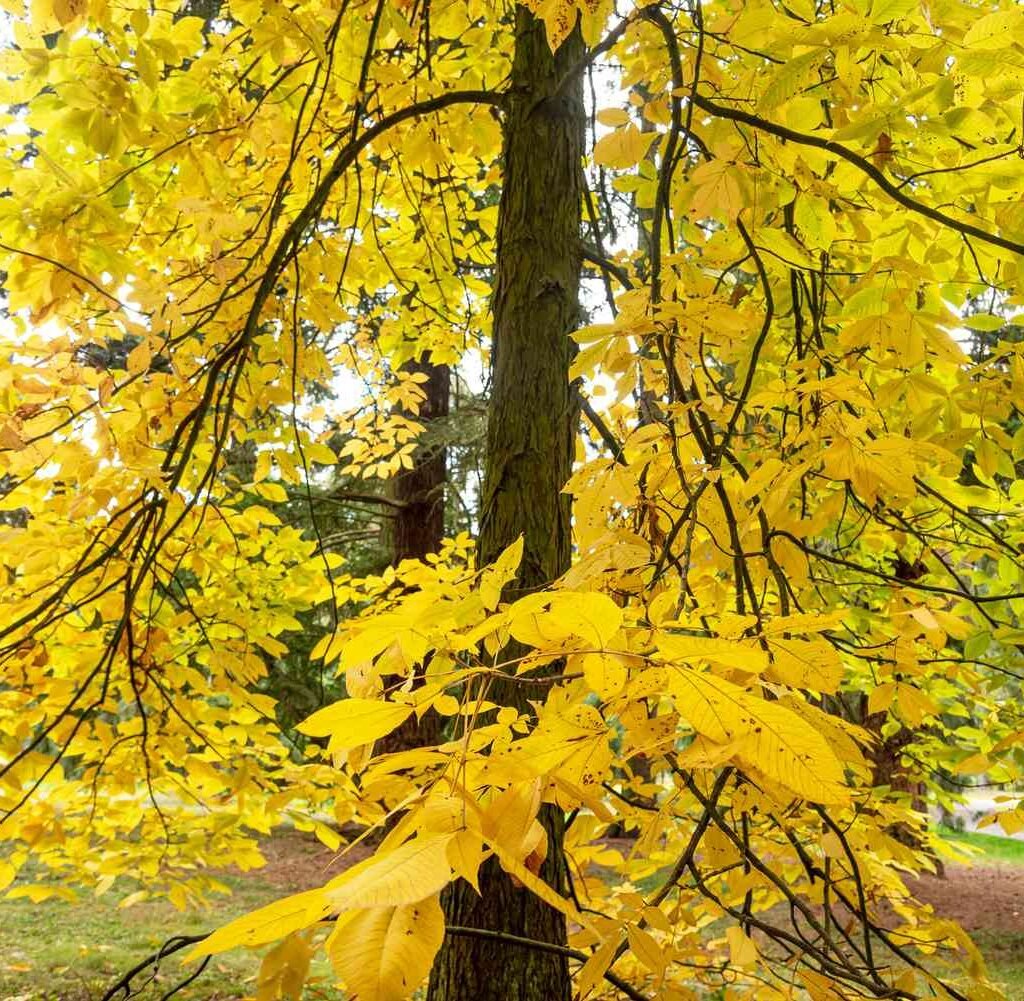
Known as a “living fossil,” the Ginkgo is one of the oldest tree species in the world, dating back over 200 million years. In fall, it undergoes a stunning transformation, turning its fan-shaped leaves into a sea of radiant gold.

Why It Stands Out:

  • Brilliant Gold: The Ginkgo’s golden leaves are unique because they often change color simultaneously, creating a dramatic uniform effect.
  • Elegant Shape: The fan-like leaves shimmer in sunlight, making the golden display even more enchanting.
  • Historical Significance: Native to China, Ginkgos are revered in Asian culture for their resilience and longevity. Some specimens are over 1,000 years old.

Best Growing Conditions:

Ginkgos are hardy and adaptable, tolerating urban pollution, poor soils, and drought. They are commonly planted in cities worldwide because of their durability.

Why Gardeners Love It:

Aside from their unmatched golden show in autumn, Ginkgos are virtually pest-free and low-maintenance. They add both historical charm and seasonal elegance to landscapes.


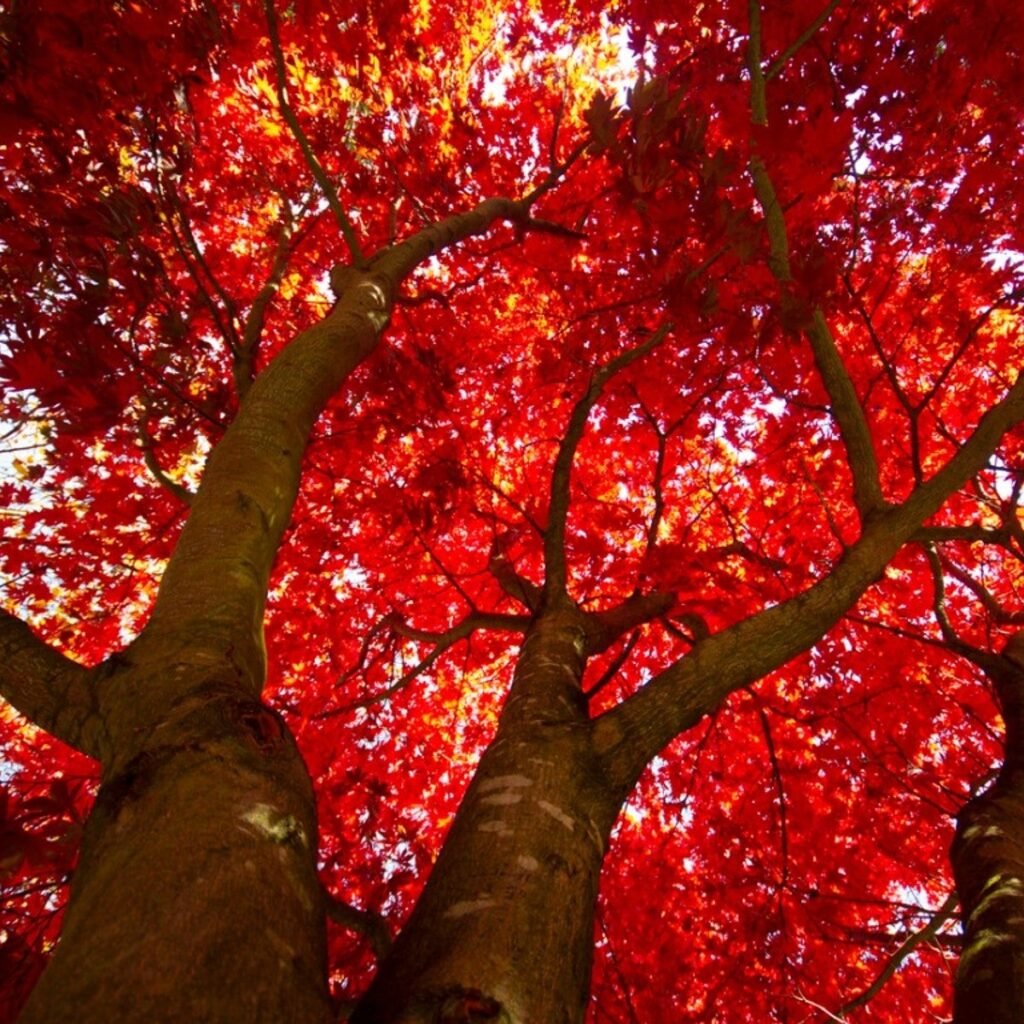
5. Japanese Maple (Acer palmatum) – The Artist’s Tree

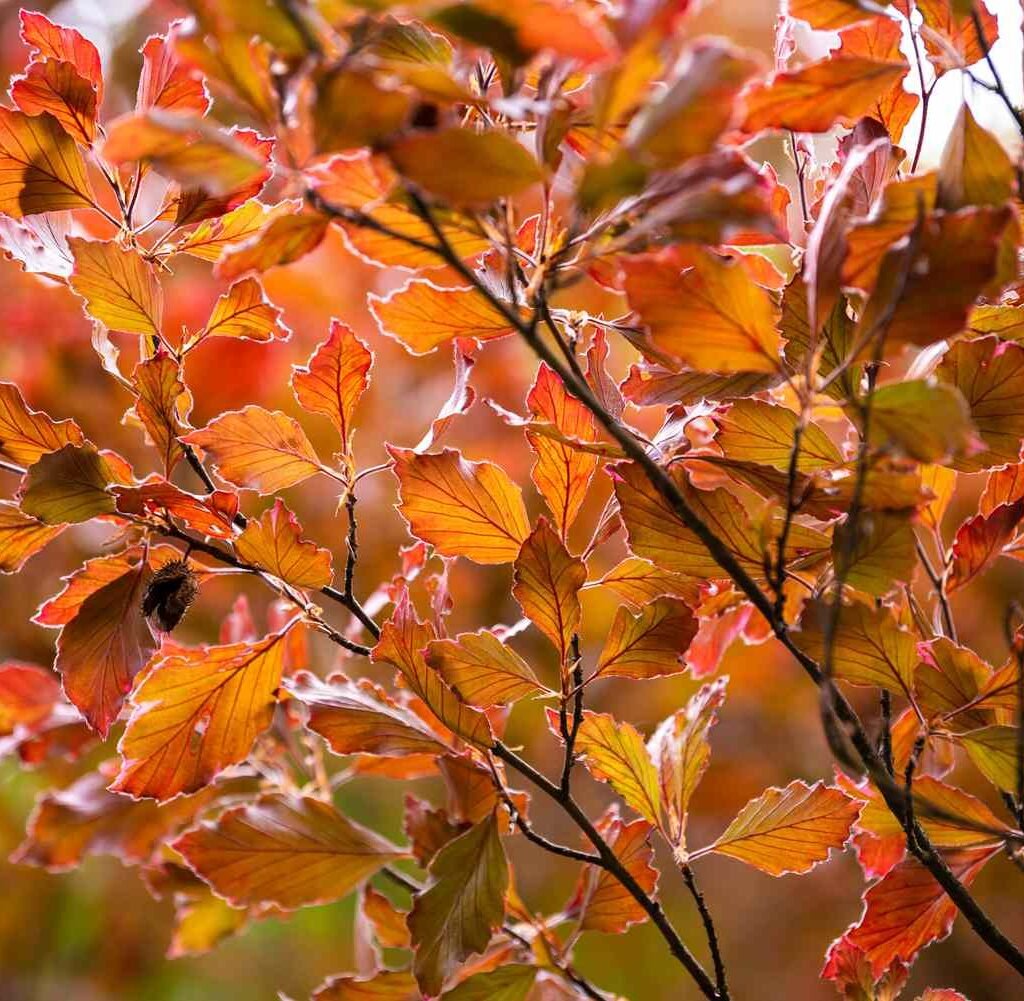
Delicate, graceful, and breathtakingly colorful, the Japanese Maple is a favorite among gardeners, especially for smaller landscapes. Its fall transformation ranges from deep burgundy and crimson to fiery orange and golden yellow.

Why It Stands Out:

  • Exquisite Leaf Shapes: With finely cut or broad leaves depending on the variety, Japanese Maples look like living art.
  • Compact Size: Unlike towering maples, most Japanese Maples are small to medium-sized, making them ideal for gardens, patios, or even container planting.
  • Year-Round Beauty: Their layered branching structure and elegant forms add visual appeal in every season, not just autumn.

Best Growing Conditions:

Japanese Maples prefer well-drained soil and partial shade, especially in hotter climates. They are most associated with traditional Japanese gardens but have been embraced worldwide.

Why Gardeners Love It:

These trees are perfect for those who want dramatic color in a smaller space. With hundreds of cultivars available, gardeners can choose from a wide variety of leaf shapes, sizes, and fall hues.


The Science Behind Fall Colors

The beauty of autumn trees isn’t just an accident of nature—it’s the result of fascinating chemical processes:

  • Chlorophyll Breakdown: During spring and summer, chlorophyll gives leaves their green color. As daylight decreases, chlorophyll production slows, revealing other pigments.
  • Carotenoids: These pigments produce yellow and orange hues and are present in leaves all year, only becoming visible once chlorophyll fades.
  • Anthocyanins: Formed in fall when sugars are trapped in leaves, these pigments create red, purple, and crimson tones.
  • Weather Influence: Bright, sunny days and cool nights enhance anthocyanin production, making fall colors more vivid.

This scientific magic, combined with each tree’s unique traits, explains why some species are more dazzling than others.


Final Thoughts

When it comes to breathtaking fall displays, trees like the Sugar Maple, Red Maple, Sweetgum, Ginkgo, and Japanese Maple are nature’s masterpieces. Each offers a unique color palette, shape, and charm that can transform ordinary spaces into stunning seasonal landscapes. Whether you’re planning a garden, exploring autumn forests, or simply appreciating nature, these five trees represent the very best of fall’s beauty.

Their colors remind us that change can be beautiful, and that every season—just like every tree—has something extraordinary to offer.