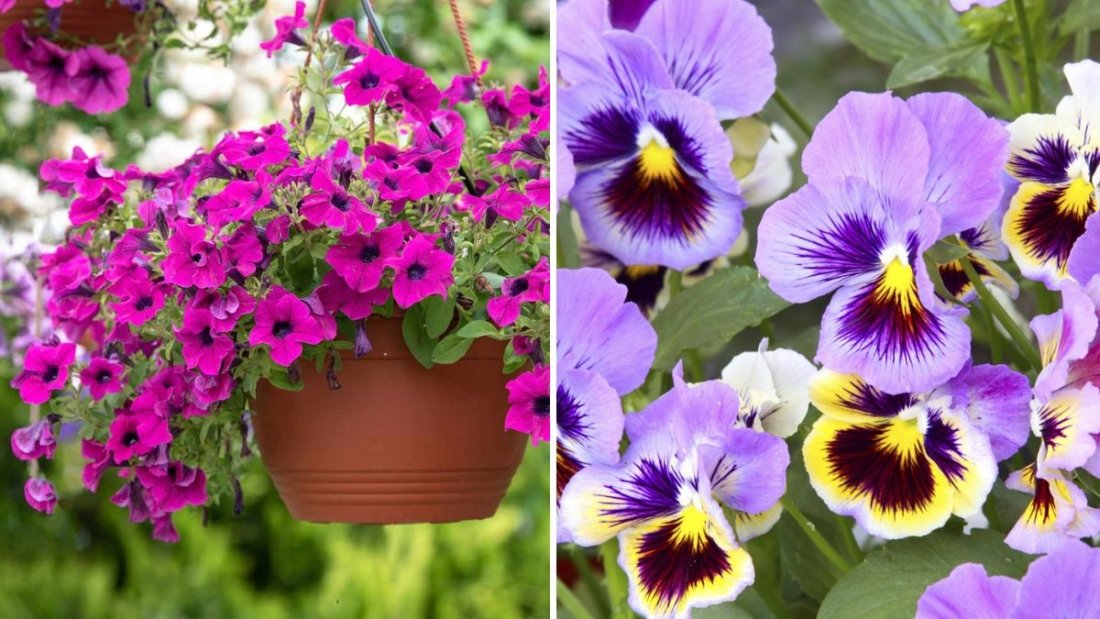
5 Flowers That Improve Soil While Blooming

5 Flowers That Improve Soil While Blooming

When most people think of flowers, they imagine color, fragrance, and beauty—but flowers can also play an important role in soil health. Beyond their ornamental value, certain blooms actively enrich the soil while they grow, helping to create a healthier garden ecosystem. By planting flowers that improve soil structure, add nutrients, or attract beneficial organisms, gardeners can enjoy vibrant displays while also building long-term fertility.

In this article, we’ll explore five flowers that improve soil while blooming—how they work, what benefits they bring, and how to grow them effectively in your garden.


Why Choose Flowers That Improve Soil?
Traditional soil amendments like compost, mulch, and fertilizers are essential, but flowers offer a living, ongoing way to nurture soil. These dual-purpose plants:

  • Fix nitrogen: Some flowers form partnerships with soil microbes to capture nitrogen from the air.
  • Loosen compacted soil: Deep or fibrous roots break up heavy soils and improve aeration.
  • Attract soil helpers: Pollinators, earthworms, and beneficial insects improve soil indirectly.
  • Add organic matter: As flowers shed leaves or die back, they feed the soil with organic residue.
  • Provide continuous cover: Root systems help prevent erosion and nutrient loss.

Now let’s dive into five flowers that do double duty—beautifying your garden while improving your soil.


1. Sunflowers (Helianthus annuus)
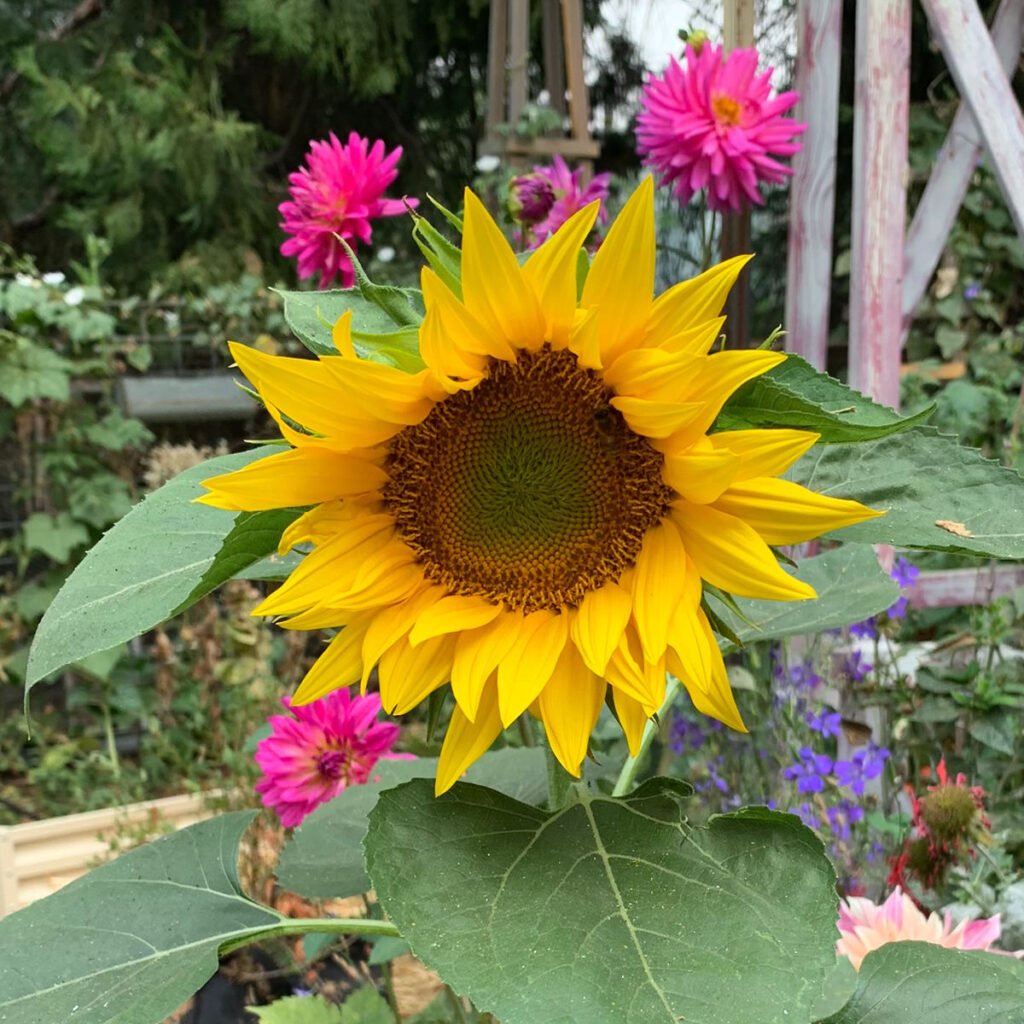
Sunflowers are iconic for their towering stems and golden blooms, but beneath the soil, they’re just as impressive. With deep, robust roots, they improve soil in several ways.

How They Improve Soil

  • Deep-root penetration: Sunflowers send roots down several feet, breaking up compacted soil and improving drainage.
  • Nutrient accumulation: Their roots draw nutrients like phosphorus and nitrogen from deeper layers, making them more available for future crops.
  • Phytoremediation: Sunflowers can absorb heavy metals from contaminated soils, helping to clean up problem areas.

Best Growing Tips

  • Soil: Well-draining soil with moderate fertility.
  • Sunlight: Full sun (at least 6–8 hours daily).
  • Care: Water regularly but avoid waterlogged conditions. Tall varieties may need staking.

Sunflowers not only improve soil but also provide seeds for wildlife and stunning cut flowers for indoor enjoyment.


2. Clover (Trifolium spp.)
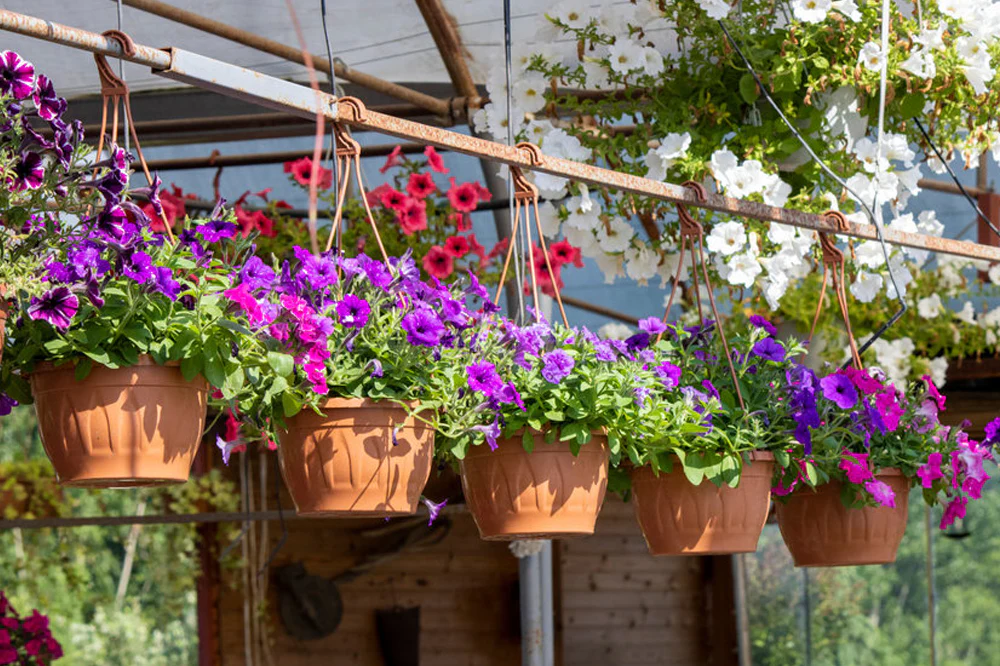
Often seen as a ground cover, clover is one of the most powerful flowers for soil improvement. With its charming, ball-shaped blooms in white, red, or pink, clover is beautiful while also functioning as a natural fertilizer.

How They Improve Soil

  • Nitrogen fixation: Clover forms symbiotic relationships with rhizobia bacteria, pulling nitrogen from the air and converting it into a form plants can use.
  • Living mulch: Clover covers the ground, suppressing weeds and protecting soil from erosion.
  • Soil texture improvement: Its fibrous roots add organic matter and enhance soil aeration when they decompose.

Best Growing Tips

  • Soil: Thrives in most soils but prefers loamy conditions.
  • Sunlight: Full sun to partial shade.
  • Care: Low-maintenance; can be overseeded in lawns or planted between vegetable rows.

Clover not only enriches soil but also attracts pollinators, making it a win-win for both garden beds and ecosystems.


3. Marigolds (Tagetes spp.)
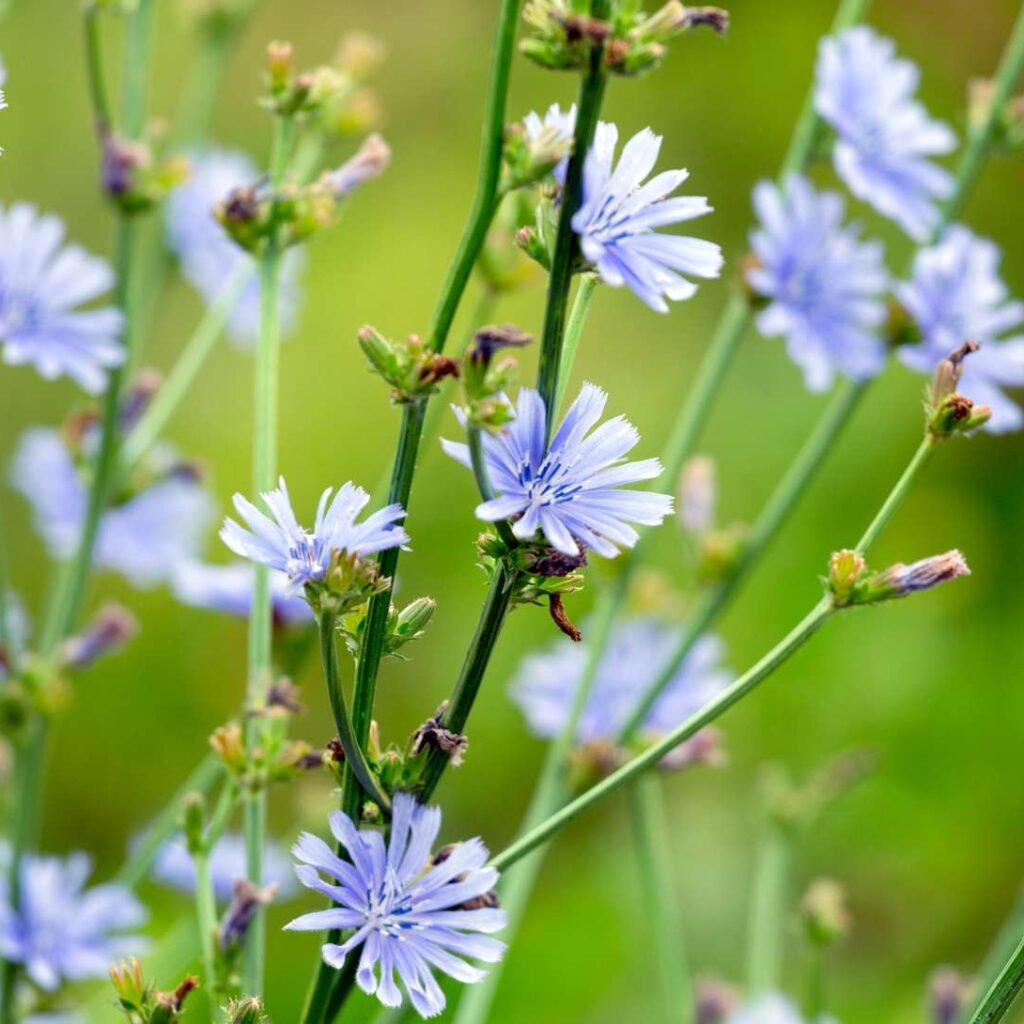
Marigolds are bright, cheerful, and easy to grow—but their true magic lies underground. They are known for their ability to naturally improve soil health and protect neighboring plants.

How They Improve Soil

  • Nematode control: Marigolds release natural compounds that suppress harmful nematodes, microscopic pests that damage roots.
  • Soil conditioning: As marigolds decompose, they add organic matter that enhances soil structure.
  • Beneficial insect support: Their nectar attracts pollinators and predatory insects that contribute to a balanced ecosystem.

Best Growing Tips

  • Soil: Adaptable, though they thrive in moderately fertile, well-drained soils.
  • Sunlight: Full sun for the best blooms.
  • Care: Deadhead regularly to prolong blooming; water evenly.

Marigolds are particularly valuable in vegetable gardens, where they protect crops like tomatoes and beans from soil-borne pests while adding color to the beds.


4. Lupines (Lupinus spp.)
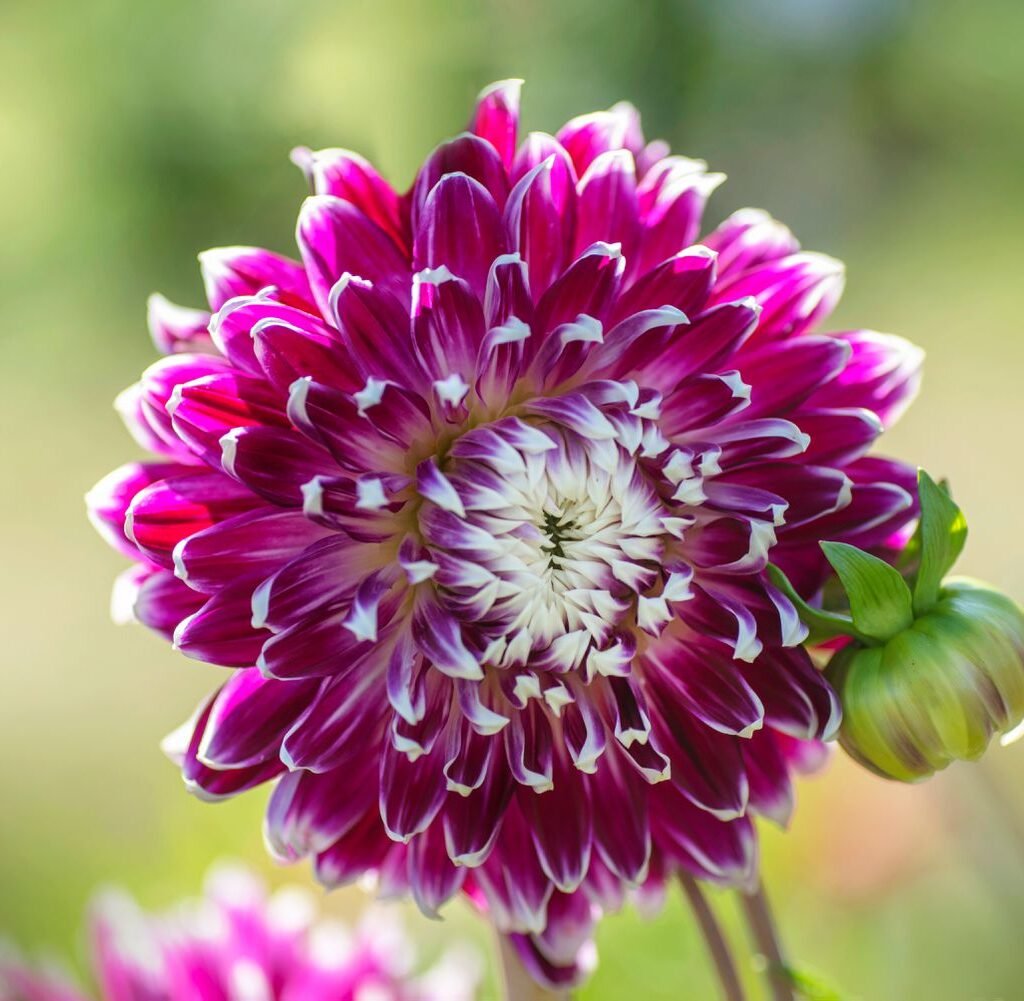
Lupines are beloved for their tall spikes of pea-like flowers in shades of purple, pink, and white. But they also have an extraordinary role in soil fertility.

How They Improve Soil

  • Nitrogen fixation: Like clover, lupines are legumes that enrich soil with nitrogen through root nodules.
  • Deep root systems: Their roots reach deep into the ground, helping to aerate soil and improve drainage.
  • Organic matter: Lupines leave behind nutrient-rich biomass that decomposes into the soil.

Best Growing Tips

  • Soil: Well-drained, slightly acidic soils are best.
  • Sunlight: Full sun to partial shade.
  • Care: Lupines prefer cooler climates; mulch around plants to keep roots cool.

Lupines are excellent for flower borders and meadow-style gardens, providing long-lasting color while enhancing soil health.


5. Borage (Borago officinalis)

With its star-shaped, sky-blue flowers, borage is both ornamental and functional. It has long been used as a companion plant in gardens for its ability to enrich soil.

How They Improve Soil

  • Dynamic accumulator: Borage draws trace minerals like potassium and calcium up from deeper soil layers, making them available to other plants.
  • Pollinator attractor: Bees flock to borage, indirectly supporting soil health by encouraging biodiversity.
  • Soil cover: Dense foliage shades the soil, reducing evaporation and erosion.

Best Growing Tips

  • Soil: Tolerates poor soils but prefers well-draining, fertile ground.
  • Sunlight: Full sun to light shade.
  • Care: Easy to grow; self-seeds readily, so thin seedlings if overcrowded.

Borage is particularly effective in vegetable gardens, where it benefits crops like tomatoes and strawberries by improving pollination and enriching the soil.


How to Maximize the Benefits of Soil-Improving Flowers

While each of these flowers contributes to soil health individually, combining them in your garden can multiply the benefits. Here’s how to make the most of them:

  1. Use Companion Planting
    • Plant marigolds near tomatoes to deter nematodes.
    • Sow borage alongside strawberries to improve flavor and pollination.
    • Add clover between vegetable rows as living mulch.
  2. Rotate and Layer Plantings
    • Follow sunflowers with shallow-rooted crops that benefit from loosened soil.
    • Use lupines or clover as cover crops in fall or spring to restore nitrogen.
  3. Let Plants Decompose in Place
    • Instead of pulling out spent flowers, chop and drop them into the soil to recycle organic matter.
  4. Encourage Biodiversity
    • Mix these soil-friendly flowers with perennials and shrubs to build a self-sustaining garden ecosystem.

Common Mistakes to Avoid

  • Overcrowding: While these flowers improve soil, crowding them can reduce airflow and lead to disease.
  • Removing too early: Allow plants to bloom fully and die back naturally to maximize soil benefits.
  • Ignoring soil basics: Flowers can’t fix everything—balance them with compost, mulch, and proper watering.
  • Not choosing the right variety: For example, not all marigolds deter nematodes equally; French marigolds (Tagetes patula) are the most effective.

Final Thoughts

Flowers don’t just beautify—they can transform your soil into a fertile, living foundation for future growth. Sunflowers, clover, marigolds, lupines, and borage are five powerful allies that bloom vibrantly above ground while quietly working their magic below.

By weaving these plants into your garden, you create a space that is not only visually stunning but also ecologically rich and self-sustaining. Each bloom contributes to a cycle of improvement—adding nutrients, conditioning the soil, and supporting biodiversity.

So, the next time you plan your garden, think beyond color alone. Choose flowers that give back to the soil, and you’ll enjoy a healthier, more resilient garden for years to come.
How To Plan Your Garden Color Scheme for October

How To Plan Your Garden Color Scheme for October

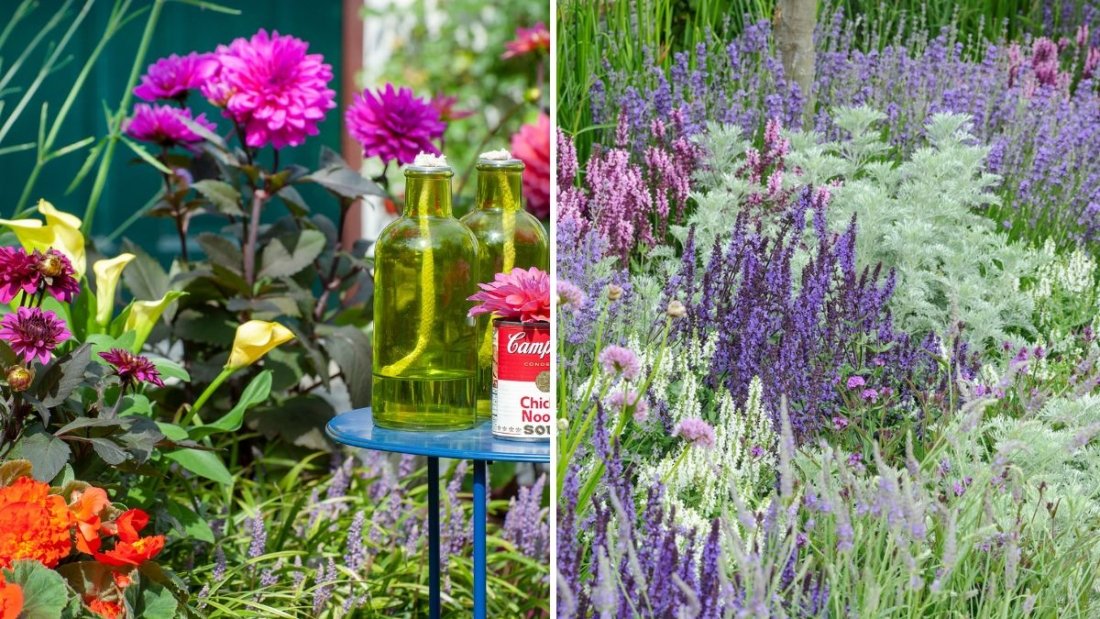
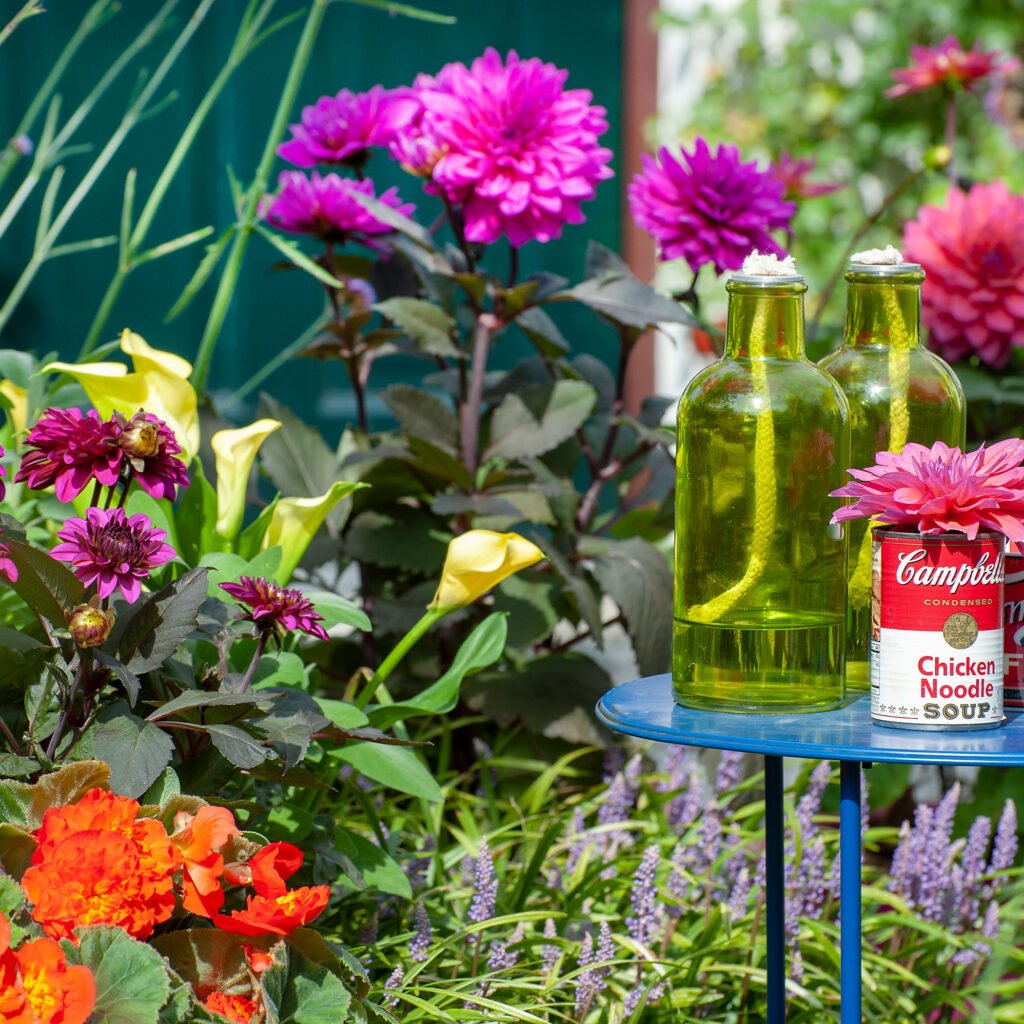
October gardens are a true feast for the eyes. As the air turns crisp and the days grow shorter, nature puts on one of its most dazzling displays—rich scarlets, golden yellows, deep purples, and fiery oranges seem to paint every corner of the landscape. But for gardeners, these seasonal changes also present a wonderful opportunity: creating intentional color schemes that harmonize with autumn’s natural palette.

Whether you want your garden to burst with vibrant contrasts or evoke a more soothing, unified feel, planning a thoughtful October color scheme can elevate your outdoor space from ordinary to spectacular. In this guide, we’ll explore how to choose colors, combine plants, and design layouts that maximize the beauty of your autumn garden.


Why Color Schemes Matter in Fall Gardens

Color isn’t just decoration—it’s a design tool that influences mood, highlights specific features, and sets the tone for your entire garden. By October, many summer plants are fading, so intentional color planning helps extend the season of beauty.

  • Emotional impact: Warm colors like orange and red energize and create coziness, while cooler hues like purple or blue calm the eye.
  • Cohesion: A coordinated color palette makes your garden look polished and thoughtfully designed.
  • Seasonal harmony: A well-planned scheme complements the natural hues of changing foliage and autumn skies.
  • Pollinator support: Bright late-season flowers, such as asters and goldenrod, provide nectar and keep your garden lively with bees and butterflies.

Step 1: Understand October’s Natural Palette

Nature itself offers a perfect starting point for October color schemes. Take cues from the foliage, sky, and even harvest produce around you:

  • Warm tones: Fiery reds, burnt oranges, amber yellows (inspired by maples, oaks, and pumpkins).
  • Earthy tones: Rich browns, bronzes, and burgundy shades (from fallen leaves and ornamental grasses).
  • Cool accents: Purples and blues (from asters, salvias, and autumn skies).
  • Neutrals: Whites, creams, and silvers (from chrysanthemums, dusty miller, or ornamental kale).

By embracing these seasonal colors, your garden will naturally feel like an extension of October’s landscape.


Step 2: Choose Your Design Approach

Before selecting plants, decide what overall “look” you want to achieve. Here are three popular approaches:

1. Monochromatic Elegance

Stick to one color family—for example, all shades of orange or deep purple. This creates a sophisticated, unified look that feels intentional. Plant marigolds, chrysanthemums, and pumpkin displays together for a glowing orange scheme.

2. Complementary Contrast

Pair colors opposite each other on the color wheel for bold, eye-catching results. Orange marigolds next to purple asters, or yellow goldenrod paired with deep violet salvia, create dynamic focal points.

3. Analogous Harmony

Choose colors that sit side by side on the color wheel, such as red, orange, and yellow. This approach mimics autumn foliage and creates a warm, cozy vibe.


Step 3: Select the Right Plants

Warm Tones (Red, Orange, Yellow)

  • Chrysanthemums: Available in almost every fall shade, perfect for pots or borders.
  • Marigolds: Vibrant oranges and yellows that last until frost.
  • Goldenrod: A native pollinator magnet with golden plumes.
  • Coneflowers (late-blooming varieties): Deep pinks and oranges extend well into October.

Cool Tones (Purple, Blue, Burgundy)

  • Asters: Prolific bloomers in purple and blue hues.
  • Russian Sage: Airy lavender-blue spikes soften bold warm colors.
  • Ornamental Kale: Provides bold purple foliage long after blooms fade.
  • Salvia: Deep purples that attract pollinators.

Neutral Accents (White, Silver, Green)

  • Dusty Miller: Silvery foliage contrasts beautifully with bold flowers.
  • White Mums: Crisp blooms brighten darker schemes.
  • Ornamental Grasses: Provide texture in soft tans, bronzes, and creams.

By mixing these groups, you can design balanced, dynamic displays that celebrate October’s full spectrum.


Step 4: Incorporate Non-Flower Elements

Plants aren’t the only way to build your October color scheme. Seasonal décor and structural elements can enhance and unify your design.

  • Pumpkins & Gourds: Add splashes of orange, green, or even white varieties like ‘Casper’ pumpkins.
  • Garden furniture & pots: Choose containers and accents that match or contrast with your chosen palette. For instance, terracotta pots amplify warm schemes, while black planters ground vibrant displays.
  • Foliage & bark: Don’t overlook trees and shrubs like burning bush (red foliage) or dogwood (bright stems).

These elements can be swapped or refreshed each season to keep your garden color scheme adaptable.


Step 5: Play with Layers and Textures

Color planning goes beyond simply selecting shades. The way you arrange and layer plants influences how the colors interact.

  • Height layering: Use tall plants like Joe-Pye weed or ornamental grasses at the back, mid-height blooms like mums in the middle, and low-growers like pansies or dusty miller in front.
  • Texture contrasts: Pair the bold, round blooms of chrysanthemums with the feathery plumes of ornamental grasses.
  • Focal points: Place your brightest or most contrasting plants near entrances, walkways, or seating areas for maximum impact.

The combination of color, height, and texture ensures your October garden feels dynamic and balanced.


Step 6: Extend the Color Into Late Fall

October often bridges vibrant early fall and the muted tones of November. To keep your color scheme lasting as long as possible:

  • Choose hardy plants: Asters, sedum, and ornamental kale thrive through light frosts.
  • Use evergreens: Shrubs like boxwood or holly provide green backdrops even after flowers fade.
  • Plan for succession: Layer early October bloomers (marigolds, goldenrod) with late October options (mums, kale) for continuous color.
  • Add lighting: String lights or lanterns highlight your color scheme as daylight hours shrink.

With these steps, your garden won’t lose its vibrancy the moment the first frost arrives.


Sample October Garden Color Schemes

Here are three ready-to-use palettes you can replicate in your garden:

Fiery Harvest (Warm & Bold)

  • Orange marigolds
  • Yellow goldenrod
  • Red chrysanthemums
  • Bronze ornamental grasses

Autumn Twilight (Cool & Dramatic)

  • Purple asters
  • Blue Russian sage
  • Burgundy ornamental kale
  • White chrysanthemums

Rustic Harmony (Natural & Balanced)

  • Red sedum ‘Autumn Joy’
  • Golden mums
  • Tan fountain grass
  • White pumpkins for accents

Each scheme can be customized with seasonal décor, container choices, and foliage backdrops.


Common Mistakes to Avoid

  • Too many colors at once: Avoid clutter—stick to 2–3 main hues with accents.
  • Ignoring foliage: Leaves and stems add as much to color design as flowers do.
  • Overcrowding plants: Give each flower space to shine and prevent disease.
  • Not planning for frost: Many summer annuals die off early in October—plan replacements ahead of time.

Final Thoughts

Planning your October garden color scheme is about more than just planting flowers—it’s about crafting an atmosphere that reflects the beauty of the season. By embracing nature’s warm tones, balancing them with cool or neutral accents, and layering plants with intention, you can transform your outdoor space into a vibrant autumn retreat.

Whether you prefer bold fiery displays, serene twilight hues, or rustic harmony, October offers endless opportunities for creative design. With a little planning, your garden will continue to glow with color and character long after summer has passed.

So grab your palette, mix your plants, and let October paint your garden in its most brilliant shades.

5 Autumn Flowers That Attract Pollinators

5 Autumn Flowers That Attract Pollinators

When most people think about pollinator-friendly flowers, their minds usually jump to spring and summer gardens filled with buzzing bees, fluttering butterflies, and darting hummingbirds. However, autumn gardens can be just as vital for these creatures. As the days shorten and temperatures cool, pollinators need a reliable food source to fuel their migration journeys or prepare for winter hibernation.

Planting fall-blooming flowers that attract pollinators ensures that your garden not only stays colorful well into the season but also provides essential nectar and pollen at a time when resources are dwindling. Below, we’ll explore five autumn flowers that are irresistible to pollinators and provide practical tips on how to grow and care for them.


1. Asters (Symphyotrichum spp.)

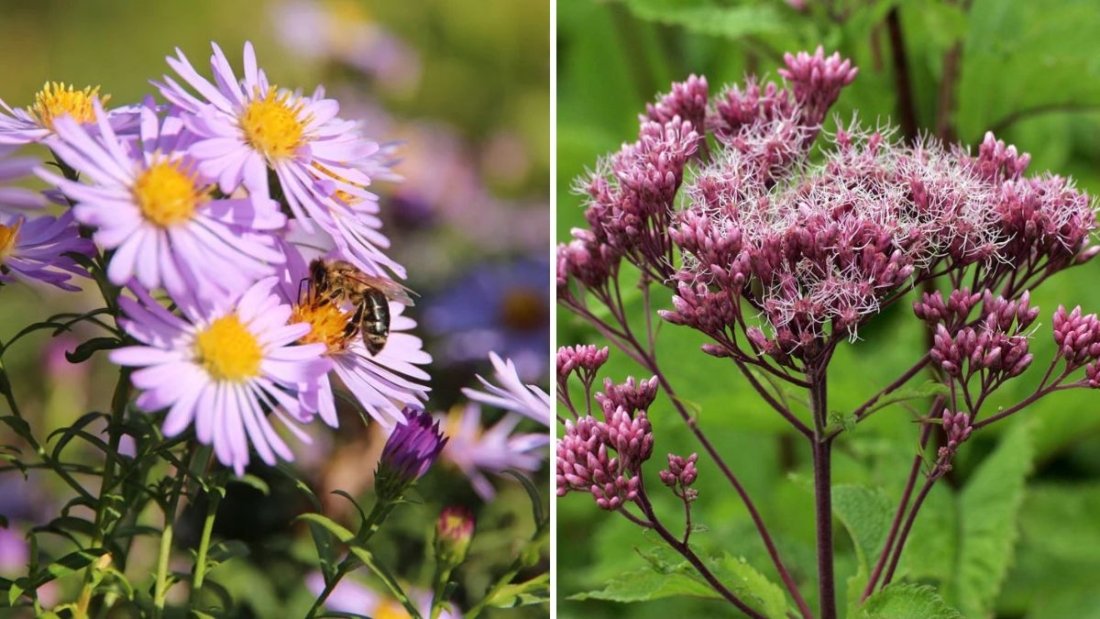
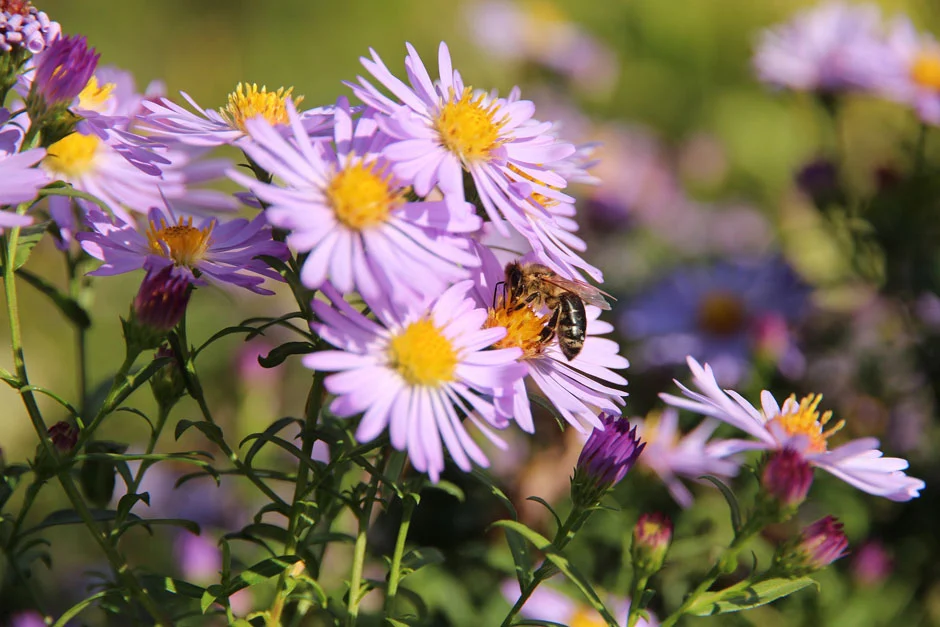
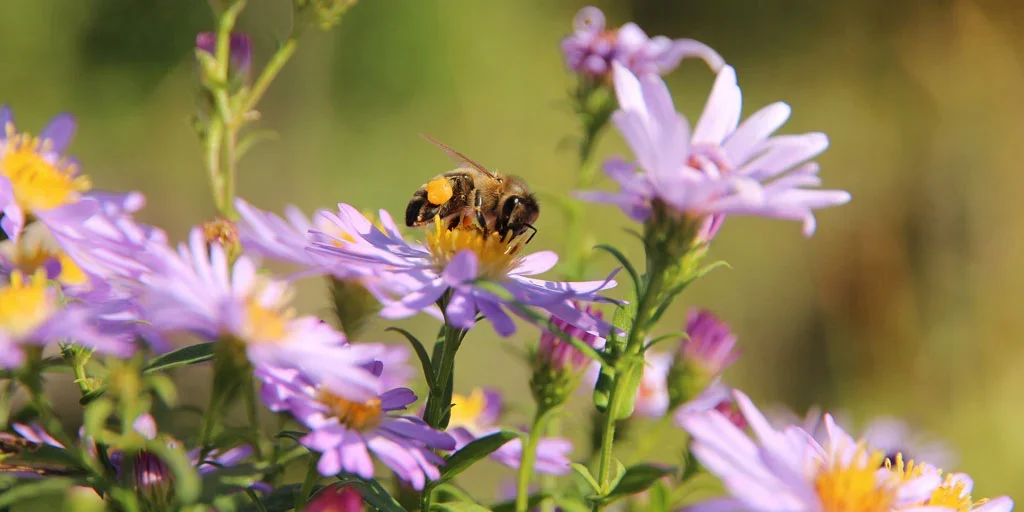
Few flowers embody autumn’s beauty like asters. With their daisy-like blooms in shades of purple, blue, pink, and white, asters are a magnet for bees, butterflies, and late-season hoverflies.

Why Pollinators Love Them

  • Nectar-rich blooms: Asters produce abundant nectar when many other plants have stopped flowering.
  • Butterfly favorite: Monarch butterflies rely heavily on asters during their fall migration.
  • Bee buffet: Both native bees and honeybees flock to asters in large numbers.

How to Grow Asters

  • Sunlight: Full sun to partial shade.
  • Soil: Well-draining soil, though asters adapt well to various soil types.
  • Planting tips: Space plants 1–3 feet apart to encourage airflow and prevent powdery mildew.
  • Maintenance: Deadhead spent blooms to prolong flowering; divide clumps every 2–3 years.

Asters not only feed pollinators but also add striking late-season color, especially when paired with ornamental grasses.


2. Goldenrod (Solidago spp.)

Goldenrod often gets unfairly blamed for autumn allergies, but ragweed is the real culprit. Far from being a nuisance, goldenrod is a powerhouse pollinator plant that bursts into golden-yellow plumes from late summer through fall.

Why Pollinators Love Them

  • Pollinator diversity: Supports over 100 species of butterflies and moths.
  • Nectar powerhouse: Provides fuel for migrating monarchs and late-season bees.
  • Specialist bees: Some native bees rely exclusively on goldenrod pollen.

How to Grow Goldenrod

  • Sunlight: Prefers full sun.
  • Soil: Thrives in dry to average soils.
  • Planting tips: Plant in drifts for the most visual impact and to create a pollinator hub.
  • Maintenance: Most varieties are low-maintenance, though some taller species may need staking.

Goldenrod is an essential plant for biodiversity, offering a lifeline for pollinators when other flowers fade.


3. Sedum (Hylotelephium spectabile, commonly known as “Autumn Joy”)

Sedum, especially the variety ‘Autumn Joy,’ is one of the best fall-blooming succulents. Its clusters of star-shaped flowers open in late summer and deepen in color from pale pink to rich burgundy as the season progresses.

Why Pollinators Love Them

  • Bees galore: Sedum blooms teem with honeybees, bumblebees, and solitary bees.
  • Butterfly attractor: Many butterfly species feast on sedum nectar.
  • Extended bloom time: Provides weeks of forage well into fall.

How to Grow Sedum

  • Sunlight: Full sun for best flowering.
  • Soil: Well-drained soil; drought-tolerant once established.
  • Planting tips: Perfect for rock gardens, borders, or containers.
  • Maintenance: Minimal care needed—cut back in late winter or early spring.

Sedum is both beautiful and practical: it thrives in challenging conditions and continues to nourish pollinators late into the season.


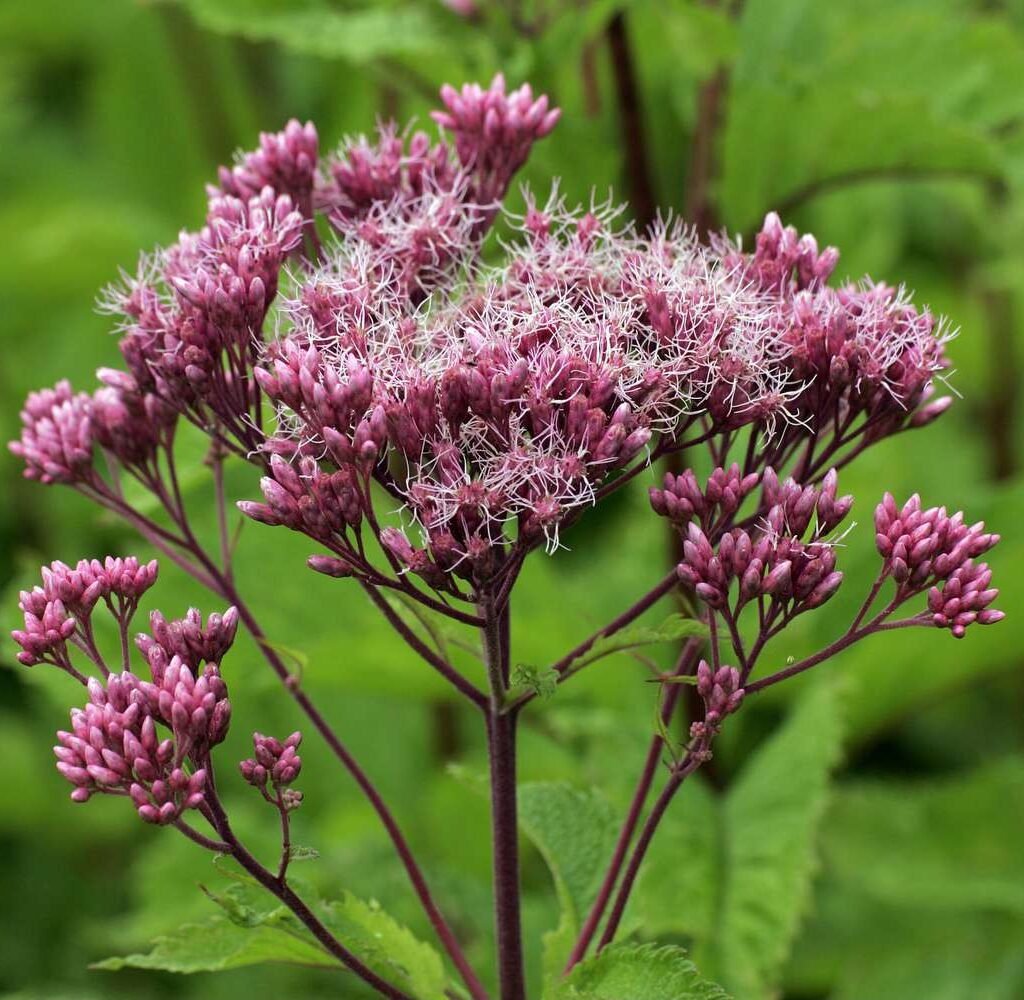
4. Joe-Pye Weed (Eutrochium purpureum)

A towering perennial that can reach 4–7 feet tall, Joe-Pye weed is a stunning addition to the fall pollinator garden. Its mauve-pink flower clusters bloom from late summer through early fall and are irresistible to butterflies.

Why Pollinators Love Them

  • Butterfly magnet: Swallowtails, monarchs, and painted ladies flock to its blooms.
  • Nectar-rich: Provides food for bees, moths, and even hummingbirds.
  • Tall stature: Creates a natural feeding station that attracts pollinators from a distance.

How to Grow Joe-Pye Weed

  • Sunlight: Prefers full sun but tolerates partial shade.
  • Soil: Moist, rich soil is ideal, though it adapts to average garden soil.
  • Planting tips: Excellent for the back of borders or naturalized areas.
  • Maintenance: Keep soil consistently moist; cut back stems in late winter.

Joe-Pye weed adds height and drama to fall gardens while supporting a wide array of pollinators.


5. Chrysanthemums (Chrysanthemum spp.)

No flower is more synonymous with autumn than chrysanthemums, or “mums.” While many hybrids are bred for looks rather than nectar, certain garden varieties are still valuable to pollinators.

Why Pollinators Love Them

  • Extended bloom: Chrysanthemums often flower late into autumn, bridging a food gap.
  • Bee-friendly varieties: Open-petaled types, such as daisy-like mums, are easier for pollinators to access.
  • Color diversity: Bright hues of red, orange, yellow, and pink attract foraging insects.

How to Grow Chrysanthemums

  • Sunlight: Full sun is best.
  • Soil: Well-draining, fertile soil.
  • Planting tips: Plant in spring for strong roots; space well to prevent disease.
  • Maintenance: Pinch back stems in early summer for bushier growth and more blooms.

With the right selection, chrysanthemums can keep your garden buzzing with activity even into the first frosts.


Tips for Creating a Pollinator-Friendly Autumn Garden

Adding these five flowers is just the beginning. To make your fall garden a true pollinator haven, consider these additional strategies:

  1. Plant in clusters: Large groupings of flowers make it easier for pollinators to find food.
  2. Choose diverse bloom shapes: Different pollinators prefer different flower types; variety ensures all needs are met.
  3. Avoid pesticides: Even “natural” sprays can harm bees and butterflies. Instead, rely on organic or integrated pest management methods.
  4. Leave some wild areas: Allow native plants, grasses, and seed heads to remain for overwintering insects.
  5. Provide water sources: Shallow dishes with pebbles or birdbaths can keep pollinators hydrated.

By combining thoughtful plant selection with pollinator-friendly practices, you’ll extend both your garden’s beauty and its ecological value well into autumn.


Final Thoughts

Autumn doesn’t have to mark the end of a pollinator’s paradise. With flowers like asters, goldenrod, sedum, Joe-Pye weed, and chrysanthemums, you can create a vibrant, buzzing garden that supports pollinators during one of the most critical times of year.

These fall bloomers not only offer essential nectar and pollen but also infuse your landscape with rich seasonal color. By planting them, you’re not just beautifying your outdoor space—you’re playing an important role in sustaining pollinator populations that ensure the health of ecosystems and future harvests.

So, as you plan your fall garden, remember: what blooms in autumn feeds the future.

How To Mix Fall Perennials for Maximum Color

How To Mix Fall Perennials for Maximum Color

When the days grow shorter and a crispness fills the air, many gardens begin to lose their summer vibrancy. Yet fall is far from a dull season. In fact, it can be one of the most spectacular times in the garden—if you know how to use the right plants. Perennials, with their resilience and recurring displays, are the backbone of a garden that thrives year after year. By mixing fall-blooming perennials thoughtfully, you can create a dazzling canvas of color, texture, and form that carries your landscape through the season’s end.

In this guide, we’ll explore how to mix fall perennials for maximum color, covering plant choices, design strategies, and care tips to keep your garden alive with brilliance well into autumn.


Why Focus on Fall Perennials?

Perennials are plants that return season after season, often becoming stronger and more abundant with time. While many people associate spring and summer with perennial blooms, fall perennials offer unique advantages:

  • Late-Season Color: When annuals fade, perennials like asters and goldenrod come alive.
  • Pollinator Support: Many fall perennials provide nectar and pollen for bees, butterflies, and other insects preparing for winter.
  • Low Maintenance: Once established, perennials require less care than seasonal annuals.
  • Longevity: They anchor the garden, providing structure and rhythm year after year.

Focusing on perennials in autumn ensures your garden has both continuity and seasonal drama.


Essential Fall-Blooming Perennials

To maximize color, start by selecting perennials that peak in autumn. Here are some standout choices:

1. Asters

With their daisy-like flowers in purples, blues, and pinks, asters brighten up borders and attract butterflies.

  • Bloom Time: Late summer to fall.
  • Height: 1–4 feet, depending on variety.
  • Best Uses: Borders, cottage gardens, pollinator gardens.

2. Sedum (‘Autumn Joy’ and others)

Sedum is a superstar in fall gardens, with fleshy leaves and large flower heads that deepen from pink to copper-red.

  • Bloom Time: Late summer through frost.
  • Height: 1–2 feet.
  • Best Uses: Mixed beds, rock gardens, pollinator havens.

3. Goldenrod (Solidago)

A native perennial, goldenrod produces sprays of bright yellow flowers that create a stunning contrast to autumn foliage.

  • Bloom Time: Late summer to early fall.
  • Height: 2–5 feet.
  • Best Uses: Naturalized plantings, meadow gardens, native landscapes.

4. Japanese Anemones

Elegant and airy, these perennials add a refined touch with soft pink or white blooms that sway on tall stems.

  • Bloom Time: Late summer into mid-fall.
  • Height: 2–4 feet.
  • Best Uses: Borders, woodland gardens, shaded edges.

5. Rudbeckia (Black-Eyed Susans)

Though often thought of as summer bloomers, rudbeckias continue into fall, offering golden petals with dark centers.

  • Bloom Time: Mid-summer through fall.
  • Height: 1–3 feet.
  • Best Uses: Mass plantings, pollinator beds, cut flowers.

6. Russian Sage (Perovskia atriplicifolia)

Tall, airy spikes of lavender-blue flowers give gardens a hazy effect and pair beautifully with warm autumn tones.

  • Bloom Time: Mid-summer to frost.
  • Height: 3–5 feet.
  • Best Uses: Focal points, mixed borders, drought-tolerant gardens.

Design Principles for Mixing Fall Perennials

Choosing plants is only part of the process. To truly maximize fall color, you need to layer and balance your perennials thoughtfully.

1. Play With Color Combinations

  • Warm Palette: Pair goldenrod, rudbeckia, and sedum for a fiery display of yellows, oranges, and reds.
  • Cool Palette: Mix asters, Russian sage, and Japanese anemones for calming blues, purples, and pinks.
  • Contrast for Drama: Combine purple asters with golden goldenrod or pair deep red sedum with white anemones.

2. Stagger Bloom Times

Select perennials that flower at slightly different times to extend the season. For instance:

  • Early fall: Rudbeckia and goldenrod.
  • Mid-fall: Asters and Japanese anemones.
  • Late fall: Sedum and Russian sage.

This ensures your garden always has something in bloom.

3. Layer Heights and Structures

Arrange plants by height for depth and dimension:

  • Back: Tall Russian sage or goldenrod.
  • Middle: Medium-height asters or Japanese anemones.
  • Front: Compact sedum or dwarf rudbeckias.

This layering prevents plants from shading one another while creating a tiered effect.

4. Add Texture and Form

Perennials offer more than flowers. Their foliage and seed heads also add visual interest:

  • Sedum’s fleshy leaves provide structure.
  • Russian sage’s airy stems add movement.
  • Asters’ dense clusters bring a bold splash of color.

Companion Plants for Extra Impact

While fall perennials stand strong on their own, pairing them with other seasonal plants enhances their beauty.

  • Ornamental Grasses: Fountain grass, switchgrass, and miscanthus add golden plumes and movement, complementing fall perennials.
  • Fall Annuals: Pansies, violas, or calendula fill gaps and add immediate color.
  • Shrubs: Hydrangeas, viburnum, or burning bush provide colorful backdrops with foliage and berries.

By blending perennials with these companions, you create a multi-layered garden that thrives well into autumn.


Care Tips for Long-Lasting Color

To ensure your fall perennials perform at their peak, proper care is essential:

  1. Deadheading: Remove spent blooms (except seed heads you want to leave for winter interest). This extends flowering and tidies the garden.
  2. Watering: Even in cooler weather, plants need consistent moisture—especially if rains are scarce.
  3. Fertilizing: Apply a balanced fertilizer in late summer to encourage strong late-season blooms.
  4. Mulching: Add mulch in early fall to regulate soil temperature and conserve moisture.
  5. Dividing: Fall is also a good time to divide overcrowded perennials like asters or rudbeckias to rejuvenate them for next year.

Extending Color Beyond Blooms

Color in a fall garden isn’t just about flowers. Think beyond petals to create year-round interest:

  • Foliage: Sedum and goldenrod offer striking foliage that changes shades in autumn light.
  • Seed Heads: Rudbeckia and coneflower seed heads provide texture and food for birds.
  • Stems: Russian sage’s silvery stems shine even after flowers fade.

Leaving some perennials standing also adds winter beauty, catching frost and snow for a sculptural effect.


Common Mistakes to Avoid

  1. Overcrowding: Too many perennials in one space compete for nutrients and diminish blooms.
  2. Ignoring Bloom Times: Planting perennials that all peak at once can leave gaps later in the season.
  3. Neglecting Pollinators: Avoid spraying pesticides in fall—your late-blooming perennials are vital for bees and butterflies.
  4. Cutting Back Too Soon: Resist the urge to cut everything down in fall; leaving some plants adds texture and supports wildlife.

Final Thoughts

Designing a fall garden with perennials is both an art and a science. By selecting the right plants—like asters, sedum, goldenrod, Japanese anemones, rudbeckia, and Russian sage—and mixing them with thoughtful attention to color, height, and bloom time, you can create a landscape that radiates energy and beauty until the first frost.

Fall perennials don’t just fill the garden with late-season color—they provide structure, ecological benefits, and enduring charm. With proper planning and care, your autumn garden will be anything but fleeting, becoming a vibrant celebration of the season’s unique palette.

When it comes to creating a garden that thrives year after year, the secret lies in knowing how to mix fall perennials for maximum color—and then letting nature reward you with a show that rivals even the brightest days of summer.

5 Annuals That Shine in Cooler Weather

5 Annuals That Shine in Cooler Weather

When the temperatures start to dip, many gardeners assume the colorful season has passed. Summer annuals like petunias, marigolds, and zinnias begin to fade as nights grow cooler, leaving beds and borders looking tired. But gardening in autumn doesn’t have to mean settling for dull landscapes. In fact, cooler weather brings the perfect opportunity to showcase annuals that thrive in crisp air, brightening your garden long after summer’s heat is gone.

These resilient flowers not only tolerate chilly nights but often bloom more vibrantly when the weather cools. In this article, we’ll explore five annuals that shine in cooler weather, along with tips on planting, care, and design ideas to keep your garden alive with color through fall.


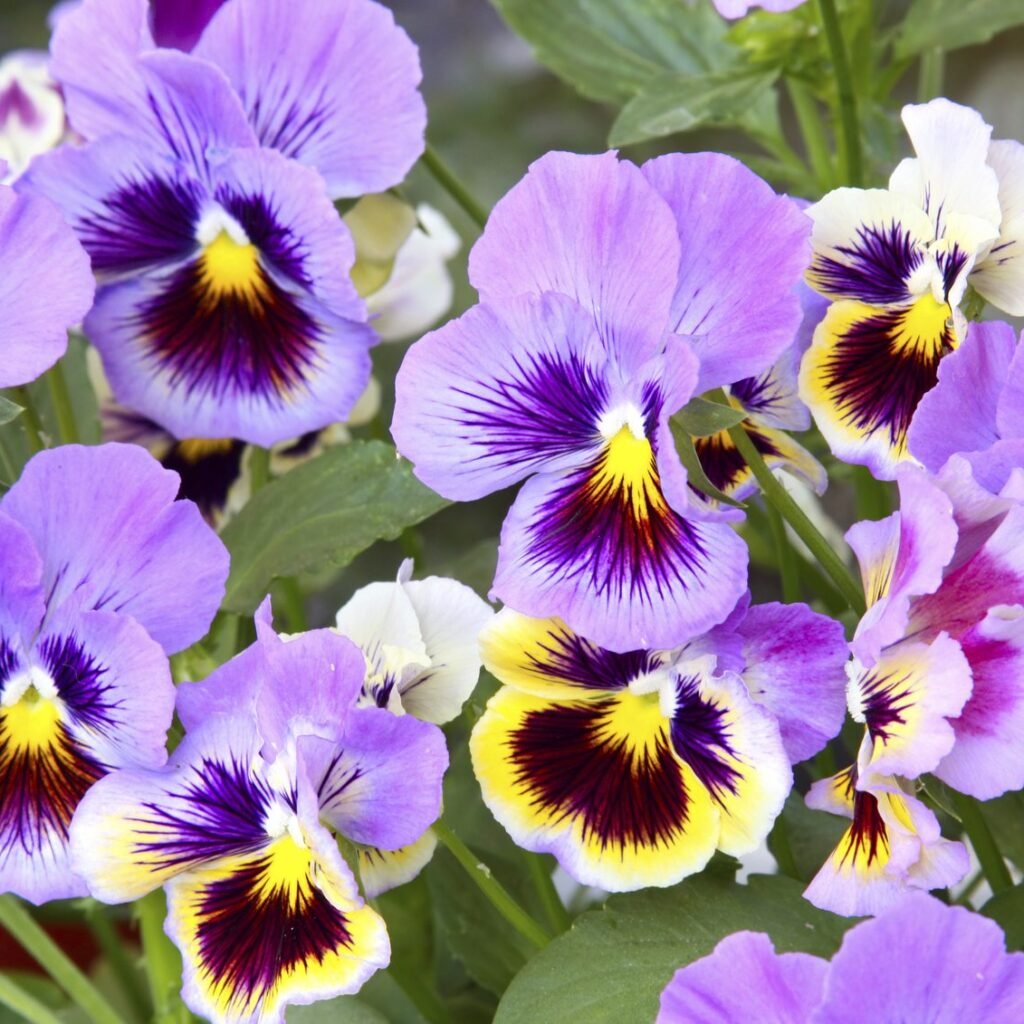
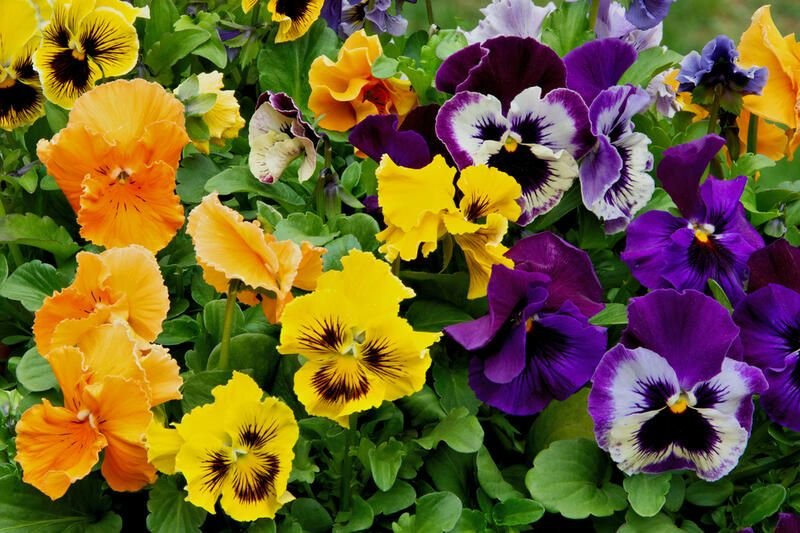
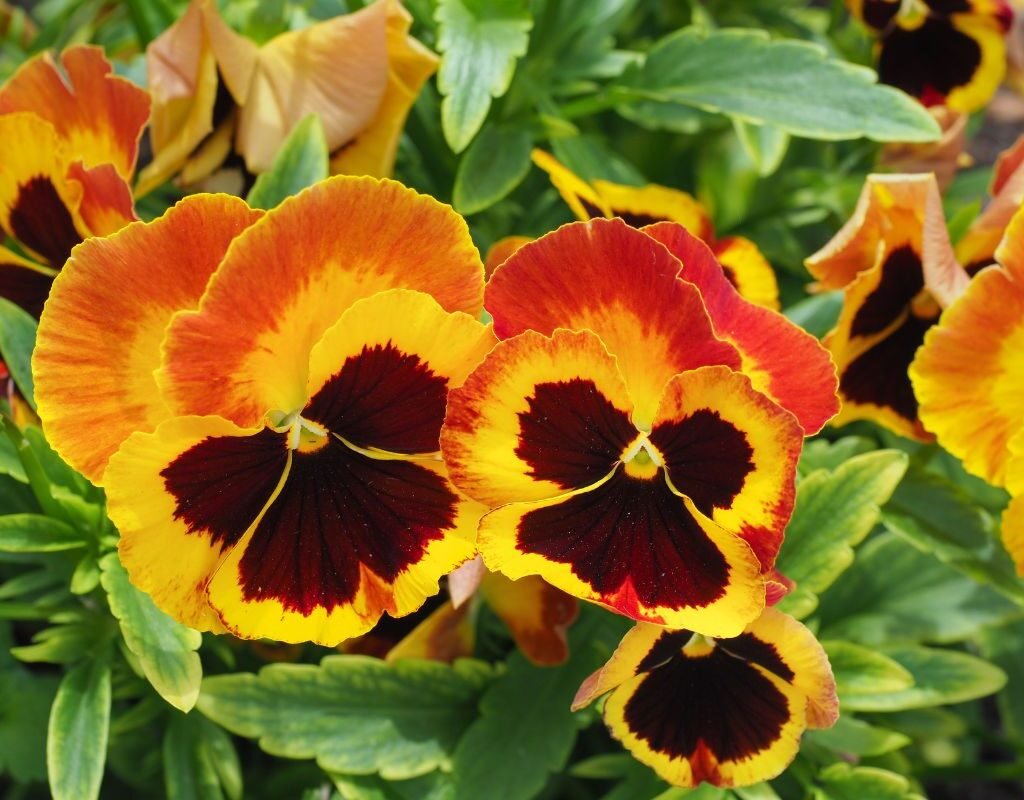
1. Pansies

Pansies are perhaps the most iconic cool-weather annual. With their cheerful “faces” and endless range of colors, they are a must-have for fall gardens.

Why They Shine:

  • Cold Hardiness: Pansies can tolerate light frosts, and in mild climates, they bloom all winter long.
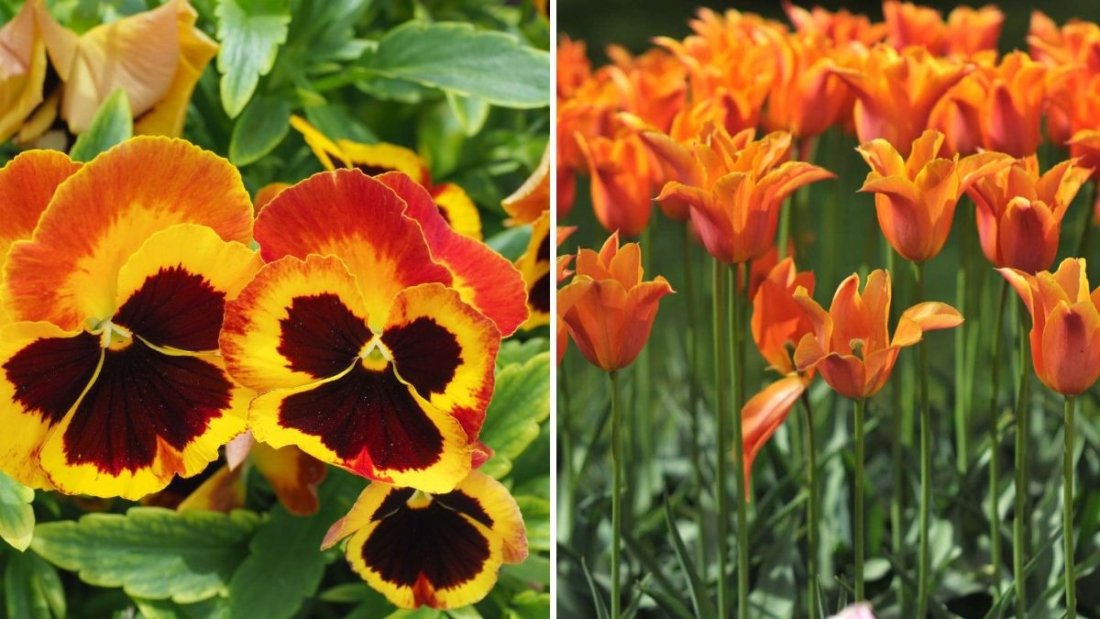
  • Color Variety: Available in purples, yellows, oranges, blues, whites, and even near-black, pansies add dramatic contrast against fading autumn foliage.
  • Compact Size: Perfect for edging beds, filling containers, or planting en masse for bold displays.

Growing Tips:

  • Sunlight: Full sun to partial shade works best.
  • Soil: Fertile, well-drained soil with plenty of organic matter.
  • Watering: Keep the soil evenly moist but avoid waterlogging.
  • Maintenance: Regular deadheading keeps blooms coming and prevents legginess.

Whether planted in a flower bed, hanging basket, or window box, pansies continue to bring a playful pop of color well into the cool season.


2. Violas

Closely related to pansies, violas are smaller but equally charming. Many gardeners prefer them for their profusion of blooms and resilience in cooler conditions.

Why They Shine:

  • Extended Blooming: Violas bloom earlier and last longer than pansies, thriving in both early spring and fall.
  • Delicate Charm: Their petite flowers blanket the ground with bright hues, creating a carpet-like effect.
  • Self-Seeding Ability: In some climates, violas reseed naturally, returning the next season with little effort.

Growing Tips:

  • Sunlight: They enjoy full sun but tolerate partial shade.
  • Soil: Rich, moist, and well-draining.
  • Watering: Keep consistently moist, especially during dry spells.
  • Maintenance: Deadhead regularly to prolong flowering, or let them reseed for naturalized growth.

Violas pair beautifully with ornamental cabbages and kale, bringing softness and texture to fall displays.


3. Snapdragons

Few flowers add as much height and structure to cool-season beds as snapdragons. Their spires of tubular blooms come in a wide array of colors, from soft pastels to bold reds and yellows.

Why They Shine:

  • Cool-Weather Preference: Snapdragons thrive in temperatures between 55–75°F (13–24°C), making them perfect for fall planting.
  • Pollinator-Friendly: Bees and butterflies are attracted to their unique flower shape.
  • Variety of Heights: Dwarf, medium, and tall varieties make snapdragons versatile for beds, borders, or cut-flower arrangements.

Growing Tips:

  • Sunlight: Full sun promotes the best blooms, though they tolerate light shade.
  • Soil: Well-draining with a slightly acidic to neutral pH.
  • Watering: Keep soil moist but not soggy, especially during establishment.
  • Maintenance: Pinch back young plants to encourage bushiness; deadhead spent blooms for continuous flowering.

Snapdragons shine when planted in rows along walkways or grouped with shorter annuals for layered visual impact.


4. Sweet Alyssum

Known for its delicate clusters of tiny flowers and honey-like fragrance, sweet alyssum is a cool-season favorite that adds charm to any garden.

Why They Shine:

  • Fragrance: Sweet alyssum fills the garden with a subtle, sweet scent, especially noticeable on cool evenings.
  • Low-Growing Habit: Perfect as a border plant, ground cover, or for spilling over the edges of containers.
  • Continuous Blooms: In cooler weather, it flowers prolifically, covering beds in a soft blanket of white, pink, or lavender.

Growing Tips:

  • Sunlight: Full sun to partial shade works well.
  • Soil: Prefers well-drained soil enriched with compost.
  • Watering: Needs regular moisture but can tolerate short dry spells once established.
  • Maintenance: Trim back lightly if plants become leggy to encourage fresh blooms.

Sweet alyssum is excellent for softening hard edges in the garden, creating a romantic, cottage-like feel.


5. Calendula (Pot Marigold)

Calendula is an underrated annual that thrives in cooler seasons and brings bold, sunny color to fall gardens.

Why They Shine:

  • Seasonal Resilience: Calendula prefers mild weather, flourishing in autumn’s cool days while struggling in summer’s heat.
  • Edible Blooms: Its bright orange and yellow petals are edible, often used in salads, teas, or as a garnish.
  • Long Bloom Season: With proper care, calendula flowers persist until the first hard frost.

Growing Tips:

  • Sunlight: Full sun is ideal, though they tolerate partial shade in warmer areas.
  • Soil: Well-draining with moderate fertility. Avoid over-fertilizing, which can reduce blooms.
  • Watering: Regular, even watering keeps plants lush and healthy.
  • Maintenance: Deadhead regularly to extend blooming, and collect seeds for replanting the following season.

Calendula adds a warm, cheerful glow to the fall garden and doubles as a useful herb in the kitchen.


Designing With Cool-Weather Annuals

Combining these five annuals can turn your fall garden into a living canvas:

  • Layer Heights: Use tall snapdragons in the background, medium-sized calendula in the middle, and low-growing pansies, violas, and sweet alyssum at the edges.
  • Play With Color: Pair the golden hues of calendula with the purples of violas and pansies for contrast, while sweet alyssum provides a soft, neutral backdrop.
  • Mix Textures: Combine the upright form of snapdragons with the trailing habit of alyssum for visual interest.
  • Container Gardens: All five annuals thrive in pots, making them excellent for patios, balconies, or front entryways.

By thoughtfully combining these plants, you can keep your garden lively and vibrant well into the cooler months.


Caring for Cool-Season Annuals

To make the most of these hardy flowers, follow these general care tips:

  • Mulch: Apply a light mulch layer to regulate soil temperature and retain moisture.
  • Fertilize: Use a balanced fertilizer every 4–6 weeks to keep blooms strong.
  • Deadhead: Removing spent flowers encourages continuous blooming.
  • Frost Protection: While many of these annuals tolerate light frosts, cover them with row covers or fabric if a hard freeze is expected.

These practices will extend your flowers’ performance, ensuring months of vibrant color.


Final Thoughts

Cool weather doesn’t mean the end of floral beauty—it’s an opportunity to enjoy a fresh palette of blooms that thrive in crisp air. Pansies, violas, snapdragons, sweet alyssum, and calendula are five annuals that shine when temperatures drop, offering color, fragrance, and resilience when your garden needs it most.

By planting these hardy favorites, you can create a garden that transitions gracefully from summer to fall, keeping borders, containers, and beds full of life. Whether you crave the playful faces of pansies, the sunny cheer of calendula, or the delicate fragrance of alyssum, cool-season annuals ensure your landscape remains a source of joy—even as the seasons change.

With just a little planning and care, your garden can shine as brightly in autumn’s cool embrace as it did in the height of summer.

How To Plant Fall Bulbs for a Colorful Spring

How To Plant Fall Bulbs for a Colorful Spring

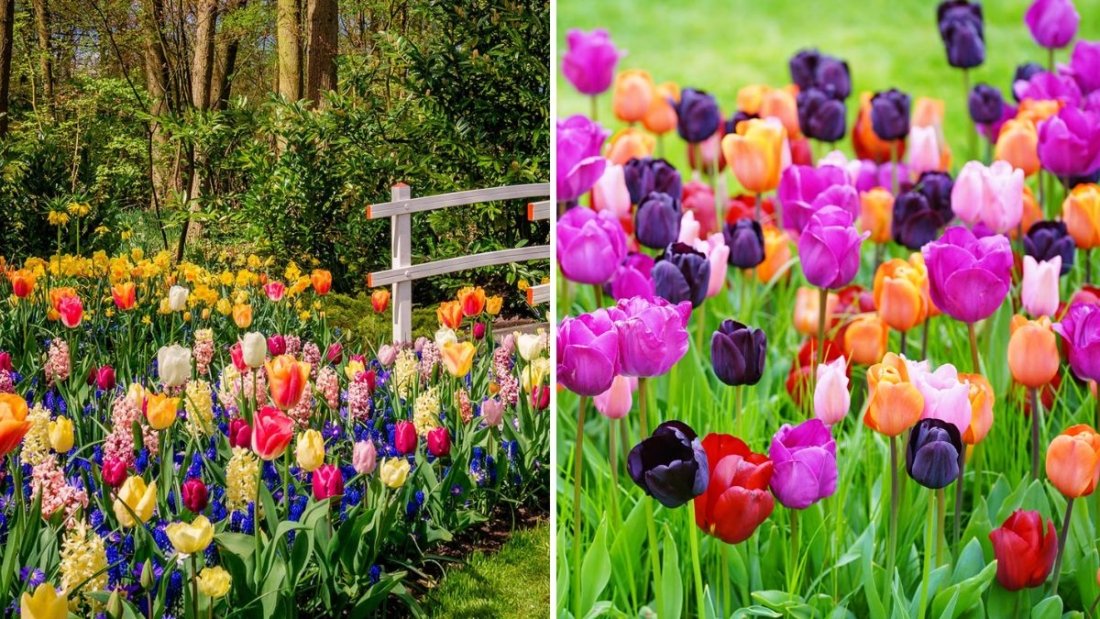
One of the greatest joys of gardening is the anticipation of what’s to come. Few things capture that spirit better than planting fall bulbs for spring blooms. By tucking bulbs into the soil during autumn, you set the stage for a dazzling display of tulips, daffodils, hyacinths, and other flowers that announce the arrival of spring with color and fragrance.
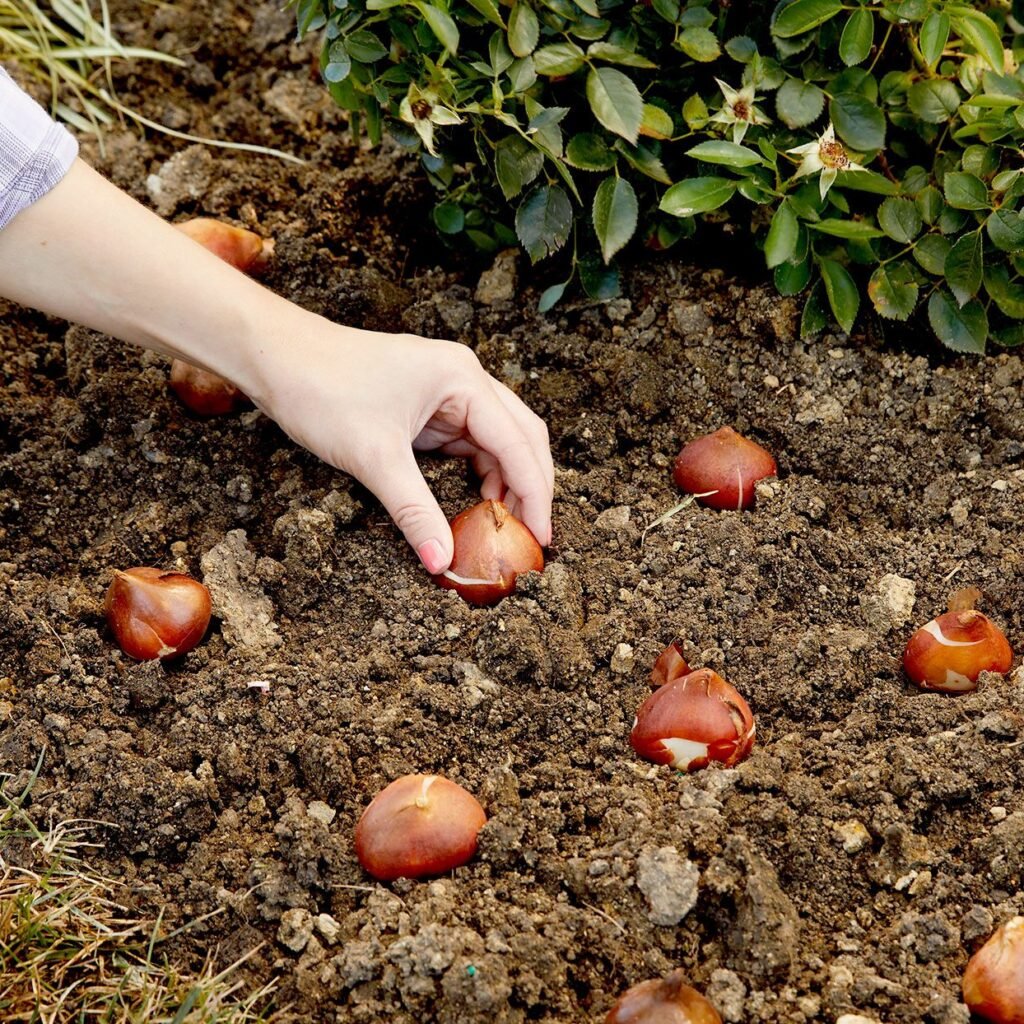
Planting bulbs in the fall is not just about filling your garden with beauty—it’s also about planning ahead, understanding soil conditions, and timing your efforts so that nature can do its magic over the winter. In this guide, you’ll learn everything you need to know about how to plant fall bulbs for a colorful spring.


Why Plant Bulbs in Fall?

Bulbs are storage organs packed with energy to produce flowers and foliage. Planting them in autumn allows bulbs to:

  • Establish Roots Before Winter: Cooler soil encourages root development, which ensures stronger growth in spring.
  • Benefit from Winter Chill: Many bulbs, such as tulips and hyacinths, need a chilling period to trigger flowering.
  • Take Advantage of Dormancy: During the cold months, bulbs rest underground, protected from harsh conditions, and prepare for spring growth.

If planted at the right time, bulbs reward you with vibrant flowers just as the gray days of winter give way to warmth.


Choosing the Right Bulbs

Not all bulbs are equal when it comes to creating a breathtaking spring garden. Here are some of the most popular fall-planted bulbs:

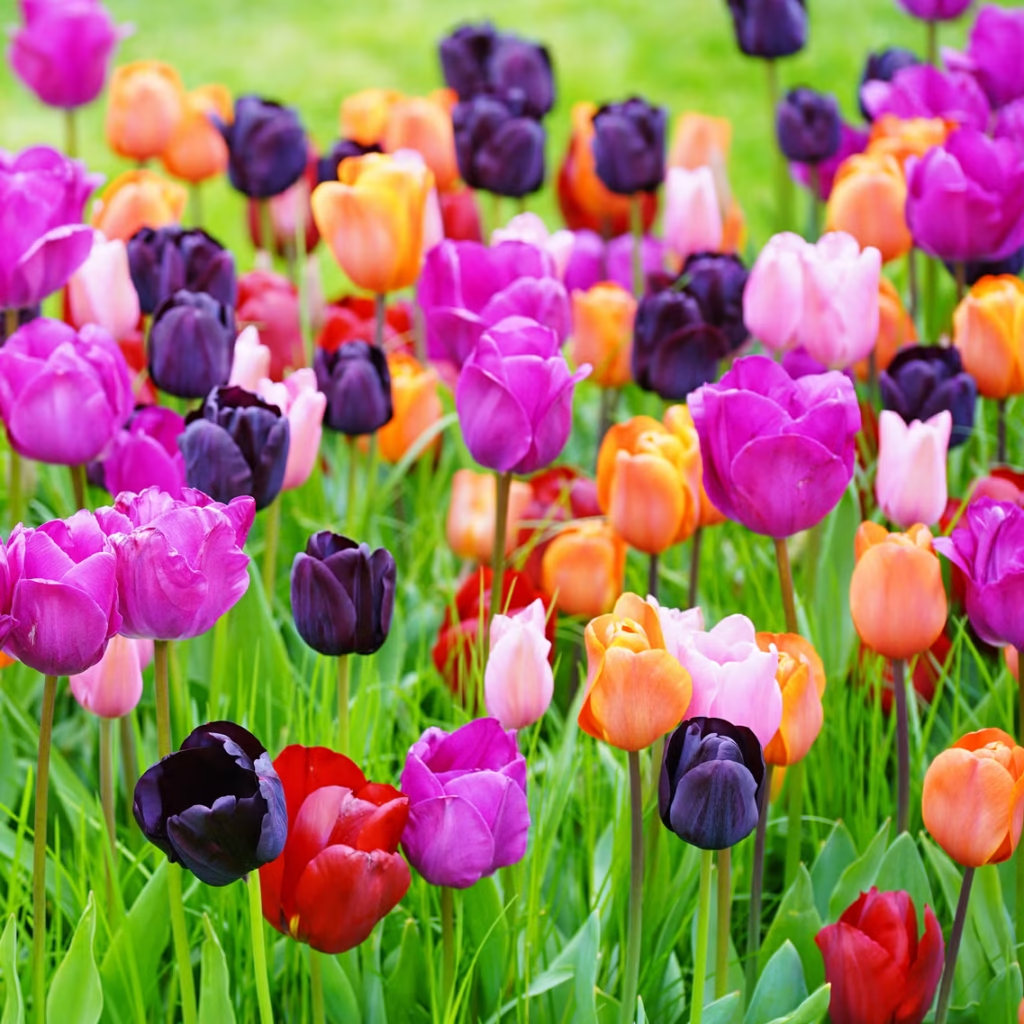
  • Tulips: Available in almost every color imaginable, tulips offer elegant blooms that suit formal and informal gardens.
  • Daffodils (Narcissus): Cheerful yellow or white flowers that are among the earliest to bloom, symbolizing spring’s arrival.
  • Hyacinths: Known for their intoxicating fragrance and dense flower spikes.
  • Crocuses: Small but striking flowers that often push through snow, adding early-season charm.
  • Alliums: Tall, globe-shaped blooms that make a dramatic statement in mid-to-late spring.

When selecting bulbs:

  • Look for firm, plump bulbs without mold, soft spots, or blemishes.
  • Choose larger bulbs for stronger flowers.
  • Consider bloom times (early, mid, late spring) to stagger flowering across the season.

Timing: When to Plant

The general rule is to plant bulbs in the fall, about 6–8 weeks before the ground freezes. This gives roots enough time to establish.

  • Cool-Climate Regions (Zones 3–5): Plant in September or early October.
  • Moderate Climates (Zones 6–7): Plant in October to November.
  • Warm Climates (Zones 8–10): Many bulbs require pre-chilling in the refrigerator (6–10 weeks) before planting in late fall or early winter.

The soil temperature should be below 15°C (60°F) but not yet frozen.


Preparing the Soil

Healthy soil is key to successful bulb growth. Here’s how to prepare it:

  1. Choose a Sunny Location: Most spring-blooming bulbs thrive in full sun, though some tolerate light shade.
  2. Ensure Good Drainage: Bulbs rot easily in soggy soil. If your soil is heavy clay, amend it with compost, sand, or peat moss. Raised beds or slopes also help.
  3. Enrich the Soil: Work in organic matter such as compost or well-rotted manure. A slow-release bulb fertilizer can also boost early growth.

Think of soil as a bulb’s foundation—the better prepared it is, the more spectacular your blooms will be.


Planting Depth and Spacing

The golden rule for bulb planting is “three times as deep as the bulb is tall.”

  • Tulips and Daffodils: Plant 6–8 inches deep.
  • Hyacinths: Plant 5–6 inches deep.
  • Crocuses: Plant 3–4 inches deep.
  • Alliums: Plant 6–8 inches deep.

Spacing:

  • Larger bulbs (tulips, daffodils): 4–6 inches apart.
  • Smaller bulbs (crocuses, grape hyacinths): 2–3 inches apart.

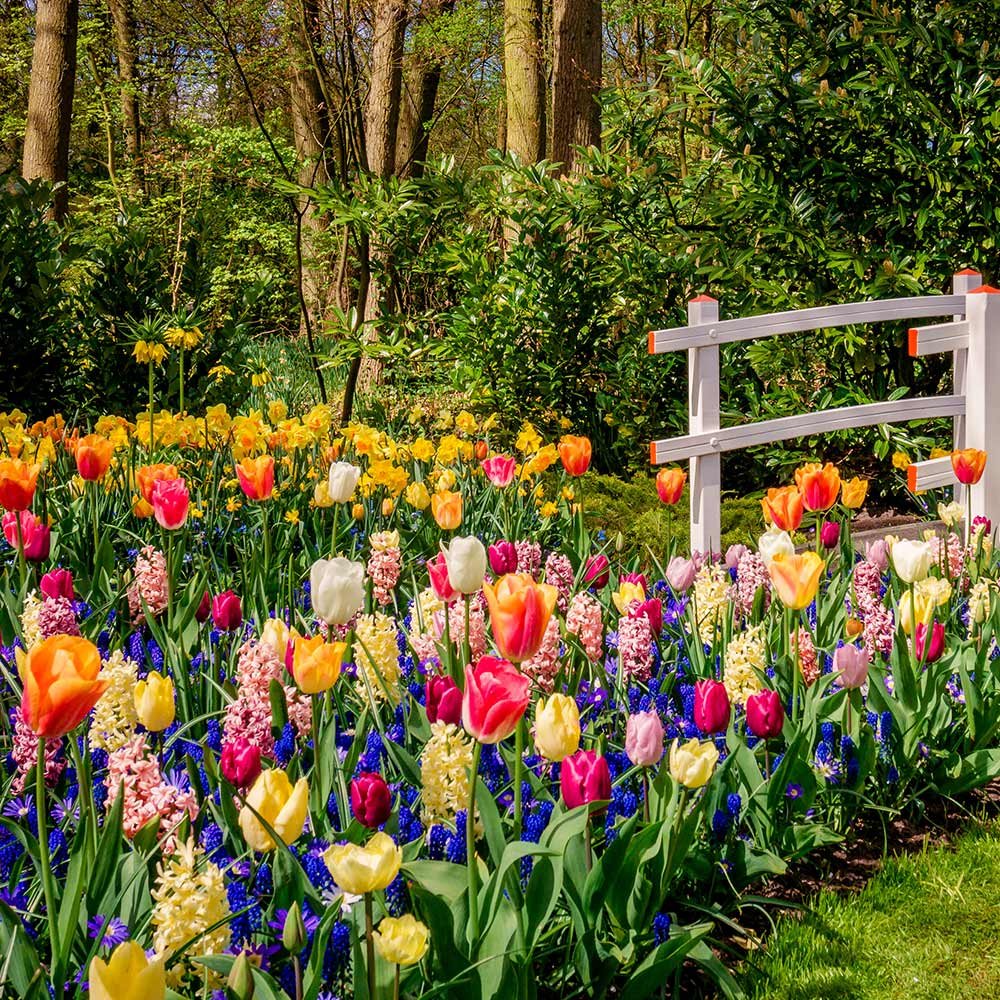
Bulbs look best when planted in groups or clusters rather than single rows. Naturalized drifts of bulbs mimic how they grow in the wild and create a more impressive display.


Step-by-Step Guide to Planting Fall Bulbs

  1. Plan Your Layout: Decide whether you want neat rows, clusters, or naturalized drifts.
  2. Dig the Hole or Trench: Use a trowel, bulb planter, or shovel, depending on the size and number of bulbs.
  3. Loosen Soil at the Bottom: Break up compacted soil to encourage root growth.
  4. Add Fertilizer (Optional): A bulb-specific fertilizer can be mixed into the soil at the bottom of the hole.
  5. Place Bulbs Right Side Up: The pointed end faces upward, while the flatter root side faces down.
  6. Backfill with Soil: Cover bulbs with soil and gently firm it down to remove air pockets.
  7. Water Thoroughly: This helps settle the soil and initiate root growth.

Once planted, bulbs can be mulched with straw, shredded leaves, or bark to regulate soil temperature and moisture.


Aftercare Through Winter

Though bulbs require little maintenance during winter, a few steps ensure success:

  • Mulching: A 2–3 inch layer of mulch insulates bulbs from temperature fluctuations.
  • Protection from Rodents: Squirrels and voles sometimes dig up bulbs. To prevent this, cover planting areas with chicken wire before mulching.
  • Avoid Overwatering: Excess moisture causes rot. Allow nature’s rainfall to provide most of the hydration.

Bulbs remain dormant through the cold months, silently preparing for spring’s burst of growth.


Encouraging Strong Spring Blooms

When spring arrives, you’ll want your bulbs to shine. Here are tips to maximize their performance:

  • Fertilize in Spring: As shoots appear, apply a balanced fertilizer to encourage healthy blooms.
  • Deadhead Spent Flowers: This prevents the plant from using energy on seed production.
  • Leave the Leaves: Allow foliage to die back naturally, as it feeds the bulb for next year’s blooms. Don’t cut back green leaves prematurely.
  • Water During Dry Spells: While spring is often rainy, supplemental watering may be needed in dry periods.

Common Mistakes to Avoid

  1. Planting Too Shallow: Shallow planting leads to weak stems and poor flowering.
  2. Overcrowding: Bulbs need space to grow; overcrowding reduces bloom size.
  3. Planting in Wet Soil: Poor drainage causes bulbs to rot before they flower.
  4. Cutting Leaves Too Soon: Removing leaves early deprives bulbs of essential nutrients for the next season.

Avoiding these pitfalls ensures your bulb garden thrives year after year.


Creative Planting Ideas

  • Layering (Lasagna Planting): Plant bulbs at different depths in the same hole—large bulbs like tulips deep, then daffodils, then smaller crocuses on top. This creates successive waves of blooms in spring.
  • Mixing Bulbs with Perennials: Plant bulbs among hostas, daylilies, or ornamental grasses. As bulb foliage dies back, perennials fill the space.
  • Naturalizing Lawns: Scatter crocus or daffodil bulbs across grassy areas for a meadow-like effect.
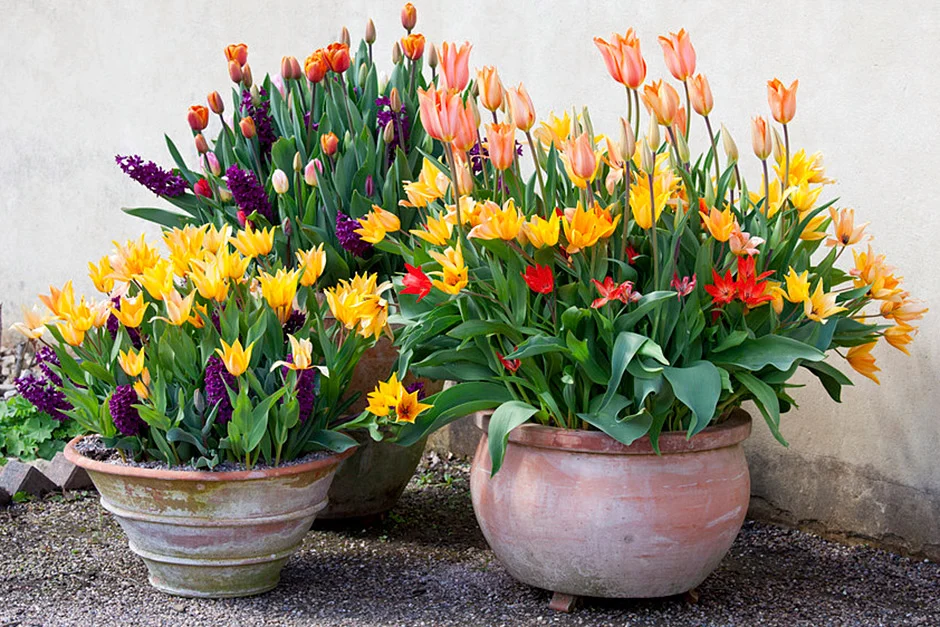
  • Containers: Plant bulbs in pots for patios and balconies. Containers can be moved to prominent spots when blooming.

These strategies add layers of interest and extend your garden’s seasonal beauty.


Final Thoughts

Planting fall bulbs is an act of hope and patience. By investing a little effort in autumn, you guarantee a colorful, joyful spring filled with tulips, daffodils, hyacinths, crocuses, and more. From preparing the soil to protecting bulbs through winter, every step contributes to the final spectacle of blooms.

The beauty of bulb gardening is its reliability—once planted, bulbs return year after year, often multiplying and spreading naturally. Whether you’re designing neat rows along a walkway or creating a naturalized meadow, fall bulbs bring life, fragrance, and color to the spring garden.

By following the steps outlined in this guide, you’ll not only learn how to plant fall bulbs for a colorful spring, but you’ll also cultivate a timeless garden tradition that bridges seasons and rewards your patience with unforgettable beauty.

5 Flowers That Brighten Autumn Gardens

5 Flowers That Brighten Autumn Gardens

Autumn is often seen as the season of fading blooms, when summer’s vibrant colors give way to muted tones and falling leaves. Yet, a well-planned garden doesn’t have to lose its charm once the cooler months arrive. In fact, autumn offers its own stunning palette of flowers that bring warmth, richness, and energy to the landscape. By choosing the right species, you can ensure your garden remains lively and colorful even as the days grow shorter.

In this article, we’ll explore five flowers that brighten autumn gardens. Each one not only thrives in cooler weather but also enhances the seasonal beauty with unique colors, textures, and resilience.


1. Chrysanthemums (Mums)

Few flowers are as synonymous with fall as chrysanthemums, affectionately called mums. They are the ultimate stars of autumn gardens, offering a burst of color just when most other blooms fade.

Why They Shine in Autumn:

  • Color Variety: Mums come in a wide spectrum—from fiery reds and oranges to golden yellows, purples, and even soft whites.
  • Cold Tolerance: They withstand cooler nights with ease, making them reliable bloomers deep into the season.
  • Extended Bloom Period: With proper care, they flower for weeks, brightening patios, borders, and containers.

Growing Tips:

  • Sunlight: Plant mums in full sun for the best blooms.
  • Soil: They thrive in well-drained soil enriched with compost.
  • Watering: Keep soil consistently moist but not soggy.
  • Maintenance: Pinch back growth in summer to encourage bushier plants with more flowers in autumn.

Chrysanthemums are often used to frame walkways, decorate porch steps, or enhance garden borders. Their bold and cheerful colors ensure your outdoor space stays vibrant as temperatures drop.


2. Asters

If you want a flower that looks delicate yet thrives in autumn’s crisp air, asters are a perfect choice. Their star-shaped blooms add a whimsical touch and often attract pollinators late in the season.

Why They Shine in Autumn:

  • Late-Season Pollinator Magnet: Asters are one of the last sources of nectar for bees and butterflies before winter.
  • Seasonal Colors: They come in cool shades of lavender, violet, blue, and pink, providing a beautiful contrast to autumn’s warm foliage tones.
  • Long Bloom Period: Depending on the variety, asters can bloom from late summer through early frost.

Growing Tips:

  • Sunlight: Plant in full sun, though they tolerate partial shade.
  • Soil: Well-drained soil is essential; avoid overly wet areas.
  • Spacing: Asters can spread, so give them room to grow without crowding.
  • Maintenance: Deadhead to encourage continued blooms and cut back after frost to tidy the garden.

Asters work beautifully in cottage-style gardens, mixed borders, and naturalized areas. Their dainty blossoms add softness and charm when most gardens are losing vibrancy.


3. Sedum (Stonecrop)

For gardeners seeking a low-maintenance plant that thrives in autumn, sedum is an excellent choice. These hardy perennials feature fleshy, succulent-like leaves topped with dense clusters of flowers that glow in the fall light.

Why They Shine in Autumn:

  • Resilient Blooms: Sedum flowers appear in late summer and deepen in color as autumn progresses.
  • Color Range: They transition from soft pink to rich burgundy or copper, echoing autumn foliage.
  • Drought Tolerance: Perfect for low-water gardens, sedum handles dry conditions well.

Growing Tips:

  • Sunlight: Sedum prefers full sun but tolerates partial shade.
  • Soil: They thrive in sandy, well-draining soil.
  • Watering: Minimal watering is needed—avoid overwatering.
  • Pruning: Cut back in late winter or early spring to refresh growth.

Varieties like Sedum ‘Autumn Joy’ are especially popular, forming striking mounds that serve as focal points in garden beds. Sedum also complements ornamental grasses beautifully, creating a natural, textured look.


4. Japanese Anemones

For a touch of elegance in the fall garden, Japanese anemones are hard to beat. Their tall stems and graceful blooms seem to dance in the autumn breeze, bringing movement and delicacy to the landscape.

Why They Shine in Autumn:

  • Seasonal Elegance: Their soft pink, white, or purple petals add a refined contrast to the fiery tones of autumn leaves.
  • Height and Structure: They grow tall (2–4 feet), creating layers and dimension in borders.
  • Extended Blooming: These flowers bloom from late summer well into October, depending on the climate.

Growing Tips:

  • Sunlight: Best in partial shade, especially in hot climates.
  • Soil: Moist but well-draining soil enriched with organic matter.
  • Maintenance: Divide clumps every few years to prevent overcrowding.
  • Support: Tall varieties may need staking to withstand autumn winds.

Japanese anemones pair beautifully with shrubs and late-blooming perennials, softening the garden with their graceful presence.


5. Pansies

Often thought of as spring flowers, pansies are surprisingly tough and thrive in autumn’s cooler conditions. Their cheerful “faces” add playfulness to garden beds, borders, and containers.

Why They Shine in Autumn:

  • Cold Hardiness: Pansies can withstand light frost, keeping gardens colorful well into late fall.
  • Vibrant Patterns: They offer bold combinations of purple, yellow, blue, orange, and even black.
  • Compact Size: Perfect for edging walkways, filling containers, or planting en masse.

Growing Tips:

  • Sunlight: Full sun to partial shade works best.
  • Soil: Fertile, well-drained soil with organic amendments.
  • Watering: Keep soil evenly moist for continuous blooms.
  • Maintenance: Regular deadheading prolongs flowering.

Pansies are especially useful for brightening porches and patios during the transitional months, when other plants have begun to fade.


Designing an Autumn Garden with These Flowers

While each of these five flowers is beautiful on its own, combining them creates a truly dazzling autumn display. Here are a few design ideas:

  • Color Harmony: Pair warm-toned chrysanthemums and sedum with the cool purples of asters for balance.
  • Height Variety: Use tall Japanese anemones as a backdrop, medium-sized mums in the middle, and low pansies at the edges.
  • Pollinator-Friendly Planting: Group asters and sedum to provide a last feast for pollinators.
  • Container Gardening: Mix mums, pansies, and sedum in decorative pots for patios and entryways.

With thoughtful planning, your garden can glow with just as much life and color in autumn as it does in spring or summer.


Final Thoughts

Autumn doesn’t have to signal the end of your garden’s beauty. With the right flowers—chrysanthemums, asters, sedum, Japanese anemones, and pansies—your outdoor spaces can remain vibrant, textured, and full of life even as the leaves turn and temperatures cool. These resilient, colorful blooms prove that fall is not merely a season of decline but one of renewal and quiet brilliance.

By planting these five flowers, you’ll not only brighten your garden but also celebrate autumn’s unique charm, ensuring your landscape remains a source of joy right up until winter’s first frost.