A Beginner’s Guide to Growing Cilantro

A Beginner’s Guide to Growing Cilantro

Cilantro, also known as coriander (Coriandrum sativum), is one of the most versatile herbs used in kitchens around the world. From fresh salsa and curries to soups and salads, this fragrant green herb adds a burst of flavor to countless dishes. The best part? Cilantro is surprisingly easy to grow at home, even for beginners.

If you’ve ever wanted to enjoy a constant supply of fresh cilantro from your own garden, balcony, or windowsill, this guide will walk you through everything you need to know—from planting and care to harvesting and troubleshooting common problems.


Why Grow Cilantro?

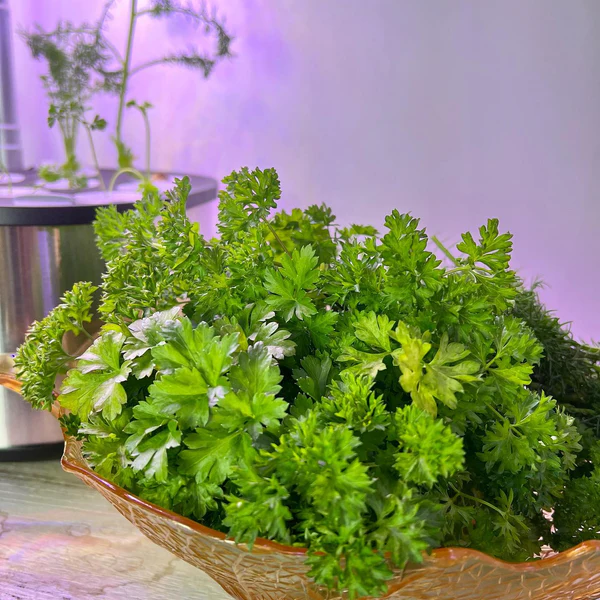
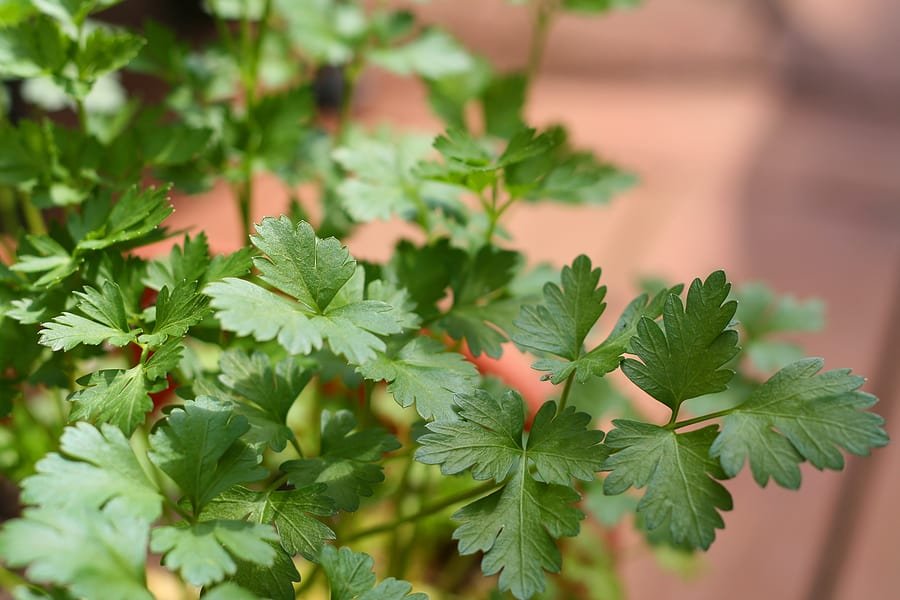
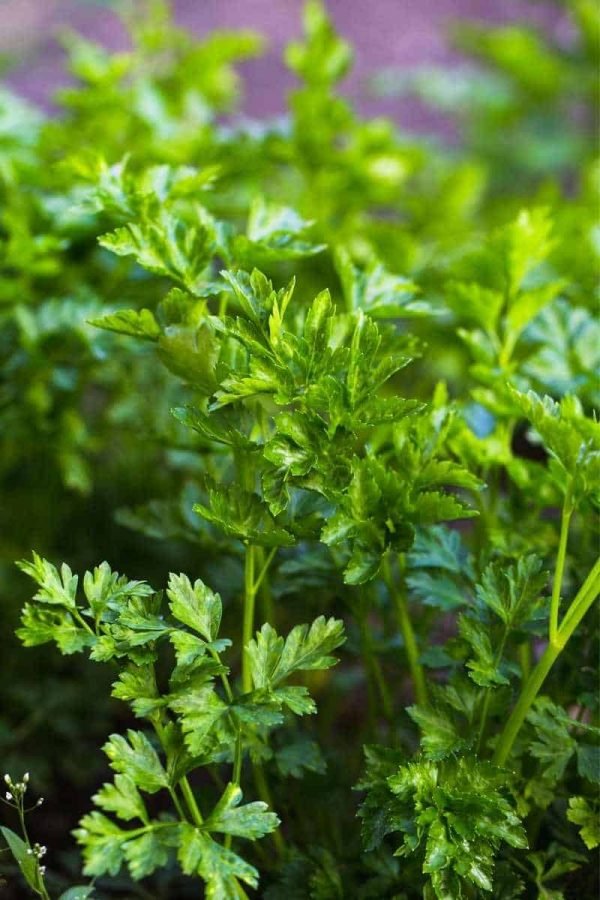
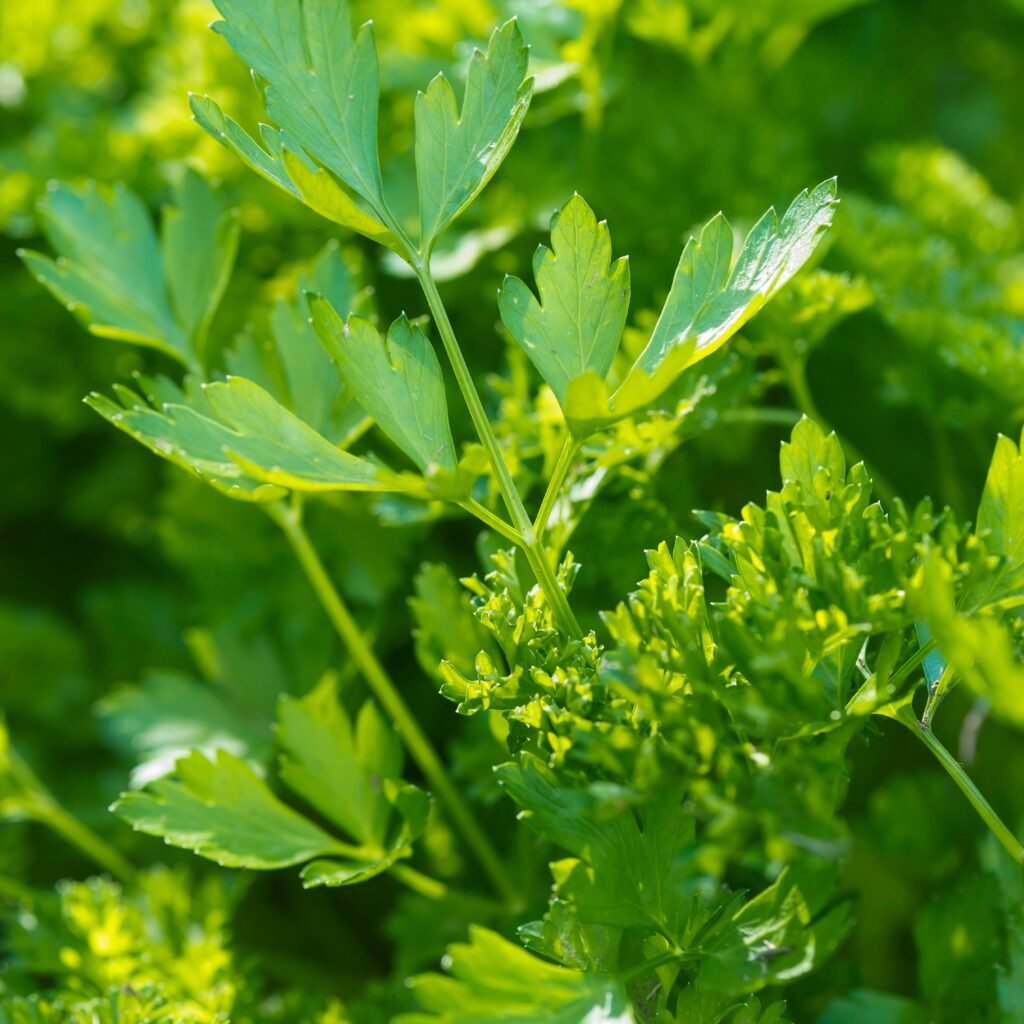
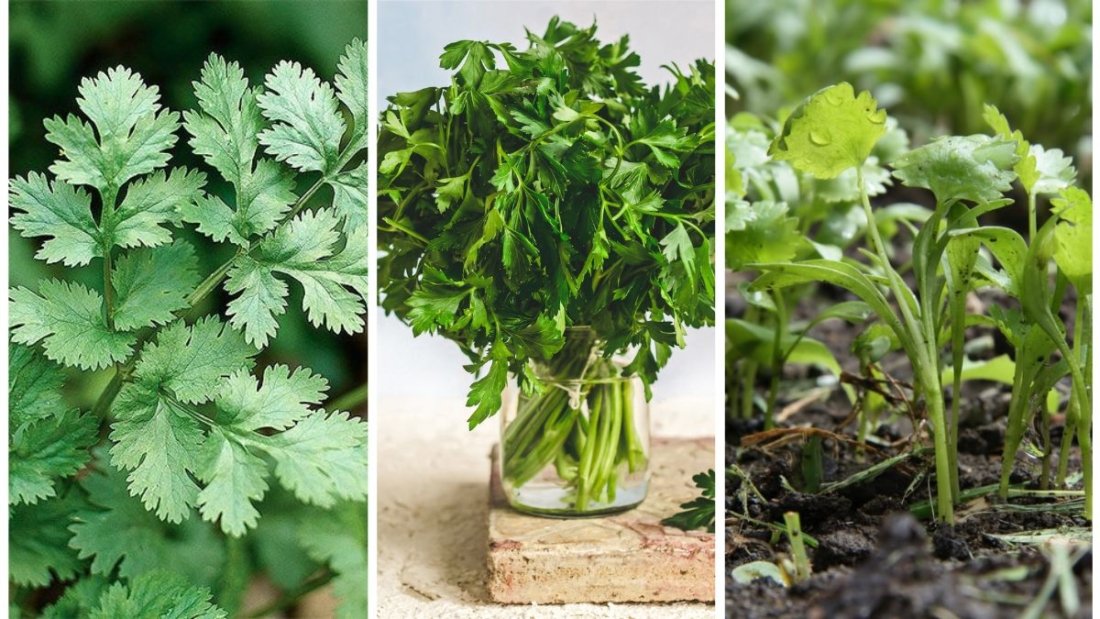
Bunch of fresh parsley in jar

Before diving into the practical steps, it’s worth highlighting why cilantro is a great addition to your home garden:

  • Flavorful and versatile – Adds fresh, citrusy flavor to a wide range of dishes.
  • Dual harvest – Both leaves (cilantro) and seeds (coriander) are edible.
  • Fast-growing – You can harvest leaves within a few weeks of planting.
  • Health benefits – Rich in vitamins A, C, and K, antioxidants, and essential minerals.
  • Easy to grow – Thrives in small spaces, containers, and even indoors.

Choosing the Right Cilantro Variety
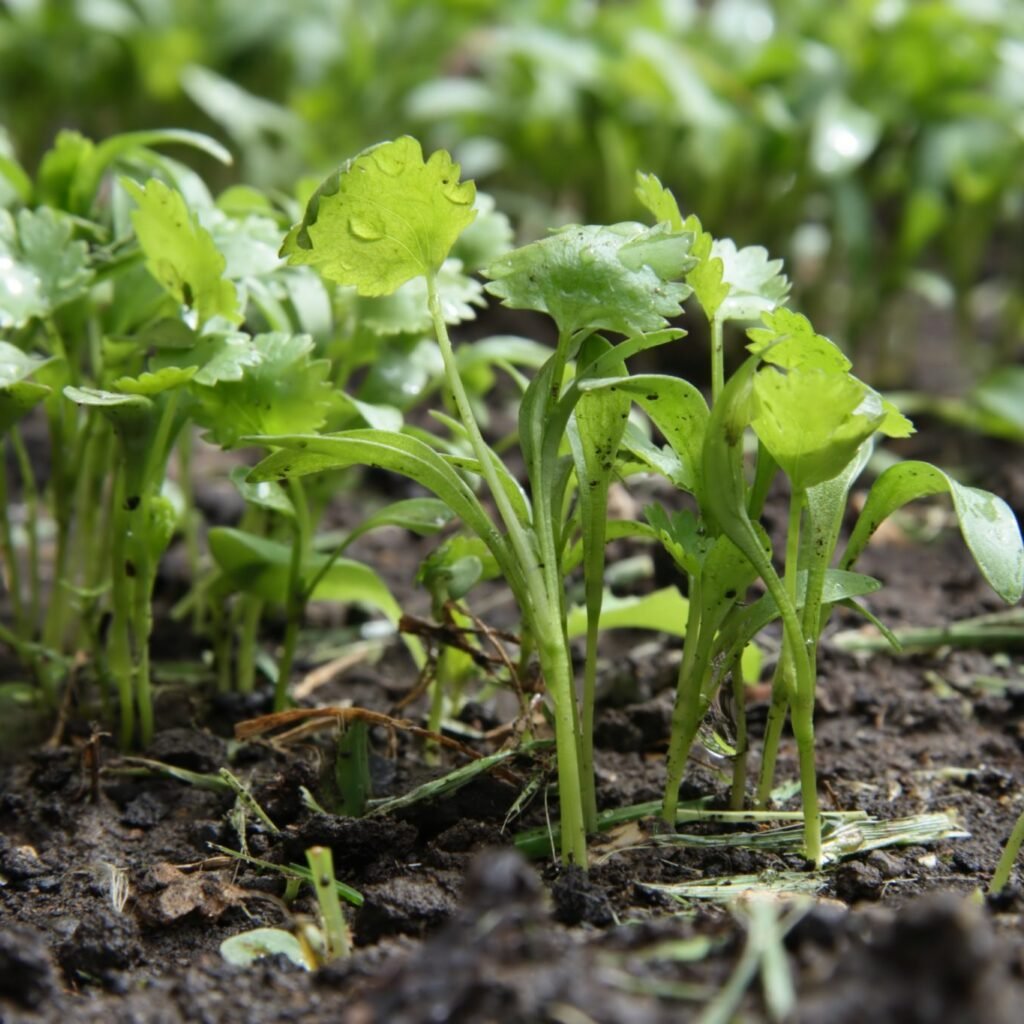
While cilantro is generally grown from the same plant species, there are different varieties worth considering:

  1. Santo – Slow-bolting variety that resists going to seed too quickly. Great for beginners.
  2. Leisure – Another slow-bolting type, ideal for continuous leaf harvest.
  3. Calypso – Known for producing abundant foliage and resisting heat.
  4. Coriander (seed harvest) – Some gardeners grow cilantro specifically for its seeds, which are used as a spice.

For beginners, slow-bolting varieties like Santo or Leisure are highly recommended.


Best Growing Conditions for Cilantro
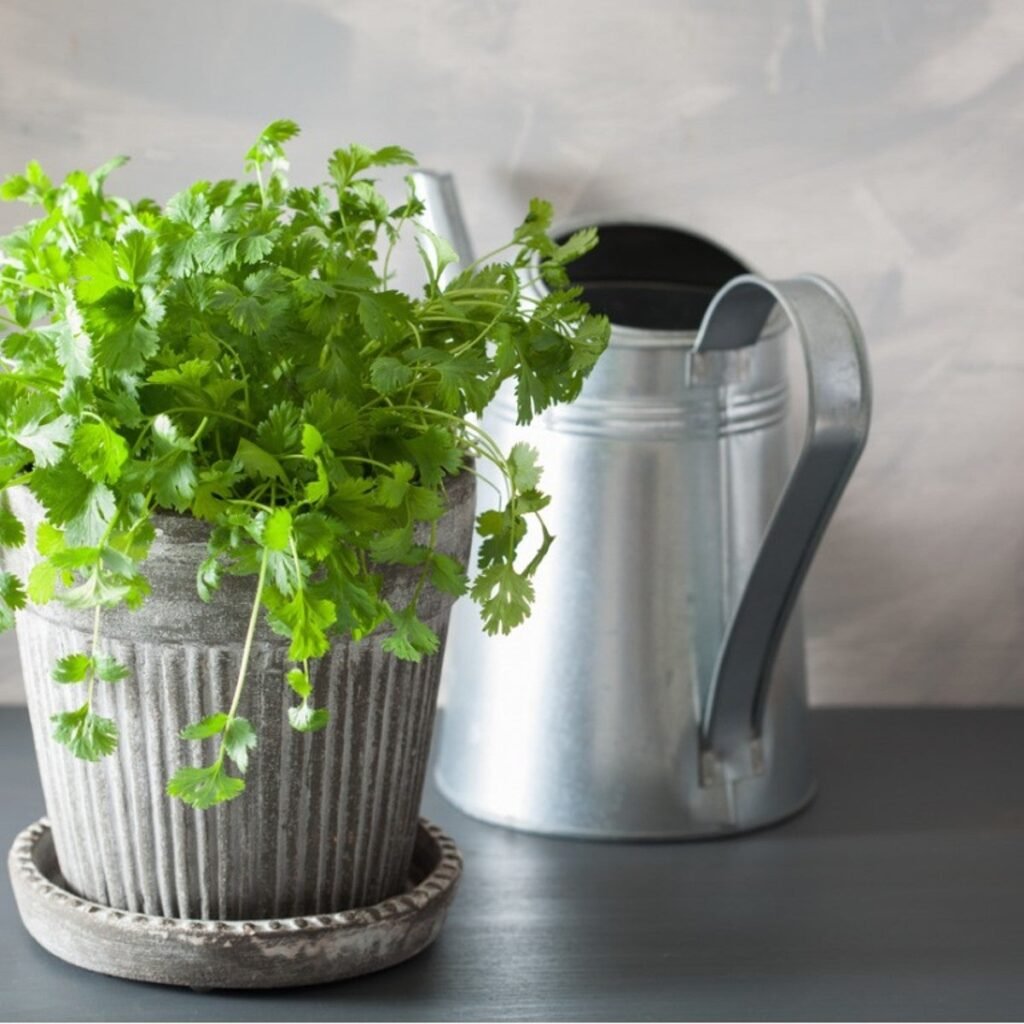
Cilantro thrives under specific conditions, and replicating them will ensure healthy, flavorful leaves.

  • Sunlight: Needs 4–6 hours of sunlight daily. In very hot climates, partial shade is better.
  • Soil: Prefers well-draining, loamy soil rich in organic matter. A pH of 6.2–6.8 is ideal.
  • Water: Requires consistent moisture but hates waterlogging. Keep soil evenly moist.
  • Temperature: Best in cool weather (50–70°F / 10–21°C). It bolts quickly in hot conditions.

Planting Cilantro

1. Starting from Seeds

Cilantro is best grown directly from seeds rather than transplants, as it doesn’t handle being moved very well.

  • Prepare seeds: Crush the seed husks gently (each husk contains 2 seeds). Soak them in water overnight to improve germination.
  • Plant depth: Sow seeds about ¼ inch deep.
  • Spacing: Plant seeds 6–8 inches apart in rows or scatter them for a natural look.
  • Germination: Seeds usually sprout within 7–14 days.

2. Growing in Containers

Cilantro is perfect for small spaces or indoor growing. Use a pot that’s at least 8 inches deep to allow for root development. Ensure the pot has drainage holes to prevent soggy soil.


Caring for Cilantro
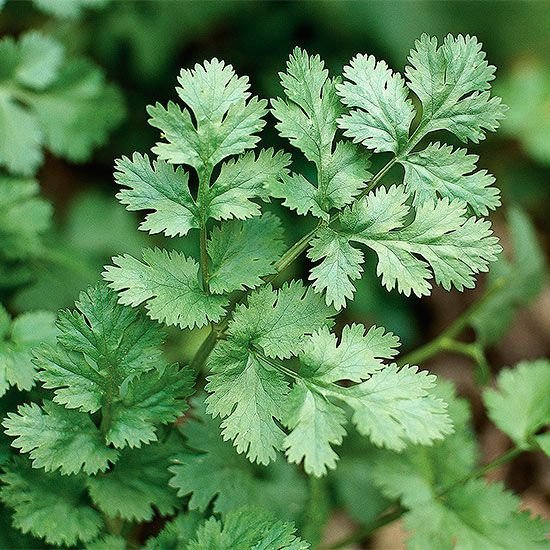
Watering

  • Water consistently to keep soil moist but not soggy.
  • Avoid overhead watering, as wet leaves can lead to disease.

Fertilizing

  • Cilantro doesn’t need heavy feeding.
  • Mix compost into the soil before planting.
  • Use a balanced, water-soluble fertilizer every 3–4 weeks if needed.

Mulching

  • Apply a thin layer of mulch around the plants to retain moisture and regulate soil temperature.

Pruning

  • Regularly snip leaves to encourage bushy growth.
  • Remove flower stalks (bolts) immediately if you want to prolong leaf production.

Harvesting Cilantro

Harvesting Leaves

  • You can start harvesting leaves when plants are 6–8 inches tall.
  • Always cut from the outer leaves first, allowing the inner growth to continue.
  • Use scissors or pinch stems close to the soil.
  • Harvest regularly to keep the plant producing.

Harvesting Seeds (Coriander)

If you let cilantro flower and set seed:

  • Wait until seed heads turn brown and dry on the plant.
  • Cut the seed heads and place them in a paper bag.
  • Allow them to dry completely before storing.

These seeds can be used for cooking or replanting.


How to Keep Cilantro Thriving
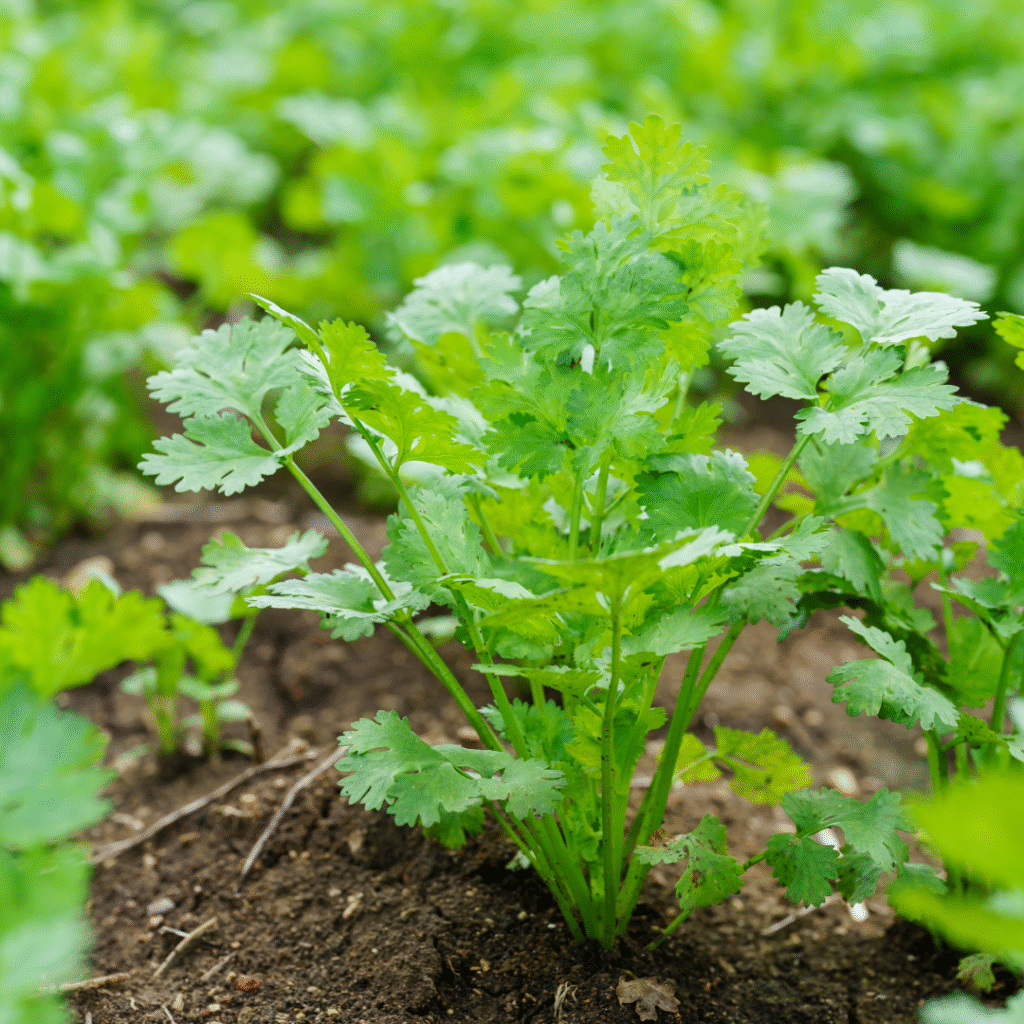
Cilantro tends to bolt (go to seed) quickly, especially in hot weather. Here’s how you can extend its growing season:

  1. Succession Planting – Plant new seeds every 2–3 weeks for a steady supply of fresh leaves.
  2. Grow in Cooler Seasons – Plant in spring or fall, as cilantro prefers cool temperatures.
  3. Partial Shade in Summer – In warmer regions, give plants afternoon shade to slow bolting.
  4. Harvest Frequently – Regular cutting delays flowering.

Common Pests and Diseases

Cilantro is relatively low-maintenance but can occasionally face pests or diseases:

Pests

  • Aphids – Small insects that suck sap; wash them off with water or use insecticidal soap.
  • Caterpillars – Hand-pick or use organic pest control methods.
  • Whiteflies – Control with yellow sticky traps or neem oil spray.

Diseases

  • Powdery Mildew – Appears as white spots on leaves; improve air circulation and avoid overhead watering.
  • Leaf Spot – Brown or yellow spots caused by fungus; remove infected leaves.
  • Root Rot – Caused by poor drainage; plant in well-drained soil.

Companion Planting with Cilantro

Cilantro is a great companion plant in your garden:

  • Good companions: Basil, tomatoes, spinach, dill, and peas. It repels harmful insects like aphids.
  • Avoid: Fennel, as it can stunt cilantro’s growth.

Culinary and Health Uses

Cilantro isn’t just a flavorful herb—it also offers a wide range of uses.

Culinary Uses

  • Fresh garnish for soups, tacos, and curries.
  • Essential in Mexican salsa, Indian chutneys, and Middle Eastern salads.
  • Seeds (coriander) are used in spice mixes, baking, and pickling.

Health Benefits

  • Rich in vitamins A, C, and K.
  • Contains antioxidants that support heart and immune health.
  • Aids digestion and may help detoxify heavy metals.
  • Freshens breath naturally.

Troubleshooting Cilantro Growing Problems

  • Bolting too fast: Plant slow-bolting varieties, keep soil cool, and harvest regularly.
  • Leaves turning yellow: Usually due to overwatering, poor drainage, or nutrient deficiency.
  • Sparse growth: Cilantro has a short lifecycle—plant seeds frequently for continuous harvest.

Final Thoughts

Growing cilantro at home is simple, rewarding, and perfect for beginners. By providing the right growing conditions, watering consistently, and practicing succession planting, you can enjoy fresh cilantro throughout the season. Not only will you have an endless supply of this flavorful herb, but you’ll also gain the satisfaction of knowing you grew it yourself.

From adding a fresh touch to your favorite dishes to boosting your health with its nutrients, cilantro is an herb that every gardener should try. With this beginner’s guide, you now have the knowledge to grow cilantro and keep it thriving—whether in a garden bed, pot, or sunny windowsill.
How to Grow Parsley and Keep It Thriving

How to Grow Parsley and Keep It Thriving

Parsley is more than just a garnish—it’s a versatile herb packed with nutrients, flavor, and medicinal benefits. Whether you’re an avid gardener or a beginner, parsley is a fantastic plant to grow at home because it’s hardy, low-maintenance, and incredibly rewarding. From enhancing soups and salads to boosting your daily vitamin intake, parsley is a plant you’ll want thriving in your garden or kitchen.

In this guide, we’ll explore everything you need to know about how to grow parsley and keep it flourishing—from planting to harvesting, and even troubleshooting common problems.


Why Grow Parsley?

Before diving into the how-to, let’s look at why parsley deserves a spot in your garden or windowsill:

  • Nutrient-rich – Packed with vitamins A, C, and K, along with antioxidants and minerals.
  • Culinary staple – Essential for flavoring soups, sauces, salads, and many dishes worldwide.
  • Medicinal benefits – Known for its anti-inflammatory and detoxifying properties.
  • Easy to grow – Tolerates a variety of conditions and is perfect for both indoor and outdoor gardens.
  • Dual use – Leaves are edible, and the roots (in some varieties) can also be consumed.

Choosing the Right Type of Parsley

There are two main types of parsley to consider:

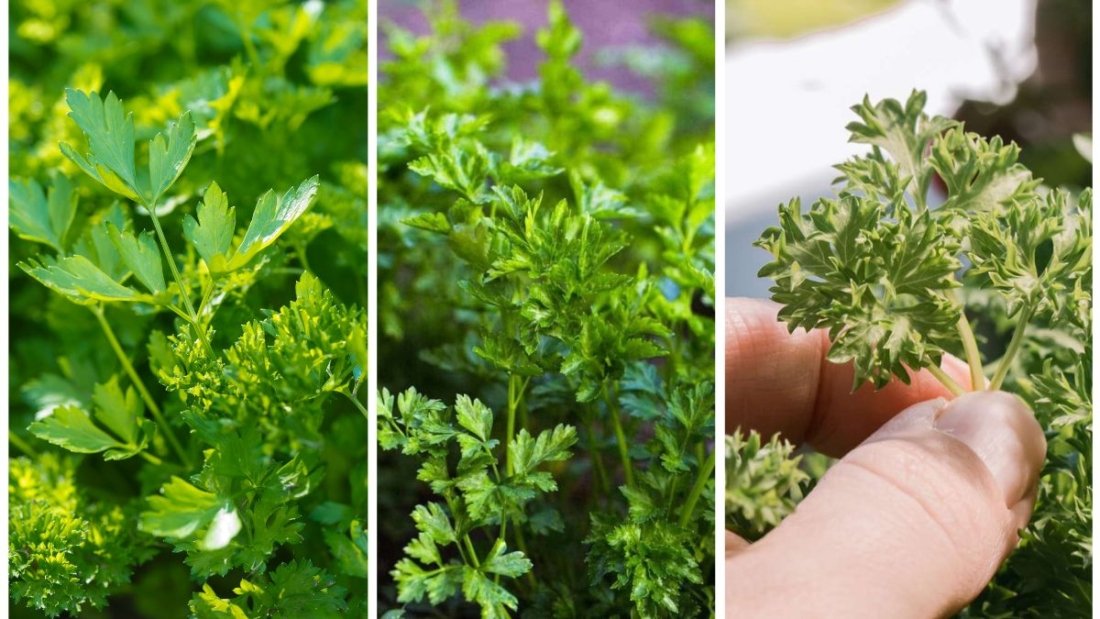
  1. Curly Leaf Parsley (Petroselinum crispum var. crispum)
    • Known for its ruffled, decorative leaves.
    • Commonly used as a garnish but still flavorful.
  2. Flat Leaf Parsley (Italian Parsley, Petroselinum crispum var. neapolitanum)
    • Has flat, broad leaves with a stronger, more robust flavor.
    • Preferred for cooking due to its intense aroma.

Both types grow well under similar conditions, so the choice comes down to personal taste and intended use.


Where to Grow Parsley

Parsley can thrive in different environments:

  • Outdoor gardens – Ideal for those with space in flower beds, herb gardens, or vegetable patches.
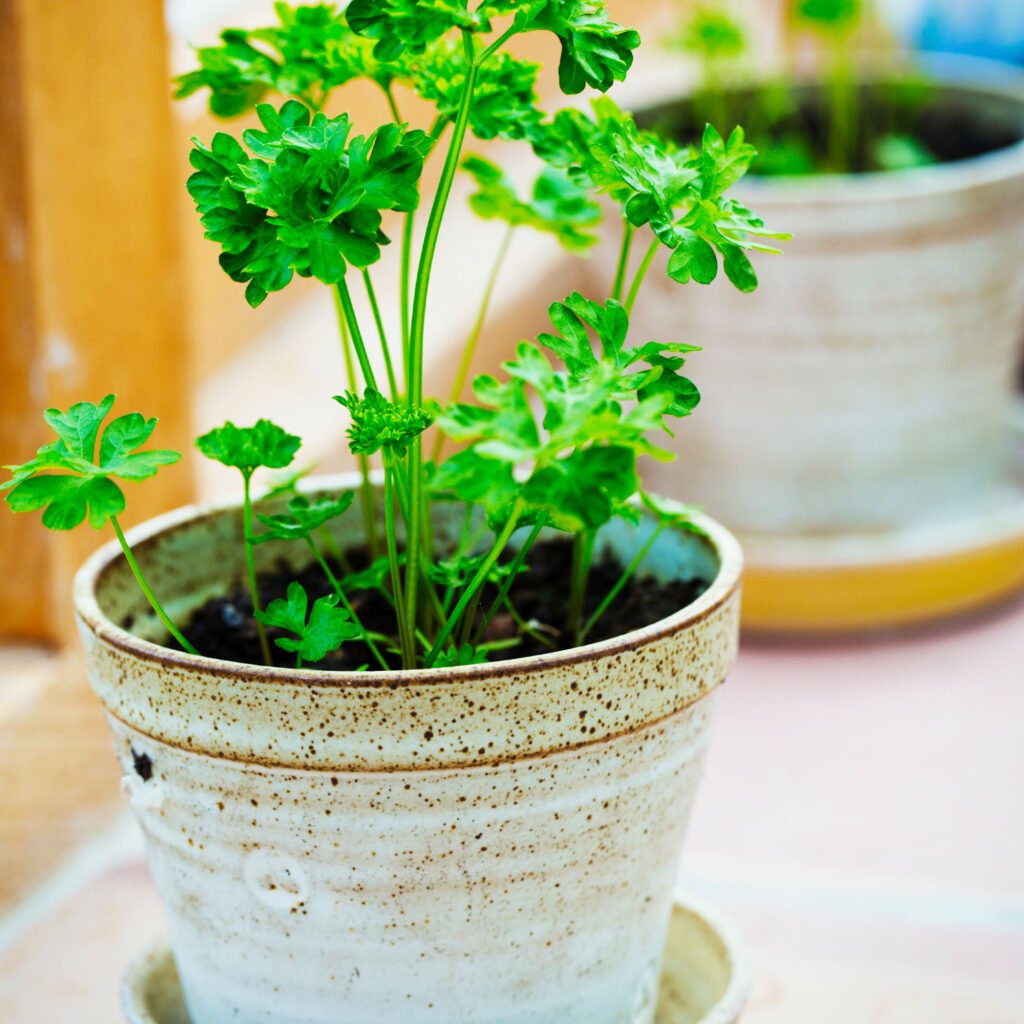
  • Containers and pots – Perfect for balconies, patios, or small spaces.
  • Indoor herb gardens – Parsley grows well on sunny windowsills or under grow lights.

Planting Parsley

1. Starting from Seeds

Parsley seeds can be a little slow to germinate, often taking 2–4 weeks. To boost germination:

  • Soak seeds in warm water overnight before planting.
  • Plant seeds about ¼ inch deep in moist, well-drained soil.
  • Space seeds 6–8 inches apart (or thin seedlings later).

2. Starting from Transplants

If you want quicker results, purchase parsley seedlings from a nursery. Transplants establish faster and reduce the waiting time for harvest.


Ideal Growing Conditions

To ensure parsley thrives, provide the following:

  • Sunlight: Parsley grows best in full sun to partial shade. Aim for at least 6 hours of sunlight daily.
  • Soil: Prefers loamy, well-draining soil with a pH between 6.0 and 7.0.
  • Watering: Keep soil consistently moist but not waterlogged. Parsley hates drying out completely.
  • Temperature: Grows well in cool to moderate temperatures (50–70°F / 10–21°C). It tolerates mild frost but may struggle in intense heat.

Caring for Your Parsley Plant

Growing parsley doesn’t end at planting. Proper care ensures it keeps producing lush, green leaves.

1. Watering

  • Water deeply 2–3 times per week depending on weather conditions.
  • Avoid letting soil dry out completely. Mulching around the plant helps retain moisture.

2. Fertilizing

  • Parsley is not a heavy feeder but benefits from occasional feeding.
  • Use a balanced liquid fertilizer every 4–6 weeks.
  • Organic compost or worm castings also boost soil nutrients naturally.

3. Thinning and Spacing

  • Thin seedlings to about 8–10 inches apart for optimal airflow.
  • Proper spacing prevents overcrowding and reduces disease risks.

4. Pruning

  • Regularly snip outer stems to encourage new growth.
  • Avoid cutting the inner stems (growth center), as this can stunt the plant.

Harvesting Parsley

Parsley can be harvested once it has several mature leaves, usually 2–3 months after planting.

  • Always cut stems at the base, starting with the outermost ones.
  • Frequent harvesting encourages bushier growth.
  • You can harvest parsley continuously throughout the growing season.

Storing Parsley

  • Fresh use: Store in the fridge wrapped in a damp paper towel.
  • Drying: Hang bunches upside down in a dry, airy spot.
  • Freezing: Chop and freeze in ice cube trays with a little water or oil for long-term use.

Keeping Parsley Thriving Year-Round

Parsley is a biennial plant—it completes its life cycle over two years. In the first year, it produces leaves, and in the second, it flowers and sets seed. After flowering, the leaves lose flavor.

To keep parsley thriving year-round:

  • Succession planting: Sow new seeds every 3–4 months for continuous harvests.
  • Winter protection: In colder climates, cover outdoor plants with mulch or bring potted parsley indoors.
  • Indoor growing: Grow parsley in containers under grow lights during the off-season.

Common Pests and Diseases

Like most herbs, parsley is relatively hardy but can face a few issues:

Pests

  • Aphids – Small insects sucking plant sap. Control with insecticidal soap or water spray.
  • Caterpillars (Swallowtail larvae) – They eat leaves but can be hand-picked.
  • Spider mites – Thrive in dry conditions; mist plants regularly to deter them.

Diseases

  • Powdery mildew – White powdery spots on leaves; improve airflow and avoid overhead watering.
  • Leaf spot – Yellow or brown spots caused by fungi; remove infected leaves and use organic fungicides.
  • Root rot – Caused by waterlogged soil; ensure proper drainage.

Companion Planting for Parsley

Parsley grows well alongside other plants, boosting garden productivity:

  • Good companions: Tomatoes, carrots, onions, roses (improves fragrance), and asparagus.
  • Avoid planting near: Lettuce and mint (compete for nutrients).

Culinary and Health Uses of Parsley

Parsley isn’t just an ornamental herb—it’s a powerhouse in the kitchen and medicine cabinet.

Culinary Uses

  • Fresh garnish for soups, stews, and roasted meats.
  • Key ingredient in tabbouleh, chimichurri, and gremolata.
  • Enhances salad dressings, marinades, and pasta dishes.

Health Benefits

  • Rich in vitamins A, C, and K, promoting eye, bone, and immune health.
  • Contains antioxidants that fight free radicals.
  • Acts as a natural diuretic, supporting kidney health.
  • Freshens breath naturally.

Troubleshooting Common Problems

  • Parsley turning yellow – Often due to overwatering, poor drainage, or nutrient deficiency.
  • Leggy growth – Caused by insufficient sunlight. Move to a sunnier location.
  • Slow growth – Parsley is naturally slow-growing, but lack of nutrients or compacted soil can worsen it. Add compost and loosen the soil.

Final Thoughts

Parsley may be modest compared to flashy herbs like basil or mint, but it is one of the most rewarding plants to grow. With proper planting, consistent watering, and regular harvesting, you can enjoy fresh parsley all year long. Whether in garden beds, pots on a balcony, or a sunny windowsill, parsley adapts beautifully to different spaces and conditions.

By following these steps, you’ll not only know how to grow parsley but also how to keep it thriving season after season—ensuring a steady supply of fresh, flavorful, and nutrient-rich leaves for your kitchen and beyond.

How to Stop Moles from Destroying Your Garden

How to Stop Moles from Destroying Your Garden

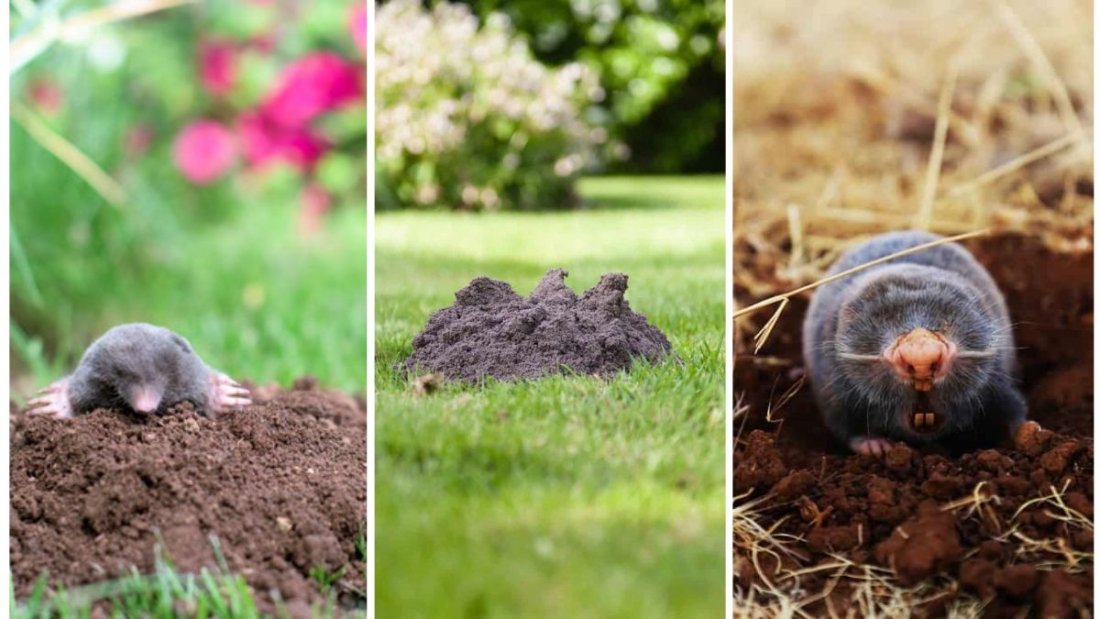
A lush, green garden full of vibrant plants and flowers is every gardener’s dream. But that dream can quickly turn into a nightmare when moles invade. These small, burrowing mammals are known for creating unsightly tunnels, mounds of soil, and damaging root systems. While moles don’t eat plants directly, their underground activity disrupts soil stability and can harm your lawn and garden.

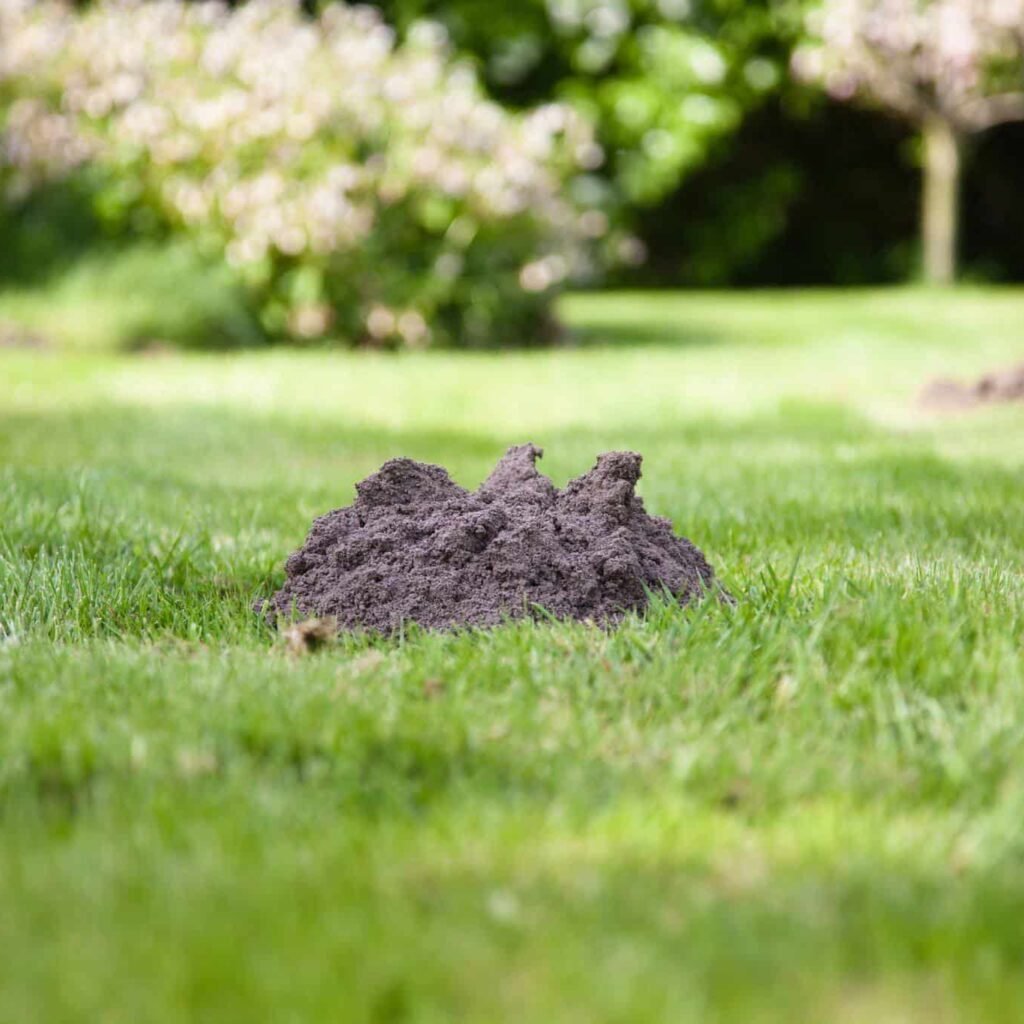
If you’ve noticed raised ridges in your lawn or small volcano-shaped soil piles, you’re likely dealing with moles. The good news? You don’t have to surrender your garden to them. With the right combination of strategies, you can deter moles effectively while maintaining a healthy outdoor space. In this article, we’ll explore what attracts moles, how they damage gardens, and the best natural, physical, and preventive methods to stop them from destroying your garden.


Understanding Moles and Their Behavior

Before you can stop moles, it’s important to understand why they show up in the first place.

  • Diet: Moles are insectivores. They mainly feed on earthworms, grubs, and insects found underground. They don’t eat plant roots or vegetables directly. However, while digging for food, they unintentionally damage roots and disrupt soil.
  • Habitat: They prefer moist, loose soil because it’s easier to dig through. That’s why gardens and lawns with rich soil often attract them.
  • Signs of Mole Activity:
    • Raised ridges or surface tunnels in the lawn.
    • Small cone-shaped mounds of dirt (molehills).
    • Plants that appear to be wilting because their roots have been disturbed.

By identifying mole activity early, you can take steps before the damage becomes widespread.


Why Moles Are a Problem for Gardeners

Even though moles play a beneficial role in nature by aerating soil and controlling insect populations, they can cause chaos in a cultivated garden.

  • Root Damage: Their tunneling disrupts root systems, causing plants, flowers, and grass to weaken or die.
  • Uneven Lawns: The surface ridges make your yard bumpy and unattractive.
  • Weed Growth: Disturbed soil from mole tunnels often creates openings for weeds to sprout.
  • Soil Erosion: Extensive tunnels can destabilize garden beds, leading to soil washout during heavy rain.

So while moles aren’t out to eat your vegetables, their activity indirectly harms your garden’s health and beauty.


5 Effective Ways to Stop Moles from Destroying Your Garden

1. Remove Their Food Sources

Since moles come to your garden looking for insects and grubs, reducing their food supply can encourage them to leave.

  • Control grubs: Apply beneficial nematodes or milky spore to the soil. These natural treatments kill grubs without harming plants.
  • Reduce insects: Avoid overwatering, as moist soil attracts worms and insects.
  • Limit mulch layers: Thick organic mulch encourages insect activity, which may draw moles.

By cutting down on food availability, you make your garden less attractive to moles.


2. Use Natural Mole Repellents

Natural repellents can drive moles away without harming your plants or soil.

  • Castor oil spray: One of the most popular mole deterrents. Mix castor oil with water and a few drops of dish soap, then spray it over mole tunnels and garden beds. Moles dislike the taste and smell, forcing them to move.
  • Garlic and chili powder: Sprinkle around active tunnels to create an unpleasant environment.
  • Coffee grounds: Spread around garden beds. The strong smell deters moles while enriching the soil.

For best results, reapply repellents after rain or watering.


3. Install Physical Barriers

If you want a long-term solution, barriers are highly effective.

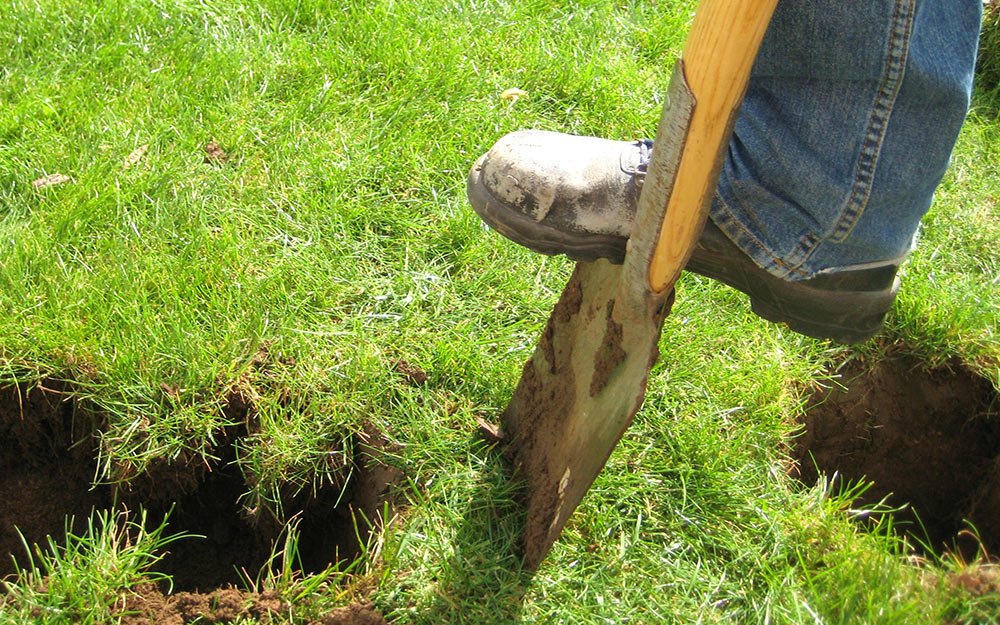
  • Underground fencing: Dig a trench about 2 feet deep around your garden beds and line it with hardware cloth or metal mesh. This prevents moles from tunneling into the area.
  • Raised beds with mesh bottoms: Great for vegetable gardens. Adding wire mesh beneath the soil keeps moles out while allowing roots to grow freely.
  • Garden edging: Installing strong edging around lawns and flower beds makes it harder for moles to invade.

Though labor-intensive, barriers are one of the most reliable mole control methods.


4. Encourage Natural Predators

Nature can help control mole populations if you attract the right animals.

  • Owls and hawks: Installing owl boxes or perches can encourage these birds to hunt in your yard.
  • Cats and dogs: Pets often scare away or catch moles.
  • Snakes: While not everyone welcomes them, some non-venomous snakes naturally reduce mole activity.

By encouraging predators, you create a natural balance in your backyard ecosystem.


5. Use Traps as a Last Resort

If the mole infestation is severe and other methods fail, traps may be necessary.

  • Scissor traps and harpoon traps: Placed directly in active mole tunnels, these are effective but should be used with care.
  • Humane traps: These allow you to capture and relocate moles without harming them.

Note: Trapping should be done responsibly and according to local wildlife regulations.


Preventing Moles from Returning

Stopping moles is only half the battle—preventing them from coming back is just as important.

  • Maintain a dry lawn: Avoid overwatering. Moles prefer moist soil for digging.
  • Regular soil checks: Watch for new ridges or tunnels so you can act quickly.
  • Healthy lawn care: Keep grass trimmed, aerate the soil naturally, and limit excessive fertilizer that may encourage insect populations.
  • Plant mole-repelling plants: Certain plants, like daffodils, marigolds, and alliums, are thought to deter moles due to their strong scent.

Are Moles Ever Beneficial?

Interestingly, while moles are frustrating for gardeners, they aren’t always entirely bad.

  • Their digging aerates compacted soil.
  • They help control harmful grub and insect populations.
  • Their tunnels improve water penetration into soil.

So, in some cases, gardeners in less manicured spaces choose to tolerate moles. But in ornamental gardens or lawns, their damage is usually too much to ignore.


Final Thoughts

Moles may be small, but their impact on a garden can be big. The key to dealing with them is a multi-layered approach: reduce their food sources, use natural repellents, install barriers, encourage predators, and if necessary, use traps. With patience and consistency, you can protect your garden from mole damage while keeping your outdoor space beautiful and thriving.

Remember, a healthy garden is not just about fighting pests—it’s about creating a balanced environment where plants, soil, and beneficial wildlife can flourish together. By stopping moles the smart way, you’ll reclaim your lawn and enjoy your garden without unwanted underground visitors.

5 Creative Ways to Decorate a Patio Garden

5 Creative Ways to Decorate a Patio Garden

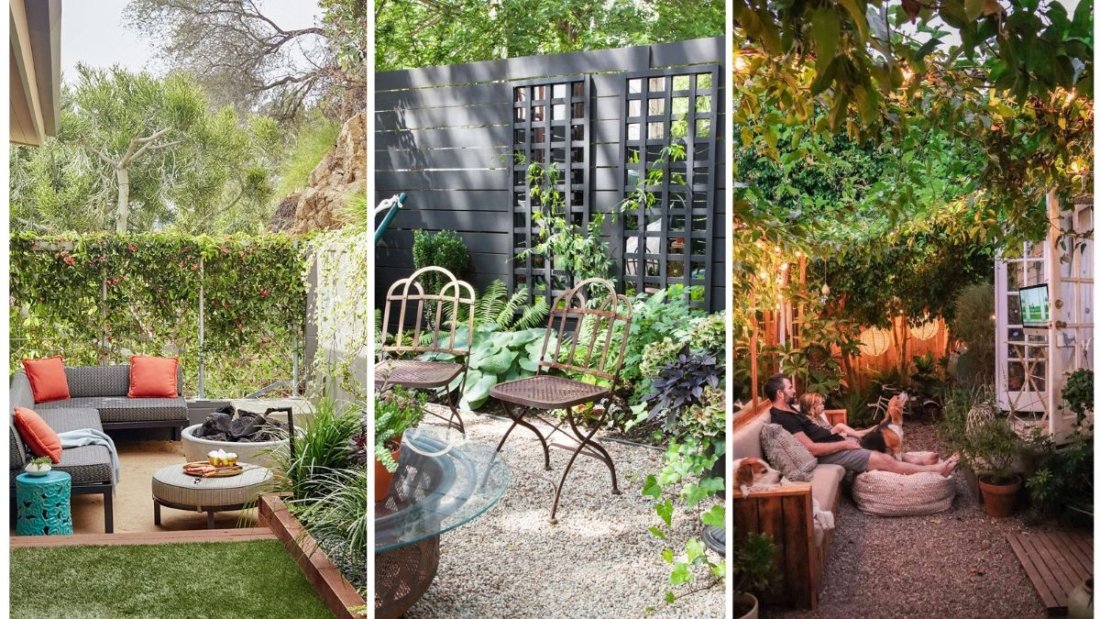
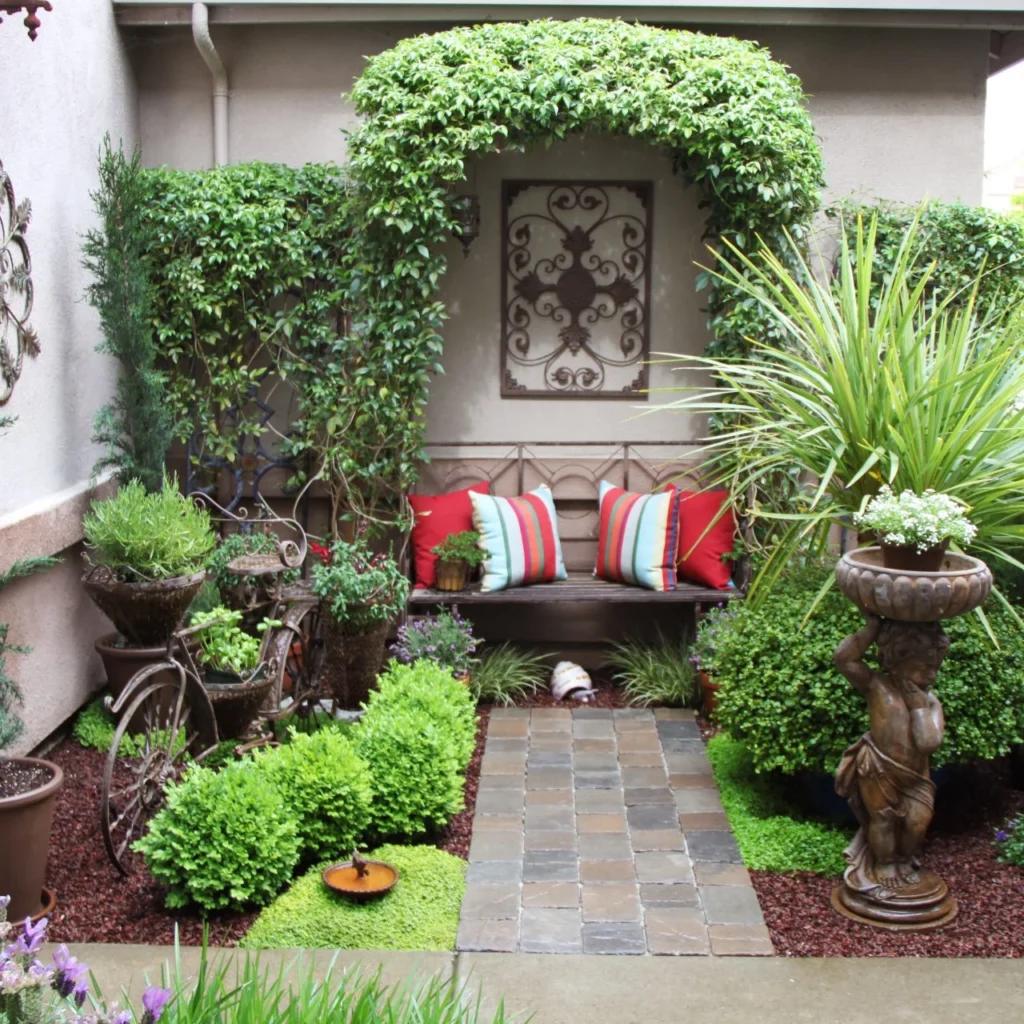
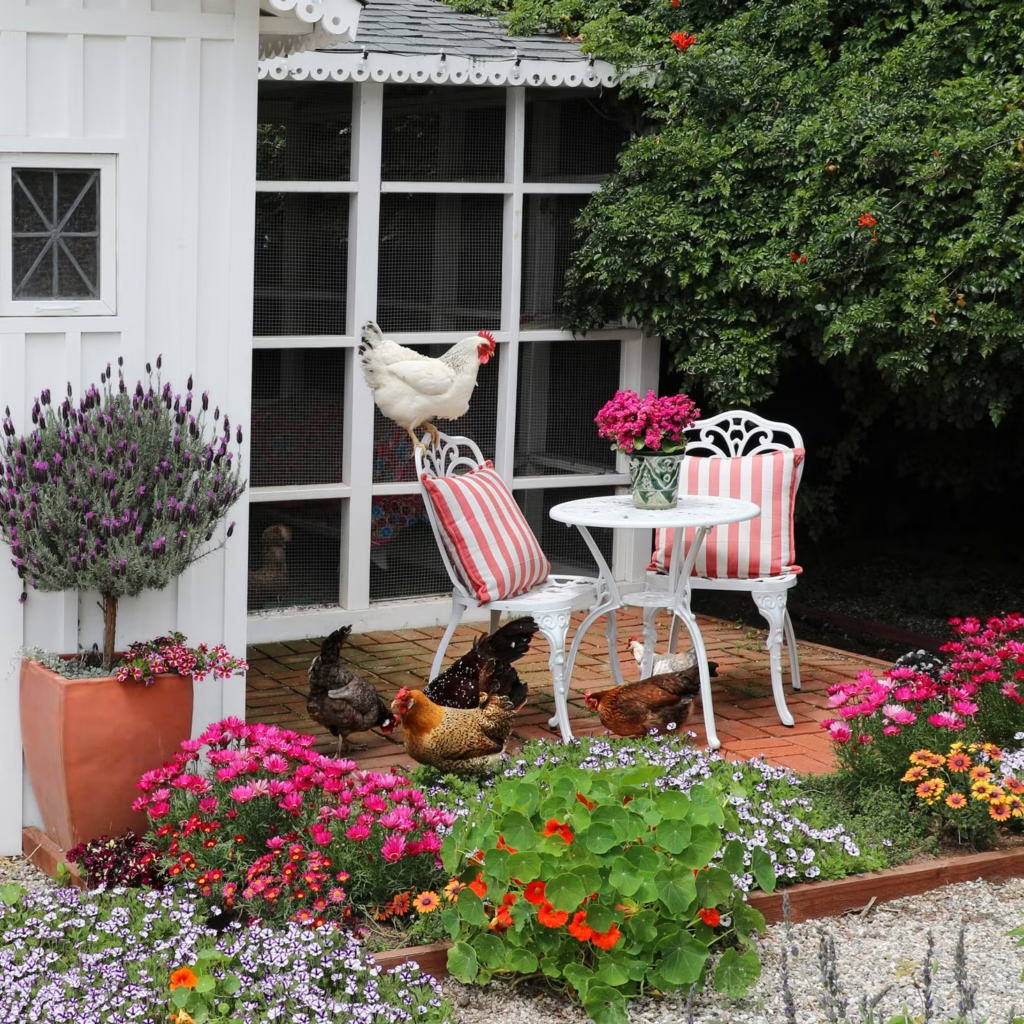
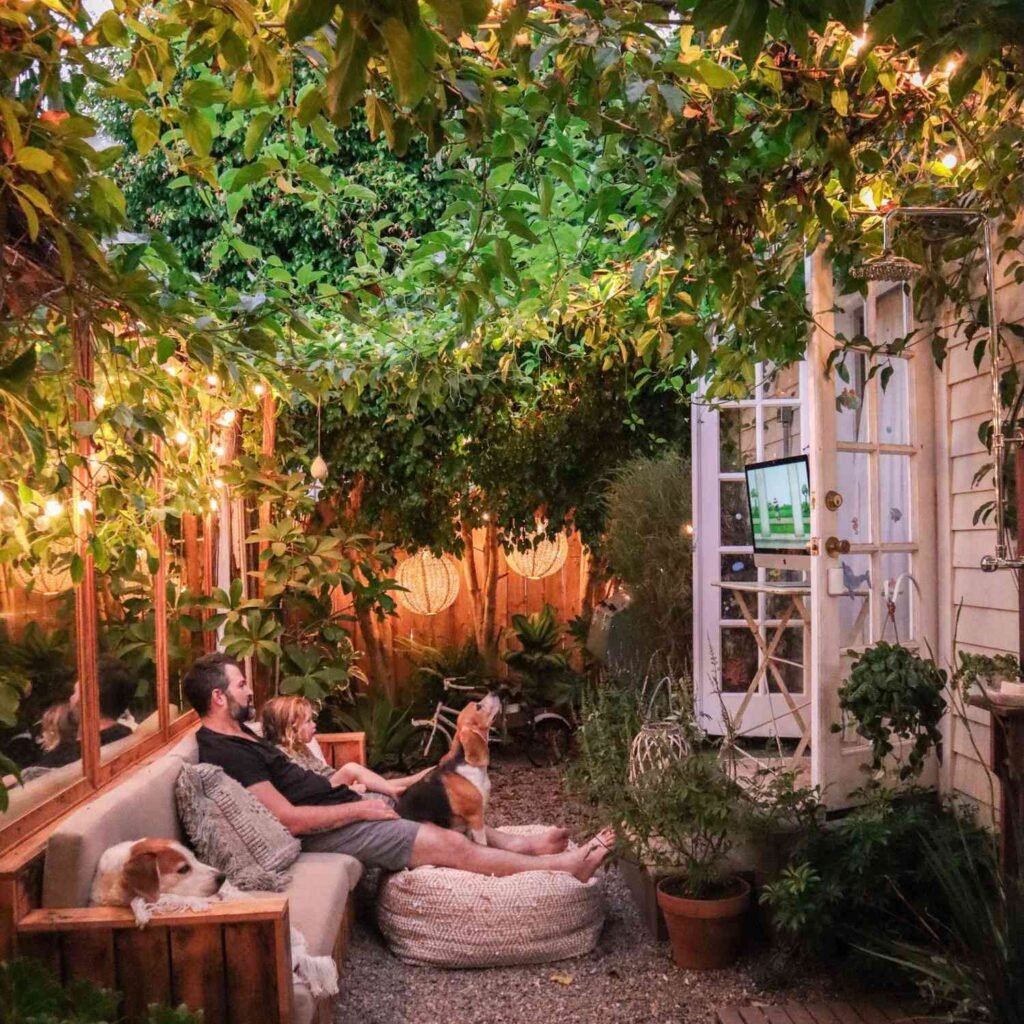
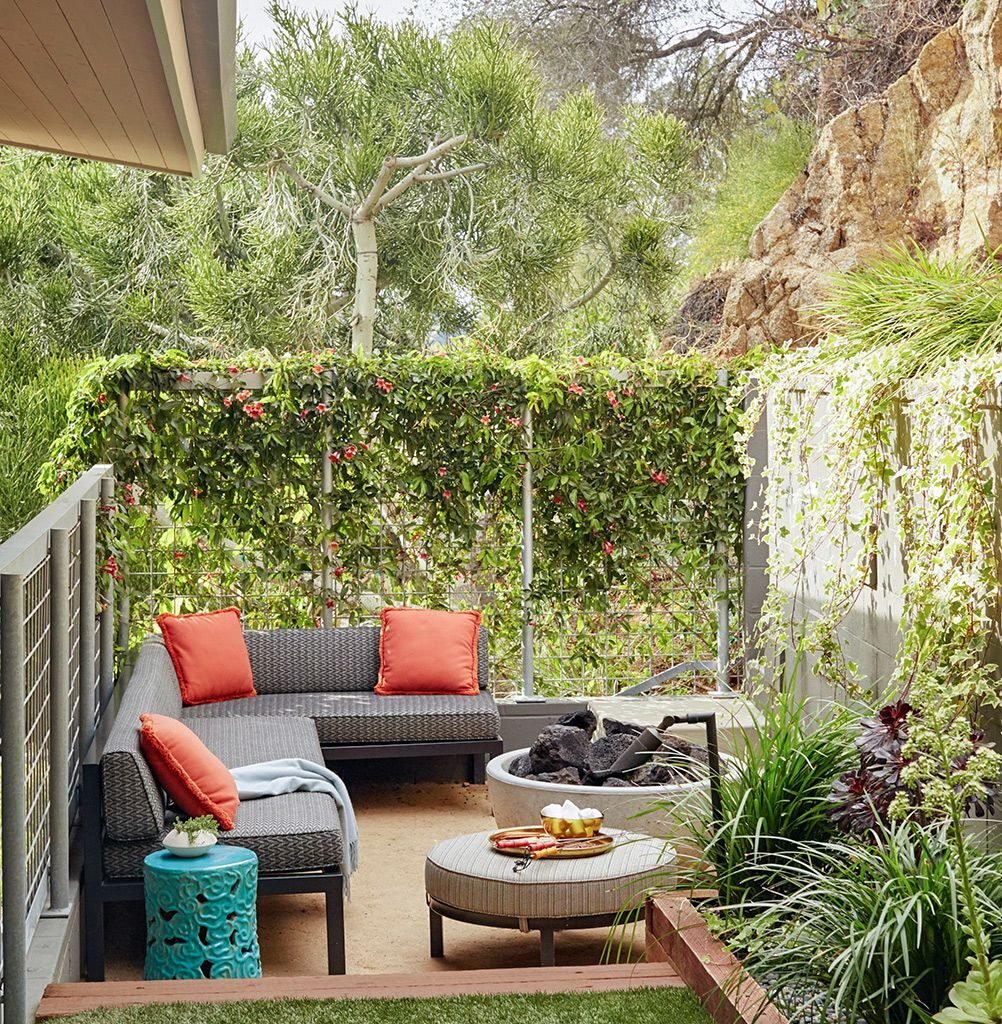
A patio garden is more than just an outdoor space—it’s an extension of your home where you can relax, entertain, or simply enjoy fresh air surrounded by greenery. Whether your patio is large or compact, decorating it creatively can turn it into a stylish retreat that reflects your personality. The best part is that with the right design ideas, even the smallest patios can feel like lush, inviting sanctuaries.

In this article, we’ll explore five creative ways to decorate a patio garden, blending functionality, aesthetics, and comfort to help you design a space that feels both beautiful and practical.


1. Use Vertical Space for Greenery

When floor space is limited, vertical gardening becomes your best friend. Instead of cluttering the patio with pots, make use of walls, railings, and hanging structures.

Ideas to try:

  • Living Walls: Install wall-mounted planters or modular vertical garden panels filled with herbs, succulents, or colorful flowers. These living walls bring lushness while saving space.
  • Hanging Planters: Suspend baskets or macramé plant holders at varying heights. They work especially well for trailing plants like ivy, pothos, or petunias.
  • Trellises and Climbers: Add a trellis against a wall or railing and grow climbing plants like jasmine, clematis, or bougainvillea for a natural green screen.
  • Shelving Units: Place a wooden or metal shelf unit on your patio to hold small pots. You can arrange them in tiers to create visual interest.

Why it works: Vertical gardening maximizes limited space while creating a lush, cozy atmosphere. It also adds privacy, especially if you’re overlooked by neighbors.


2. Add Cozy and Functional Furniture

Furniture plays a central role in decorating a patio garden. It defines the space, making it inviting and practical for daily use. Choosing the right furniture ensures comfort without overwhelming the area.

Ideas to try:

  • Compact Bistro Sets: Perfect for small patios, a simple table and two chairs create an intimate dining or coffee nook.
  • Multi-functional Furniture: Benches with hidden storage, foldable chairs, or nesting tables save space and reduce clutter.
  • Lounge Area: If you have room, add outdoor sofas with weather-resistant cushions. Pair them with a low coffee table for a relaxed, living-room vibe.
  • Hammocks and Swings: Hanging chairs or hammocks add a playful, cozy element to your patio garden.

Decorative Touches: Add cushions, throws, and rugs in weatherproof fabrics to infuse color and texture. Mixing patterns and colors can instantly brighten the space and reflect your personality.

Why it works: Functional furniture makes the patio not only beautiful but also usable for dining, relaxing, or hosting guests. It ensures your outdoor area is an extension of your indoor living space.


3. Incorporate Creative Lighting

Lighting is one of the easiest ways to transform a patio garden from ordinary to magical. The right lighting extends the usability of your patio into the evening while setting a cozy and romantic mood.

Ideas to try:

  • String Lights: Drape them across railings, walls, or overhead to create a warm, twinkling canopy effect.
  • Lanterns and Candles: Use lanterns with LED or real candles for a rustic, cozy charm. Place them on tables, shelves, or the floor.
  • Solar Path Lights: If your patio leads into the garden, solar lights along the edges create a welcoming pathway.
  • Fairy Lights in Plants: Wrap fairy lights around small trees, climbers, or shrubs to highlight greenery at night.
  • Hanging Pendant Lights: If you have a pergola or covered patio, pendant lights add sophistication and style.

Why it works: Good lighting makes the patio usable at night and adds an enchanting ambiance. It highlights plants and décor while enhancing safety.


4. Personalize with Unique Planters and Decor

Your patio garden reflects your style, so decorating with creative planters and unique décor pieces can make it truly yours.

Ideas to try:

  • Repurposed Containers: Use old buckets, wine crates, or ceramic bowls as planters for a rustic or eclectic look.
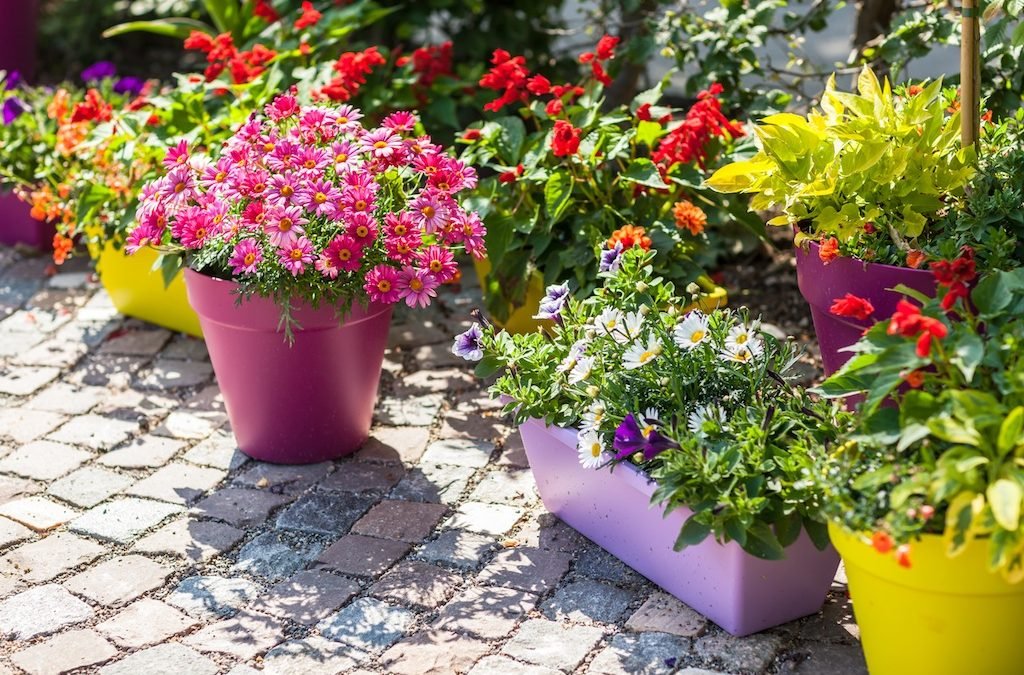
  • Colorful Pots: Bright ceramic or painted terracotta pots bring instant vibrancy to your patio.
  • Themed Planters: Create a theme, such as coastal (using shells and driftwood), vintage (old teapots or typewriters), or modern minimalist (sleek concrete planters).
  • Garden Art: Add wind chimes, sculptures, or mosaic stepping stones for an artistic flair.
  • Outdoor Rugs: A weatherproof rug can anchor the seating area and tie your patio garden design together.

Why it works: Unique planters and decorative elements add personality and charm, turning your patio into a stylish, curated retreat rather than just a functional space.


5. Add a Water or Fire Feature

Incorporating natural elements like water or fire elevates your patio garden into a calming sanctuary. Both features add ambiance and sensory appeal.

Water Feature Ideas:

  • Mini Fountains: A tabletop fountain or wall-mounted water feature adds soothing sounds of flowing water.
  • Small Pond or Bowl: Fill a ceramic bowl with water, floating plants, or even small fish for a refreshing touch.
  • Birdbath: Doubles as a decorative piece and attracts birds, bringing more life to your patio.

Fire Feature Ideas:

  • Fire Pit: A compact, portable fire pit creates a cozy gathering spot for chilly evenings.
  • Tabletop Fire Bowl: Small fire bowls add elegance and are perfect for patios with limited space.
  • Lanterns and Torches: For a budget-friendly alternative, use outdoor torches or large candles to mimic the effect.

Why it works: Both water and fire add atmosphere—water brings tranquility, while fire creates warmth and intimacy. Together, they make your patio feel like an inviting retreat.


Extra Tips for Designing a Patio Garden

  • Mix textures: Combine wood, metal, stone, and fabric for visual richness.
  • Keep scale in mind: Choose plants and furniture proportional to your patio size.
  • Low-maintenance plants: Opt for hardy species like succulents, herbs, or dwarf shrubs to reduce upkeep.
  • Layer greenery: Use tall plants in corners, medium plants in planters, and small accents on tables for a balanced look.
  • Create privacy: Use tall planters, bamboo screens, or trellises with climbing plants to block unwanted views.

Why Patio Gardens Are Worth the Effort

Decorating your patio garden isn’t just about aesthetics—it brings many benefits:

  • Well-being: Green spaces reduce stress and improve mood.
  • Functionality: A decorated patio extends your living area for dining, relaxing, or entertaining.
  • Increased home value: A beautiful patio garden boosts curb appeal and property value.
  • Personal expression: Your choice of plants, décor, and layout makes the space uniquely yours.

Final Thoughts

Your patio garden has the potential to become one of the most beloved spaces in your home. By creatively using vertical greenery, adding cozy furniture, incorporating atmospheric lighting, personalizing with unique décor, and enhancing it with water or fire features, you can design a patio that’s both functional and enchanting.

The beauty of patio gardens lies in their flexibility—whether large or small, rustic or modern, they can be tailored to suit your lifestyle and taste. With these ideas, your patio will become more than just an outdoor area—it will be a welcoming retreat where you can unwind, entertain, and enjoy nature in style.

How to Design a Low-Maintenance Backyard

How to Design a Low-Maintenance Backyard

A backyard is a personal sanctuary—a place where you can relax, entertain guests, or simply enjoy fresh air. But for many homeowners, the thought of maintaining a yard can feel overwhelming. Endless mowing, weeding, pruning, and watering often take up more time than people can spare. The solution? A low-maintenance backyard design that combines beauty, functionality, and sustainability while minimizing effort.

Designing a backyard that thrives with minimal upkeep requires thoughtful planning. By choosing the right plants, materials, and layout, you can enjoy a stunning outdoor space without spending every weekend caring for it. In this article, we’ll explore practical tips and design strategies to help you create a backyard that’s both inviting and easy to manage.


1. Start with a Smart Layout

The foundation of a low-maintenance backyard is its layout. A well-planned design makes your space easier to use and care for.

  • Simplify shapes: Stick to clean, simple lines when designing garden beds, patios, and walkways. Curved or complex layouts are harder to mow and edge.
  • Define zones: Divide your backyard into functional areas, such as a seating zone, play area, or garden space. Clear boundaries reduce clutter and make upkeep easier.
  • Limit lawn size: Lawns require the most maintenance, so consider reducing grass areas by replacing them with gravel, pavers, or planting beds.

A thoughtful layout ensures that every part of your yard has a purpose and is easier to maintain over time.


2. Choose Low-Maintenance Plants

Plant selection plays a huge role in reducing backyard chores. Opt for plants that are hardy, drought-tolerant, and well-suited to your climate.

  • Perennials over annuals: Perennials come back year after year, reducing the need for replanting.
  • Native plants: Local species are naturally adapted to your environment, meaning they need less water, fertilizer, and care.
  • Shrubs and evergreens: These provide year-round structure and require less attention than high-maintenance flowers.
  • Ground covers: Plants like creeping thyme, sedum, or mondo grass can replace turfgrass in certain areas, suppressing weeds while looking attractive.

By focusing on the right plants, you create a backyard that largely takes care of itself.


3. Minimize Lawn Care

Traditional lawns are beautiful but notoriously high-maintenance. If you love the look of green, there are alternatives that save time and effort.

  • Artificial turf: Modern synthetic grass looks realistic and eliminates mowing, watering, and fertilizing.
  • Drought-tolerant grass varieties: If you prefer real grass, choose low-maintenance species like buffalo grass or zoysia.
  • Lawn alternatives: Replace sections of grass with mulch, gravel, or native plant beds for a stylish, eco-friendly solution.

Even reducing your lawn size by half can dramatically cut down on yard work.


4. Use Hardscaping for Structure

Hardscaping—non-plant elements like patios, decks, and pathways—adds beauty and reduces the amount of living landscape to maintain.

  • Patios and seating areas: A paved patio or deck creates a permanent outdoor living space that doesn’t need constant upkeep.
  • Walkways: Gravel, stone, or paver walkways not only look neat but also reduce muddy paths and wear on grass.
  • Retaining walls and raised beds: These simplify maintenance by reducing erosion, weeds, and bending over for gardening tasks.

Hardscaping also allows you to design functional, stylish areas that require minimal seasonal effort.


5. Focus on Mulching

Mulch is a low-maintenance gardener’s best friend. It conserves soil moisture, reduces weeds, and improves the look of planting beds.

  • Organic mulch: Wood chips, bark, and shredded leaves enrich the soil as they break down.
  • Inorganic mulch: Gravel, stones, or rubber mulch last longer and require little replacement.
  • Depth matters: Spread mulch about 2–3 inches deep to block sunlight from reaching weed seeds.

Replenishing mulch once or twice a year is far easier than constant weeding and watering.


6. Install Smart Irrigation

Watering can be one of the most time-consuming backyard tasks. Smart irrigation systems simplify the process and reduce water waste.

  • Drip irrigation: Delivers water directly to plant roots, minimizing evaporation and runoff.
  • Soaker hoses: Great for garden beds, as they evenly moisten soil with little effort.
  • Smart sprinklers: These can be programmed or connected to weather apps to water only when necessary.

Once installed, these systems require little input, ensuring your plants stay healthy without daily watering chores.


7. Add Outdoor Living Spaces

Low-maintenance doesn’t mean bare—it means thoughtful design. Adding outdoor living spaces reduces yard work while making your backyard more enjoyable.

  • Pergolas or gazebos: These provide shade, structure, and a focal point without requiring upkeep.
  • Fire pits or outdoor fireplaces: Perfect for cozy gatherings and require little maintenance once installed.
  • Furniture: Opt for weather-resistant materials like aluminum, resin wicker, or teak to minimize upkeep.

These features expand your backyard’s usability while reducing the need for more grass or plants.


8. Embrace Container Gardening

Container gardening offers flexibility and ease compared to large in-ground beds.

  • Low-maintenance plants in pots: Succulents, dwarf shrubs, and herbs thrive in containers with minimal care.
  • Self-watering planters: These keep plants hydrated longer and reduce watering frequency.
  • Movable design: You can rearrange containers to refresh the look of your yard without replanting.

Container gardens are particularly useful for small yards, patios, or areas where you want instant greenery without heavy work.


9. Keep Décor Simple and Functional

Overdecorating a backyard can create more cleaning and organizing tasks. Instead, focus on simplicity and functionality.

  • Multi-purpose furniture: Benches with storage, foldable tables, or modular seating save space and reduce clutter.
  • Minimal accessories: Choose durable, weather-resistant décor pieces rather than lots of delicate items.
  • Natural accents: Use large stones, sculptures, or birdbaths as focal points that don’t require constant care.

A simple design is easier to maintain and creates a relaxing, clutter-free atmosphere.


10. Plan for Year-Round Interest

A low-maintenance backyard should look appealing in every season without much intervention.

  • Evergreen shrubs: Provide structure and greenery year-round.
  • Ornamental grasses: Add movement and texture, thriving with minimal care.
  • Seasonal perennials: Choose varieties that bloom in succession to ensure continuous color.

This approach eliminates the need for frequent planting or seasonal overhauls.


Tips to Keep Your Backyard Effort-Free

  • Group plants with similar water and light needs to simplify care.
  • Use edging materials (like stone or metal borders) to keep mulch and plants neat.
  • Prune once or twice a year instead of frequent trimming.
  • Choose durable materials like composite decking or stone instead of wood that needs constant staining or sealing.
  • Automate as much as possible, from lighting to irrigation.

Final Thoughts

Designing a low-maintenance backyard doesn’t mean sacrificing beauty or functionality. It’s about creating a space that brings joy instead of stress. By reducing lawns, choosing hardy plants, incorporating hardscaping, and adding thoughtful features like container gardens or smart irrigation, you can enjoy a backyard that looks great with minimal effort.

Ultimately, the goal is to create a backyard that suits your lifestyle—whether that means a cozy retreat for relaxation, an entertaining space for friends, or a family-friendly yard with plenty of room to play. With these strategies, you’ll spend less time working and more time enjoying your outdoor oasis.

5 Fairy Garden Ideas to Add Magic to Your Yard

5 Fairy Garden Ideas to Add Magic to Your Yard

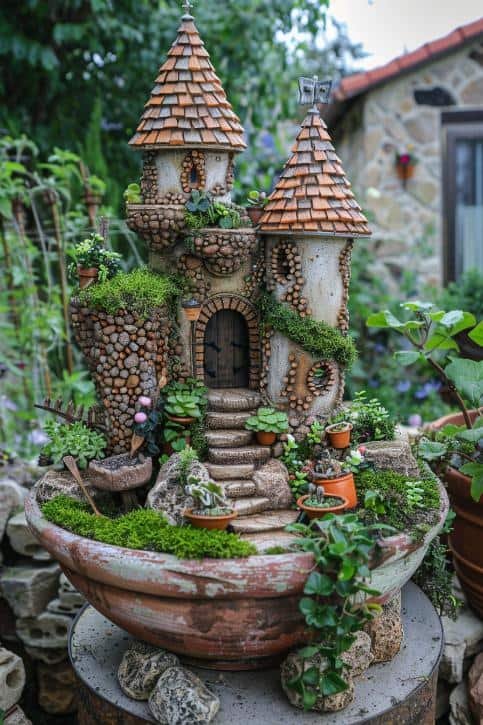
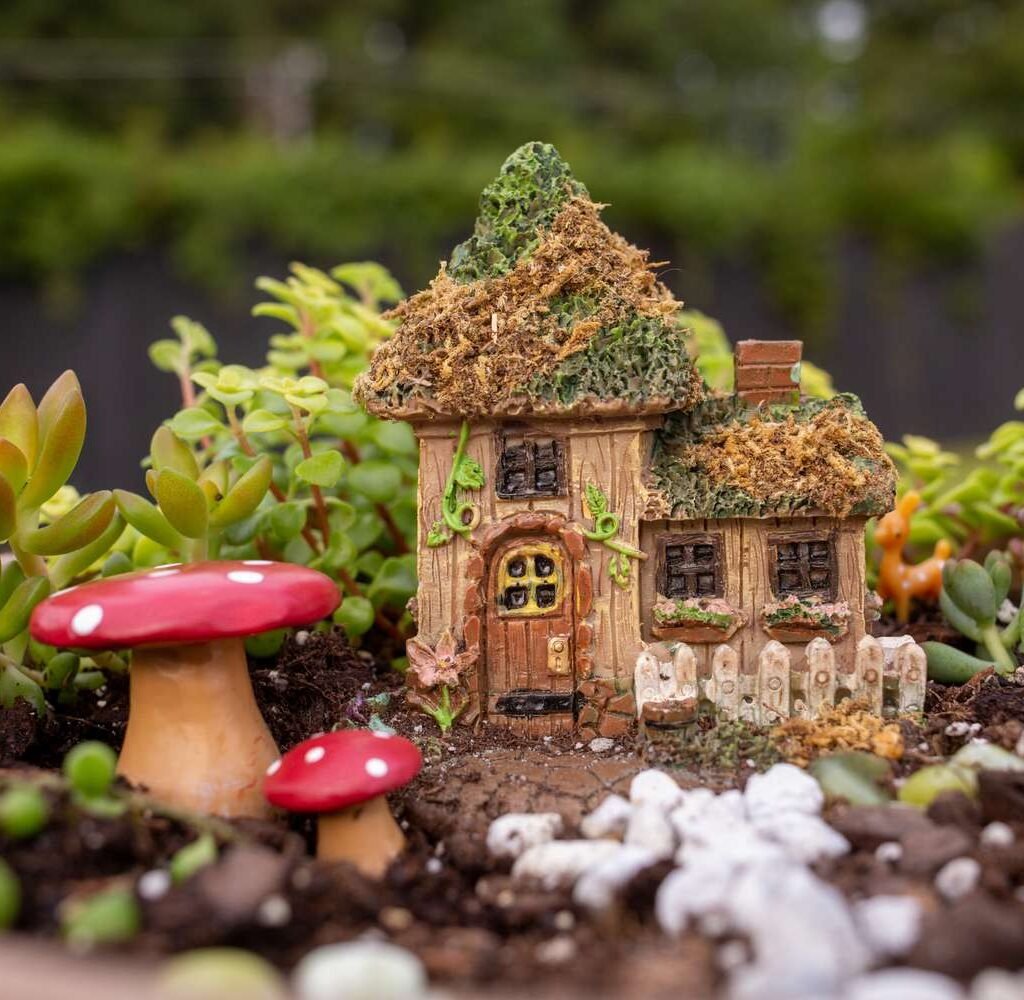
Fairy gardens are miniature landscapes that blend gardening with imagination, creating enchanting little worlds that look like they belong in a storybook. These magical setups are designed to attract “fairies” and bring whimsy, charm, and creativity to your yard. Whether you have a sprawling backyard or just a small patio corner, fairy gardens can transform ordinary spaces into places of wonder.

The best part? They can be as simple or elaborate as you’d like. With a bit of creativity and the right plants, containers, and accessories, you can build a fairy garden that feels alive with magic. In this article, we’ll explore five fairy garden ideas to inspire you to create your own enchanting retreat.


1. Container Fairy Garden for Small Spaces

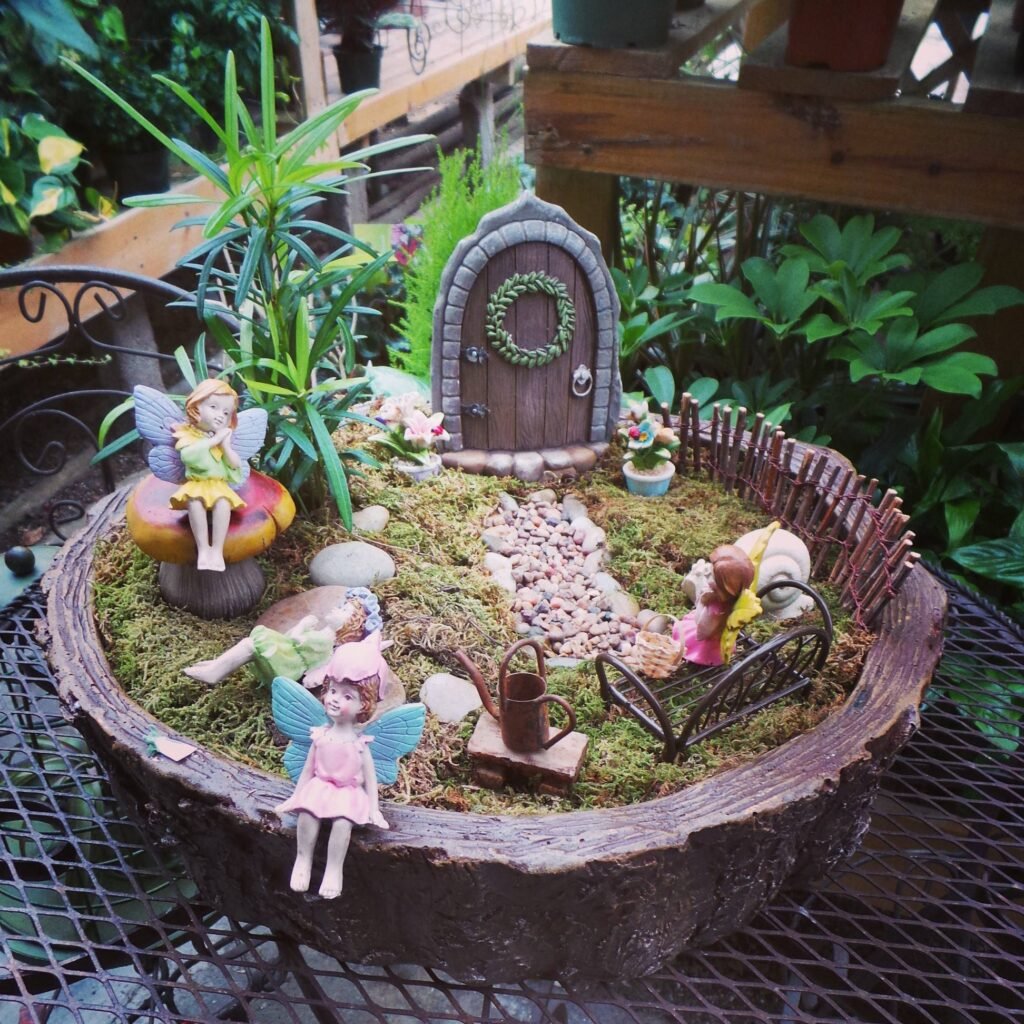
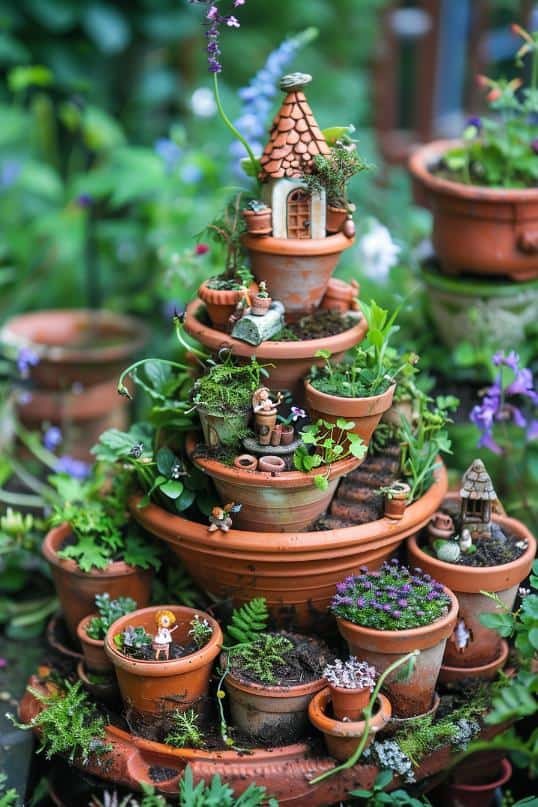
If you’re short on yard space, container fairy gardens are the perfect way to create magic on a small scale. These compact gardens fit into pots, barrels, baskets, or even old kitchenware, making them versatile and easy to maintain.

How to create one:

  • Choose a container with enough depth to hold soil and allow plant roots to grow. An old wooden crate, a galvanized tub, or a terracotta pot works beautifully.
  • Add miniature plants like moss, thyme, Irish moss, or baby’s tears to mimic grassy meadows. Use small succulents or dwarf ferns for variety.
  • Incorporate miniature accessories such as fairy houses, tiny fences, or a small bench made of twigs.
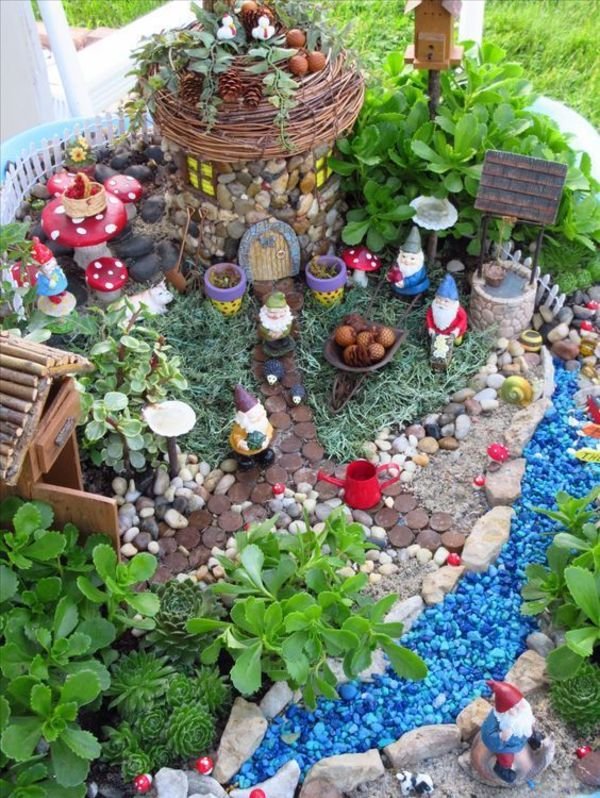
  • Create pathways with gravel, pebbles, or broken pieces of terracotta for an authentic look.

Why it works: Container fairy gardens are highly customizable, easy to move around, and can be kept indoors or outdoors depending on your climate. They’re also a fantastic project for kids since they can design their own fairy world in a manageable space.


2. Tree Stump Fairy Village

Tree stumps often sit unused in yards, but with a little imagination, they can become the foundation of a magical fairy village.

How to create one:

  • Hollow out the center of the stump slightly to hold soil and small plants like creeping thyme, moss, or groundcovers.
  • Build miniature fairy houses on or around the stump. You can use natural materials like bark, pinecones, pebbles, and twigs to craft roofs, doors, and windows.
  • Add ladders made of sticks or rope “bridges” to connect different levels of the stump.
  • Surround the stump with flowering plants like violas, alyssum, or pansies to bring bursts of color.

Why it works: Tree stumps have a rustic, woodland charm that perfectly fits the fairy garden theme. They provide a natural base that blends into the yard while offering height and texture for your magical village.


3. Fairy Garden Pathways and Hidden Corners

Sometimes the magic of a fairy garden lies in creating little surprises around your yard rather than one large setup. Scattering fairy accents along pathways or in hidden corners can turn your entire garden into a whimsical wonderland.

How to create one:

  • Line pathways with tiny fairy doors attached to tree trunks or fence posts, suggesting that fairies live nearby.
  • Place miniature lanterns, benches, or fairy figurines tucked between flowers, so visitors discover them as they walk.
  • Build a small stone arch or a twig pergola covered with climbing plants like ivy or sweet peas.
  • Add glowing solar-powered fairy lights along the pathway for nighttime enchantment.

Why it works: This idea turns your entire garden into a place of discovery. It creates an immersive experience, especially for children and guests, who’ll delight in spotting little fairy details hidden in unexpected places.


4. Water-Themed Fairy Garden

Nothing adds a sense of wonder quite like water. A fairy garden with a water feature brings movement, sound, and a serene atmosphere to your yard.

How to create one:

  • Start with a shallow container or a small pre-made pond liner.
  • Create a “fairy pond” by adding water and floating plants like duckweed or miniature lilies.
  • Use pebbles, seashells, and smooth stones to border the pond. Add a small wooden bridge or stepping stones across it.
  • Place tiny fairy figurines sitting by the water’s edge or a miniature boat floating on the pond.
  • If you want more drama, include a tiny solar-powered fountain for flowing water.

Why it works: Water adds a soothing, magical quality that makes your fairy garden feel alive. The reflection of plants and figurines in the pond also creates depth and a sense of enchantment.


5. Seasonal Fairy Gardens

Why limit your fairy garden to one design? You can refresh it throughout the year to reflect the changing seasons, making it a dynamic part of your yard.

Spring Fairy Garden:

  • Use pastel-colored flowers like violas, daffodils, and tulips.
  • Add tiny nests, bird figurines, and a miniature watering can.

Summer Fairy Garden:

  • Plant bright annuals like marigolds, zinnias, and lobelia.
  • Include accessories like a miniature picnic table, fairy hammocks, or tiny lanterns for “evening gatherings.”

Fall Fairy Garden:

  • Use pumpkins, gourds, and orange flowers like chrysanthemums or calendulas.
  • Create a fairy scarecrow or add rustic barrels filled with dried moss.

Winter Fairy Garden:

  • Incorporate evergreen plants, holly, and pinecones.
  • Add miniature sleds, fairy-sized Christmas trees, and twinkling string lights.

Why it works: Seasonal fairy gardens keep your yard visually engaging year-round. They allow you to experiment with different plants, themes, and accessories, making each season feel magical.


Tips for Building an Enchanting Fairy Garden

  1. Choose the right plants: Stick to miniature or slow-growing plants like moss, thyme, creeping Jenny, or dwarf hostas to maintain scale.
  2. Use natural materials: Twigs, stones, pinecones, and bark make authentic fairy accessories and blend seamlessly with your yard.
  3. Add lighting: Solar fairy lights, glow-in-the-dark pebbles, or small lanterns make your garden magical at night.
  4. Think small: The charm of fairy gardens lies in their miniature scale. Keep accessories and pathways tiny to maintain the illusion.
  5. Encourage creativity: Involve children or family members in designing the garden. They can craft fairy furniture or paint fairy doors for a personal touch.

Why Fairy Gardens Add Value to Your Yard

Fairy gardens aren’t just whimsical—they also bring practical and emotional benefits:

  • Encourages creativity: Designing and building fairy gardens lets you express your imagination.
  • Family bonding: Fairy gardens are fun projects for kids, encouraging them to spend more time outdoors.
  • Wildlife attraction: Using flowering plants and mosses can attract pollinators, butterflies, and even birds.
  • Stress relief: Working on these miniature landscapes provides a calming, therapeutic hobby.
  • Aesthetic charm: Fairy gardens instantly add uniqueness and visual appeal to your yard, making it stand out.

Final Thoughts

Fairy gardens invite magic into your everyday outdoor spaces. Whether you choose a container fairy garden, a tree stump village, a pathway of hidden surprises, a water-themed wonderland, or seasonal setups, these ideas can transform your yard into a storybook scene.

By combining creativity, natural materials, and miniature details, you’ll create an enchanting retreat where imagination flourishes. And the best part? Fairy gardens are endlessly customizable—you can start small and expand over time, adding new magical touches as inspiration strikes.

So gather your plants, pebbles, and tiny fairy accessories, and let your yard become a place where enchantment truly comes alive.

Unique Planter Ideas to Transform Your Garden

Unique Planter Ideas to Transform Your Garden

A garden is more than just a collection of plants—it’s a personal expression of creativity, style, and connection with nature. While traditional clay or ceramic pots have their timeless charm, unique planters can completely transform your garden’s look, turning ordinary spaces into extraordinary landscapes. From repurposed household items to innovative DIY creations, unique planters add character, charm, and personality to your outdoor space.

In this article, we’ll explore a variety of unique planter ideas that you can use to elevate your garden, whether you’re working with a sprawling backyard, a compact balcony, or even an indoor corner that craves a touch of greenery.


1. Repurposed Household Items as Planters

One of the most budget-friendly and creative ways to transform your garden is by repurposing old household items into planters. Instead of discarding worn-out or unused items, give them new life as homes for your plants.

  • Teapots and teacups: Old china or ceramic tea sets make charming mini-planters for succulents, herbs, or small flowering plants. Their delicate designs add a vintage vibe to any garden corner.
  • Colanders: With built-in drainage holes, colanders are perfect for cascading plants like ivy or petunias. Simply line them with coconut fiber before planting.
  • Shoes and boots: Worn-out rain boots, sneakers, or leather shoes can be quirky planters, adding a playful element to your garden.
  • Baskets: Old woven baskets, when lined properly, can be filled with colorful annuals or trailing vines for a rustic look.

These everyday items not only reduce waste but also tell a story, giving your garden a unique, personal touch.


2. Vertical Planter Walls

For those with limited garden space, vertical planters are both practical and eye-catching. By using vertical surfaces like fences, walls, or wooden pallets, you can create lush green displays that maximize space.

  • Pallet Planters: Wooden pallets can be repurposed into multi-level planters. Paint or stain them for a polished look, or leave them rustic for farmhouse charm.
  • Pocket Fabric Planters: Special wall-mounted fabric pockets are perfect for herbs, lettuces, or small ornamentals.
  • Hanging Mason Jars: Attach mason jars to a wooden board and mount it to the wall. These jars make beautiful planters for small herbs or flowers.

Vertical gardens are especially ideal for urban balconies, patios, or areas where floor space is limited.


3. Upcycled Furniture Planters

Old furniture pieces can find a new purpose in your garden by being converted into stylish planters.

  • Dresser Planters: An old dresser with its drawers pulled out at different levels creates a cascading display of flowers or trailing plants.
  • Chair Planters: Replace the seat of a wooden chair with a planter bowl or basket and fill it with blooms for a whimsical garden accent.
  • Bed Frame Garden: Transform an old iron bed frame into a raised flower bed for a dramatic and unique focal point.

These statement planters are not only functional but also serve as conversation pieces, adding character and history to your garden.


4. Hanging and Floating Planters

Hanging planters are perfect for adding greenery at eye level or above, creating layers of interest in your garden.

  • Macramé Hangers: Stylish and bohemian, macramé hangers hold ceramic or glass pots and are ideal for ferns, spider plants, or trailing pothos.
  • Floating Shelves with Planters: Wooden shelves suspended with ropes or chains can hold multiple small pots, ideal for herbs or succulents.
  • Upside-Down Planters: Some innovative planters allow plants to grow upside down, creating a striking and modern visual effect.

Hanging planters are especially useful for small balconies or patios where ground space is minimal.


5. Natural and Rustic Planters

Nature itself provides some of the best materials for unique planters. These options blend seamlessly into garden landscapes while adding organic charm.

  • Log Planters: Hollow out a fallen log or stump and use it as a planter for ferns, mosses, or flowers. The natural wood creates a fairy-tale aesthetic.
  • Stone Planters: Large stones with hollowed centers make sturdy, rustic planters for succulents or alpine plants.
  • Coconut Shell Planters: Coconut halves make eco-friendly planters, especially for small plants or hanging arrangements.
  • Driftwood Planters: Twisted driftwood can be carved or drilled to hold small succulents, creating sculptural natural art pieces.

These planters are perfect for gardens that emphasize a rustic, woodland, or eco-friendly design.


6. Whimsical and Artistic Planters

Adding a playful twist to your garden can make it feel more inviting and fun. Whimsical planters bring a touch of personality and creativity.

  • Toy Planters: Old toy trucks, wagons, or even dolls can be upcycled into quirky planters.
  • Face Pots: Pots with sculpted or painted faces look delightful when plants grow as “hair.” Trailing plants like spider plants or ivy enhance the effect.
  • Birdcage Planters: A vintage birdcage filled with colorful flowers or vines creates a charming, romantic centerpiece.
  • Painted Tire Planters: Old tires painted in bright colors and arranged creatively can serve as raised beds or vertical displays.

These planters are perfect for family gardens where children can also contribute ideas and creativity.


7. Modern and Minimalist Planters

For those who prefer a sleek, contemporary look, minimalist planters offer a refined approach.

  • Concrete Planters: Simple, geometric shapes in neutral tones complement modern architecture and highlight plant forms.
  • Metallic Planters: Stainless steel, copper, or brushed aluminum planters give an elegant, industrial feel.
  • Glass Terrariums: Ideal for succulents or air plants, glass terrariums add sophistication to both indoor and outdoor spaces.
  • Symmetrical Modular Planters: These allow for creative arrangements, such as repeating cubes or cylinders, to form artistic displays.

Minimalist planters focus on clean lines and let the plants themselves be the star.


8. Seasonal and Themed Planters

Unique planters can also reflect the seasons or holidays, making your garden feel festive year-round.

  • Pumpkin Planters in Fall: Hollowed pumpkins filled with mums or pansies are perfect for autumn décor.
  • Lantern Planters for Winter: Old lanterns can be filled with evergreens, holly, or candles for a cozy winter garden.
  • Beach-Themed Planters in Summer: Seashells, sand pails, or driftwood arrangements bring a coastal vibe.
  • Springtime Watering Can Planters: Painted watering cans overflowing with tulips or daisies bring seasonal cheer.

Themed planters can easily be changed throughout the year, keeping your garden lively and dynamic.


9. DIY Creative Planter Projects

If you love crafting, try building your own custom planters:

  • Concrete Mold Planters: Use molds to create planters in creative shapes like stars, hearts, or hexagons.
  • Ladder Shelf Planters: An old ladder repurposed into a tiered plant stand creates a stunning vertical display.
  • Chandelier Planters: Turn an old chandelier into a hanging planter by attaching small pots where the lightbulbs once were.
  • Wine Barrel Planters: Cut barrels into halves or quarters to use as rustic raised beds.

DIY planters let you express your creativity while personalizing your garden.


Tips for Choosing Unique Planters

While experimenting with unique planter ideas, keep these tips in mind:

  1. Drainage is essential – Ensure every planter has proper drainage holes or lining to prevent root rot.
  2. Match plants to container size – Small containers dry out quickly, so choose drought-tolerant plants for them.
  3. Consider mobility – Heavy planters like stone or concrete may be difficult to move, so place them wisely.
  4. Protect delicate materials – If using wood or metal, treat them to prevent rot or rust.
  5. Blend with your style – Choose planters that enhance your garden theme, whether it’s rustic, modern, whimsical, or eco-friendly.

Final Thoughts

Transforming your garden with unique planters is all about blending creativity, functionality, and personal expression. Whether you repurpose old household items, craft DIY masterpieces, or invest in modern minimalist designs, unique planters can turn a simple garden into an extraordinary sanctuary.

By experimenting with textures, shapes, and materials, you’ll not only showcase your plants beautifully but also create an outdoor space that reflects your personality and style. With just a few creative touches, your garden will evolve into a truly magical and inspiring environment—proof that sometimes, it’s not just the plants but the planters that make all the difference.