How to Check for Root Bound Plants Without Removing Them

How to Check for Root Bound Plants Without Removing Them

Indoor plants bring vibrancy and life to any space, but over time, they can quietly outgrow their containers. A common issue many houseplant lovers face is root binding — when the roots fill up the pot and start circling around themselves due to a lack of space. This condition can lead to stunted growth, yellowing leaves, and poor health. The tricky part? You don’t always need to pull the plant out to know it’s root bound. With the right observation and care, you can spot the signs early — and give your green friend the help it needs before it’s too late.

This article explores how to check if your plant is root bound without removing it from its pot, what causes the problem, how to fix it, and how to prevent it in the future.


What Does “Root Bound” Mean?
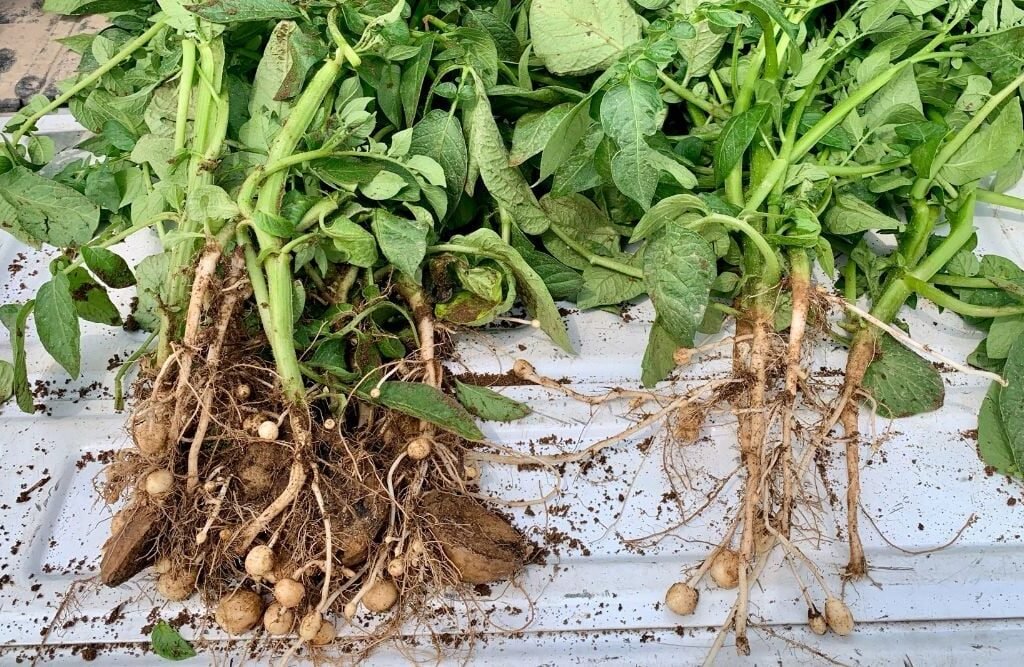
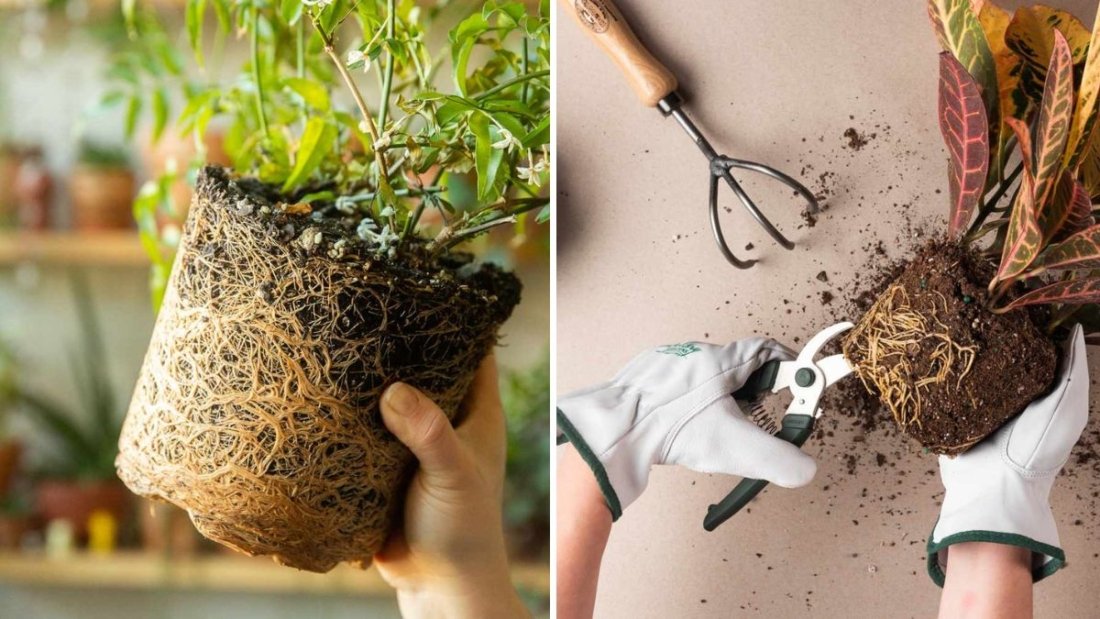
A plant becomes root bound when its roots outgrow the container they’re planted in. Instead of spreading naturally through soil, the roots start circling around the pot walls, forming dense, tangled mats. This limits the plant’s ability to absorb nutrients and water efficiently. Over time, the soil becomes compacted, airflow reduces, and the plant struggles to thrive.

Root binding is most common in fast-growing species like pothos, philodendron, spider plants, and peace lilies. However, any indoor plant can become root bound if left in the same pot for too long.


Why It’s Important to Spot Root Binding Early

If caught early, repotting or root pruning can restore your plant’s health quickly. However, when left too long, root-bound plants may:

  • Stop growing new leaves.
  • Become dehydrated even with regular watering.
  • Develop nutrient deficiencies.
  • Have poor resistance to pests or diseases.
  • Eventually die due to stress and lack of resources.

Checking regularly for early signs helps you intervene before your plant’s root system becomes severely tangled or damaged.


1. Observe the Drainage Holes
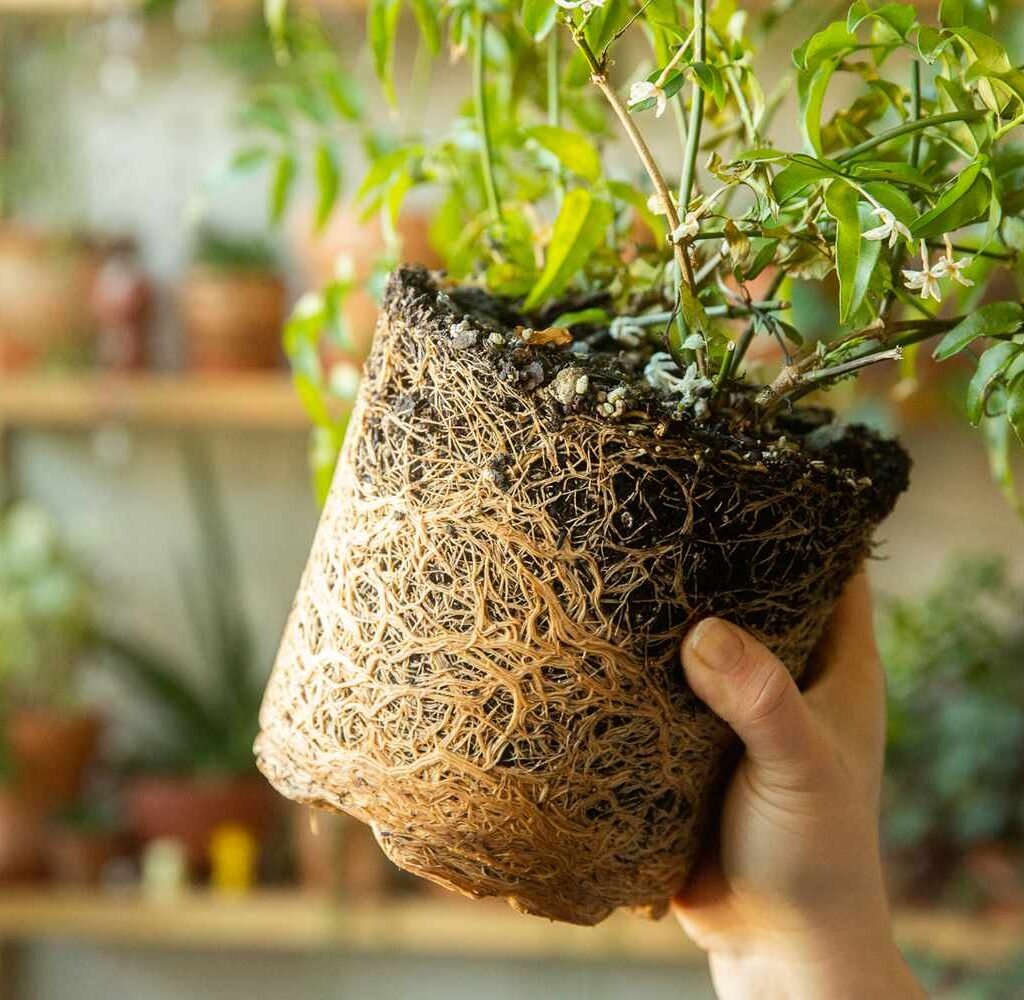
One of the easiest ways to check for root binding without disturbing the plant is to inspect the pot’s drainage holes.

  • Roots emerging from the bottom: If you see thick, white roots poking through, it’s a sign the roots have reached the edge of the container and are searching for more space.
  • Compact root masses: In severe cases, the roots may even push the soil out or wrap tightly around the drainage hole.

If this happens, your plant likely needs repotting soon. You can trim any exposed roots temporarily to reduce stress while preparing a new pot.


2. Check the Water Absorption Rate
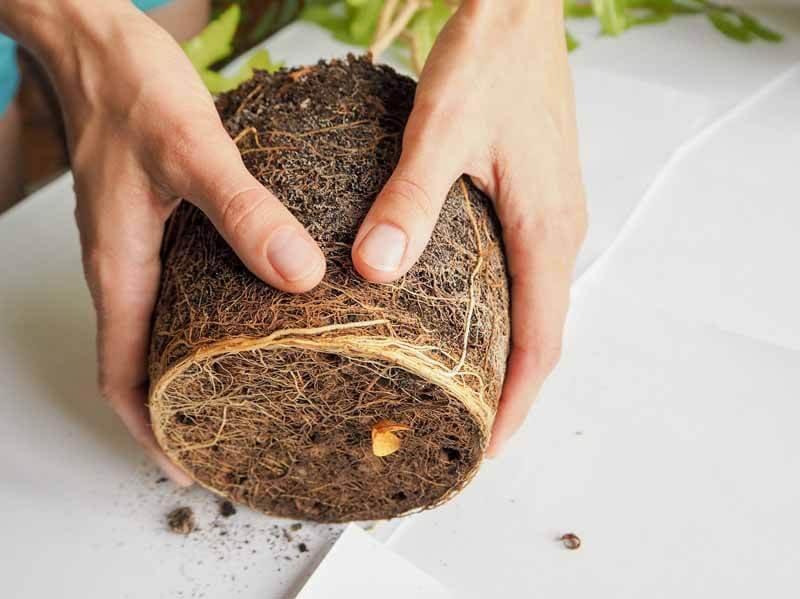
Another reliable clue is how your plant absorbs water.

  • Water runs straight through: If water drains too quickly, it might not be soaking into the soil properly. This can happen because the root mass has replaced much of the soil, leaving little room for moisture retention.
  • Water pools on top: On the other hand, if water takes a long time to absorb or just sits on the surface, the soil may be too compacted from dense roots below.

Both scenarios indicate that roots are crowding the pot and preventing proper water flow.


3. Look for Deformed or Cracked Pots

Roots are surprisingly strong — strong enough to warp plastic or even crack terracotta pots over time.

  • Bulging sides: If the pot looks slightly misshapen, that’s a major red flag that roots are pressing against the container walls.
  • Cracks forming: In clay or ceramic pots, cracks near the bottom or sides often mean the roots are pushing outward due to lack of space.

Inspect the pot periodically for subtle structural changes, especially with older, established plants.


4. Monitor Growth Patterns and Leaf Health
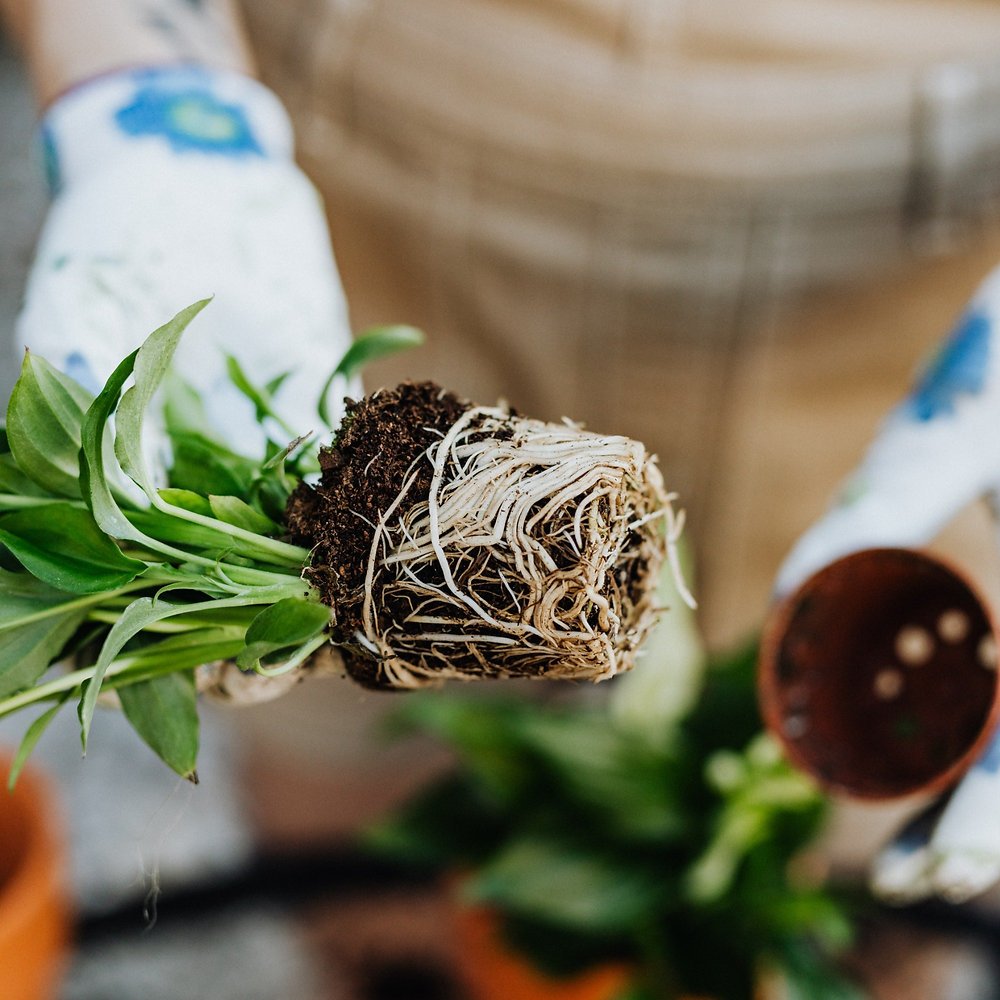
Root-bound plants often show stress above the soil as well. Watch for these visible symptoms:

  • Stunted growth: The plant stops growing new leaves or produces much smaller ones.
  • Yellowing or browning leaves: A sign that roots can’t take up enough water or nutrients.
  • Drooping despite watering: When roots can’t absorb efficiently, the plant wilts quickly even in moist soil.
  • Frequent drying out: The pot seems to dry out much faster than before, indicating limited soil volume.

If your plant used to be lush and fast-growing but suddenly slows down, the root system might be confined.


5. Examine the Soil Surface

The top layer of soil can reveal hidden clues about the condition beneath.

  • Roots visible on the surface: When roots start breaking through the soil layer, it’s a clear sign they’ve filled up the lower space and are reaching upward for room.
  • Soil pulling away from edges: Compact roots can shrink the soil mass, leaving visible gaps between the soil and the pot walls.

Gently press your finger into the soil. If it feels hard and compact instead of soft and crumbly, the plant may be root bound.


6. Note How Often You Need to Water
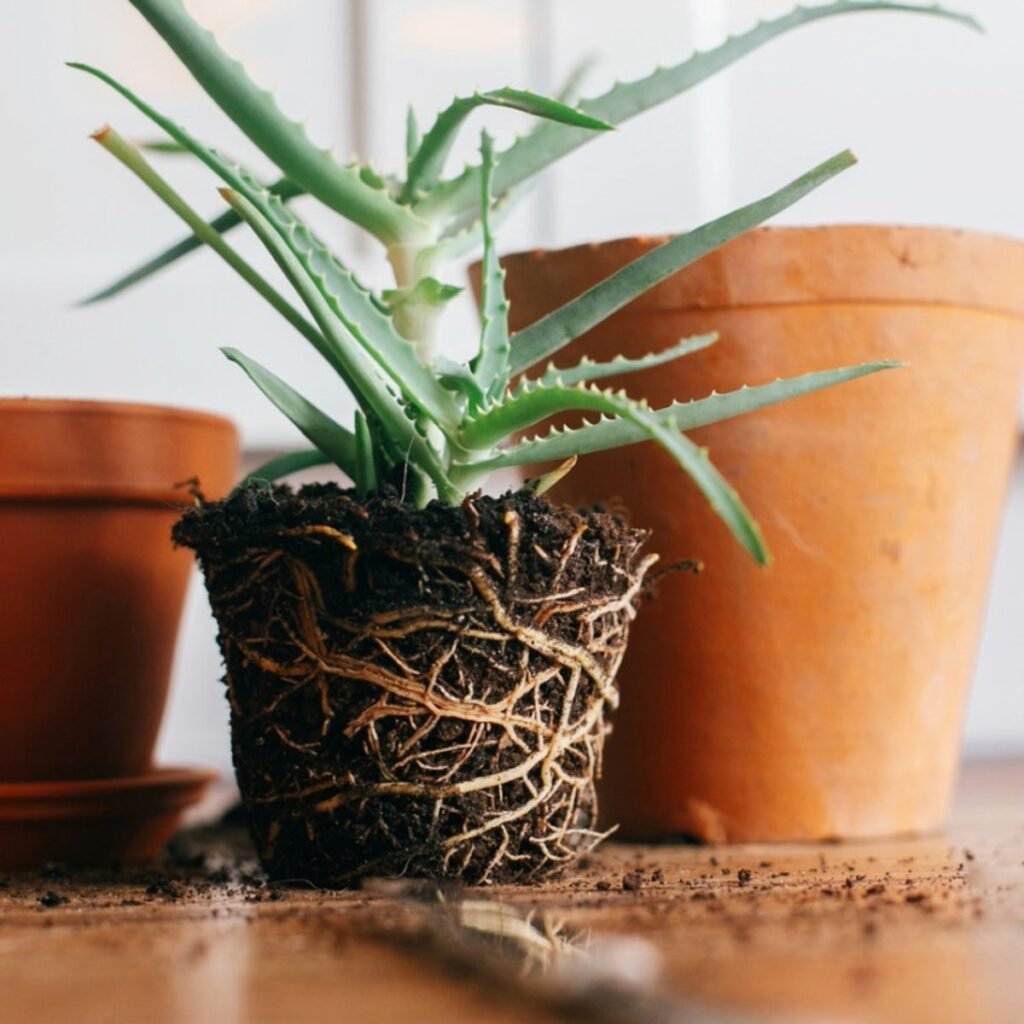
A sudden change in your plant’s watering schedule can also hint at root crowding.

If you find yourself watering much more frequently than before — yet the soil dries out within a day or two — it’s likely that roots have taken over most of the pot space. Since there’s less soil left to retain moisture, the plant becomes thirstier faster.


7. Use Gentle Pressure to Check Soil Firmness

You can also assess root density by lightly pressing the sides of a plastic pot.

  • If the pot feels very firm or rigid and doesn’t compress at all, the roots inside are tightly packed.
  • A slightly flexible feel usually indicates there’s still some loose soil and growing room left.

Avoid pressing too hard, as this could disturb delicate roots near the edges.


What to Do If Your Plant Is Root Bound

Once you’ve confirmed that your plant is likely root bound, here’s how to help it recover without causing shock:

1. Repot into a Slightly Larger Container

Choose a new pot that’s about 2 inches wider in diameter than the current one. Too large a pot can hold excess moisture, which may lead to root rot.

2. Loosen the Root Ball Gently

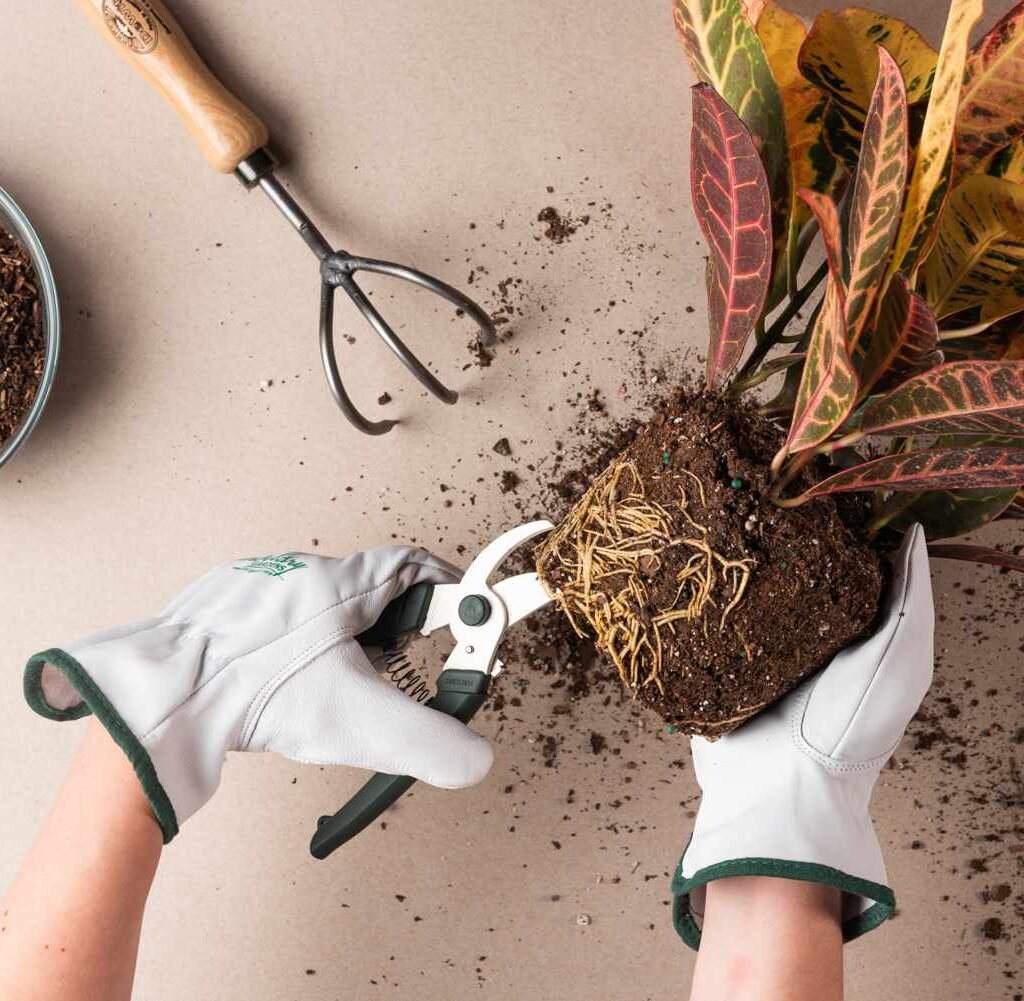
When you do repot, use your fingers to tease apart tangled roots at the bottom and sides. This helps them spread into the new soil and absorb nutrients efficiently.

3. Use Fresh, Well-Draining Soil

Old soil often loses nutrients and compacts over time. Use a high-quality potting mix with ingredients like perlite, coco coir, or bark to promote aeration.

4. Water Thoroughly After Repotting

This helps settle the soil around the roots and minimizes transplant shock.

5. Trim Excess Roots (If Needed)

If you don’t want the plant to grow larger, gently prune away about one-third of the root mass before replanting in the same pot.


How to Prevent Future Root Binding

Prevention is always easier than cure. Here’s how to keep your indoor plants healthy and spacious:

  • Repot every 1–2 years for fast-growing species.
  • Refresh the top few inches of soil annually for slower growers.
  • Choose pots with proper drainage holes to support healthy root growth.
  • Rotate pots regularly to ensure even light and balanced development.
  • Monitor growth patterns — if your plant suddenly slows down, it may be signaling root congestion.

Final Thoughts

You don’t need to pull a plant out of its pot to know if it’s root bound. By observing subtle clues — from water absorption to pot shape — you can understand your plant’s needs more deeply and take timely action.

Healthy roots are the foundation of thriving indoor plants. Learning to recognize and manage root binding not only prevents stunted growth but also helps your plants live longer, fuller, and more beautiful lives.

So next time your plant looks unhappy, skip the guesswork — and let its roots (and pot) tell you the story.
Why You Should Rotate Plants Every Few Weeks

Why You Should Rotate Plants Every Few Weeks

If you’ve ever noticed your indoor plants leaning toward the window or growing unevenly, you’ve witnessed a natural phenomenon called phototropism—a plant’s instinctive response to light. While this is a sign that your plant is seeking sunlight for photosynthesis, it also indicates that your plant is not getting balanced light exposure.

One simple but often overlooked habit can fix this: rotating your plants every few weeks. This small action can have a big impact on your plant’s overall health, appearance, and growth symmetry. In this detailed guide, we’ll explore why rotation is essential, what happens when you don’t do it, how often to rotate, and the best ways to make it part of your regular indoor plant care routine.


1. The Science Behind Plant Rotation

To understand why rotation matters, it helps to know how plants interact with light.

Plants depend on light for photosynthesis, the process that allows them to convert sunlight into food. Naturally, they grow toward their strongest light source to maximize energy absorption. Indoors, that light usually comes from a single direction—such as a window, balcony, or artificial grow light.

As a result, the side facing the light grows faster and develops stronger, healthier leaves, while the opposite side often becomes weaker, paler, or sparse. Rotating your plant ensures every side receives equal light exposure, leading to balanced, uniform growth.

In short, rotation corrects the uneven effects of phototropism and helps maintain plant symmetry, strength, and vitality.


2. Prevents Leaning and Uneven Growth

One of the most common issues in indoor gardening is when plants start to lean dramatically toward the light.

While this might seem harmless at first, over time it can cause:

  • Uneven shape: One side becomes lush while the other remains sparse or bare.
  • Weak stems: The plant’s structure becomes unbalanced and may struggle to support its own weight.
  • Reduced aesthetics: The plant looks lopsided, which detracts from the beauty of your indoor space.

By rotating your plant a quarter turn (about 90 degrees) every one to two weeks, you encourage even light distribution across all sides. The result? A fuller, more symmetrical plant that grows upright and looks healthy from every angle.


3. Promotes Stronger Stems and Foliage

When plants continuously lean toward a single light source, their stems can become elongated and weak — a condition known as etiolation. This happens because the plant stretches itself unnaturally to reach more light.

Rotating plants helps them develop strength evenly, forcing stems to adjust to different light directions over time. This movement encourages:

  • Thicker, sturdier stems that can support heavier leaves.
  • More balanced root anchoring in the soil.
  • Compact, bushier growth instead of leggy, weak stems.

Strong stems are especially important for tall plants like fiddle-leaf figs, rubber plants, and dracaenas, which can become top-heavy if not rotated regularly.


4. Ensures Consistent Photosynthesis

Each leaf on a plant acts like a miniature solar panel, collecting light to fuel photosynthesis. When only one side of the plant consistently faces the light source, the opposite leaves receive less energy, slowing down their food production.

By rotating your plant:

  • Every leaf gets sunlight over time, maximizing the plant’s ability to photosynthesize effectively.
  • The plant maintains balanced nutrient distribution, as energy from photosynthesis is shared throughout the system.
  • Overall growth becomes steady and uniform rather than concentrated in one direction.

Consistent photosynthesis not only keeps your plant looking great but also boosts its long-term health and resilience.


5. Prevents Fungal Issues and Pest Build-Up

Surprisingly, rotation also plays a role in preventing diseases and pests. When one side of a plant constantly faces away from light and airflow, it can stay damp and shaded — the perfect environment for pests like spider mites or fungal infections such as powdery mildew.

Turning your plant regularly helps:

  • Improve air circulation around all sides.
  • Allow light to reach hidden areas, keeping moisture in check.
  • Expose pests before they spread throughout the plant.

This practice is particularly beneficial for dense or bushy species like ferns, peace lilies, and calatheas, where inner leaves can trap moisture easily.


6. Improves Aesthetics and Plant Symmetry

Beyond health benefits, rotating plants also helps maintain their visual appeal.

Indoor plants are often used as decor elements, and an uneven or lopsided plant can disrupt a room’s balance. Rotation keeps your plants symmetrical, with even leaf growth and a rounded form that enhances any space.

Whether your plant sits in a corner, on a shelf, or by a window, rotating it ensures it looks vibrant and balanced from every viewing angle. For tall statement plants, this can make a striking difference in your home’s overall aesthetic.


7. Reduces Stress During Seasonal Light Changes

Light conditions inside your home change throughout the year. In winter, sunlight is weaker and more angled, while in summer, it’s brighter and more direct. These shifts can cause plants to adapt their growth direction constantly.

Regular rotation helps them adjust gradually to these changes, minimizing stress and preventing shock. This steady exposure allows the plant to adapt to seasonal lighting rather than react drastically to sudden differences in brightness or direction.


8. Keeps Indoor Arrangements Harmonious

If you have multiple plants grouped together — such as on a plant stand or shelf — some may receive more light than others, depending on their position. Without rotation:

  • One plant may thrive while another lags behind.
  • Foliage density may become uneven within the display.

By rotating individual pots within the group, you ensure each plant enjoys a fair share of light and space. This simple step keeps your indoor garden visually cohesive and healthy as a whole.


9. How Often Should You Rotate Your Plants?

The frequency of rotation depends on your plant type and lighting conditions. Here’s a general guide:

Every 1–2 Weeks:

  • Plants in bright, direct light (near south-facing windows).
  • Fast-growing tropicals like Monsteras, Pothos, and Rubber Plants.

Every 3–4 Weeks:

  • Plants in moderate to low light (north-facing windows or shaded corners).
  • Slower-growing varieties like Snake Plants or ZZ Plants.

Tips for Effective Rotation:

  • Rotate 90 degrees each time (a quarter turn).
  • Mark the pot with a small dot or sticker to track rotation direction.
  • Observe growth patterns — some plants may need more frequent adjustments if they lean quickly.

The key is consistency — rotating regularly is better than doing it occasionally and forgetting for months.


10. Combine Rotation with Other Care Practices

Rotation works best when combined with other good plant care habits. Together, these create a balanced environment for steady, healthy growth.

Complementary Care Tips:

  • Clean the leaves regularly to remove dust, allowing better light absorption.
  • Adjust watering according to light exposure — rotated sides may dry faster or slower.
  • Fertilize evenly, as all parts of the plant should get nutrients for balanced growth.
  • Check for pests when rotating — inspect undersides of leaves for early signs.

By combining these practices, you give your plant everything it needs to grow strong and evenly, without stress or imbalance.


11. The Role of Rotation in Long-Term Plant Health

Think of rotation as a gentle, ongoing training method for your plant. Just like humans benefit from balanced exercise, plants benefit from balanced exposure. Over time, this practice:

  • Encourages compact, even growth.
  • Enhances leaf coloration by ensuring uniform light exposure.
  • Increases longevity, as balanced growth puts less strain on roots and stems.

In other words, regular rotation contributes not just to a plant’s immediate appearance but also to its long-term health and sustainability indoors.


12. Common Mistakes to Avoid When Rotating Plants

While rotation is simple, some mistakes can reduce its effectiveness or even harm your plant.

  • Rotating too frequently: Daily or random rotations can stress the plant by not allowing it to adjust to light direction.
  • Neglecting light quality: Rotation won’t help much if your overall lighting is insufficient.
  • Moving plants abruptly: Avoid changing both rotation and light position drastically at once; it may cause shock.
  • Forgetting to stabilize large plants: Tall or heavy potted plants should be handled carefully during rotation to prevent tipping or root disturbance.

Gentle, consistent movements work best — think of it as guiding, not forcing, your plant.


Conclusion

Rotating your indoor plants every few weeks might seem like a small detail, but it’s one of the most powerful habits you can adopt for healthy, beautiful, and balanced growth. It ensures that every leaf gets its share of light, prevents lopsided shapes, strengthens stems, and keeps pests and fungi at bay.

Ultimately, rotation mirrors what plants experience in nature — the shifting light of the sun throughout the day. By recreating that gentle balance indoors, you allow your plants to grow the way they were meant to: evenly, harmoniously, and full of vitality.

So the next time you water your plants, take a moment to give each pot a quarter turn. It’s a simple twist that can make all the difference between an ordinary houseplant and a thriving, radiant centerpiece of your home.

How to Keep Indoor Plants From Outgrowing Their Space

How to Keep Indoor Plants From Outgrowing Their Space

Indoor plants bring beauty, calm, and life into our homes. From the lush leaves of a monstera to the graceful trailing vines of pothos, they elevate indoor aesthetics and purify the air we breathe. However, as plants mature, many of them can quickly outgrow their designated spots — stretching toward the ceiling, sprawling across furniture, or overflowing their containers.

Managing plant growth isn’t just about keeping things tidy; it’s about maintaining the plant’s health and ensuring it fits harmoniously in your living space. In this detailed guide, we’ll explore how to keep indoor plants from outgrowing their space through smart pruning, pot management, growth control, and care strategies — without compromising their vitality.


1. Understanding Why Indoor Plants Outgrow Their Space

Indoor plants outgrow their space for a few key reasons:

  • Natural growth patterns: Some species, like fiddle-leaf figs or rubber plants, are designed to grow tall, while trailing plants like pothos or philodendrons spread horizontally.
  • Optimal conditions: When provided with ideal light, moisture, and nutrients, plants thrive and can grow faster than expected.
  • Over-potting or overfeeding: Giving plants too much soil or fertilizer can encourage vigorous growth beyond your desired size.

Recognizing your plant’s natural tendencies helps you plan and manage its growth strategically — keeping it attractive and proportionate to your room.


2. Choose the Right Plant for the Space

Before worrying about how to control size, it’s important to match the plant to the space. Selecting species that naturally fit your environment saves you future hassle.

Best Plants for Compact Spaces:

  • Small upright plants: Snake Plant, Peace Lily, ZZ Plant
  • Compact trailing plants: English Ivy, String of Pearls, Heartleaf Philodendron
  • Miniature or dwarf varieties: Dwarf Schefflera, Mini Monstera (Rhaphidophora tetrasperma), Pygmy Date Palm

If you have limited vertical space, avoid fast-growing or tree-like plants such as Fiddle Leaf Figs, Bird of Paradise, or Areca Palms unless you’re ready for regular maintenance.


3. Control Growth with Regular Pruning

Pruning is the most effective and sustainable way to prevent your plants from outgrowing their surroundings. It helps maintain shape, size, and density while encouraging healthy new growth.

Pruning Tips:

  • Trim during active growth seasons (spring and summer) when plants recover quickly.
  • Use sterilized, sharp shears to avoid infection.
  • Cut above leaf nodes (where a leaf joins the stem) to encourage branching.
  • Remove leggy, yellowed, or dead leaves regularly to keep plants compact and neat.
  • For trailing or vining plants, snip back long runners to encourage fuller, bushier growth instead of length.

Example: A Pothos or Philodendron can be kept lush and dense by trimming long vines and replanting the cuttings for a fuller look.


4. Limit Pot Size to Restrict Root Growth

Pot size plays a direct role in controlling a plant’s growth. When roots have ample space, they expand quickly — and the plant above the soil follows suit. Conversely, keeping plants in a slightly snug pot helps limit growth naturally.

Guidelines for Pot Management:

  • Avoid unnecessary repotting: Only repot when roots are visibly emerging from drainage holes or when water drains too quickly.
  • Choose smaller containers: This restricts root expansion and maintains a manageable size.
  • Refresh soil instead of upsizing pots: Every 1–2 years, replace the top few inches of soil to rejuvenate nutrients without changing pot size.

This method keeps your plant healthy but contained, especially for species like Monsteras or Rubber Plants that tend to grow large quickly.


5. Adjust Lighting Conditions for Balanced Growth

Light fuels photosynthesis, which in turn fuels growth. While you should never deprive a plant of essential light, slightly moderating light exposure can slow down overly vigorous growth.

Light Management Tips:

  • Move fast-growing plants slightly away from their brightest light source.
  • Use filtered or indirect light for tropical varieties instead of full sun.
  • Rotate pots regularly to ensure even growth and prevent one-sided stretching.

However, remember: too little light leads to leggy, weak stems. The goal is to balance light intensity to maintain steady but moderate growth.


6. Manage Fertilizer Use Carefully

Fertilizer provides nutrients that accelerate growth — especially nitrogen, which promotes lush foliage. To keep your indoor plants compact, you must fertilize wisely.

Smart Fertilizing Practices:

  • Use diluted fertilizer (half the recommended strength) during growing seasons.
  • Reduce feeding during fall and winter when most plants slow their growth naturally.
  • Opt for balanced or low-nitrogen formulas (like 5-10-10) instead of high-nitrogen blends.
  • Avoid over-fertilizing, which can lead to root burn and uncontrollable top growth.

A nutrient-balanced approach encourages sturdy, healthy plants without excessive expansion.


7. Use Pruning and Propagation to Maintain Manageability

When plants become too large, pruning alone may not be enough — propagation is an excellent solution to both reduce size and multiply your plant collection.

Steps for Propagation:

  1. Cut healthy stems or leaves during pruning.
  2. Place the cuttings in water or moist potting mix.
  3. Once roots form, pot them into small containers.

This method keeps your main plant compact while creating smaller plants to share or display elsewhere. It works wonderfully for species like pothos, monstera, and philodendron.


8. Utilize Growth Regulators (Natural Alternatives)

If your plant’s growth remains too vigorous even after pruning and pot adjustments, you can use natural methods to slow it down.

Natural Growth Control Techniques:

  • Reduce watering slightly: Water only when the top inch of soil is dry. Limited water reduces nutrient uptake, slowing growth.
  • Cooler temperatures: Slightly cooler indoor conditions (around 18–20°C) slow growth without harming most tropical plants.
  • Less frequent repotting: Prevents roots from expanding excessively.
  • Pinching tips: Regularly pinch off new growth tips to direct energy into maintaining existing leaves instead of growing taller.

These subtle adjustments keep your plants in check while preserving their health and beauty.


9. Train and Shape Tall or Sprawling Plants

For plants that naturally grow tall or wide, training and shaping can help them stay visually pleasing without taking over your space.

Training Techniques:

  • Use stakes or moss poles for climbing plants like Monsteras or Philodendrons to encourage vertical, controlled growth.
  • For trailing plants, guide vines along shelves, trellises, or hanging baskets to save floor space.
  • Regularly rotate and rearrange stems to create balance and prevent crowding.

Shaping your plant not only keeps it proportionate but also adds a decorative element to your indoor design.


10. Know When to Downsize or Replace

Sometimes, even with careful management, a plant may simply outgrow your available space. When this happens, it’s best to make a practical decision rather than struggle to contain it.

Options to Consider:

  • Gift or rehome the mature plant to someone with more space.
  • Take cuttings and start a smaller version of the same plant.
  • Relocate larger plants to a balcony, patio, or outdoor area (if the climate allows).

Downsizing doesn’t mean failure — it’s part of responsible plant care and ensures that both you and your plants continue to thrive comfortably.


11. Keep a Routine Maintenance Schedule

Consistency is key when managing plant growth indoors. A regular care schedule helps you notice early signs of overgrowth, stress, or imbalance.

Monthly Maintenance Checklist:

  • Check for root growth and repot only if necessary.
  • Trim any leggy stems or overgrown branches.
  • Dust leaves regularly for better photosynthesis.
  • Inspect for pests or diseases that can affect growth.

This proactive approach keeps your plants healthy, manageable, and looking their best.


Conclusion

Keeping indoor plants from outgrowing their space is all about balance and foresight. By selecting the right species, controlling light and nutrients, pruning regularly, and managing pot size, you can maintain a thriving indoor garden that complements your living area instead of overwhelming it.

Think of plant growth management not as restriction, but as cultivation — shaping your green companions to suit your home’s rhythm and style. With patience, regular care, and mindful adjustments, your indoor plants will remain beautiful, balanced, and perfectly sized for years to come.

How to Manage Humidity Levels for Tropical Houseplants

How to Manage Humidity Levels for Tropical Houseplants

Tropical houseplants have a unique charm — their lush leaves, vibrant colors, and exotic appearance can instantly transform any indoor space into a tranquil oasis. However, keeping these plants healthy and thriving indoors can sometimes be a challenge, especially when it comes to maintaining the right humidity levels.

Humidity plays a vital role in the life of tropical plants. Most of them originate from rainforests where the air is warm and saturated with moisture, providing the perfect environment for dense, glossy foliage and steady growth. When moved indoors, especially in homes with air conditioning or heating, the air tends to become dry — creating stress for tropical species that crave moisture.

In this article, we’ll explore why humidity is so important, how to measure and adjust it, and practical ways to manage humidity levels for your tropical houseplants so they can flourish all year long.


1. Why Humidity Matters for Tropical Houseplants

Humidity refers to the amount of water vapor in the air. Most tropical houseplants — such as monstera, calathea, bird of paradise, and ferns — thrive best in environments where humidity levels range from 60% to 80%.

When the air around them is too dry, their leaves can lose moisture faster than they can absorb it, leading to common problems like:

  • Browning or crisping leaf edges
  • Drooping or curling leaves
  • Slower growth
  • Increased susceptibility to pests like spider mites

On the other hand, too much humidity without proper air circulation can lead to fungal problems, mold, or root rot. Therefore, managing humidity is about finding the perfect balance — moist enough for lush foliage but not so damp that disease thrives.


2. Measuring Humidity Levels Indoors

Before you adjust humidity levels, it’s essential to know what you’re working with. The easiest way to measure indoor humidity is with a digital hygrometer — a small, affordable device that gives accurate real-time readings.

How to Use a Hygrometer:

  • Place it near your plants but not directly on top of the soil.
  • Observe readings at different times of day — humidity may drop significantly when heaters or ACs are running.
  • Note that humidity is typically highest in the morning and lowest in the afternoon.

For tropical plants, if your hygrometer consistently reads below 50%, you’ll need to boost humidity using some of the strategies below.


3. Increase Humidity Naturally: Grouping Plants Together

One of the easiest and most natural ways to raise humidity for your tropical plants is by grouping them closely together.

When plants transpire — releasing moisture from their leaves — they create a mini microclimate of higher humidity around them. By clustering several plants, especially tropical varieties, you can create a naturally humid pocket of air that benefits all of them.

Best Spots for Grouped Plants:

  • Corners near windows where sunlight is bright but indirect.
  • Away from air vents or heaters that can dry out the air.
  • On plant stands with pebble trays (explained below) for extra effect.

Grouping also helps recreate the feeling of a dense rainforest canopy — both for your plants and for your aesthetic!


4. Use Pebble Trays for Gentle Humidity Boost

Pebble trays are a simple, budget-friendly way to increase humidity directly around your plants without overwatering them.

How to Make a Pebble Tray:

  1. Take a shallow tray or dish larger than your plant pot.
  2. Fill it with small stones or decorative pebbles.
  3. Add water just below the top of the pebbles — not enough to touch the pot’s base.
  4. Place your plant pot on top of the pebbles.

As the water in the tray evaporates, it increases humidity around the plant. This micro-humid environment can make a noticeable difference for moisture-loving plants like ferns, calatheas, and alocasias.


5. Invest in a Humidifier for Consistent Results

For those who grow a large collection of tropical houseplants or live in dry climates, a humidifier is the most reliable solution.

Modern humidifiers can automatically maintain desired humidity levels and distribute moisture evenly throughout a room.

Types of Humidifiers:

  • Cool Mist Humidifiers: Ideal for most tropical plants. They add moisture without altering room temperature.
  • Warm Mist Humidifiers: Create a cozier feel during winter but should be placed safely away from plants.
  • Ultrasonic Humidifiers: Quiet and energy-efficient, making them perfect for bedrooms or plant corners.

Set the humidifier to maintain around 60% humidity and place it near, but not too close, to your plants to prevent direct moisture on the leaves.


6. Misting: A Quick Fix (But Not a Long-Term Solution)

Many plant enthusiasts love misting their tropical houseplants, and while it offers a short-term moisture boost, it’s not the most effective long-term strategy.

When to Mist:

  • Early in the morning, so leaves dry by evening (reducing fungal risk).
  • During dry months when air conditioning or heating is active.

Tips for Effective Misting:

  • Use distilled or rainwater to prevent mineral buildup.
  • Mist the air around the plants, not just the leaves.
  • Combine misting with other methods like pebble trays or humidifiers for best results.

Excessive misting, especially in low-light or stagnant-air conditions, can lead to mildew or fungal leaf spots — so moderation is key.


7. Control Air Circulation Alongside Humidity

While increasing humidity is essential, ensuring proper air circulation is equally important. Stagnant, overly humid air can create an environment for mold and pests to thrive.

How to Improve Air Movement:

  • Use a small oscillating fan near your plants to circulate air gently.
  • Keep windows slightly open for fresh airflow when weather permits.
  • Avoid placing plants too close together without adequate ventilation.

Balanced humidity with moving air mimics tropical conditions, where moisture is abundant but constantly refreshed by natural breezes.


8. Avoid Common Mistakes When Managing Humidity

Managing humidity might seem simple, but small missteps can quickly harm your tropical houseplants. Here are common mistakes to watch out for:

  • Over-misting: Leads to fungal growth and leaf spotting.
  • Placing humidifiers too close: Constant wet leaves can encourage rot.
  • Neglecting air circulation: Traps excess moisture and fosters mold.
  • Ignoring seasonal changes: Indoor humidity drops drastically in winter and rises during the rainy season. Adjust accordingly.

Observing your plants regularly helps you respond to early signs of stress — drooping, browning, or sticky leaves are all clues that humidity may need adjusting.


9. Humidity-Friendly Plant Pairings

Some tropical plants thrive in the same humidity range, making them perfect companions. Here are examples of humidity-loving plants you can group together:

  • High-humidity plants (70–80%): Calathea, Ferns, Alocasia, Anthurium
  • Moderate-humidity plants (50–60%): Monstera, Philodendron, Peace Lily, Dieffenbachia
  • Lower-humidity tolerant plants (40–50%): Snake Plant, ZZ Plant, Pothos

By understanding their moisture needs, you can create visually appealing and biologically balanced plant arrangements that thrive together.


10. Adjusting for Seasonal Changes

Humidity fluctuates naturally with the seasons, so your care routine should adapt accordingly.

  • Winter: Heating systems dry indoor air, reducing humidity drastically. Use humidifiers or pebble trays more frequently.
  • Summer: Warm air holds more moisture, so humidity is usually higher. Ensure good air circulation to prevent mold.
  • Monsoon or Rainy Seasons (in tropical regions): Natural humidity is high, so reduce misting and monitor for fungal issues.

Tracking humidity with your hygrometer helps you make timely adjustments year-round.


Conclusion

Managing humidity levels for tropical houseplants is a delicate balance — too little moisture leads to dry, stressed leaves, while too much encourages fungal problems. By understanding your plant’s natural habitat and recreating those conditions indoors, you can help them thrive beautifully.

Start by measuring your home’s humidity, then experiment with strategies like grouping plants, using pebble trays, or adding a humidifier. Combine these efforts with good air circulation and consistent observation, and soon your tropical plants will reward you with lush, vibrant foliage that radiates rainforest vitality.

With the right humidity balance, your home will not just look greener — it will feel alive.

The Best Indoor Plants for South-Facing Windows

The Best Indoor Plants for South-Facing Windows

If you’re lucky enough to have a south-facing window, you already own one of the best spots in your home for growing indoor plants. South-facing windows receive the most consistent, direct sunlight throughout the day, making them ideal for sun-loving plants that thrive in bright, warm conditions.

But not all houseplants enjoy that much light—some may scorch or develop leaf burn. Choosing the right varieties ensures your indoor garden stays lush, colorful, and healthy all year round.

In this detailed guide, we’ll explore the best indoor plants for south-facing windows, their care requirements, and how to make the most of this prime growing location in your home.


1. Why South-Facing Windows Are Perfect for Indoor Plants

A south-facing window receives the longest hours of sunlight—often from mid-morning to late afternoon. This makes it an ideal environment for:

  • Sun-loving tropical plants that need intense light to bloom.
  • Succulents and cacti, which prefer arid, sunny conditions.
  • Flowering houseplants, which require strong light to produce vibrant blossoms.

However, this brightness can also be harsh, especially during summer afternoons. That’s why it’s essential to pair the right plants with this light exposure—or use sheer curtains to filter excessive rays when needed.


2. The Best Indoor Plants for South-Facing Windows

Let’s look at a list of plants that not only tolerate but thrive in bright, direct light from south-facing windows.


1. Aloe Vera (Aloe barbadensis miller)

Aloe vera is one of the most iconic sun-loving indoor plants. It loves basking in full sunlight and does exceptionally well near a bright window.

Why It’s Perfect:

  • Tolerates heat and strong sunlight easily.
  • Stores water in its thick leaves, making it drought-tolerant.
  • Has healing properties—its gel soothes burns and skin irritation.

Care Tips:

  • Use well-draining cactus soil.
  • Water only when the top 2 inches of soil are dry.
  • Rotate the pot occasionally to ensure even growth.

Aloe vera not only enhances your window space with its sculptural beauty but also doubles as a natural first-aid plant.


2. Jade Plant (Crassula ovata)

Known as the money plant or lucky plant, the jade plant thrives in bright, sunny conditions. Its thick, glossy leaves and tree-like form make it a timeless choice for south-facing spots.

Why It’s Perfect:

  • Loves direct light and warmth.
  • Can live for decades with proper care.
  • Easy to propagate from leaf cuttings.

Care Tips:

  • Water sparingly—overwatering is the biggest mistake.
  • Allow the soil to dry completely between waterings.
  • Feed with a succulent fertilizer once a month during the growing season.

Place your jade plant near your brightest window—it will reward you with dense, lush growth and even tiny pink or white flowers under ideal conditions.


3. Snake Plant (Sansevieria trifasciata)

The snake plant, or mother-in-law’s tongue, is nearly indestructible. It can handle both low and bright light but thrives in the full sun from south-facing windows.

Why It’s Perfect:

  • Tolerates intense light and heat.
  • Filters toxins like formaldehyde and benzene from the air.
  • Adds modern elegance with its upright, sword-like leaves.

Care Tips:

  • Use a well-draining mix to prevent root rot.
  • Water every 2–3 weeks or when the soil feels dry.
  • Avoid misting—snake plants prefer drier conditions.

Its striking silhouette and low maintenance make it ideal for bright corners or sunny living rooms.


4. Succulents and Cacti

If there’s one plant group that adores south-facing light, it’s succulents and cacti. Their ability to store water and withstand heat makes them the perfect sun-window companions.

Popular Choices:

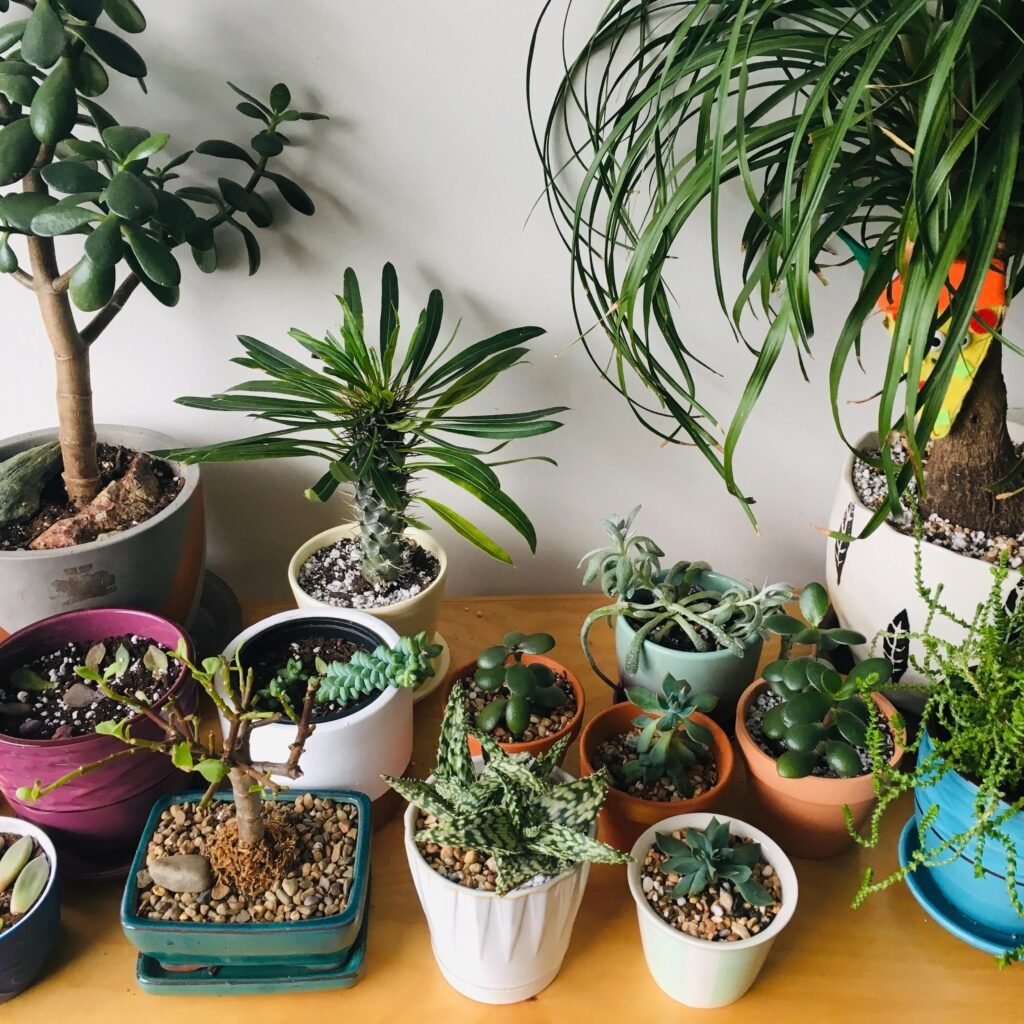
  • Echeveria
  • Haworthia
  • Burro’s Tail (Sedum morganianum)
  • Golden Barrel Cactus
  • Zebra Cactus

Care Tips:

  • Provide well-draining soil (a cactus mix works best).
  • Water deeply but infrequently.
  • Avoid misting; moisture can cause rot.
  • Rotate periodically for even growth.

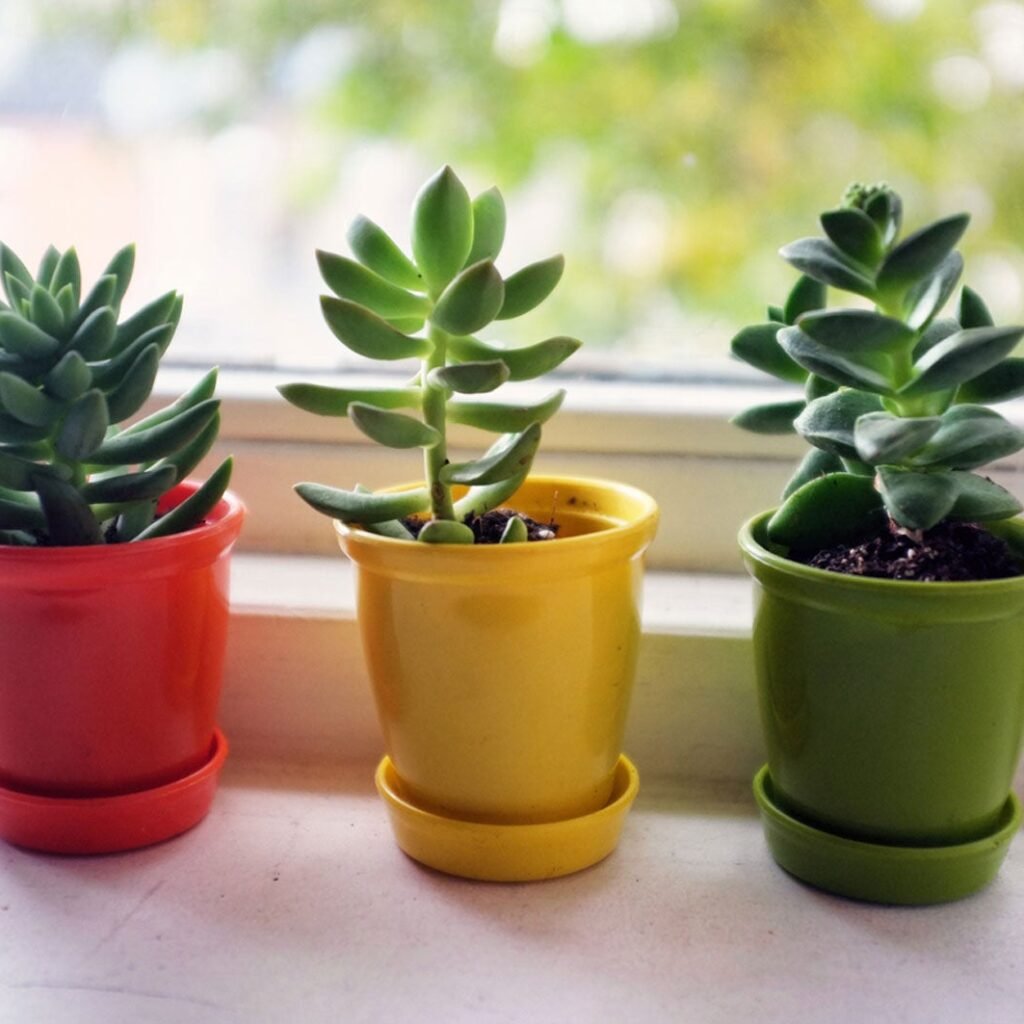
With their diverse shapes, colors, and textures, succulents and cacti can create a stunning mini desert garden right on your windowsill.


5. Croton (Codiaeum variegatum)

Crotons are famous for their bold, colorful foliage. Their bright reds, yellows, and oranges intensify with direct sunlight, making them an excellent fit for a south-facing window.

Why It’s Perfect:

  • Loves strong light for vivid coloration.
  • Adds tropical flair and energy to any room.

Care Tips:

  • Keep soil evenly moist but not soggy.
  • Wipe leaves occasionally to remove dust.
  • Maintain humidity levels around 50–60%.

Crotons can be sensitive to sudden changes in temperature or light, so keep them away from cold drafts while providing steady sunlight.


6. Bird of Paradise (Strelitzia reginae)

For those who want a dramatic, tropical centerpiece, the bird of paradise plant is a showstopper. Its large, glossy leaves and exotic flowers thrive under bright sunlight.

Why It’s Perfect:

  • Needs several hours of direct light daily to bloom.
  • Adds height and tropical beauty to sunny rooms.

Care Tips:

  • Water when the top inch of soil feels dry.
  • Feed monthly with a balanced fertilizer during spring and summer.
  • Dust large leaves regularly to keep them photosynthesizing efficiently.

Position this plant in a bright corner near your south-facing window—it will transform your space into a lush paradise.


7. Hibiscus (Hibiscus rosa-sinensis)

If you want indoor blooms year-round, the tropical hibiscus loves intense sunlight and rewards you with stunning, colorful flowers.

Why It’s Perfect:

  • Thrives in full sun and warmth.
  • Produces large, eye-catching blossoms.

Care Tips:

  • Keep soil moist but well-draining.
  • Mist occasionally for humidity.
  • Prune lightly to encourage bushier growth.

Hibiscus plants are natural light lovers—just ensure they get at least 6 hours of sunlight daily for continuous blooms.


8. Rubber Plant (Ficus elastica)

The rubber plant is a classic choice for bright indoor spots. Its glossy, deep-green leaves (sometimes with a burgundy tint) add elegance and structure to modern interiors.

Why It’s Perfect:

  • Loves bright, indirect light but tolerates short bursts of direct sun.
  • Grows tall, making it ideal as a floor plant near south-facing windows.

Care Tips:

  • Water when the top soil feels slightly dry.
  • Clean leaves regularly to maintain shine.
  • Avoid cold drafts or temperature drops.

With proper light, rubber plants can grow several feet tall indoors, making them a statement piece for any sunny space.


9. String of Pearls (Senecio rowleyanus)

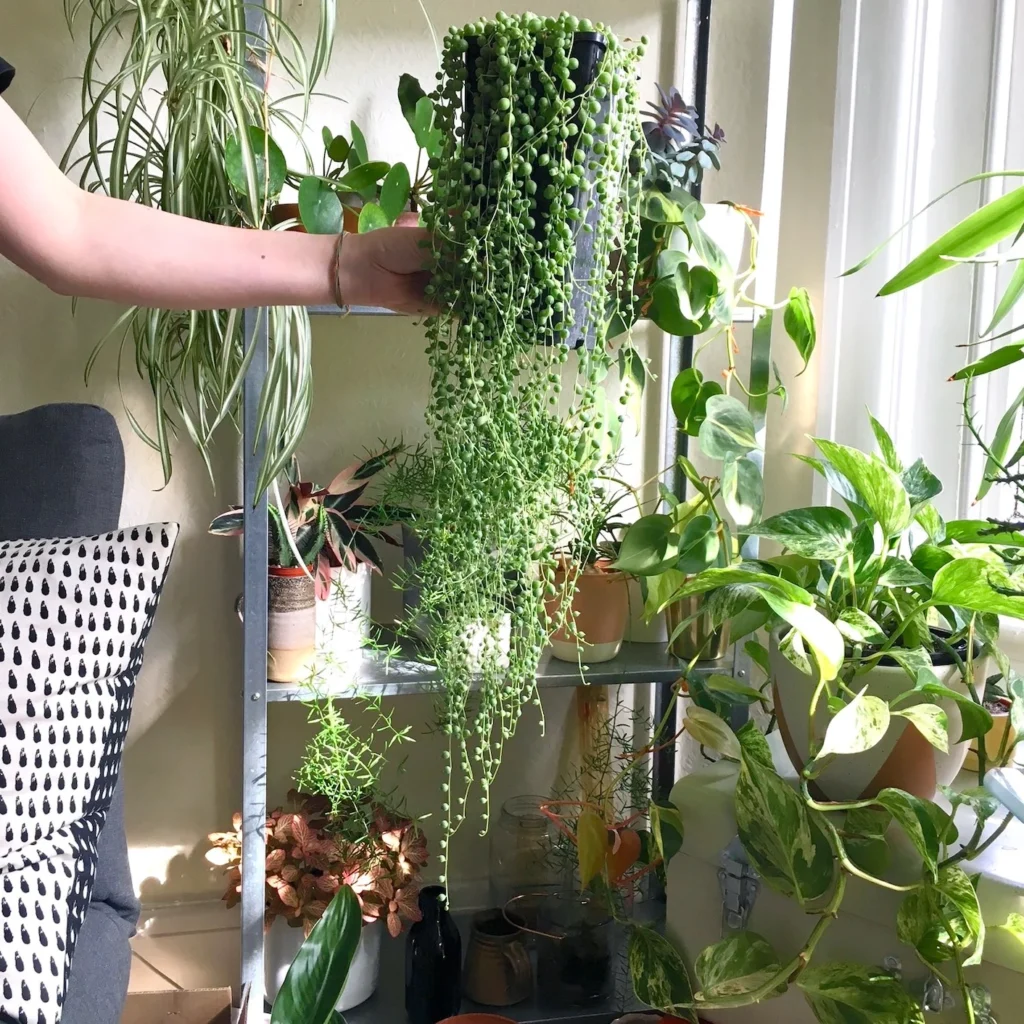
This trailing succulent is a perfect choice for hanging baskets near sunny windows. Its delicate, bead-like leaves look stunning cascading down shelves or planters.

Why It’s Perfect:

  • Thrives in full sunlight and dry conditions.
  • Adds a whimsical touch to your indoor plant decor.

Care Tips:

  • Allow soil to dry completely between waterings.
  • Avoid overwatering to prevent root rot.
  • Prune occasionally to encourage fuller growth.

Its unique, pearl-shaped leaves and sun-loving nature make it a standout among trailing indoor plants.


3. Tips for Managing Light and Heat from South-Facing Windows

While south-facing windows offer abundant light, too much direct sun—especially during peak summer—can sometimes scorch delicate leaves. Here’s how to manage it effectively:

Use Sheer Curtains or Blinds

Filter the light with a sheer curtain to diffuse harsh midday rays while maintaining brightness.

Rotate Plants Regularly

Turn pots every few weeks to ensure even exposure and balanced growth.

Maintain Proper Watering

Bright light increases evaporation, so monitor soil moisture closely. Many sun-loving plants still prefer occasional deep watering over frequent shallow ones.

Use Reflective Surfaces

Placing plants near light-colored walls or mirrors helps distribute sunlight more evenly, preventing one-sided growth.

Monitor Seasonal Changes

In winter, sunlight is weaker and lower in the sky. Move plants closer to the window to maintain sufficient light exposure.


4. Additional Plant Care for South-Facing Windows

  • Humidity: Bright light can dry out the air. Group plants together or use a humidifier for moisture-loving species.
  • Soil Type: Use well-draining soil mixes to avoid soggy roots in sunny spots.
  • Feeding: Sun-loving plants tend to grow faster—feed them monthly during spring and summer with a balanced fertilizer.
  • Cleaning Leaves: Dust accumulation can block sunlight. Wipe leaves gently with a damp cloth to keep them clean and efficient.

Conclusion

A south-facing window is truly a blessing for indoor plant enthusiasts. It provides the perfect conditions for a wide range of sun-loving species—from succulents and cacti to lush tropicals like crotons and bird of paradise.

By selecting plants that thrive in bright light and managing heat with simple adjustments like sheer curtains or proper watering, you can create a radiant, green sanctuary right inside your home.

Each plant near your south-facing window will not only flourish in the abundant sunlight but also fill your living space with life, beauty, and a refreshing sense of connection to nature.

How to Stop Soil Gnats Without Chemicals

How to Stop Soil Gnats Without Chemicals

Few things frustrate indoor plant lovers more than seeing tiny black gnats hovering around their plants. Known as fungus gnats or soil gnats, these small flying pests thrive in the moist soil of houseplants and can quickly turn your peaceful indoor garden into a buzzing nuisance.

While adult gnats are mostly harmless, their larvae feed on organic matter—and sometimes delicate plant roots—potentially stunting growth or even killing seedlings. The good news? You don’t need harsh pesticides to eliminate them. With the right natural strategies, you can stop soil gnats without chemicals, keeping your plants healthy and your home pest-free.

This guide covers everything you need to know—from understanding why gnats appear to effective, eco-friendly methods to banish them for good.


1. Understanding Soil Gnats and Why They Appear

Before tackling the problem, it helps to understand your enemy. Soil gnats (fungus gnats) belong to the Sciaridae family. They’re small, mosquito-like insects that lay eggs in damp, nutrient-rich soil. Once hatched, their larvae feed on organic matter, fungi, and occasionally young plant roots.

Why They Appear:

  • Overwatering: Constantly damp soil is the ideal breeding ground for gnats.
  • Poor drainage: Stagnant water in saucers or heavy potting soil retains moisture, encouraging larvae growth.
  • Organic-rich potting mixes: Soils rich in compost or peat provide ample food for larvae.
  • Lack of air circulation: Still air increases humidity, helping gnats thrive.

Understanding these causes allows you to address the root of the issue rather than just the symptoms.


2. Dry Out the Soil — The First and Easiest Fix

The simplest and most effective non-chemical strategy is to let the top layer of soil dry out completely between waterings. Gnat larvae cannot survive in dry conditions because they need moisture to develop.

Steps to Implement:

  • Allow at least 1–2 inches of the topsoil to dry before watering again.
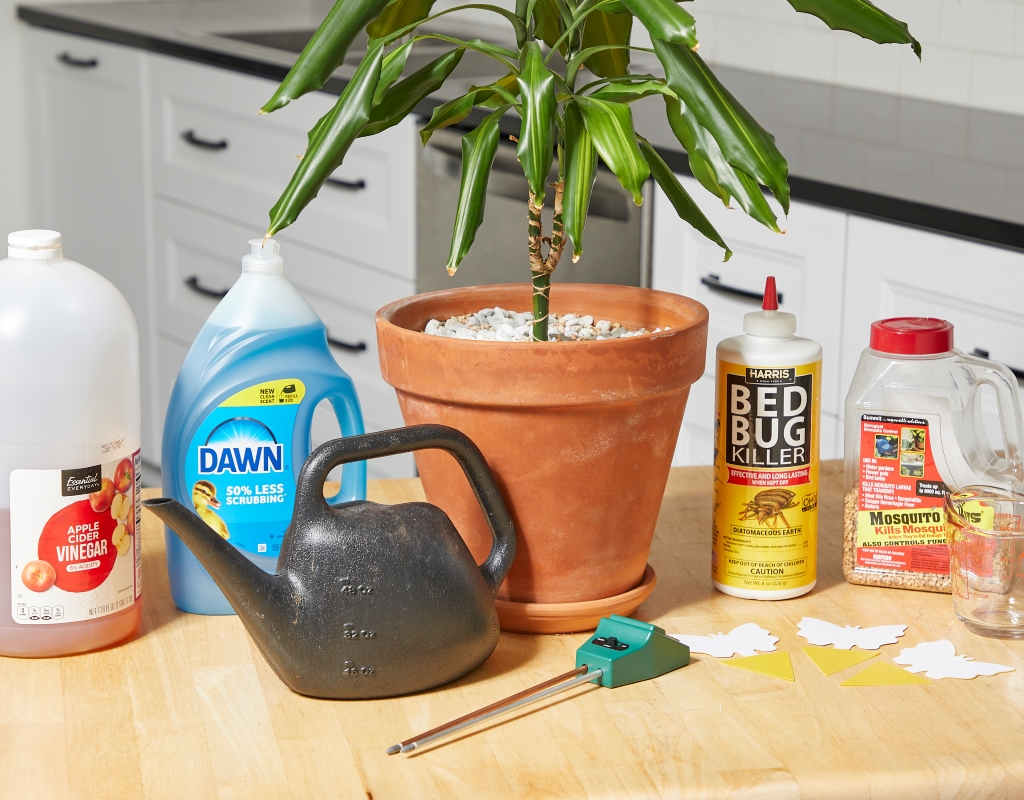
  • For large pots, use a moisture meter or your finger to check soil dryness.
  • Avoid leaving water in trays or saucers beneath pots.

You can even spread a thin layer of sand or fine gravel on the soil surface to speed up drying and create a barrier that deters adult gnats from laying eggs.

Why It Works:

The gnat life cycle—from egg to adult—takes around 3–4 weeks. By depriving larvae of moisture, you interrupt this cycle naturally, reducing populations within days.


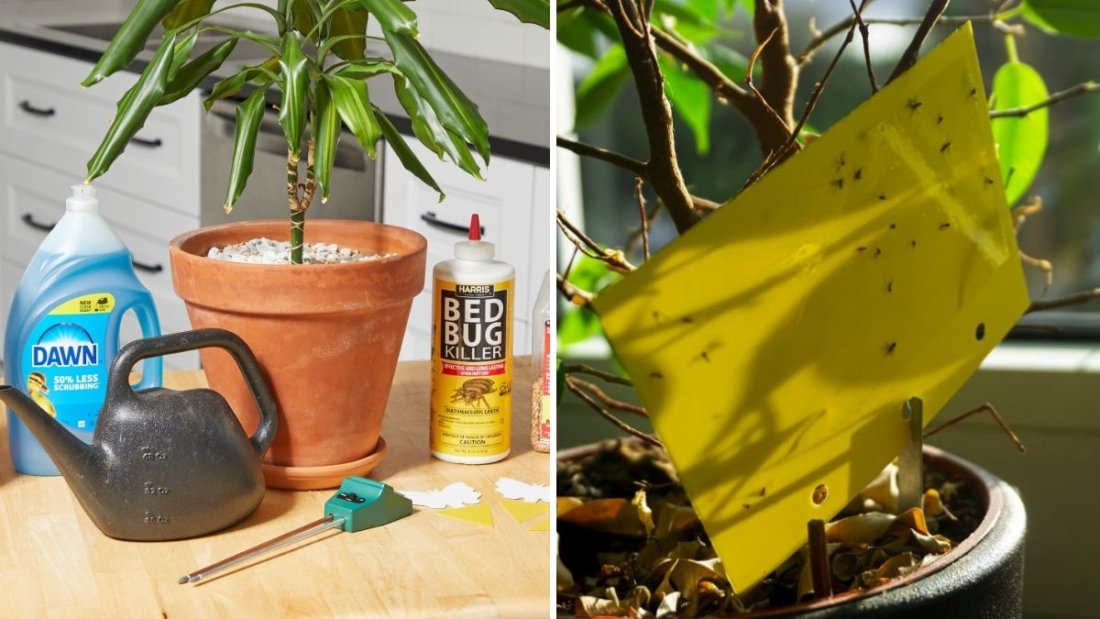
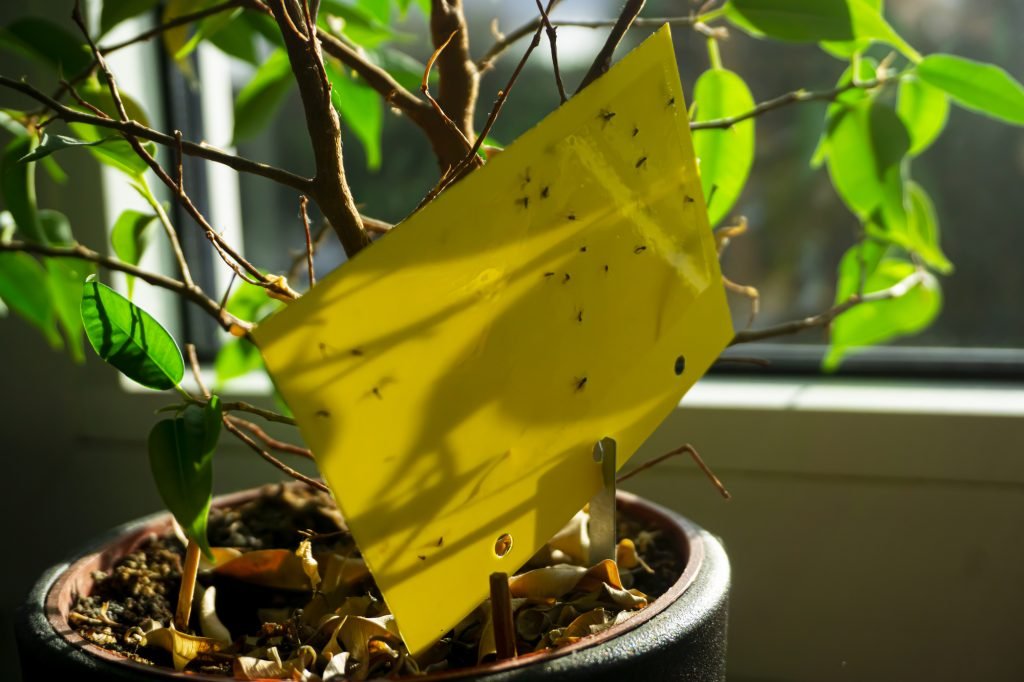
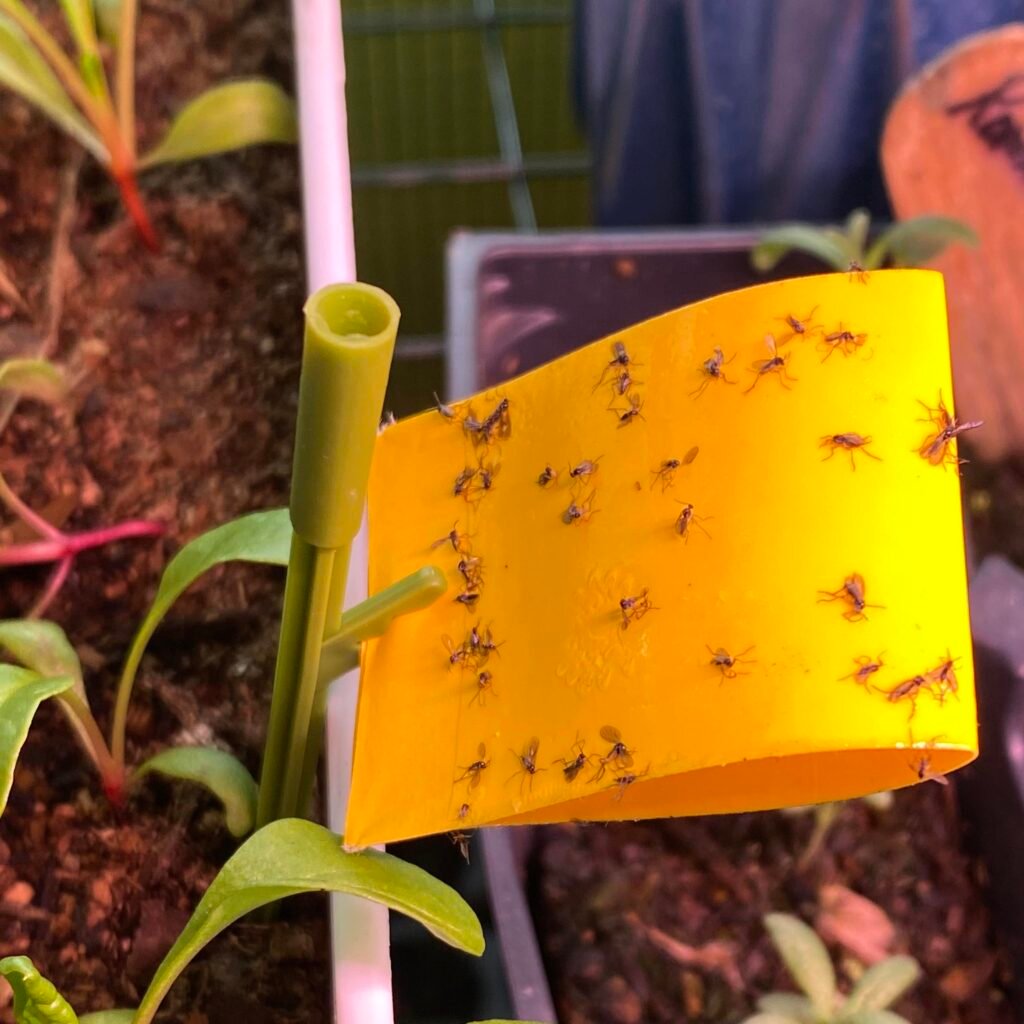
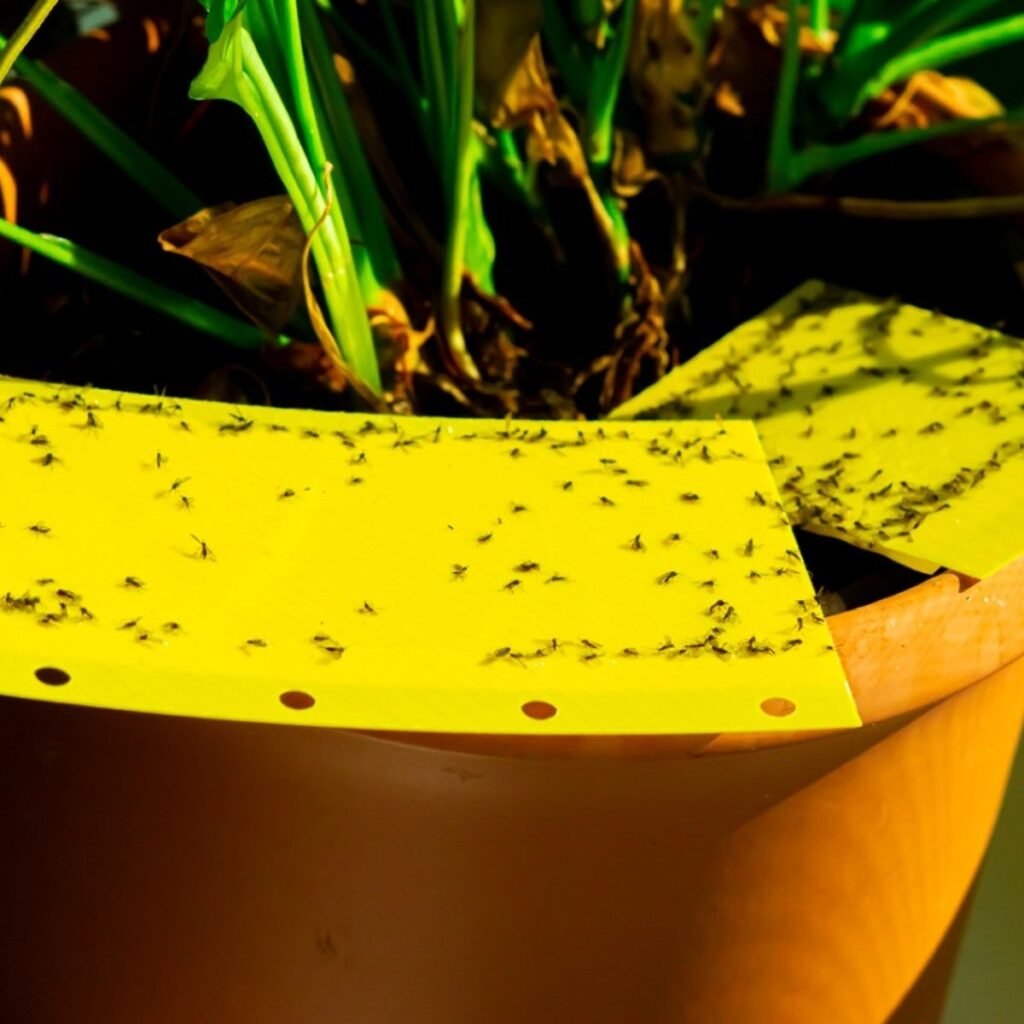
3. Use Sticky Traps to Catch Adult Gnats

Adult gnats live for about a week, but during that time, each can lay up to 200 eggs. Capturing adults before they reproduce drastically reduces future infestations.

How to Use Sticky Traps:

  • Purchase yellow sticky traps (available at garden stores or online).
  • Cut them into smaller pieces and insert them into the soil near plant bases.
  • Replace traps every 5–7 days or once they’re covered in gnats.

DIY Option:

You can make homemade sticky traps using:

  • Yellow index cards or cardboard.
  • A light coating of petroleum jelly or honey as adhesive.

The yellow color attracts gnats, while the sticky surface traps them instantly.

Sticky traps are safe, non-toxic, and effective for monitoring infestation levels over time.


4. Try Natural Soil Covers and Barriers

Covering the soil surface with a natural barrier helps prevent adult gnats from laying eggs and deters larvae from emerging.

Best Natural Soil Covers:

  • Sand: Dries quickly and blocks larvae access to oxygen.
  • Gravel or pebbles: Improves drainage and prevents fungus buildup.
  • Cinnamon powder: Has natural antifungal properties that discourage larvae.
  • Diatomaceous earth (food-grade): A fine, fossilized powder that damages insect exoskeletons on contact, killing larvae and adults naturally.

Simply spread a thin layer (½ inch) of your chosen barrier over the soil surface after watering. Replace it periodically for continued protection.


5. Water with Natural Solutions That Kill Larvae

You can destroy larvae living in the soil using safe, natural liquids that don’t harm plants.

a) Hydrogen Peroxide Solution

A diluted hydrogen peroxide solution is a time-tested gnat remedy.

How to Use:

  • Mix 1 part 3% hydrogen peroxide with 4 parts water.
  • Pour the solution gently into the soil until it starts draining out the bottom.
  • The mild fizzing action kills larvae and oxygenates the roots.

Use this treatment once every two weeks until gnats disappear.

b) Neem Oil Solution

Neem oil is a natural pesticide that disrupts the life cycle of gnats without harming plants or beneficial microbes.

How to Use:

  • Mix 1 teaspoon neem oil, a few drops of mild soap, and 1 liter of warm water.
  • Water the soil with this mixture once every 7–10 days.

Neem oil remains active in soil for several days, killing larvae and deterring adult gnats from laying eggs.

c) Cinnamon Water

Cinnamon has natural antifungal and antibacterial properties that make soil less appealing to fungus gnats.

How to Use:

  • Boil 1 tablespoon of cinnamon powder in 1 liter of water.
  • Let it cool and strain the mixture.
  • Water your plants with it weekly.

This natural infusion kills fungus spores (gnats’ main food source) and disrupts the larvae’s habitat.


6. Introduce Natural Predators

If you have a large infestation, consider introducing beneficial predatory insects that feed on gnat larvae. These biological controls are safe for indoor use and don’t rely on chemicals.

Effective Predators:

  • Beneficial nematodes (Steinernema feltiae): Microscopic worms that attack gnat larvae in soil. You can mix them with water and apply directly to the soil.
  • Hypoaspis miles (predatory mites): Tiny mites that live in the top layer of soil, feeding on larvae and eggs.

Both options are environmentally friendly and safe for children, pets, and plants. They target gnats at the source and help maintain a long-term balance in your indoor garden ecosystem.


7. Improve Air Circulation and Reduce Humidity

Gnats love still, humid environments. Improving air movement not only makes your space less inviting to pests but also helps soil dry faster.

Tips for Better Airflow:

  • Use a small fan near your plants to keep air circulating.
  • Open windows periodically to let fresh air in.
  • Avoid overcrowding plants—space them out to allow airflow between pots.
  • If humidity is high, consider using a dehumidifier in your plant area.

These adjustments make it difficult for gnats to thrive and reproduce, reducing their numbers naturally over time.


8. Repot Severely Infested Plants

If all else fails, and the soil seems overrun with larvae, repotting your plant is the most effective long-term solution.

How to Repot Safely:

  1. Remove the plant carefully from its current pot.
  2. Shake off excess soil and rinse the roots gently with lukewarm water.
  3. Discard the old soil—do not reuse it.
  4. Clean the pot thoroughly with soap and water (or use a new one).
  5. Repot with fresh, sterile, well-draining potting mix.

Avoid overwatering afterward to prevent re-infestation. For added protection, mix a little diatomaceous earth or perlite into the new soil to discourage gnats from returning.


9. Prevent Future Infestations

Once you’ve eradicated soil gnats, prevention becomes the key to long-term success.

Best Preventive Practices:

  • Monitor watering habits: Always check soil moisture before watering.
  • Use sterile potting mixes: Avoid garden soil, which may contain gnat eggs.
  • Inspect new plants: Quarantine new additions for a week before placing them near existing ones.
  • Clean regularly: Wipe leaves, pots, and shelves to remove decaying debris and mold.
  • Add drainage layers: Place gravel or small pebbles at the pot base to prevent waterlogging.

Consistent care habits will make your indoor garden less hospitable to pests while promoting stronger, healthier plants.


Conclusion

You don’t need harsh pesticides to rid your home of soil gnats. By combining drying techniques, natural barriers, sticky traps, and biological controls, you can eliminate these pesky insects safely and sustainably.

The secret lies in maintaining balance—moisture, air, and cleanliness. Each small change contributes to a healthier plant environment where gnats simply can’t survive.

With patience and consistency, your indoor plants will soon be free of gnats, their leaves gleaming with health, and their roots thriving in clean, pest-free soil—all without a single drop of chemical pesticide.

7 Reasons Indoor Plants Develop Sticky Residue on Leaves

7 Reasons Indoor Plants Develop Sticky Residue on Leaves

Indoor plants add beauty, freshness, and a calming vibe to our homes. Their vibrant green leaves and unique textures instantly brighten up any space. But what happens when you notice a mysterious sticky residue coating the leaves of your beloved plants? It’s an unpleasant surprise that often leaves plant lovers wondering what went wrong.

Sticky leaves are not just a cosmetic issue—they can signal underlying problems like pest infestations, over-fertilization, or even natural plant secretions. Ignoring the sticky film can lead to poor plant health, mold growth, and stunted growth over time.

In this detailed guide, let’s explore seven common reasons indoor plants develop sticky residue on leaves, how to identify the cause, and practical ways to fix and prevent it.


1. Sap-Sucking Pests (The Most Common Culprit)

The number one reason for sticky leaves is a pest infestation, especially from aphids, mealybugs, whiteflies, or scale insects. These tiny sap-sucking insects feed on the plant’s nutrient-rich juices and excrete a sugary liquid known as honeydew—the sticky substance you see on leaves and stems.

How to Identify Pest Activity:

  • You may notice tiny white, brown, or black insects on the undersides of leaves or along stems.
  • The leaves feel tacky or sticky, sometimes with a shiny sheen.
  • Over time, black sooty mold may grow on top of the honeydew, giving the leaves a dirty appearance.
  • Leaves may turn yellow, curl, or fall prematurely.

How to Fix It:

  1. Isolate the affected plant to prevent pests from spreading.
  2. Wipe leaves with a soft cloth dipped in a mild soap-and-water solution (1 teaspoon of liquid dish soap in 1 liter of water).
  3. Rinse thoroughly to remove the soap residue.
  4. Spray with neem oil, insecticidal soap, or horticultural oil weekly until the infestation clears.
  5. For heavy infestations, consider pruning severely affected parts or using systemic plant-safe insecticides.

Keeping your plants pest-free is the best way to stop sticky honeydew buildup and protect your indoor greenery from further harm.


2. Over-Fertilization and Salt Buildup

Another frequent cause of sticky residue is excess fertilizer use. When plants are overfed, especially with chemical fertilizers, unused nutrients accumulate in the soil. This buildup draws water out of the plant cells, causing them to secrete a sticky or syrupy sap as a stress response.

Signs of Over-Fertilization:

  • Sticky residue around the base of stems or leaf edges.
  • White, crusty salt deposits on the soil surface.
  • Leaf tips turning brown or burnt-looking.
  • Slowed growth despite frequent feeding.

How to Fix It:

  • Flush the soil: Water the plant thoroughly until water drains out the bottom to wash away excess salts. Repeat monthly if needed.
  • Hold off on feeding: Pause fertilization for at least 4–6 weeks.
  • Repot if necessary: If the soil is too compacted or crusted with salts, replace it with fresh potting mix.
  • In the future, dilute fertilizer to half the recommended strength and feed only during the active growing season (spring and summer).

Balanced nutrition encourages healthy growth and prevents chemical stress that can trigger sticky leaf excretions.


3. Natural Nectar or Plant Secretions

Interestingly, not all sticky substances are bad. Some plants naturally produce nectar or sap as part of their normal biological processes.

For example:

  • Ficus, Schefflera, and Dracaena species sometimes excrete small droplets of sap from leaf edges.
  • Flowering houseplants like Hoya or Orchid may release sticky nectar near blooms to attract pollinators (in nature).

How to Identify Natural Secretions:

  • The sticky residue is clear and sweet-smelling, without mold or pest presence.
  • The plant otherwise looks healthy with vibrant leaves and steady growth.
  • There are no visible insects on or under the leaves.

How to Manage It:

  • Simply wipe the leaves gently with a damp microfiber cloth to remove the residue.
  • Maintain good air circulation to prevent dust and mold buildup on sticky surfaces.

This type of stickiness is harmless and actually indicates a well-hydrated, actively growing plant.


4. Poor Air Circulation and Dust Accumulation

Stagnant indoor air combined with dust buildup can trap moisture, making leaves feel tacky or grimy. While the residue may not be sticky sap, it often feels sticky to touch due to a mix of dust, humidity, and natural plant oils.

Signs and Symptoms:

  • Dusty leaves with a light sticky film.
  • Slower photosynthesis—leaves appear dull or lose their shine.
  • Increased susceptibility to pests and fungal infections.

How to Fix It:

  • Wipe leaves regularly: Clean with a damp cloth or spray them lightly with lukewarm water.
  • Increase air circulation: Use a small fan to keep air moving around plants.
  • Avoid overcrowding: Give each plant breathing space to reduce humidity buildup around leaves.

Clean, well-ventilated environments prevent sticky surfaces and allow plants to breathe and photosynthesize effectively.


5. Honeydew from Neighboring Infested Plants

Even if your plant looks pest-free, it might still develop sticky residue from honeydew falling from nearby infested plants. Sap-sucking pests on a hanging or taller plant above can drip honeydew onto lower foliage, making it seem like your plant is affected.

How to Identify the Source:

  • Check nearby plants, especially hanging ones or those positioned above the affected area.
  • Look for signs of insects, mold, or sticky buildup on surrounding surfaces.

How to Fix It:

  • Treat all nearby plants—not just the visibly affected ones—to eliminate the true source of honeydew.
  • Clean walls, pots, and shelves to remove residual stickiness that can attract ants or mold.
  • Improve spacing: Rearrange your plant layout to ensure better separation between specimens.

A clean growing area and proactive pest management across all plants help stop sticky residue from spreading indirectly.


6. Excessive Humidity and Fungal Growth

High indoor humidity, while beneficial for tropical plants, can sometimes create conditions for fungal infections that lead to sticky or slimy leaf surfaces. Some fungal pathogens secrete a sticky substance as they feed on plant tissue, leaving behind a thin residue.

Signs of Fungal Issues:

  • Sticky, slightly slimy texture on leaves.
  • Faint white or gray fungal coating (powdery mildew or mold).
  • Yellow or brown spots spreading across foliage.
  • Musty odor around the plant.

How to Fix It:

  • Improve ventilation: Place a fan nearby or open windows occasionally.
  • Avoid overwatering: Keep soil moist, not soggy.
  • Trim affected leaves and dispose of them properly (don’t compost).
  • Apply a fungicide or natural antifungal spray (like diluted neem oil).

Balanced humidity (around 50–60%) keeps your plants hydrated without encouraging fungal growth or sticky mold buildup.


7. Environmental Stress and Temperature Fluctuations

Sudden changes in temperature, drafts, or direct exposure to air conditioners and heaters can stress plants, causing them to release sap as a defense mechanism. The result can be a thin, sticky coating on the leaves or stems.

Stress Indicators:

  • Sticky residue with no visible pests or mold.
  • Leaf edges browning or curling.
  • Wilting or drooping after exposure to cold or hot air.

How to Fix It:

  • Maintain consistent temperatures: Most indoor plants prefer 18–25°C (65–77°F).
  • Avoid placing plants near air vents or heaters.
  • Gradually acclimate plants to new environments instead of sudden moves from one room to another.

By stabilizing your indoor climate, you prevent stress-related sap excretion and keep your plants’ natural systems in balance.


Bonus Tip: Regular Cleaning Prevents Sticky Build-Up

Whether caused by pests, fertilizer, or natural secretions, regular cleaning can prevent sticky buildup from damaging your plants.

How to Clean Sticky Leaves:

  1. Mix a gentle cleaning solution: 1 teaspoon of mild dish soap in 1 liter of lukewarm water.
  2. Dip a soft microfiber cloth or sponge in the mixture.
  3. Wipe each leaf carefully, including the undersides.
  4. Rinse with clean water to remove residue and soap traces.
  5. Let the plant air-dry in a shaded area.

Doing this once a month keeps your plant leaves healthy, shiny, and free from pests or debris.


Conclusion

Sticky residue on indoor plant leaves is a common yet fixable issue. The key lies in identifying the underlying cause—whether it’s pest honeydew, excess fertilizer, fungal infection, or natural secretion.

By maintaining good hygiene, balanced nutrition, proper humidity, and pest control, you can ensure your indoor plants stay clean, glossy, and thriving.

Remember, each sticky leaf tells a story—of the plant’s environment, health, and care. When you respond with understanding and attention, your indoor garden will reward you with lush, healthy foliage and vibrant life all year round.