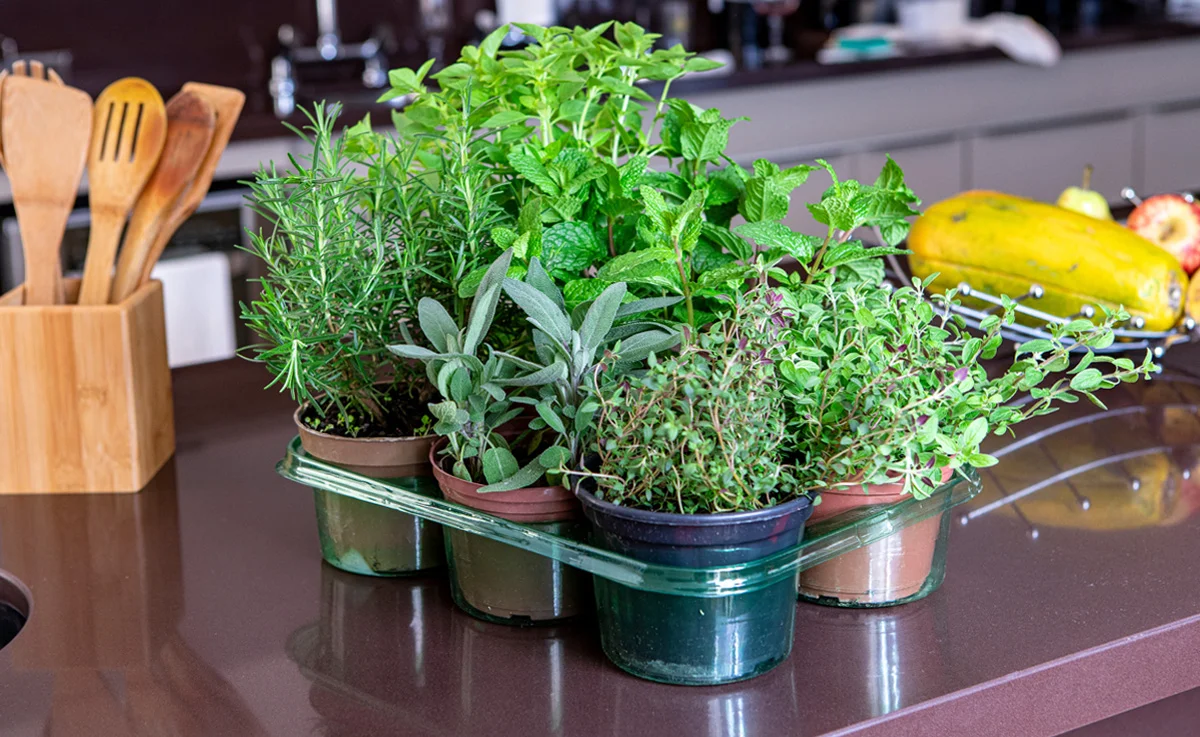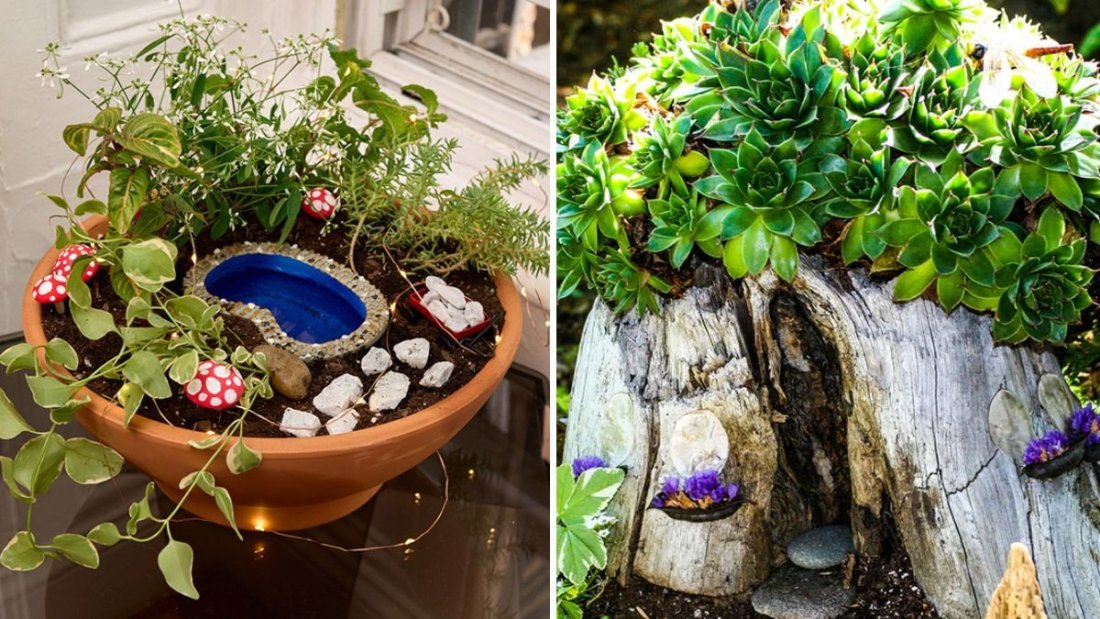
How to Create a Fairy Garden With Miniature Plants Indoors

How to Create a Fairy Garden With Miniature Plants Indoors

There’s something magical about tiny worlds that spark the imagination — a blend of nature, creativity, and whimsy all in one container. Creating a fairy garden with miniature plants indoors is not just a hobby; it’s a form of living art that brings a sense of wonder and tranquility into your home. Whether you’re looking for a new creative project, a stress-relieving indoor activity, or a unique way to display plants, an indoor fairy garden offers endless possibilities.

In this guide, we’ll walk through everything you need to know — from planning and choosing plants to arranging, decorating, and maintaining your own enchanting indoor fairy garden.


1. What Is a Fairy Garden?
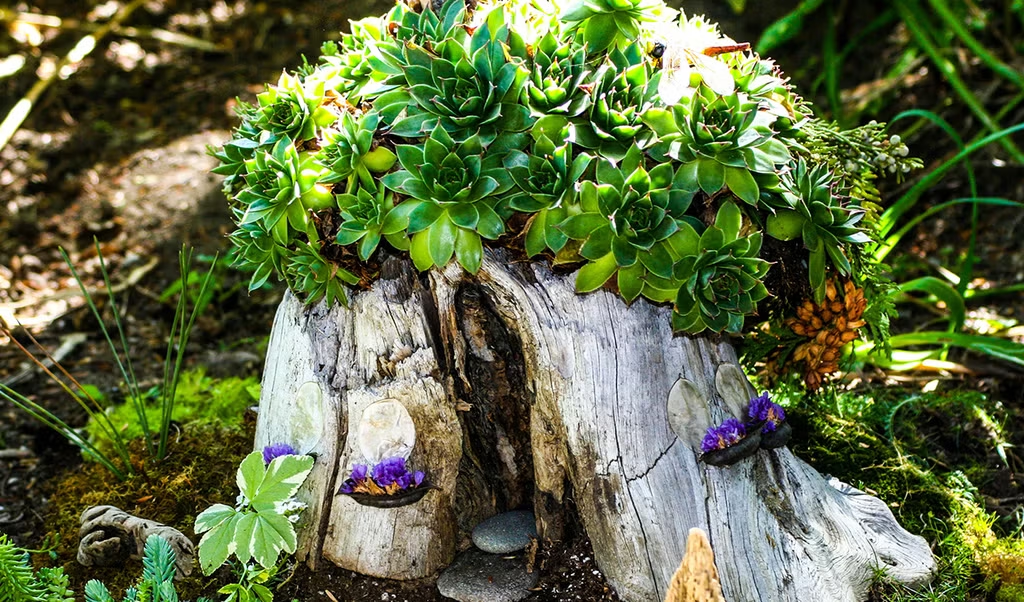
A fairy garden is a miniature landscape featuring tiny plants, pathways, furniture, and accessories designed to look like a world where fairies might live. Think of it as a small-scale garden scene, complete with its own ecosystem and imaginative story.

Unlike traditional gardens, fairy gardens are built to capture a sense of wonder. They combine miniature plants (such as ferns, mosses, and succulents) with tiny decorative elements like fairy houses, bridges, and garden furniture. When created indoors, these little gardens can thrive year-round, bringing nature’s charm into your living space.


2. Choosing the Right Container
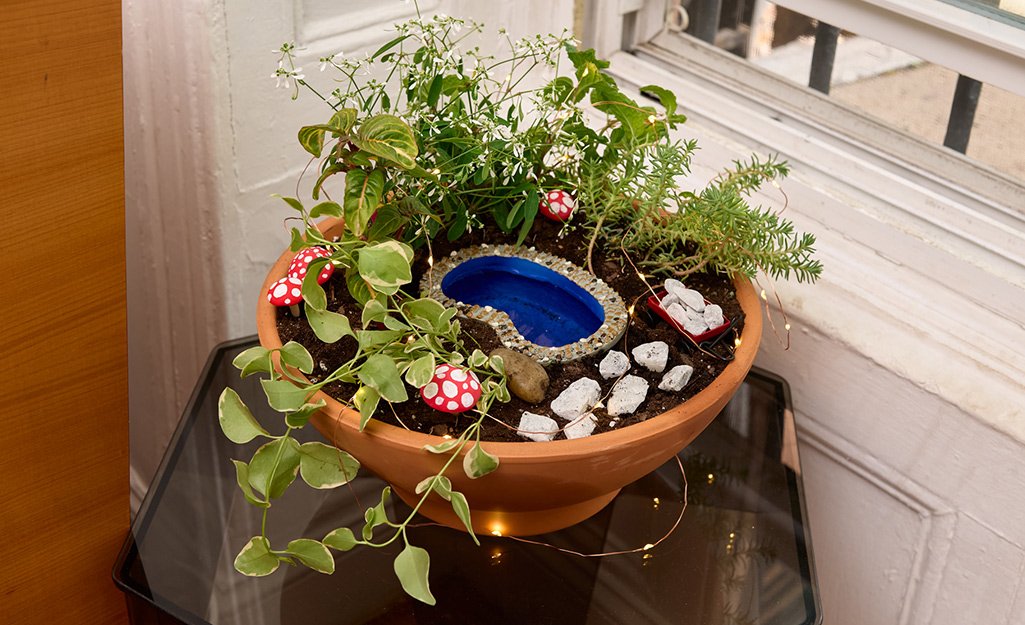
Your container will form the foundation of your fairy garden, so choose one that fits your space, style, and the plants you plan to use. The possibilities are endless — from wide ceramic bowls to glass terrariums or even repurposed household items like teacups, wooden boxes, or shallow trays.

Popular container options include:

  • Glass terrariums: Great for mossy or humid fairy gardens.
  • Shallow ceramic bowls: Perfect for open-air arrangements with succulents.
  • Old baskets or trays: Add rustic, whimsical charm.
  • Large jars or lanterns: Ideal for enclosed, moisture-loving fairy scenes.

Whatever you choose, ensure it has drainage holes (unless it’s a terrarium). If your container doesn’t, add a layer of pebbles or activated charcoal at the bottom to prevent water buildup and keep roots healthy.


3. Selecting Miniature Plants

The magic of your fairy garden lies in its plants. Since this is an indoor setup, focus on species that thrive in containers, stay small, and match the light conditions in your home.

Here are some great miniature plant options depending on your design and environment:

For Humid, Shady Environments:

  • Baby’s Tears (Soleirolia soleirolii): Forms a lush, carpet-like cover.
  • Miniature Ferns: Such as button fern or maidenhair fern.
  • Mosses: Perfect for soft ground cover and a natural forest look.
  • Polka Dot Plant (Hypoestes phyllostachya): Adds colorful leaves.

For Bright, Sunny Spots:

  • Miniature Jade Plant (Crassula ovata ‘Minima’): Compact and easy to care for.
  • Sedums: Great for drier environments.
  • Mini Echeveria or Haworthia: Ideal for fairy gardens with a desert or rocky theme.

For a Touch of Color:

  • African Violet: Small blooms add charm and texture.
  • Miniature Begonias: Perfect for adding variety in foliage.

Mix and match different textures and colors — just make sure to group plants with similar water and light needs in the same container.


4. Preparing the Base and Soil
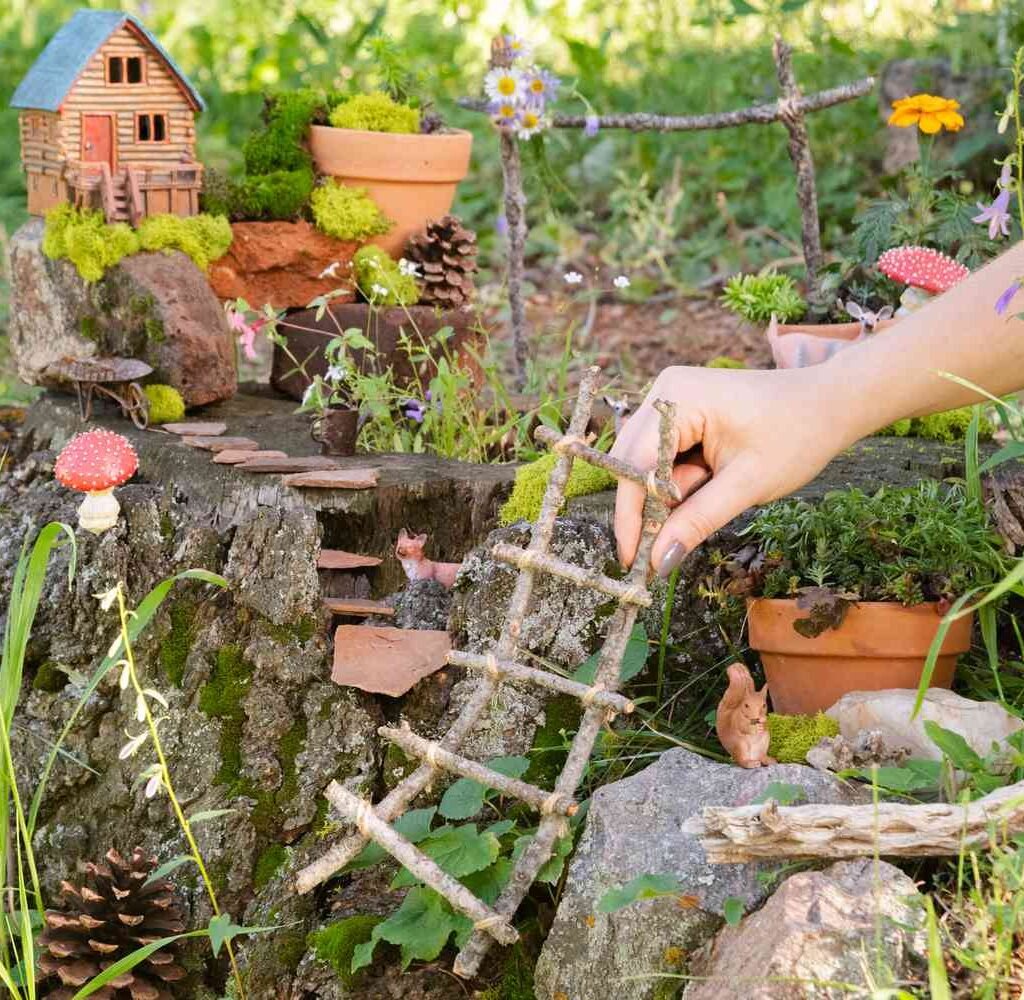
To ensure your fairy garden thrives, create a healthy foundation.

Here’s how to layer your garden base:

  1. Drainage layer: Add small pebbles, gravel, or activated charcoal to the bottom of your container.
  2. Soil layer: Use a high-quality potting mix suited to your chosen plants (e.g., cactus mix for succulents or a moisture-retentive mix for ferns).
  3. Optional moss or bark top layer: Helps retain moisture and gives your garden a finished look.

Make sure the soil is slightly moist before planting. Avoid compacting it too tightly — you want it airy enough for roots to breathe.


5. Designing Your Fairy Garden Layout

Before planting, take a moment to plan your layout. Think about creating visual balance and storytelling elements — where will your fairy home sit? Will there be a pathway, a pond, or a little seating area?

Pro design tips:

  • Use height variation by placing taller plants or fairy houses at the back and smaller ones toward the front.
  • Create pathways with small pebbles, sand, or crushed shells.
  • Use natural materials like twigs, bark, and stones to make miniature benches, fences, or bridges.
  • Add a focal point, such as a tiny house, wishing well, or pond, to draw attention.

You can sketch your design on paper first to visualize the layout before planting.


6. Adding Miniature Accessories

Accessories are where the fun begins! These small elements transform your indoor fairy garden from a simple plant display into a magical world.

Here are some ideas to bring your fairy scene to life:

  • Fairy houses: Made from clay, wood, or resin — centerpiece of your garden.
  • Tiny furniture: Mini chairs, tables, or swings for an inviting feel.
  • Pathways: Create winding trails with sand, moss, or colored gravel.
  • Mini ponds or fountains: Use small glass dishes filled with blue pebbles or resin for a water effect.
  • Fairy figurines or animals: Optional, but they can make your garden feel alive.

You can find ready-made accessories at craft stores or online, or craft your own using household materials for a personalized touch.


7. Light and Temperature Requirements
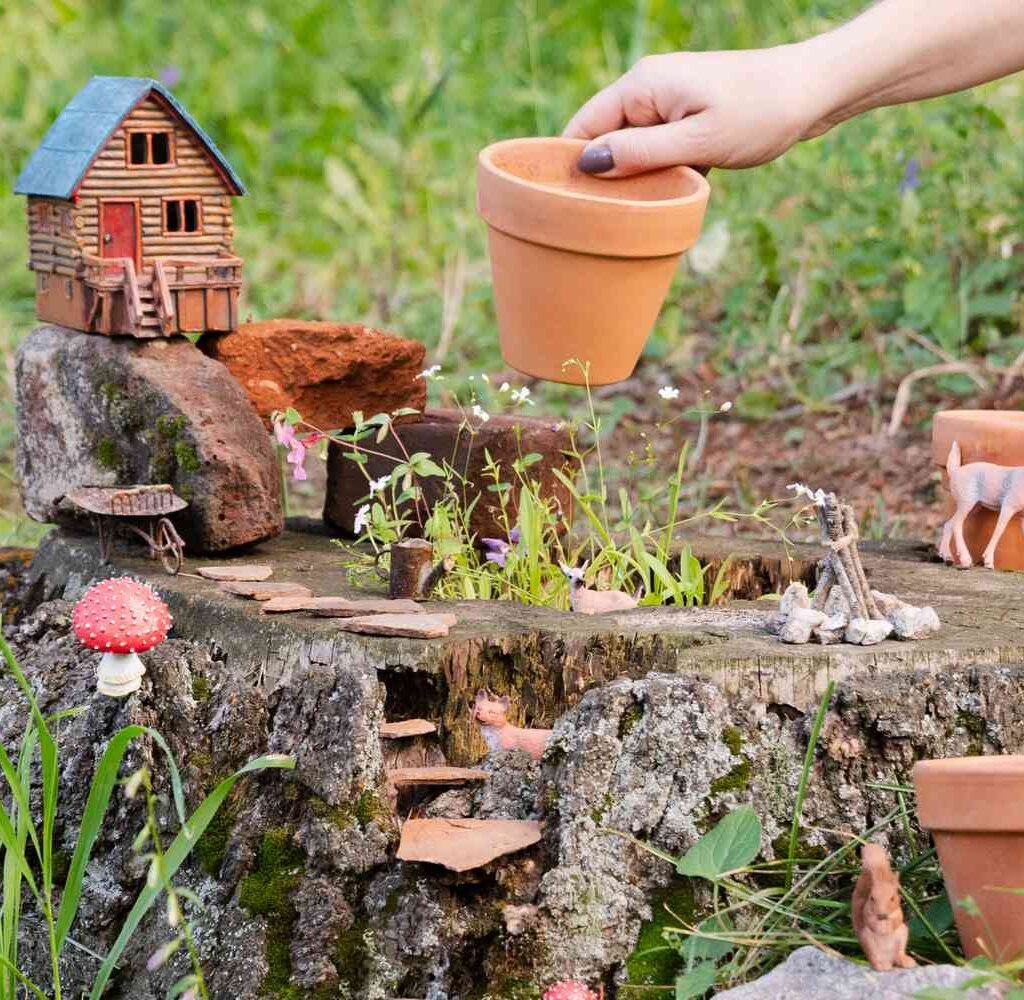
Lighting is crucial for plant health. Most miniature indoor plants thrive in bright, indirect light. Too much direct sunlight can scorch leaves, while low light can lead to leggy, weak growth.

Lighting tips:

  • Place your fairy garden near an east- or north-facing window.
  • For low-light homes, use LED grow lights to provide consistent light levels.
  • Avoid placing near heaters or air vents that dry out the soil or cause temperature fluctuations.

Maintain a stable room temperature between 60–75°F (15–24°C), ideal for most indoor plants.


8. Watering and Maintenance

Because fairy gardens are compact, proper watering is essential. Overwatering is the most common mistake. Always check the soil before watering.

Watering guidelines:

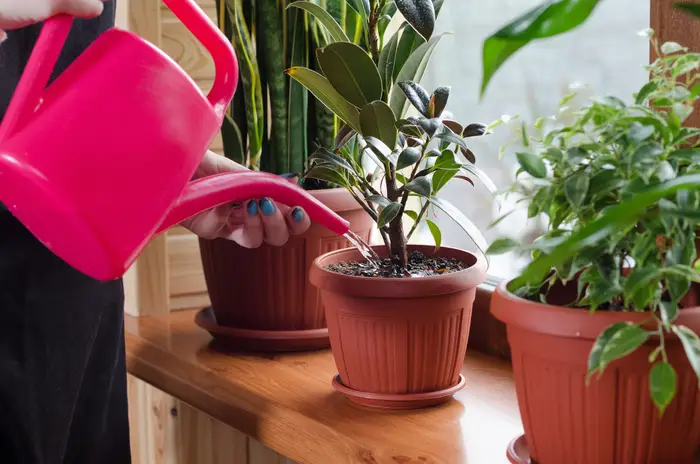
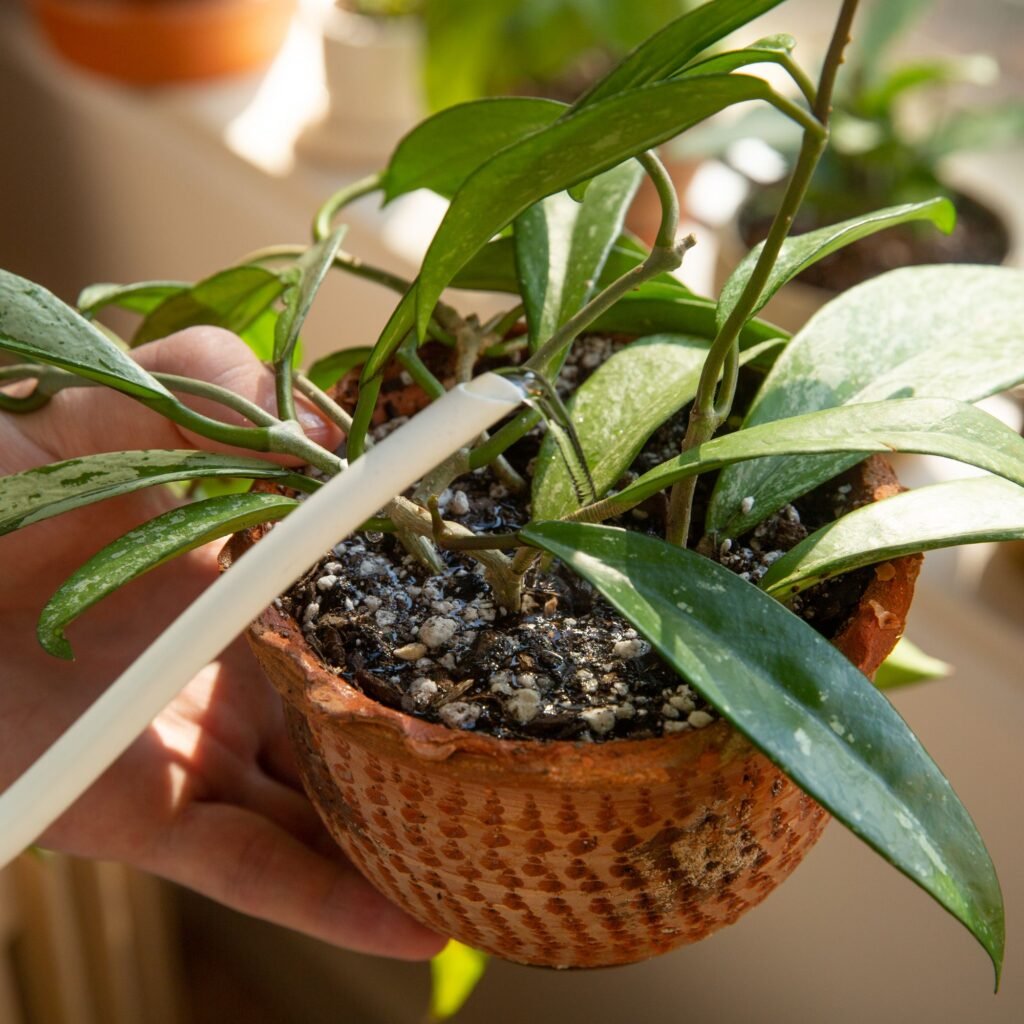
  • Use a small watering can or misting bottle for precision.
  • Water only when the top inch of soil feels dry.
  • If using moss or ferns, mist regularly to keep humidity high.
  • For succulents, water sparingly and ensure excellent drainage.

Occasionally trim plants to keep them proportionate and remove yellowing leaves. If moss or decorations become dusty, lightly clean them with a soft brush or damp cloth.


9. Themed Fairy Garden Ideas
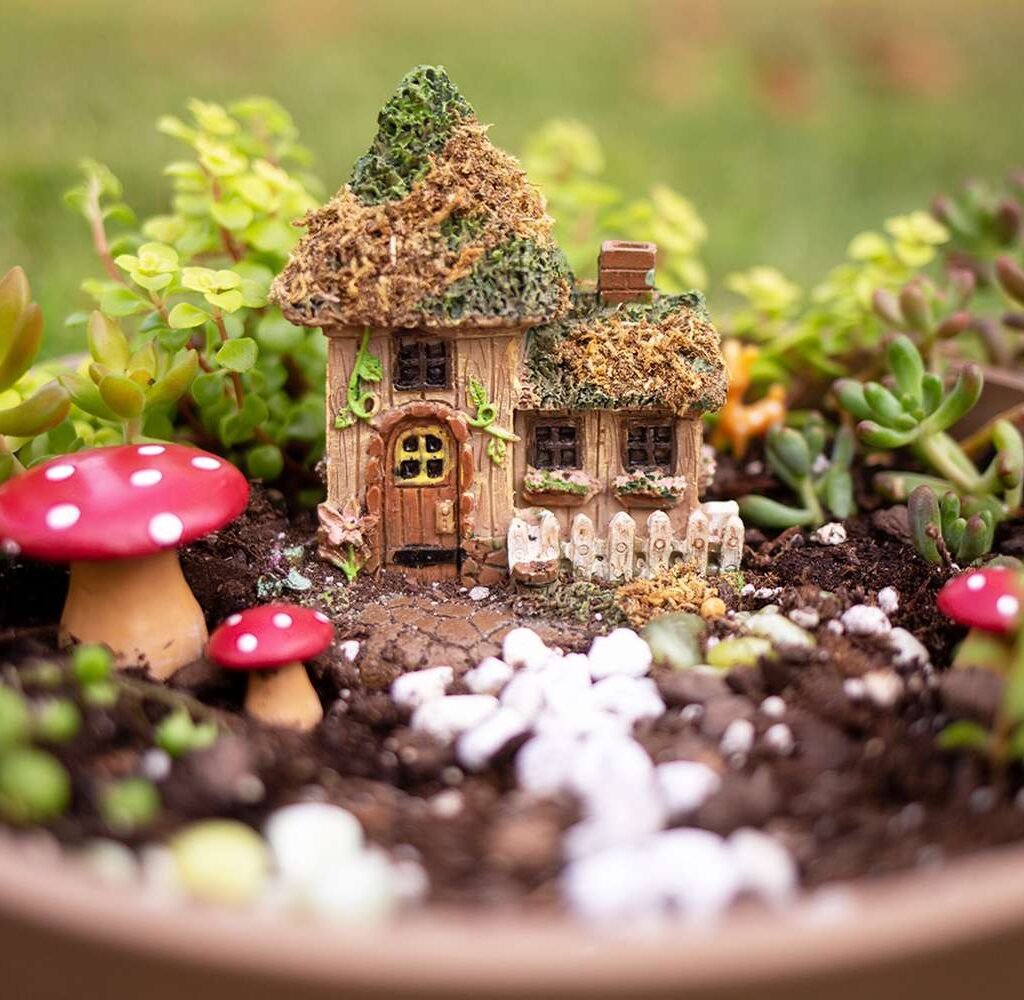
You can personalize your fairy garden around a theme or story. Here are a few creative ideas:

  • Enchanted Forest: Use ferns, moss, and twigs for a woodland vibe.
  • Mini Castle Garden: Add stone-like structures and creeping groundcovers.
  • Flower Fairy Retreat: Fill with tiny blooming plants like violets or begonias.
  • Desert Fairy Garden: Use succulents, sand, and tiny cacti.
  • Beach Fairy Garden: Add shells, sand, and driftwood for a coastal look.

Choosing a theme makes the design process more cohesive and fun!


10. Keeping the Magic Alive: Long-Term Care

A fairy garden is a living creation — it will evolve over time. Plants grow, moss spreads, and accessories may shift. That’s part of the charm!

To keep your fairy garden healthy:

  • Prune plants regularly to maintain scale.
  • Replace worn decorations or faded moss.
  • Refresh the soil every few months if it compacts.
  • Rotate your garden occasionally for even light exposure.

If a plant outgrows the container, replace it with a smaller variety to maintain proportion.


11. Benefits of Creating an Indoor Fairy Garden

Beyond their visual appeal, fairy gardens offer surprising mental and emotional benefits:

  • Stress relief: Working with plants and creative design reduces anxiety.
  • Connection with nature: Perfect for those without outdoor garden space.
  • Mindfulness and patience: Nurturing small plants encourages calm focus.
  • Fun for all ages: Great for families, kids, and adults alike.

Creating a fairy garden also makes for a thoughtful handmade gift — a miniature world full of life and imagination.


Conclusion

Building a fairy garden with miniature plants indoors is a delightful blend of gardening and artistry. It allows you to express creativity while caring for living plants in a manageable space.

With the right container, healthy miniature plants, and a touch of imagination, you can design a magical world that thrives right on your tabletop or windowsill. Each time you mist the moss or rearrange a tiny chair, you reconnect with the serenity and joy that only nature — even in miniature form — can bring.

So gather your materials, let your creativity flow, and start crafting your own enchanting indoor fairy garden today. Who knows? You might just attract a few fairies along the way.
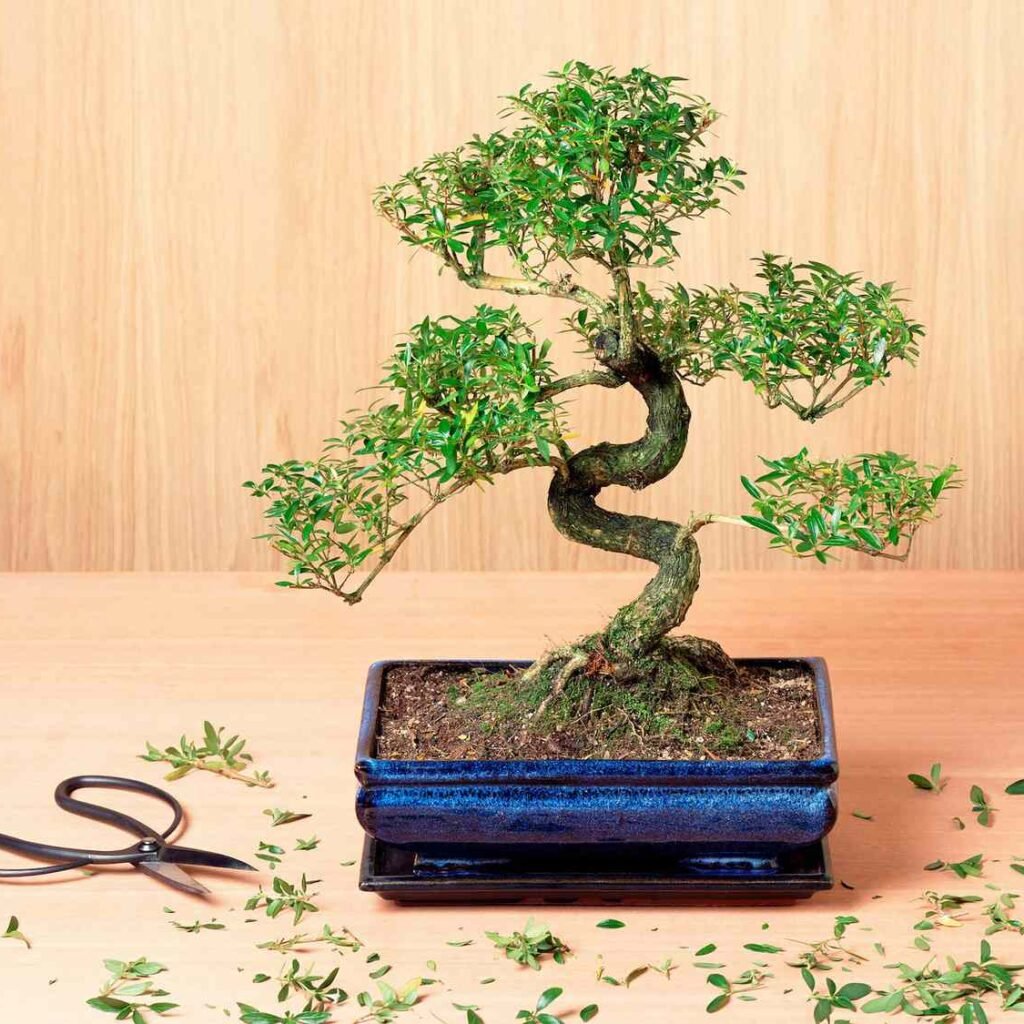
How to Start an Indoor Bonsai Tree Collection

How to Start an Indoor Bonsai Tree Collection

Creating an indoor bonsai tree collection is more than just a hobby—it’s a meditative, artistic expression that brings nature’s beauty into your living space. The art of bonsai, originating from ancient China and refined in Japan, focuses on cultivating miniature trees that mirror their full-sized counterparts. With patience, proper care, and the right environment, anyone can start a thriving indoor bonsai collection at home.

This guide will walk you through everything you need to know—from selecting species to styling, potting, and long-term maintenance—so you can successfully grow your own miniature forest indoors.


1. Understanding the Art of Bonsai

Before you begin, it’s important to understand what bonsai truly is. The word bonsai means “planted in a container.” Contrary to popular belief, bonsai are not genetically dwarf plants—they are normal trees trained to stay small through careful pruning, root restriction, and shaping.

The goal of bonsai is to capture the essence of a mature tree in miniature form, evoking a sense of age, balance, and harmony. Each bonsai tells a story, representing the relationship between nature, art, and patience.

Starting a bonsai collection involves more than planting trees in small pots—it’s about learning an ancient practice that teaches observation, discipline, and respect for growth over time.


2. Choosing the Right Indoor Bonsai Species

Not every tree species can thrive indoors. Since many bonsai species require natural light, humidity, and seasonal variation, indoor growers should focus on tropical and subtropical varieties that adapt well to indoor conditions.

Here are some excellent indoor bonsai options for beginners:

  • Ficus (Ficus retusa or Ficus benjamina): A resilient choice that tolerates low humidity and moderate light. Ideal for beginners.
  • Chinese Elm (Ulmus parvifolia): Has small leaves, attractive bark, and strong growth patterns. Great for both indoor and outdoor conditions.
  • Jade Plant (Crassula ovata): A succulent bonsai that needs minimal watering and bright light—perfect for sunny windowsills.
  • Schefflera (Umbrella Tree): Grows well indoors and adapts easily to pruning and shaping.
  • Dwarf Pomegranate (Punica granatum nana): Offers stunning flowers and fruit, adding a touch of color to your collection.
  • Serissa japonica (Snow Rose): Produces delicate white flowers and thrives in bright, humid environments.

Start with one or two hardy species before expanding your collection. Once you understand each plant’s needs, you can introduce more challenging varieties.


3. Selecting Containers and Soil

Bonsai containers are not just functional—they’re an integral part of the overall aesthetic. Choose pots that complement the tree’s shape, style, and size. Traditional bonsai pots are made of ceramic or clay and have drainage holes to prevent root rot.

Tips for choosing the right pot:

  • The pot’s depth should match the size of the tree’s root ball.
  • Wider pots help with stability, especially for trees with wide canopies.
  • Neutral colors (gray, brown, or blue) allow the tree’s form to stand out.

Soil composition is another vital factor. Bonsai soil should provide proper aeration, drainage, and moisture retention. A good indoor bonsai mix usually includes:

  • Akadama (a type of clay): For moisture control.
  • Pumice: Enhances aeration.
  • Lava rock: Improves drainage.
  • Organic compost or bark: Retains nutrients.

You can buy ready-made bonsai soil or create your own mix depending on the species and your indoor humidity level.


4. Lighting and Temperature Requirements

Indoor bonsai trees need bright, indirect light for at least 6 hours per day. South-facing windows work best, but if your home doesn’t receive enough natural light, you can supplement with grow lights.

Tips for optimal light and temperature:

  • Place bonsai near windows but avoid direct midday sunlight that can scorch leaves.
  • Maintain indoor temperatures between 60–75°F (15–24°C) for most tropical species.
  • Rotate the tree weekly to ensure even light exposure.
  • Avoid placing your bonsai near heating vents or cold drafts, which can cause stress and leaf drop.

5. Watering and Humidity Management

Proper watering is the key to healthy bonsai. The frequency depends on species, pot size, and indoor humidity. Unlike regular houseplants, bonsai roots are confined to small spaces, so they dry out quickly.

Watering guidelines:

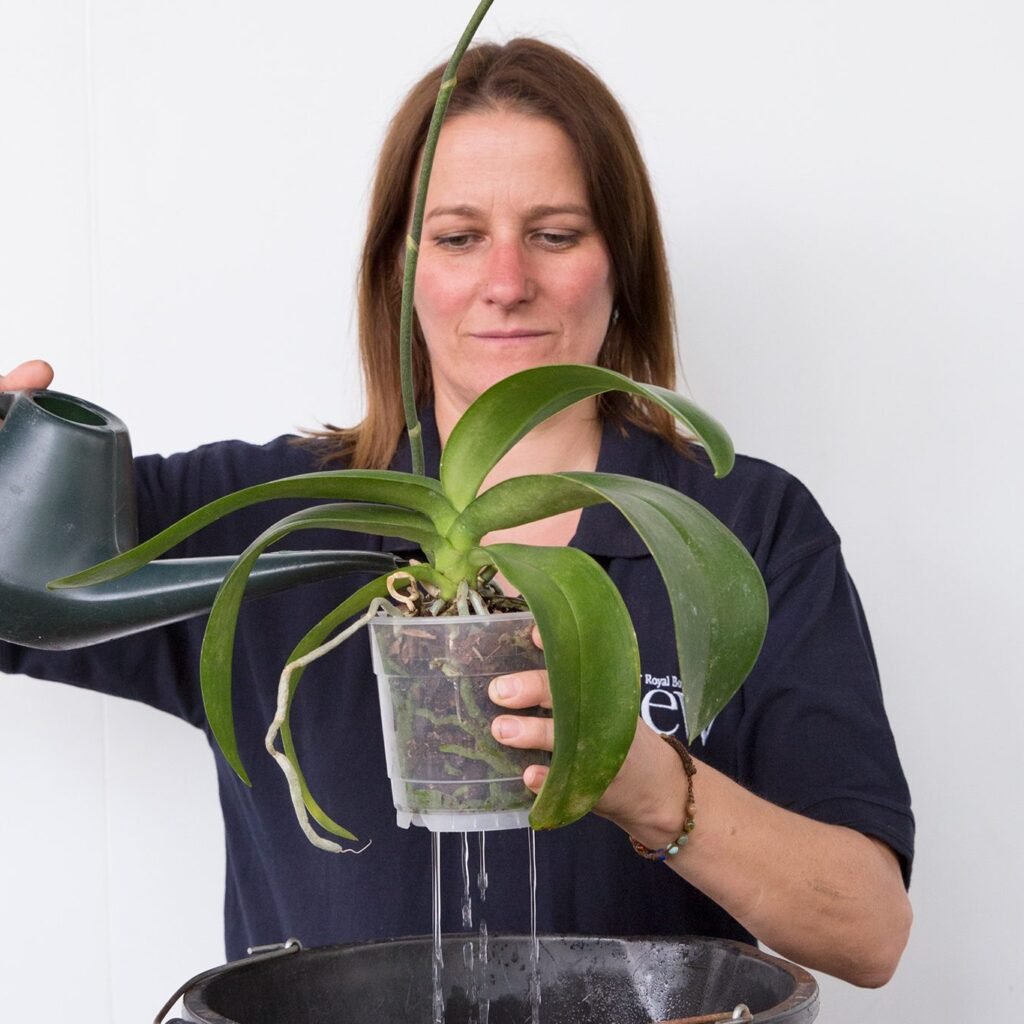
  • Check the soil daily—if the top layer feels dry, water thoroughly until it drains from the bottom.
  • Avoid letting water sit in trays; stagnant moisture causes root rot.
  • Mist leaves regularly to maintain humidity, especially during winter when indoor air is dry.
  • Use a humidity tray filled with pebbles and water to improve ambient moisture around the plant.

Remember: it’s better to slightly underwater than overwater. Consistency and observation are crucial.


6. Pruning and Shaping Your Bonsai

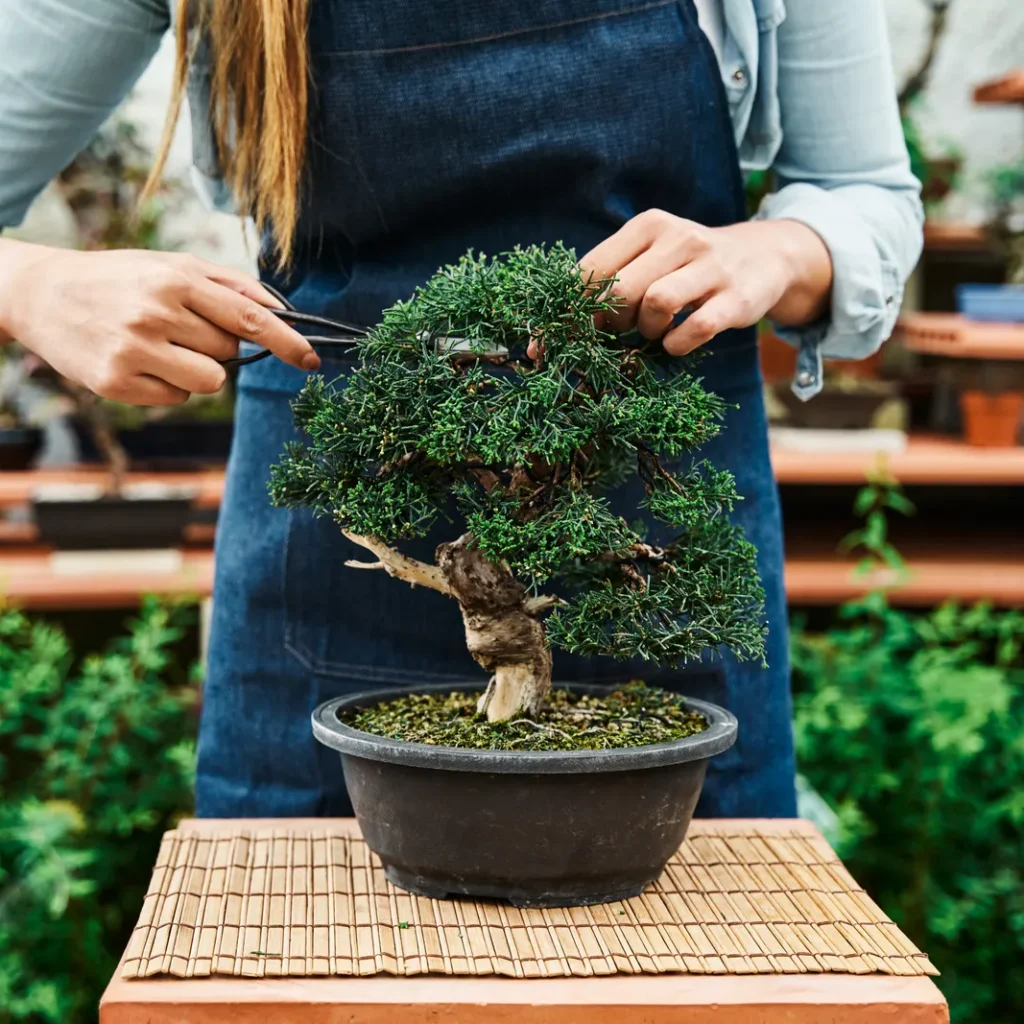
Pruning is where the artistry of bonsai comes alive. There are two main types of pruning: maintenance pruning and structural pruning.

  • Maintenance pruning: Keeps the shape neat and encourages new growth. Trim back shoots once they extend beyond the desired silhouette.
  • Structural pruning: Done less frequently to shape the overall design and guide growth direction.

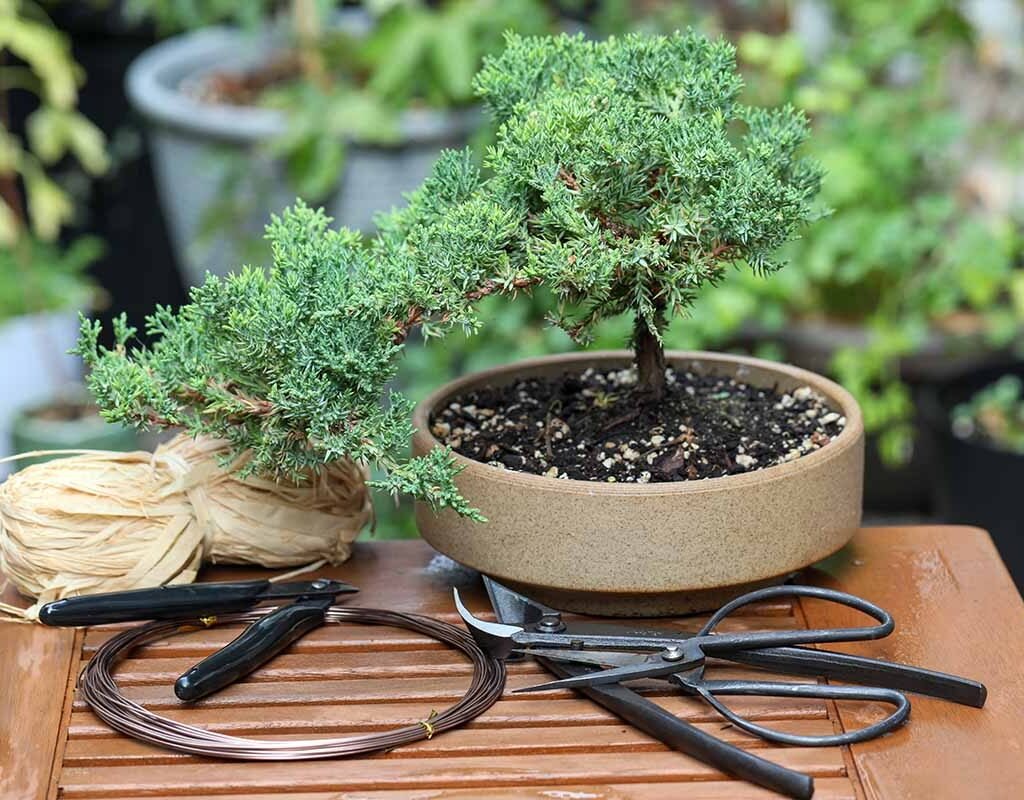
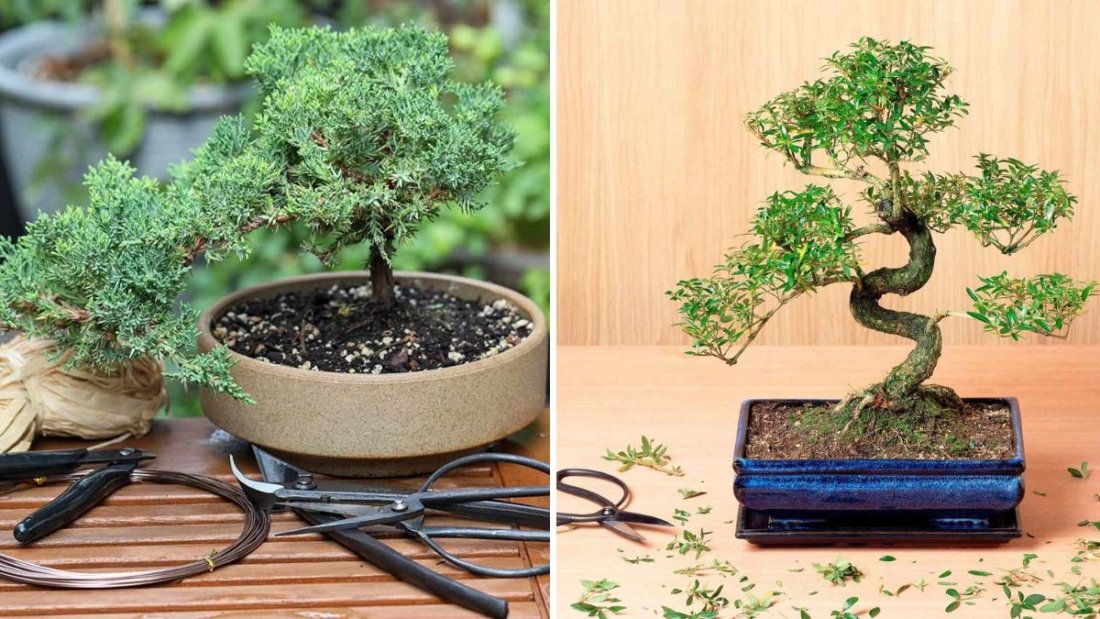
You can use bonsai wire to train branches into artistic forms like upright, cascading, or slanting styles. However, avoid wiring young or fragile branches too tightly—it can damage the bark. Always monitor growth and adjust wiring as the tree matures.


7. Feeding and Repotting

Bonsai trees need nutrients to maintain strong roots and vibrant foliage. Since they grow in limited soil, fertilizing is essential. Use a balanced liquid fertilizer (NPK 10-10-10) every 2–4 weeks during the growing season (spring to early autumn).

In winter, reduce or stop feeding when growth slows.

Repotting is equally important to prevent root binding. Most indoor bonsai need repotting every 2–3 years. Gently trim about one-third of the roots and replace old soil with fresh bonsai mix. Spring is the best time for repotting, as new growth helps the tree recover quickly.


8. Common Challenges and How to Overcome Them

Even experienced growers encounter challenges. Here are a few common issues and solutions:

  • Yellowing Leaves: Often caused by overwatering or poor drainage. Ensure proper airflow and avoid soggy soil.
  • Leaf Drop: Can occur after moving the bonsai to a new location. Give it time to adjust to light and humidity.
  • Pests (Aphids, Spider Mites): Treat with neem oil or insecticidal soap and increase humidity.
  • Weak Growth: Indicates lack of light or nutrients. Supplement with grow lights and fertilize regularly.

Patience is key—bonsai trees grow slowly, and mistakes are part of the learning journey.


9. Styling and Display Ideas

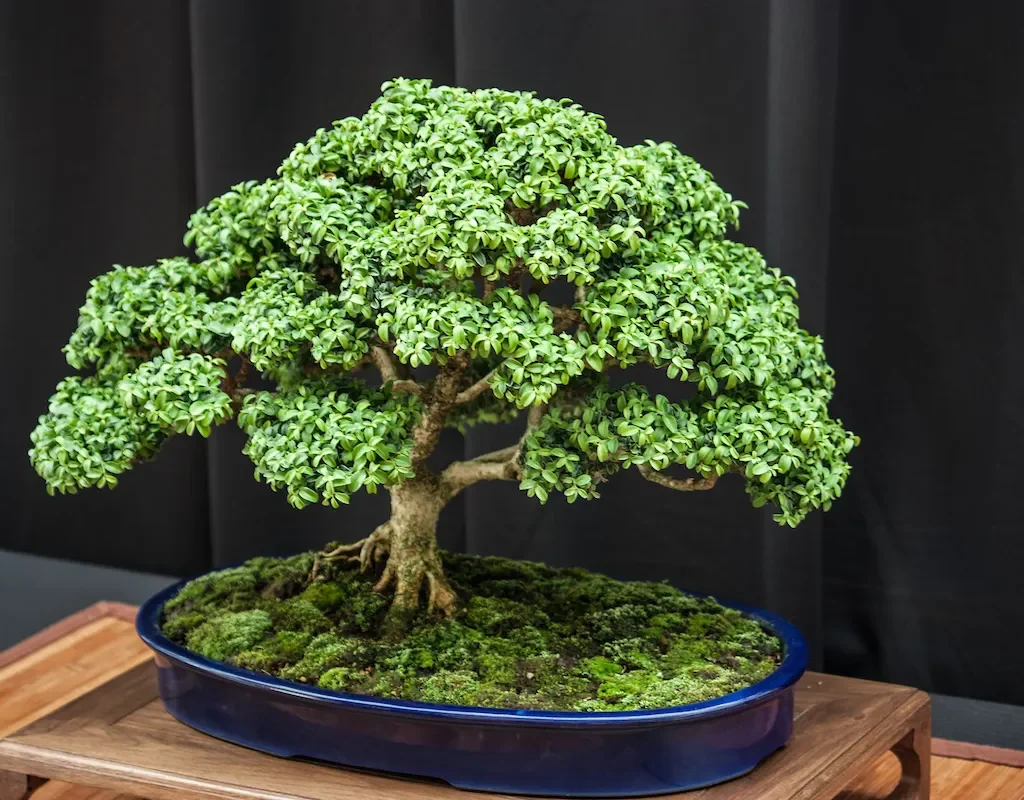
Your bonsai collection should enhance your indoor environment. Display bonsai on shelves, tables, or windowsills where they receive sufficient light. You can also group trees of different sizes for a layered effect.

Popular indoor bonsai display styles include:

  • Single specimen focus: Highlight one tree as a centerpiece.
  • Miniature forest scene: Combine multiple small bonsai in one container.
  • Accent plant combination: Pair bonsai with moss or small ferns for natural aesthetics.

Choose minimalist stands or Japanese-style display tables to emphasize the tree’s shape and beauty.


10. The Joy and Mindfulness of Growing Bonsai

Caring for bonsai is more than a plant-care routine—it’s a meditative practice. Each pruning cut and watering session teaches patience and mindfulness. Over time, you’ll develop a deep bond with your trees, observing how they respond to seasons, light, and touch.

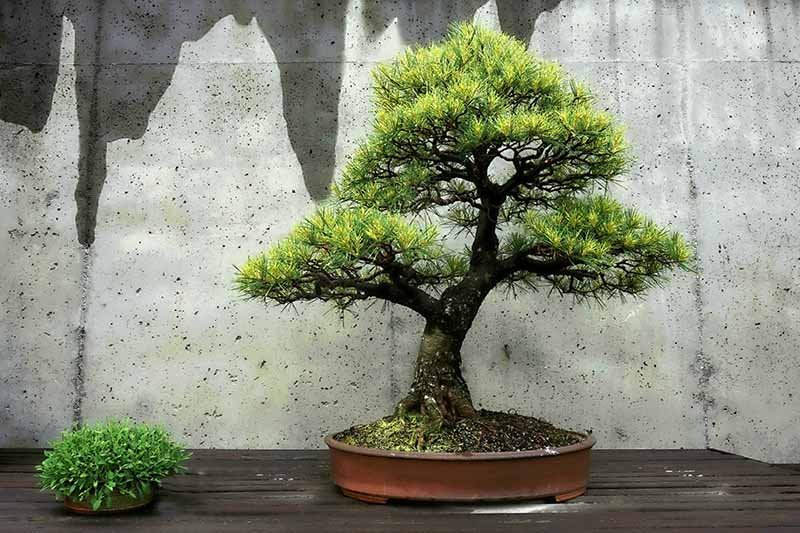
Building an indoor bonsai collection isn’t about perfection—it’s about growth, both yours and the plant’s. Whether you’re nurturing a single Ficus or a forest of miniature pines, each bonsai becomes a living piece of art that reflects your care and dedication.


Conclusion

Starting an indoor bonsai tree collection brings nature, artistry, and tranquility into your daily life. With the right species, proper care, and consistent attention, you can grow stunning miniature trees that thrive for decades.

As you shape each branch and nurture each leaf, you’re not just growing plants—you’re cultivating patience, mindfulness, and a lifelong connection with nature.

So, gather your tools, choose your first bonsai, and begin the rewarding journey of transforming tiny trees into timeless works of living art.

5 Pet-Friendly Indoor Plants That Are Safe for Cats and Dogs

5 Pet-Friendly Indoor Plants That Are Safe for Cats and Dogs

Indoor plants bring life, color, and calm into our homes. They purify the air, improve mood, and create a serene connection to nature. However, if you share your home with cats or dogs, not all houseplants are safe companions. Some popular species—like lilies, pothos, and snake plants—can be toxic to pets, causing vomiting, irritation, or worse if ingested.

Fortunately, many beautiful, easy-to-care-for plants are non-toxic to pets and can coexist safely with your furry friends. In this article, we’ll explore five pet-friendly indoor plants that will beautify your home without endangering your cats or dogs. You’ll also learn how to care for them and keep both your plants and pets happy.


Why Pet-Safe Plants Matter

Pets are naturally curious—they love to sniff, nibble, or bat at leaves. Unfortunately, several common houseplants contain alkaloids, saponins, or calcium oxalate crystals, which can irritate the digestive system or even be toxic if consumed.

Toxic plants can lead to:

  • Vomiting and diarrhea
  • Drooling or mouth irritation
  • Difficulty breathing
  • Lethargy or loss of appetite

Choosing non-toxic, pet-friendly plants helps prevent such risks while still allowing you to enjoy lush indoor greenery.


1. Spider Plant (Chlorophytum comosum)

Why It’s Great

The spider plant is one of the most popular, low-maintenance houseplants—and it’s completely safe for cats and dogs. Its long, arching green leaves with white stripes add a refreshing touch to any room. Cats, in particular, are often drawn to its dangling “spiderettes,” making it a great interactive element in a pet-friendly home.

Pet Safety

  • Non-toxic to cats and dogs (ASPCA certified).
  • Even if pets nibble on the leaves, it usually causes no harm.

Care Requirements

  • Light: Thrives in bright, indirect light but tolerates low light.
  • Water: Water moderately; allow soil to dry between waterings.
  • Temperature: Prefers 60–80°F (16–27°C).
  • Propagation: Produces “baby spiders” that can be easily rooted in water or soil.

Pro Tip:

Hang spider plants in hanging baskets or place them on high shelves. This keeps them safe from excessive pet nibbling while adding vertical greenery to your space.


2. Areca Palm (Dypsis lutescens)

Why It’s Great

Also known as the Butterfly Palm, Areca Palm instantly transforms your home into a tropical oasis. Its graceful, feathery fronds create a calm, airy aesthetic, making it a favorite for both interior designers and plant enthusiasts.

Pet Safety

  • Non-toxic to cats and dogs.
  • Adds humidity to indoor air, which benefits both your plants and pets’ respiratory health.

Care Requirements

  • Light: Prefers bright, indirect sunlight; avoid harsh, direct rays.
  • Water: Keep soil lightly moist but not soggy.
  • Humidity: Thrives in moderate to high humidity.
  • Fertilizer: Feed with a balanced liquid fertilizer monthly during the growing season (spring–summer).

Pro Tip:

Mist the leaves occasionally to mimic tropical humidity. This also helps prevent brown leaf tips.


3. Boston Fern (Nephrolepis exaltata)

Why It’s Great

The Boston Fern is a classic, lush indoor plant with soft, arching fronds that add an elegant texture to any room. It’s particularly great for hanging baskets, bathroom shelves, or shaded corners.

Pet Safety

  • Completely safe for cats and dogs.
  • Non-toxic and poses no harm if leaves are chewed or brushed against.

Care Requirements

  • Light: Prefers indirect or filtered light; direct sun can scorch its delicate fronds.
  • Water: Keep the soil consistently moist but not waterlogged.
  • Humidity: Needs high humidity—ideal for bathrooms or kitchens.
  • Temperature: Grows best at 60–75°F (15–24°C).

Pro Tip:

If your home’s air is dry, use a humidifier or pebble tray beneath the pot to maintain moisture.


4. Calathea (Prayer Plant Family)

Why It’s Great

Calatheas are admired for their vibrant, patterned leaves with hues of green, purple, and pink. They’re also known as “prayer plants” because their leaves fold up at night—a fascinating feature for pet owners and plant lovers alike.

Pet Safety

  • Non-toxic to cats and dogs.
  • Perfect for pet households that love colorful foliage without worrying about poisoning.

Care Requirements

  • Light: Thrives in low to medium indirect light; direct sunlight can fade its colors.
  • Water: Keep soil slightly moist at all times; avoid letting it dry out completely.
  • Humidity: Loves high humidity, similar to tropical environments.
  • Fertilizer: Use diluted, balanced fertilizer once a month during growing season.

Pro Tip:

Place Calathea in bathrooms or near humidifiers to keep leaves healthy and vibrant.


5. Parlor Palm (Chamaedorea elegans)

Why It’s Great

If you’re looking for a hardy, elegant, and pet-safe plant, the Parlor Palm is an excellent choice. Popular since the Victorian era, it’s known for its feathery fronds and adaptability to indoor conditions.

Pet Safety

  • Non-toxic to cats and dogs.
  • Adds a lush, tropical aesthetic without any risk to pets.

Care Requirements

  • Light: Prefers indirect or filtered light; tolerates low light well.
  • Water: Water when the top inch of soil feels dry.
  • Humidity: Moderate humidity is sufficient.
  • Fertilizer: Feed every 4–6 weeks during spring and summer with a gentle houseplant fertilizer.

Pro Tip:

Dust leaves occasionally to maintain healthy photosynthesis and keep your home looking fresh.


Bonus: Other Pet-Safe Options

If you want more variety, consider these additional non-toxic plants:

  • Bamboo Palm (Chamaedorea seifrizii)
  • Ponytail Palm (Beaucarnea recurvata)
  • African Violet (Saintpaulia ionantha)
  • Haworthia succulents (Haworthia spp.)

Each of these options adds charm and greenery without compromising your pet’s safety.


Tips for Maintaining a Pet-Friendly Indoor Garden

Creating a safe and thriving indoor garden involves more than just choosing the right plants. Here are expert tips for keeping your plants—and pets—healthy and happy:

1. Use Pet-Safe Soil and Fertilizers

Avoid chemical fertilizers, pesticides, or pest-control sprays that may contain toxins. Opt for organic, pet-safe options, or make your own natural pest deterrents with neem oil or mild soapy water.

2. Elevate or Hang Plants

Use hanging planters, tall stands, or wall shelves to keep plants out of reach from overly curious cats or dogs. This prevents soil digging and unnecessary leaf nibbling.

3. Train Your Pets

If your pets tend to chew on leaves, gently redirect them with positive reinforcement or provide cat grass as a safe chewing alternative.

4. Maintain Proper Air Circulation

Good airflow helps reduce mold and fungus, benefiting both your plants and pets’ respiratory health.

5. Monitor for Chewing or Digging

Keep an eye out for chewed leaves or spilled soil. Although these plants are safe, excessive ingestion could still cause mild stomach irritation.


Benefits of Having Pet-Safe Indoor Plants

  1. Improved Air Quality: Many pet-safe plants—like spider plants and palms—help filter toxins from the air.
  2. Stress Reduction: Both pets and humans experience reduced anxiety around natural greenery.
  3. Enhanced Decor: These plants add texture, color, and beauty to indoor spaces.
  4. Increased Humidity: Plants naturally boost air moisture, aiding in respiratory comfort for pets.
  5. Eco-Friendly Living: Growing non-toxic plants promotes a harmonious, sustainable home environment.

Conclusion

You don’t need to sacrifice style or greenery to keep your pets safe. With the right selection of non-toxic, pet-friendly indoor plants, you can create a home that’s lush, vibrant, and perfectly safe for cats and dogs alike.

To recap, the top 5 pet-safe indoor plants are:

  1. Spider Plant – resilient, air-purifying, and cat-approved.
  2. Areca Palm – tropical elegance that thrives indoors.
  3. Boston Fern – lush greenery that loves humidity.
  4. Calathea – colorful foliage for decorative appeal.
  5. Parlor Palm – classic, elegant, and low-maintenance.

By incorporating these plants, you’ll enjoy the benefits of greenery while ensuring a safe environment for your furry companions. So go ahead—decorate your home, breathe cleaner air, and let your pets explore freely in your very own pet-safe indoor jungle.

How to Create a Low-Maintenance Indoor Plant Wall

How to Create a Low-Maintenance Indoor Plant Wall

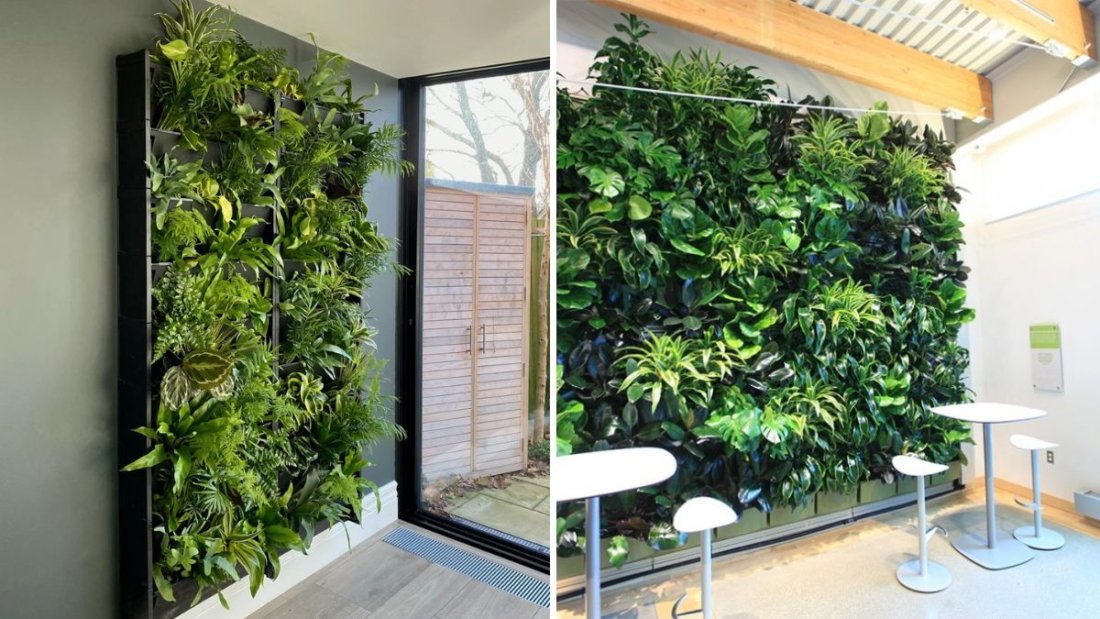
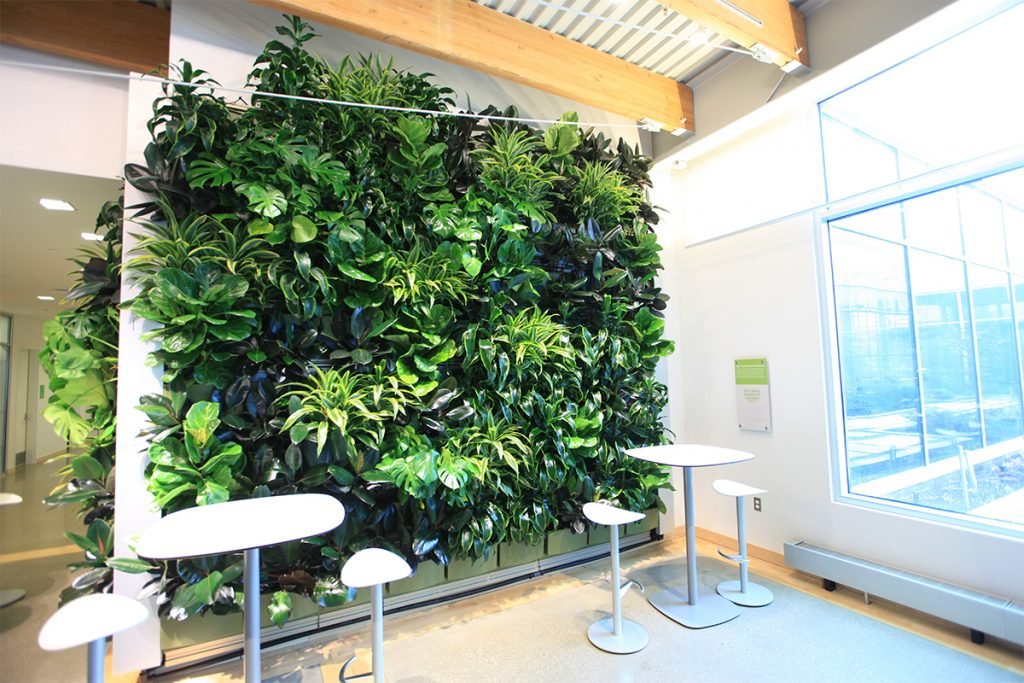
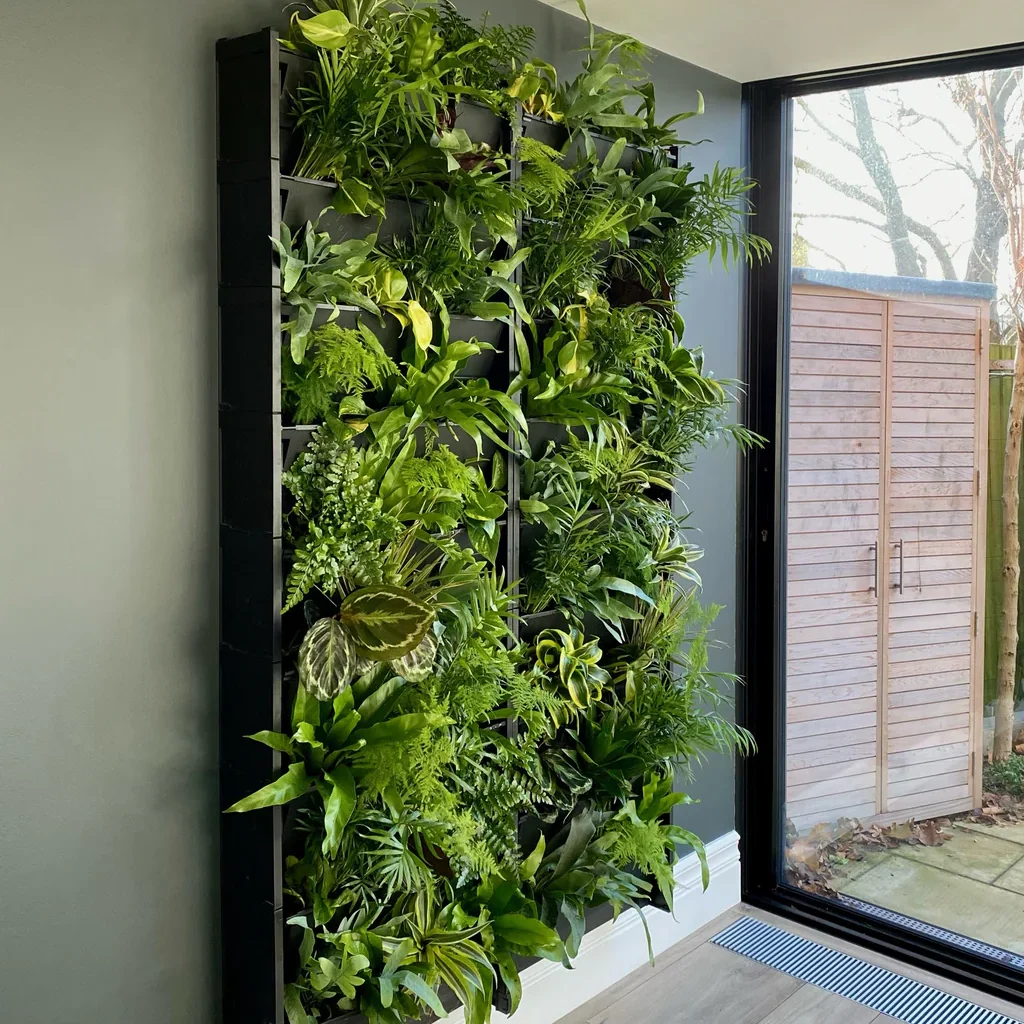
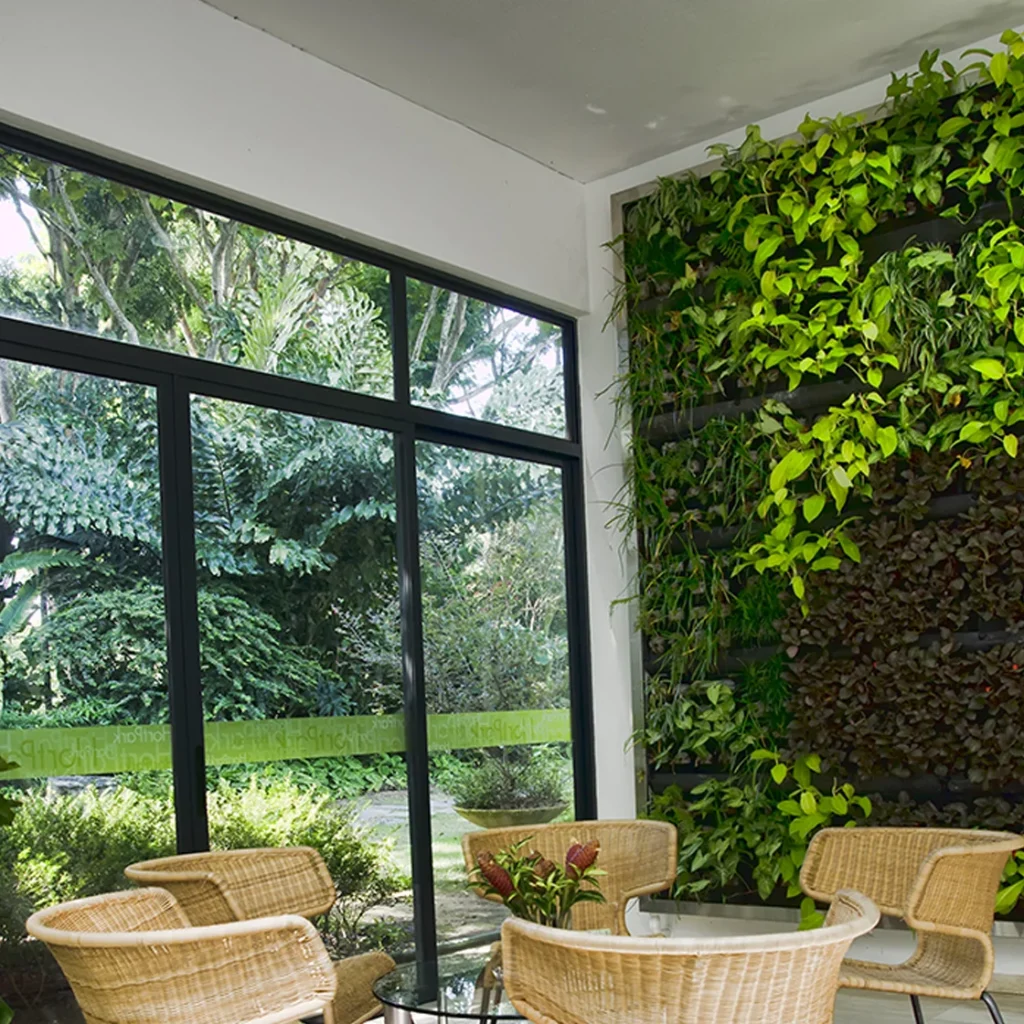
Indoor plants have the power to transform a living space, adding color, texture, and a sense of calm. But not everyone has the time or experience to care for dozens of individual pots. That’s where indoor plant walls—also called living walls or vertical gardens—come in. A vertical garden maximizes greenery without taking up floor space and, when designed thoughtfully, can be low-maintenance while remaining visually stunning.

This article will guide you step by step on how to create a low-maintenance indoor plant wall, from planning and selecting plants to installation, lighting, and ongoing care.


Why an Indoor Plant Wall?

Indoor plant walls offer multiple benefits beyond aesthetics:

  1. Space Efficiency: Vertical gardens are ideal for apartments or homes with limited space.
  2. Air Purification: Plants filter indoor air, removing pollutants and improving air quality.
  3. Acoustic Benefits: Dense greenery can reduce noise levels.
  4. Mood Enhancement: Green walls reduce stress and increase productivity.
  5. Energy Efficiency: Plant walls help moderate room temperature by providing insulation.

Choosing the right setup ensures your wall stays thriving with minimal effort, even for busy lifestyles.


Planning Your Plant Wall

Before purchasing plants or materials, careful planning is essential.

1. Determine Wall Location

  • Light Conditions: Choose a wall with sufficient natural light or plan to use artificial lighting. South- or west-facing walls are ideal.
  • Accessibility: Ensure you can reach plants for watering, pruning, and occasional cleaning.
  • Structural Support: Vertical gardens add weight—verify that walls can support the system, especially if using larger panels or water reservoirs.

2. Choose the Size and Design

  • Full Wall vs. Partial Wall: A full wall creates a dramatic effect, while smaller sections can act as green accents.
  • Modular Panels: Pre-made panels allow flexibility and easy replacement of individual plants.
  • Custom Frames: DIY wooden or metal frames allow tailored design and creativity.

Selecting Low-Maintenance Plants

For a vertical garden to remain low-maintenance, choose plants that thrive indoors and tolerate occasional neglect. Here are some excellent options:

Foliage Plants

  • Pothos (Epipremnum aureum): Hardy, grows in low light, and tolerates irregular watering.
  • Philodendron: Fast-growing and resilient, great for cascading effects.
  • ZZ Plant (Zamioculcas zamiifolia): Extremely drought-tolerant and low-light friendly.
  • Ferns (Boston Fern, Maidenhair Fern): Adds lush greenery, thrives with occasional misting.

Succulents and Cacti

  • Hens-and-Chicks (Sempervivum): Minimal watering, slow-growing.
  • Aloe Vera: Requires little care and doubles as a medicinal plant.

Trailing and Climbing Plants

  • English Ivy: Cascades elegantly; trim as needed.
  • String of Pearls: Unique visual effect, drought-tolerant.

Herbs (Optional)

  • Mint, Basil, Parsley: Great for kitchen walls with moderate light.

Tip: Combining trailing, upright, and compact plants creates a visually dynamic wall while balancing care needs.


Choosing the Right Wall System

A low-maintenance plant wall can be installed using several methods:

1. Pocket Planters

  • Fabric or felt pockets attach to a backing frame.
  • Allows roots to breathe and drain naturally.
  • Easy to replace individual plants.

2. Modular Plant Panels

  • Rigid panels with built-in planting slots.
  • Simple to install, can be connected for large walls.
  • Some include integrated irrigation systems.

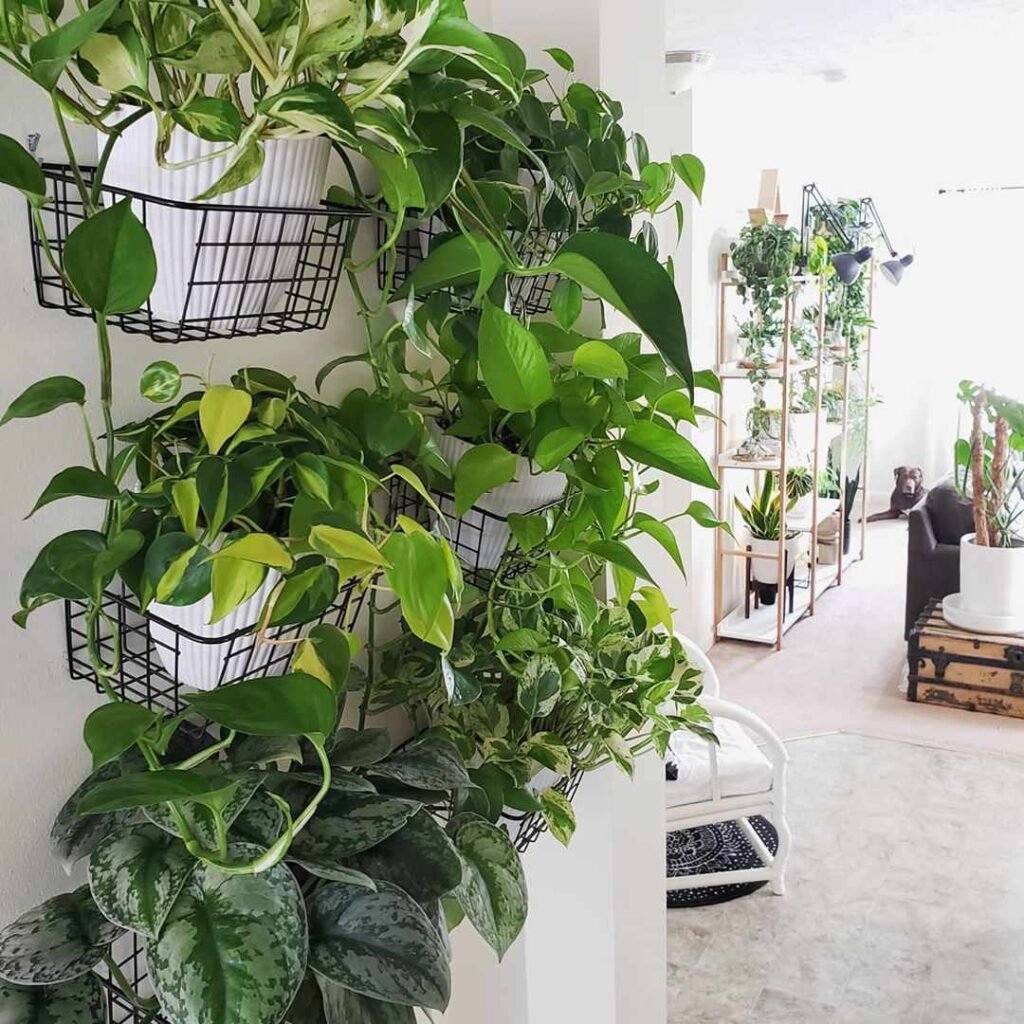
3. Vertical Shelves

  • Small pots placed on staggered shelves.
  • Very flexible; pots can be rearranged.
  • Minimal modification to the wall structure.

4. Hydroponic or Self-Watering Systems

  • Ideal for minimal care.
  • Nutrient solution delivered automatically to plants.
  • Reduces watering frequency and ensures consistent growth.

Lighting for Indoor Plant Walls

Plants need light for photosynthesis, so light planning is crucial:

  1. Natural Light: Position the wall near windows that provide bright, indirect sunlight.
  2. Grow Lights: For low-light spaces, use LED full-spectrum lights.
    • Mount lights above or alongside the wall.
    • Keep lights 6–12 inches away from foliage.
    • Provide 12–14 hours of light daily.
  3. Light Diffusion: Use reflective surfaces to maximize light distribution.

Tip: Low-maintenance plants generally tolerate indirect light, reducing the need for expensive lighting setups.


Watering and Irrigation

Watering is the most common challenge for vertical gardens. Low-maintenance walls rely on efficient irrigation strategies:

  • Drip Irrigation: Delivers water directly to each plant, minimizing overwatering.
  • Self-Watering Reservoirs: Store water at the base, feeding plants gradually.
  • Capillary Mats: Plants draw water as needed via capillary action.

Watering Tips:

  • Use a moisture meter to avoid overwatering.
  • Water less frequently for succulents; more often for ferns.
  • Ensure good drainage to prevent root rot.

Planting and Installation Tips

  1. Prepare the Wall: Install the frame or panel securely, ensuring stability.
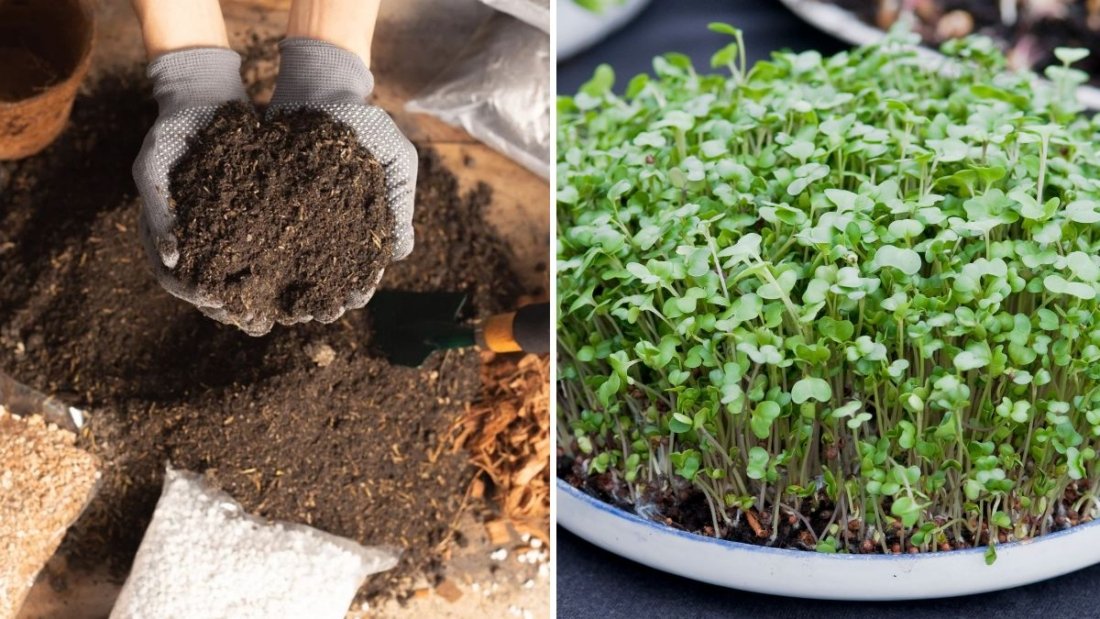
  2. Add Substrate: Use lightweight, well-draining media such as coconut coir, sphagnum moss, or hydroponic sponges.
  3. Plant Placement: Arrange plants according to light and growth patterns:
    • Taller, upright plants at the bottom or center.
    • Trailing plants along the edges for cascading effect.
  4. Spacing: Allow 3–6 inches between plants for growth and air circulation.
  5. Secure Plants: Use clips, ties, or moss to stabilize young plants in vertical pockets.

Maintenance for a Low-Maintenance Wall

Even a low-maintenance wall needs occasional attention:

  1. Pruning: Trim overgrown leaves to maintain shape and encourage bushiness.
  2. Cleaning: Dust leaves to maintain photosynthesis efficiency.
  3. Fertilizing: Apply liquid fertilizer every 4–6 weeks.
  4. Monitoring Health: Watch for yellowing leaves or pests; remove affected foliage promptly.
  5. Replace Plants as Needed: Swap out slow-growing or struggling plants to keep the wall vibrant.

Tip: Low-maintenance walls focus on resilience, so choose hardy plants that tolerate minor neglect.


Common Problems and Solutions

ProblemCauseSolution
Wilting leavesUnderwatering or heat stressIncrease watering frequency, adjust temperature
Yellowing leavesOverwatering or nutrient deficiencyCheck irrigation, apply balanced fertilizer
Mold or fungusPoor air circulation or overwateringImprove airflow, reduce humidity
PestsAphids, spider mitesWipe leaves, use insecticidal soap or neem oil
Uneven growthInsufficient lightReposition wall or add grow lights

Design Tips for Visual Impact

  • Mix Textures: Combine smooth leaves, ferns, and trailing vines for contrast.
  • Color Variation: Use different shades of green and splashes of color from flowering or variegated plants.
  • Pattern Arrangement: Create geometric or natural flowing patterns for artistic appeal.
  • Layering: Place larger plants at the back and smaller ones in front for depth.

Tip: A visually balanced wall not only looks appealing but also promotes plant health by ensuring light reaches all foliage.


Conclusion

A low-maintenance indoor plant wall is an ideal solution for anyone seeking the beauty of greenery without the hassle of managing numerous pots. By selecting hardy, adaptable plants, choosing an efficient vertical system, and implementing proper lighting and irrigation strategies, you can create a thriving indoor oasis.

Indoor plant walls enhance air quality, improve well-being, and provide a living piece of art in your home. With thoughtful planning and minimal upkeep, your vertical garden can flourish year-round, creating a refreshing, green focal point that transforms your living space into a healthier and more vibrant environment.

Whether for a home, office, or commercial space, a low-maintenance indoor plant wall combines aesthetics, functionality, and wellness, making it one of the most rewarding additions to modern interior design.

How to Grow Edible Greens Indoors Without Soil

How to Grow Edible Greens Indoors Without Soil

Growing your own food at home is no longer limited to backyard gardens. With modern techniques and a little planning, you can cultivate fresh, edible greens indoors without using soil. Hydroponics, aeroponics, and other soilless methods are revolutionizing urban gardening, allowing even apartment dwellers to enjoy nutrient-rich vegetables year-round.

This article will guide you through the process of growing edible greens indoors without soil, highlighting the best methods, essential equipment, step-by-step instructions, and tips for a successful indoor harvest.


Why Grow Greens Without Soil?

Soilless gardening offers several advantages, particularly for indoor spaces:

  1. Space Efficiency: You don’t need a backyard or garden plot. Small containers, vertical setups, and hydroponic systems make indoor cultivation possible.
  2. Faster Growth: Plants often grow more quickly in water or nutrient solutions because roots can directly absorb nutrients.
  3. Fewer Pests and Diseases: Soil-borne pathogens are minimized.
  4. Water Efficiency: Closed hydroponic systems recycle water, reducing wastage.
  5. Year-Round Production: Indoor conditions allow you to grow fresh greens regardless of the season.

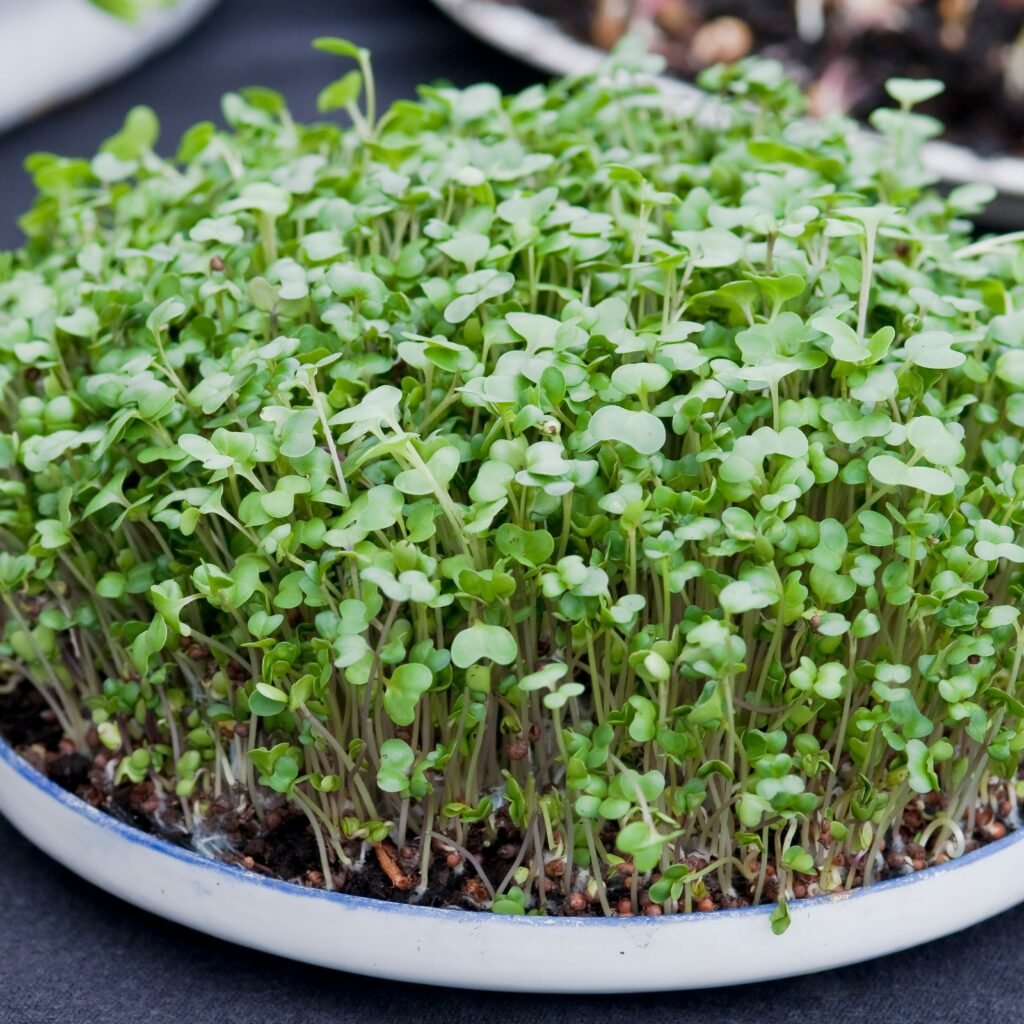
Popular edible greens for soilless cultivation include lettuce, spinach, kale, arugula, Swiss chard, and herbs like basil, mint, and cilantro.


Popular Methods of Growing Greens Without Soil

Several soilless methods are ideal for indoor gardening. The most common include:

1. Hydroponics

Hydroponics is the practice of growing plants in a nutrient-rich water solution instead of soil. It is highly efficient and widely used for leafy greens.

Types of Hydroponic Systems:

  • Deep Water Culture (DWC): Plants’ roots are suspended in oxygenated nutrient water. Ideal for lettuce and spinach.
  • Nutrient Film Technique (NFT): A thin stream of nutrient solution flows over roots in a channel, allowing constant nutrient absorption.
  • Ebb and Flow (Flood and Drain): Nutrient solution periodically floods the plant roots and then drains, providing hydration and oxygenation.

Pros: Rapid growth, high yield, minimal soil pests.
Cons: Requires monitoring water pH and nutrient levels.


2. Aeroponics

Aeroponics involves suspending plant roots in air while misting them with nutrient-rich water. This technique is highly efficient in nutrient uptake and oxygenation.

Pros: Extremely fast growth, reduced water usage, clean setup.
Cons: Requires precise misting systems and monitoring.


3. Wick System (Passive Hydroponics)

The wick system is a simple, low-maintenance setup where plants draw nutrient solution from a reservoir through a wick.

Pros: Affordable, simple, low maintenance.
Cons: Suitable only for small or medium-sized greens, slower growth compared to active hydroponics.


4. Grow Towers or Vertical Gardens

Vertical soilless gardens are perfect for limited spaces. Plants grow in stacked containers with nutrient solutions delivered via drip irrigation or wick systems.

Pros: Space-saving, aesthetically pleasing.
Cons: Initial setup can be more complex and costly.


Essential Equipment for Indoor Soilless Gardening

To successfully grow edible greens indoors, you need the following:

  1. Containers or Reservoirs: To hold water and nutrient solutions.
  2. Nutrient Solutions: Specially formulated hydroponic fertilizers with essential macro- and micronutrients.
  3. Water Pumps (for active systems): To circulate nutrient solutions in DWC, NFT, or ebb-and-flow systems.
  4. Air Pumps and Air Stones: For oxygenating water in deep water culture setups.
  5. Grow Lights: LED or fluorescent lights with a spectrum suitable for leafy greens.
  6. pH and EC Meters: To monitor water acidity and nutrient concentration.
  7. Net Pots or Mesh Containers: To support plants while allowing roots to grow freely.
  8. Wicks or Drip Lines (if applicable): For passive nutrient delivery.

Step-by-Step Guide to Growing Greens Indoors Without Soil

Step 1: Choose Your Greens

Select plants that thrive in hydroponic or aeroponic systems. Lettuce, arugula, spinach, kale, and herbs like basil and mint are ideal for beginners.

Step 2: Set Up Your System

  • For DWC, fill a container with water, add nutrient solution, and suspend plants in net pots. Add an air stone for oxygen.
  • For NFT, position a channel at a slight incline, add water and nutrients, and place plants in holes along the channel.
  • For Wick systems, place a wick from a water reservoir into the growing medium.

Step 3: Provide Adequate Lighting

  • Leafy greens need 12–16 hours of light per day.
  • Use full-spectrum LED grow lights to mimic natural sunlight.
  • Position lights 6–12 inches above plants and adjust as they grow.

Step 4: Monitor Nutrient Solution

  • Maintain nutrient solution pH between 5.5 and 6.5 for optimal growth.
  • Check Electrical Conductivity (EC) to ensure nutrient concentration is sufficient.
  • Replace the solution every 1–2 weeks to prevent salt buildup.

Step 5: Maintain Temperature and Humidity

  • Ideal temperature for most greens: 65–75°F (18–24°C).
  • Relative humidity: 50–70%.
  • Ensure proper air circulation to prevent mold or fungal growth.

Step 6: Plant Spacing and Support

  • Leafy greens require 3–6 inches between plants for proper growth.
  • Some tall greens may need stakes or trellises to support growth.

Step 7: Harvesting

  • Leafy greens can be harvested 3–6 weeks after planting, depending on the species.
  • Use scissors to snip outer leaves, allowing inner leaves to continue growing.
  • For herbs, harvest regularly to encourage bushier growth.

Tips for Maximizing Indoor Growth Without Soil

  1. Start with Seeds or Seedlings: Seeds are economical, while seedlings give faster results.
  2. Rotate Plants Regularly: Ensure even light distribution to prevent uneven growth.
  3. Monitor for Pests: Indoor setups are less prone, but aphids or fungus gnats can appear.
  4. Use Organic Nutrients (Optional): Liquid compost or seaweed extracts can supplement growth.
  5. Clean System Regularly: Prevent algae and bacteria buildup in water reservoirs.

Common Problems and Solutions

ProblemCauseSolution
Yellowing leavesNutrient deficiencyAdjust nutrient concentration, check pH
Slowed growthInsufficient lightIncrease grow light intensity or duration
Root rotOver-saturated rootsImprove oxygenation, check water quality
Algae growthExcess light on water surfaceCover reservoir, reduce light exposure on water
Wilting leavesHigh temperature or low humidityAdjust room conditions, provide airflow

Benefits of Growing Edible Greens Indoors Without Soil

  1. Fresher Produce: Harvest when needed for maximum flavor and nutrition.
  2. Year-Round Gardening: No dependency on seasons or outdoor conditions.
  3. Educational and Therapeutic: Indoor gardening teaches plant biology and reduces stress.
  4. Sustainable Living: Reduces food miles and encourages eco-friendly practices.
  5. Efficient Resource Use: Conserves water and nutrients compared to traditional soil gardening.

Popular Greens for Indoor Soilless Cultivation

Here’s a quick guide for the best greens to grow indoors:

  • Lettuce: Quick growth, perfect for DWC or NFT.
  • Spinach: Thrives in cooler indoor environments.
  • Kale: Nutrient-dense, suitable for hydroponic growth.
  • Arugula: Fast-growing with peppery flavor, ideal for beginners.
  • Swiss Chard: Colorful leaves, prefers moderate light.
  • Basil & Mint: Aromatic herbs that do well in aeroponic setups.
  • Cilantro & Parsley: Ideal for windowsills and LED setups.

Conclusion

Growing edible greens indoors without soil is a practical and exciting way to enjoy fresh, healthy produce year-round. Hydroponic, aeroponic, and wick systems provide flexible, space-saving solutions for any home. By carefully selecting greens, maintaining nutrient solutions, and monitoring light and environmental conditions, you can cultivate a thriving indoor garden that not only feeds your body but also enhances your living space.

With consistent care, your soilless indoor garden can produce lush, nutrient-rich greens while offering the satisfaction of growing your own food. Embracing modern techniques and combining them with basic gardening principles allows you to create a sustainable, healthy, and visually appealing indoor garden—a true oasis in any urban setting.

The Best Apps to Track Houseplant Care and Watering

The Best Apps to Track Houseplant Care and Watering

Caring for houseplants can be a deeply rewarding hobby—but it can also be surprisingly tricky. From remembering watering schedules to monitoring light, humidity, and fertilization, indoor gardening demands consistent attention. In today’s digital age, technology can make this easier. A wide variety of plant care apps help indoor gardeners keep track of watering, feeding, and other vital plant care routines, ensuring healthier, thriving houseplants year-round.

This article explores the best apps to track houseplant care and watering, their unique features, benefits, and tips for selecting the right app for your indoor garden. Whether you’re a beginner struggling to remember watering days or a seasoned plant parent managing dozens of plants, the right app can be a game-changer.


Why Use a Plant Care App?

Tracking plant care manually—through notebooks or sticky notes—can be cumbersome. Apps simplify this by providing reminders, care guides, and even visual tracking. Here’s why using an app is beneficial:

  1. Never Forget to Water: Set reminders based on each plant’s unique needs.
  2. Track Fertilization and Repotting: Record fertilizing dates, soil changes, and pruning.
  3. Identify Plants Easily: Many apps have image recognition tools to identify unknown species.
  4. Monitor Growth: Log plant photos to track progress and spot early signs of stress.
  5. Expert Guidance: Receive tips on light, humidity, and temperature requirements.
  6. Community Support: Engage with fellow plant enthusiasts for advice and motivation.

By centralizing all plant care information in one place, these apps save time and reduce stress, helping your indoor garden thrive.


Features to Look for in a Plant Care App

Not all apps are created equal. When choosing the best app for tracking houseplant care, look for the following features:

  • Customizable Watering Reminders: Ability to set schedules for each plant individually.
  • Light and Temperature Tracking: Ensure plants get optimal indoor conditions.
  • Fertilization and Soil Alerts: Keep track of feeding cycles.
  • Plant Identification: Easily identify unknown plants by taking a photo.
  • Growth Logging: Track photos and note progress over time.
  • Offline Access: Useful if you don’t always have internet in your gardening space.
  • Notifications and Alerts: Timely reminders for care tasks.
  • Community and Support: Forums, tips, and expert advice.

Apps that combine these features create a comprehensive tool for indoor gardeners, helping them care for plants systematically.


Top Apps to Track Houseplant Care and Watering

Here are some of the best apps available in 2025, each with unique advantages for plant lovers.


1. Planta

Platforms: iOS, Android
Best For: Beginner to intermediate plant parents

Planta is a highly popular app that simplifies plant care with tailored schedules and reminders.

Key Features:

  • Personalized watering, fertilizing, and misting reminders.
  • Light meter to check if your plant gets enough sunlight.
  • Pest and disease identification with detailed solutions.
  • Plant recognition feature using photo identification.

Pros:

  • Intuitive interface with clear guidance.
  • Large plant database with detailed care instructions.
  • Daily notifications to prevent missed tasks.

Cons:

  • Some advanced features require a premium subscription.

Tip: Ideal for busy gardeners who need automated reminders and easy-to-follow care schedules.


2. Gardenize

Platforms: iOS, Android
Best For: Plant enthusiasts who want detailed tracking

Gardenize focuses on meticulous plant care documentation, making it perfect for hobbyists and serious indoor gardeners.

Key Features:

  • Keep digital records for every plant with photos, notes, and care routines.
  • Track watering, fertilizing, and pruning schedules.
  • Organize plants by location or type.
  • Reminder system for all care activities.

Pros:

  • Comprehensive logging features allow detailed progress tracking.
  • Supports multiple plant collections.
  • Easy sharing with other gardeners.

Cons:

  • Slightly complex interface for beginners.

Tip: Perfect for users who enjoy keeping a detailed diary of their indoor garden.


3. Vera by Vera Botanica

Platforms: iOS, Android
Best For: Minimalist plant care tracking

Vera focuses on simplicity while still offering essential tracking tools for indoor plants.

Key Features:

  • Automated reminders for watering and fertilizing.
  • Plant-specific care tips.
  • Sleek and user-friendly design for quick logging.

Pros:

  • Minimalist, easy-to-navigate interface.
  • Lightweight app suitable for casual plant owners.

Cons:

  • Fewer advanced features compared to Planta or Gardenize.

Tip: Best for beginners or those who prefer a clean, distraction-free interface.


4. Blossom – Plant Care Made Easy

Platforms: iOS, Android
Best For: Visual learners and beginner gardeners

Blossom combines plant identification with care tracking, perfect for those who want both guidance and reminders.

Key Features:

  • Plant recognition using photos.
  • Watering and fertilizing reminders tailored to plant species.
  • Care calendar to track past and upcoming tasks.
  • Educational content on common plant problems.

Pros:

  • Ideal for learning about each plant.
  • Easy-to-use reminders and progress tracking.

Cons:

  • Free version limited to a smaller plant database.

Tip: Great for new plant owners who are still learning about their plant collection.


5. Plantae – Smart Garden Tracker

Platforms: iOS, Android
Best For: Tech-savvy gardeners who want precision

Plantae combines smart tracking with analytics to help you optimize plant care routines.

Key Features:

  • AI-based watering and fertilizing suggestions.
  • Growth tracking with charts and logs.
  • Care history for individual plants.
  • Indoor environmental monitoring.

Pros:

  • Advanced features for tracking and analytics.
  • Highly customizable reminders and notifications.

Cons:

  • Premium subscription required for full functionality.

Tip: Suitable for users with multiple plants who want precise care schedules and growth analysis.


How to Make the Most of a Plant Care App

Simply installing an app is not enough—maximizing its benefits requires a few smart practices:

  1. Input Accurate Plant Information: Include species, pot size, and location to get precise care recommendations.
  2. Update Growth Progress: Add photos regularly to track changes and detect issues early.
  3. Use Notifications Wisely: Don’t ignore app reminders; consistency is key for healthy growth.
  4. Combine Apps with Real Observation: Apps are guides—always check soil moisture, leaf health, and light levels manually.
  5. Take Notes on Special Care Needs: Some plants have unique requirements that may not be fully captured by general recommendations.

The Advantages of Digital Plant Tracking

Using apps to manage your indoor garden offers significant advantages over traditional methods:

  • Reduces Forgetfulness: Watering, fertilizing, and repotting are automatically tracked.
  • Promotes Plant Health: Timely reminders prevent overwatering and nutrient deficiencies.
  • Saves Time: No need to consult multiple guides or search online for specific plant care instructions.
  • Learning Opportunity: Many apps provide educational content on plant biology and care.
  • Community Engagement: Connect with other plant owners to exchange tips and inspiration.

Potential Drawbacks and How to Mitigate Them

While plant care apps are useful, there are some limitations:

  • Over-reliance on Technology: Check soil moisture and light manually to prevent mistakes.
  • Subscription Costs: Some apps require paid plans for advanced features.
  • Generic Recommendations: Apps may not account for micro-environments like specific kitchen humidity or drafts.

Mitigation Tip: Use apps as a guide, but complement them with hands-on observation and adjustments tailored to your home environment.


Conclusion

Tracking houseplant care and watering has never been easier thanks to modern apps. Whether you’re a beginner struggling to remember watering schedules or an experienced plant parent managing dozens of indoor plants, these tools provide invaluable guidance. Apps like Planta, Gardenize, Vera, Blossom, and Plantae offer a range of features from basic reminders to advanced growth analytics, ensuring healthier plants and a more enjoyable gardening experience.

By combining digital tracking with regular observation, you can prevent common indoor gardening problems such as overwatering, nutrient deficiency, and pest infestations. Moreover, the convenience of these apps allows you to spend more time enjoying your lush, green indoor oasis rather than worrying about daily care routines.

Investing in a reliable plant care app can transform indoor gardening from a chore into a delightful, stress-free hobby. With reminders, expert tips, and detailed growth tracking, you’ll ensure your houseplants not only survive but thrive, creating a vibrant, healthy, and aesthetically pleasing home environment.

How to Create a Mini Indoor Herb Garden in Your Kitchen

How to Create a Mini Indoor Herb Garden in Your Kitchen

Nothing beats the flavor and freshness of herbs picked straight from your own garden—especially when that garden lives right inside your kitchen. Imagine cooking a steaming bowl of pasta and reaching for a handful of fresh basil, or brewing mint tea with leaves plucked from your windowsill. An indoor herb garden brings this freshness within arm’s reach, while also adding greenery and a soothing aroma to your space.

Creating a mini indoor herb garden in your kitchen is not only easy but also deeply rewarding. With a bit of planning, the right setup, and regular care, you can grow lush, fragrant herbs year-round—even without a backyard. This article will walk you through every step—from selecting herbs and containers to lighting, watering, and maintenance—so your indoor herb garden thrives beautifully.


Why Grow Herbs Indoors?

Indoor herb gardening has become increasingly popular among home cooks, plant lovers, and urban dwellers alike. The reasons are simple:

  1. Freshness All Year: You can harvest herbs anytime, regardless of the season.
  2. Convenience: Everything you need is within reach while cooking.
  3. Space-Saving: Even small kitchens can host a thriving mini garden.
  4. Air Purification: Herbs like mint and parsley naturally purify indoor air.
  5. Aesthetic Appeal: Greenery brightens up the kitchen, creating a calming and beautiful atmosphere.
  6. Sustainability: Reduces reliance on store-bought herbs wrapped in plastic, cutting waste.

Choosing the Right Herbs for Your Indoor Kitchen Garden

Not all herbs grow equally well indoors. Some need more sunlight or space than others. The best choices are compact, adaptable species that thrive in moderate light and humidity—conditions typical of most kitchens.

Top Herbs to Grow Indoors

  1. Basil: Loves warmth and bright light. Ideal for Italian dishes, salads, and sauces.
  2. Mint: Easy to grow and great for teas, desserts, and refreshing drinks.
  3. Parsley: A versatile herb for garnishes and savory dishes.
  4. Chives: Adds a mild onion flavor to soups and omelets.
  5. Thyme: A hardy herb that tolerates drier soil and moderate light.
  6. Rosemary: Aromatic and woody; great for roasting and Mediterranean recipes.
  7. Cilantro: Fast-growing but prefers cooler conditions.
  8. Oregano: A sun-loving herb perfect for pizzas and pastas.

Tip: Start with 3–5 easy herbs that suit your cooking habits and gradually expand as you gain confidence.


Selecting the Perfect Spot in Your Kitchen

Herbs thrive when they receive at least 4–6 hours of sunlight daily. The best spots for your indoor herb garden include:

  • South- or West-Facing Windowsills: These offer the most sunlight.
  • Countertops Near Windows: Great for easy access and natural light.
  • Hanging Planters or Vertical Racks: Perfect for small kitchens with limited space.

If your kitchen doesn’t get much sunlight, don’t worry—grow lights can easily make up for it. LED grow lights mimic natural sunlight, providing the right spectrum for healthy herb growth. Position them 6–12 inches above the plants and keep them on for 10–12 hours daily.


Choosing Containers and Planters

The right container makes a big difference in plant health and aesthetics. Here’s what to keep in mind:

1. Drainage is Essential

Always use pots with drainage holes to prevent water from accumulating, which can lead to root rot. If your decorative containers lack holes, place a plastic liner pot inside that can be removed for watering.

2. Size and Material

  • Small Pots (4–6 inches): Great for single herbs.
  • Long Planters or Window Boxes: Ideal for growing multiple herbs together.
  • Material Options:
    • Terracotta – breathable but may dry out quickly.
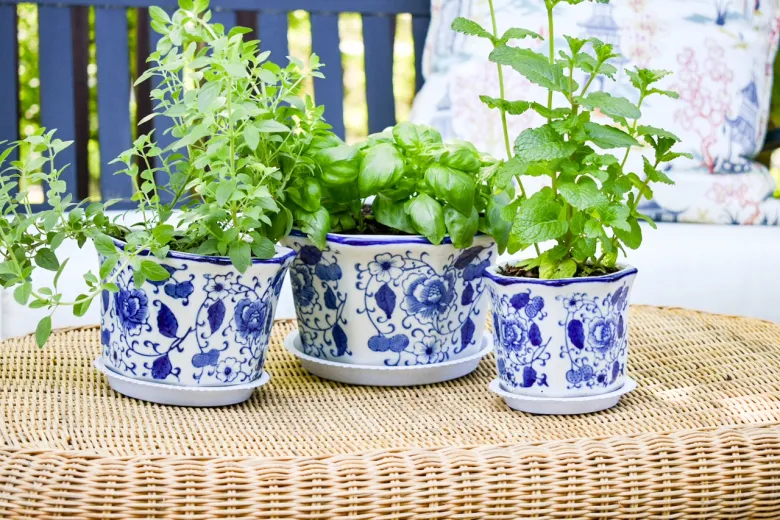
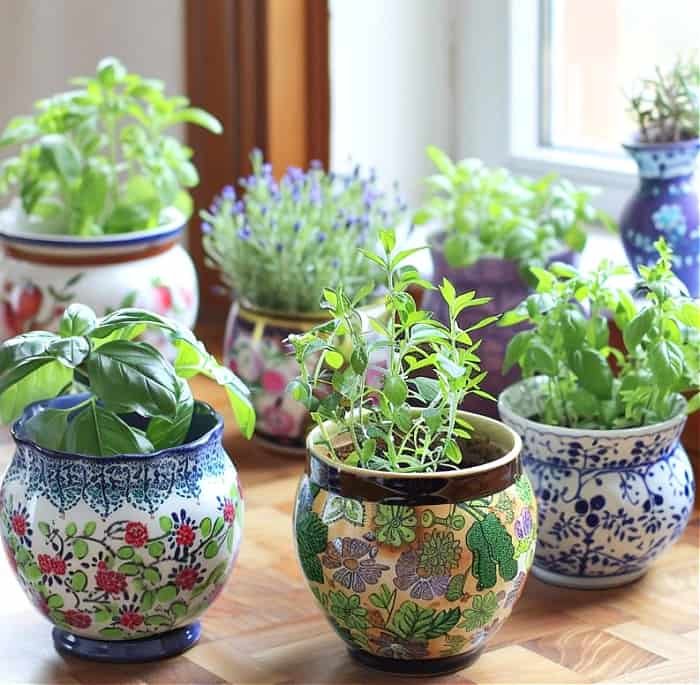
    • Ceramic – retains moisture and looks decorative.
    • Plastic – lightweight and affordable.

3. Creative Ideas

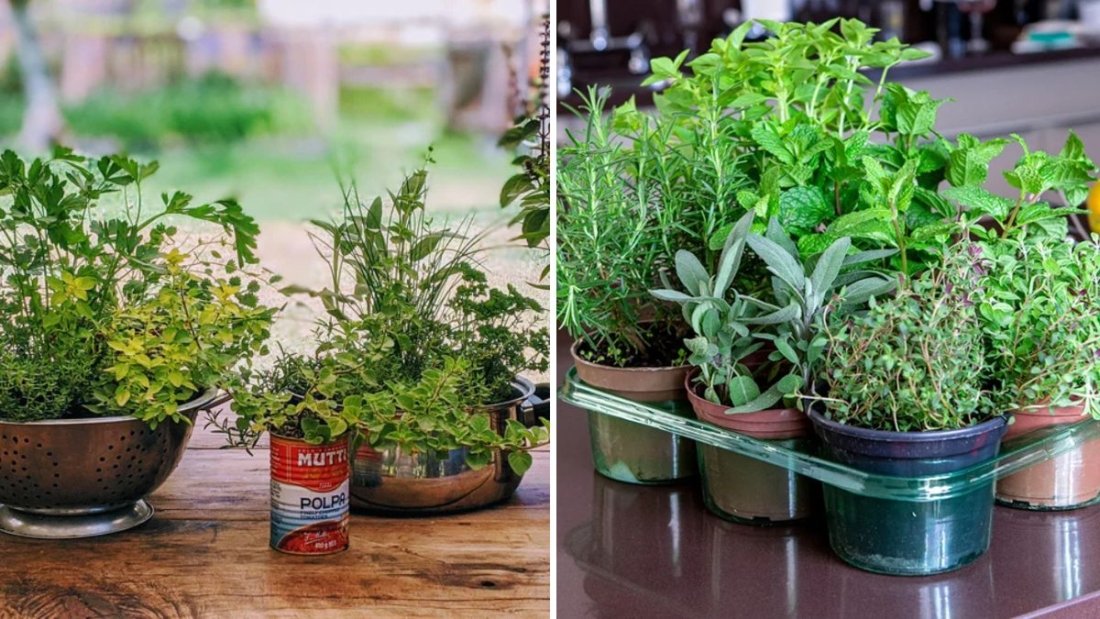
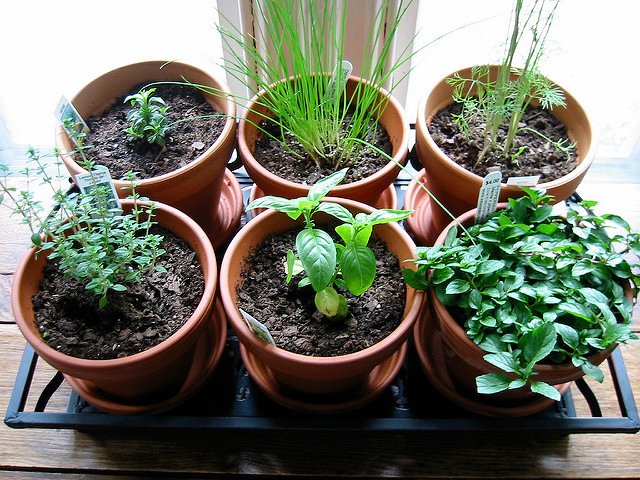
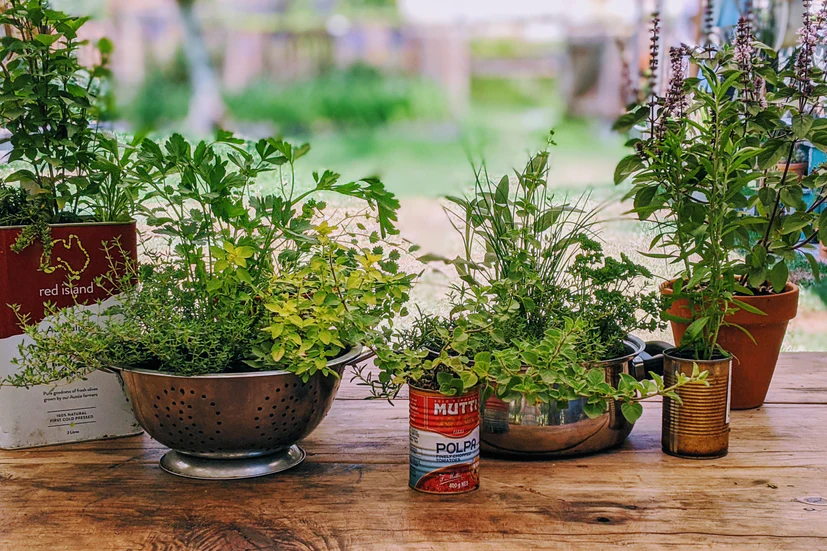
You can repurpose mason jars, tin cans, or teacups as charming herb planters—just ensure proper drainage.


Selecting the Right Soil

Herbs prefer well-draining, nutrient-rich soil. Avoid using regular garden soil—it’s too dense and may contain pests. Instead, opt for:

  • Potting Mix: A lightweight, sterile mix designed for indoor plants.
  • Herb-Specific Mix: Often includes perlite or vermiculite for better aeration.

For extra drainage, place a small layer of pebbles or broken pottery at the bottom of each pot before adding soil.


Planting Your Herbs

You can start your indoor herb garden from seeds, cuttings, or small nursery plants.

From Seeds:

  1. Fill your pots with soil, leaving about an inch at the top.
  2. Sprinkle seeds evenly on the surface.
  3. Lightly cover with soil and mist with water.
  4. Keep the soil consistently moist until seeds sprout (usually 7–21 days).

From Cuttings:

Some herbs, like mint, basil, and oregano, root easily from stem cuttings.

  1. Snip a 4–6 inch stem below a leaf node.
  2. Place it in a glass of water near a sunny window.
  3. Once roots appear (in 1–2 weeks), transfer to soil.

From Nursery Plants:

This is the fastest way to start. Simply transfer herbs from store-bought pots to larger containers with fresh potting mix.


Watering and Humidity Needs

Proper watering is one of the most crucial aspects of indoor herb care.

  • Check Before You Water: Stick your finger an inch into the soil—if it’s dry, it’s time to water.
  • Avoid Overwatering: Too much moisture suffocates roots.
  • Use a Tray or Saucer: Collect excess water and prevent messes.
  • Humidity: Most herbs appreciate moderate humidity. Mist leaves occasionally or use a pebble tray filled with water to maintain moisture around plants.

Tip: Herbs like rosemary and thyme prefer slightly drier soil, while basil and parsley enjoy more consistent moisture.


Fertilizing Indoor Herbs

Herbs grown in pots need nutrients replenished regularly since water leaches minerals from the soil.

  • Use a diluted liquid fertilizer (half-strength) every 3–4 weeks during the growing season.
  • Organic options include compost tea, worm castings, or fish emulsion.
  • Avoid over-fertilizing—it can cause excessive leaf growth with weaker flavor.

Pruning and Harvesting for Healthy Growth

Regular pruning not only provides fresh herbs for cooking but also encourages bushier, fuller plants.

How to Prune Properly:

  • Use sharp scissors to snip above a leaf node (the point where leaves emerge).
  • Never remove more than one-third of the plant at a time.
  • Pinch off flower buds (especially on basil) to keep leaves tender and flavorful.

Harvesting Tip: Pick herbs in the morning when their essential oils are most concentrated for the best flavor.


Lighting Solutions for Every Kitchen

If your kitchen doesn’t receive enough natural sunlight, you can use artificial grow lights to keep herbs happy.

Types of Grow Lights:

  1. LED Grow Lights: Energy-efficient and long-lasting, suitable for all herbs.
  2. Fluorescent Bulbs (T5 or T8): Great for small herb setups.
  3. Clamp Lights or Under-Cabinet Lights: Convenient for countertop gardens.

Keep the lights about 6–12 inches above the herbs and on for 12–14 hours daily to mimic sunlight.


Creative Herb Garden Ideas for Small Kitchens

Even if you have limited counter space, there are plenty of ways to fit a mini garden into your kitchen.

1. Vertical Herb Garden

Use a tiered shelf, wall-mounted pots, or hanging planters to save space and display herbs beautifully.

2. Windowsill Garden

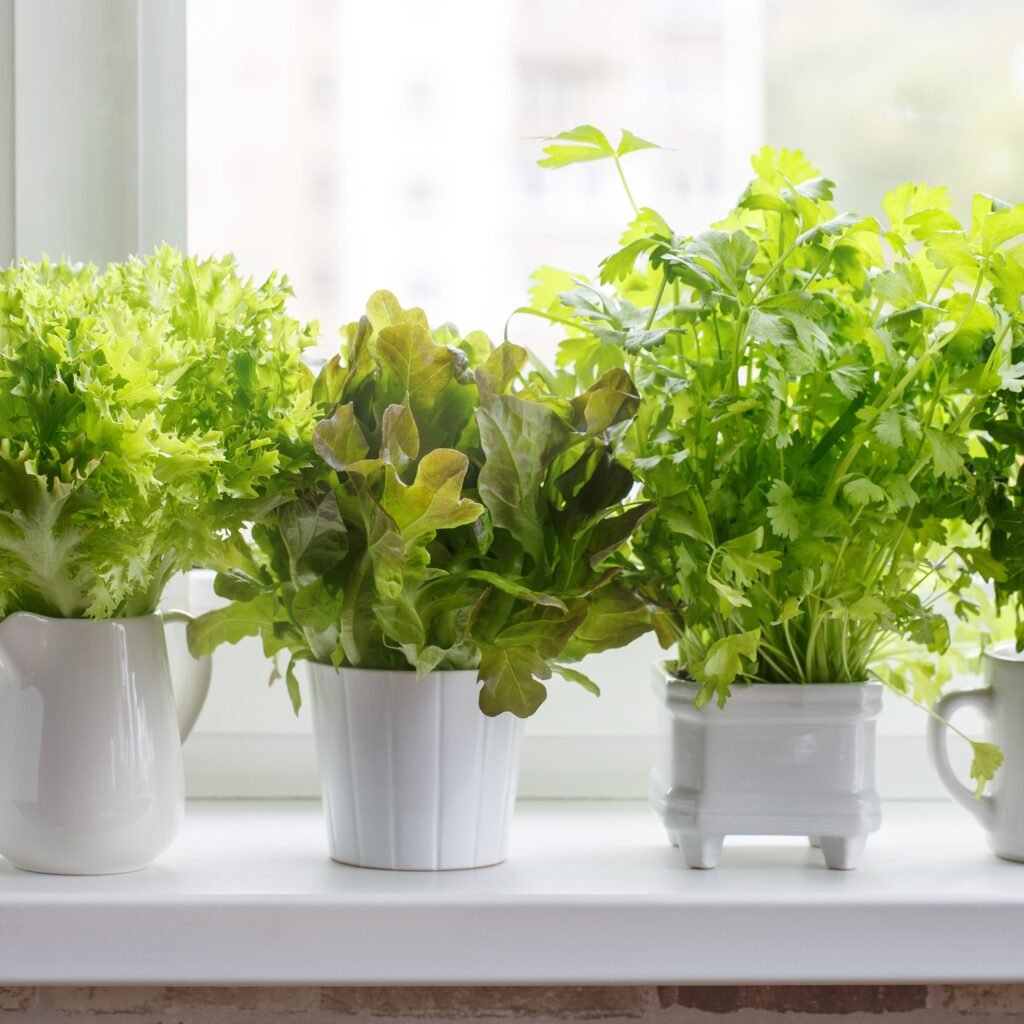
Perfect for kitchens with good sunlight—place small pots of basil, parsley, and mint along the ledge.

3. Hanging Mason Jars

Suspend mason jars with twine or metal holders near a bright window for a rustic look.

4. Magnetic Pots

Attach small magnetic pots to your refrigerator or metal backsplash to hold lightweight herbs.

5. Rolling Herb Cart

Use a tiered rolling cart that can be moved around for light and easy watering access.


Common Problems and How to Fix Them

ProblemPossible CauseSolution
Yellow leavesOverwateringLet soil dry out before watering again
Weak, leggy stemsToo little lightMove closer to window or add grow light
Dry, crispy leavesLow humidityMist regularly or use humidifier
Slow growthNutrient deficiencyApply light fertilizer monthly
Pests (aphids, gnats)Poor air circulationWipe leaves and use neem oil spray

Maintaining Your Indoor Herb Garden Year-Round

  • Rotate Pots: Turn them every week for even light exposure.
  • Re-pot Annually: Refresh soil and trim roots to prevent overcrowding.
  • Clean Leaves: Gently wipe dust from leaves with a damp cloth to improve photosynthesis.
  • Watch for Signs: Drooping leaves or stunted growth are early signs of stress—adjust water, light, or feeding accordingly.

Final Thoughts

Creating a mini indoor herb garden in your kitchen is more than just a gardening project—it’s a lifestyle upgrade. It brings nature into your daily routine, enhances your cooking, and adds tranquility to your home.

With a little care, your kitchen can become a living, aromatic sanctuary filled with vibrant greens and fresh fragrances. From basil’s sweet aroma to mint’s refreshing scent, each herb you nurture brings flavor, health, and beauty to your space.

So, start small—choose a few herbs you love, find them a sunny spot, and watch your indoor garden thrive. Soon, you’ll wonder how you ever cooked without it.