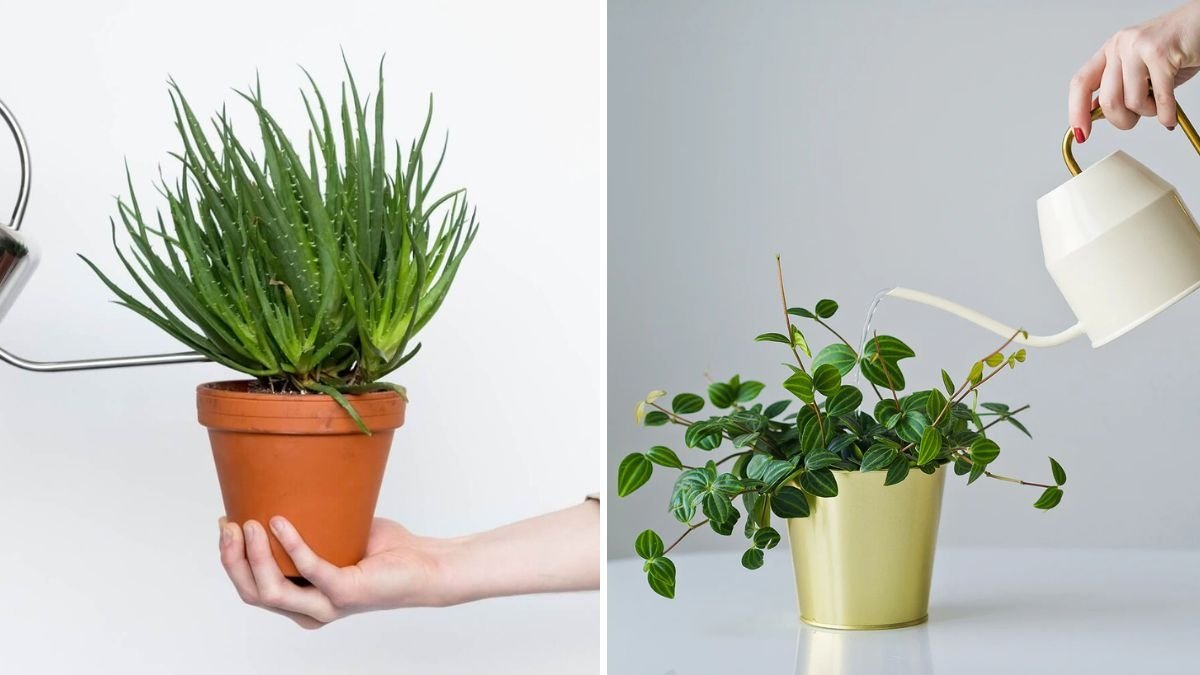
Watering is the lifeline of plant care — yet it’s also one of the most misunderstood aspects of gardening. Many indoor and outdoor plants suffer not from neglect, but from overcare, especially when it comes to watering. Some gardeners water daily out of love, while others forget for weeks, and both approaches can harm plant health.
The truth is that every plant has its own unique water requirements influenced by its species, size, environment, and growth stage. Learning how to create a personalized watering routine — one that matches your plant’s actual needs — is the key to maintaining lush, thriving greenery all year round.
This article explores the science behind watering, signs of over- and underwatering, and a step-by-step approach to developing the perfect watering routine for your plants.
1. Understanding Why Watering Routines Matter
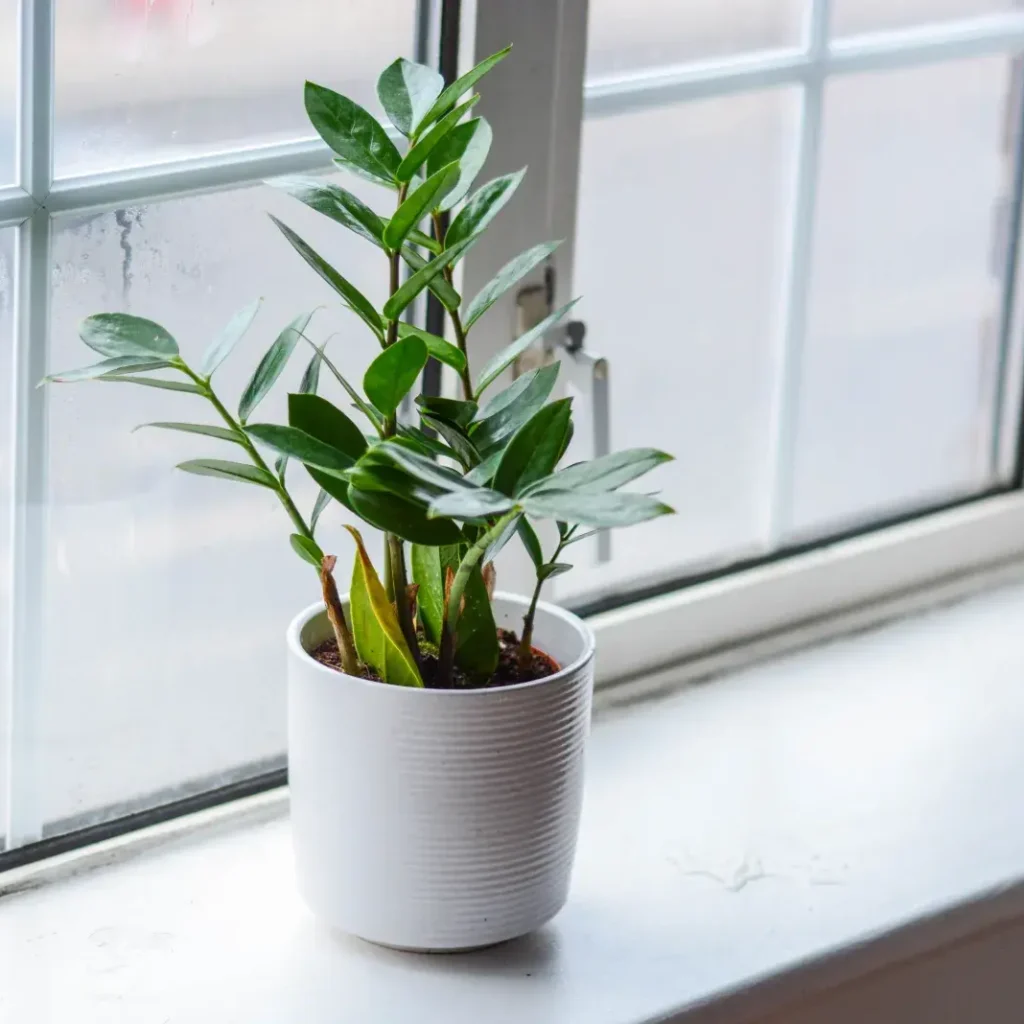
Water is essential for plant growth because it supports photosynthesis, nutrient transport, and cell structure. However, not all plants use water in the same way. Some thrive in consistently moist soil (like ferns), while others prefer drier conditions (like succulents or cacti).
An effective watering routine ensures that:
- The plant’s roots receive sufficient oxygen, avoiding rot.
- The nutrients in soil dissolve properly and reach all parts of the plant.
- The plant develops a strong root system adapted to its environment.
Without a balanced watering plan, even the healthiest plant can quickly deteriorate.
2. Know Your Plant’s Natural Habitat
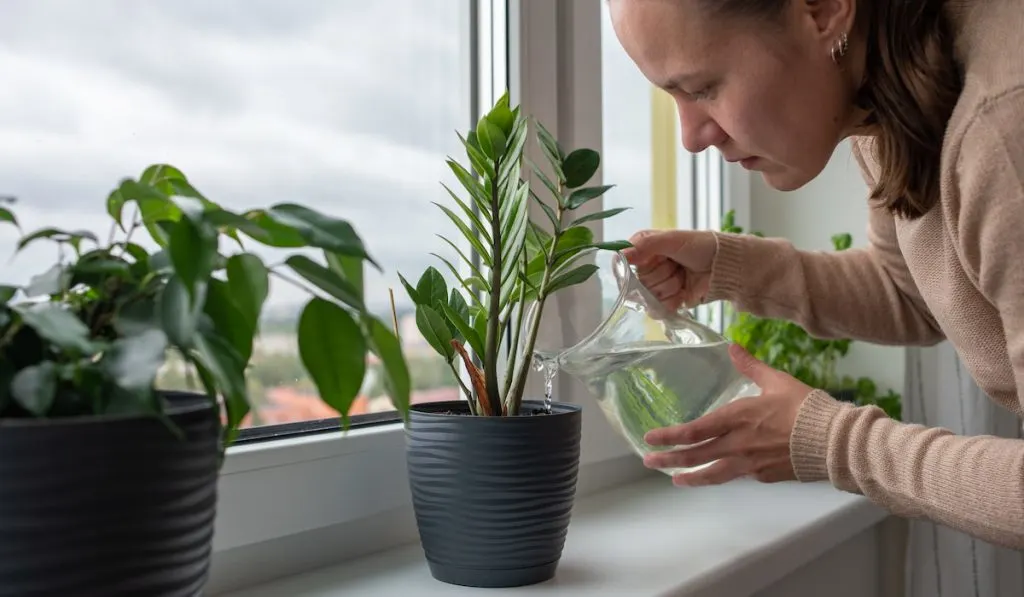
To understand how often and how much to water, start by learning about your plant’s native habitat. A plant’s natural environment dictates its water tolerance.
- Tropical plants (like Monstera, Peace Lily, and Calathea) grow in humid rainforests and prefer consistently moist soil.
- Desert plants (like Aloe Vera, Snake Plant, and Cactus) are adapted to dry conditions and need infrequent watering.
- Temperate species (like Geraniums or Fiddle Leaf Figs) need moderate watering with occasional drying-out periods.
By mimicking their native water conditions indoors, you can develop a schedule that meets each species’ natural rhythm.
3. Assessing Soil Type and Drainage
Soil composition plays a major role in determining how long moisture stays available to roots.

- Clay soils retain water for longer but can easily become waterlogged.
- Sandy soils drain quickly, requiring more frequent watering.
- Loamy soil — a mix of sand, silt, and clay — provides the best balance of moisture and aeration.
For indoor plants, using a well-draining potting mix with perlite, vermiculite, or cocopeat ensures that water flows freely while retaining essential moisture.
Always ensure that pots have proper drainage holes, so excess water can escape. Poor drainage is one of the main reasons for root rot and fungal infections in potted plants.
4. Observe Environmental Factors
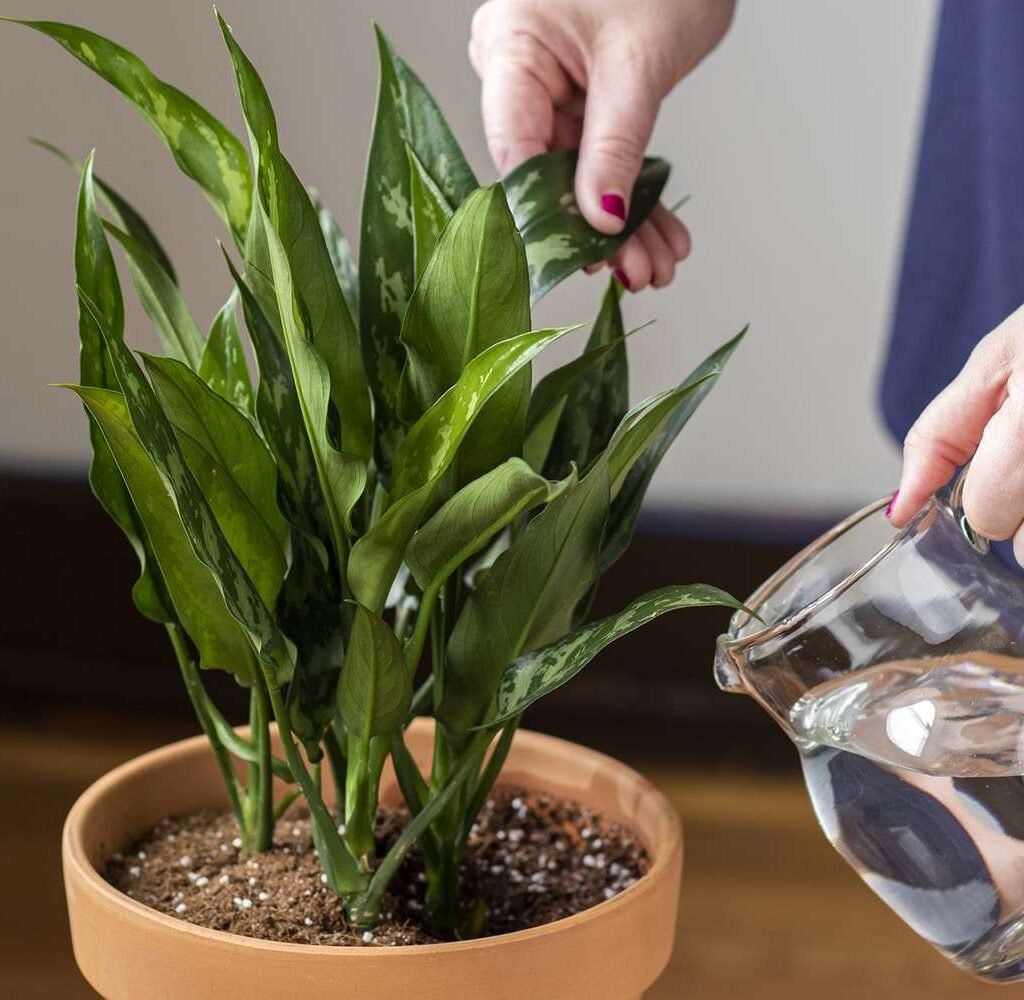
Your watering schedule should change with the seasons and your home’s environment.
Temperature and Humidity:
- In summer, heat increases evaporation, so plants dry out faster.
- During monsoon or winter, humidity rises, slowing down soil drying.
- Indoor air conditioners and heaters can also affect soil moisture — ACs dry air out, while heaters can desiccate leaves.
Light Exposure:
Plants exposed to bright light use more water than those in shaded corners. South- or west-facing windows generally need more frequent watering than north-facing spots.
Regularly observing these factors helps you tailor watering intervals more accurately.
5. Recognizing Signs of Overwatering and Underwatering
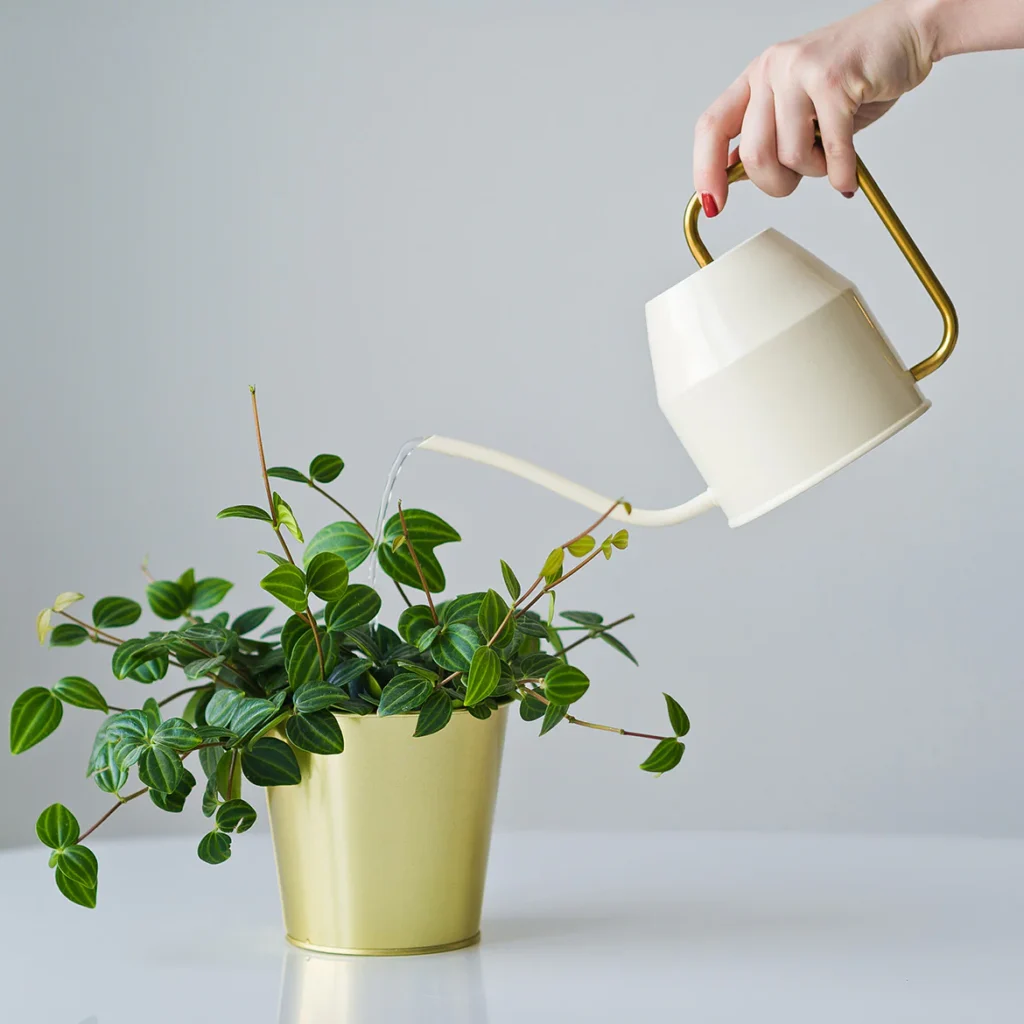
Identifying your plant’s feedback is crucial for developing a responsive watering routine.
Overwatering Symptoms:
- Yellowing leaves that fall easily.
- Mushy or brown roots.
- Foul smell from the soil.
- Mold or algae on the soil surface.
Underwatering Symptoms:
- Dry, crisp, or curling leaves.
- Soil pulling away from the edges of the pot.
- Slow growth or drooping stems.
When you learn to read these signals, your plants will “tell” you exactly when they need water — allowing you to adjust your schedule accordingly.
6. Develop a Watering Schedule Based on Plant Type

Once you understand your plant’s natural needs, soil type, and environment, you can start developing a consistent watering schedule. Here’s a basic guide:
| Plant Type | Preferred Soil Condition | Watering Frequency |
|---|---|---|
| Tropical Plants (Peace Lily, Ferns, Calatheas) | Moist but not soggy | Every 3–4 days |
| Succulents & Cacti | Dry between watering | Every 2–3 weeks |
| Foliage Plants (Pothos, Philodendron) | Slightly moist | Once a week |
| Flowering Plants (Geranium, Begonia) | Evenly moist | Every 4–5 days |
| Herbs (Basil, Mint) | Consistently moist | Every 2–3 days |
Note: These are general guidelines — always adjust based on season, pot size, and humidity levels.

7. Learn the Finger Test and Other Moisture Checks
Before watering, test the soil’s actual moisture level.
Finger Test:
Insert your finger about an inch into the soil:
- If it feels dry, water the plant.
- If it’s slightly damp, wait another day or two.
- If it feels wet, delay watering completely.
Alternative Tools:
- Moisture meters can give digital readings of soil moisture.
- Wooden sticks or chopsticks can be inserted into the soil — if they come out clean, it’s time to water.
This hands-on approach helps you move away from fixed schedules and toward intuitive watering based on actual plant needs.
8. Watering Techniques That Promote Healthy Growth
How you water your plants is just as important as how often you do it. Proper watering ensures deep root development and overall plant strength.
Top Watering:
Pour water slowly on the soil surface until it drains out of the bottom. This ensures that all roots receive moisture evenly.
Bottom Watering:
Place the pot in a shallow tray of water and let the soil soak up moisture through the drainage holes. Ideal for plants like African violets and ferns that dislike wet foliage.
Misting:
For humidity-loving plants, occasional misting can refresh leaves and prevent dryness. However, avoid excessive misting, as it may promote fungal growth.
Deep Watering:
Once or twice a month, water thoroughly so that moisture reaches deep into the root zone. This encourages deeper root systems, making plants more resilient.
9. Adjusting for Seasonal Changes
Watering routines must evolve with the changing seasons to keep plants comfortable year-round.

Spring and Summer:
- Active growing season for most plants.
- Increase watering frequency as plants use more water for photosynthesis.
- Add liquid fertilizers every few weeks.
Monsoon:
- High humidity means slower evaporation.
- Reduce watering frequency and ensure good ventilation to prevent fungal growth.
Autumn and Winter:
- Many plants enter dormancy.
- Water sparingly and avoid wet soil conditions to prevent root rot.
Seasonal awareness prevents both dehydration and over-saturation, helping your plants stay healthy throughout the year.
10. Consider Pot Material and Size
The pot’s size and material significantly affect how long soil retains moisture.
- Terracotta or clay pots absorb moisture and dry faster — ideal for succulents.
- Plastic pots retain water longer — better for tropical plants.
- Larger pots hold more soil and moisture, so they need less frequent watering.
- Smaller pots dry out quickly and require closer attention.
Choosing the right container helps balance your watering routine naturally.
11. Grouping Plants by Water Needs
To simplify your care routine, group plants with similar water requirements together.
For instance:
- Place succulents, cacti, and snake plants in one area that gets bright light and less water.
- Keep ferns, peace lilies, and calatheas in another zone where humidity and watering are more frequent.
This grouping method makes it easier to maintain a consistent schedule without accidentally over- or under-watering specific plants.
12. The Role of Drainage and Aeration
Good drainage ensures that excess water doesn’t suffocate plant roots. Aeration, on the other hand, allows roots to breathe.
Drainage Tips:
- Always ensure pots have holes at the bottom.
- Add a layer of pebbles or perlite at the base to improve airflow.
- Avoid using saucers that collect standing water.
Healthy roots equal healthy plants, and drainage is the foundation of a reliable watering system.
13. Keep a Watering Journal
A watering journal or log can help track patterns and fine-tune your routine. Note down:

- Watering dates.
- Soil and weather conditions.
- Visible plant responses.
Over time, this record becomes a personalized guide to your plant’s hydration needs, ensuring consistent growth and avoiding guesswork.
Conclusion
Creating a watering routine that matches your plant’s needs isn’t about following strict schedules — it’s about developing awareness and responsiveness. Every plant is unique, and its hydration requirements change with light, temperature, humidity, and season.
By observing your plants, testing soil moisture, and adjusting your habits accordingly, you can create a sustainable watering rhythm that keeps your plants strong, lush, and radiant all year long.
A thoughtful watering routine not only prevents common plant issues but also deepens your connection with nature — turning the simple act of watering into a mindful ritual that nurtures both plants and people alike.

Leave A Comment