
The monsoon season brings a refreshing change to the environment — cool breezes, earthy aromas, and lush greenery everywhere. However, while the rains bring life to outdoor plants, the same conditions can create challenges for indoor ones. High humidity, fluctuating temperatures, and limited sunlight can affect the growth and health of your houseplants. To ensure they remain vibrant and thriving during the monsoon, it’s essential to understand their changing needs and adjust your care routine accordingly.
In this article, we’ll explore practical, science-backed tips and strategies to keep your indoor plants healthy, happy, and fungus-free throughout the monsoon season.
1. Understanding How Monsoon Affects Indoor Plants
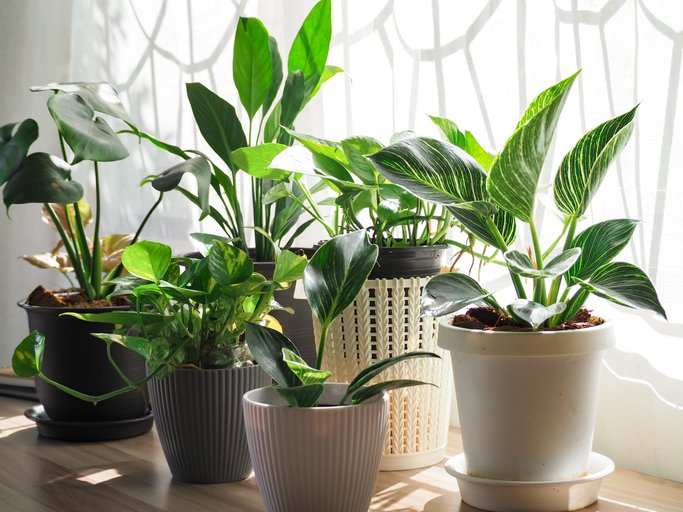
During the monsoon, humidity levels soar, and the air remains damp for extended periods. While this is beneficial for tropical plants like ferns, peace lilies, and philodendrons that love moisture, it can spell trouble for succulents, cacti, or other low-water species. The excess moisture can lead to:
- Root rot caused by poor drainage or overwatering.
- Fungal and bacterial infections on leaves and stems.
- Reduced sunlight due to overcast skies, leading to slowed growth.
- Pest infestations, especially fungus gnats, aphids, and mealybugs that thrive in damp conditions.
Recognizing these challenges is the first step in adapting your plant care routine to the season.
2. Adjusting Your Watering Routine
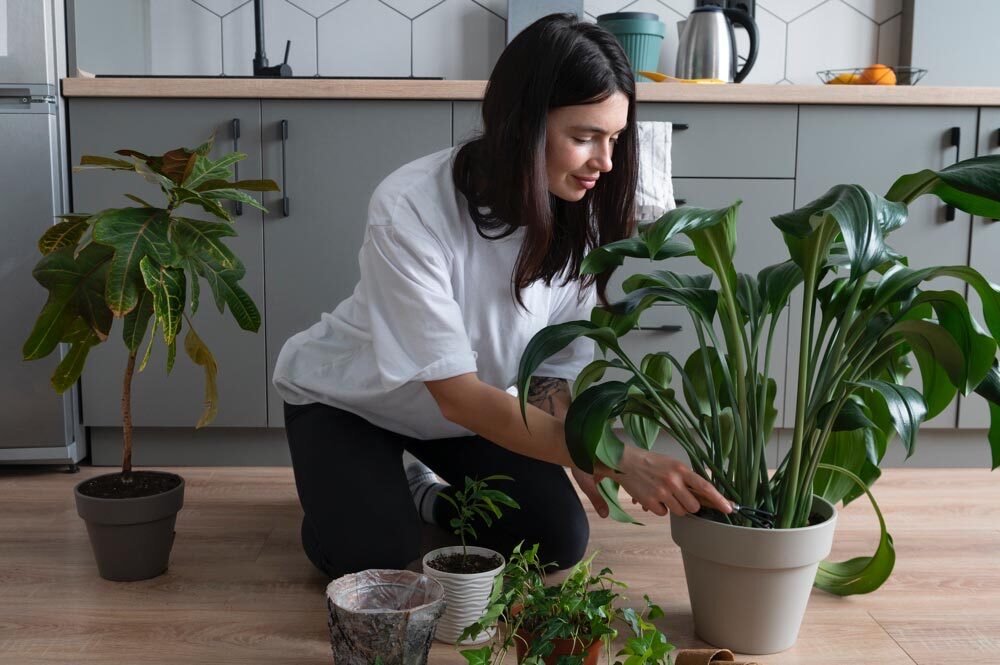
One of the biggest mistakes plant owners make during the monsoon is continuing their regular watering schedule. Since humidity is naturally high, soil takes longer to dry out. Excess water accumulates, suffocating the roots and promoting fungal growth.
Tips for Proper Watering:
- Check before watering: Insert your finger about an inch into the soil. If it feels damp, wait a few more days.
- Water in the morning: This allows excess moisture to evaporate throughout the day.
- Avoid waterlogging: Empty the saucers under pots after watering to prevent standing water.
- Use well-draining soil: Mix in sand, perlite, or cocopeat to ensure air circulation in the root zone.
For succulents and cacti, watering once every two to three weeks might be sufficient during the monsoon. Tropical plants, on the other hand, may need light watering once every 4–5 days depending on the indoor humidity.
3. Improve Air Circulation
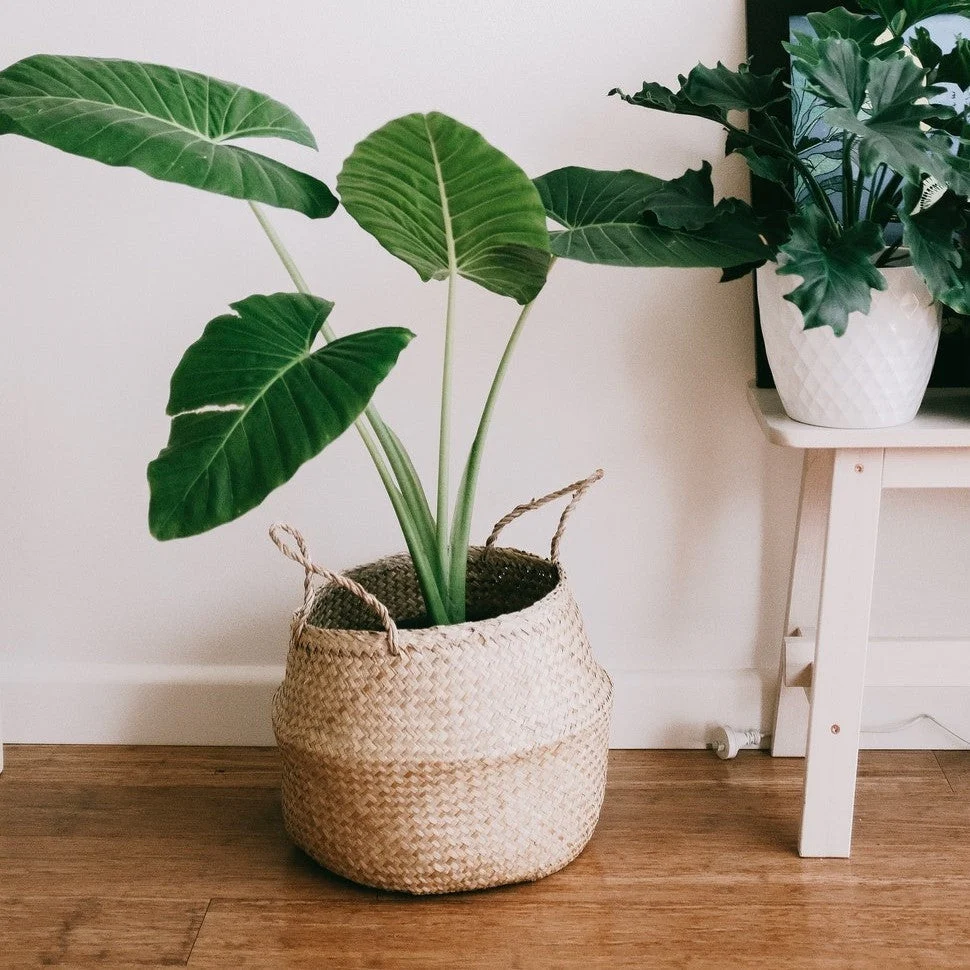
Proper airflow is crucial during the monsoon. Stagnant, moist air can cause mold and mildew to develop on plant surfaces. Moreover, it can make the environment uncomfortable for you as well.
Ways to Increase Air Circulation:
- Open windows during dry hours of the day to allow cross-ventilation.
- Use fans or exhausts to keep air moving in closed spaces.
- Avoid crowding plants together; keep at least a few inches between each pot to improve airflow.
Good circulation not only keeps leaves dry but also strengthens plant stems and reduces the risk of fungal infections.
4. Managing Humidity Levels
While most houseplants enjoy moderate humidity, excessive moisture can encourage diseases. If you notice leaves turning yellow, drooping, or developing spots, it might be a sign that the air is too damp.
How to Control Humidity Indoors:
- Use a dehumidifier if your indoor environment feels overly moist.
- Place plants on pebble trays to maintain gentle humidity without over-saturation.
- Avoid misting during monsoon months unless your home is air-conditioned and dry.
- Wipe leaves occasionally with a soft, dry cloth to remove moisture and dust.
Maintaining a balanced humidity level—around 40–60%—is ideal for most indoor plants.
5. Ensure Adequate Light Exposure
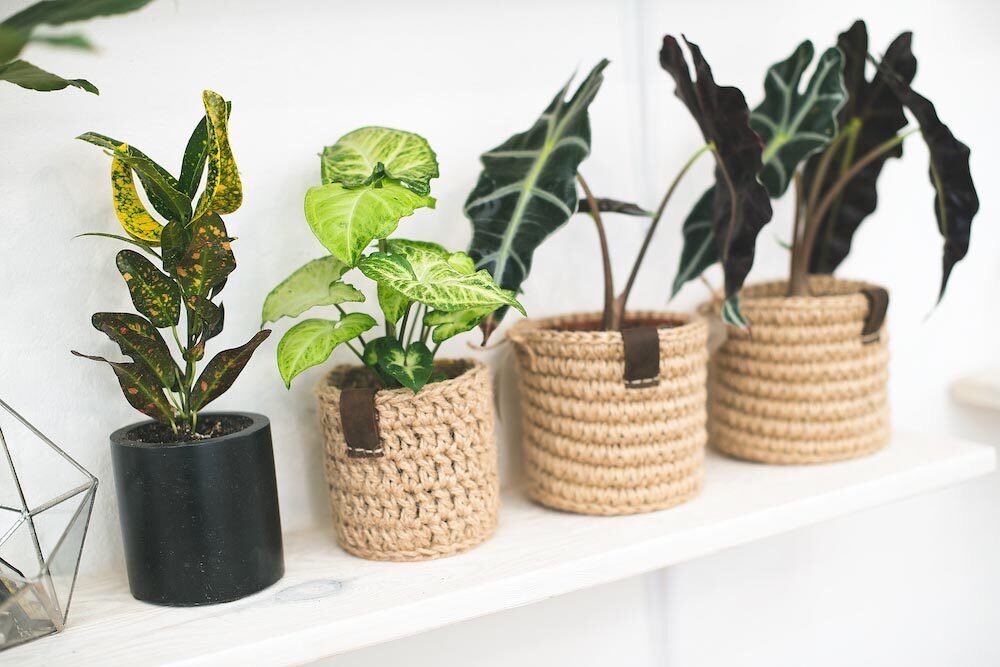
The overcast monsoon sky often limits sunlight, which can lead to slower photosynthesis and leggy growth in plants. If your plants start stretching toward windows or their colors appear dull, they need more light.
Light Management Tips:
- Move plants closer to windows or balconies where they can receive indirect sunlight.
- Rotate pots regularly to ensure even light distribution on all sides.
- Consider artificial grow lights for rooms that stay dim all day. LED grow lights provide the right spectrum of light for photosynthesis without producing excess heat.
- Avoid direct exposure to harsh rain or wind; shield plants near open windows with a mesh screen or transparent sheet.
A few minutes of bright, indirect light daily can dramatically improve your indoor plants’ vitality during monsoon gloom.

6. Monitor for Pests and Diseases
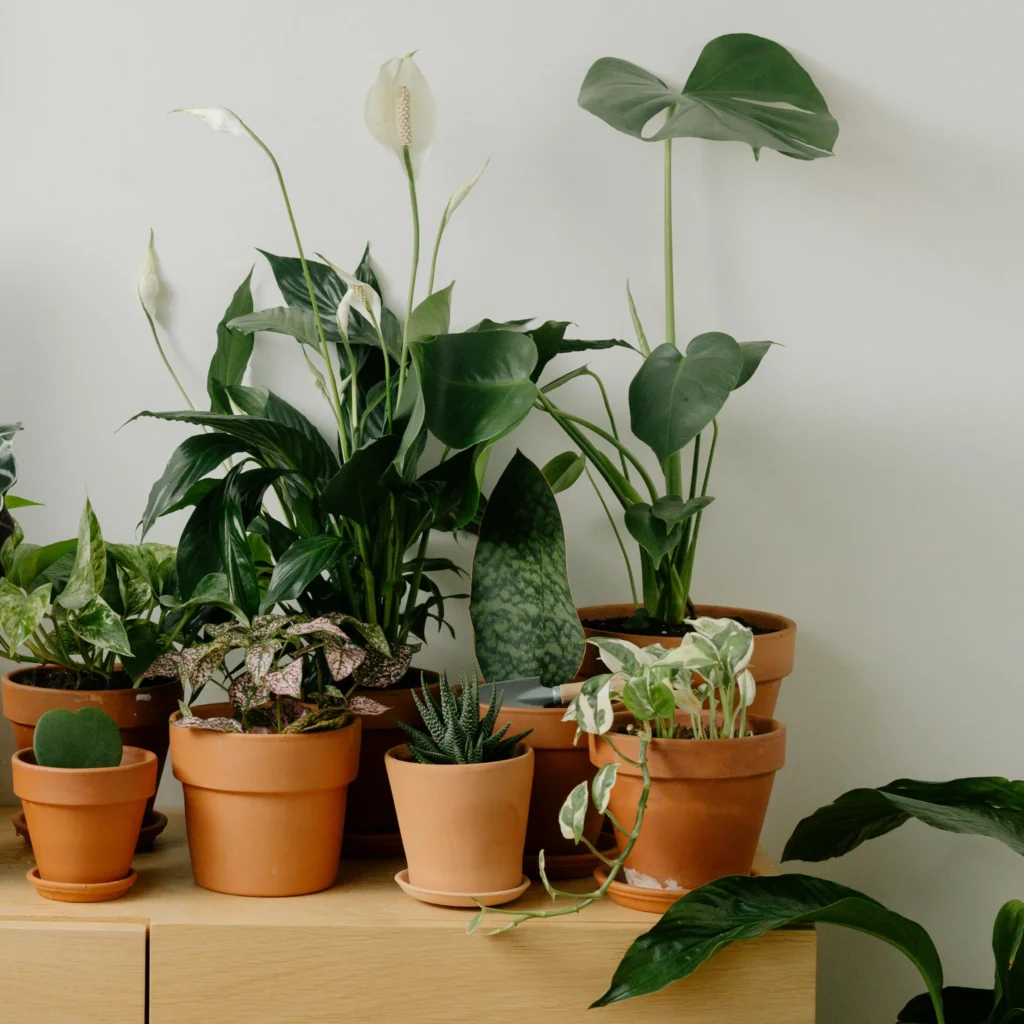
The warm and damp conditions of the rainy season create a breeding ground for pests. Common invaders include fungus gnats, mealybugs, aphids, and spider mites. Fungal diseases like powdery mildew and leaf spot are also frequent during this time.
How to Keep Pests Under Control:
- Inspect leaves and stems regularly, especially the undersides.
- Wipe affected areas with a solution of mild soap and water or neem oil spray.
- Use organic fungicides like baking soda solutions to prevent fungal growth.
- Quarantine infected plants to prevent pests from spreading to healthy ones.
Consistency is key. Early detection and treatment help prevent widespread plant damage.
7. Optimize Potting and Drainage
During monsoon, drainage becomes more critical than ever. Poorly draining pots can hold excess water, suffocating roots and encouraging decay.
Best Practices for Drainage:
- Ensure pots have drainage holes. This is non-negotiable during wet months.
- Add gravel or pebbles at the bottom of pots to promote better outflow.
- Repot if necessary. If your soil looks compacted or muddy, replace it with a fresh, airy mix.
- Use terracotta or clay pots, which absorb moisture better than plastic ones.
Remember, the healthier the root system, the healthier the plant.
8. Pruning and Cleaning
Regular pruning keeps your indoor garden neat and helps improve airflow and light penetration. During the monsoon, pruning also helps prevent fungal infections by removing decaying parts before they spread.
Pruning Tips:
- Trim yellow or dead leaves as soon as you notice them.
- Cut back leggy growth to encourage new, compact shoots.
- Clean leaves gently with a damp cloth to remove dust and prevent mold buildup.
This simple routine promotes healthy growth and keeps your plants aesthetically pleasing all season long.

9. Fertilizing During Monsoon
Fertilizing requires extra care during the monsoon. Overfeeding can stress the plant when growth naturally slows due to reduced sunlight.
Fertilizer Guidelines:
- Use organic fertilizers like compost tea or seaweed extract once a month.
- Avoid heavy feeding, as excess nutrients can attract pests or burn the roots.
- Dilute liquid fertilizers to half the recommended strength before application.
If your plants appear lush but are not growing much, skip fertilization until the post-monsoon season.
10. Choose Plants Suited for Monsoon Conditions
Some houseplants handle high humidity better than others. Consider keeping moisture-loving species that thrive in this environment, such as:
- Peace Lily (Spathiphyllum) – Absorbs humidity and keeps air clean.
- Boston Fern (Nephrolepis exaltata) – Loves damp air and indirect light.
- Areca Palm (Dypsis lutescens) – Adds tropical charm while tolerating humidity.
- Money Plant (Epipremnum aureum) – Fast-growing and easy to maintain.
- Spider Plant (Chlorophytum comosum) – Adapts well to changing indoor climates.
Avoid desert plants like Aloe Vera or Echeveria unless you can maintain dry conditions indoors.
11. Post-Monsoon Care
Once the rains subside, your plants will need time to adjust to drier air and brighter light. Gradually increase sunlight exposure and resume normal watering and fertilizing schedules. Repot if necessary to refresh the soil and trim any roots that may have decayed.
This transition period is vital for ensuring your plants recover fully from the damp months and continue thriving.

Conclusion
The monsoon season is a test of patience and care for every indoor gardener. By managing watering, light, and humidity — and staying vigilant about pests — you can ensure that your plants remain healthy, resilient, and beautiful even through the heaviest rains. With the right adjustments, your indoor garden will not only survive but truly flourish, bringing a refreshing green touch to your home throughout the monsoon and beyond.

Leave A Comment