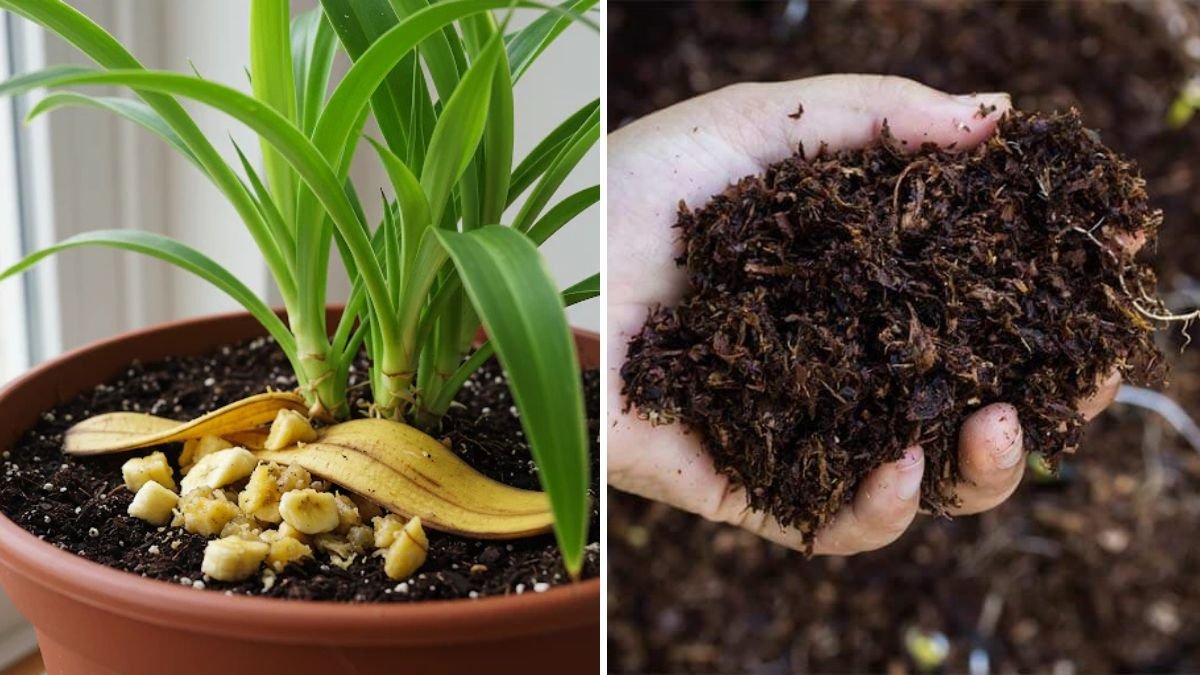
Caring for indoor plants is not just about watering and providing sunlight—it’s also about feeding them right. Just like humans need nutrition to thrive, plants require essential nutrients to grow lush leaves, vibrant blooms, and strong roots. However, many store-bought fertilizers contain synthetic chemicals that can harm the environment and even damage sensitive houseplants over time.
That’s why more plant lovers are turning to organic, homemade fertilizers—natural nutrient boosters made from everyday household items. These DIY fertilizers are eco-friendly, affordable, and surprisingly effective at keeping your indoor jungle healthy and thriving.
In this article, we’ll explore the best organic fertilizers for indoor plants that you can make at home, how to use them, and why they’re a better choice for sustainable plant care.
Why Choose Organic Fertilizers for Indoor Plants?
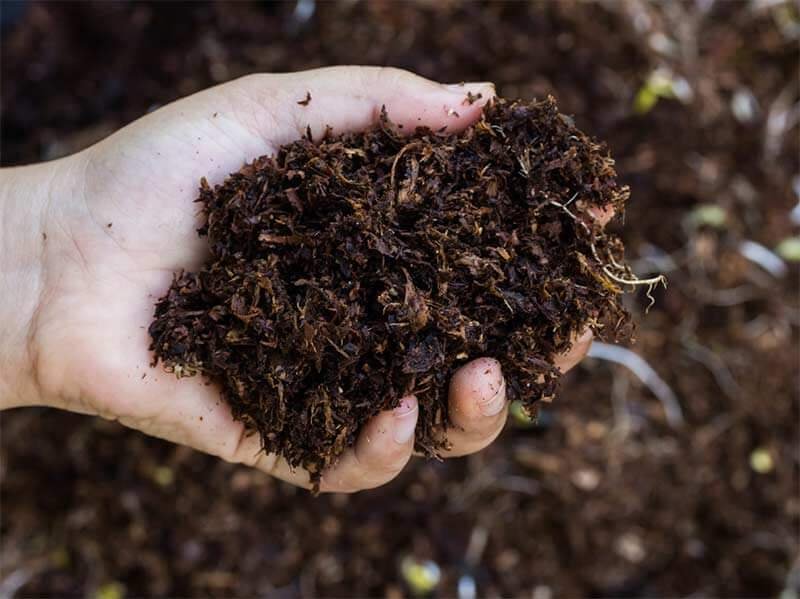
Before diving into recipes, it’s important to understand why organic fertilizers are a smart choice—especially for indoor plants.
1. Safe for You and the Environment
Organic fertilizers are made from natural materials like food scraps, compost, or plant matter. They don’t release harmful chemicals into the air or soil, making them ideal for enclosed indoor spaces where pets and children live.
2. Gentle on Plants
Unlike synthetic fertilizers that deliver nutrients quickly (and risk burning roots), organic fertilizers release nutrients slowly and steadily, providing balanced nourishment that promotes long-term health.
3. Improves Soil Health
Organic fertilizers enrich the soil with beneficial microbes and organic matter, improving aeration and water retention—key for healthy root systems.
4. Budget-Friendly and Sustainable
Most homemade fertilizers use kitchen waste that would otherwise be discarded. This not only saves money but also reduces household waste—an eco-conscious win.
Essential Nutrients Plants Need
Before preparing your homemade fertilizers, it’s helpful to know the key nutrients your indoor plants require:
- Nitrogen (N): Promotes leafy green growth.
- Phosphorus (P): Encourages root development and flowering.
- Potassium (K): Supports overall plant health and resistance to disease.
- Calcium, Magnesium, Iron, and Trace Minerals: Aid in enzyme function, chlorophyll production, and balanced growth.
Organic materials like banana peels, eggshells, coffee grounds, and compost naturally provide these nutrients in gentle, plant-friendly forms.
The Best Organic Fertilizers You Can Make at Home
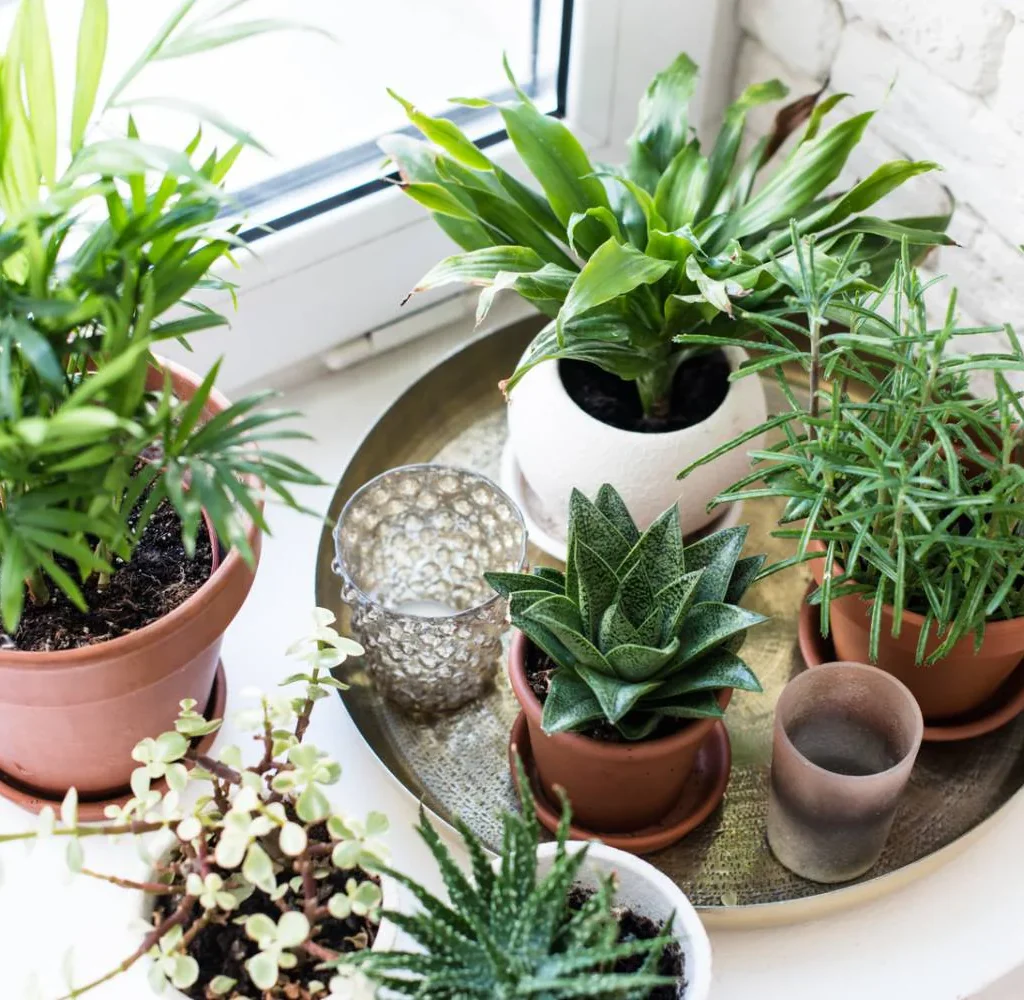
Here are the top 10 effective, easy-to-make organic fertilizers that will nourish your indoor plants naturally.
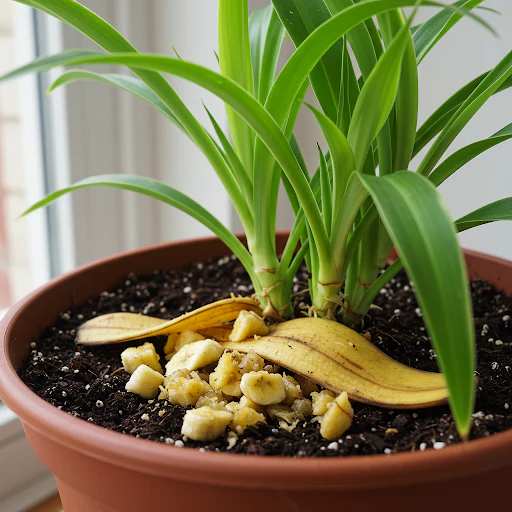
1. Banana Peel Fertilizer – Potassium Powerhouse
Best For: Flowering and fruiting plants (like hibiscus, jasmine, and tomatoes)
Nutrient Content: Potassium, phosphorus, calcium, magnesium
Bananas are rich in potassium, which helps plants produce strong stems and vibrant flowers. You can use banana peels in several ways:
How to Use:
- Banana Peel Water: Soak banana peels in water for 2–3 days. Strain and use the liquid to water your plants once a week.
- Powdered Peels: Dry banana peels in sunlight, grind them into powder, and sprinkle a spoonful around plant bases.
Tip: Don’t leave raw peels directly on soil indoors—they may attract pests.
2. Eggshell Fertilizer – Calcium Boost
Best For: Succulents, leafy greens, and potted herbs
Nutrient Content: Calcium, magnesium, trace minerals
Eggshells are an excellent natural source of calcium, which strengthens cell walls and prevents issues like leaf curling or tip burn.
How to Use:
- Crushed Eggshells: Clean and dry eggshells, crush them finely, and mix into potting soil.
- Eggshell Tea: Boil shells in water for 5–10 minutes, let cool, and use the water as a mild calcium supplement once every two weeks.
Tip: Always wash and dry shells to avoid odor or bacterial growth.
3. Coffee Grounds Fertilizer – Nitrogen Rich
Best For: Acid-loving plants like ferns, peace lilies, and pothos
Nutrient Content: Nitrogen, potassium, and magnesium
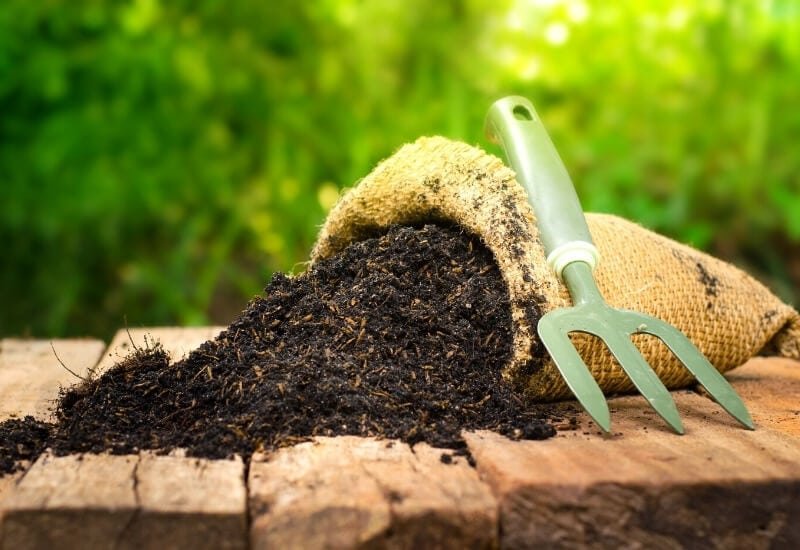
Coffee grounds enhance soil fertility and stimulate healthy leaf growth. However, moderation is key—too much can make soil acidic.
How to Use:
- Compost Additive: Mix used coffee grounds into your compost pile.
- Soil Topper: Sprinkle a thin layer on top of soil and water lightly.
Tip: Let coffee grounds dry before applying to prevent mold.

4. Compost Tea – All-Purpose Fertilizer
Best For: All indoor plants
Nutrient Content: Balanced nutrients, beneficial microbes
Compost tea is a liquid fertilizer made by steeping compost in water, delivering a nutrient-rich tonic that boosts plant vitality.
How to Make:
- Fill a bucket with one part compost and three parts water.
- Let it sit for 2–3 days, stirring occasionally.
- Strain and use the liquid to water your plants.
Tip: Use once a month for best results.
5. Vegetable Scrap Fertilizer – Nutrient Blend
Best For: Leafy plants and flowering varieties
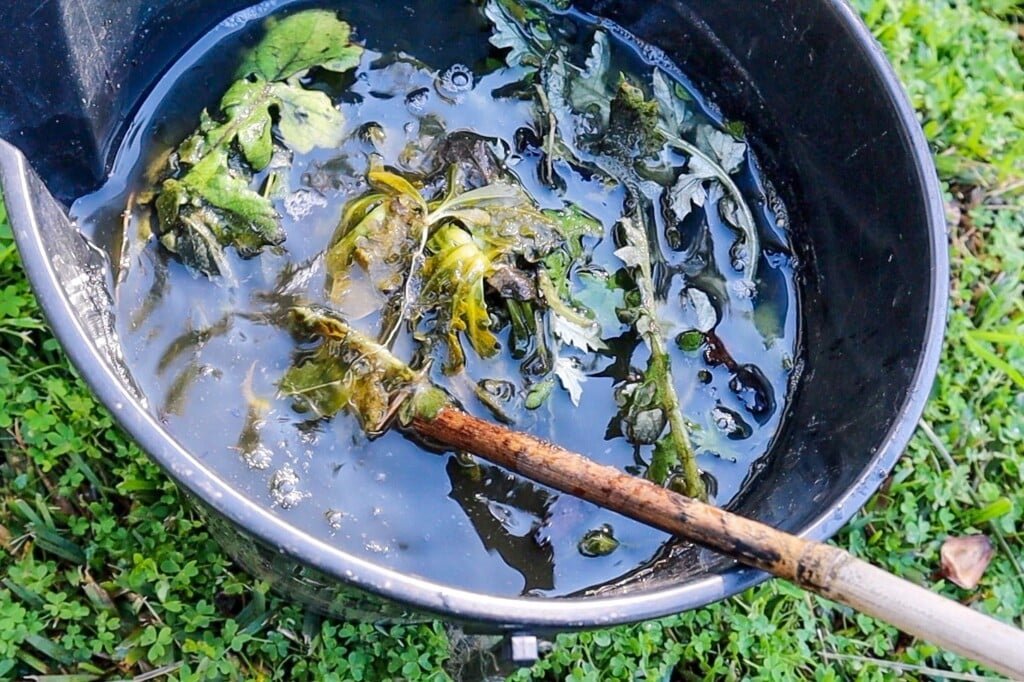
Instead of throwing away vegetable peels or ends, you can repurpose them into plant food.
How to Use:
- Collect vegetable scraps like carrot tops, spinach stems, and potato peels.
- Boil them in water for 10–15 minutes.
- Let the mixture cool, strain, and use the water for your plants.
Tip: Avoid using scraps from salty or oily cooked foods.
6. Aquarium Water Fertilizer – Natural Nitrate Source
Best For: Large potted plants and foliage types
If you have an aquarium, the water you change out can become a gentle, nutrient-rich fertilizer. Fish waste provides nitrogen and beneficial bacteria that boost plant health.
How to Use:
Use old aquarium water to water your plants once every few weeks.
Tip: Only use freshwater from healthy aquariums—avoid saltwater or medicated tanks.

7. Rice Water – Gentle Growth Promoter
Best For: Young plants and delicate herbs
Rice water contains starches, amino acids, and trace minerals that stimulate root growth and nourish beneficial soil microbes.
How to Use:
- After rinsing or boiling rice, save the water (unsalted).
- Allow it to cool and use to water plants once a week.
Tip: Avoid storing rice water for long—it can ferment and smell unpleasant.
8. Epsom Salt Fertilizer – Magnesium Boost
Best For: Fiddle leaf figs, palms, and flowering plants
Epsom salt (magnesium sulfate) enhances chlorophyll production and nutrient absorption.
How to Use:
- Dissolve 1 tablespoon of Epsom salt in 1 liter of water.
- Spray or water your plants with this solution once a month.
Tip: Avoid overuse—too much magnesium can interfere with calcium uptake.
9. Green Tea Fertilizer – Antioxidant Tonic
Best For: Ferns, palms, and indoor vines
Used green tea leaves or diluted tea water add tannins and organic matter to soil, helping acid-loving plants flourish.
How to Use:
- Steep a used tea bag in a liter of water.
- Cool and use as a liquid fertilizer every two weeks.
Tip: Avoid sweetened or flavored teas.
10. Molasses Fertilizer – Microbe Booster
Best For: Flowering plants and soil revitalization

Molasses feeds beneficial microbes in the soil, improving nutrient availability and root health.
How to Use:
- Mix 1 tablespoon of blackstrap molasses in 1 liter of water.
- Water your plants with this once every 3–4 weeks.
Tip: Combine with compost tea for an extra boost of microbial life.
How to Apply Homemade Fertilizers Effectively
- Start Small: Begin with diluted solutions and observe how your plants react before increasing frequency.
- Timing Matters: Fertilize during active growth periods (spring and summer), not dormancy (winter).
- Avoid Overfeeding: Too much organic matter can cause root rot or mold buildup in indoor pots.
- Ensure Drainage: Always use pots with drainage holes to prevent nutrient accumulation.
- Rotate Fertilizers: Alternate between nitrogen-rich and potassium-rich options for balanced growth.
Common Mistakes to Avoid
- Overusing Fertilizer: Even organic fertilizers can damage roots if used excessively.
- Ignoring Light and Water: Fertilizers can’t compensate for poor lighting or irregular watering.
- Applying to Dry Soil: Always water the plant lightly before fertilizing to prevent shock.
- Using Spoiled or Moldy Ingredients: These can introduce bacteria or unpleasant odors indoors.
Environmental and Health Benefits
Homemade organic fertilizers do more than just nourish plants—they contribute to a healthier planet. They reduce chemical runoff, repurpose kitchen waste, and eliminate packaging pollution. Plus, since they’re free of harsh chemicals, they’re safer for your hands, your air, and your pets.
By incorporating these sustainable fertilizers into your plant care routine, you help create a small, self-sustaining ecosystem—right in your home.
Final Thoughts
Growing vibrant indoor plants doesn’t require synthetic fertilizers or expensive plant food. With simple ingredients like banana peels, eggshells, coffee grounds, and rice water, you can make powerful organic fertilizers at home.
These natural formulas not only save money but also keep your indoor environment chemical-free, healthy, and sustainable. Whether you’re nurturing a lush Monstera, fragrant basil, or delicate peace lily, homemade organic fertilizers provide everything your plants need—naturally and responsibly.
So next time you reach for that banana peel or pour out rice water, think twice—your plants will thank you for the nutritious, eco-friendly treat.

Leave A Comment