Light is the most vital element for plant survival — it fuels photosynthesis, drives growth, and defines the shape, color, and health of every leaf. Yet, among all aspects of plant care, lighting is also the most misunderstood. Many indoor gardeners lovingly water, fertilize, and repot their plants but still struggle with slow growth, yellowing leaves, or weak stems — often because the plants simply aren’t getting the right kind of light.
Understanding how light works, how plants use it, and what mistakes to avoid can completely transform your indoor garden. This article explores the most common light-related mistakes that indoor gardeners make — and how to fix them to ensure lush, thriving greenery all year round.
1. Mistake: Assuming All Light Is Equal
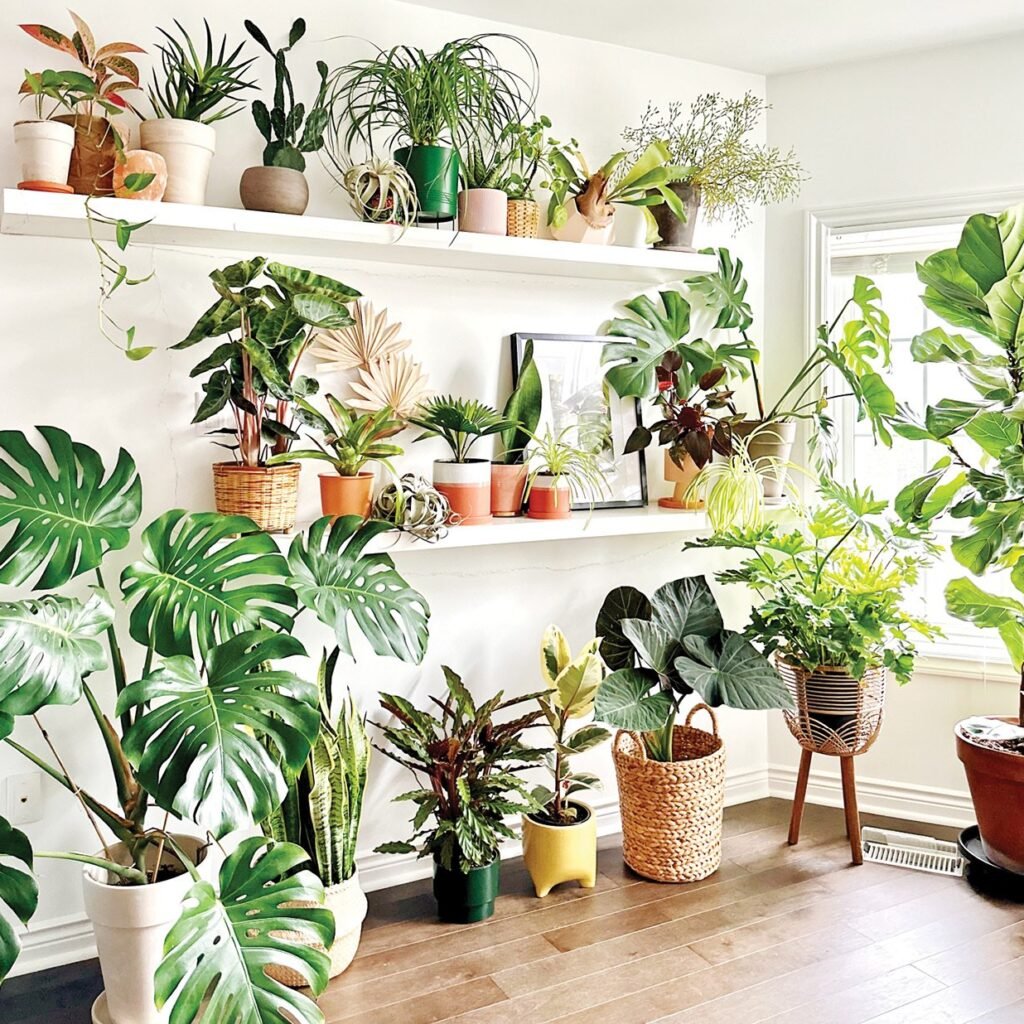
Not all light is created equal. Indoor gardeners often assume that any bright space is enough for plants, but the type, intensity, and duration of light matter greatly.
Plants use photosynthetically active radiation (PAR) — the spectrum of light between 400 and 700 nanometers — to produce energy. Natural sunlight contains all these wavelengths, but artificial indoor lighting or shaded rooms often lack balance.
How to Fix It:
- Place plants where they receive bright, indirect sunlight for most of the day — near east- or south-facing windows.
- Use full-spectrum LED grow lights that mimic natural sunlight if your home lacks sufficient light.
- Ensure that your light source covers both blue (for leaf growth) and red (for flowering) spectrums.
Remember: It’s not just about brightness to your eyes — it’s about the quality of light that plants receive.
2. Mistake: Relying on Artificial Light Alone Without Understanding Its Type
Many gardeners use artificial light to supplement sunlight, but not all bulbs work for plants. Regular household bulbs (like incandescent or decorative LEDs) provide mostly yellow light and heat, which may harm plants rather than help them grow.
How to Fix It:
- Choose LED grow lights specifically designed for plants.
- Position lights 6–12 inches above the plants, depending on intensity.
- Provide 12–16 hours of artificial light daily for tropical or foliage plants that thrive year-round indoors.
- Avoid keeping lights on 24/7 — plants need darkness, too, for respiration.
The best grow lights mimic the natural day-night rhythm, ensuring balanced photosynthesis and rest cycles.
3. Mistake: Placing Plants Too Far from the Window
A common misconception is that placing plants anywhere in a bright room provides enough light. In reality, light intensity drops dramatically with distance. Even a few feet away from a window can mean the plant receives 10 times less light than near the windowpane.
How to Fix It:
- Keep light-loving plants (like succulents, snake plants, or fiddle leaf figs) within 2–3 feet of the window.
- For low-light plants (like pothos, ferns, or peace lilies), you can place them slightly farther away, around 4–6 feet.
- Periodically rotate pots so all sides receive even exposure and prevent one-sided growth.
Simple adjustments in placement can drastically improve plant health and appearance.
4. Mistake: Exposing Plants to Direct Sunlight Indoors
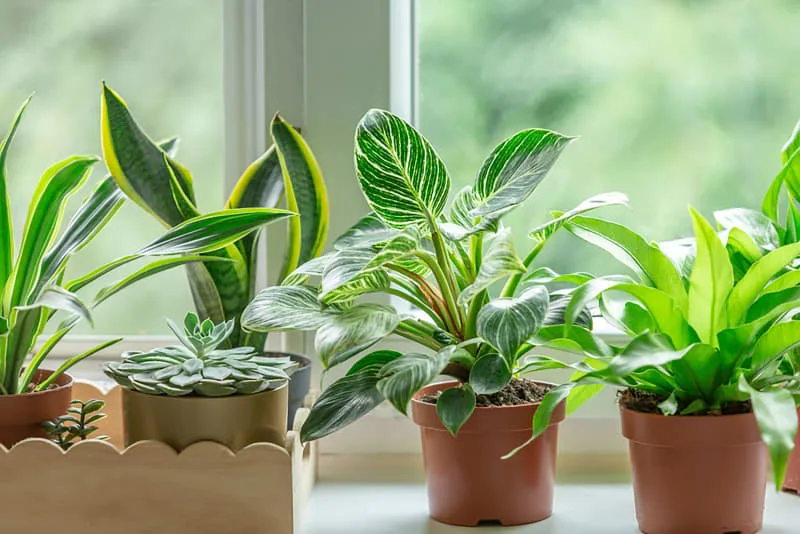
While some plants love full sun, most indoor species are adapted to filtered or indirect light. Placing them under harsh, direct sunlight through a window can cause leaf scorch, bleaching, or dehydration.
Glass windows can amplify sunlight, creating a “magnifying glass” effect that burns delicate leaves.
How to Fix It:
- Use sheer curtains or blinds to diffuse harsh sunlight.
- Move sensitive plants (like ferns, calatheas, or philodendrons) away from direct beams, especially during midday.
- For sun-loving plants (like succulents or jade plants), ensure gradual exposure to prevent shock.
Filtered sunlight — bright but not harsh — is often the sweet spot for indoor greenery.
5. Mistake: Ignoring Seasonal Light Changes
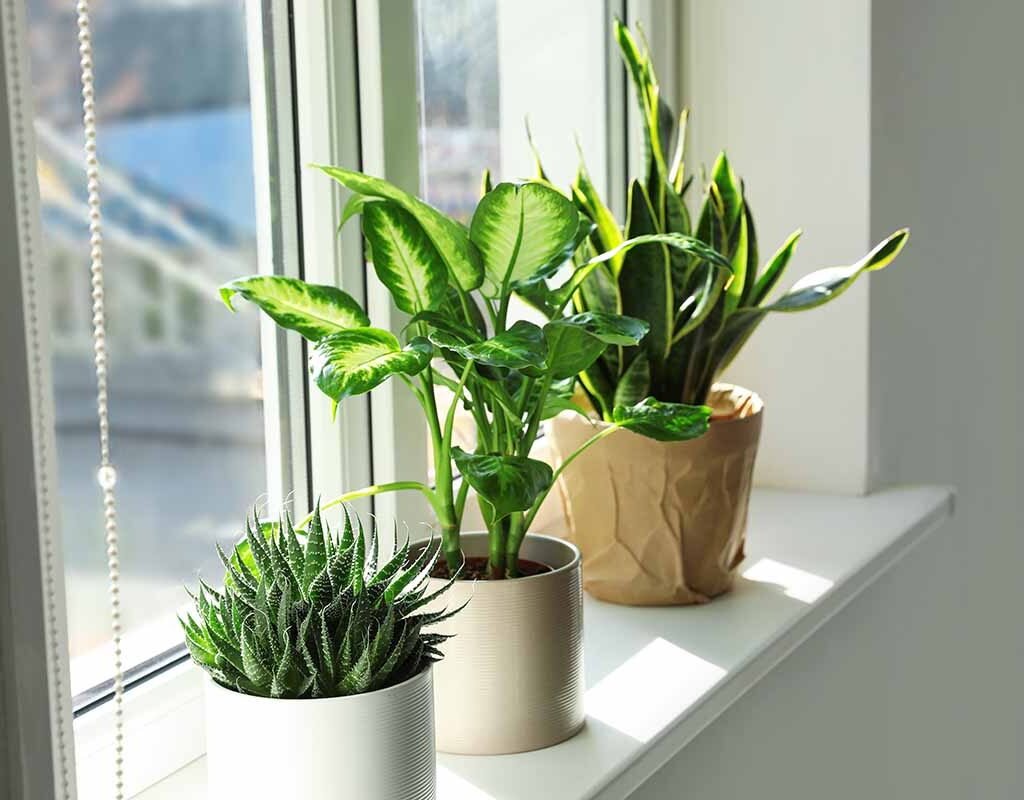
The amount and angle of sunlight entering your home change throughout the year. A corner that’s bright in summer may be dim in winter. Many gardeners forget to adjust their plant placement as the seasons shift, leading to weakened growth or leaf drop.
How to Fix It:
- Observe how sunlight patterns change with the seasons.
- Move plants closer to windows during winter when days are shorter.
- In summer, shift them slightly away to prevent overheating.
- Supplement natural light with grow lamps during darker months.
Regular adjustments ensure your plants get consistent light exposure year-round.
6. Mistake: Not Rotating Plants Regularly
Plants naturally grow toward their light source in a process called phototropism. If light comes from only one direction — like a window — plants will lean or stretch toward it, becoming lopsided or weak.
How to Fix It:
- Rotate your plants 90 degrees every week so that all sides receive equal light.
- This encourages even growth, stronger stems, and symmetrical shapes.
- For large plants like Monstera or Fiddle Leaf Fig, rotation helps maintain balance and prevents tipping.
Consistency in rotation keeps your indoor jungle looking uniform and full.
7. Mistake: Overestimating “Low-Light” Plant Tolerance
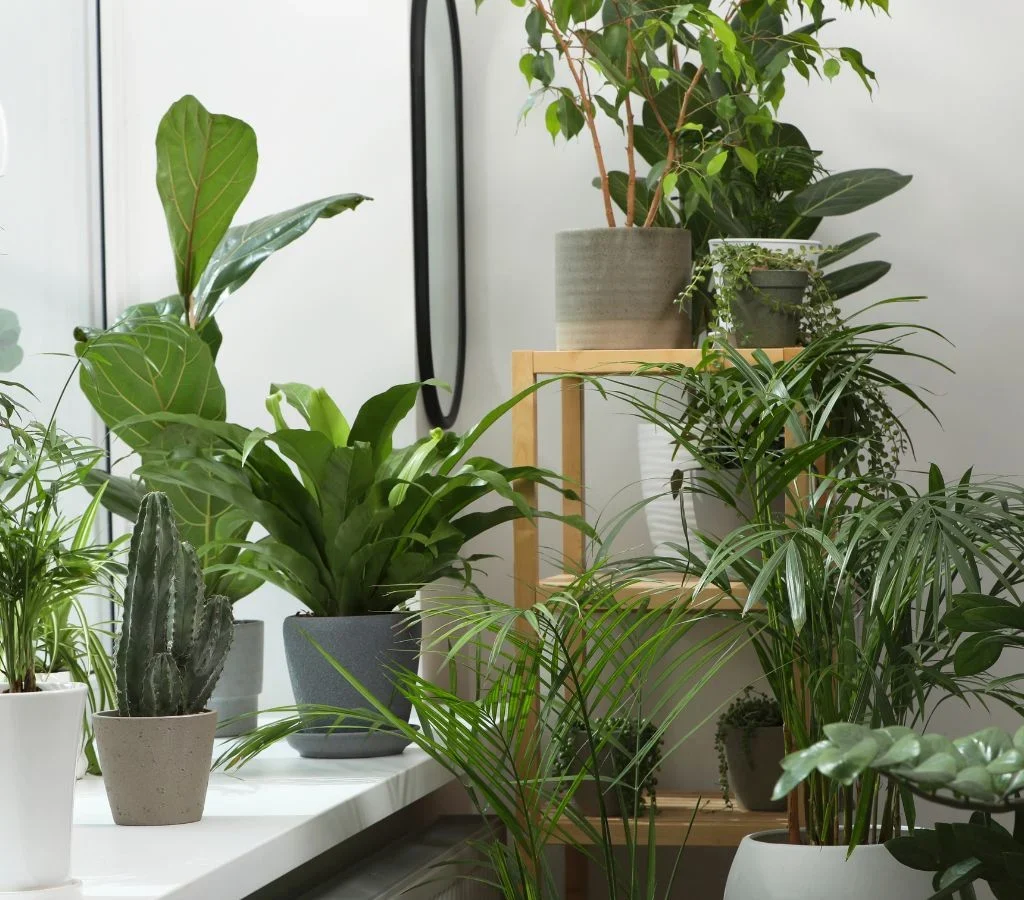
Some plants are labeled as “low-light” species, like snake plants or pothos. However, “low-light” doesn’t mean no light. All plants need some level of brightness to survive. Placing them in a completely dark corner, bathroom, or hallway can lead to slow death over time.
How to Fix It:
- Even low-light plants need indirect sunlight or supplemental grow lighting.
- Place them near north-facing windows or under artificial light for a few hours daily.
- If you must keep plants in very dim spaces, rotate them every few weeks to brighter spots for “light therapy.”
No plant thrives in darkness — even the toughest ones need at least a small energy source.
8. Mistake: Ignoring the Duration of Light Exposure
Just as too little light harms plants, too much light exposure can also cause stress. Leaving grow lights on 24 hours a day disrupts the plant’s natural rhythm. Plants need a rest period to process the energy they’ve collected during the day.
How to Fix It:
- Follow a 12–16-hour light period for most indoor plants.
- Use timers for grow lights to simulate sunrise and sunset cycles.
- Remember: during darkness, plants respire — converting stored energy into growth.
Balance is key: proper day-night cycles enhance foliage color and overall vigor.
9. Mistake: Neglecting Light Intensity Differences Between Species
Not all indoor plants have the same light appetite. Placing shade-loving and sun-loving plants together often means one thrives while the other struggles.

How to Fix It:
Group plants based on their light preferences:
- High-light plants: Succulents, cacti, jade plants, rubber plants.
- Medium-light plants: Peace lily, spider plant, dracaena.
- Low-light plants: Snake plant, pothos, ZZ plant, ferns.
Organizing plants by their needs makes it easier to manage your entire indoor garden without confusion.
10. Mistake: Not Cleaning Dust from Leaves
Dust on leaves might seem harmless, but it can actually block sunlight, reducing the plant’s ability to photosynthesize efficiently. Over time, this leads to dull leaves and slower growth.
How to Fix It:
- Wipe leaves gently every 2–3 weeks using a soft, damp cloth.
- For plants with delicate foliage, use a gentle mist or shower rinse.
- Avoid using leaf polishes — they can clog pores (stomata).
Clean leaves breathe and absorb light better, ensuring optimal energy production.
11. Mistake: Ignoring Light Reflection
Light doesn’t only come directly from the source — it can reflect off surfaces. Ignoring this fact can lead to missed opportunities for better light optimization.
How to Fix It:
- Use light-colored or reflective surfaces (white walls, mirrors) near plants to bounce light around the room.
- Position plants strategically where natural or artificial light reflects evenly.
- In darker spaces, consider reflective grow tents or panels for better light distribution.
Using reflection effectively can double the light available to your plants without extra energy consumption.
12. Mistake: Not Observing and Adapting
Every indoor space is unique. The same plant might thrive near one window but struggle near another, depending on the building’s orientation, surrounding structures, or seasonal sunlight patterns.

How to Fix It:
- Spend a few minutes each day observing your plants.
- Note how they respond — are they stretching, fading, or thriving?
- Adjust placement, light intensity, or duration based on what you observe.
Observation is the most powerful gardening tool — and the best way to prevent lighting errors before they cause real damage.
Conclusion
Lighting mistakes are among the most common reasons indoor plants fail to thrive. From placing them too far from windows to using the wrong type of artificial light, even small errors can have big consequences for plant health.
The key to success lies in understanding light as a living factor — one that changes with time, season, and space. By learning to read your plants’ signals, adjusting light exposure, and creating balance between natural and artificial light, you can turn any indoor corner into a thriving green haven.
Healthy light habits don’t just help plants grow — they create a more vibrant, peaceful, and life-filled home for you as well.

Leave A Comment