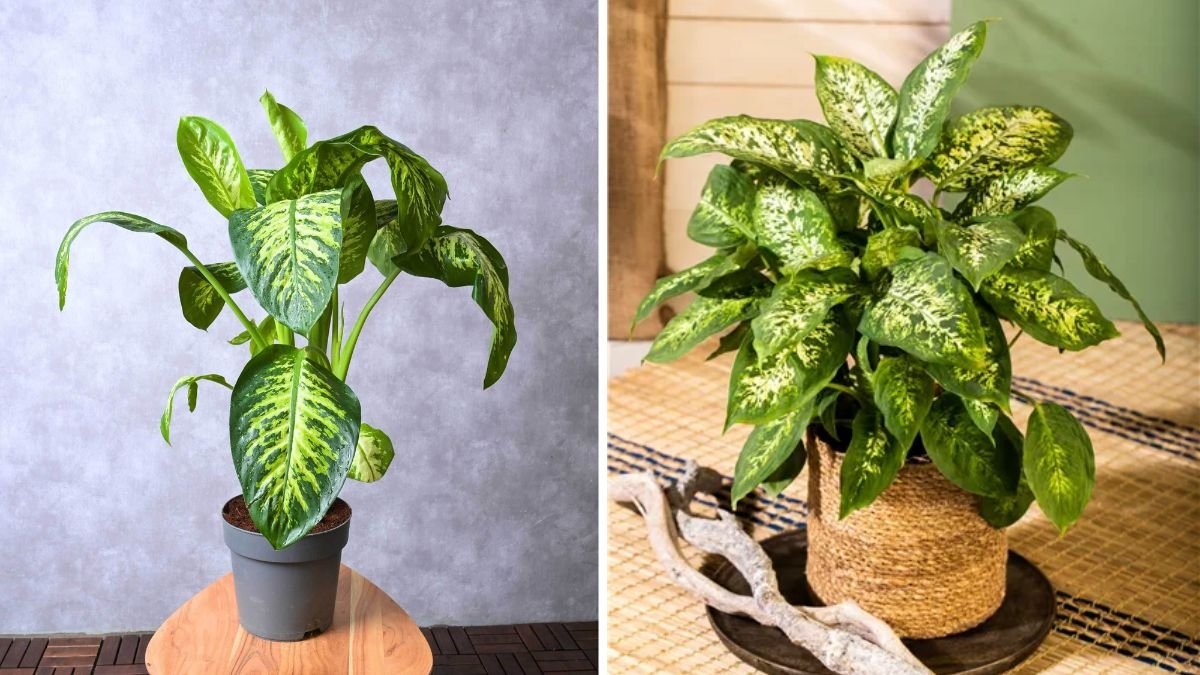
Indoor plants have the remarkable ability to transform any space into a lush, lively sanctuary. Their greenery adds freshness, improves air quality, and uplifts mood — but achieving that thick, full, and vibrant look isn’t always easy. Many plant enthusiasts struggle with leggy stems, sparse foliage, or slow growth, despite their best efforts.
The secret to cultivating dense, bushy, and flourishing indoor plants lies in understanding the balance between light, pruning, nutrition, and environment. When these elements align, your plants can achieve that luxurious fullness that makes them truly stand out.
In this article, we’ll uncover the science-backed secrets and practical steps to help your indoor plants grow thicker, fuller, and more beautiful than ever before.
1. Understanding Why Indoor Plants Become Leggy or Sparse
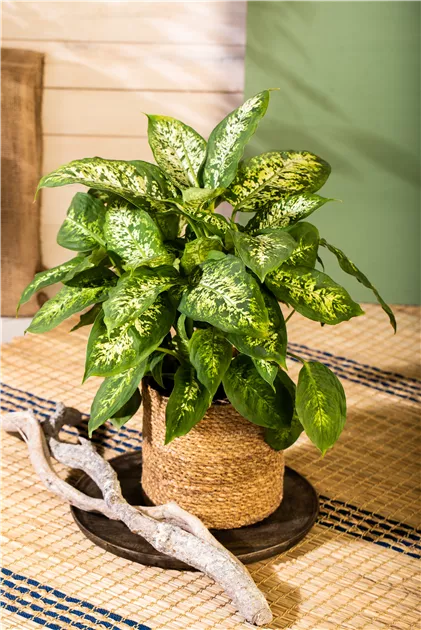
Before learning how to make plants fuller, it’s important to know why they lose their density in the first place. A leggy plant is one that grows tall and spindly, with long stems and fewer leaves. The main causes include:
- Insufficient light: Plants stretch toward light sources when they don’t receive enough.
- Improper pruning: Without trimming, plants direct all energy to upward growth rather than lateral branching.
- Nutrient imbalance: Lack of essential nutrients like nitrogen or magnesium weakens leaf production.
- Poor watering practices: Overwatering can suffocate roots, while underwatering leads to stunted growth.
- Static environment: Still air and no airflow discourage strong stem formation.
Once you understand these underlying factors, you can strategically tackle each one to encourage bushier and more vigorous growth.
2. The Role of Light: The Foundation of Full Growth
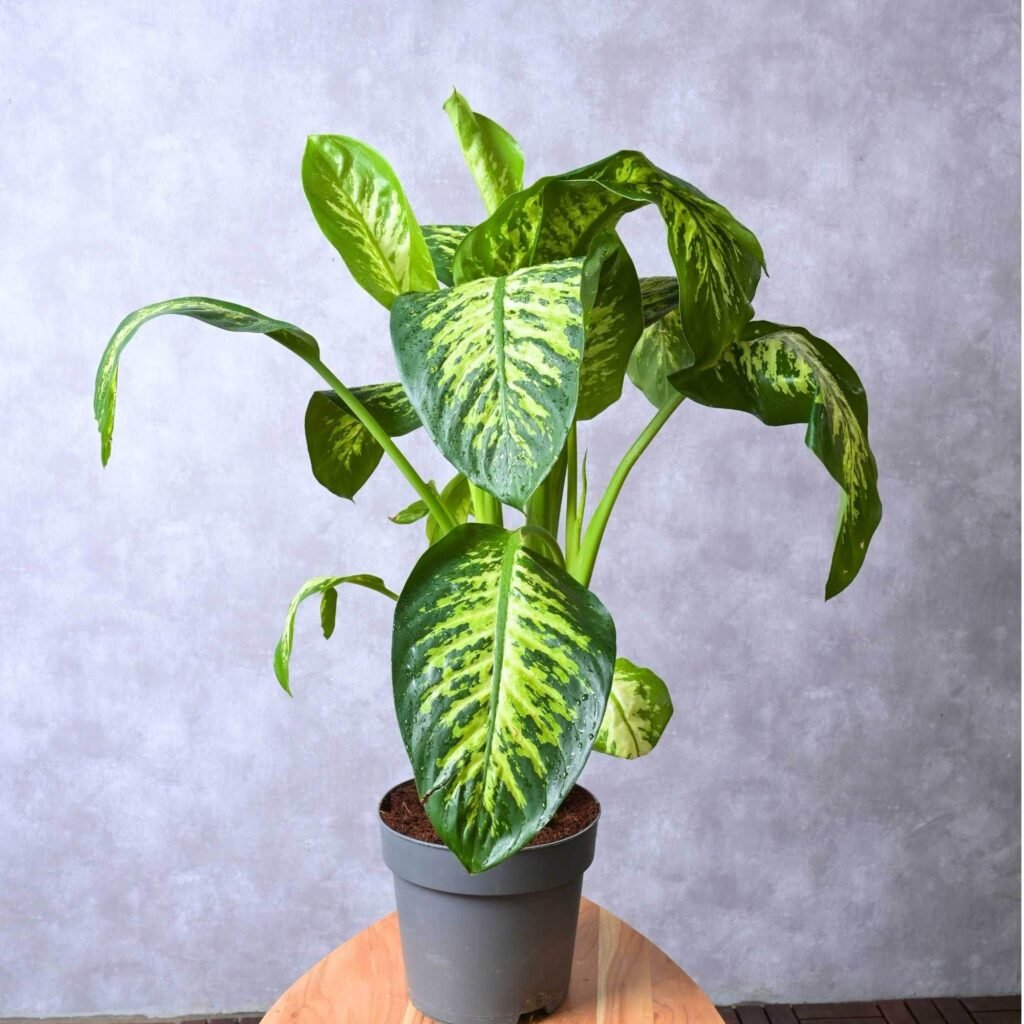
Light is the most crucial factor influencing plant fullness. It drives photosynthesis, the process that allows plants to convert light energy into food. Insufficient light leads to elongated stems as plants stretch toward the nearest light source.
Tips for Optimal Lighting:
- Place plants near bright, indirect sunlight. East- or south-facing windows are ideal for most indoor varieties.
- Rotate plants every few days to ensure even exposure on all sides, preventing lopsided growth.
- Use grow lights if your indoor environment lacks natural light. LED grow lights are efficient and can mimic the sun’s spectrum.
- Adjust light intensity by species. For example, ferns prefer low light, while rubber plants and fiddle leaf figs need bright indirect light.
Aim for at least 8–10 hours of light daily. With balanced lighting, your plants will naturally produce more leaves and develop thicker stems.
3. Pruning and Pinching: The Real Secret to Bushiness
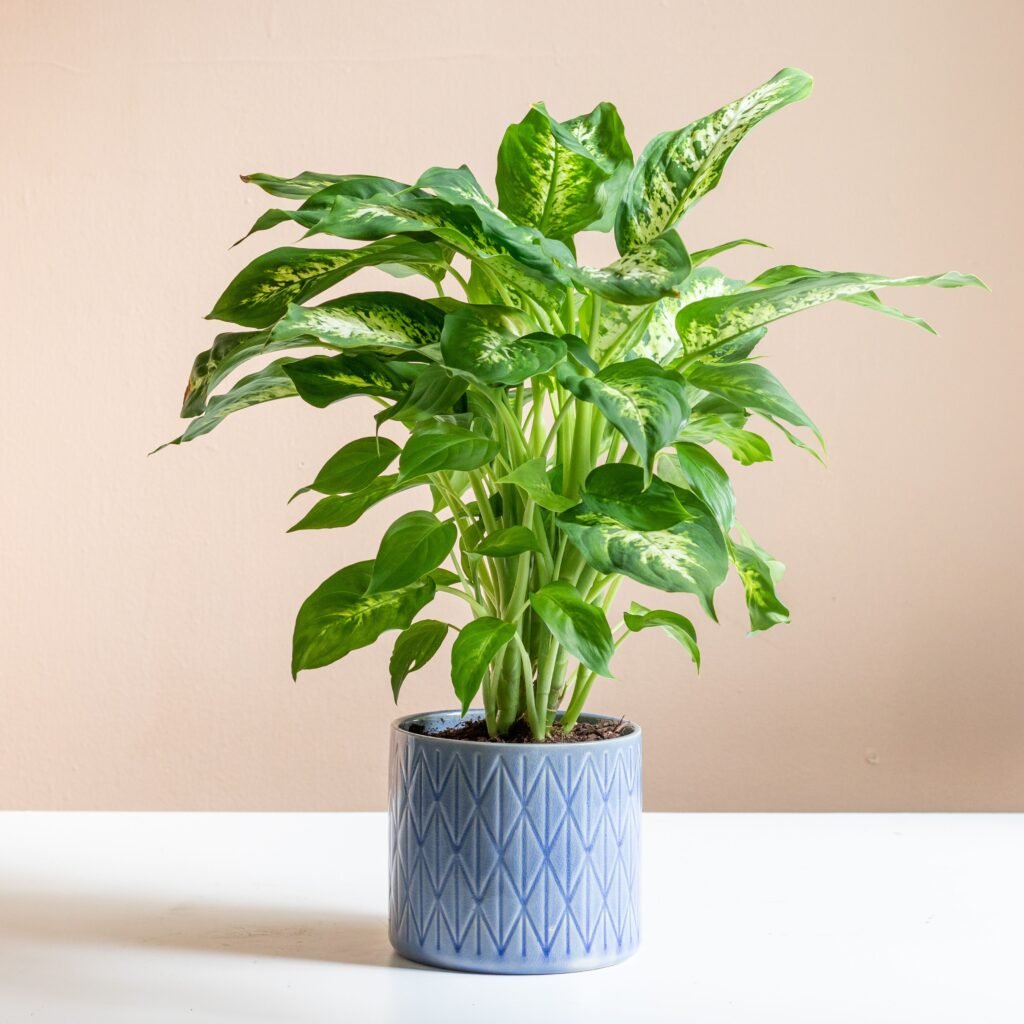
Pruning is one of the most effective ways to promote fuller growth. When you trim the top or side shoots of a plant, you signal it to produce multiple new branches, resulting in a thicker, more compact form.
How to Prune for Fullness:
- Pinch off the tips of stems just above a leaf node (the point where leaves grow from the stem). This encourages two or more new shoots to grow from that spot.
- Remove weak or dead branches to redirect energy toward healthier growth.
- Trim regularly but moderately. Over-pruning can stress the plant, while consistent light pruning maintains shape and density.
- Use clean, sharp scissors or pruning shears to prevent disease transmission.
Plants like coleus, pothos, basil, spider plants, and mint respond especially well to pinching and pruning, growing noticeably fuller within weeks.
4. Feeding Your Plants Right: Nutrition for Lush Growth
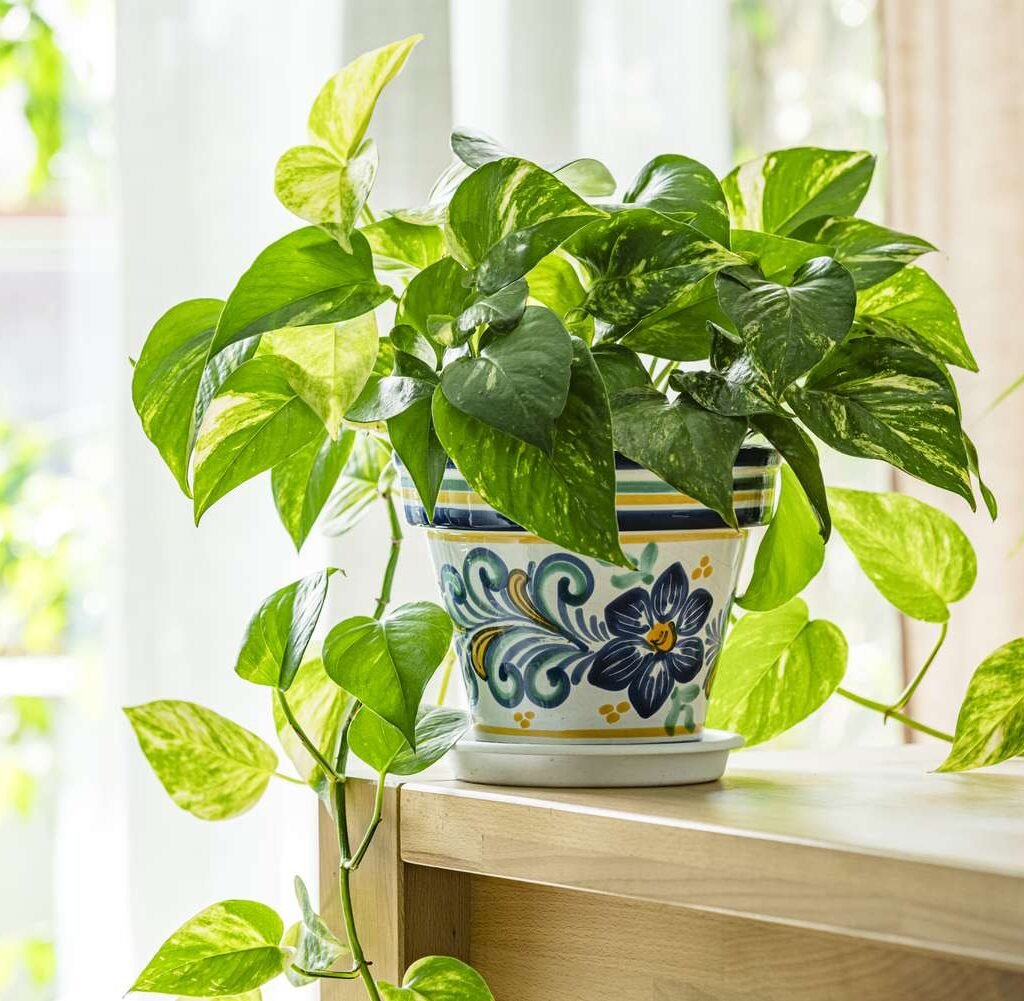
Just like humans need a balanced diet, plants thrive when they receive the right nutrients. To encourage thicker foliage and vigorous stems, your indoor plants require adequate macronutrients (NPK) and micronutrients.
Essential Nutrients for Full Growth:
- Nitrogen (N): Promotes leaf and stem growth.
- Phosphorus (P): Aids in root and flower development.
- Potassium (K): Strengthens overall plant health and resilience.
- Micronutrients: Iron, magnesium, and calcium enhance chlorophyll production and foliage color.
Fertilization Tips:
- Use a balanced liquid fertilizer (10-10-10 or 20-20-20) every 3–4 weeks during the growing season (spring and summer).
- Dilute fertilizers to half the recommended strength to prevent nutrient burn.
- Pause feeding in winter, when most plants go dormant.
- Supplement with organic options like compost tea, worm castings, or seaweed extract for long-term soil enrichment.
Proper feeding strengthens stems and stimulates lush foliage, giving your plants a naturally fuller look.
5. Water Wisely: Balance Is Everything
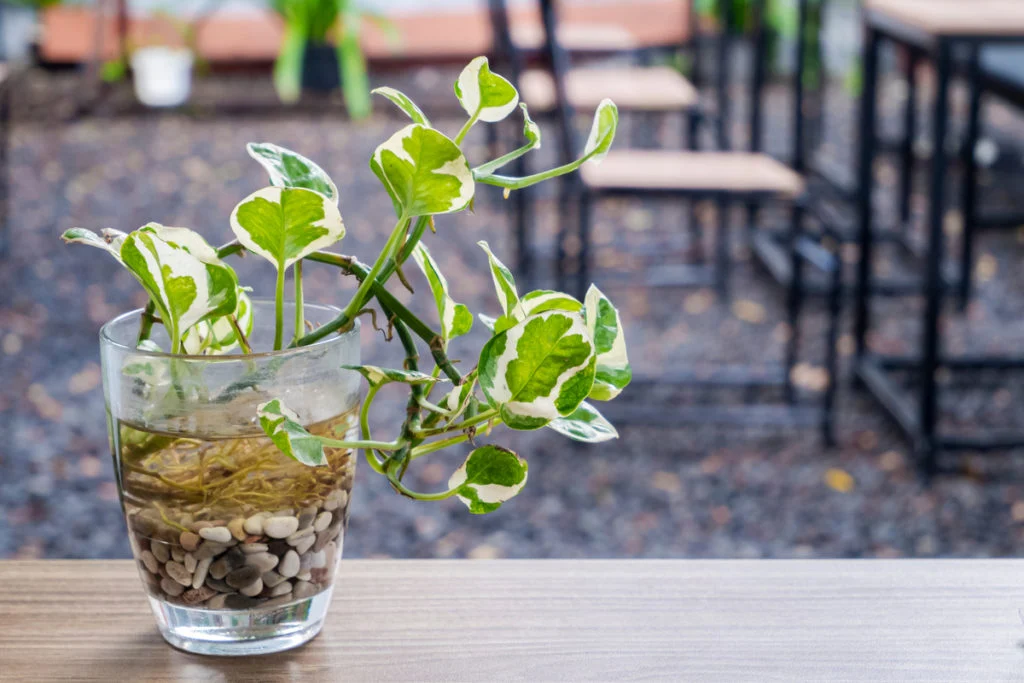
Watering can make or break indoor plant health. Both overwatering and underwatering lead to stress, affecting the plant’s ability to grow dense leaves.

Smart Watering Practices:
- Check soil moisture before watering by inserting your finger about an inch deep — water only if it feels dry.
- Ensure good drainage with pots that have holes at the bottom.
- Avoid standing water, which leads to root rot and fungal infections.
- Use room-temperature water to prevent shocking the roots.
During active growth months, most plants prefer slightly moist soil. However, it’s always better to underwater a little than to overwater. Healthy roots equal healthy foliage.
6. Repotting: Giving Roots Room to Grow
A plant’s fullness depends heavily on its root health. When roots outgrow their container and become root-bound, growth slows down, and foliage density decreases.
When and How to Repot:
- Repot every 12–18 months or when you see roots poking out from the drainage holes.
- Choose a pot 1–2 inches larger in diameter than the current one.
- Use fresh, nutrient-rich potting mix with perlite or cocopeat for aeration.
- Trim away damaged roots before replanting.
Repotting rejuvenates your plant, providing more space for root expansion and nutrient absorption, leading to thicker top growth.
7. Improve Air Circulation and Humidity
Plants need good airflow to develop strong stems and prevent diseases. Stagnant air can lead to weak growth and mold formation on leaves.
Tips for Better Airflow:
- Keep plants slightly spaced apart so each receives adequate air movement.
- Use a small fan on low settings to mimic natural breezes, which strengthen stems.
- Maintain ideal humidity levels (40–60%) using humidifiers or pebble trays, especially for tropical varieties.
The right air balance enhances gas exchange and photosynthesis, helping plants become denser and healthier.
8. Stimulate Growth with Proper Temperature and Environment
Indoor plants thrive when environmental conditions resemble their natural habitat. Most common houseplants prefer moderate temperatures between 18°C to 28°C (65°F–82°F).

Avoid:
- Placing plants near heaters, radiators, or air conditioners.
- Sudden temperature changes from open windows during cold or rainy weather.
- Drafty areas that can stress the plant.
A consistent and comfortable indoor climate encourages steady, balanced growth rather than rapid, uneven elongation.
9. Support with Growth Techniques and Training
You can also manipulate plant structure through gentle training techniques to encourage lateral growth and fullness.
Effective Growth Techniques:
- Use plant supports like stakes or moss poles to guide upward growth in vining plants such as pothos or monstera.
- Bend or tie stems slightly to encourage side shoot production.
- Rotate plants weekly to prevent them from leaning toward one side due to light.
These small interventions can help your plants develop a compact, symmetrical shape with denser foliage.
10. Choose Naturally Bushy Plant Varieties
Certain plants are naturally inclined to grow fuller and denser than others. If your goal is a lush indoor jungle, consider adding these low-maintenance, naturally thick species:
- Pothos (Epipremnum aureum): Fast-growing vine with rich, trailing foliage.
- ZZ Plant (Zamioculcas zamiifolia): Glossy leaves and compact structure.
- Philodendron Birkin: Dense leaves with beautiful variegation.
- Peace Lily (Spathiphyllum): Broad, vibrant leaves that grow close together.
- Spider Plant (Chlorophytum comosum): Produces thick clumps and baby offshoots.
- Fiddle Leaf Fig (Ficus lyrata): Ideal for dramatic, full appearance with large leaves.
Choosing the right species sets the foundation for achieving lush results more easily.
11. Patience and Consistency: The Ultimate Secret
Even with the best care, fullness doesn’t appear overnight. Plants grow in cycles, responding gradually to improved care routines. Patience, observation, and consistency are key.

Monitor your plants weekly — adjust watering, light, and feeding based on their responses. Over time, you’ll notice stronger stems, more branches, and denser foliage.
Conclusion
The secret to making indoor plants grow thicker and fuller isn’t a single trick — it’s a combination of mindful care, environmental balance, and patience. Adequate light, regular pruning, proper nutrition, and good air circulation all play vital roles in encouraging lush, healthy growth.
When you nurture your plants with consistency and attention to detail, they reward you with rich greenery that breathes life into your home. Whether you’re a seasoned plant parent or a beginner, mastering these techniques will help you create an indoor oasis bursting with vibrancy, texture, and beauty — one leaf at a time.

Leave A Comment