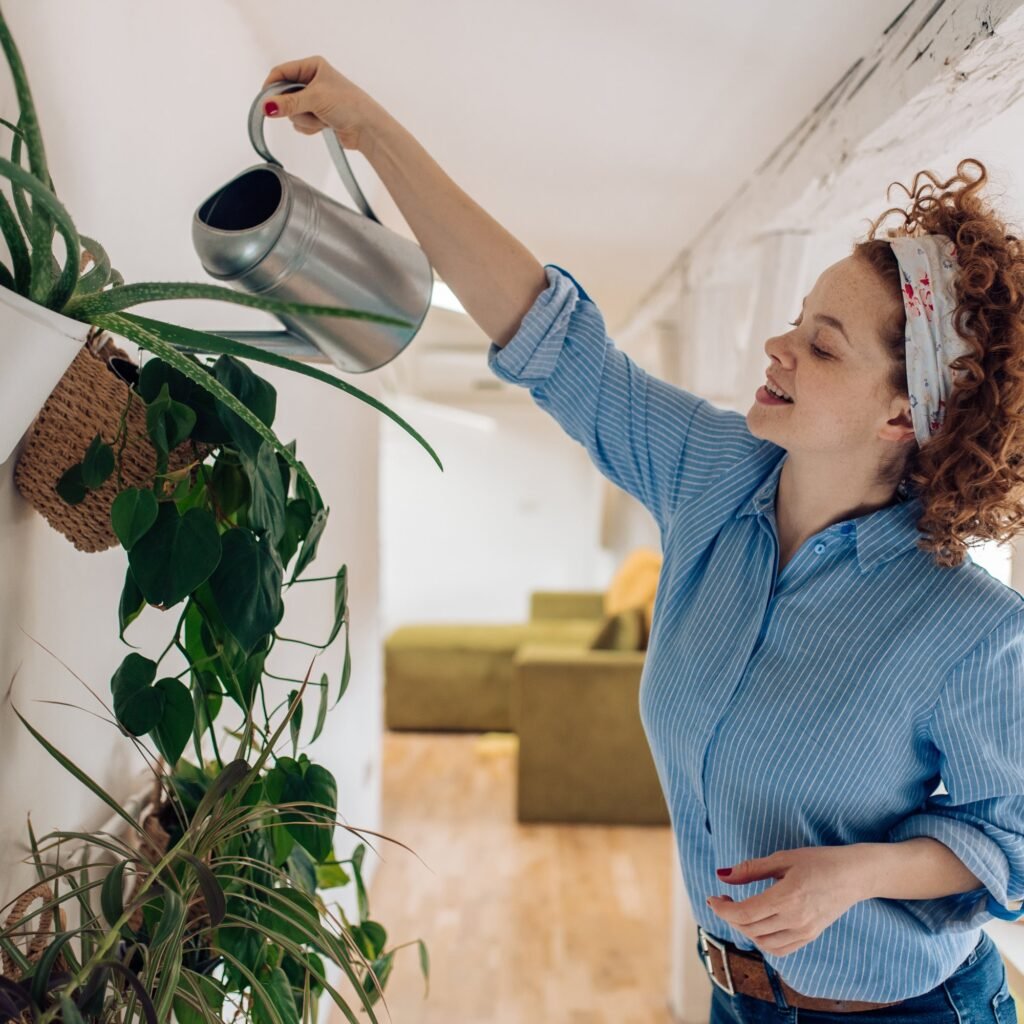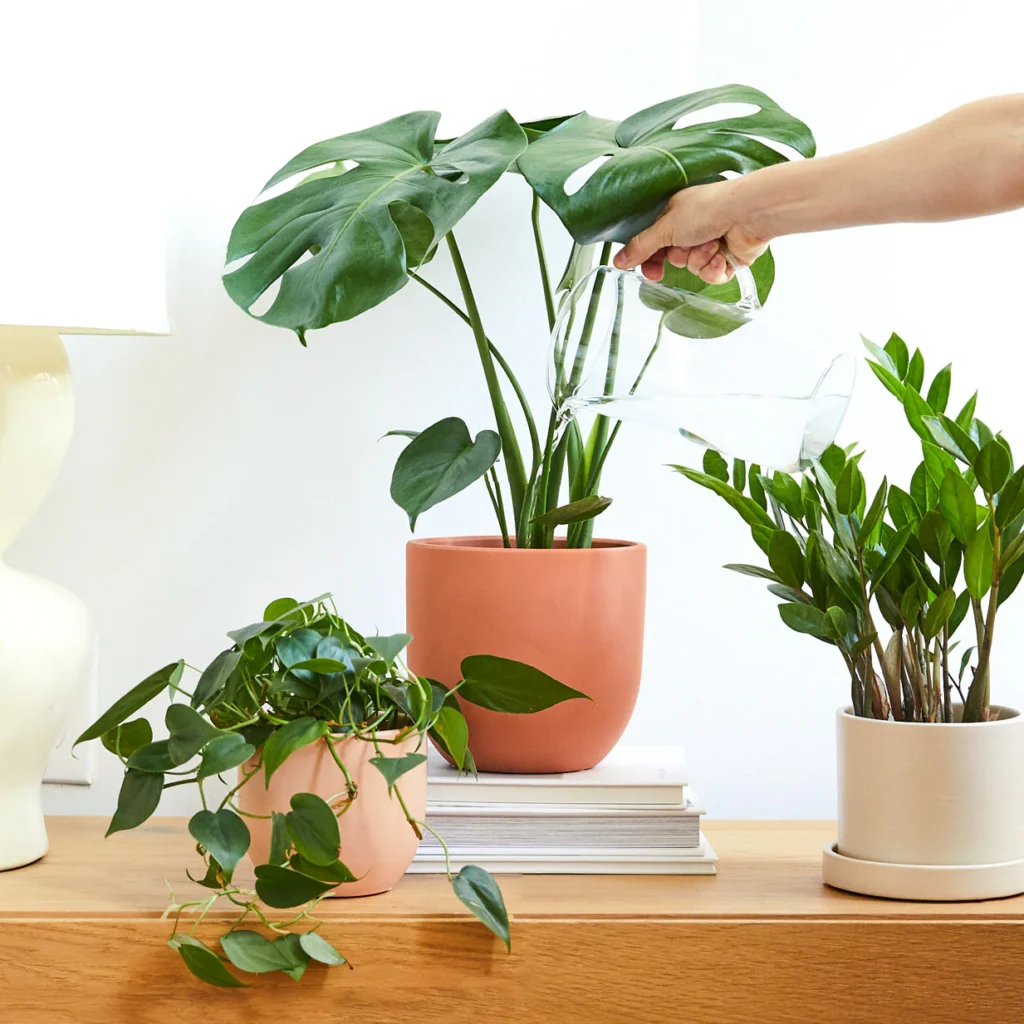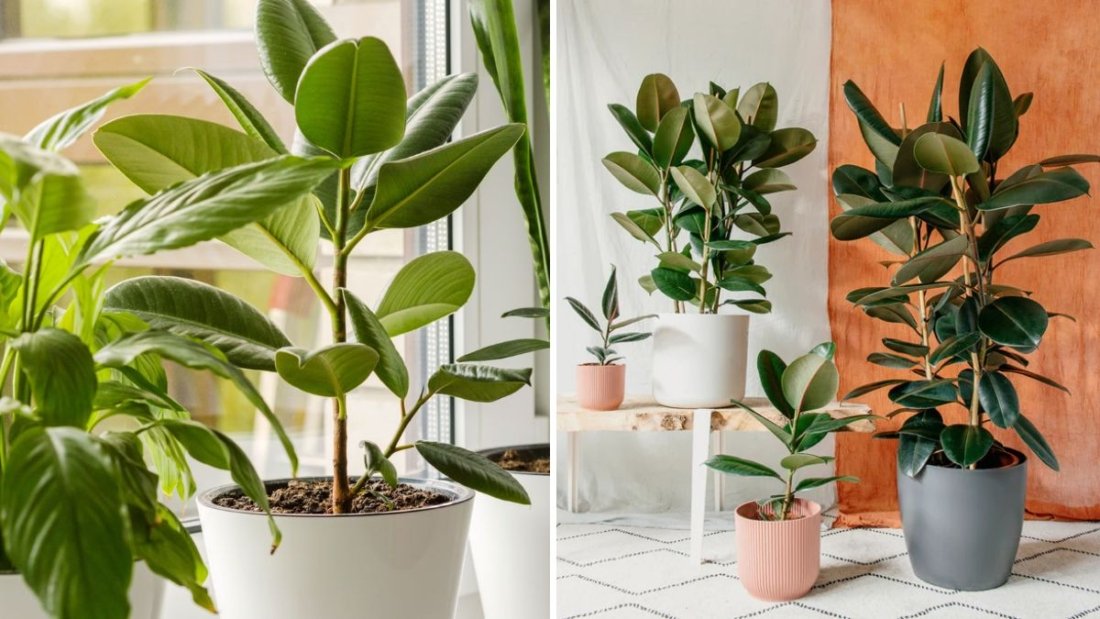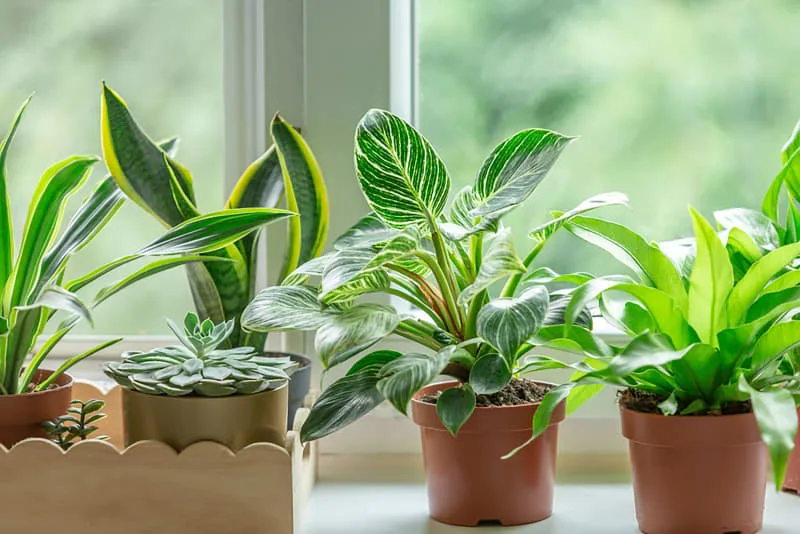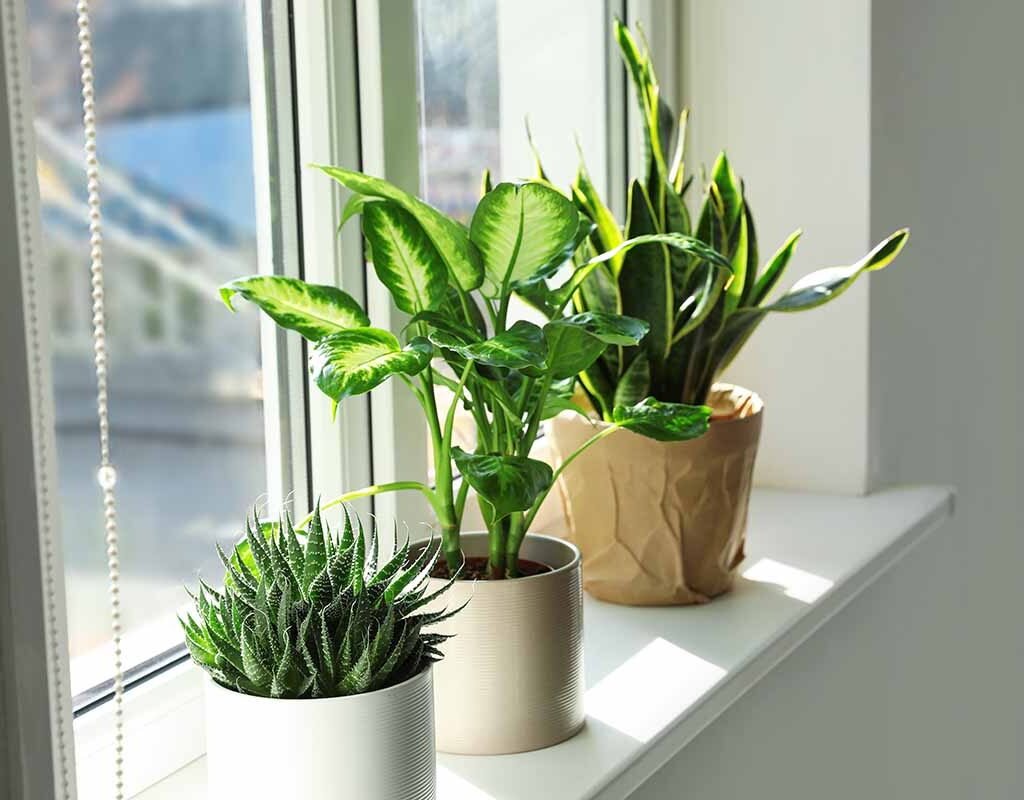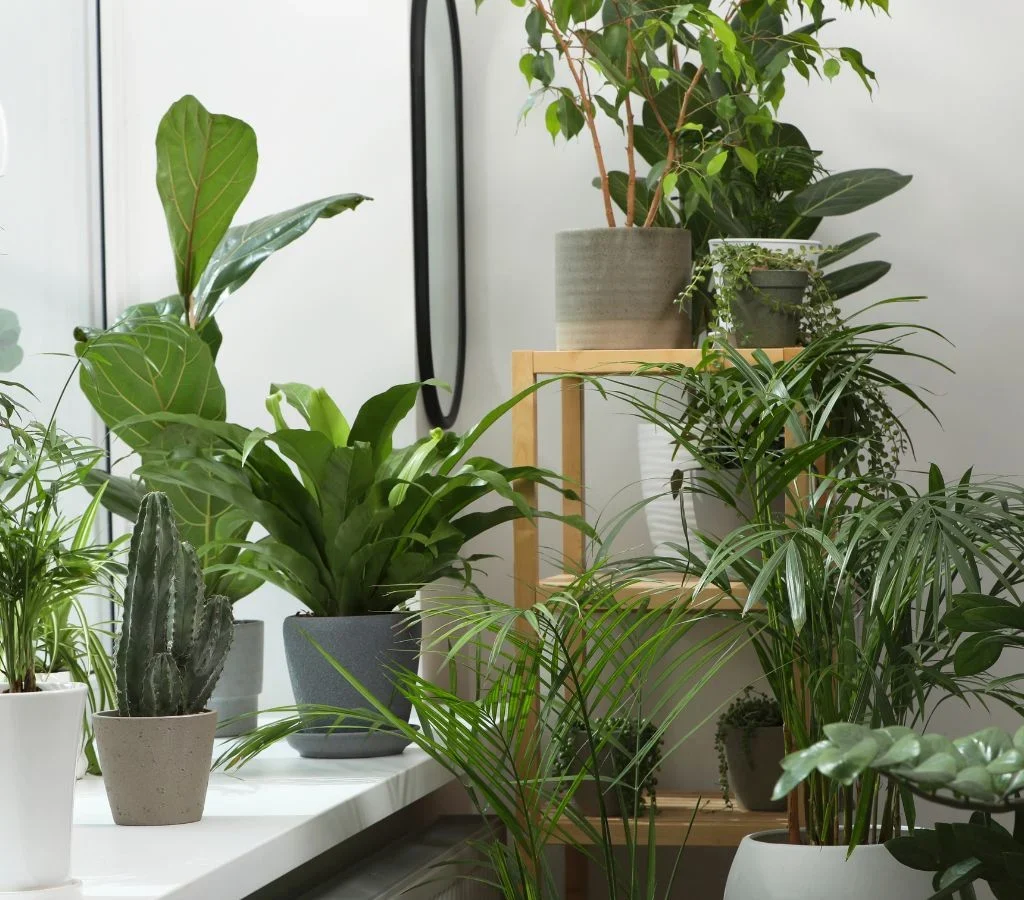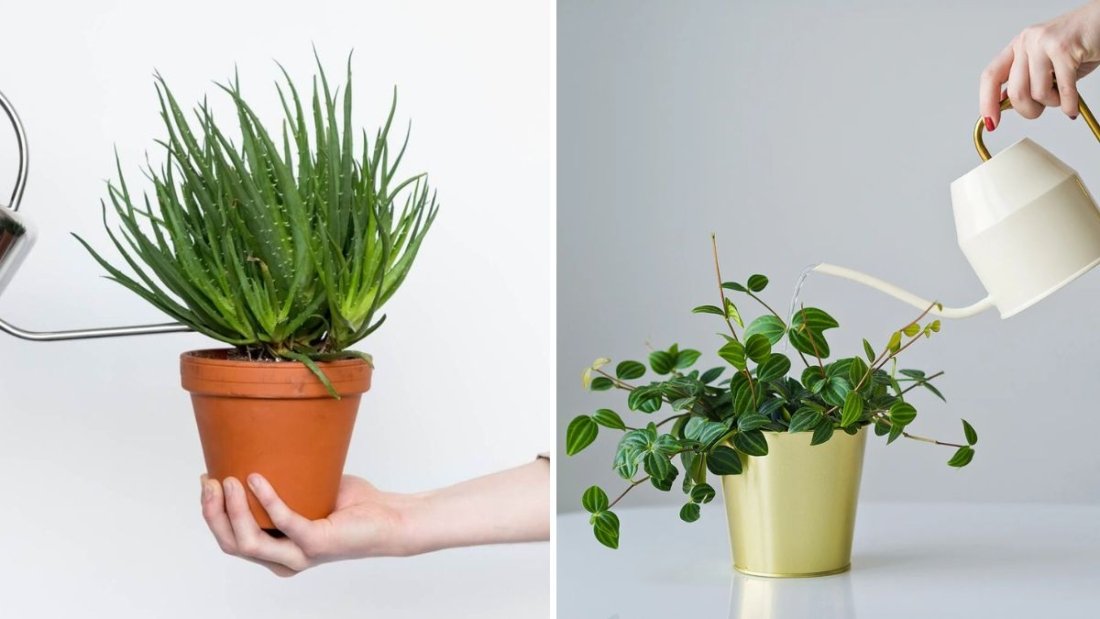
The Best Indoor Plants for Homes With Central Heating

The Best Indoor Plants for Homes With Central Heating

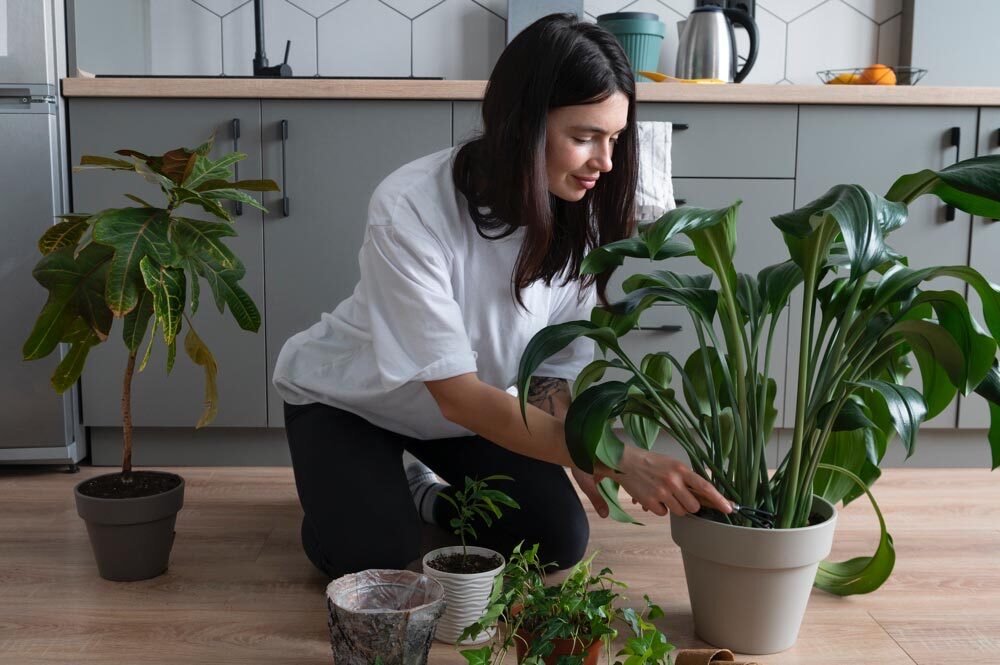
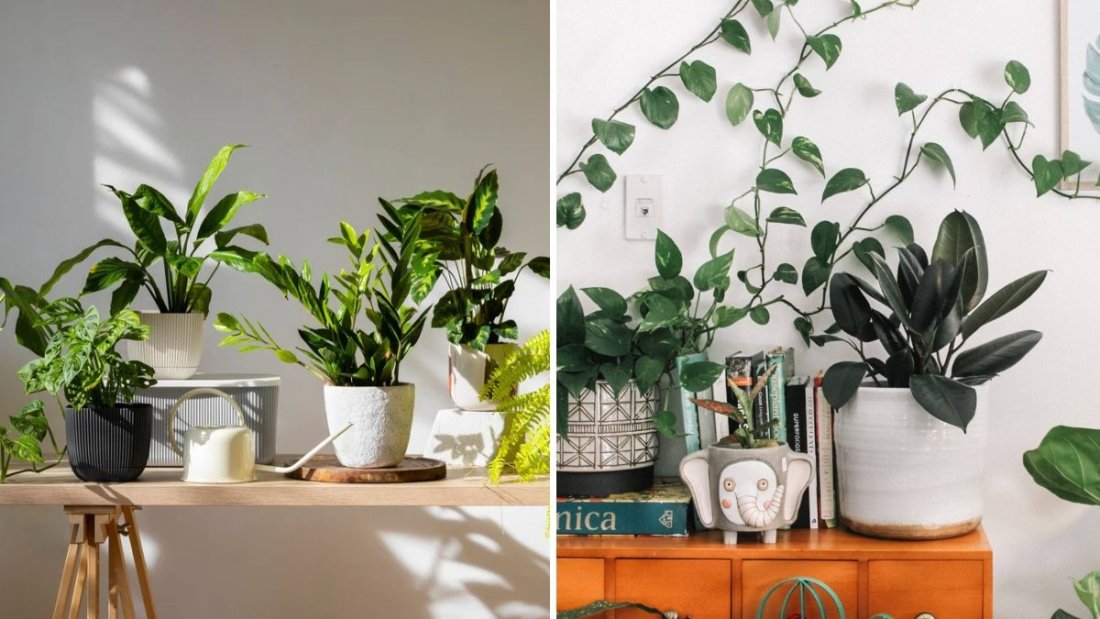
Central heating makes our homes warm and comfortable during chilly months, but it can also present unique challenges for indoor plants. While humans thrive in heated rooms, many houseplants struggle with dry air, fluctuating temperatures, and low humidity that often accompany heating systems. For plant lovers, finding greenery that can thrive in these conditions is essential for maintaining a healthy, vibrant indoor environment year-round.

This article explores the best indoor plants for homes with central heating, their care requirements, and practical strategies to help them flourish despite artificial warmth.


1. Understanding How Central Heating Affects Indoor Plants
Central heating provides consistent warmth but often dries out indoor air, especially during winter months. Heated air can:

  • Reduce relative humidity to below 30%, which is stressful for most tropical plants.
  • Accelerate soil moisture evaporation, increasing watering frequency.
  • Stress plants sensitive to sudden temperature fluctuations near vents or radiators.
  • Increase the likelihood of leaf browning, curling, or dropping.

To keep plants thriving, homeowners need to select species that are adaptable, drought-tolerant, and able to withstand low humidity while applying care strategies to mitigate these effects.


2. Key Factors to Consider When Choosing Plants for Heated Homes
When selecting plants for environments with central heating, focus on the following criteria:

a. Low Humidity Tolerance

Choose plants that tolerate dry indoor air. Many tropical plants prefer high humidity, but certain species can thrive even when moisture levels drop.

b. Drought-Resistant

Plants that store water in leaves, stems, or roots are more resilient in heated rooms. Succulents and semi-succulents are ideal for this purpose.

c. Temperature Stability

Avoid plants sensitive to temperature swings. Choose species that tolerate average indoor temperatures ranging from 18–24°C (65–75°F).

d. Low Maintenance

Since central heating often accelerates water loss, select hardy plants that require minimal attention, reducing stress for both plant and owner.

By considering these factors, you can select indoor greenery that adapts naturally to warm, dry, or fluctuating conditions.


3. The Best Indoor Plants for Homes With Central Heating
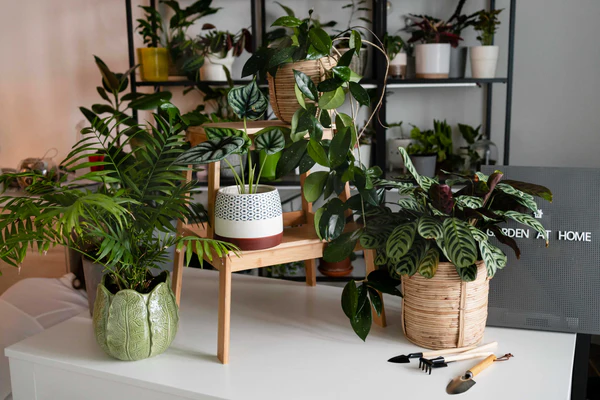
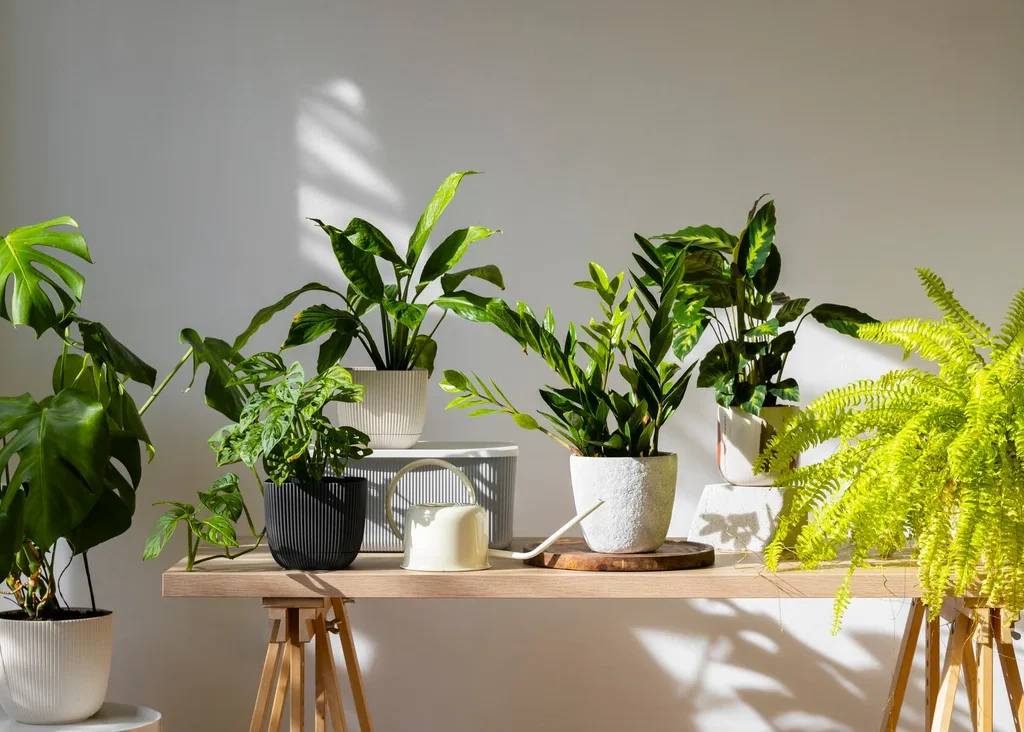
Here is a curated list of plants that thrive in heated indoor spaces while adding beauty, greenery, and air purification benefits.


1. Snake Plant (Sansevieria trifasciata)

Snake plants are nearly indestructible and highly adaptable, making them ideal for heated homes. Their succulent leaves store water, allowing them to withstand dry air and irregular watering.

Benefits:

  • Tolerates low humidity and low light conditions.
  • Purifies air by removing formaldehyde and benzene.
  • Requires minimal maintenance.

Care Tips:

  • Water sparingly; let the soil dry between waterings.
  • Avoid placing directly over heating vents.
  • Can grow in low-light corners, perfect for bedrooms or living rooms.

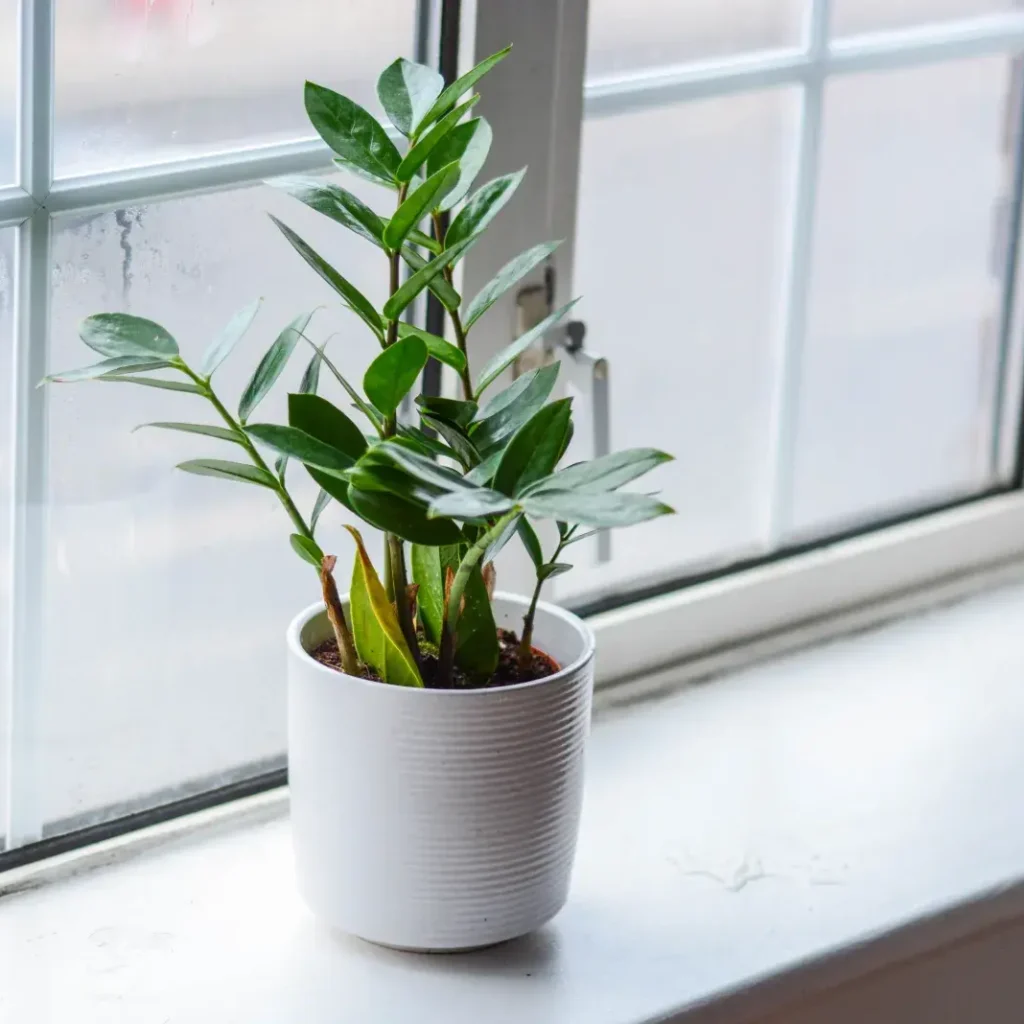
2. ZZ Plant (Zamioculcas zamiifolia)
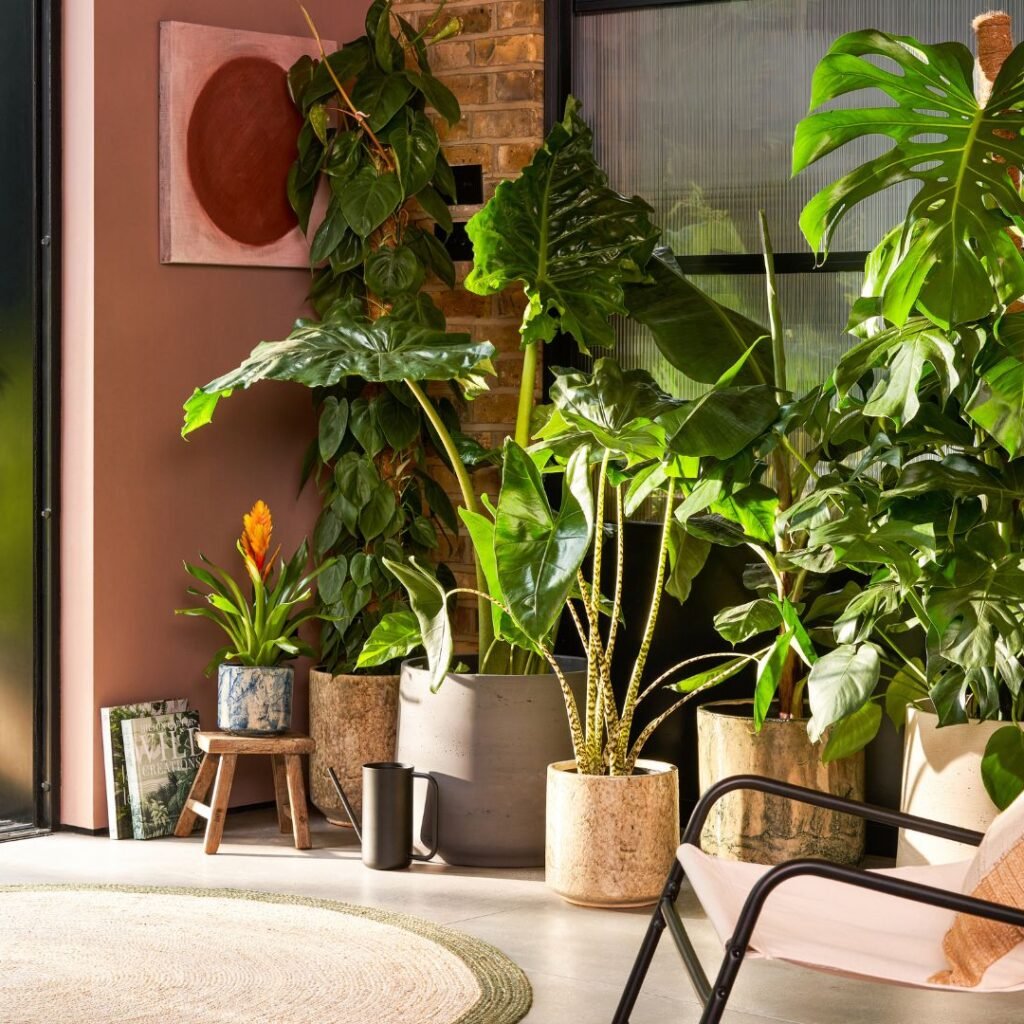
The ZZ plant is known for its resilience. With thick, waxy leaves, it retains moisture efficiently, tolerating central heating and low-humidity conditions effortlessly.

Benefits:

  • Drought-tolerant and low-maintenance.
  • Survives in low to medium light.
  • Air-purifying properties add value to indoor spaces.

Care Tips:

  • Water only when soil is completely dry.
  • Keep away from direct drafts or heat sources.
  • Rotate periodically to ensure even growth.

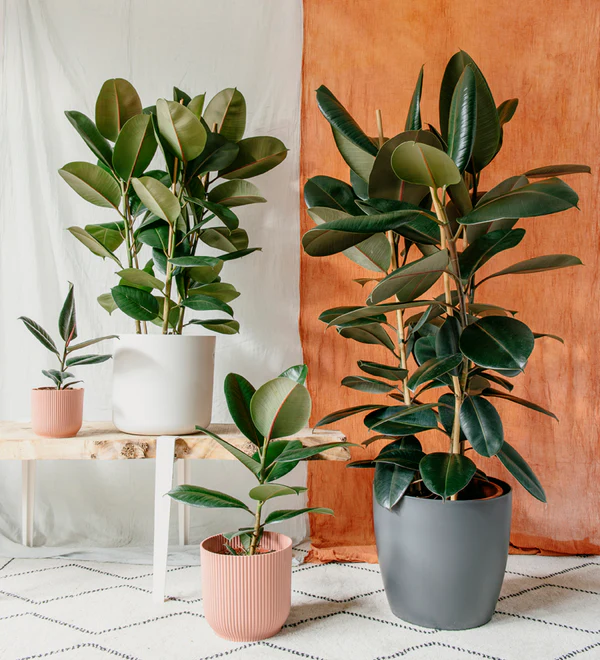
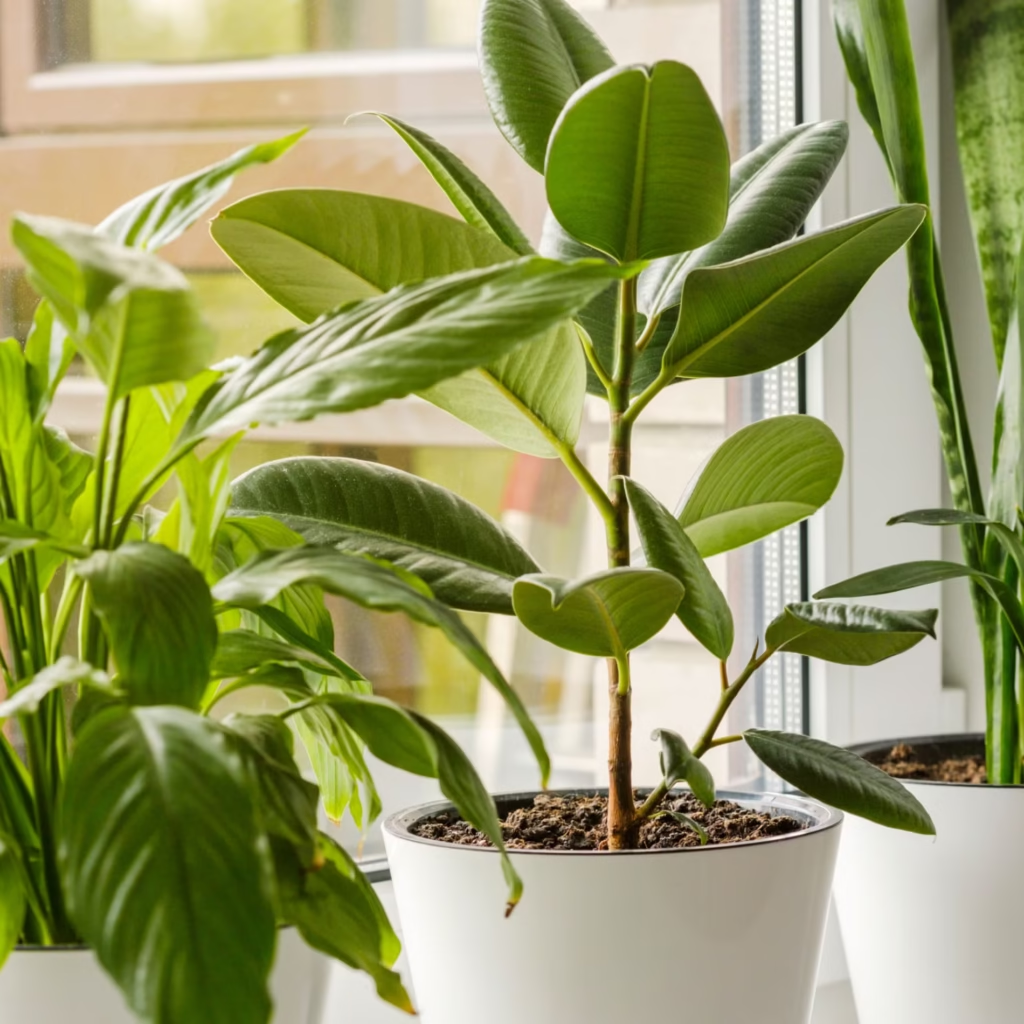
3. Rubber Plant (Ficus elastica)

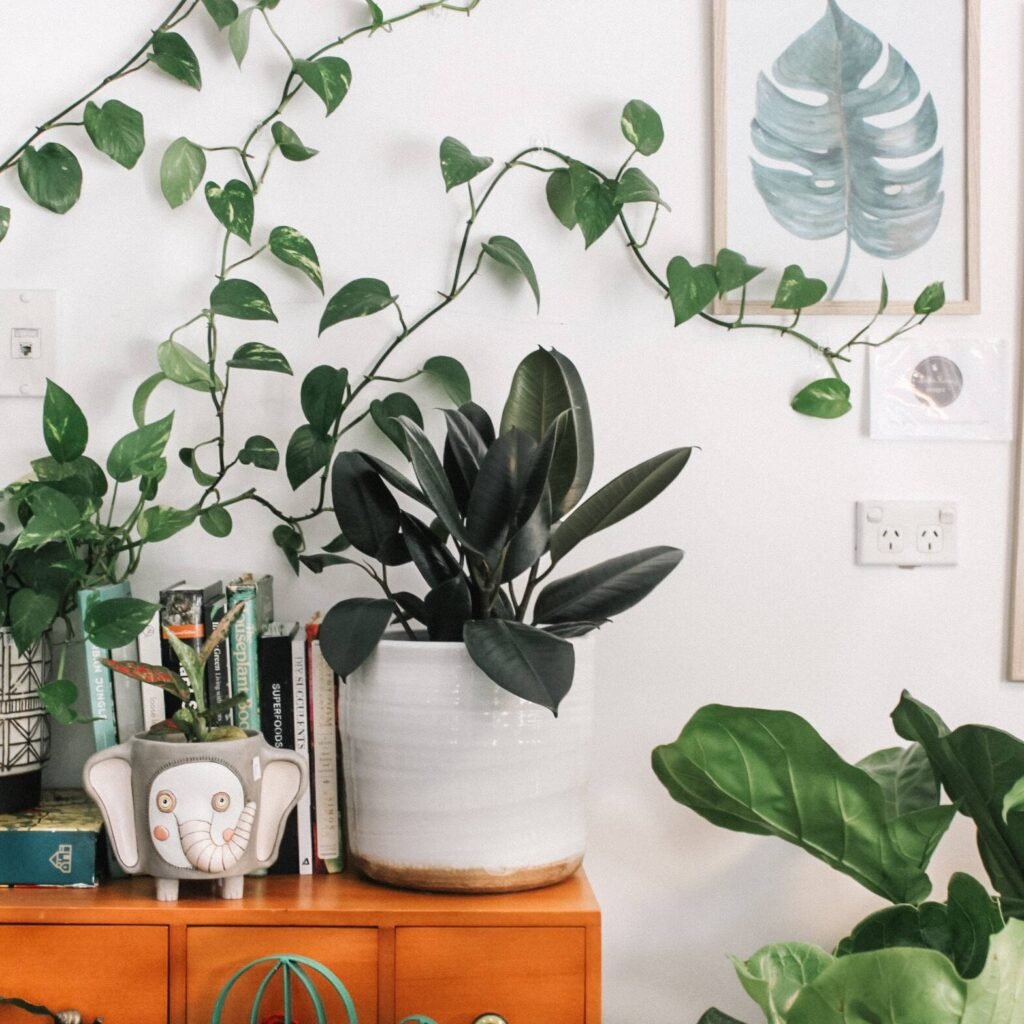
The rubber plant has thick, glossy leaves that tolerate dry indoor air well. It is a robust tropical plant that can thrive in moderate light and warm conditions.

Benefits:

  • Tolerates low humidity associated with heating.
  • Filters indoor pollutants like formaldehyde.
  • Adds height and visual impact to rooms.

Care Tips:

  • Moderate watering; allow the top inch of soil to dry.
  • Avoid placing near radiators or heating ducts.
  • Mist leaves occasionally to improve humidity around the plant.

4. Spider Plant (Chlorophytum comosum)
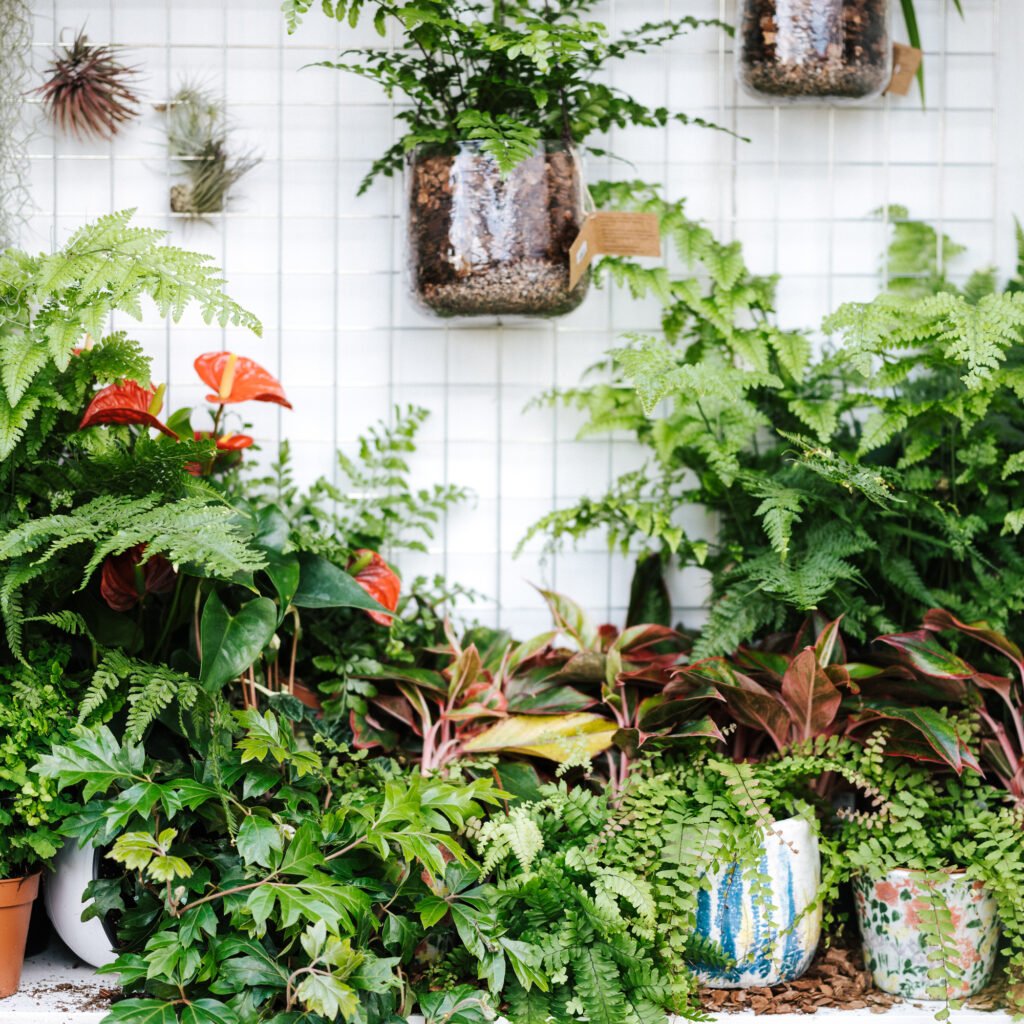
Spider plants are classic indoor greenery known for their hardiness. They thrive under fluctuating temperatures and low humidity, making them ideal for heated homes.

Benefits:

  • Very forgiving of neglect.
  • Air-purifying properties help maintain indoor air quality.
  • Produces charming baby plants for propagation.

Care Tips:

  • Water when the soil is slightly dry.
  • Bright, indirect light is preferred but not mandatory.
  • Trim brown tips caused by low humidity and dry air.

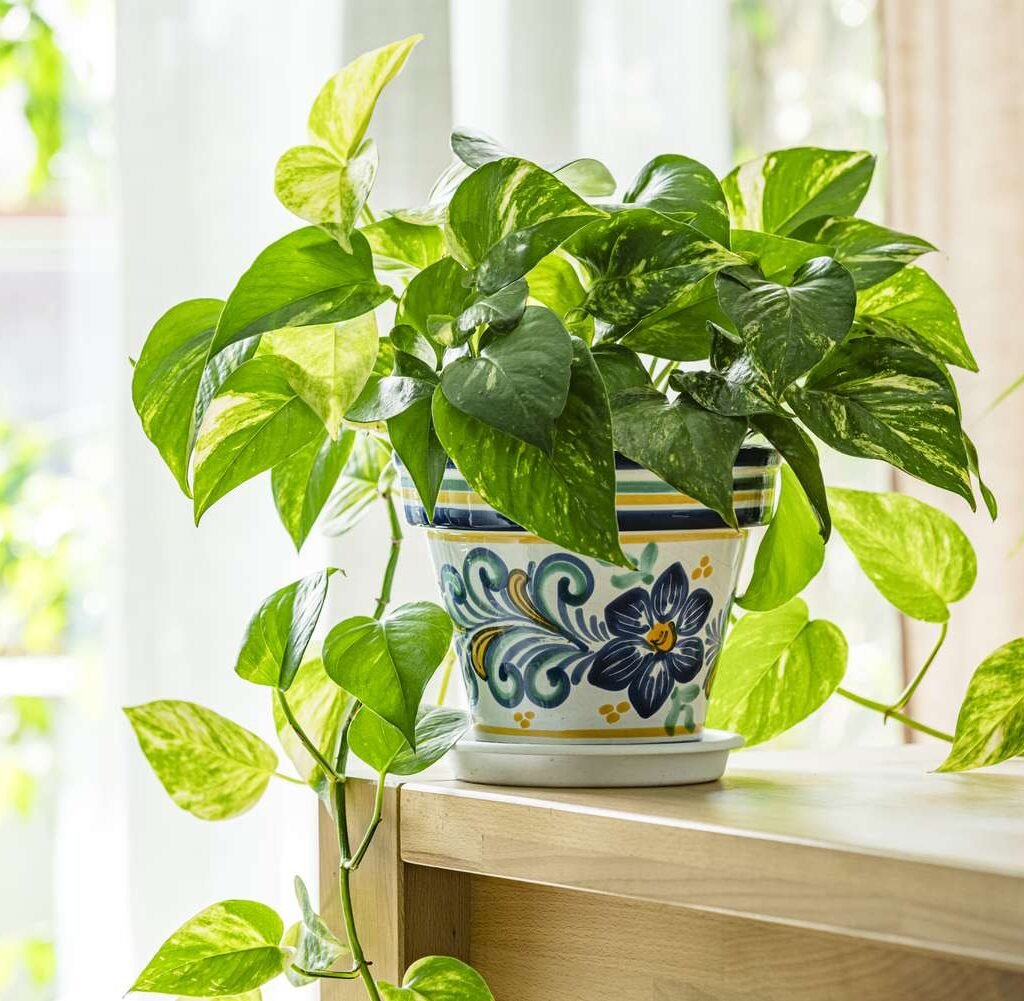
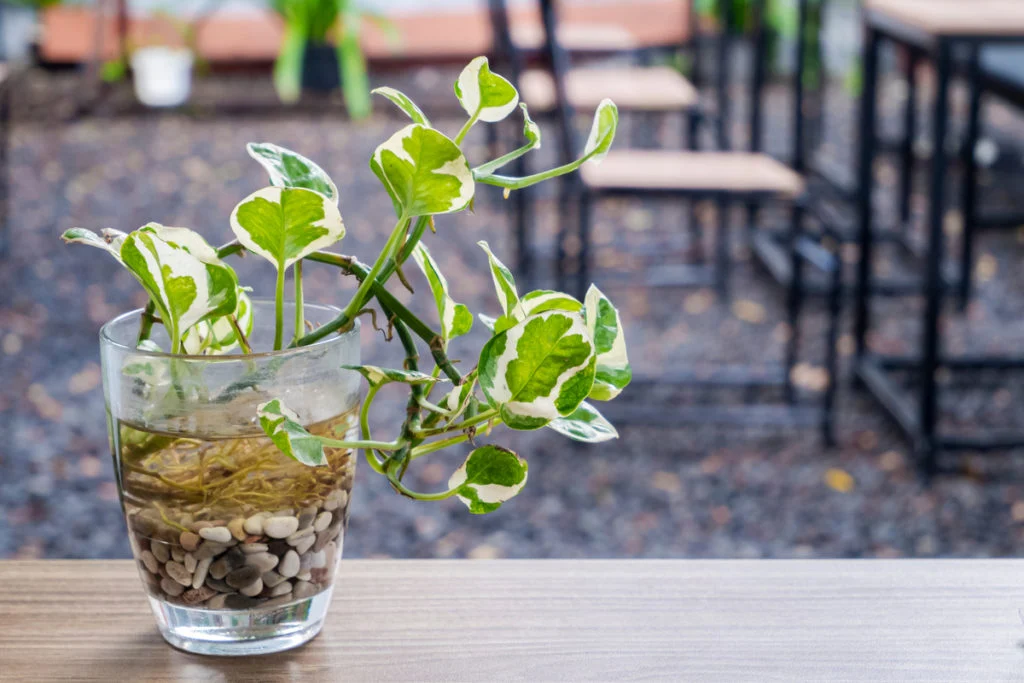
5. Pothos (Epipremnum aureum)

Pothos, or Devil’s Ivy, is extremely adaptable and can survive in a variety of indoor conditions. Its trailing vines make it perfect for shelves, hanging baskets, or tabletops.

Benefits:

  • Thrives in low humidity and indirect light.
  • Purifies air by removing toxins.
  • Extremely low-maintenance, ideal for busy households.

Care Tips:

  • Water sparingly; avoid soggy soil.
  • Can tolerate temperature fluctuations but avoid placing too close to vents.
  • Prune regularly to encourage bushier growth.

6. Aloe Vera (Aloe barbadensis miller)

Aloe vera is a succulent that excels in warm indoor environments. Its thick leaves store water, making it resistant to drying effects of heating.

Benefits:

  • Low-maintenance and drought-tolerant.
  • Produces oxygen and purifies air slightly.
  • Leaves can be used for medicinal purposes.

Care Tips:

  • Place in bright, indirect light.
  • Water sparingly; let the soil dry completely between watering.
  • Avoid overwatering to prevent root rot.

7. Dracaena (Dracaena marginata / Dracaena fragrans)

Dracaena species are popular indoor plants that tolerate low humidity and adapt well to indoor temperatures. They are excellent for adding height and elegance.

Benefits:

  • Survives dry, warm air.
  • Air purification properties remove benzene, formaldehyde, and trichloroethylene.
  • Hardy and visually appealing.

Care Tips:

  • Moderate watering; allow soil to dry between waterings.
  • Avoid direct heat from radiators.
  • Remove yellow leaves to maintain aesthetics.

4. Tips to Keep Indoor Plants Thriving in Heated Homes

Even hardy plants benefit from extra care in heated environments. Here are practical strategies:

a. Increase Humidity

  • Group plants together to create a natural humid microclimate.
  • Use pebble trays or humidifiers.
  • Mist tropical plants lightly during winter.

b. Adjust Watering

  • Check soil moisture frequently; heated rooms cause soil to dry faster.
  • Avoid overwatering, which can lead to root rot.
  • Use self-watering pots or moisture-retaining soil for convenience.

c. Avoid Direct Heating

  • Keep plants away from radiators, vents, or heaters.
  • Sudden hot air can stress foliage and dry leaves rapidly.

d. Rotate Plants

  • Turn plants every few weeks to ensure even exposure to indirect sunlight.

e. Clean Leaves Regularly

  • Dust reduces photosynthesis efficiency.
  • Wipe leaves with a damp cloth or give plants a gentle shower periodically.

5. Selecting the Right Potting Soil

Soil choice can affect water retention in heated environments. For central-heated homes:

  • Use well-draining soil for succulents and cacti.
  • Choose moisture-retaining soil for tropical plants like peace lilies or rubber plants.
  • Add perlite or vermiculite to balance drainage and moisture retention.

Healthy soil helps prevent stress caused by dry air or inconsistent watering.


6. Seasonal Adjustments for Heated Homes

Indoor plants respond to seasonal changes even in heated homes. During winter:

  • Increase humidity around plants using trays or humidifiers.
  • Reduce watering frequency as evaporation may be slower in some rooms.
  • Ensure sufficient light by placing plants near windows or supplementing with grow lights.

In summer:

  • Rotate plants away from intense sun if placed near windows.
  • Adjust watering based on temperature and humidity levels.

These seasonal adjustments help plants thrive year-round, regardless of artificial heating.


7. Psychological and Environmental Benefits

Plants in heated homes offer more than aesthetic appeal:

  • They improve indoor air quality, removing toxins that accumulate in sealed environments.
  • Plants enhance well-being by reducing stress and increasing relaxation.
  • Adding greenery compensates for the dryness caused by heating, making your home feel more natural and refreshing.

By carefully selecting resilient plants and providing optimal care, heated homes can become vibrant, healthy green spaces.


Conclusion

Homes with central heating pose unique challenges for indoor plants, primarily due to dry air, temperature fluctuations, and accelerated water loss. Selecting hardy, low-maintenance species such as snake plants, ZZ plants, rubber plants, spider plants, pothos, aloe vera, and dracaena ensures your indoor garden thrives despite these conditions.

Coupled with thoughtful care — proper watering, humidity management, and seasonal adjustments — these plants can flourish in heated rooms while improving air quality and aesthetics. By understanding your plants’ needs and making informed choices, you can maintain a thriving indoor garden even in the warmest, driest indoor environments.
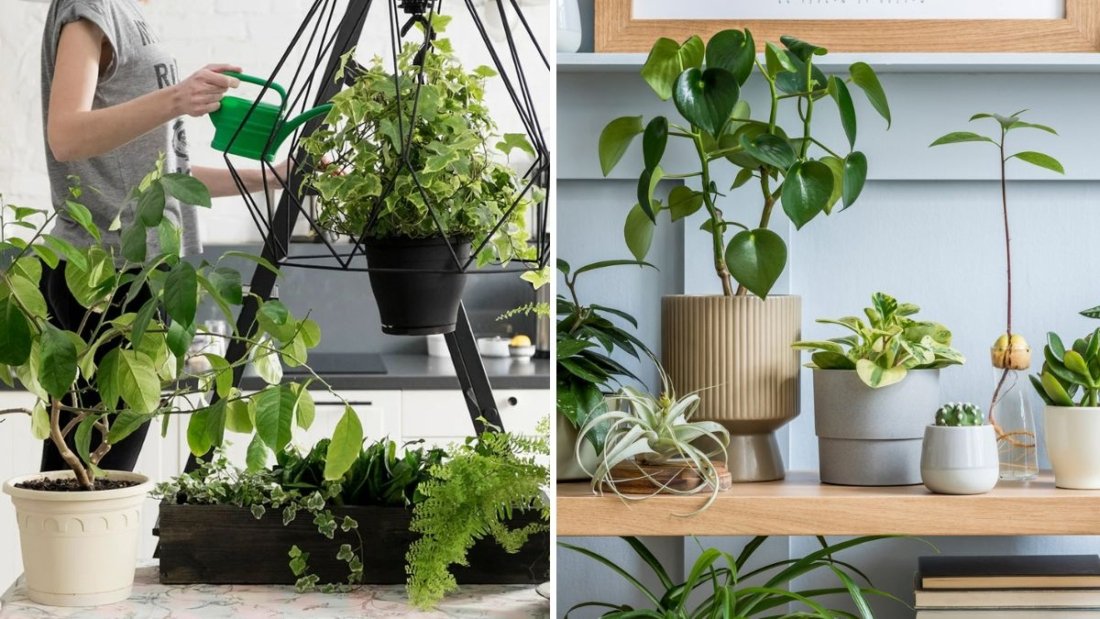
How to Keep Indoor Plants Happy While You’re on Vacation

How to Keep Indoor Plants Happy While You’re on Vacation

Going on vacation is exciting — but if you’re a plant parent, leaving your beloved indoor garden unattended can stir up anxiety. Whether you’ll be gone for a few days or a couple of weeks, you might worry about returning to wilted leaves, dry soil, or dying plants.

The good news? With some thoughtful planning and simple tricks, your plants can thrive in your absence. By understanding their needs — water, light, humidity, and temperature — and preparing them beforehand, you can ensure they remain healthy and happy until you’re back home.

This article explores how to keep indoor plants alive, hydrated, and stress-free while you’re away, with practical strategies that suit every plant lover’s lifestyle.


1. Understand Your Plants’ Needs Before You Leave

Every plant has unique care requirements. Succulents, for instance, can go weeks without water, while tropical species like ferns or peace lilies need consistent moisture. Before planning your plant-care routine for vacation, take time to categorize your plants by water and light requirements.
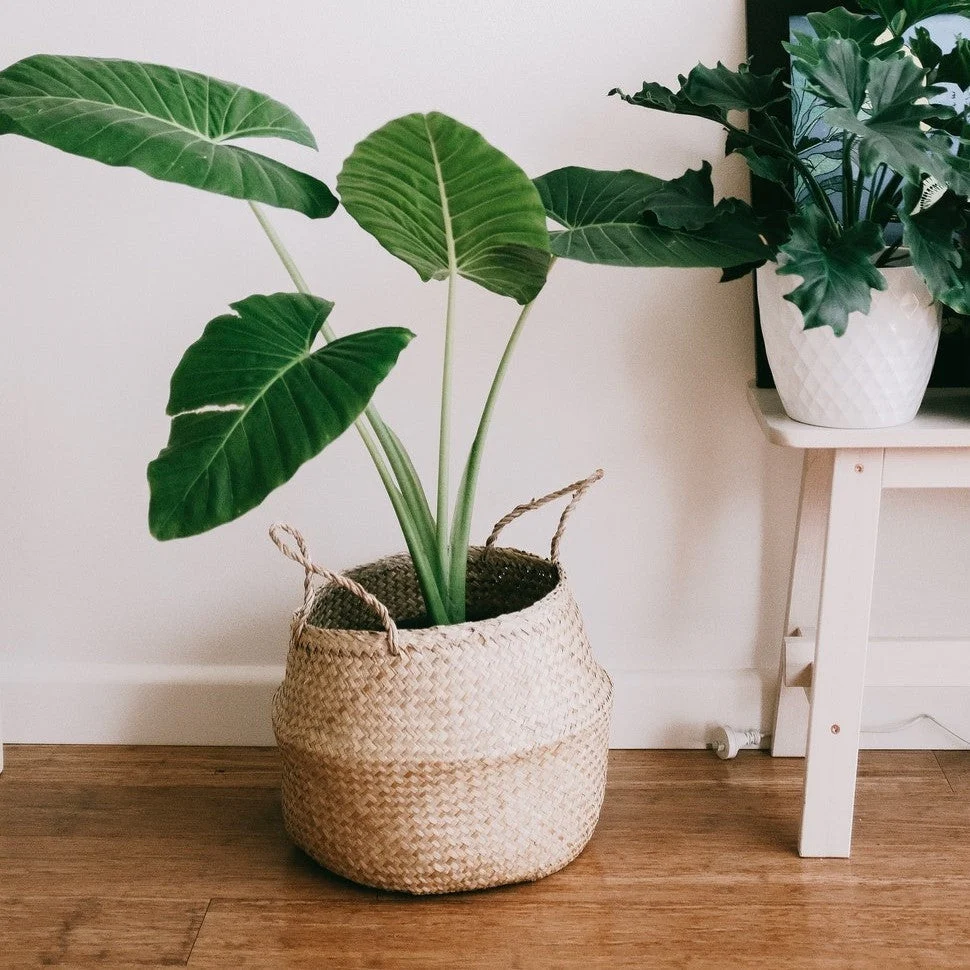
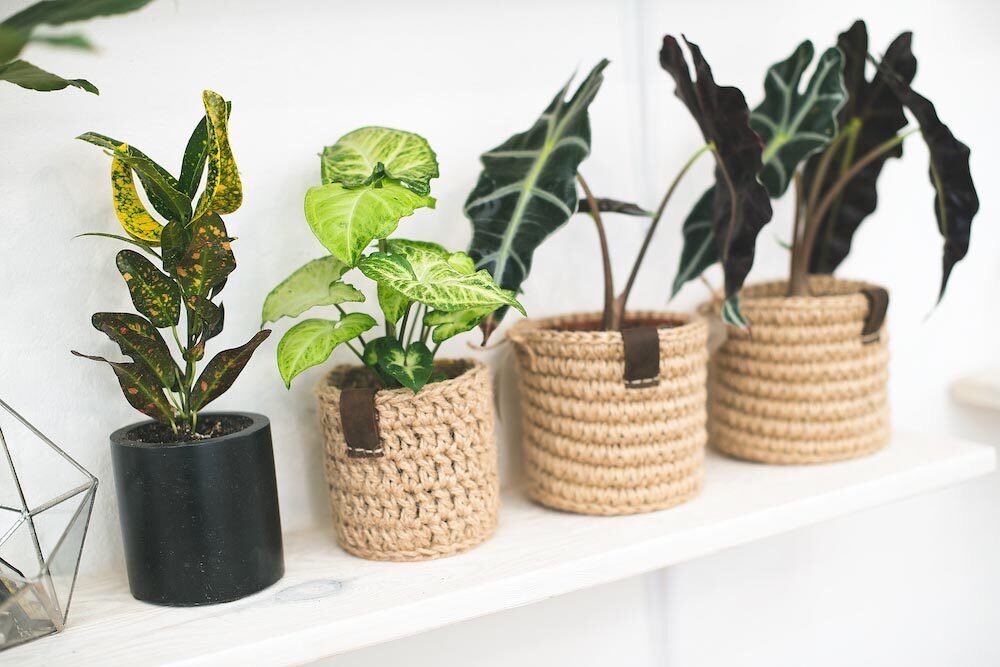
Water-needy plants:

  • Peace lily
  • Ferns (Boston, maidenhair)
  • Calathea
  • Pothos

Drought-tolerant plants:

  • Snake plant
  • ZZ plant
  • Aloe vera
  • Cacti and succulents

Knowing which plants need frequent attention helps you choose the right watering strategy — and prevents over- or under-watering during your trip.


2. Water Deeply Before You Go

A thorough watering session right before you leave is the first step to ensuring your plants stay hydrated.

How to do it properly:

  1. Water plants early in the morning to let excess water drain.
  2. For potted plants, water until you see moisture seeping from the bottom drainage holes.
  3. Empty saucers or trays beneath pots to prevent root rot.
  4. For plants in large containers, consider placing them in a shallow tray of pebbles and water to increase humidity.

Avoid last-minute overwatering just before leaving. Excessive water without proper drainage can suffocate roots, causing rot while you’re away.


3. Move Plants Away from Direct Sunlight

Light is essential for growth, but too much exposure when you’re not around to monitor soil moisture can lead to dehydration.

If your plants typically sit in bright sunlight, move them slightly away from windows or use sheer curtains to filter harsh rays.

  • For tropical plants: Provide bright, indirect light.
  • For succulents and cacti: Keep them in partial sunlight; they store water efficiently.
  • For shade-loving plants: Dim corners or north-facing windows are ideal.

This small change helps reduce water loss through evaporation and keeps soil moisture stable while you’re gone.


4. Create a Humid Environment

Indoor air can become dry, especially during hot or air-conditioned weather. Increasing humidity helps plants retain moisture longer, reducing their need for frequent watering.

Here are some easy humidity-boosting techniques:

a. Group plants together

Plants release moisture through transpiration. Grouping them close allows them to share humidity, creating a mini greenhouse effect.

b. Use a pebble tray

Place pebbles in a shallow tray, add water, and set pots on top (without touching the water directly). The evaporating moisture keeps the air humid around the plants.
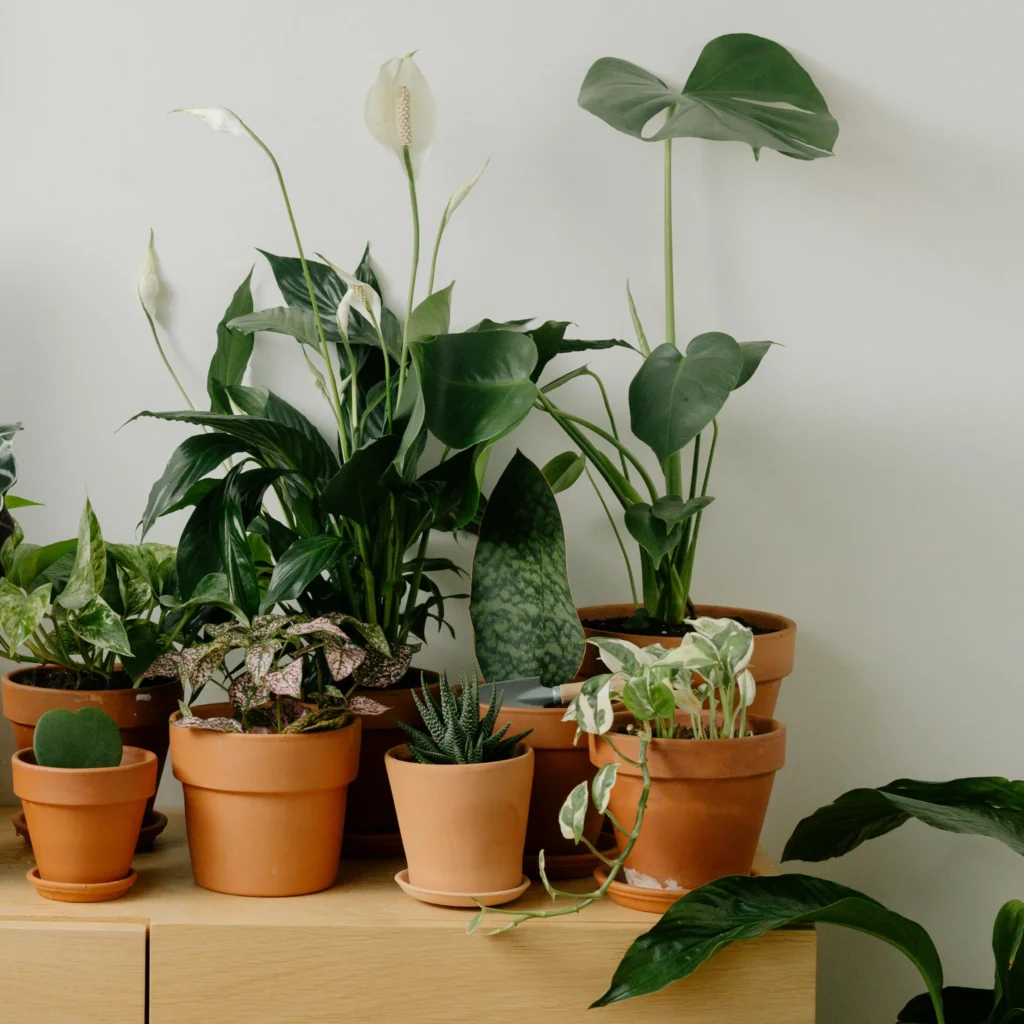
c. Use plastic bag “mini-greenhouses”

For small plants, cover them loosely with a clear plastic bag supported by sticks or stakes. This traps humidity without suffocating them. Ensure the bag doesn’t touch the leaves to avoid mold.

These methods create a microenvironment that mimics natural humidity, helping your plants stay hydrated longer.


5. DIY Self-Watering Techniques

If you’ll be away for a week or two, self-watering systems are lifesavers. They provide consistent moisture without overwatering.

Here are some tried-and-tested methods:

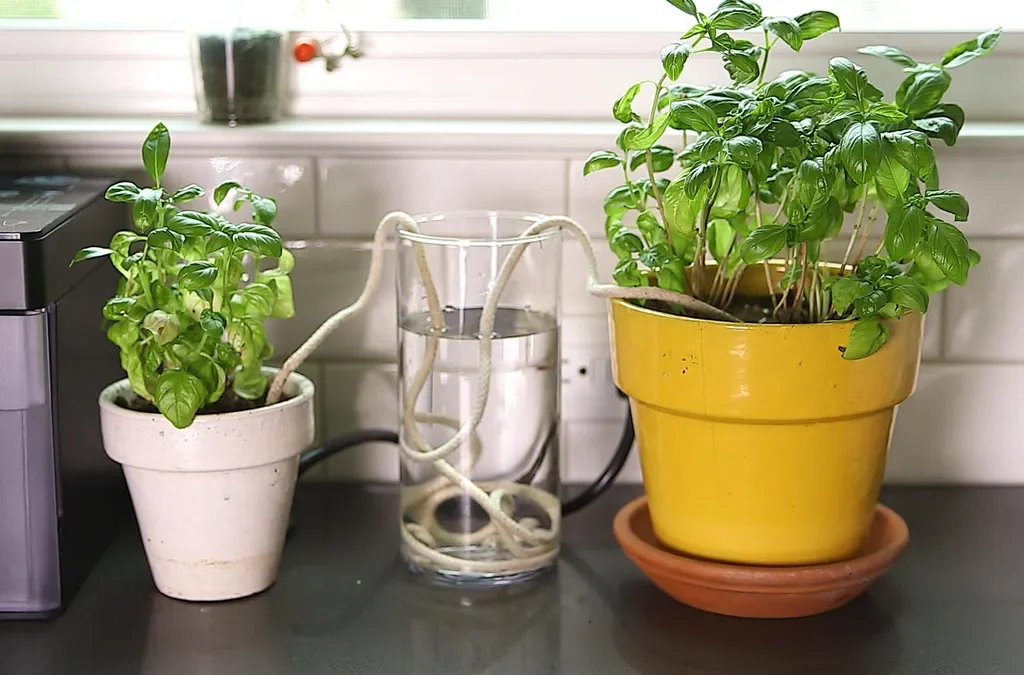
a. Wick Watering System

You’ll need cotton rope, string, or even shoelaces.

  1. Place one end of the rope into a water container and the other end into the soil.
  2. Water will travel up the rope through capillary action, keeping the soil damp.
  3. Ensure the water source is higher than the pot for proper flow.

b. Plastic Bottle Drip System

Perfect for large pots or outdoor balconies.

  1. Fill a plastic bottle with water.
  2. Poke small holes in the cap.
  3. Insert the bottle upside down into the soil near the plant’s base.
  4. Water drips slowly, maintaining consistent moisture.

c. Water Bath Method

For small to medium-sized pots.

  1. Fill a shallow basin with a few centimeters of water.
  2. Place pots (with drainage holes) in the basin.
  3. The soil will soak up water as needed through capillary action.

Each of these systems can keep plants watered for 7–14 days, depending on humidity, temperature, and soil type.


6. Mulch to Lock in Moisture

Mulching isn’t just for outdoor gardens — it’s an excellent technique for indoor plants, too.

Spread a layer of organic mulch (like coconut coir, moss, or bark chips) over the soil surface. This helps:

  • Slow down evaporation.
  • Regulate soil temperature.
  • Maintain consistent moisture levels.

Even a thin layer can extend soil dampness by several days, reducing the risk of plants drying out while you’re away.


7. Invest in Self-Watering Pots or Devices

For frequent travelers, self-watering planters are an excellent investment. They include built-in reservoirs that release water gradually as the soil dries.

Modern options come with moisture meters, timers, and even smartphone integration, allowing you to monitor conditions remotely.

Alternatively, you can use automatic irrigation spikes that attach to bottles and slowly release water into the soil. These are especially useful for small indoor setups.


8. Maintain Airflow and Temperature

Stagnant, hot air can stress plants while you’re gone. Maintaining proper temperature and ventilation ensures they stay comfortable.

Before leaving:

  • Keep curtains partly closed to reduce heat buildup.
  • Set the thermostat to moderate temperature (around 22–25°C).
  • Avoid sealing rooms entirely; allow minimal airflow.

If possible, run a ceiling or oscillating fan on a low setting with a timer to keep the air moving — preventing mold or fungal growth.


9. Ask for a “Plant Sitter” (If Possible)

Sometimes, the best care comes from human hands. If you’re leaving for more than two weeks, ask a friend, neighbor, or relative to check in once or twice.

Leave detailed instructions:

  • How much and how often to water each plant.
  • Which ones prefer bright vs. shaded spots.
  • Contact info in case they have questions.

You can even label plants with small notes — it makes it easier for your helper and ensures consistent care in your absence.


10. Prepare Your Plants for Absence

Beyond watering, a few extra steps will help your plants stay resilient while you’re away:

a. Prune before you go

Remove yellow or dead leaves and spent flowers. This reduces the plant’s energy consumption and prevents mold.

b. Repot if necessary

If a plant has outgrown its pot, repot it a few weeks before leaving. Fresh soil retains moisture more effectively.

c. Fertilize lightly

Avoid heavy fertilization right before departure — it encourages new growth, which needs frequent watering. Instead, apply a mild, slow-release fertilizer a week prior.

d. Check for pests

Inspect for mites or fungus gnats. Treat them beforehand, as unattended infestations can worsen rapidly.

e. Mist thoroughly

Give your plants a generous misting the day before you leave to boost humidity.

These small preventive measures ensure your plants are in top condition to handle your absence gracefully.


11. What to Expect When You Return

Even with perfect planning, a little wear and tear is normal — some drooping or yellowing leaves can happen.

Here’s how to revive your plants upon returning:

  1. Check soil moisture before watering — avoid shocking roots with sudden drenching.
  2. Trim damaged leaves to encourage fresh growth.
  3. Wipe dust off leaves to restart photosynthesis efficiently.
  4. Gradually reintroduce sunlight if you had moved plants to low-light areas.

Within a few days, most healthy plants will bounce back quickly with regular care.


12. Extra Tips for Frequent Travelers

If travel is part of your lifestyle, here’s how to build a vacation-proof plant collection:

  • Choose low-maintenance species like snake plants, ZZ plants, and philodendrons.
  • Group plants with similar needs together for easy care.
  • Invest in smart irrigation systems that sync with your phone.
  • Keep backup grow lights with timers for consistent lighting.

This setup ensures you can enjoy travel freedom without compromising your indoor jungle.


Conclusion

Keeping indoor plants happy while you’re on vacation doesn’t have to be stressful. The secret lies in understanding your plants’ unique needs and planning ahead — from adjusting light and humidity to setting up self-watering systems.

Whether you use simple DIY tricks like the wick method or invest in modern self-watering pots, these strategies allow your plants to stay healthy and hydrated even when you’re away.

When you return from your trip to find vibrant, green leaves and thriving pots, you’ll know that your pre-vacation efforts paid off — giving both you and your plants the gift of peace and happiness.

How to Choose Plants That Naturally Purify the Air in Bedrooms

How to Choose Plants That Naturally Purify the Air in Bedrooms

In the modern world, indoor air quality has become a growing concern. With sealed windows, synthetic materials, and limited ventilation, our bedrooms — the spaces where we spend nearly a third of our lives — can often harbor unseen pollutants. From volatile organic compounds (VOCs) released by paints and furniture to carbon dioxide buildup overnight, poor air circulation can cause fatigue, allergies, and even sleep disturbances.

One of the most natural and beautiful solutions to this problem is air-purifying indoor plants. Not only do they add life and calmness to your space, but certain species also absorb harmful toxins, release oxygen, and regulate humidity — creating a fresher, healthier sleeping environment.

This article explores how to choose the right air-purifying plants for your bedroom, what makes them effective, and how to care for them to keep your indoor air clean and invigorating.


1. Why Bedroom Air Quality Matters

The bedroom is where your body rests, heals, and rejuvenates. Clean air is essential to this process. However, pollutants commonly accumulate in enclosed bedrooms due to limited airflow and off-gassing from synthetic materials.

Common indoor air pollutants include:

  • Formaldehyde: Found in furniture, pressed wood, and fabrics.
  • Benzene and trichloroethylene: Emitted from paints, cleaning products, and plastics.
  • Carbon dioxide: Increases overnight due to breathing in poorly ventilated rooms.
  • Dust and allergens: Accumulate in bedding and carpets.

Over time, these pollutants can contribute to poor sleep quality, headaches, irritation, and even long-term health issues.

This is where nature comes to your aid — plants act as natural filters, absorbing toxins and releasing fresh oxygen, especially beneficial in the place where you rest most.


2. How Plants Purify Air: The Science Behind It

Plants cleanse indoor air through a process called phytoremediation — they absorb pollutants through their leaves and roots, breaking them down into harmless byproducts. Some species also harbor beneficial soil microbes that neutralize chemicals in the potting mix.

Additionally, plants increase oxygen concentration, reduce carbon dioxide, and help regulate humidity, making the air easier to breathe.

NASA’s Clean Air Study (conducted in the 1980s) demonstrated that several common houseplants can effectively remove pollutants like benzene, formaldehyde, and trichloroethylene from indoor air. Although plants alone may not replace ventilation, they are a simple and sustainable way to enhance indoor air quality.


3. Key Factors When Choosing Bedroom Air-Purifying Plants

Not all plants are equally suited for bedrooms. When selecting air-purifying species, consider the following:

a. Oxygen Production at Night

Most plants release oxygen only during the day, but some species — like snake plants and aloe vera — continue oxygen production at night through Crassulacean Acid Metabolism (CAM) photosynthesis. These are ideal for bedrooms, as they actively refresh air even while you sleep.

b. Low-Light Tolerance

Bedrooms often receive limited sunlight. Choose plants that thrive in low to medium light conditions, such as peace lilies or pothos.

c. Low Maintenance

Select hardy plants that don’t demand constant care. Overwatering or poor drainage can cause mold growth, counteracting the plant’s air-purifying benefits.

d. Non-Toxicity

If you have pets or children, ensure the plants are non-toxic — many beautiful houseplants can be harmful if ingested.

By keeping these criteria in mind, you can select plants that are both effective and practical for your indoor sanctuary.


4. Best Air-Purifying Plants for Bedrooms

Here are some of the most effective plants that purify indoor air while being perfectly suited to bedroom environments:


1. Snake Plant (Sansevieria trifasciata)

Also known as the Mother-in-Law’s Tongue, the snake plant is a top choice for bedrooms. It’s nearly indestructible and one of the few plants that releases oxygen at night.

Air benefits:

  • Removes formaldehyde, benzene, and trichloroethylene.
  • Improves nighttime oxygen levels.

Care tips:

  • Thrives in low to bright light.
  • Water sparingly; overwatering causes root rot.

2. Peace Lily (Spathiphyllum wallisii)

Known for its elegant white blooms, the peace lily is both decorative and functional. It filters several harmful toxins and also increases indoor humidity, which helps reduce dry skin and irritation.

Air benefits:

  • Removes ammonia, benzene, formaldehyde, and trichloroethylene.
  • Balances air moisture levels.

Care tips:

  • Prefers indirect light.
  • Keep soil slightly moist, but not soggy.

3. Aloe Vera (Aloe barbadensis miller)

Famous for its healing gel, aloe vera is also an excellent air purifier. Like the snake plant, it produces oxygen at night and absorbs carbon dioxide.

Air benefits:

  • Removes formaldehyde and benzene.
  • Emits oxygen during nighttime.

Care tips:

  • Prefers bright, indirect sunlight.
  • Water deeply but infrequently.

4. Areca Palm (Dypsis lutescens)

This tropical beauty adds a calming touch to your room while serving as a natural humidifier. Its broad leaves effectively trap pollutants and release moisture.

Air benefits:

  • Removes xylene and toluene.
  • Boosts humidity levels naturally.

Care tips:

  • Needs bright, indirect light.
  • Water when the top inch of soil is dry.

5. Pothos (Epipremnum aureum)

Also known as “Devil’s Ivy,” pothos is one of the easiest plants to grow indoors. It’s extremely resilient, even in low light, and grows lush, trailing vines that add beauty to any space.

Air benefits:

  • Filters formaldehyde, benzene, and carbon monoxide.

Care tips:

  • Tolerates low light conditions.
  • Water when soil feels dry; avoid waterlogging.

6. Boston Fern (Nephrolepis exaltata)

Boston ferns are natural humidifiers and excellent for trapping airborne toxins. Their lush green fronds bring a soft, relaxing feel to bedrooms.

Air benefits:

  • Removes formaldehyde and xylene.
  • Adds humidity to dry air.

Care tips:

  • Prefers indirect light and high humidity.
  • Keep soil consistently moist.

7. Rubber Plant (Ficus elastica)

The rubber plant has large, glossy leaves that effectively absorb airborne chemicals. It’s perfect for larger bedrooms or corners that need a visual statement.

Air benefits:

  • Absorbs formaldehyde and carbon monoxide.

Care tips:

  • Needs bright, filtered light.
  • Wipe leaves regularly to remove dust buildup.

5. How to Arrange Plants for Maximum Air Purification

Simply placing a plant in your room isn’t enough — placement and grouping can enhance their effectiveness.

  • Group plants together: Clustering 2–3 plants increases the surface area for pollutant absorption.
  • Distribute evenly: Place one or two near your bed, a few on the window sill, and one on a dresser or shelf.
  • Avoid over-cluttering: Too many plants can increase humidity and mold growth in small, poorly ventilated rooms.
  • Use breathable pots: Terracotta pots improve air exchange and prevent excess moisture buildup.

Smart arrangement helps your plants cleanse the air efficiently without overwhelming the space.


6. Maintenance Tips for Healthy Bedroom Plants

To keep your bedroom plants both attractive and effective, proper care is key.

  1. Water wisely: Most indoor plants prefer slightly dry soil. Overwatering can lead to fungus or pests.
  2. Dust the leaves: Clean leaves with a soft, damp cloth every few weeks to maintain photosynthesis.
  3. Ensure airflow: Keep windows open periodically to prevent stagnation and balance humidity.
  4. Use clean soil: Replace soil every 6–12 months to prevent toxin buildup.
  5. Rotate plants: Turn them weekly to ensure even light exposure and balanced growth.

Healthy plants are more efficient at purifying air — so consistent, moderate care makes all the difference.


7. Plants to Avoid in Bedrooms

While most houseplants are beneficial, some may not be suitable for sleeping areas. Avoid:

  • Strongly fragrant plants like jasmine or lilies, which can trigger allergies in sensitive individuals.
  • Toxic plants such as dieffenbachia, philodendron, or oleander if you have pets or children.
  • High-maintenance species that need intense light or constant watering.

Choose plants that are gentle, low-maintenance, and safe to ensure your space remains peaceful and toxin-free.


8. The Psychological Benefits of Bedroom Plants

Beyond their air-purifying powers, plants also enhance mental and emotional well-being. Studies show that being surrounded by greenery:

  • Reduces stress and anxiety.
  • Improves concentration and creativity.
  • Promotes deeper, more restful sleep.
  • Adds natural beauty and calmness to indoor spaces.

By improving both air and atmosphere, plants nurture body and mind — turning your bedroom into a true wellness sanctuary.


Conclusion

Choosing the right air-purifying plants for your bedroom is one of the simplest yet most powerful steps you can take toward a healthier home. These natural green filters silently remove toxins, boost oxygen, balance humidity, and bring a sense of calm to your personal space.

By selecting the right species — like snake plants, peace lilies, or aloe vera — and caring for them properly, you create a bedroom environment that not only looks beautiful but also supports better breathing and deeper sleep.

In a world filled with synthetic materials and urban pollutants, the humble houseplant remains one of nature’s best gifts — a living, breathing companion that keeps your air fresh and your nights peaceful.

The Most Common Light Mistakes Indoor Gardeners Make

The Most Common Light Mistakes Indoor Gardeners Make

Light is the most vital element for plant survival — it fuels photosynthesis, drives growth, and defines the shape, color, and health of every leaf. Yet, among all aspects of plant care, lighting is also the most misunderstood. Many indoor gardeners lovingly water, fertilize, and repot their plants but still struggle with slow growth, yellowing leaves, or weak stems — often because the plants simply aren’t getting the right kind of light.

Understanding how light works, how plants use it, and what mistakes to avoid can completely transform your indoor garden. This article explores the most common light-related mistakes that indoor gardeners make — and how to fix them to ensure lush, thriving greenery all year round.


1. Mistake: Assuming All Light Is Equal

Not all light is created equal. Indoor gardeners often assume that any bright space is enough for plants, but the type, intensity, and duration of light matter greatly.

Plants use photosynthetically active radiation (PAR) — the spectrum of light between 400 and 700 nanometers — to produce energy. Natural sunlight contains all these wavelengths, but artificial indoor lighting or shaded rooms often lack balance.

How to Fix It:

  • Place plants where they receive bright, indirect sunlight for most of the day — near east- or south-facing windows.
  • Use full-spectrum LED grow lights that mimic natural sunlight if your home lacks sufficient light.
  • Ensure that your light source covers both blue (for leaf growth) and red (for flowering) spectrums.

Remember: It’s not just about brightness to your eyes — it’s about the quality of light that plants receive.


2. Mistake: Relying on Artificial Light Alone Without Understanding Its Type

Many gardeners use artificial light to supplement sunlight, but not all bulbs work for plants. Regular household bulbs (like incandescent or decorative LEDs) provide mostly yellow light and heat, which may harm plants rather than help them grow.

How to Fix It:

  • Choose LED grow lights specifically designed for plants.
  • Position lights 6–12 inches above the plants, depending on intensity.
  • Provide 12–16 hours of artificial light daily for tropical or foliage plants that thrive year-round indoors.
  • Avoid keeping lights on 24/7 — plants need darkness, too, for respiration.

The best grow lights mimic the natural day-night rhythm, ensuring balanced photosynthesis and rest cycles.


3. Mistake: Placing Plants Too Far from the Window

A common misconception is that placing plants anywhere in a bright room provides enough light. In reality, light intensity drops dramatically with distance. Even a few feet away from a window can mean the plant receives 10 times less light than near the windowpane.

How to Fix It:

  • Keep light-loving plants (like succulents, snake plants, or fiddle leaf figs) within 2–3 feet of the window.
  • For low-light plants (like pothos, ferns, or peace lilies), you can place them slightly farther away, around 4–6 feet.
  • Periodically rotate pots so all sides receive even exposure and prevent one-sided growth.

Simple adjustments in placement can drastically improve plant health and appearance.


4. Mistake: Exposing Plants to Direct Sunlight Indoors

While some plants love full sun, most indoor species are adapted to filtered or indirect light. Placing them under harsh, direct sunlight through a window can cause leaf scorch, bleaching, or dehydration.

Glass windows can amplify sunlight, creating a “magnifying glass” effect that burns delicate leaves.

How to Fix It:

  • Use sheer curtains or blinds to diffuse harsh sunlight.
  • Move sensitive plants (like ferns, calatheas, or philodendrons) away from direct beams, especially during midday.
  • For sun-loving plants (like succulents or jade plants), ensure gradual exposure to prevent shock.

Filtered sunlight — bright but not harsh — is often the sweet spot for indoor greenery.


5. Mistake: Ignoring Seasonal Light Changes

The amount and angle of sunlight entering your home change throughout the year. A corner that’s bright in summer may be dim in winter. Many gardeners forget to adjust their plant placement as the seasons shift, leading to weakened growth or leaf drop.

How to Fix It:

  • Observe how sunlight patterns change with the seasons.
  • Move plants closer to windows during winter when days are shorter.
  • In summer, shift them slightly away to prevent overheating.
  • Supplement natural light with grow lamps during darker months.

Regular adjustments ensure your plants get consistent light exposure year-round.


6. Mistake: Not Rotating Plants Regularly

Plants naturally grow toward their light source in a process called phototropism. If light comes from only one direction — like a window — plants will lean or stretch toward it, becoming lopsided or weak.

How to Fix It:

  • Rotate your plants 90 degrees every week so that all sides receive equal light.
  • This encourages even growth, stronger stems, and symmetrical shapes.
  • For large plants like Monstera or Fiddle Leaf Fig, rotation helps maintain balance and prevents tipping.

Consistency in rotation keeps your indoor jungle looking uniform and full.


7. Mistake: Overestimating “Low-Light” Plant Tolerance

Some plants are labeled as “low-light” species, like snake plants or pothos. However, “low-light” doesn’t mean no light. All plants need some level of brightness to survive. Placing them in a completely dark corner, bathroom, or hallway can lead to slow death over time.

How to Fix It:

  • Even low-light plants need indirect sunlight or supplemental grow lighting.
  • Place them near north-facing windows or under artificial light for a few hours daily.
  • If you must keep plants in very dim spaces, rotate them every few weeks to brighter spots for “light therapy.”

No plant thrives in darkness — even the toughest ones need at least a small energy source.


8. Mistake: Ignoring the Duration of Light Exposure

Just as too little light harms plants, too much light exposure can also cause stress. Leaving grow lights on 24 hours a day disrupts the plant’s natural rhythm. Plants need a rest period to process the energy they’ve collected during the day.

How to Fix It:

  • Follow a 12–16-hour light period for most indoor plants.
  • Use timers for grow lights to simulate sunrise and sunset cycles.
  • Remember: during darkness, plants respire — converting stored energy into growth.

Balance is key: proper day-night cycles enhance foliage color and overall vigor.


9. Mistake: Neglecting Light Intensity Differences Between Species

Not all indoor plants have the same light appetite. Placing shade-loving and sun-loving plants together often means one thrives while the other struggles.

How to Fix It:

Group plants based on their light preferences:

  • High-light plants: Succulents, cacti, jade plants, rubber plants.
  • Medium-light plants: Peace lily, spider plant, dracaena.
  • Low-light plants: Snake plant, pothos, ZZ plant, ferns.

Organizing plants by their needs makes it easier to manage your entire indoor garden without confusion.


10. Mistake: Not Cleaning Dust from Leaves

Dust on leaves might seem harmless, but it can actually block sunlight, reducing the plant’s ability to photosynthesize efficiently. Over time, this leads to dull leaves and slower growth.

How to Fix It:

  • Wipe leaves gently every 2–3 weeks using a soft, damp cloth.
  • For plants with delicate foliage, use a gentle mist or shower rinse.
  • Avoid using leaf polishes — they can clog pores (stomata).

Clean leaves breathe and absorb light better, ensuring optimal energy production.


11. Mistake: Ignoring Light Reflection

Light doesn’t only come directly from the source — it can reflect off surfaces. Ignoring this fact can lead to missed opportunities for better light optimization.

How to Fix It:

  • Use light-colored or reflective surfaces (white walls, mirrors) near plants to bounce light around the room.
  • Position plants strategically where natural or artificial light reflects evenly.
  • In darker spaces, consider reflective grow tents or panels for better light distribution.

Using reflection effectively can double the light available to your plants without extra energy consumption.


12. Mistake: Not Observing and Adapting

Every indoor space is unique. The same plant might thrive near one window but struggle near another, depending on the building’s orientation, surrounding structures, or seasonal sunlight patterns.

How to Fix It:

  • Spend a few minutes each day observing your plants.
  • Note how they respond — are they stretching, fading, or thriving?
  • Adjust placement, light intensity, or duration based on what you observe.

Observation is the most powerful gardening tool — and the best way to prevent lighting errors before they cause real damage.


Conclusion

Lighting mistakes are among the most common reasons indoor plants fail to thrive. From placing them too far from windows to using the wrong type of artificial light, even small errors can have big consequences for plant health.

The key to success lies in understanding light as a living factor — one that changes with time, season, and space. By learning to read your plants’ signals, adjusting light exposure, and creating balance between natural and artificial light, you can turn any indoor corner into a thriving green haven.

Healthy light habits don’t just help plants grow — they create a more vibrant, peaceful, and life-filled home for you as well.

How to Create a Watering Routine That Matches Your Plant’s Needs

How to Create a Watering Routine That Matches Your Plant’s Needs

Watering is the lifeline of plant care — yet it’s also one of the most misunderstood aspects of gardening. Many indoor and outdoor plants suffer not from neglect, but from overcare, especially when it comes to watering. Some gardeners water daily out of love, while others forget for weeks, and both approaches can harm plant health.

The truth is that every plant has its own unique water requirements influenced by its species, size, environment, and growth stage. Learning how to create a personalized watering routine — one that matches your plant’s actual needs — is the key to maintaining lush, thriving greenery all year round.

This article explores the science behind watering, signs of over- and underwatering, and a step-by-step approach to developing the perfect watering routine for your plants.


1. Understanding Why Watering Routines Matter

Water is essential for plant growth because it supports photosynthesis, nutrient transport, and cell structure. However, not all plants use water in the same way. Some thrive in consistently moist soil (like ferns), while others prefer drier conditions (like succulents or cacti).

An effective watering routine ensures that:

  • The plant’s roots receive sufficient oxygen, avoiding rot.
  • The nutrients in soil dissolve properly and reach all parts of the plant.
  • The plant develops a strong root system adapted to its environment.

Without a balanced watering plan, even the healthiest plant can quickly deteriorate.


2. Know Your Plant’s Natural Habitat

To understand how often and how much to water, start by learning about your plant’s native habitat. A plant’s natural environment dictates its water tolerance.

  • Tropical plants (like Monstera, Peace Lily, and Calathea) grow in humid rainforests and prefer consistently moist soil.
  • Desert plants (like Aloe Vera, Snake Plant, and Cactus) are adapted to dry conditions and need infrequent watering.
  • Temperate species (like Geraniums or Fiddle Leaf Figs) need moderate watering with occasional drying-out periods.

By mimicking their native water conditions indoors, you can develop a schedule that meets each species’ natural rhythm.


3. Assessing Soil Type and Drainage

Soil composition plays a major role in determining how long moisture stays available to roots.

  • Clay soils retain water for longer but can easily become waterlogged.
  • Sandy soils drain quickly, requiring more frequent watering.
  • Loamy soil — a mix of sand, silt, and clay — provides the best balance of moisture and aeration.

For indoor plants, using a well-draining potting mix with perlite, vermiculite, or cocopeat ensures that water flows freely while retaining essential moisture.

Always ensure that pots have proper drainage holes, so excess water can escape. Poor drainage is one of the main reasons for root rot and fungal infections in potted plants.


4. Observe Environmental Factors

Your watering schedule should change with the seasons and your home’s environment.

Temperature and Humidity:

  • In summer, heat increases evaporation, so plants dry out faster.
  • During monsoon or winter, humidity rises, slowing down soil drying.
  • Indoor air conditioners and heaters can also affect soil moisture — ACs dry air out, while heaters can desiccate leaves.

Light Exposure:

Plants exposed to bright light use more water than those in shaded corners. South- or west-facing windows generally need more frequent watering than north-facing spots.

Regularly observing these factors helps you tailor watering intervals more accurately.


5. Recognizing Signs of Overwatering and Underwatering

Identifying your plant’s feedback is crucial for developing a responsive watering routine.

Overwatering Symptoms:

  • Yellowing leaves that fall easily.
  • Mushy or brown roots.
  • Foul smell from the soil.
  • Mold or algae on the soil surface.

Underwatering Symptoms:

  • Dry, crisp, or curling leaves.
  • Soil pulling away from the edges of the pot.
  • Slow growth or drooping stems.

When you learn to read these signals, your plants will “tell” you exactly when they need water — allowing you to adjust your schedule accordingly.


6. Develop a Watering Schedule Based on Plant Type

Once you understand your plant’s natural needs, soil type, and environment, you can start developing a consistent watering schedule. Here’s a basic guide:

Plant TypePreferred Soil ConditionWatering Frequency
Tropical Plants (Peace Lily, Ferns, Calatheas)Moist but not soggyEvery 3–4 days
Succulents & CactiDry between wateringEvery 2–3 weeks
Foliage Plants (Pothos, Philodendron)Slightly moistOnce a week
Flowering Plants (Geranium, Begonia)Evenly moistEvery 4–5 days
Herbs (Basil, Mint)Consistently moistEvery 2–3 days

Note: These are general guidelines — always adjust based on season, pot size, and humidity levels.


7. Learn the Finger Test and Other Moisture Checks

Before watering, test the soil’s actual moisture level.

Finger Test:

Insert your finger about an inch into the soil:

  • If it feels dry, water the plant.
  • If it’s slightly damp, wait another day or two.
  • If it feels wet, delay watering completely.

Alternative Tools:

  • Moisture meters can give digital readings of soil moisture.
  • Wooden sticks or chopsticks can be inserted into the soil — if they come out clean, it’s time to water.

This hands-on approach helps you move away from fixed schedules and toward intuitive watering based on actual plant needs.


8. Watering Techniques That Promote Healthy Growth

How you water your plants is just as important as how often you do it. Proper watering ensures deep root development and overall plant strength.

Top Watering:

Pour water slowly on the soil surface until it drains out of the bottom. This ensures that all roots receive moisture evenly.

Bottom Watering:

Place the pot in a shallow tray of water and let the soil soak up moisture through the drainage holes. Ideal for plants like African violets and ferns that dislike wet foliage.

Misting:

For humidity-loving plants, occasional misting can refresh leaves and prevent dryness. However, avoid excessive misting, as it may promote fungal growth.

Deep Watering:

Once or twice a month, water thoroughly so that moisture reaches deep into the root zone. This encourages deeper root systems, making plants more resilient.


9. Adjusting for Seasonal Changes

Watering routines must evolve with the changing seasons to keep plants comfortable year-round.

Spring and Summer:

  • Active growing season for most plants.
  • Increase watering frequency as plants use more water for photosynthesis.
  • Add liquid fertilizers every few weeks.

Monsoon:

  • High humidity means slower evaporation.
  • Reduce watering frequency and ensure good ventilation to prevent fungal growth.

Autumn and Winter:

  • Many plants enter dormancy.
  • Water sparingly and avoid wet soil conditions to prevent root rot.

Seasonal awareness prevents both dehydration and over-saturation, helping your plants stay healthy throughout the year.


10. Consider Pot Material and Size

The pot’s size and material significantly affect how long soil retains moisture.

  • Terracotta or clay pots absorb moisture and dry faster — ideal for succulents.
  • Plastic pots retain water longer — better for tropical plants.
  • Larger pots hold more soil and moisture, so they need less frequent watering.
  • Smaller pots dry out quickly and require closer attention.

Choosing the right container helps balance your watering routine naturally.


11. Grouping Plants by Water Needs

To simplify your care routine, group plants with similar water requirements together.

For instance:

  • Place succulents, cacti, and snake plants in one area that gets bright light and less water.
  • Keep ferns, peace lilies, and calatheas in another zone where humidity and watering are more frequent.

This grouping method makes it easier to maintain a consistent schedule without accidentally over- or under-watering specific plants.


12. The Role of Drainage and Aeration

Good drainage ensures that excess water doesn’t suffocate plant roots. Aeration, on the other hand, allows roots to breathe.

Drainage Tips:

  • Always ensure pots have holes at the bottom.
  • Add a layer of pebbles or perlite at the base to improve airflow.
  • Avoid using saucers that collect standing water.

Healthy roots equal healthy plants, and drainage is the foundation of a reliable watering system.


13. Keep a Watering Journal

A watering journal or log can help track patterns and fine-tune your routine. Note down:

  • Watering dates.
  • Soil and weather conditions.
  • Visible plant responses.

Over time, this record becomes a personalized guide to your plant’s hydration needs, ensuring consistent growth and avoiding guesswork.


Conclusion

Creating a watering routine that matches your plant’s needs isn’t about following strict schedules — it’s about developing awareness and responsiveness. Every plant is unique, and its hydration requirements change with light, temperature, humidity, and season.

By observing your plants, testing soil moisture, and adjusting your habits accordingly, you can create a sustainable watering rhythm that keeps your plants strong, lush, and radiant all year long.

A thoughtful watering routine not only prevents common plant issues but also deepens your connection with nature — turning the simple act of watering into a mindful ritual that nurtures both plants and people alike.

The Secret to Making Indoor Plants Grow Thicker and Fuller

The Secret to Making Indoor Plants Grow Thicker and Fuller

Indoor plants have the remarkable ability to transform any space into a lush, lively sanctuary. Their greenery adds freshness, improves air quality, and uplifts mood — but achieving that thick, full, and vibrant look isn’t always easy. Many plant enthusiasts struggle with leggy stems, sparse foliage, or slow growth, despite their best efforts.

The secret to cultivating dense, bushy, and flourishing indoor plants lies in understanding the balance between light, pruning, nutrition, and environment. When these elements align, your plants can achieve that luxurious fullness that makes them truly stand out.

In this article, we’ll uncover the science-backed secrets and practical steps to help your indoor plants grow thicker, fuller, and more beautiful than ever before.


1. Understanding Why Indoor Plants Become Leggy or Sparse

Before learning how to make plants fuller, it’s important to know why they lose their density in the first place. A leggy plant is one that grows tall and spindly, with long stems and fewer leaves. The main causes include:

  • Insufficient light: Plants stretch toward light sources when they don’t receive enough.
  • Improper pruning: Without trimming, plants direct all energy to upward growth rather than lateral branching.
  • Nutrient imbalance: Lack of essential nutrients like nitrogen or magnesium weakens leaf production.
  • Poor watering practices: Overwatering can suffocate roots, while underwatering leads to stunted growth.
  • Static environment: Still air and no airflow discourage strong stem formation.

Once you understand these underlying factors, you can strategically tackle each one to encourage bushier and more vigorous growth.


2. The Role of Light: The Foundation of Full Growth

Light is the most crucial factor influencing plant fullness. It drives photosynthesis, the process that allows plants to convert light energy into food. Insufficient light leads to elongated stems as plants stretch toward the nearest light source.

Tips for Optimal Lighting:

  • Place plants near bright, indirect sunlight. East- or south-facing windows are ideal for most indoor varieties.
  • Rotate plants every few days to ensure even exposure on all sides, preventing lopsided growth.
  • Use grow lights if your indoor environment lacks natural light. LED grow lights are efficient and can mimic the sun’s spectrum.
  • Adjust light intensity by species. For example, ferns prefer low light, while rubber plants and fiddle leaf figs need bright indirect light.

Aim for at least 8–10 hours of light daily. With balanced lighting, your plants will naturally produce more leaves and develop thicker stems.


3. Pruning and Pinching: The Real Secret to Bushiness

Pruning is one of the most effective ways to promote fuller growth. When you trim the top or side shoots of a plant, you signal it to produce multiple new branches, resulting in a thicker, more compact form.

How to Prune for Fullness:

  • Pinch off the tips of stems just above a leaf node (the point where leaves grow from the stem). This encourages two or more new shoots to grow from that spot.
  • Remove weak or dead branches to redirect energy toward healthier growth.
  • Trim regularly but moderately. Over-pruning can stress the plant, while consistent light pruning maintains shape and density.
  • Use clean, sharp scissors or pruning shears to prevent disease transmission.

Plants like coleus, pothos, basil, spider plants, and mint respond especially well to pinching and pruning, growing noticeably fuller within weeks.


4. Feeding Your Plants Right: Nutrition for Lush Growth

Just like humans need a balanced diet, plants thrive when they receive the right nutrients. To encourage thicker foliage and vigorous stems, your indoor plants require adequate macronutrients (NPK) and micronutrients.

Essential Nutrients for Full Growth:

  • Nitrogen (N): Promotes leaf and stem growth.
  • Phosphorus (P): Aids in root and flower development.
  • Potassium (K): Strengthens overall plant health and resilience.
  • Micronutrients: Iron, magnesium, and calcium enhance chlorophyll production and foliage color.

Fertilization Tips:

  • Use a balanced liquid fertilizer (10-10-10 or 20-20-20) every 3–4 weeks during the growing season (spring and summer).
  • Dilute fertilizers to half the recommended strength to prevent nutrient burn.
  • Pause feeding in winter, when most plants go dormant.
  • Supplement with organic options like compost tea, worm castings, or seaweed extract for long-term soil enrichment.

Proper feeding strengthens stems and stimulates lush foliage, giving your plants a naturally fuller look.


5. Water Wisely: Balance Is Everything

Watering can make or break indoor plant health. Both overwatering and underwatering lead to stress, affecting the plant’s ability to grow dense leaves.

Smart Watering Practices:

  • Check soil moisture before watering by inserting your finger about an inch deep — water only if it feels dry.
  • Ensure good drainage with pots that have holes at the bottom.
  • Avoid standing water, which leads to root rot and fungal infections.
  • Use room-temperature water to prevent shocking the roots.

During active growth months, most plants prefer slightly moist soil. However, it’s always better to underwater a little than to overwater. Healthy roots equal healthy foliage.


6. Repotting: Giving Roots Room to Grow

A plant’s fullness depends heavily on its root health. When roots outgrow their container and become root-bound, growth slows down, and foliage density decreases.

When and How to Repot:

  • Repot every 12–18 months or when you see roots poking out from the drainage holes.
  • Choose a pot 1–2 inches larger in diameter than the current one.
  • Use fresh, nutrient-rich potting mix with perlite or cocopeat for aeration.
  • Trim away damaged roots before replanting.

Repotting rejuvenates your plant, providing more space for root expansion and nutrient absorption, leading to thicker top growth.


7. Improve Air Circulation and Humidity

Plants need good airflow to develop strong stems and prevent diseases. Stagnant air can lead to weak growth and mold formation on leaves.

Tips for Better Airflow:

  • Keep plants slightly spaced apart so each receives adequate air movement.
  • Use a small fan on low settings to mimic natural breezes, which strengthen stems.
  • Maintain ideal humidity levels (40–60%) using humidifiers or pebble trays, especially for tropical varieties.

The right air balance enhances gas exchange and photosynthesis, helping plants become denser and healthier.


8. Stimulate Growth with Proper Temperature and Environment

Indoor plants thrive when environmental conditions resemble their natural habitat. Most common houseplants prefer moderate temperatures between 18°C to 28°C (65°F–82°F).

Avoid:

  • Placing plants near heaters, radiators, or air conditioners.
  • Sudden temperature changes from open windows during cold or rainy weather.
  • Drafty areas that can stress the plant.

A consistent and comfortable indoor climate encourages steady, balanced growth rather than rapid, uneven elongation.


9. Support with Growth Techniques and Training

You can also manipulate plant structure through gentle training techniques to encourage lateral growth and fullness.

Effective Growth Techniques:

  • Use plant supports like stakes or moss poles to guide upward growth in vining plants such as pothos or monstera.
  • Bend or tie stems slightly to encourage side shoot production.
  • Rotate plants weekly to prevent them from leaning toward one side due to light.

These small interventions can help your plants develop a compact, symmetrical shape with denser foliage.


10. Choose Naturally Bushy Plant Varieties

Certain plants are naturally inclined to grow fuller and denser than others. If your goal is a lush indoor jungle, consider adding these low-maintenance, naturally thick species:

  • Pothos (Epipremnum aureum): Fast-growing vine with rich, trailing foliage.
  • ZZ Plant (Zamioculcas zamiifolia): Glossy leaves and compact structure.
  • Philodendron Birkin: Dense leaves with beautiful variegation.
  • Peace Lily (Spathiphyllum): Broad, vibrant leaves that grow close together.
  • Spider Plant (Chlorophytum comosum): Produces thick clumps and baby offshoots.
  • Fiddle Leaf Fig (Ficus lyrata): Ideal for dramatic, full appearance with large leaves.

Choosing the right species sets the foundation for achieving lush results more easily.


11. Patience and Consistency: The Ultimate Secret

Even with the best care, fullness doesn’t appear overnight. Plants grow in cycles, responding gradually to improved care routines. Patience, observation, and consistency are key.

Monitor your plants weekly — adjust watering, light, and feeding based on their responses. Over time, you’ll notice stronger stems, more branches, and denser foliage.


Conclusion

The secret to making indoor plants grow thicker and fuller isn’t a single trick — it’s a combination of mindful care, environmental balance, and patience. Adequate light, regular pruning, proper nutrition, and good air circulation all play vital roles in encouraging lush, healthy growth.

When you nurture your plants with consistency and attention to detail, they reward you with rich greenery that breathes life into your home. Whether you’re a seasoned plant parent or a beginner, mastering these techniques will help you create an indoor oasis bursting with vibrancy, texture, and beauty — one leaf at a time.

How to Keep Indoor Plants Healthy During Monsoon Season

How to Keep Indoor Plants Healthy During Monsoon Season

The monsoon season brings a refreshing change to the environment — cool breezes, earthy aromas, and lush greenery everywhere. However, while the rains bring life to outdoor plants, the same conditions can create challenges for indoor ones. High humidity, fluctuating temperatures, and limited sunlight can affect the growth and health of your houseplants. To ensure they remain vibrant and thriving during the monsoon, it’s essential to understand their changing needs and adjust your care routine accordingly.

In this article, we’ll explore practical, science-backed tips and strategies to keep your indoor plants healthy, happy, and fungus-free throughout the monsoon season.


1. Understanding How Monsoon Affects Indoor Plants

During the monsoon, humidity levels soar, and the air remains damp for extended periods. While this is beneficial for tropical plants like ferns, peace lilies, and philodendrons that love moisture, it can spell trouble for succulents, cacti, or other low-water species. The excess moisture can lead to:

  • Root rot caused by poor drainage or overwatering.
  • Fungal and bacterial infections on leaves and stems.
  • Reduced sunlight due to overcast skies, leading to slowed growth.
  • Pest infestations, especially fungus gnats, aphids, and mealybugs that thrive in damp conditions.

Recognizing these challenges is the first step in adapting your plant care routine to the season.


2. Adjusting Your Watering Routine

One of the biggest mistakes plant owners make during the monsoon is continuing their regular watering schedule. Since humidity is naturally high, soil takes longer to dry out. Excess water accumulates, suffocating the roots and promoting fungal growth.

Tips for Proper Watering:

  • Check before watering: Insert your finger about an inch into the soil. If it feels damp, wait a few more days.
  • Water in the morning: This allows excess moisture to evaporate throughout the day.
  • Avoid waterlogging: Empty the saucers under pots after watering to prevent standing water.
  • Use well-draining soil: Mix in sand, perlite, or cocopeat to ensure air circulation in the root zone.

For succulents and cacti, watering once every two to three weeks might be sufficient during the monsoon. Tropical plants, on the other hand, may need light watering once every 4–5 days depending on the indoor humidity.


3. Improve Air Circulation

Proper airflow is crucial during the monsoon. Stagnant, moist air can cause mold and mildew to develop on plant surfaces. Moreover, it can make the environment uncomfortable for you as well.

Ways to Increase Air Circulation:

  • Open windows during dry hours of the day to allow cross-ventilation.
  • Use fans or exhausts to keep air moving in closed spaces.
  • Avoid crowding plants together; keep at least a few inches between each pot to improve airflow.

Good circulation not only keeps leaves dry but also strengthens plant stems and reduces the risk of fungal infections.


4. Managing Humidity Levels

While most houseplants enjoy moderate humidity, excessive moisture can encourage diseases. If you notice leaves turning yellow, drooping, or developing spots, it might be a sign that the air is too damp.

How to Control Humidity Indoors:

  • Use a dehumidifier if your indoor environment feels overly moist.
  • Place plants on pebble trays to maintain gentle humidity without over-saturation.
  • Avoid misting during monsoon months unless your home is air-conditioned and dry.
  • Wipe leaves occasionally with a soft, dry cloth to remove moisture and dust.

Maintaining a balanced humidity level—around 40–60%—is ideal for most indoor plants.


5. Ensure Adequate Light Exposure

The overcast monsoon sky often limits sunlight, which can lead to slower photosynthesis and leggy growth in plants. If your plants start stretching toward windows or their colors appear dull, they need more light.

Light Management Tips:

  • Move plants closer to windows or balconies where they can receive indirect sunlight.
  • Rotate pots regularly to ensure even light distribution on all sides.
  • Consider artificial grow lights for rooms that stay dim all day. LED grow lights provide the right spectrum of light for photosynthesis without producing excess heat.
  • Avoid direct exposure to harsh rain or wind; shield plants near open windows with a mesh screen or transparent sheet.

A few minutes of bright, indirect light daily can dramatically improve your indoor plants’ vitality during monsoon gloom.


6. Monitor for Pests and Diseases

The warm and damp conditions of the rainy season create a breeding ground for pests. Common invaders include fungus gnats, mealybugs, aphids, and spider mites. Fungal diseases like powdery mildew and leaf spot are also frequent during this time.

How to Keep Pests Under Control:

  • Inspect leaves and stems regularly, especially the undersides.
  • Wipe affected areas with a solution of mild soap and water or neem oil spray.
  • Use organic fungicides like baking soda solutions to prevent fungal growth.
  • Quarantine infected plants to prevent pests from spreading to healthy ones.

Consistency is key. Early detection and treatment help prevent widespread plant damage.


7. Optimize Potting and Drainage

During monsoon, drainage becomes more critical than ever. Poorly draining pots can hold excess water, suffocating roots and encouraging decay.

Best Practices for Drainage:

  • Ensure pots have drainage holes. This is non-negotiable during wet months.
  • Add gravel or pebbles at the bottom of pots to promote better outflow.
  • Repot if necessary. If your soil looks compacted or muddy, replace it with a fresh, airy mix.
  • Use terracotta or clay pots, which absorb moisture better than plastic ones.

Remember, the healthier the root system, the healthier the plant.


8. Pruning and Cleaning

Regular pruning keeps your indoor garden neat and helps improve airflow and light penetration. During the monsoon, pruning also helps prevent fungal infections by removing decaying parts before they spread.

Pruning Tips:

  • Trim yellow or dead leaves as soon as you notice them.
  • Cut back leggy growth to encourage new, compact shoots.
  • Clean leaves gently with a damp cloth to remove dust and prevent mold buildup.

This simple routine promotes healthy growth and keeps your plants aesthetically pleasing all season long.


9. Fertilizing During Monsoon

Fertilizing requires extra care during the monsoon. Overfeeding can stress the plant when growth naturally slows due to reduced sunlight.

Fertilizer Guidelines:

  • Use organic fertilizers like compost tea or seaweed extract once a month.
  • Avoid heavy feeding, as excess nutrients can attract pests or burn the roots.
  • Dilute liquid fertilizers to half the recommended strength before application.

If your plants appear lush but are not growing much, skip fertilization until the post-monsoon season.


10. Choose Plants Suited for Monsoon Conditions

Some houseplants handle high humidity better than others. Consider keeping moisture-loving species that thrive in this environment, such as:

  • Peace Lily (Spathiphyllum) – Absorbs humidity and keeps air clean.
  • Boston Fern (Nephrolepis exaltata) – Loves damp air and indirect light.
  • Areca Palm (Dypsis lutescens) – Adds tropical charm while tolerating humidity.
  • Money Plant (Epipremnum aureum) – Fast-growing and easy to maintain.
  • Spider Plant (Chlorophytum comosum) – Adapts well to changing indoor climates.

Avoid desert plants like Aloe Vera or Echeveria unless you can maintain dry conditions indoors.


11. Post-Monsoon Care

Once the rains subside, your plants will need time to adjust to drier air and brighter light. Gradually increase sunlight exposure and resume normal watering and fertilizing schedules. Repot if necessary to refresh the soil and trim any roots that may have decayed.

This transition period is vital for ensuring your plants recover fully from the damp months and continue thriving.


Conclusion

The monsoon season is a test of patience and care for every indoor gardener. By managing watering, light, and humidity — and staying vigilant about pests — you can ensure that your plants remain healthy, resilient, and beautiful even through the heaviest rains. With the right adjustments, your indoor garden will not only survive but truly flourish, bringing a refreshing green touch to your home throughout the monsoon and beyond.